Objectives: Dysregulation of cholesterol metabolism in the liver and hematopoietic stem and progenitor cells (HSPCs) promotes atherosclerosis development. Previously, it has been shown that HMG-CoA-Reductase (HMGCR), the rate-limiting enzyme in the mevalonate pathway, can be phosphorylated and inactivated by the metabolic stress sensor AMP-activated protein kinase (AMPK). However, the physiological significance of AMPK regulation of HMGCR to atherogenesis has yet to be elucidated. The aim of this study was to determine the role of AMPK/HMGCR axis in the development of atherosclerosis. Methods: We have generated a novel atherosclerotic-prone mouse model with defects in the AMPK regulation of HMGCR (Apoe(-/-)/Hmgcr KI mice). Atherosclerotic lesion size, plaque composition, immune cell and lipid profiles were assessed in Apoe(-/- )and Apoe(-/-)/Hmgcr KI mice. Results: In this study, we showed that both male and female atherosclerotic-prone mice with a disruption of HMGCR regulation by AMPK (Apoe(-/-)/Hmgcr KI mice) display increased aortic lesion size concomitant with an increase in plaque-associated macrophages and lipid accumulation. Consistent with this, Apoe(-/-)/Hmgcr KI mice exhibited an increase in total circulating cholesterol and atherogenic monocytes, Ly6-C-hi subset. Mechanistically, increased circulating atherogenic monocytes in Apoe(-/-) /Hmgcr KI mice was associated with enhanced egress of bone marrow HSPCs and extramedullary myelopoiesis, driven by a combination of elevated circulating 27-hydroxycholesterol and intracellular cholesterol in HSPCs. Conclusions: Our results uncovered a novel signalling pathway involving AMPK-HMGCR axis in the regulation of cholesterol homeostasis in HSPCs, and that inhibition of this regulatory mechanism accelerates the development and progression of atherosclerosis. These findings provide a molecular basis to support the use of AMPK activators that currently undergoing Phase II clinical trial such as O-3O4 and PXL 770 for reducing atherosclerotic cardiovascular disease risks. (C) 2022 The Author(s). Published by Elsevier GmbH.
AMPK activated protein kinase (AMPK), a master regulator of energy homeostasis, is activated in response to an energy shortage imposed by physical activity and caloric restriction. We here report on the identification of PAN-AMPK activator O304, which - in diet-induced obese mice - increased glucose uptake in skeletal muscle, reduced β cell stress, and promoted β cell rest. Accordingly, O304 reduced fasting plasma glucose levels and homeostasis model assessment of insulin resistance (HOMA-IR) in a proof-of-concept phase IIa clinical trial in type 2 diabetes (T2D) patients on Metformin. T2D is associated with devastating micro- and macrovascular complications, and O304 improved peripheral microvascular perfusion and reduced blood pressure both in animals and T2D patients. Moreover, like exercise, O304 activated AMPK in the heart, increased cardiac glucose uptake, reduced cardiac glycogen levels, and improved left ventricular stroke volume in mice, but it did not increase heart weight in mice or rats. Thus, O304 exhibits a great potential as a novel drug to treat T2D and associated cardiovascular complications.
The non-neural ectoderm is divided into neural plate border and epidermal cells. At early blastula stages, Wnt and BMP signals interact to induce epidermal fate, but when and how cells initially acquire neural plate border fate remains poorly defined. We now provide evidence in chick that the specification of neural plate border cells is initiated at the late blastula stage and requires both Wnt and BMP signals. Our results indicate, however, that at this stage BMP signals can induce neural plate border cells only when Wnt activity is blocked, and that the two signals in combination generate epidermal cells. We also provide evidence that Wnt signals do not play an instructive role in the generation of neural plate border cells, but promote their generation by inducing BMP gene expression, which avoids early simultaneous exposure to the two signals and generates neural plate border instead of epidermal cells. Thus, specification of neural plate border cells is mediated by a novel Wnt-regulated BMP-mediated temporal patterning mechanism.
Purpose Fate maps at late gastrula and head fold stages show that prospective olfactory and lens placodal cells are intermingled in a domain of the anterior border region between the neural plate and the future epidermis. During embryonic development Bone Morphogenetic Protein (BMP) signals represent one class of secreted signals that are implicated in lens specification. When and how BMP signals is involved in the initial specification of the lens placode remains to be defined. Methods We have established explant and whole embryo assays of placodal cell differentiation in the chick embryo, and analyzed a panel of markers that are expressed in differentiated olfactory and lens placodal cells. Results We provide evidence that cells in the anterior border region have become specified as olfactory and lens placodal cells at the late gastrula stage, and that BMP signals are required and sufficient to induce olfactory and lens placodal cells from these progenitor cells. We also provide evidence that time of exposure of progenitor cells to BMP signals plays a key role during the differential specification of olfactory and lens placodal cells. By the neural fold stage, the generation of lens cells requires continued exposure to BMP signals, whereas the generation of olfactory placodal cells has become independent of further exposure to BMP signals. Moreover, prolonged exposure of BMP signals promotes the generation of lens cells at the expense of olfactory placodal cells. Conclusion Our results provide evidence that the specification of the lens placode requires sustained BMP signaling. Thus, our results support the emerging idea that time of exposure of progenitor cells to patterning signals play important roles during cell fate specification in different tissues in vertebrate embryos.
The formation of functional neural circuits that process sensory information requires coordinated development of the central and peripheral nervous systems derived from neural plate and neural plate border cells, respectively. Neural plate, neural crest and rostral placodal cells are all specified at the late gastrula stage. How the early development of the central and peripheral nervous systems are coordinated remains, however, poorly understood. Previous results have provided evidence that at the late gastrula stage, graded Wnt signals impose rostrocaudal character on neural plate cells, and Bone Morphogenetic Protein (BMP) signals specify olfactory and lens placodal cells at rostral forebrain levels. By using in vitro assays of neural crest and placodal cell differentiation, we now provide evidence that Wnt signals impose caudal character on neural plate border cells at the late gastrula stage, and that under these conditions, BMP signals induce neural crest instead of rostral placodal cells. We also provide evidence that both caudal neural and caudal neural plate border cells become independent of further exposure to Wnt signals at the head fold stage. Thus, the status of Wnt signaling in ectodermal cells at the late gastrula stage regulates the rostrocaudal patterning of both neural plate and neural plate border, providing a coordinated spatial and temporal control of the early development of the central and peripheral nervous systems.
Spatial gradients of extracellular signals are implicated in the patterning of many different tissues. Much less is known, however, about how differences in time of exposure of progenitor cells to patterning signals can influence different cell fates. Bone morphogenetic protein (BMP) signals are known to pattern embryonic ectoderm. The olfactory and lens placodes are ectodermal structures of the vertebrate head. By using an explant assay of placodal cell differentiation, we now provide evidence that BMP signals are required and sufficient to induce olfactory and lens placodal cells from progenitor cells located at the anterior neural plate border. We also provide evidence that time of exposure of these progenitor cells to BMP signals plays a key role in the differential specification of olfactory and lens placodal cells.
The link between extrinsic signaling, progenitor cell specification and neuronal subtype identity is central to the developmental organization of the vertebrate central nervous system. In the hindbrain and spinal cord, distinctions in the rostrocaudal identity of progenitor cells are associated with the generation of different motor neuron subtypes. Two fundamental classes of motor neurons, those with dorsal (dMN) and ventral (vMN) exit points, are generated over largely non-overlapping rostrocaudal domains of the caudal neural tube. Cdx and Hox genes are important determinants of the rostrocaudal identity of neural progenitor cells, but the link between early patterning signals, neural Cdx and Hox gene expression, and the generation of dMN and vMN subtypes, is unclear. Using an in vitro assay of neural differentiation, we provide evidence that an early Wnt-based program is required to interact with a later retinoic acid- and fibroblast growth factor-mediated mechanism to generate a pattern of Cdx and Hox profiles characteristic of hindbrain and spinal cord progenitor cells that prefigure the generation of vMNs and dMNs.
Boundary cap cells can generate neurons as well as peripheral glia during embryonic development (Maro, G.S., Vermeren, M., Voiculescu, O., Melton, L., Cohen, J., Charnay, P., Topilko, P., 2004. Neural crest boundary cap cells constitute a source of neuronal and glial cells of the PNS. Nat Neurosci. 7 (9), 930–938), and, recently, the boundary cap was shown to contain multipotent stem cells (Hjerling-Leffler, J., Marmigère, F., Heglind, M., Cederberg, A., Koltzenburg, M., Enerbäck, S., Ernfors, P., 2005. The boundary cap, a source of neural crest stem cells generating multiple sensory neuron subtypes. Development. 132 (11), 2623–2632). The ability of stem cells to generate mature functional glial phenotypes has not been addressed. In this study, we have explored the competence of boundary neural crest stem cells (bNCSCs) to differentiate into mature functional Schwann cells (SCs) in vitro and in vivo. bNCSCs failed to differentiate into SCs in vitro when cultured in a defined media and in vivo when grafted into adult rat sciatic nerves. However, in the presence of neuregulins, during long-term cultures, the majority of bNCSCs differentiated into SCs. After analysis of the in vivo expression of Sox2, Sox10, S100, GFAP, fibronectin and Krox20 in the glial lineages, we used these markers to characterize differentiation of the bNCSCs. Gliogenesis of bNCSCs proceeded similar to that in vivo by sequentially adopting a SC precursor and immature Schwann cell before maturing into myelinating and non-myelinating SCs. In co-culture with explanted dorsal root ganglia (DRG) as well as in vivo in transplants to the axotomized sciatic nerve, these bNCSC-derived SCs myelinated axons as shown by ensheathing of neuronal processes and expression of myelin basic proteins (MBP). These results show that, under appropriate conditions, bNCSCs can generate mature SCs that are functional and can myelinate axons in regenerating nerves.
Early Wnt Signaling is Required to Establish Hox Gene Profiles and Motor Neuron Subtypes in the Developing Hindbrain and Spinal Cord
The organisation of the telencephalon into its major structures depends on its early regionalisation along the dorsoventral axis. Previous studies have provided evidence that sonic hedgehog (SHH) is required for the generation of telencephalic cells of ventral character, and that sequential WNT and fibroblast growth factor (FGF) signalling specifies cells of dorsal telencephalic character. However, the signalling mechanisms that specify telencephalic cells of an intermediate character remain to be defined. We provide evidence here that retinoic acid has a crucial role in specifying telencephalic progenitor cells of intermediate character.
Dorsoventral patterning of the telencephalon is established early in forebrain development and underlies many of the regional subdivisions that are critical to the later organization of neural circuits in the cerebral cortex and basal ganglia. Sonic hedgehog (Shh) is involved in the generation of the ventral-most telencephalic cells, but the identity of the extrinsic signal(s) that induce dorsal character in telencephalic cells is not known. Here we show in chick embryos that sequential Wnt and fibroblast growth factor (FGF) signaling specifies cells of dorsal telencephalic character.
otor neurons located at different positions in the emryonic spinal cord innervate distinct targets in the , establishing a topographic neural map. The organization of motor projections dee generation of subclasses of motor neuect specific paths to their targets. We have cloned a family of LIM homeobox genes in chick and show here that the combinatorial expression of four of these genes, Islet-l, Islet-2, Lim.7, and Lim-3, defines subclasses of motor neurons that segregate into columns in the spinal cord and select distinct axonal pathways. These genes are expressed prior to the formaion of distinct motor axon pathways and before motor columns appear. Our results suggest that LIM homeobox genes contribute to the generation of motor neuron diversity and may confer subclasses of motor neurons with the ability to select specific axon pathways, thereby initiating the topographic organization of motor projections.
Nitric oxide is a major vasorelaxant and regulator of the blood pressure. The blood vessels contain several active sources of the superoxide radical, which reacts avidly with nitric oxide to form noxious peroxynitrite. There are large amounts of extracellular-superoxide dismutase (EC-SOD) in the vascular wall. To evaluate the importance of EC-SOD for the physiology of nitric oxide, here we studied the blood pressure in mice lacking the enzyme. In chronically instrumented non-anaesthetized mice there was no difference in mean arterial blood pressure between wild-type controls and EC-SOD mutants. Extensive inhibition of nitric oxide synthases with N -monomethyl- l -arginine however resulted in a larger increase in blood pressure, and infusion of the nitric oxide donor nitrosoglutathione caused less reduction in blood pressure in the EC-SOD null mice. We interpret the alterations to be caused by a moderately increased consumption of nitric oxide by the superoxide radical in the EC-SOD null mice. One role of EC-SOD may be to preserve nitric oxide, a function that should be particularly important in vascular pathologies, in which large increases in superoxide formation have been documented.
Early in differentiation, all neural cells have a rostral character. Only later do posteriorly positioned neural cells acquire characteristics of caudal forebrain, midbrain and hindbrain cells. Caudalization of neural tissue in the chick embryo apparently involves the convergent actions of (i) fibroblast growth factor (FGF) signaling and (ii) signaling from the caudal paraxial mesoderm, or 'PMC activity', which has not yet been defined molecularly. Here we report evidence that Wnt signaling underlies PMC activity, and show that Wnt signals act directly and in a graded manner on anterior neural cells to induce their progressive differentiation into caudal forebrain, midbrain and hindbrain cells.
Extracellular-superoxide dismutase (EC-SOD) exists primarily in the tissue interstitium and the lung contains particularly large amounts of the enzyme. To determine the roles of EC-SOD and extracellularly formed superoxide radicals in the pulmonary response to the common air pollutant ozone, wild-type mice and mice lacking EC-SOD were exposed to 1.5 ppm ozone for 48 h. The exposure resulted in a marked neutrophilic inflammatory reaction observed both in the bronchoalveolar lavage fluid (BALF) and by histopathology of the lungs, which was much stronger in the mice lacking EC-SOD. Unlike the wild-type mice, the null mutants also showed increased levels of interleukin-6 in the BALF. The ozone exposure also resulted in increased airway mucosal permeability and cell damage as indicated by increased protein and lactate dehydrogenase in the BALF. There was, however, no difference between the two groups of mice.The results suggest that extracellular superoxide radicals are important inflammatory mediators in the pulmonary response to ozone, but in the present model, the radical and the infiltrating neutrophils contributed little to the pulmonary injury The data, together with previous findings, support a role for EC-SOD as a modulator of inflammatory reactions.
The acquisition of neural fate by embryonic ectodermal cells is a fundamental step in the formation of the vertebrate nervous system. Neural induction seems to involve signalling by fibroblast growth factors (FGFs) and attenuation of the activity of bone morphogenetic protein (BMP) 1 , 2 , 3 , 4 . But FGFs, either alone or in combination with BMP antagonists, are not sufficient to induce neural fate in prospective epidermal ectoderm of amniote embryos 1 , 3 , 4 . These findings suggest that additional signals are involved in the specification of neural fate. Here we show that the state of Wnt signalling is a critical determinant of neural and epidermal fates in the chick embryo. Continual Wnt signalling blocks the response of epiblast cells to FGF signals, permitting the expression and signalling of BMP to direct an epidermal fate. Conversely, a lack of exposure of epiblast cells to Wnt signals permits FGFs to induce a neural fate.
Neural induction constitutes the initial step in the generation of the vertebrate nervous system. In attempting to understand the principles that underlie this process, two key issues need to be resolved. When is neural induction initiated, and what is the cellular source and molecular nature of the neural inducing signal(s)? Currently, these aspects of neural induction seem to be very different in amphibian and amniote embryos. Here we highlight the similarities and the differences, and we propose a possible unifying mechanism.
 Thomas Jessell合作论文数Columbia University26
 Stefan Marklund合作论文数Institutionen för Medicinsk Biovetenskap, Umea University12
 Stefan Thor合作论文数School of Biomedical Sciences, Faculty of Medicine, The University of Queensland8
 H Ohlsson合作论文数7O Karlsson合作论文数6
 Staffan Normark合作论文数Department of Microbiology, Tumor and Cell Biology, Karolinska Institutet5
 William J. Rutter合作论文数University of California, San Francisco;Synergenics, L.L.C.5
 Samuel L. Pfaff合作论文数Howard Hughes Medical Institute;Gene Expression Laboratory, Salk Institute for Biological Studies5Helena Edlund合作论文数5
 Ulrika Nordstrom合作论文数5J Ericson合作论文数4K Hjalmarsson合作论文数4T Grundström合作论文数4
 Jonas Muhr合作论文数Department of Soil Ecology, University of Bayreuth4Toshiya Yamada合作论文数4My Sjödal合作论文数4
 Lena Gunhaga合作论文数4Md Walker合作论文数3A Engström合作论文数3J Sandström合作论文数3B Jaurin合作论文数3
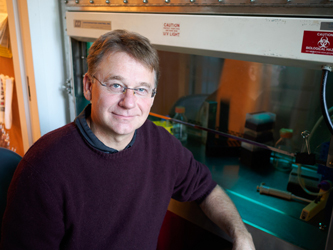 Henk Roelink合作论文数Genetics, Genomics & Development Faculty, Department of Molecular and Cell Biology, University of California, Berkeley3Gunhaga Lena合作论文数3
 Vladimir Korzh合作论文数International Institute of Molecular and Cell Biology;Institute of Molecular and Cell Biology, Agency for Science, Technology and Research3
 Lena A. E. Tibell合作论文数Department of Biochemistry;Umeå University;Department of Biochemistry, Umeå University3
 Cedric Patthey合作论文数3Esther Maier合作论文数3Stefan Norlin合作论文数3
 Björn Lund合作论文数Department of Earth Sciences, Uppsala University;Swedish National Seismic Network3A VONGABAIN合作论文数2S B Morton合作论文数2
 Matthew Marklund合作论文数2K Karlsson合作论文数2Carlsson L M合作论文数2Marysia Placzek合作论文数School of Biosciences, Faculty of Science, The University of Sheffield2
 Sara Wilson合作论文数2Ensini M合作论文数2G Skogman合作论文数2E LUNDGREN合作论文数2Michael D. Walker合作论文数2Jane Dodd合作论文数2
 Ulf Ahlgren合作论文数Department of Microbiology;University of Umeå;Department of Microbiology, University of Umeå2Enrique Graziano合作论文数2Mark Baldassare合作论文数2L.M Jonsson合作论文数2Hans Wolf-Watz合作论文数2J JONSSON合作论文数2
 O (Ole) Madsen合作论文数Department of Animal Sciences, Wageningen University & Research2Torbjörn Norberg合作论文数2




