BACKGROUND:Despite advances in guideline-directed medical therapy (GDMT) for heart failure (HF) with reduced ejection fraction, challenges with uptitration may delay optimal treatment. Cardiac resynchronization therapy (CRT) improves clinical outcomes, yet optimal sequencing of CRT and GDMT remains uncertain. We sought to characterize longitudinal GDMT titration and evaluate associations between CRT timing and outcomes among US patients. METHODS:A retrospective cohort study of 6334 Medicare beneficiaries with an identifiable incident HF diagnosis who will receive CRT between 2018 and 2022. Early CRT was defined as implantation within 1 year of diagnosis. Medication use was assessed by medication possession ratios of ≥0.8 in quarterly intervals. Outcomes were compared using propensity score overlap-weighted models. RESULTS:GDMT uptake increased sharply after the incident HF diagnosis but plateaued quickly with consistent medication use remaining low. Early CRT (n = 3777) was associated with lower adjusted risk of composite all-cause death or HF exacerbation (hazard ratio 0.80, 95% confidence interval [CI] 0.72-0.89), all-cause death alone (hazard ratio 0.79, 95% CI 0.69-0.90), and fewer HF exacerbations (incident rate ratio 0.66, 95% CI 0.58-0.75) vs late CRT (n = 2557). Early CRT was also associated with lower inpatient and emergency department use, Medicare expenditures, and HF-related out-of-pocket costs after CRT implant. CONCLUSIONS:Early CRT was associated with lower mortality, fewer HF exacerbations, and lower health care use, supporting reconsideration of GDMT and CRT treatment sequencing.
Introduction An implantable pulmonary artery pressure (PAP) sensor is approved to reduce heart failure hospitalizations (HFH) in symptomatic patients. Key trials have excluded those with advanced chronic kidney disease (CKD), or eGFR <25 mL/min per 1.73 m². Real-world use of ambulatory hemodynamic monitoring in advanced CKD has not been well-described. Methods Hemodynamic Frontiers in Heart Failure (HF2) is an academic consortium of 14 US centers that developed a registry to collect data on patients following implantation with a PAP sensor, including demographics, hemodynamics, and clinical events (ED visits, HFH, or death). We analyzed patients with at least 12 months of hemodynamic monitoring data, comparing events in patients with normal kidney function (eGFR ≥60), mild to moderate CKD (eGFR 30-59), and advanced CKD (eGFR <30). Baseline demographic and implant hemodynamic data were compared using One-Way ANOVA test (IBS SPSS Statistics Version 29.0). In time-to-event analysis, patients who had no events were censored at their 12 month follow up as their last seen date. Those with an event > 12 months from the implant date were censored. The Registry has IRB approval from individual sites and is supported by CTSA Award UL1TR002366. Results Of 236 total patients, 70 (29.7%) had advanced and 112 (47.5%) had mild to moderate CKD (Table 1A). Those with CKD were more likely to be older, diabetic, and with higher baseline right atrial and pulmonary artery mean pressures. Patients with CKD had more frequent hospitalizations and those with advanced CKD had more frequent death and progression to LVAD/transplant or ESRD/dialysis (Table 1B). Of those with advanced CKD, only 2 (1.5%) progressed to ESRD. Conclusion Longitudinal real-world data from the HF2 Registry demonstrates use of PAP sensors in patients with a broad range of kidney function. Although ambulatory hemodynamic monitoring has been shown to reduce HFH, the same may not be true for those with advanced CKD. More research is needed in this high-risk population.
Background Women have been underrepresented in heart failure (HF) trials, including key trials for implantable pulmonary artery pressure (PAP) sensors. Sex-specific analysis of the use of ambulatory hemodynamic monitoring devices are lacking. Methods Hemodynamic Frontiers in Heart Failure (HF2) is an academic consortium of 14 US centers that has developed a registry to collect data on patients following PAP sensor implantation. We analyzed patients with at least 12 months of hemodynamic monitoring data and compared patients based on reported sex. Clinical events including ED visits, HF hospitalizations, and death have been captured. Baseline demographic and implant hemodynamic data were compared using independent samples t-test (IBM SPSS Statistics Version 29.0). The registry has IRB approval from individual sites and is supported by CTSA Award UL1TR002366. Results Of 238 patients, 100 (42%) were female. Women were more likely to have lower creatinine, higher BMI and ejection fraction (Table 1). They were less likely to have ischemic etiology or baseline SGLT2 inhibitor use. There were no significant differences in baseline hemodynamics. Female patients had fewer total events than their male counterparts (1.49 vs 1.91 events/person-year) and fewer HF hospitalizations (Figure 1). The majority of ED visits were non-cardiac and the majority of hospitalizations were not HF-related. There were 5 deaths total: 3 HF-related in males, 1 HF-related in a female and 1 non-cardiac in a female. Four patients progressed to LVAD, 3 of which were males. Three patients progressed to ESRD, all males. Conclusion The HF2 Registry is a real-world, multi-center registry of an approved PAP sensor. As compared to key trials leading to initial and expanded indications for the devices, this registry houses a higher proportion of female patients. Although there were no differences in baseline hemodynamics, there were substantial sex-based variations in other demographics and in outcomes. More research is needed to understand potential sex-specific effects and to encourage higher female representation in HF device trials and utilization.
BACKGROUND:Evaluation of whether dyspnea has a cardiac cause is essential. Guidelines from 2016 were reported to result in a high incidence of indeterminate left ventricular (LV) filling pressure. We sought to validate a new algorithm for the estimation of LV filling pressure (LVFP) in a multicenter study, with the objective of decreasing the yield of indeterminate filling pressure and increasing accuracy. METHODS:In an observational study, echocardiography was performed in 951 patients referred for cardiac catheterization. Echocardiographic measurements included mitral inflow, pulmonary vein and tissue Doppler mitral annulus velocities, tricuspid regurgitation velocity, assessment of mean right atrial pressure, biplane LV and left atrial volumes, and LV and left atrial strain. A stepwise approach was applied in a new algorithm for estimation of LVFP, whereby pressure >15 mm Hg was considered abnormally elevated. The first step included mitral annulus early diastolic velocity (e'), the ratio of mitral early flow velocity to e', and pulmonary artery systolic pressure. With concordant findings in all 3 variables, conclusions about LVFP could be reached. In case of discordant or incomplete variables, left atrial reservoir strain, left atrial maximum volume index, isovolumic relaxation time, and pulmonary vein flow were analyzed in a second step. In the presence of ≥1 abnormal measurement in the second step, the conclusion of elevated LVFP could be reached. RESULTS:Only 2 patients had indeterminate LVFP as per the new algorithm versus 38 applying 2016 guidelines (P<0.0001). In 949 patients, sensitivity was 86% and specificity was 86%, with accuracy of 86%. Accuracy was higher than the 2016 algorithm in all patients (P<0.0001), and in patients with ejection fraction ≥50% (P<0.0001), whereas accuracy was similar in patients with ejection fraction <50%. In 663 patients with natriuretic peptides data, net reclassification improvement for echocardiography over natriuretic peptides was 1.1 (P<0.0001), and integrated discrimination improvement was 0.3 (P<0.0001). CONCLUSIONS:The new algorithm increases the feasibility of estimating LVFP and has good accuracy with incremental value when natriuretic peptides are considered.
Background The ability to adequately evaluate volume status remains a challenge to most practitioners but especially to those with limited clinical experience caring for heart failure (HF) patients. Primary care providers and urgent care clinics are often first-line evaluators of new onset shortness of breath where physical exam findings may be elusive. Risk stratification and early identification of fluid overload are key components of successful HF management. Methods Bioimpedance spectroscopy (BIS) measurements of extracellular fluid expressed as percentage of total body water (heart failure index, HF-Dex®) were measured using the SOZO device (ImpediMed Limited, Brisbane, Australia) and used as an indicator of fluid volume status. Data from 3 cohorts were analyzed: [Outpatient] 109 HF patients (63 male, 46 female) with Class II or III HF enrolled in a single-center observational study; [Recent Discharge] 88 HF patients (45 male, 43 female) enrolled within 72 hours of discharge from a HF hospitalization; and [Control] 69 healthy adults (32 male, 37 female) aged 40 years or more were enrolled separately and served as a comparison group. For the Outpatient HF group, one-time BIS measurements were obtained during a routine clinic visit at an established advanced HF clinic. For the Recent Discharge HF group, the median HF-Dex measurement from an up-to-45-days post-discharge follow-up period was used. HF-Dex values were compared between the HF patients and healthy individuals. Results Table 1 presents the receiver-operating characteristic (ROC) results. For the Outpatient HF group versus Control, area under the ROC curve (AUC) was 0.850 (95% CI: 0.788-0.899, P<0.0001 versus AUC of 0.5). For the Recent Discharge group versus Control, AUC was 0.882 (95% CI: 0.821-0.928, P<0.0001 versus AUC of 0.5). ROC results generally improved for both Outpatient and Recent Discharge HF patients when subgrouped by gender. Conclusion HF-Dex was able to differentiate between fluid volume status of heart failure and non-heart failure patients with 79.8% sensitivity and 79.7% specificity (Outpatient), and 80.7% sensitivity and 84.1% specificity (Recent Discharge). Gender-specific thresholds may improve the ability to distinguish between HF and non-HF fluid status. BIS may assist in the decision-making process when evaluating fluid status in a general patient population. This may help clinical providers with limited experience caring for HF patients objectively gauge fluid volume status.
Background: Ambulatory hemodynamic monitoring (AHM) using an implantable pulmonary artery pressure sensor (CardioMEMS) is effective in improving outcomes for patients with heart failure. The operations of AHM programs are crucial to clinical efficacy of AHM yet have not been described.Methods and Results: An anonymous, voluntary, web-based survey was developed and emailed to clinicians at AHM centers in the United States. Survey questions were related to program volume, staffing, monitoring practices, and patient selection criteria. Fifty-four respondents (40%) completed the survey. Respondents were 44% (n = 24) advanced HF cardiologists and 30% (n = 16) advanced nurse practitioners. Most respondents practice at a center that implants left ventricular assist devices (70%) or performs heart transplantation (54%). Advanced practice providers provide day-to-day monitoring and management in most pro-grams (78%), and use of protocol-driven care is limited (28%). Perceived patient nonadherence and inadequate insurance coverage are cited as the primary barriers to AHM.Conclusions: Despite broad US Food and Drug Administration approval for patients with symptoms and at increased risk for worsening heart failure, the adoption of pulmonary artery pressure monitoring is concentrated at advanced heart failure centers, and modest numbers of patients are implanted at most centers. Understanding and addressing the barriers to refer-ral of eligible patients and to broader adoption in community heart failure programs is needed to maximize the clinical benefits of AHM. (J Cardiac Fail 2023;29:1571-1575)
Background: Hemodynamic-guided management with a pulmonary artery pressure sensor (CardioMEMS) is effective in reducing heart failure hospitalization in patients with chronic heart failure. This study aims to determine the feasibility and clinical utility of the CardioMEMS heart failure system to manage patients supported with left ventricular assist devices (LVADs). Methods: In this multicenter prospective study, we followed patients with HeartMate II (n=52) or HeartMate 3 (n=49) LVADs and with CardioMEMS PA Sensors and measured pulmonary artery pressure, 6-minute walk distance, quality of life (EQ-5D-5 L scores), and heart failure hospitalization rates through 6 months. Patients were stratified as responders (R) and nonresponders to reductions in pulmonary artery diastolic pressure (PAD). Results: There were significant reductions in PAD from baseline to 6 months in R (21.5–16.5 mm Hg; P <0.001), compared with an increase in NR (18.0–20.3; P =0.002), and there was a significant increase in 6-minute walk distance among R (266 versus 322 meters; P =0.025) compared with no change in nonresponder. Patients who maintained PAD <20 compared with PAD ≥20 mm Hg for more than half the time throughout the study (averaging 15.6 versus 23.3 mm Hg) had a statistically significant lower rate of heart failure hospitalization (12.0% versus 38.9%; P =0.005). Conclusions: Patients with LVAD managed with CardioMEMS with a significant reduction in PAD at 6 months showed improvements in 6-minute walk distance. Maintaining PAD <20 mm Hg was associated with fewer heart failure hospitalizations. Hemodynamic-guided management of patients with LVAD with CardioMEMS is feasible and may result in functional and clinical benefits. Prospective evaluation of ambulatory hemodynamic management in patients with LVAD is warranted. Registration: URL: https://www.clinicaltrials.gov ; Unique identifier: NCT03247829.
Background: Hemodynamic Frontiers in Heart Failure (HF 2 ) is a multicenter research consortium of institutions with active remote pulmonary artery pressure monitoring programs that aims to promote research in this field. The consortium recently created a registry of patients with pulmonary artery hemodynamic (HD) monitors (HDM) to facilitate the research mission. Goals/Aims: HF 2 registry aims to collect demographic, clinical, laboratory, echocardiographic and HD data from HDM patients to create a test bed to advance scientific knowledge about ambulatory HD monitoring and quickly evaluate new therapies. Methods: HF 2 includes patients aged >18 who would have been implanted with a HDM as per FDA indications of NYHA Class III HF diagnosis with a prior hospitalization or patients with NYHA Class II or BNP elevation without hospitalization. HF 2 registry data warehouse rests through University of Kansas Medical Center (KUMC) and was approved by their institutional review board (IRB) board followed by local IRBs at participating institutions with required Data use agreements. Institutions report data into the electronic registry database using REDCap, housed at KUMC. Results: This initial data set includes 254 patients implanted from 2019 until May 2023. See Table 1 for initial demographic, comorbidity, laboratory, echocardiographic, and medication data. See Table 2 for HD measurements at time of implant. Conclusion: A real-world registry/test bed of patients with HDM can evaluate long-term outcomes in such patients, provide data in unique patient groups, and provide an opportunity to evaluate HD effects of new HF therapies in rapid turnaround cross over trials.
BackgroundIn this multicenter prospective study, we explored the relationship between pulmonary artery pressure (PAP) at rest and in response to a 6-min walk test (6MWT) in ambulatory patients with heart failure (HF) with an implantable PAP sensor (CardioMEMS, Abbott).MethodsBetween 5/2019 and 2/2021, HF patients with a CardioMEMS sensor were recruited from seven sites. PAP was recorded in the supine and seated position at rest and in the seated position immediately post-exercise.ResultsIn our cohort of 66 patients, mean age was 70 ± 12 years, 67% male, left ventricular ejection fraction (LVEF) < 50% in 53%, mean 6MWT distance was 277 ± 95 meters. Resting seated PAPs were 31 ± 15 mmHg (systolic), 13 ± 8 mmHg (diastolic), and 20 ± 11 mmHg (mean). The pressures were lower in the seated rather than the supine position. After 6MWT, the pressures increased to PAP systolic 37 ± 19 mmHg (p < 0.0001), diastolic 15 ± 10 mmHg (p = 0.006), and mean 24 ± 13 mmHg (p < 0.0001). Patients with elevated PAP diastolic at rest (>15 mmHg) demonstrated a greater increase in post-exercise PAP.ConclusionThe measurement of PAP with CardioMEMS is feasible immediately post-exercise. Despite being well-managed, patients had severely limited functional capacity. We observed a significant increase in PAP with ambulation which was greater in patients with higher baseline pressures.
 Gregg C. Fonarow合作论文数Department of Medicine, University of California, Los Angeles29
 Clyde W. Yancy合作论文数Feinberg School of Medicine, Northwestern University;Bluhm Cardiovascular Institute of Northwestern, Northwestern University26
 Mihai Gheorghiade合作论文数Feinberg School of Medicine, Northwestern University25
 Nancy M. Albert合作论文数Nursing Institute, Cleveland Clinic;Kaufman Center for Heart Failure, Cleveland Clinic24
 Mary N. Walsh合作论文数Ascension Medical Group St. Vincent;Department of Cardiology, St. Vincent Health24
 Christopher M. O'Connor合作论文数24Dwight W. Reynolds合作论文数24
 Anne B. Curtis合作论文数Buffalo General Medical Center23Ajay Srivastava合作论文数21
 Lynne W. Stevenson合作论文数Vanderbilt University Medical Center17Mark L. McBride合作论文数17Rajeev Mohan合作论文数14
 Akshay Suvas Desai合作论文数Brigham and Women's Hospital;Harvard Medical School14
 William Abraham合作论文数Division of Cardiovascular Medicine, Department of Internal Medicine, College of Medicine, The Ohio State University;Wexner Medical Center, The Ohio State University;V-Wave13Orvar Jonsson合作论文数12Kunjan Bhatt合作论文数Austin Heart12Arvind Bhimaraj合作论文数Cardiology, John. H. Stroger Jr. Hospital of Cook County12David M. Shavelle合作论文数12Maria Rosa Costanzo合作论文数11
 Robert C. Bourge合作论文数School of Medicine, University of Alabama at Birmingham;Division of Cardiovascular Disease, University of Alabama at Birmingham11
 Wendy Gattis Stough合作论文数Duke University Medical Center, Campbell University School of Pharmacy11
 Sheryl Chow合作论文数11Marie-Elena Brett合作论文数10
 Jacob Abraham合作论文数Providence Heart Institute10Lisa Rathman合作论文数10Guha Ashrith合作论文数10
 Maya Guglin合作论文数Cardiology, University of South Florida10
 Marat Fudim合作论文数Department of Medicine, School of Medicine, Duke University9
 Mandeep R. Mehra合作论文数Heart and Vascular Center, Brigham and Women's Hospital;Carl J. and Ruth Shapiro Cardiovascular Center, Brigham and Women's Hospital;Department of Medicine, Harvard Medical School9David S. Rubenson合作论文数9Hirak Shah合作论文数8Inge Patches Johnson合作论文数8Rola Khedraki合作论文数Brigham and Women’s Hospital, Harvard Medical School8
 Philip Adamson合作论文数7Nirav Raval合作论文数7
 Wai Hong Wilson Tang合作论文数Department of Cardiovascular & Metabolic Sciences, Lerner Research Institute, Cleveland Clinic;Genomic Medicine Institute, Lerner Research Institute, Cleveland Clinic;Cleveland Clinic Lerner College of Medicine of School of Medicine, Case Western Reserve University7Monique R. Robinson合作论文数7
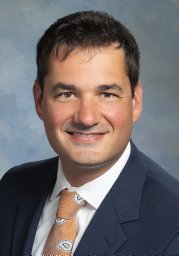 Andrew J Sauer合作论文数Department of Medicine, Northwestern University Feinberg School of Medicine7Elizabeth Volz合作论文数6Anne Daleiden-Burns合作论文数6Andrew J. Accardi合作论文数6Mosi Bennett合作论文数6Patrick McCann合作论文数6John Henderson合作论文数6
 Jigar Patel合作论文数Roche NimbleGen, Inc.6
 Roy S. Small合作论文数6Daniel A Grant合作论文数5
 Kartik Munshi合作论文数5




