We perform a scoping study of seven classes of microreactor technologies with a diverse set of coolants, that is, heat pipes, sodium, lead-bismuth, helium, FLiBe, organic fluid and light water. A point design is developed for each reactor class under a consistent set of assumptions about road transportability, irradiation cycle length, passive decay heat removal and reactivity control. All reactors have a thermal spectrum and use low-enriched (& LE;5%) uranium dioxide fuel, which is readily available and inexpensive. Mature moderator materials, in-core structural and cladding alloys were selected in this study including graphite, Zircaloy and stainless steel 316H. We compare the economic potential of these point designs according to a set of figures of merit including the cost of fuel, coolant, major equipment, instrumentation and control (I & C) systems as well as the complexity of operations and maintenance (O & M). The results of our analyses confirm that economies of scale work against microreactors competitiveness, i.e., relatively small absolute costs become high costs per unit energy generated because of the low power output. We find that all designs have very high fuel costs because of the relatively low achievable burnup, and high I & C costs (in particular for the reactor protection system), compared to traditional large light water reactors. Coolant costs are also notably high for the lead-bismuth cooled, organic-cooled and especially FLiBe-cooled systems. The constraints adopted in this study limited the heat pipe reactor's operating temperature to 650 degrees C, which resulted in low core power density and low electric power output, thus yielding a poor economic performance. When technology maturity, operating experience, O & M complexity and our estimated costs are holistically taken into account, we judge that the most promising designs examined in this study are (in no particular order) the Na-cooled reactor, the HTGR, the organic-cooled reactor and the water-cooled reactor.
Liquid Acquisition Devices (LADs) are used inside propellant tanks in microgravity to collect liquid propellant to move towards the sump or outlet of a tank during expulsion or transfer. In microgravity, vehicle thrusters can produce necessary phase separation, but in the absence of thrust, surface tension is the driver of fluid behavior. Liquid in microgravity will tend to minimize surface area. If a LAD can be made more “attractive” to a propellant (omniphilic), then it should perform its function more effectively. This paper presents preliminary results on using femtosecond laser surface processing (FLSP) to change the wetting properties of a vane LAD. FLSP can make metals superhydrophilic or omniphilic; by controlling the applied laser parameters, the resulting micro and nanoscale surface features can be tailored to control and optimize hydrophilic/omniphilic properties. Two LAD galleries with guide vanes were recently fabricated, a control sample and an FLSP-treated sample. The LADs were ground tested and also implemented in a parabolic flight experiment. Based on contact angle and roll-off angle measurements of the surface-treated vane, FLSP appears to be a promising technique to improve efficiency of LADs.
Refueling spacecraft in orbit offers potential benefits to future extended duration missions including increased spacecraft payload capacity and reduced launch cost. However, a key challenge for refueling cryogenic propellants in microgravity conditions is the acquisition of vapor-free liquid propellants from an in-orbit supply tank. This is especially true when the required liquid flow rate is high but residual liquid in the tank must be minimal. Vane-type Propellant Management Devices (PMDs) excel in stabilizing and distributing liquid, but are more susceptible to gas ingestion, and generally only perform well at lower flow rates and/or under favorable acceleration gradients. Screen channel PMDs do not stabilize and distribute the liquid as well, but are less susceptible to gas ingestion, and perform well at higher flow rates and/or under adverse accelerations. Screened channel LADs appear to hold many advantages for a flight cryogenic system with high demand flow rate, however there are currently no flight cryogenic fluid-based screen channel LADs. To address this need, Creare has been working with NASA Glenn to develop a hybrid Liquid Acquisition Device (LAD) for cryogenic propellants consisting of screened channels with attached guide vanes, and a screened sump. Creare's design forms the flow channel from screen material itself, allowing much higher acquisition surface area per unit volume as compared to existing designs. The screened channel LAD and screened sump are assembled by Creare's advanced laser welding processes to reliably maintain the pore structure of the screen adjacent to the bonding joints. After completing a series of fabrication trials to validate the reliability and repeatability of the approach, a prototype screen channel was fabricated, and its performance was characterized in LN2 outflow. Results were found to be consistent with single-phase CFD predictions of this geometry for a partially exposed screen channel. Two-phase CFD analysis was conducted to evaluate the performance of the guide vanes in favorably distributing liquid to enhance expulsion efficiency. Preliminary structural analysis was performed on representative geometry for the LAD assembly to assess stresses of the under 5 g acceleration. Using this screen channel geometry and overall design approach, Creare assembled a laboratory-scale hybrid LAD with four parallel gallery arms, a screened sump, and guide vanes. The assembly has been installed in a large dewar for preliminary evaluation in LN2. This unit is planned for delivery to NASA for follow-on investigations using liquid hydrogen.
A methodology is presented for the re-design of a large centrifugal impeller used for the lift fan on an air cushion vehicle. The design is driven by stringent requirements for aerodynamic and structural performance. It is also desired to minimize the fan’s life cycle cost, by reducing both the manufacturing cost and on-going maintenance burden. Improving the fan efficiency will increase the vehicle’s endurance and range, and minimizing life cycle cost will reduce the overall operational expenses. The lift fan assembly has a double-inlet impeller and an offset double-discharge volute. The new impeller design provides increased air flow with similar aerodynamic efficiency when compared to the prior design. To reduce the manufacturing cost, the new fan blade design can be produced by an aluminum extrusion process. The manufacturing process dictates that the blade cross-section be two-dimensional across the entire span, which poses structural challenges for attachment of the blades to the shroud and center disk. Analysis of the aerodynamic and structural performance of the lift fan was carried out using computational fluid dynamics (CFD) and structural finite element analysis (FEA) models. The fabrication of full-scale lift fan components is described. Plans for final assembly and for conducting full-scale, full-power aerodynamic testing will also be explained.
A supercritical CO2 test facility is currently being developed at Indian Institute of Science, Bangalore, India to analyze the performance of a closed loop Brayton cycle for concentrated solar power (CSP) generation. The loop has been designed for an external heat input of 20 kW, a pressure range of 75–135 bar, flow rate of 11 kg/min, and a maximum cycle temperature of 525 °C. The operation of the loop and the various parametric tests planned to be performed are discussed in this paper. The paper addresses various aspects of the loop design with emphasis on design of various components such as regenerator and expansion device. The regenerator design is critical due to sharp property variations in CO2 occurring during the heat exchange process between the hot and cold streams. Two types of heat exchanger configurations 1) tube-in-tube (TITHE) and 2) printed circuit heat exchanger (PCHE) are analyzed and compared. A PCHE is found to be ∼5 times compact compared to a TITHE for identical heat transfer and pressure drops. The expansion device is being custom designed to achieve the desired pressure drop for a range of operating temperatures. It is found that capillary of 5.5 mm inner diameter and ∼2 meter length is sufficient to achieve a pressure drop from 130 to 75 bar at a maximum cycle temperature of 525 °C.
Currently, waste heat rejection from electrical power systems accounts for the largest fraction of water withdrawals from the US fresh water table. Siting of nuclear power plants is limited to areas with access to a large natural supply of fresh or sea water. Due to a rise in energy needs and increased concern over environmental impact, dry air cooling systems are poised to play a large role in the future energy economy. In practice, the implementation of dry air-cooled condensing systems at steam plants has proven to be capital-intensive and requires the power cycle to take a significant efficiency penalty. These shortcomings are fundamental to dry-air steam condensation, which must occur at a fixed temperature. Closed-cycle gas turbines are an alternative to the conventional steam Rankine plant that allow for much improved dry heat rejection compatibility. Recent research into advanced nuclear energy systems has identified the supercritical CO2 (s-CO2) Brayton cycle in particular as a viable candidate for many proposed reactor types. The s-CO2 Brayton cycle can maintain superior thermal efficiency over a wide range of ambient temperatures, making these power systems ideally suited for dry air cooling, even in warm climates. For an SFR operating at 550°C, thermal efficiency is calculated to be 43% with a 50°C compressor inlet temperature. This is achieved by raising CO2 compressor inlet pressure in response to rising ambient temperatures. Preliminary design studies have shown that s-CO2 power cycle hardware will be compact and therefore well-matched to near-term and advanced integral SMR designs. These advantages also extend to the cooling plant, where it is estimated that dry cooling towers for an SFR-coupled s-CO2 power cycle will be similar in cost and scale to the evaporative cooling tower for an LWR. The projected benefits of the s-CO2 power cycle coupled to dry air heat rejection may enable the long-awaited rise of next-generation nuclear energy systems, while re-drawing the map for siting of small and large nuclear energy systems.
Turbine inlet pressures of similar to 300 bar in case of CO2 based cycles call for redesigning the cycle in such a way that the optimum high side pressures are restricted to the discharge pressure limits imposed by currently available commercial compressors (similar to 150 bar) for distributed power generation. This leads to a cycle which is a combination of a transcritical condensing and a subcritical cycle with an intercooler and a bifurcation system in it. Using a realistic thermodynamic model, it is predicted that the cycle with the working fluid as a non-flammable mixture of 48.5 % propane and rest CO2 delivers similar to 37.2 % efficiency at 873 K with a high and a low side pressure of 150 and 26 bar respectively. This is in contrast to the best efficiency of similar to 36.1 % offered by a transcritical condensing cycle with the same working fluid at a high side pressure of similar to 300 bar
Many SCO2 Brayton cycle demonstration loops have been constructed or are being planned at various thermal power levels between several kilowatts up to 50MW. However experiences at Sandia National Labs and other organizations have demonstrated that few options exist to procure off-the-shelf heat exchangers, especially for higher temperature ranges, due to high operating and differential pressures and the cost of materials with sufficient strength above 600 °C. This paper reviews fundamental mechanical scaling considerations governing SCO2 cycle heat exchangers that should be considered when designing and constructing SCO2 cycles. Current manufacturing limitations will also be reviewed.
High-temperature receiver designs for solar powered supercritical CO2 Brayton cycles that can produce ∼1 MW of electricity are being investigated. Advantages of a supercritical CO2 closed-loop Brayton cycle with recuperation include high efficiency (∼50%) and a small footprint relative to equivalent systems employing steam Rankine power cycles. Heating for the supercritical CO2 system occurs in a high-temperature solar receiver that can produce temperatures of at least 700 °C. Depending on whether the CO2 is heated directly or indirectly, the receiver may need to withstand pressures up to 20 MPa (200 bar). This paper reviews several high-temperature receiver designs that have been investigated as part of the SERIIUS program. Designs for direct heating of CO2 include volumetric receivers and tubular receivers, while designs for indirect heating include volumetric air receivers, molten-salt and liquid-metal tubular receivers, and falling particle receivers. Indirect receiver designs also allow storage of thermal energy for dispatchable electricity generation. Advantages and disadvantages of alternative designs are presented. Current results show that the most viable options include tubular receiver designs for direct and indirect heating of CO2 and falling particle receiver designs for indirect heating and storage.
Abstract Because of the immense capital costs associated with new nuclear construction, interest remains high in developing strategies to uprate existing light water reactors (LWRs) for higher power density and in raising core power density for next-generation LWR designs. Toward these goals, the helical-cruciform (HC) fuel rod assembly has been proposed. The HC fuel rod assembly is a self-supporting nuclear fuel configuration consisting of four-petaled, axially twisted fuel rods closely packed in a square array. Advantages over traditional fuel geometry include a larger surface-to-volume ratio and improved radial mixing characteristics. The self-supporting nature of the assembly obviates the need for grid plates, improving core hydraulics. Past studies have identified these and other benefits of HC fuel rod geometry and have adapted its shape and design to LWR fuel assemblies for both boiling water reactor (BWR) and pressurized water reactor (PWR) applications. However, because of a lack of suitable thermal-hydraulic correlations to capture HC rod bundle flow behavior, this work fell short of a complete assessment of the potential. Recent progress has been made in this regard due to the empirical development of specialized hydraulic and lateral mixing correlations for HC rod geometry. As a result, advanced LWR core designs taking advantage of the HC fuel rod assembly can be reexamined with a greater degree of precision and confidence. For a BWR core using HC rod assemblies, applying the new HC rod bundle correlations to subchannel models uncovered a need to increase the hydraulic diameter of the tight side and corner subchannels, to prevent flow starvation. Small protrusions were added to the assembly box side at axial locations corresponding to each rod quarter-twist to act as spacers. This prompted a slight redesign of the rod cross-sectional shape. Likewise, the central water rod region was adjusted to maintain the reference hydrogen-to-uranium atom ratio. With these changes, subchannel models predicted a 24% allowable power uprate for the 200-cm twist pitch HC core, in comparison to a reference BWR with traditional fuel. The uprate is accomplished assuming a fixed-core power-to-flow ratio. In comparison, modeling showed that a PWR core employing HC fuel rod assemblies may allow power uprates up to 47%, for a fixed power-to-flow ratio. One major difference from the BWR case is that subcooled critical heat flux (CHF) levels rise with increasing coolant mass velocity, opposite the trend for saturated CHF conditions. However, subcooled CHF is also known to be more sensitive to locally peaked heat flux, which was not explicitly modeled in these simulations. Power density gains claimed here will be ultimately dependent on the degree to which the HC rod’s twist disrupts nascent pockets of vapor as subcooled CHF limits are approached; this effect should be further investigated experimentally.
Of the mechanisms to improve efficiency for solar-thermal power plants, one of the most effective ways to improve overall efficiency is through power cycle improvements. As increases in operating temperature continue to be pursued, supercritical CO₂ Brayton cycles begin to look more attractive despite the development costs of this technology. Further, supercritical CO₂ Brayton has application in many areas of power generation beyond that for solar energy alone. One challenge particular to solar-thermal power generation is the transient nature of the solar resource. This work illustrates the behavior of developmental Brayton turbomachinery in response to a fluctuating thermal input, much like the short-term transients experienced in solar environments. Thermal input to the cycle was cut by 50% and 100% for short durations while the system power and conditions were monitored. It has been shown that despite these fluctuations, the thermal mass in the system effectively enables the Brayton cycle to continue to run for short periods until the thermal input can recover. For systems where significant thermal energy storage is included in the plant design, these transients can be mitigated by storage; a comparison of short- and long-term storage approaches on system efficiency is provided. Also, included in this work is a data set for stable supercritical CO₂ Brayton cycle operation that is used to benchmark computer modeling. With a benchmarked model, specific improvements to the cycle are interrogated to identify the resulting impact on cycle efficiency and loss mechanisms. Status of key issues remaining to be addressed for adoption of supercritical CO₂ Brayton cycles in solar-thermal systems is provided in an effort to expose areas of necessary research.
In this study, an elastohydrodynamic model was created for predicting the pressure field in a compliant thrust bearing assembly lubricated by high pressure CO2. This application is of significance due to ongoing research into the closed-cycle supercritical CO2 turbine as a high-efficiency alternative to steam turbines. Hardware development for this concept has been led by Sandia National Laboratories, where turbomachinery running on gas foil thrust and journal bearings is being tested. The model accounts for the fluid velocity field, hydrodynamic pressure, and frictional losses within the lubrication layer by evaluating the turbulent Reynolds equation coupled with an equation for structural deformation in the bearings, and the fluid properties database RefProp v9.0. The results of numerical simulations have been compared with empirical correlations, with reasonable agreement attained. Of particular interest is the contrast drawn between the performance of high pressure CO2 as a lubricant, and ambient pressure air. Parametric studies covering a range of fluid conditions, operating speeds, and thrust loads were carried out to illustrate the value of this model as a tool for improved understanding and further development of this nascent technology.
In order to significantly increase the power density of light water reactors (LWRs), the authors propose the helical-cruciform (HC) fuel rod assembly as an alternative to traditional fuel geometry. The HC fuel rod assembly is a self-supporting nuclear fuel configuration consisting of four-petalled, axially twisted fuel rods closely packed against one another in a square array. Within the LWR core, HC fuel would possess several advantages over traditional fuel, potentially allowing for operation at a higher power density. Chief among these advantages are a larger surface-to-volume ratio, improved radial mixing characteristics of the coolant, and a shorter radial heat conduction path in the fuel pellet. In adapting helical rod geometry to the LWR core, the authors identified a shortage of correlations for fluid flow in twisted geometry flow channels, causing uncertainty in modeling studies. This gap was addressed by constructing an experimental facility for the measurement of hydraulic resistance and assembly mixing within a mock bundle of HC fuel rods. The rods were manufactured and tested in 4 X 4 square arrays at twist pitches of 200, 100, and 50 cm. Hydraulic resistance was evaluated by measuring frictional pressure drop over a 1-m length of the assembly. Results showed a higher pressure drop for the HC rods in comparison to bare cylindrical rods with no spacers, at a given mass flux, but no apparent dependency on twist pitch. However, data indicated that the HC-rod effective hydraulic diameter was only 90% of the expected value given its wetted perimeter and flow area, suggesting a shift from the traditional definition of D-h for this unique shape. Mixing tests used the technique of a hot water tracer injection into the central subchannel of the assembly of room-temperature water. Downstream temperature measurements were used to judge the rate of lateral cross flow within the HC rod bundle. Over 300 tests were analyzed, yielding a best-fit correlation for use with any twist pitch, rod length, or coolant mass flux. Compared to a traditional rod bundle, this correlation implies an enhancement in the intensity of turbulent interchange of 40% brought about by the HC geometry and a 1.6% forced diversion of axial flow per subchannel, per quarter-turn along the rod length. The correlations for hydraulics and cross-flow mixing presented here should reduce the uncertainty in future analysis of this fuel type for high-power-density LWRs.
The U. S. Department of Energy is currently focused on the development of next-generation nuclear power reactors, with an eye towards improved efficiency and reduced capital cost. To this end, reactors using a closed-Brayton power conversion cycle have been proposed as an attractive alternative to steam turbines. The supercritical-CO2 recompression cycle has been identified as a leading candidate for this application since it can achieve high efficiency at relatively low operating temperatures with extremely compact turbomachinery. Sandia National Laboratories has been a leader in hardware and component development for the supercritical-CO2 cycle. With contractor Barber-Nichols Inc., Sandia has constructed a megawatt-class S-CO2 cycle test-loop to investigate the key areas of technological uncertainty for this power cycle and to confirm model estimates of advantageous thermodynamic performance. Until recently, much of the work has centered on the simple S-CO2 cycle-a recuperated Brayton loop with a single turbine and compressor. However, work has recently progressed to a recompression cycle with split-shaft turbo-alternator-compressors, unlocking the potential for much greater efficiency power conversion, but introducing greater complexity in control operations. The following sections use testing experience to frame control actions made by test loop operators in bringing the recompression cycle from cold startup conditions through transition to power generation on both turbines, to the desired test conditions, and finally to a safe shutdown. During this process, considerations regarding the turbocompressor thrust state, CO2 thermodynamic state at the compressor inlet, compressor surge and stall, turbine u/c ratio, and numerous other factors must be taken into account. The development of these procedures on the Sandia test facility has greatly reduced the risk to industry in commercial development of the S-CO2 power cycle.
Supercritical Closed Brayton Cycle (SCO2 CBC) systems have the potential to convert thermal energy to electricity at an efficiency significantly higher than traditional steam Rankine cycles. The primary difference in the Brayton cycle that enables higher efficiency is the availability of a useful temperature difference between the high temperature, low pressure flow exiting the turbine, and the low temperature, high pressure flow exiting the compressor. In the SCO2 CBC cycle, this temperature difference drives heat transfer through recuperation in heat exchangers. Overall cycle energy conversion efficiency increases as the extent of recuperation increases. Ideally, the low pressure flow temperature exiting the last heat exchanger before entering the compressor will equal the high pressure flow temperature exiting the compressor. Both heat exchanger capital costs and power plant operating income rise as this ideal is approached. The capital costs are considered in relation to their effect on profit from a SCO2 CBC power plant selling electricity. Sandia is currently designing a heat exchanger test platform to support research and development of heat exchanger technology for SCO2 power cycles. This platform will facilitate investigating performance characteristics of various new heat exchanger technologies, such as pressure drop, efficiency, failure modes, etc. The platform will be able to accommodate many types of exchangers of different physical sizes and flow rates. The purpose of this testing is to identify the correct heat exchanger for the many various SCO2 applications. Testing will be a focal point of the research and commercialization plan for Sandia to identify a path forward to develop a 10MW simple recuperated Brayton cycle. The platform, once commissioned, can test many types of heat exchangers to investigate performance characteristics and to select which application they will be best suited for. Characterizing these heat exchangers will facilitate understanding how they scale. Plant economics will be a major factor in the selection of these heat exchangers. It has been identified that at this time, up to 90% of the cost of the SCO2 Brayton Cycle will be in the heat exchangers. This percentage assumes the use of printed circuit heat exchangers. Although these heat exchanger are approximately 98% efficient and a relatively high cost, the use of a lower efficiency and less costly heat exchanger may make this SCO2 technology more attractive for a path forward commercialization.
Sandia National Laboratories is investigating advanced Brayton cycles using supercritical working fluids for application to a variety of heat sources, including geothermal, solar, fossil, and nuclear power. This work is centered on the supercritical CO{sub 2} (S-CO{sub 2}) power conversion cycle, which has the potential for high efficiency in the temperature range of interest for these heat sources and is very compact-a feature likely to reduce capital costs. One promising approach is the use of CO{sub 2}-based supercritical fluid mixtures. The introduction of additives to CO{sub 2} alters the equation of state and the critical point of the resultant mixture. A series of tests was carried out using Sandia's supercritical fluid compression loop that confirmed the ability of different additives to increase or lower the critical point of CO{sub 2}. Testing also demonstrated that, above the modified critical point, these mixtures can be compressed in a turbocompressor as a single-phase homogenous mixture. Comparisons of experimental data to the National Institute of Standards and Technology (NIST) Reference Fluid Thermodynamic and Transport Properties (REFPROP) Standard Reference Database predictions varied depending on the fluid. Although the pressure, density, and temperature (p, {rho}, T) data for all tested fluids matched fairly well to REFPROP in most regions, the critical temperature was often inaccurate. In these cases, outside literature was found to provide further insight and to qualitatively confirm the validity of experimental findings for the present investigation.
A liquid sodium cooled fast reactor coupled to a supercritical carbon dioxide Brayton power cycle is a promising combination for the next generation nuclear power production process. For optimum efficiency, a microchannel heat exchanger, constructed by diffusion bonding, can be used for heat transfer from the liquid sodium reactor coolant to the supercritical carbon dioxide. In this work, we have reviewed the literature on corrosion of metals in liquid sodium and carbon dioxide. The main conclusions are (1) pure, dry CO{sub 2} is virtually inert but can be highly corrosive in the presence of even ppm concentrations of water, (2) carburization and decarburization are very significant mechanism for corrosion in liquid sodium especially at high temperature and the mechanism is not well understood, and (3) very little information could be located on corrosion of diffusion bonded metals. Significantly more research is needed in all of these areas.
Supercritical CO2 (S-CO2) power cycles offer the potential for better overall plant economics due to their high power conversion efficiency over a moderate range of heat source temperatures, compact size, and potential use of standard materials in construction. Sandia National Labs (Albuquerque, NM) and the U.S. Department of Energy (DOE-NE) are in the process of constructing and operating a megawatt-scale supercritical CO2 split-flow recompression Brayton cycle with contractor Barber-Nichols Inc. (Arvada, CO). This facility can be counted among the first and only S-CO2 power producing Brayton cycles anywhere in the world. The Sandia-DOE test-loop has recently concluded a phase of construction that has substantially upgraded the facility by installing additional heaters, a second recuperating printed circuit heat exchanger (PCHE), more waste heat removal capability, higher capacity load banks, higher temperature piping, and more capable scavenging pumps to reduce windage within the turbomachinery. With these additions, the loop has greatly increased its potential for electrical power generation, and its ability to reach higher temperatures. To date, the loop has been primarily operated as a simple recuperated Brayton cycle, meaning a single turbine, single compressor, and undivided flow paths. In this configuration, the test facility has begun to realize its upgraded capacity by achieving new records in turbine inlet temperature (650 °F/615 K), shaft speed (52,000 rpm), pressure ratio (1.65), flow rate (2.7 kg/s), and electrical power generated (20 kWe). Operation at higher speeds, flow rates, pressures, and temperatures has allowed a more revealing look at the performance of essential power cycle components in a supercritical CO2 working fluid, including recuperation and waste heat rejection heat exchangers (PCHEs), turbines and compressors, bearings and seals, as well as auxiliary equipment. In this report, performance of these components to date will be detailed, including a discussion of expected operational limits as higher speeds and temperatures are approached.
 Steven Wright合作论文数10steven alan wright合作论文数10jim pasch合作论文数4Gary Rochau合作论文数4Darryn Fleming合作论文数4matt carlson合作论文数4
 Mujid S. Kazimi合作论文数4Gary Eugene Rochau合作论文数3
 Clifford Ho合作论文数Sandia National Laboratories3Thomas Mckrell合作论文数3Ross F. Radel合作论文数3James Pasch合作论文数2Gary E Rochau合作论文数2Edward J. Parma合作论文数2robert fuller合作论文数2
 Jason Hartwig合作论文数2
 P. Garg合作论文数Physics Department, Banaras Hindu University2
 Pramod Kumar合作论文数Department of Mechanical Engineering, Indian Institute of Science2M.S. Kazimi合作论文数1j m christian合作论文数1Cody Gilliland合作论文数1Michael L. Reinig合作论文数1Thomas R. Boyle合作论文数1David E. Ames合作论文数1Robert E. Cole合作论文数1daniel george合作论文数1Bradley Dunkin合作论文数1soji koikari合作论文数1Hironobu Unesaki合作论文数1C Deck合作论文数1
 Lucas E. O'Neill合作论文数Purdue University, Purdue University1hiroaki suzuki合作论文数1samia afrin合作论文数1Youho Lee合作论文数1
 Alan M. Kruizenga合作论文数University of Wisconsin Madison, University of Wisconsin-Madison1
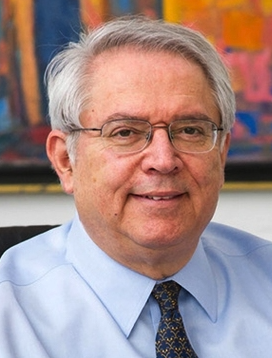 Mujid Kazimi合作论文数Department of Nuclear Science & Engineering, Massachusetts Institute of Technology1
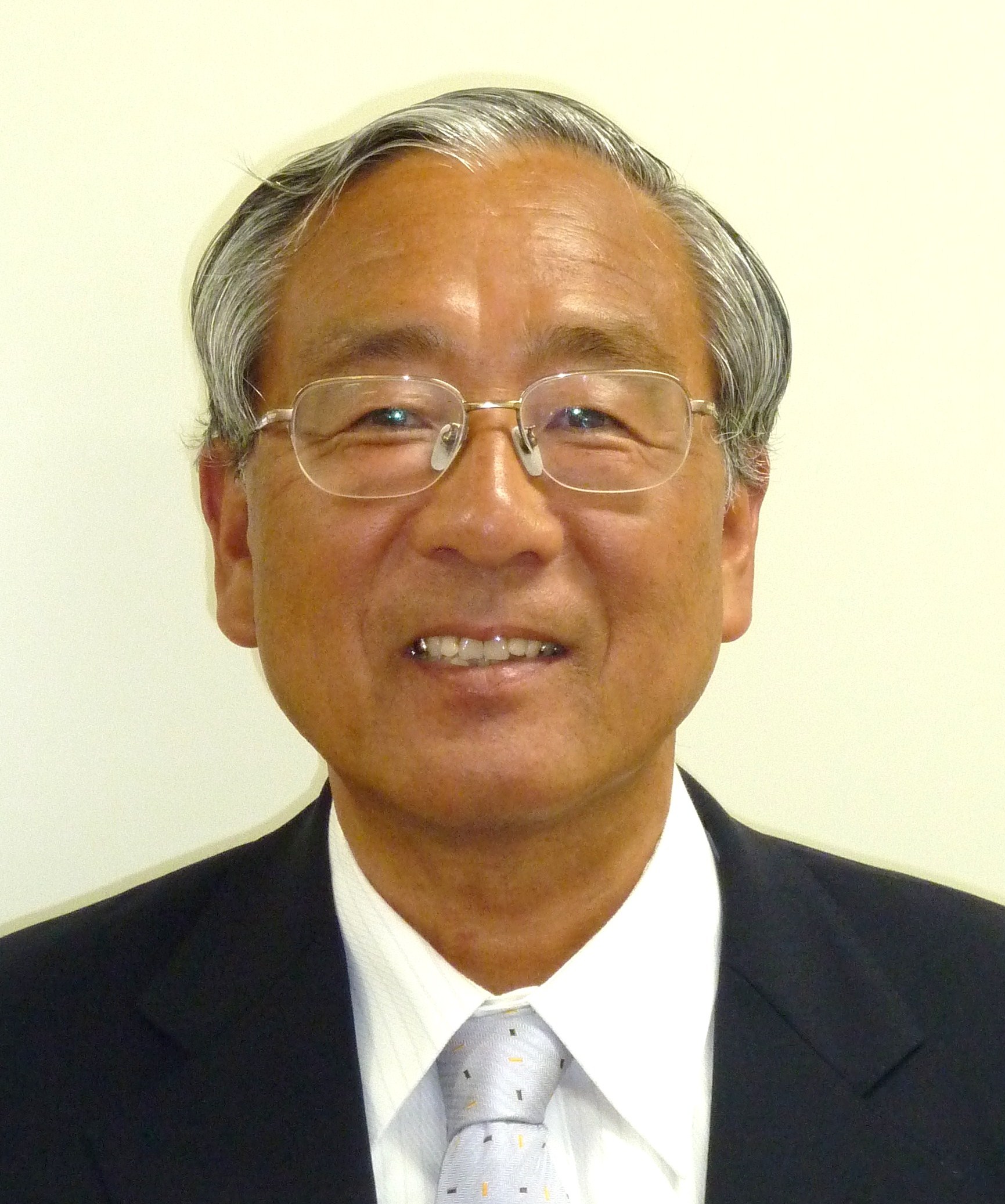 Toshikazu Takeda合作论文数Research Institute of Nuclear Engineering,University of Fukui1
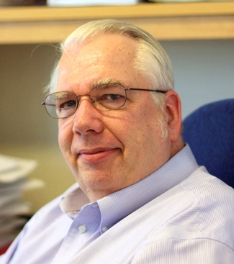 Charles W. Forsberg合作论文数Department of Nuclear Science & Engineering, Massachusetts Institute of Technology1
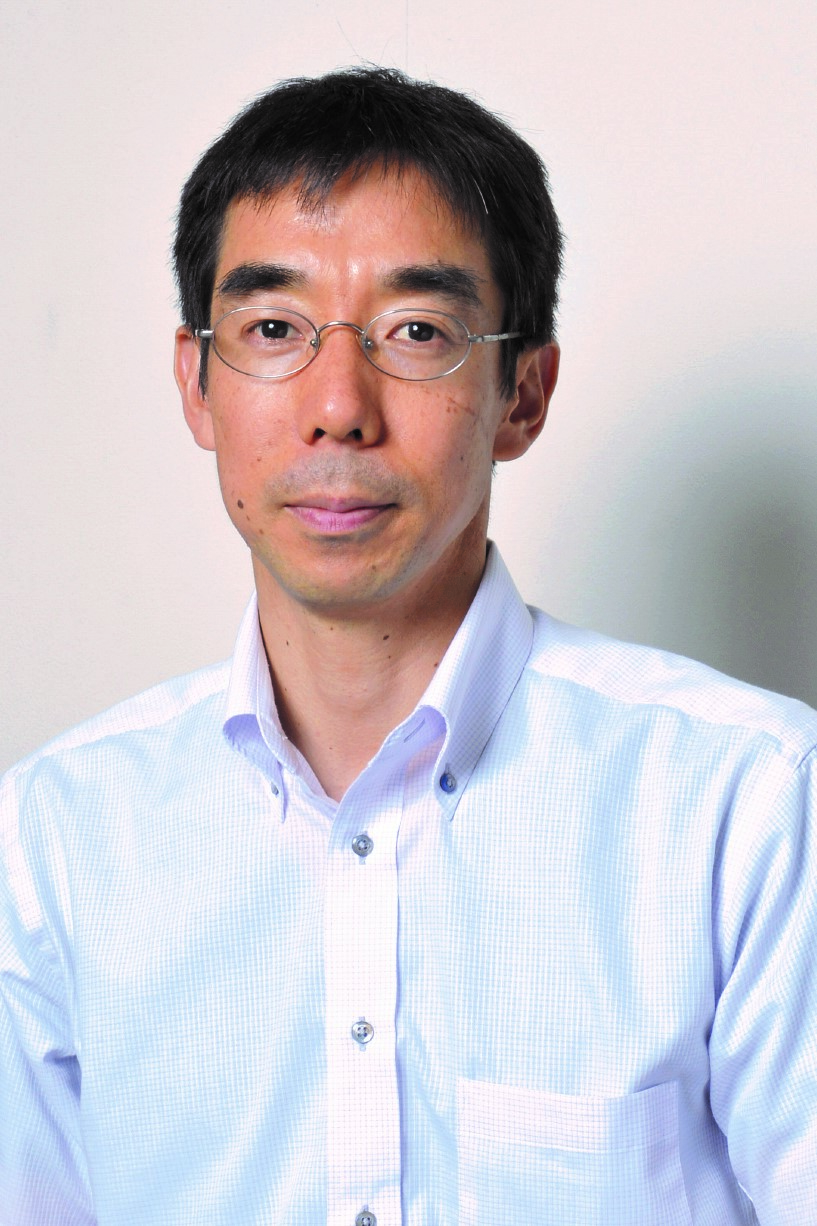 Akio Yamamoto (山本章夫)合作论文数School of Engineering Energy Science and Engineering, Graduate School of Engineering Applied Energy, Nagoya University1
 Hidetoshi Okada合作论文数The Institute of Energy Safety Technology1
 Craig A. Zuhlke合作论文数1Shunsuke Uchida (内田 俊介)合作论文数国立研究開発法人日本原子力研究開発機構1
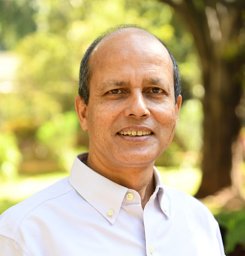 Pradip Dutta合作论文数Department of Mechanical Engineering, Indian Institute of Science1
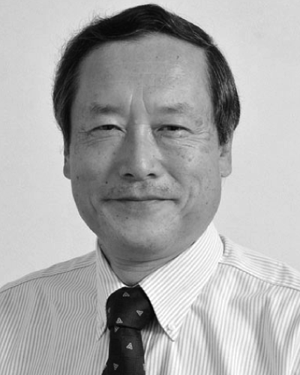 Fumio Kojima合作论文数1
 ROBERT V TOMPSON合作论文数1
 Masanori Naitoh合作论文数1Edward J. Lahoda合作论文数1
 Jacopo Buongiorno合作论文数Department of Nuclear Science and Engineering, Massachusetts Institute of Technology1
 Koroush Shirvan合作论文数Department of Nuclear Science & Engineering, MIT1




