Several restoration practices are used to mitigate and compensate for the negative effects of large-scale forestry on biodiversity in temperate and boreal forests. A comprehensive synthesis of the benefits of these practices across taxa is missing. We conducted a systematic review and meta-analysis on this topic. We identified 93 relevant studies in which the effects of partial harvest, thinning, understory removal, prescribed burning, deadwood addition, or a combination of these were examined. Overall, restoration practices had a positive effect on richness and abundance of forest species, though effects varied among practices and taxa. The most consistent positive responses were found for plants and flying invertebrates. For other taxa, the response was not statistically significant, and in several cases, there were also negative responses. For instance, thinning and understory removal negatively affected birds, and prescribed burning had negative effects on bryophytes and lichens. Effects of restoration practices often became more positive over time, but 83% of data points were from within 10 years since the start of restoration, meaning the long-term impacts of restoration practices remain to be explored. Because different restoration practices benefit different taxa, promoting forest biodiversity requires a variety of restoration practices applied across forest landscapes. So far, evaluations have been done only at local scales, and evaluations of effects on landscape-scale biodiversity are needed.
Dead wood decomposition is a crucial ecological function in forests, influenced by climate and facilitated by microbial communities. While fungi are considered the primary decomposers, bacteria also contribute, interacting with fungi in both facilitative and competitive ways. However, it remains unclear how these interactions respond to climate, and how they influence decomposition. To study this, we placed 243 Norway spruce (Picea abies L.) logs along a 1200-km latitudinal gradient in Sweden, and under contrasting shade conditions, creating a gradient in microclimate. We characterized microbial communities and quantified wood density loss after 3 years of field exposure. Regional temperature had a positive effect on wood density loss and bacterial and nitrogen-fixing bacterial richness, while fungi remained unaffected. Shade level had no effect on decomposition rates, but significantly influenced both fungal and bacterial absolute abundances, with higher abundances in sun-exposed than shaded logs. Nitrogen-fixing bacterial community composition and fungal richness correlated with wood density loss. Specifically, decomposition rates increased with fungal richness up to a certain level but then decreased. Our modelling revealed a significant three-way interaction between fungal richness, nitrogen-fixing bacterial richness and regional temperature, suggesting that in colder regions, decomposition rates increase with fungal richness when richness of nitrogen-fixing bacteria is high, while in warmer regions, the same combination decreased decomposition. While underscoring fungi as key wood decomposers, our results suggest that nitrogen-fixing bacteria play a complementary role in the decomposition process. Whereas antagonistic interactions among microbes may reduce decomposition rates in warm regions, facilitative interactions may increase decomposition rates in cold regions. Climate warming due to climate change and forestry operations might lead to an increase of nitrogen-fixing bacteria, which, in turn, may enhance antagonistic interactions among fungi.Read the free for this article on the Journal blog.
Climate change creates new challenges for biodiversity conservation. Numerous conservation approaches have been advocated in response and there is a need to compile these into a readily accessible format. We systematically searched scientific literature to summarize recommendations that previous review papers have given for conserving biodiversity in the face of both direct and indirect effects of climate change. As indirect effects of climate change, we considered altered land management and habitat loss, increased disturbances and extreme events, and pests and invasive species. We included recommendations targeting production landscapes dominated by agriculture or forestry in temperate and boreal regions. We found 285 relevant reviews, which in turn cited 874 original research papers as support for the recommendations given. Of the summarized recommendations, 35 % considered direct and 58 % indirect effects of climate change, while 7 % considered both. Indirect effects were considered more frequently in recommendations applicable to agriculture than forestry dominated landscapes. Frequent recommendations were increasing landscape habitat diversity or connectivity, mitigating habitat deterioration, restoring degraded habitats, and adapting management methods in both forestry and agriculture. Most of the recommendations were similar to or consistent with traditional conservation practices, while novel, climate-change specific recommendations were less frequent. We conclude that there is a wealth of research on how to maintain biodiversity in agriculture and forestry dominated landscapes in a world with a warming climate. The summarized recommendations provide a starting point for planning conservation, and the attached database with all considered reviews and original research papers can be used as a source for evidence-based management.
Climate is a major determinant of fungal diversity on both large and small spatial scales. However, little is known about the combined effects of regional temperature, microclimate, and dispersal vectors on fungal diversity. We studied the effect of microclimate and wood-inhabiting beetles serving as potential dispersal vectors on the diversity of wood-inhabiting fungi in general—and of brown- and white-rot fungi in particular—along a regional temperature gradient. This focus is motivated by the critical role that different rot types play in wood decomposition and carbon cycling. Beetle and fungal communities were sampled in 243 logs of Norway spruce (Picea abies), which were placed along a 1200 km latitudinal gradient in Sweden (i.e. regional temperature gradient) and under different shading conditions (i.e. microclimatic gradient). Species richness of brown-rot fungi increased with beetle abundance in both the south and the north, whereas shade level markedly limited their species richness only in the north. In contrast, white-rot fungi were unaffected by either factor. These findings highlight that fungal responses to microclimate and dispersal vectors may differ between regions and suggest that species richness of brown-rot fungi may increase with a warming climate, especially in the north.
Biodiversity is affected by local and landscape factors, yet which of these is most important seems to vary depending on species group and context. Understanding how environmental factors affect species at different spatial scales is crucial for effective conservation planning. Here, we examine the influence of local and landscape characteristics on saproxylic and fire‐favoured beetle populations after prescribed burning. Beetles ( Coleoptera ) were collected using flight intercept traps at 23 sites across three regions in Sweden. Prescribed burning had been conducted on the sites 4–7 years earlier. We analysed the relationships between species richness, abundance and community composition, and environmental variables at both local (burn sites) and landscape scales (2, 5, 10 and 20 km radius around the burn sites). Local variables were deadwood volume, canopy cover and burn extent. Landscape variables included the area of forests that were protected, old (>120 years), clear‐cut and burned, and the standing timber volume of Scots pine, Norway spruce and deciduous trees. In total, we recorded 3094 saproxylic beetles, belonging to 188 species. Of these, 1153 individuals (37 species) were classified as fire‐favoured. No local variables had a significant influence on beetle richness or abundance. For landscape relationships, 5 and 10 km scales were most relevant for analysing saproxylic beetle responses. At these scales, saproxylic beetle richness was positively associated with the protected forest area, whereas abundance showed a negative relationship. In contrast, richness of saproxylic beetles was negatively associated with the area of clear‐cuts, while abundances of saproxylic and fire‐favoured species were positively associated. Species richness was similar across regions, whereas species composition varied. The proportion of old forests was an important variable contributing to regional dissimilarity in species composition. Synthesis and applications. Our study highlights the importance of the surrounding landscape for shaping saproxylic beetle communities after prescribed burning. Forest management and conservation measures within a 5–10 km radius of prescribed burns can influence beetle assemblages post‐burn and should be considered when planning burns aimed at promoting saproxylic beetles. In addition, as species composition varied across regions, this indicates that prescribed burning in different regions complements each other.
Urbanisation constitutes a major threat to biodiversity due to the reduction and fragmentation of natural habitats. However, with appropriate conservation measures, cities can harbour valuable microhabitats for biodiversity such as hollow trees and dead wood. We tested the effects of environmental filters, such as tree cover (reflecting habitat amount), density of urban structures (reflecting dispersal barriers), and microclimate on species richness, abundance and species composition of saproxylic beetles along urbanisation gradients. According to the urban homogenisation hypothesis, we expected more homogeneous communities across highly urbanised sites than across sparsely urbanised sites. Furthermore, we assessed whether communities at highly urbanised sites are more dominated by thermophilous species due to the urban heat island effect. In six cities in southern Sweden, we placed ten wood mould boxes emulating hollow trees along urbanisation gradients and sampled saproxylic beetles inside those boxes. To determine to what extent communities were dominated by thermophilous species, we calculated the Community Temperature Index (CTI). Species richness of saproxylic beetles decreased with the density of urban structures, whereas the abundance increased with tree cover. Microclimate and tree cover affected saproxylic beetle species composition significantly, but we did not find support for the urban homogenisation hypothesis. Despite an observed urban heat island effect and a cooling effect of tree canopies, CTI did not increase with the density of urban structures or decrease with tree cover. We conclude that it is possible to promote saproxylic insects in cities by maintaining and creating tree cover with varying canopy densities, leading to a variety of microclimatic conditions. Artificial microhabitats, such as wooden boxes, have similar microclimatic conditions as hollow trees and can be used to increase the supply of habitats for saproxylic species in cities.
The ‘concept of relative constancy of habitats’ assumes that species differ in their habitat preferences depending on the regional temperature so that all populations experience similar microclimatic conditions. Our aim was to assess the relevance of this concept by disentangling the effects of shade level and regional temperature on southern and northern distributed saproxylic (=dead wood dependent) beetle species. Sweden. We established a field experiment by placing 435 logs of Norway spruce ( Picea abies ) along shade gradients in six regions differing in regional temperature (along a 1200 km latitudinal gradient). For each log, we sampled the saproxylic beetle community and calculated the Community Temperature Index (CTI), indicating to what extent the community is dominated by southern or northern species. Species richness and total abundance were better explained by shade level, whereas species composition was better explained by study region. In colder regions, CTI varied along the shade gradient, whereas in warmer regions, CTI was more similar along the shade gradient. Moreover, in colder regions, the number of southern species was higher in sun-exposed logs, whereas in warmer regions, the number of southern species was higher in shaded logs. This supports the concept of relative constancy of habitats. In contrast, northern species preferred shaded conditions regardless of the regional temperature. Regional temperature, shade level and resulting microclimate are important drivers of species richness, total abundance and composition. Occurrence patterns of saproxylic beetle species follow to some extent the concept of relative constancy of habitats since their habitat preferences vary with regional temperature. Northern species are of conservation concern due to disadvantages by climate warming and clear-cutting. They are favoured by preserving forests with rarely disturbed canopies.
Biodiversity conservation and economic profit from forests can be combined by various land-sparing and land-sharing approaches. Using a semi-structured survey, we evaluated support for scenarios representing contrasting conservation strategies in a managed boreal forest landscape. Land-sparing approaches were supported by the conservation organisation, regional administrations and the forest company, mainly motivated by the benefit for biodiversity based on ecological theory. Land-sharing approaches were supported by one recreational organisation, some municipalities and the forest owners' association, mainly motivated by the delivery of ecosystem services. Stakeholder groups using certain ecosystem services had motivations that we related to an anthropocentric mindset, while others focused more on species conservation, which can be related both to an anthropocentric or an ecocentric mindsets. Forest conservation planning should consider stakeholders' preferences to handle land-use conflicts. Since reaching consensus among multiple stakeholders seems unfeasible, a combination of land-sparing and land-sharing approaches is probably the best compromise.
Area-based conservation measures are the main approach to preserve forest biodiversity. However, there is no common view on the best strategy in relation to spatial aggregation of conservation areas, for a given total area preserved. We conducted a systematic literature review to evaluate the effect of mean patch size and aggregation of conservation areas on landscape-scale biodiversity in boreal forest. Our main objectives were to find empirical evidence regarding whether few large or several small conservation areas protect more biodiversity and investigate how the spatial aggregation of conservation areas affects biodiversity. We searched specifically for studies comparing biodiversity across many small vs. few large and dispersed vs. aggregated conservation areas, controlling for total area protected. Although our initial search resulted in a large number of articles, not a single study assessed landscape-scale biodiversity in many small vs. few large, or dispersed vs. aggregated conservation areas, of a spatial scale relevant to average-sized or even small nature reserves (i.e. ≥ 10 ha). We did find 5 studies comparing many small vs. few large conservation patches within clear-cuts, and one study of forest patches within a national park (ca 7 ha). The conservation areas on clear-cuts were patches of retained trees, with the smallest patches being single trees. The effect of patch size on biodiversity varied among studies, mostly indicating neutral effects of patch size. While the results of these studies are relevant to clear-cuts, their relatively small spatial extent (the largest retained patch being 1.2 ha) precludes extrapolation to scales relevant to reserves in boreal forest. Our review exposes an extensive knowledge gap regarding consequences of the sizes of conservation areas on landscape-scale boreal forest biodiversity. Until such information is available, we recommend a combined approach involving both small and large conservation areas in boreal forest.
When restoring habitats, an important question is whether the spatial distribution of habitat affects its contribution to biodiversity conservation. In Sweden, high-cut stumps are routinely created at forestry operations. By counting the number of exit holes of a red-listed beetle, Peltis grossa , we assessed occurrence, colonisations and extinctions per high-cut stump and beetle density per clear-cut. We found a threshold, at which the form of the relationship between density of the beetle and density of high-cut stumps per clear-cut changes abruptly. The beetle density was considerably higher where the density of high-cut stumps exceeded 4.5 per hectare. Such thresholds can be explained by colonisation-extinction processes. Observed colonisation-extinction dynamics were consistent with metapopulation theory. For instance, there was a positive relationship between colonisation rate and a connectivity measure that considered beetle abundance and distance for each high-cut stump in the surrounding area. However, the relationship disappeared when using a connectivity measure solely based on the distance of the high-cut stumps. The observed threshold implies that P. grossa benefits from aggregating the same total number of created high-cut stumps into fewer clear-cuts. This is because the total area with a density of high-cut stumps exceeding the threshold increases, and this expands the number and size of dispersal sources. Therefore, P. grossa and other species that reveal thresholds in their distribution patterns, are favoured when conservation measures are more spatially aggregated than what is resulting from current Swedish policy.
ABSTRACTTree hollows support a specialised species‐rich fauna. We review the habitat requirements of saproxylic (= deadwood dependent) invertebrates which occupy tree hollows. We focus on studies quantifying relationships between species occurrence patterns and characteristics of tree hollows, hollow trees, and the surrounding landscape. We also explore the processes influencing species occurrence patterns by reviewing studies on the spatio‐temporal dynamics of populations, including their dispersal and genetic structure. Our literature search in the database Scopus identified 52 relevant publications, all of which were studies from Europe. The dominant taxonomic group studied was beetles. Invertebrates in hollow trees were often more likely to be recorded in trees with characteristics reflecting a large amount of resources or a stable and warm microclimate, such as a large diameter, large amounts of wood mould (= loose material accumulated in the hollows mainly consisting of decaying wood), a high level of sun exposure, and with entrance holes that are large and either at a low or high height, and in dry hollows, with entrances not directed upwards. A stable microclimate is probably a key factor why some species of saproxylic invertebrates are confined to tree hollows. Other factors that are different in comparison to downed dead wood is the fact that hollows at a given height from the ground provide shelter from ground‐living predators, that hollows persist for longer, and that the content of nutrients might be enhanced by the accumulation of dead leaves, insect frass, and remains from dead insects. Several studies have identified a positive relationship between species occupancy per tree and the amount of habitat in the surrounding landscape, with a variation in the spatial scale at which characteristics of the surrounding landscape had the strongest effect over spatial scales from 200 to 3000 m. We found empirical support for the extinction threshold hypothesis, which predicts that the frequency of species presence per tree is greater if a certain number of trees are aggregated into a few large clusters of hollow trees rather than distributed among many small clusters. Observed thresholds in species occurrence patterns can be explained by colonisation–extinction dynamics, with species occupancy per tree influenced by variation in rates of immigration. Consistent with this assumption, field studies suggest that dispersal rate and range can be low for invertebrates occupying tree hollows, although higher in a warmer climate. For one species in which population dynamics has been studied over 25 years (Osmoderma eremita), the observed population dynamics have characteristics of a “habitat‐tracking metapopulation”, as local extinctions from trees occur possibly because those trees become unsuitable as well as due to stochastic processes in small populations. The persistence of invertebrate fauna confined to tree hollows may be improved by prolonging the standing life of existing hollow trees. It is also important to recruit new generations of hollow trees, preferably close to existing larger groups of hollow trees. Thus, the spatio‐temporal dynamics of hollow trees is crucial for the invertebrate fauna that rely upon them.
Planning for outdoor recreation requires knowledge about the needs and preferences of recreationists. While previous research has mainly relied on stated preferences, recent advances in spatial data collection and analysis have enabled the assessments of actual usage patterns. In this study, we explored how landscape characteristics interact with the attributes of recreationists to determine their area choice for recreation. Using a public participation GIS (PPGIS) approach we asked residents of a Swedish city in the boreal region to draw typical recreational routes and identify favourite places for recreation on a digital online map (1389 routes, 385 individuals). We employed a novel methodology, where LiDAR data was used to calculate what was visible along all routes and at favourite places (viewsheds) in order to more realistically capture the landscape that each recreationist had experienced. Using machine learning modelling, we compared landscape characteristics of experienced areas with areas available to each recreationist. Our novel approach yielded accurate models that revealed that water environments, recreational infrastructure and deciduous forests increased the probability of choosing an area for recreation, while urban environments, noise, forest clearcuts and young forests had the opposite effect. Characteristics of the recreationists such as age, gender, level of education, or of the activity, such as type of activity performed, did not meaningfully influence area choice. Our findings suggest that it is possible to improve the conditions for recreation by developing recreational infrastructure, maintaining recreation opportunities close to waters, and adapting forest management in areas important for recreation.
Resilience in production forests can be achieved through natural ecological processes or repeated intensive interventions. We caution that ‘coerced’ resilience derived from intense and repeated human inputs may exacerbate biodiversity loss, narrow the range of ecosystem services provided and limit general resilience (that is, the capacity of production forests to recover from unforeseen disturbances).
In forests, the amount and diversity of structural features with high value for biodiversity, such as large trees and dead wood, are affected by productivity, stand age, and forest management. For efficient conservation of forest biodiversity, it is essential to understand the combined effects of these drivers. We used data from the Swedish National Forest Inventory to study the combined effects of productivity, stand age, and management for wood production on structures with high value for biodiversity: tree species richness, large living trees, dead wood volume, and specific dead wood types. Forest management changed the relationship between productivity and amount or diversity of some of the structures. Most structures increased with productivity and stand age, but decreased due to management. The negative effect of management was greatest for structures occurring mainly in high-productivity forests, such as deciduous dead wood. Thus, biodiversity conservation should target high-productivity forests to preserve these structures.
AimThe 'concept of relative constancy of habitats' assumes that species differ in their habitat preferences depending on the regional temperature so that all populations experience similar microclimatic conditions. Our aim was to assess the relevance of this concept by disentangling the effects of shade level and regional temperature on southern and northern distributed saproxylic (=dead wood dependent) beetle species.LocationSweden.MethodsWe established a field experiment by placing 435 logs of Norway spruce (Picea abies) along shade gradients in six regions differing in regional temperature (along a 1200 km latitudinal gradient). For each log, we sampled the saproxylic beetle community and calculated the Community Temperature Index (CTI), indicating to what extent the community is dominated by southern or northern species.ResultsSpecies richness and total abundance were better explained by shade level, whereas species composition was better explained by study region. In colder regions, CTI varied along the shade gradient, whereas in warmer regions, CTI was more similar along the shade gradient. Moreover, in colder regions, the number of southern species was higher in sun-exposed logs, whereas in warmer regions, the number of southern species was higher in shaded logs. This supports the concept of relative constancy of habitats. In contrast, northern species preferred shaded conditions regardless of the regional temperature.Main ConclusionsRegional temperature, shade level and resulting microclimate are important drivers of species richness, total abundance and composition. Occurrence patterns of saproxylic beetle species follow to some extent the concept of relative constancy of habitats since their habitat preferences vary with regional temperature. Northern species are of conservation concern due to disadvantages by climate warming and clear-cutting. They are favoured by preserving forests with rarely disturbed canopies.
Non-native tree species are widely used in forest plantations. This may have negative consequences for biodiversity. Hitherto, most studies have compared species diversity between native and non-native forest stands, which makes it difficult to separate the impact of tree species per se from stand characteristics. Our study, conducted in the south of Sweden, compares saproxylic beetle diversity across different nutritional groups, in dead wood of two native and four non-native tree species in a block design after one and three seasons. Such an approach allows analysis of the impact of non-native tree species per se. Mean species richness (+/- SD) per log was lower in non-native than in native tree species (non-native trees: lodgepole pine: 10.7 (+/- 5.3); Sitka spruce: 8.5 (+/- 4.3), Douglas fir: 7.1 (+/- 4.3), Japanese larch 9.4 (+/- 4.6); native trees: Norway spruce: 12.0 (+/- 6.0), Scots pine: 12.3 (+/- 5.2)). Sample-based rarefaction revealed that when only native tree species were pooled, the species richness was higher than for all tree species combined. The difference in species composition among tree species was strongly driven by bark and wood consumers in the first season, while for predators and fungivores, the differences were smaller. Species composition differed most in the first season. Dissimilarity in beetle species composition was positively correlated with phylogenetic distances of the tree species. Species richness was lower in non-native tree species that are only remotely related to native trees species. Of the studied non-native tree species, lodgepole pine was more closely related to native tree species and consistently harboured higher species richness. Synthesis and applications. Although non-native tree species also harbour saproxylic beetle communities, the use of non-native tree species, especially those only remotely related to native tree species, reduces local diversity of saproxylic beetles. Thus, for biodiversity conservation, an extensive use of non-native tree species is not recommended as this increases the risk of losing forest biodiversity, especially when they are only distantly related to native tree species.
Preserving biodiversity requires extensive information on species distributions and effectiveness of conservation actions. A surrogate approach, where a small number of species act as surrogates for broader groups of species, can simplify this task. Types of surrogates include indicator, umbrella, keystone and flagship species, and using diversity of higher taxonomic levels to represent species diversity. An overview of the empirical evidence of the usefulness of surrogates as a conservation tool is missing. We synthesised knowledge on if and when surrogate species are useful by systematically searching for meta-analyses and literature reviews assessing this. Results from 34 reviews revealed weak correlations between diversity of indicator species and other species and that umbrella species were not consistently useful for prioritising conservation actions. However, diversity of higher taxonomic levels can be representative of species diversity. No reviews have assessed the usefulness of keystone or flagship species. Thus, surrogate taxa often do not represent biodiversity or threatened species, and conservation actions aimed at surrogates might not necessarily benefit other species. However, surrogates are more likely to be useful when using a higher-taxon approach, when strong ecological similarities exists between a surrogate and other species, when surrogates are used at regional or landscape rather than local scales, and when using sets of multiple species as surrogates. As some use of surrogate species will always be necessary, surrogates should be carefully selected and their usefulness and cost-effectiveness should be assessed, including the risk that conservation actions aimed at that surrogate have unintended effects on other species.
Studies of species' responses to microclimatic conditions have increased our understanding of their habitat requirements and possible responses to climate warming. However, little is known about the role of microclimate for insects inhabiting hollow trees. We explored the relationship between tree characteristics and microclimate, and analysed how the microclimate in tree‐hollows affects the occurrence and body size of an endangered beetle species, Osmoderma eremita . We placed temperature data‐loggers in wood mould (= loose material in tree‐hollows) and surveyed O. eremita in 47 hollows in oak pastures in south‐eastern Sweden. We found that tree characteristics previously known to be associated with occurrence of beetle species confined to tree‐hollows (larger diameters, more wood mould, entrances higher up, and not directed upwards) tend to decrease moisture and moisture variation, while their effects on temperature and temperature fluctuations differ during different seasons. This indicates that microclimatic conditions are important for beetles in hollow trees, and many specialised species seem to avoid conditions that are too moist. O. eremita occurred more frequently in trees with a warmer and more stable microclimate, while adult body size decreased with a warmer microclimate. A positive effect of a warmer microclimate was expected, since the study was done near the northern margin of the species' range. O. eremita is confined to living in hollow trees, which may be due to the microclimate there being more stable in comparison to both the ambient climate and the microclimate in standing and downed dead wood.
In recent years, the outbreaks of the Eurasian spruce bark beetle (Ips typographus) have become more frequent and severe, while temperatures have been rising. Our understanding of the consequences of climate warming can be improved by comparing the performance of I. typographus between geographical regions with different climates. We applied that approach by placing out Norway spruce logs at sites selected along a 1300 km north -south gradient in Sweden to study the effect of regional climate and microclimate on I. typographus. To obtain a microclimatic gradient at each site, we placed the logs at sun-exposed edges and in the shaded inner forest (10 m or 50 m from stand edges). We assessed the probability of colonisation of I. typographus and the thermal sums required for complete development.The species' habitat preferences differed along the climate gradient including six geographical regions: in cooler regions, a higher proportion of sun-exposed logs was colonised in comparison to the shaded ones, while that difference was much smaller in warmer regions. The thermal sum needed for development tended to increase with warmer regional climate. Seasonal thermal sum exceeded the requirements for development of two generations per year in all three shade levels in the warmest region while in the coldest region two generations were only possible in some of the sun-exposed logs.Outbreaks of I. typographus are more frequent and severe in regions with a warmer climate, and our study reveals two explanations for this: first, I. typographus has more suitable breeding sites in warmer regions, as shaded logs inside the forest offer additional suitable habitat; second, the potential population growth increases with the probability of completing two fully established generations per year. We recommend that after stormfellings, wind-felled trees are removed before they are colonised by I. typographus to decrease the outbreak risk. The observed difference in habitat preferences between geographical regions implies that, in cooler sites in the north, it is enough to remove recently wind-felled spruces that are sun-exposed, such as along edges, while in the south, also trees in more shaded conditions inside forests are a suitable substrate for I. typographus. In a warming climate, the increased risk and severity of I. typographus outbreaks is a factor making it less attractive to use Norway spruce in forestry.
Habitat loss is considered a major threat for biodiversity. However, the scales on which its effects occur are still insufficiently understood, namely, is the amount of available habitat important for species richness on both local and landscape scales? We studied the effects of local and landscape-scale habitat amount on local-scale species density of deadwood-dependent lichens in Swedish boreal forests. Creation and retention of deadwood are common practices to benefit forest biodiversity, and recognizing the relevant scale is critical for them to be successful.We surveyed deadwood-dependent lichens in 90 unmanaged forest stands that differed in the local and landscape habitat amount. The local habitat amount was measured as the amount of deadwood in the sampled stands (m(2) deadwood ha(-1)), while six alternative proxies were used to estimate the landscape habitat amount, that is, the amount of deadwood in the surrounding landscapes. Lichen species density (number of species per standardized deadwood area of 3.7 m(2)) was modelled as a function of local and landscape habitat amount at multiple scales (300 m-5 km from the stands).Lichen species density increased with the landscape habitat amount. The proportion of old forests (>100 years, including newly clear-cut stands that until recently were old forests) within 5 km from the stands explained species density better than the other proxies of landscape habitat amount. Local deadwood amount did not affect species density, and there was no interaction between the local and landscape habitat amount.Synthesis and applications: To promote the conservation of deadwood-dependent lichens, the amount of old forests in managed forest landscapes should be maintained or increased. A certain amount of deadwood hosted more lichen species when situated in a landscape with more old forest, while there was no effect of the local deadwood amount. This suggests that management aimed at increasing the local species density of deadwood-dwelling lichens should focus on creating and maintaining habitat in the surrounding landscape rather than only adding deadwood to that local site. In other words, effective management for deadwood-dependent lichen diversity requires landscape-scale habitat protection.
 Adam Felton合作论文数Fenner School of Environment and Society;Australian National University;Fenner School of Environment and Society, Australian National University18
 Leif Martin Schroeder (Martin Schroeder)合作论文数Department of Ecology, Swedish University of Agricultural Sciences17
 Victor Johansson合作论文数Department of Ecology, Swedish University of Agricultural Sciences16
 Jean-Michel Roberge合作论文数Department of Ecology, Swedish University of Agricultural Sciences (SLU)15
 Erik Ockinger合作论文数Department of Ecology, Lund University15
 Jan Weslien合作论文数Skogforsk11
 Aino Hamalainen合作论文数Department of Ecology, Swedish University of Agricultural Sciences10
 Anders Dahlberg合作论文数Division of Forest Pathology, Department of Forest Mycology and Plant Pathology, Swedish University of Agricultural Sciences10
 Jonas Hedin合作论文数9
 Goran Thor合作论文数Department of Ecology, Swedish University of Agricultural Sciences9
 Ly Lindman合作论文数8
 Anna Stens合作论文数Department of Historical, Philosophical and Religious Studies, Umeå University8
 Nicklas Jansson合作论文数8
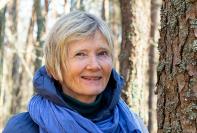 Lena Gustafsson合作论文数Department of Ecology, Swedish University of Agricultural Sciences8
 Joachim Strengbom合作论文数University of Minnesota Department of Forest Resources8
 Rudolphi Jörgen合作论文数7
 Lina Ahlback Widenfalk合作论文数7
 Markus Franzén合作论文数Department of Community Ecology, UFZ – Helmholtz Centre for Environmental Research7
 Annika M. Felton合作论文数Centre for Resource and Environmental Studies, Australian National University7
 Tomas Lundmark合作论文数SLU Forest Ecology and Management & Vindeln Experimental Forests7Sven G. Nilsson合作论文数7
 Annika Nordin合作论文数Department of Chemistry, Environment and Food Security, National Veterinary Institute7
 Matts Lindbladh合作论文数Southern Swedish Forest Research Centre, SLU—Swedish University of Agricultural Sciences7
 Lenore Fahrig合作论文数Department of Biology, Carleton University6
 Tomas Lamas合作论文数Swedish University of Agricultural Sciences;Dept . of Forest Resource Management and Geomatics6
 Urban Nilsson合作论文数Institutionen for Sydsvensk Skogsvetenskap, Sveriges Lantbruksuniversitet6
 Mats Jonsell合作论文数6
 Line Boberg Djupstrom合作论文数6
 Tord Snall合作论文数Uppsala University, University of Helsinki6
 Mats Niklasson合作论文数Southern Swedish Forest Research Centre, Swedish University of Agricultural Sciences6
 Joakim Hjalten合作论文数Department of Wildlife, Fish, and Environmental Studies, Swedish University of Agricultural Sciences6Alexandro Caruso合作论文数6
 Marcus Hedblom合作论文数Department of Urban and Rural Development, Swedish University of Agricultural Sciences5
 Mattias Jonsson合作论文数Mathematics, University of Michigan5
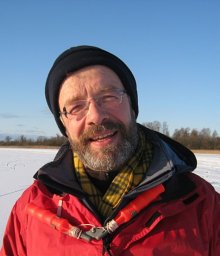 Jorg Brunet合作论文数Southern Swedish Forest Research Centre, Swedish University of Agricultural Sciences5
 Johan Sonesson合作论文数5
 Bengt Jönsson合作论文数Department of Economics, Stockholm School of Economics5
 Francesca Santaniello合作论文数Skogforsk),, The Forestry Research Institute of Sweden4
 Anna Filyushkina合作论文数Institute for Environmental Studies (IVM),, Vrije Universiteit Amsterdam4
 Jonas Josefsson合作论文数Dept Ecol, Swedish Univ Agr Sci4
 Dennis Jonason合作论文数4Svensson Måns合作论文数Department of Ecology, Swedish University of Agricultural Sciences4
 Hjalmar Laudon合作论文数Department of Forest Ecology and Management, Swedish University of Agricultural Sciences4
 Malgorzata Blicharska合作论文数Department of Aquatic Sciences and Assessment, Swedish University of Agricultural Sciences4
 Niclas Berg Andren合作论文数4Nicholas Kruys合作论文数4Olof Widenfalk合作论文数4
 Diana Rubene合作论文数4
 Johanna Johansson合作论文数4




