Cosmetic dermatologic products and procedures are increasingly utilized by women of reproductive age, including those who are pregnant or lactating. Pregnancy and lactation are associated with hormonal, vascular, and immunologic changes that may alter skin biology, cutaneous absorption, and susceptibility to adverse effects. Despite growing demand, clinicians frequently face uncertainty when counseling patients regarding cosmetic interventions, as high-quality safety data and formal guidelines remain limited. This review summarizes the available evidence and practical counseling considerations for commonly used topical agents, chemical peels, injectable neuromodulators and fillers, lasers and light-based therapies, and energy-based devices, while proposing a practical counseling framework that distinguishes recommendations between pregnancy and lactation. This distinction is critical, as these states are often conflated despite differing pharmacokinetic profiles and safety considerations. Unlike a systematic review, this narrative review qualitatively synthesizes the available literature while emphasizing clinically applicable counseling. The published literature largely consists of observational studies, case reports, and extrapolation from nonpregnant populations, reflecting the ethical and practical limitations of conducting controlled trials in these populations. Overall, pregnancy and lactation should not be approached as equivalent counseling states. During pregnancy, elective cosmetic interventions are deferred, and pregnancy-related physiologic changes may alter both treatment risk and cosmetic outcome. During lactation, many interventions may be considered following individualized risk assessment when systemic exposure is expected to be minimal, and treatment sites avoid direct infant contact. Counseling should emphasize conservative management, transparent discussion of uncertainty, and shared decision-making tailored to the patient's reproductive status and treatment goals.
OBJECTIVE:To evaluate the safety, efficacy, and patient satisfaction of a novel laser technology that employs simultaneous emission of Alexandrite (755 nm) and Nd:YAG (1064 nm) wavelengths for permanent hair removal, as compared with standard of care treatment using a single wavelength (either Alexandrite or Nd:Yag). METHODS:A prospective, multi-center study with 53 subjects and 230 total treatment sites (multiple sites per subject). The subjects underwent 5 treatment sessions at 6-8 week intervals, with follow-up 12 months after the last treatment session. The percent change in hair count was calculated for each treatment setting, skin type, and treatment area and used to evaluate the efficacy of hair reduction. Pain during treatment and adverse events were recorded. RESULTS:Fifty-three subjects with skin type I-VI were enrolled in the study (median age 29.0 years, 98.1% female). Legs were the most common treatment area (53.7%) followed by axillae (25.3%) and bikini area (17.9%). Hair counts decreased for all treatment settings. Twelve months after the last treatment session, a mean decrease from baseline of 84.6% ± 18.8%, 73.4% ± 25.3%, and 63.9% ± 31.2% was observed in areas treated with SET, 755 and 1064 nm, respectively. Reduction in hair count from baseline was also observed for the axillae, legs, and bikini area separately. All treatment settings performed better on the bikini area and legs as compared to the axillae (two-sided p-value < 0.0001). Treatment with SET showed the highest percent reduction in hair count in all treatment areas. Moreover, remaining hair became statistically thinner and lighter between baseline and the 12 month of follow-up for all study groups and treatment sites. Analysis revealed that subjects reported higher satisfaction with the SET treatment compared with the control treatments. Specifically, 69.1% of subjects gave the highest satisfaction score for the SET treatment, compared with 48.9% for the 755 nm treatment and 33.3% for the 1064 nm treatment. Additionally, only 5 out of the 230 treated sites were reported to have treatment-related adverse events, none of them serious. CONCLUSION:This study showed the effectiveness, tolerability and high patient satisfaction of treatment with SET when compared to Alexandrite and Nd:YAG lasers treatment, alone. The study results also demonstrated maintained safety with minimal adverse events reported.
BACKGROUND:The role of botulinum toxin type A (BoNTA) in scar prevention has been studied mainly in facial and cervical regions, but its effects on extrafacial scars remain unclear. This study evaluated BoNTA's impact on scar aesthetics and its potential modulation of the NLRP3 inflammasome in wounds on the back. METHODS:A prospective, double-blind, randomized controlled trial was conducted with 23 participants undergoing fusiform excision of benign skin lesions. The treatment group received intradermal BoNTA injections immediately after suturing, while the control group received saline. Scar outcomes were assessed using the Patient and Observer Scar Assessment Scale (POSAS) and histologic analysis, including NLRP3 expression, at 6 months postsurgery. RESULTS:No significant differences were found in the POSAS observer subscale scores between groups. However, the treatment group reported lower scar-related itching ( p = .018) in the POSAS patient subscale. NLRP3 expression increased in both groups over time ( p < .001), but no significant difference was observed between them. CONCLUSION:Botulinum toxin type A did not significantly improve extrafacial scar aesthetics or reduce NLRP3 expression. However, it was associated with decreased scar-related pruritus. Further research is needed to elucidate BoNTA's potential anti-inflammatory effects on wound healing.
BACKGROUND:From the initial development of radiofrequency devices to new technologies such as micro-coring, there has been tremendous growth of nonlaser energy-based devices in dermatology over the past few decades. OBJECTIVE:To review the origins and development of energy-based devices in dermatology and dermatologic surgery. MATERIALS AND METHODS:A literature search was conducted on PubMed from inception to February 1, 2025 to identify critical publications on energy-based devices within dermatology. RESULTS:Since the initial research surrounding radiofrequency-based surgical tools in the 1990s, numerous dermatologists have pioneered the development of energy-based devices to target skin laxity and texture, enhance body contouring, and improve muscle tone. The rise of these energy-based devices has allowed for minimally invasive treatments to address patients' aesthetic concerns with less pain and downtime. CONCLUSION:Dermatologists have played a critical role in the advancement behind the rise of energy-based devices for a variety of aesthetic indications. Dermatologic Surgery has published many of the landmark studies behind these devices and continues to be at the forefront of innovation for further research and clinical trials.
Hooper, Perry B. MD*; Dover, Jeffrey S. MD*,†,‡; Arndt, Kenneth A. MD*,†; Rohrer, Thomas E. MD* Author Information
BackgroundNano-Pulse Stimulation™ (NPS™) therapy is a new, non-thermal bioelectric modality that applies ultrashort pulses of electric energy to trigger regulated cell death (RCD) in treated tissues. Instead of initiating necrosis by heating or freezing, NPS therapy permeabilizes intracellular organelles to activate the cell’s own self-destruct pathway of programmed or regulated cell death. Unlike cryotherapeutic procedures that can both damage structural tissues and diffuse into the periphery beyond the margins of the lesion, NPS therapy only affects cells within the treated zone leaving surrounding tissue and acellular components unaffected.MethodsIn this study we treated 37 basal cell carcinoma lesions on 30 subjects (NCT04918381). The treated lesions were photographed on 3-, 7-, 14-, 30- and 60-days after treatment. All subjects then underwent surgical excision for histological examination of the treated tissue.Results92% of the BCC lesions (34 of 37) showed complete histological clearance of BCC. Histologic analysis of the 3 cases where residual BCC was noted indicated that full energy coverage was not achieved, which could be remedied with an improved treatment guide to standardize and optimize the CellFX® procedure based on NPS technology.ConclusionThe CellFX procedure was shown to be safe and effective for the treatment of low-risk nodular and superficial BCC lesions.
Leah K. Spring, DO*† Thomas E. Rohrer, MD† Jeffrey S. Dover, MD, FRCPC†‡ *Department of Dermatology Naval Medical Center Camp Lejeune Camp Lejeune, North Carolina †SkinCare Physicians Chestnut Hill, Massachusetts ‡Department of Dermatology Yale University New Haven, Connecticut L.K. Spring is a military service member. This work was prepared as part of her official duties. Title 17 USC § 105 provides that copyright protection under this title is not available for anywork of the USGovernment. Title 17, USC § 101 defines a US Government work as a work prepared by a military servicemember or employee of the USGovernment as part of that person’s official duties. The remaining authors have indicated no significant interest with commercial supporters.
cholesterol and triglyceride levels, and adjuvant therapy in liposuction. Although the mechanism is unclear, it is hypothesized that red light stimulates adipocyte mitochondria, causing activation of lipase and triglyceride breakdown; fatty acids exit the cell viamembranous pores and are drained by the lymphatic system, leading to adipocyte shrinkage. iLipo is a Food and Drug Administration-approved LLLT device using 650 to 660 nm (energy output of 383 40 mW, total 1.3W). Patients receive a total of 8 treatments, each less than 30 minutes, over the course of 1 to 2 months. EAI prognosis is favorable. Cessation of heating source exposure is recommended with subsequent spontaneous resolution of erythema and hyperpigmentation over the course of years. For recalcitrant cases, topical therapies including tretinoin and hydroquinone are recommended. 5-Fluorouracil may be used to treat EAI-associated hyperkeratosis. This case of EAI highlights a newly described adverse event resulting from LLLT. Although EAI is considered benign, there is rare potential for malignant transformation, and persistent EAI should be carefully evaluated for underlying neoplasm(s). References 1. Salgado FHM, Schwartz RA. Erythema ab igne: new technology rebounding upon its users? Int J Dermatol 2018;57:393–6. 2. Roche GC, Shanks S, Jackson RF, Holsey LJ. Low-level laser therapy for reducing the hip, waist, and upper abdomen circumference of individuals with obesity. Photomed Laser Surg 2017;35:142–9. 3. Hewitt JB, Sherif A, Kerr KM, Stankler L.Merkel cell and squamous cell carcinomas arising in erythema ab igne.Br JDermatol 1993;128:591–2. 4. Avci P, Nyame TT, Gupta GK, Sadasivam M, et al. Low-level laser therapy for fat layer reduction: a comprehensive review. Lasers Surg Med 2013;45:349–57. 5. Beleznay K, Humphrey S, Au S. Erythema ab igne. CMAJ 2010;182: E228.
Wang, Jordan V. MD, MBE, MBA*; Saedi, Nazanin MD*; Rohrer, Thomas MD†; Zachary, Christopher B. MBBS, FRCP‡ Author Information
BACKGROUND Counterfeit medical devices and injectables have recently garnered interest in the field of aesthetics. Unlike their original counterparts, these counterfeit products have neither been tested nor verified using certified quality control measures. OBJECTIVE Our study investigated the pervasiveness of counterfeit products in the field as well as the experiences and attitudes of practitioners. MATERIALS AND METHODS An online survey was distributed to current members of the American Society for Dermatologic Surgery (ASDS) and the American Society for Laser Medicine and Surgery (ASLMS). RESULTS For medical devices, 37.4% have encountered counterfeits and 20.1% have experienced patients with adverse events from them. For injectables, 41.1% have encountered counterfeits and 39.7% have experienced patients with adverse events from them. Compared with their original, most respondents believe that counterfeits are worse in terms of reliability, safety, and effectiveness. The majority also believe that counterfeits are either very or extremely endangering to patient safety. CONCLUSION Counterfeit medical devices and injectables are not uncommonly encountered. Overall, practitioners believe counterfeits are endangering patient safety and result in adverse events and think that either stricter rules and regulations or better enforcement of existing regulations is necessary.
Stem cells have recently garnered increased attention, especially pertaining to their use in cutaneous rejuvenation. Their popularity has continued to grow with patients and consumers alike, which has followed the substantial marketing bolstering them. Although limited, studies have begun to demonstrate promise in the field of esthetics. We review the prominent studies in the literature to shed more light on the use of stem cells for cosmetic practitioners.
BACKGROUND Nanosecond pulsed electric field (nsPEF) technology involves delivery of ultrashort pulses of electrical energy and is a nonthermal, drug-free technology that has demonstrated favorable effects on cellular structures of the dermis and epidermis. OBJECTIVE Determine the tolerability and effectiveness of nsPEF treatment of sebaceous gland hyperplasia (SGH). METHODS This study was a prospective, randomized, open-label, multisite, nonsignificant risk trial in which each subject served as their own control. After injection of local anesthetic, high-intensity, ultrashort pulses of electrical energy were used to treat 72 subjects resulting in a total of 222 treated lesions. Subjects returned for 3 to 4 follow-up evaluations with photographs. RESULTS At the final study visit, 99.6% of treated SGH lesions were rated clear or mostly clear and 79.3% of the subjects were satisfied or mostly satisfied with the outcome. At 60 days after nsPEF treatment, 55% of the lesions were judged to have no hyperpigmentation and 31% exhibited mild post-treatment hyperpigmentation. At the last observation for all lesions, 32% of the 222 lesions were noted as having slight volume loss. CONCLUSION Nanosecond pulsed electric field procedure is well tolerated and is very effective in the removal of SGHs. TRIAL REGISTRATION ClinicalTrials.gov NCT03612570.
BACKGROUND:Nanosecond pulsed electric field technology (also known as Nano-Pulse Stimulation or NPS) is a nonthermal, drug-free, energy-based technology that has demonstrated effects on cellular structures of the dermis and epidermis in previous clinical studies.OBJECTIVE:To evaluate the safety and efficacy of a single NPS treatment for clearing seborrheic keratoses (SKs).MATERIALS AND METHODS:This study was a prospective, randomized, open-label, multisite, nonsignificant risk trial in which each subject served as their own control. Fifty-eight subjects had 3 of 4 confirmed SK lesions treated, resulting in 174 total treated lesions. Subjects returned for 5 to 6 follow-up evaluations and photographs.RESULTS:At 106 days after NPS treatment, 82% of treated seborrheic keratoses were rated clear or mostly clear by the assessing physician. Seventy-one percent of lesions were rated clear or mostly clear by the 3 independent reviewers based on the 106-day photographs. All treated subjects returned for all study visits, and 78% of the subjects were satisfied or mostly satisfied with the outcome of the treatment. No adverse events were reported.CONCLUSION:The NPS procedure was well tolerated and effective in the removal of SKs.
In recent years, the focus in the field of health care has shifted toward cost-saving strategies without the sacrifice of patient safety and clinical outcomes. Therefore, we decided to look into the use of nonsterile gloves and sterile gloves during Mohs micrographic surgery. This practice varies widely between Mohs surgeons. However, studies have shown no differences in infection rates. Here, we review the pertinent studies and also combine the data to offer readers an overall financial analysis.
 Jeffrey Dover合作论文数16
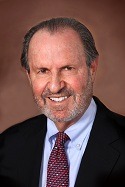 Kenneth A. Arndt合作论文数SkinCare Physicians15
 Nazanin Saedi合作论文数10
 Jordan V. Wang合作论文数Department of Dermatology and Cutaneous Biology, Thomas Jefferson University9
 Alam Murad合作论文数8
 Christopher Zachary合作论文数8
 Michael S Kaminer合作论文数7
 Emily Poon合作论文数6
 Omer Awad Ibrahim合作论文数5Ibrahimi Omar A合作论文数Connecticut Skin Inst5William A Knape合作论文数4Edward Ebbers合作论文数4
 Simon S Yoo合作论文数Department of Dermatology, Feinberg School of Medicine, Northwestern University4Michael Nodzenski合作论文数4
 George J Hruza合作论文数St. Louis University;Laser & Dermatologic Surgery Center4Suzanne L. Kilmer合作论文数4C. William Hanke合作论文数4
 John Strasswimmer合作论文数Dermatology Associates of the Palm Beaches4Leah K Spring合作论文数3E V Ross合作论文数3Lauren Jauregui合作论文数3Christian A Albornoz合作论文数3Naissan O Wesley合作论文数SkinCare Phys3Natalie Kim合作论文数3Desiree Ratner合作论文数3
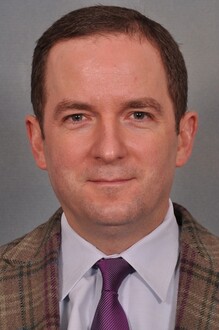 Jonathan L. Cook合作论文数Dermatology, Clinical Science Departments, Duke University School of Medicine, Duke University3Ashish C Bhatia合作论文数Department of Dermatology, Feinberg School of Medicine, Northwestern University3
 Mitchel P. Goldman合作论文数Cosmetic Laser Dermatology3Kimyai-Asadi Arash合作论文数3
 Jeremy Bordeaux合作论文数3
 Richard Nuccitelli合作论文数Pulse Biosciences3
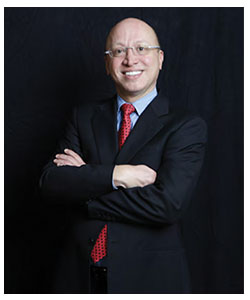 David J. Goldberg合作论文数Skin Laser & Surgery Specialists of New York|Mount Sinai School of Medicine3Girish S. Munavalli合作论文数3Diana Bolotin合作论文数3
 Brian Zelickson合作论文数3
 Roy G. Geronemus合作论文数Ronald O. Perelman Department of Dermatology, Grossman School of Medicine, New York University;Langone Hospitals, New York University3
 Anthony Benedetto合作论文数3R. Sonia Batra合作论文数2Karen Chen合作论文数2Rg Wheeland合作论文数2Perry B Hooper合作论文数2Jacqueline Watchmaker合作论文数2Rohit Kakar合作论文数2Darrin Uecker合作论文数2Diane Berson合作论文数2Hyoung Park合作论文数2Natalie Pace合作论文数2Elizabeth Schoenberg合作论文数2Joaninha Depina合作论文数2




