A time-resolved x-ray scattering (TRXS) investigation of the photodissociation dynamics of gas-phase 2-iodothiophene molecules following 252 nm excitation is presented. Structural evolution of the molecule and dynamical information on the resulting photofragments were captured using femtosecond x-ray free-electron laser pulses. Two dissociation pathways were identified, arising via excitation to ππ* and (n/π)σ* states, respectively, yielding distinct interfragment recoil velocities of ∼6.4 Åps-1 and 17.0 Åps-1. A comparison of asymptotic scattering data with simulated patterns indicates that the thiophene ring remains closed following dissociation at this wavelength. Modeling the experimental data yields a branching ratio of ∼3:1 in favor of the high velocity channel. These findings demonstrate the capability of TRXS to disentangle concurrent ultrafast reaction pathways and provide detailed structural insight into energy redistribution during photoinduced bond fission in complex molecular systems.
Nematicity and its influence on the superconducting phase in Ba(Fe 1−x Co x ) 2 As 2 is still a major research interest as the origin of unconventional superconductivity in iron pnictides is still under debate. One of the remaining questions is how the magnetic and structural transitions, with nematic fluctuations extending over a wide temperature range, influence the charge carrier dynamics in particular at low frequencies. We present resistance fluctuation measurements on high-quality Ba(Fe 1− x Co x ) 2 As 2 samples, made possible by cutting a meander structure into the sample by means of a focused ion beam. The preparation process is described and the resulting temperature-dependent noise properties of three different substitution levels ( x = 0 %, x = 4 % and x = 6 %) are presented. We observe only small changes in the noise amplitude in the vicinity of the nematic transition temperatures. However, a larger feature in the ordered phase of the x = 4 % doped sample is detected, which may be related to a strong coupling of the charge carriers to lattice modes at domain walls. Future work on straining and detwinning the samples, as well as an anisotropy analysis of the fluctuations on one and the same sample, may allow to clarify the results.
We present the design, implementation, and validation of a cryo-compatible strain cell for elastoresistance measurements in quantum materials. The cell is actuated by three large-format piezoelectric stacks and enables both compressive and tensile strain up to approximately ±5%. The relative displacement of the sample holders is measured in situ using a high-resolution capacitive displacement sensor, ensuring precise strain control throughout measurement. To operate the strain cell over a broad temperature range from 4.2 K to 300 K, a modular measurement probe was developed, allowing efficient thermal coupling and integration into cryogenic environments. The functionality and precision of the setup were demonstrated by elastoresistance measurements on the iron-based superconductor BaFe_2As_2 along the [110] direction. The results were validated against conventional techniques based on glued samples and strain gauges, showing excellent agreement in amplitude and temperature dependence of the elastoresistance coefficient. Additional tests revealed that the system remains robust under mechanical vibrations introduced by vacuum pumps, enabling stable operation even with liquid nitrogen cooling. This highlights the high mechanical and thermal reliability of the developed platform for low-temperature transport measurements under controlled uniaxial strain.
Electrocyclic reactions are characterized by the concerted formation and cleavage of multiple σ and π bonds in a molecular system and have been extensively studied since the first introduction by Robert Woodward and Roald Hoffmann in 1965. Recent advancements and the integration of time-resolved experiments and nonadiabatic quantum molecular dynamics simulations have transformed the traditional understanding of electrocyclic reactions beyond the Woodward-Hoffmann rules. In this review, we focus on recent studies on 1,3-cyclohexadiene and two of its derivatives, α-phellandrene and α-terpinene, to shed light on the underlying mechanisms of electrocyclic photochemical reactions. We highlight recent progress in ultrafast electron diffraction techniques and the simulation approach of ab initio multiple spawning (AIMS). Together, these approaches can elucidate molecular structure dynamics from femtosecond to picosecond timescales and nuclear and electronic response at conical intersections.
Photoinduced biological and chemical reactions are often based on key structural transformations of a molecule driven across multiple electronic states. Acetylacetone (AcAc) is a prototypical system for complex chemical pathways involving several conical intersections (CI) and singlet-triplet intersystem crossings (ISC) characterized by distinct geometries. In the gas phase, AcAc is predominantly in a planar ring-like enolic form stabilized by a strong intramolecular O-H···O hydrogen bond. Following excitation into the S2 (ππ*) state at 266 nm, acetylacetone undergoes rapid internal conversion followed by intersystem crossing. Such relaxation pathways are associated with structural changes including ring opening, deplanarization, and bond elongation. In this work, ultrafast electron diffraction (UED) at the SLAC MeV-UED setup is employed as a direct structural probe with a time resolution of 160 fs. Together with trajectory surface hopping simulations, analysis of the UED data provides a new perspective on the early time nuclear dynamics in acetylacetone. Specifically, AcAc is observed to undergo ring opening, deplanarization, and bond elongation all within the first 700 fs after photoexcitation. The monitored dynamics is associated mainly with the nuclear motion on the S1 potential energy surface, formed after very rapid transfer from S2 to S1, allowing AcAc to reach the conical intersection to intersystem crossing. Such time scales of nuclear motion are contrasted with the time scales of electronic transitions in AcAc that were previously characterized with spectroscopic methods, specifically internal conversion (<100 fs) and intersystem crossing (∼1.5 ps).
We define a general strategy for finding new heavy-fermionic materials without rare-earth elements: doping a Hund metal with pronounced orbital-selective correlations towards half-filling. We argue that in general band structures a possible orbital-selective Mott transition is frustrated by inter-orbital hopping into heavy-fermion behaviour - where d-orbitals provide both the heavy and the light electrons - which is enhanced when approaching half-filling. This phase ultimately disappears due to magnetic correlations, as in a standard Doniach diagram. Experimentally we have further hole doped CsFe$_2$As$_2$, a Hund metal with 0.5 electrons/Fe away from half-filling, and obtained a heavy fermionic state with the highest Sommerfeld coefficient for Fe-pnictides to date (270 mJ/mol K$^2$), before signatures of an antiferromagnetic phase set in.
We investigated the ultrafast structural dynamics of cyclobutanone following photoexcitation at λ = 200 nm using gas-phase megaelectronvolt ultrafast electron diffraction. Our investigation complements the simulation studies of the same process within this special issue. It provides information about both electronic state population and structural dynamics through well-separable inelastic and elastic electron scattering signatures. We observe the depopulation of the photoexcited S2 state of cyclobutanone with n3s Rydberg character through its inelastic electron scattering signature with a time constant of (0.29 ± 0.2) ps toward the S1 state. The S1 state population undergoes ring-opening via a Norrish Type-I reaction, likely while passing through a conical intersection with S0. The corresponding structural changes can be tracked by elastic electron scattering signatures. These changes appear with a delay of (0.14 ± 0.05) ps with respect to the initial photoexcitation, which is less than the S2 depopulation time constant. This behavior provides evidence for the ballistic nature of the ring-opening once the S1 state is reached. The resulting biradical species react further within (1.2 ± 0.2) ps via two rival fragmentation channels yielding ketene and ethylene, or propene and carbon monoxide. Our study showcases the value of both gas-phase ultrafast diffraction studies as an experimental benchmark for nonadiabatic dynamics simulation methods and the limits in the interpretation of such experimental data without comparison with such simulations.
Attosecond photoemission or photoionization delays are a unique probe of the structure and the electronic dynamics of matter. However, the spectral congestion of valence photoelectron spectra sets fundamental limits to the complexity of systems that can be studied, and the delocalization of valence electron wave functions blurs the spatial origin of the photoelectron wave packet. Using attosecond x-ray pulses from LCLS, we demonstrate the key advantages of measuring core-level delays: The photoelectron spectra remain atomlike, the measurements become element specific, and the observed scattering dynamics originate from a pointlike source when multicenter interference effects are negligible. We exploit these unique features to reveal the effects of changing functional groups (C-H vs N) and symmetry on attosecond scattering dynamics by measuring and calculating the photoionization delays between N-1s and C-1s core shells of a series of aromatic azabenzene molecules. Remarkably, the delays increase with the number of nitrogen atoms in the molecule and reveal multiple resonances. We identify two previously unknown mechanisms regulating the associated attosecond dynamics, namely the enhanced confinement of the trapped wave function with the replacement of C-H groups by N atoms and the decrease of the coupling strength among the photoemitted partial waves with increasing symmetry. This study demonstrates the unique opportunities opened by measurements of core-level photoionization delays for unraveling attosecond electron dynamics in complex matter.
Single crystals of a Fe-based superconductor, Ba(Fe0.943Co0.057)(2)As-2, with similar to 200 mu m thickness (t) have been irradiated along the thickness (c-axis) of by 1.5 MeV Ar6+ ions, having ion range (R) of 0.903 mu m (SRIM calculation). Fast ion irradiations damage the lattice of the target, and usually decrease the superconducting critical temperature (T-c), with a few exceptions of small increases. However, our irradiation, a case of ion implantation (R > t), presently to a fluence of 2.5 x 10(15) Ar6+/cm(2), increased the onset T-c of the single crystal superconductors by similar to 8 K from its initial value of similar to 17 K as measured from the real part of the magnetic susceptibility, matching results from our additional measurements of the imaginary part, electrical resistivity and magnetization. These self-supporting T-c results ensure correctness of the result. To our knowledge, such huge increase of the superconducting critical temperature by ion irradiation has not been reported earlier. Fortunately, we find following explanation, and consider it most appropriate. The insoluble inert gas atoms precipitate often as high-pressure miniature bubbles as is well known from various experiments and also from observations in nuclear reactor walls. This exerts a large compressive strain on the lattice. Our novel explanation is that this additional strain increases T-c by similar to 49 %. Moreover, the same Ar implantation in non-superconducting BaFe2As2 induced 20 K superconductivity. Depending on such bubble formation and their stability in other target-ion pairs, such large T-c enhancement may be discovered in other superconductors, and used with the advantages of higher T-c.
The detailed understanding of electronic coherence in quantum systems requires measurements on the attosecond timescale. Attosecond x-ray pulses enable the study of electronic coherence in core-excited molecular systems. Here we report on the coherent motion of electrons in the 1,1-difluoroethylene ion following ionization of the K shell of the two nonequivalent carbon sites with a subfemtosecond x-ray pulse. Using the angular streaking technique to track the Auger-Meitner decay, we observe temporal modulations of the emission, indicating the electronic coherence of the core-excited ionic states, and extract a 6.5±0.8 fs average lifetime of the core-level vacancies. A quantum-mechanical model is employed to interpret the measurement, and we find the observed temporal modulations are independent of charge density oscillations. This work opens a new regime of coherent electronic motion, beyond charge migration, where electronic coherence manifests in the nonlocal quantum correlation between atomic sites while charge density oscillation is absent. Our results broaden the landscape of electronic coherence in molecular systems. Published by the American Physical Society 2025
Benthic sulfur cycling in fresh-water lakes is typically characterized by low concentrations of dissolved sulfate in the overlying water column. This electron acceptor is the major driver for the anaerobic mineralization of organic matter in brackish-marine systems. Post-glacial development in marginal seas like the Baltic or Black Sea are often characterized by a transition from fresh to brackish water conditions, and initial sulfur isotope signatures of lacustrine sediments are often found to be superimposed by later diagenesis. To better understand the link between sulfate sources and the developing sedimentary sulfur isotope signatures in lake systems, Lake Constance’s main inflows, vertical water column profiles and sediment samples were geochemically and isotopically (S-34, O-18) characterized. We found that dissolved sulfate concentrations and stable isotope signatures for the two major riverine contributors, Alpenrhein and Bregenzer Aach, differed substantially in their isotopic composition. The Alpenrhein dominates sulfate contribution into the lake system and its contribution could be traced throughout the lake with some indication for potential minor sulfur cycling within the water column. Wells demonstrated that the Bregenzer Aach lost water to an underground passage towards Lake Constance. Water-rock interactions also provided minor amounts of sulfate to the migrating groundwater. The top 10 cm of surface sediments, representing the Anthropocene, indicated fast gross and net dissimilatory sulfate reduction and the formation of iron sulfides that are isotopically close to water column sulfate, but they were found to be depleted in the heavier isotope at greater depth, indicating lower ratios of net sulfate reduction versus sulfate replenishing rates in the past.
Identifying multiple rival reaction products and transient species formed during ultrafast photochemical reactions and determining their time-evolving relative populations are key steps towards understanding and predicting photochemical outcomes. Yet, most contemporary ultrafast studies struggle with clearly identifying and quantifying competing molecular structures/species amongst the emerging reaction products. Here, we show that mega-electronvolt ultrafast electron diffraction in combination with ab initio molecular dynamics calculations offer a powerful route to determining time-resolved populations of the various isomeric products formed after UV (266 nm) excitation of the five-membered heterocyclic molecule 2(5H)-thiophenone. This strategy provides experimental validation of the predicted high (~50%) yield of an episulfide isomer containing a strained 3-membered ring within ~1 ps of photoexcitation and highlights the rapidity of interconversion between the rival highly vibrationally excited photoproducts in their ground electronic state.
Pump-probe experiments with sub-femtosecond resolution are the key to understanding electronic dynamics in quantum systems. Here we demonstrate the generation and control of sub-femtosecond pulse pairs from a two-colour X-ray free-electron laser (XFEL). By measuring the delay between the two pulses with an angular streaking diagnostic, we characterise the group velocity of the XFEL and demonstrate control of the pulse delay down to 270 as. We demonstrate the application of this technique to a pump-probe measurement in core-excited para-aminophenol. These results demonstrate the ability to perform pump-probe experiments with sub-femtosecond resolution and atomic site specificity.
We describe the design and performance of a magnetic bottle electron spectrometer (MBES) for high-energy electron spectroscopy. Our design features a 2 m long electron drift tube and electrostatic retardation lens, achieving sub-electronvolt (eV) electron kinetic energy resolution for high energy (several hundred eV) electrons with a close to 4π collection solid angle. A segmented anode electron detector enables the simultaneous collection of photoelectron spectra in high resolution and high collection efficiency modes. This versatile instrument is installed at the time-resolved molecular and optical sciences instrument at the Linac Coherent Light Source x-ray free-electron laser (XFEL). In this paper, we demonstrate its high resolution, collection efficiency, and spatial selectivity in measurements where it is coupled to an XFEL source. These combined characteristics are designed to enable high-resolution time-resolved measurements using x-ray photoelectron, absorption, and Auger-Meitner spectroscopy. We also describe the pervasive artifact in MBES time-of-flight spectra that arises from a periodic modulation in electron collection efficiency and present a robust analysis procedure for its removal.
For many chemical reactions, it remains notoriously difficult to predict and experimentally determine the rates and branching ratios between different reaction channels. This is particularly the case for reactions involving short-lived intermediates, whose observation requires ultrafast methods. The UV photochemistry of bromoform (CHBr3) is among the most intensely studied photoreactions. Yet, a detailed understanding of the chemical pathways leading to the production of atomic Br and molecular Br2 fragments has proven challenging. In particular, the role of isomerization and/or roaming and their competition with direct C-Br bond scission has been a matter of continued debate. Here, gas-phase ultrafast megaelectronvolt electron diffraction (MeV-UED) is used to directly study structural dynamics in bromoform after single 267 nm photon excitation with femtosecond temporal resolution. The results show unambiguously that isomerization contributes significantly to the early stages of the UV photochemistry of bromoform. In addition to direct C-Br bond breaking within <200 fs, formation of iso-CHBr3 (Br-CH-Br-Br) is observed on the same time scale and with an isomer lifetime of >1.1 ps. The branching ratio between direct dissociation and isomerization is determined to be 0.4 ± 0.2:0.6 ± 0.2, i.e., approximately 60% of molecules undergo isomerization within the first few hundred femtoseconds after UV excitation. The structure and time of formation of iso-CHBr3 compare favorably with the results of an ab initio molecular dynamics simulation. The lifetime and interatomic distances of the isomer are consistent with the involvement of a roaming reaction mechanism.
Investigating the off-diagonal components of the conductivity and thermoelectric tensor of materials hosting complex antiferromagnetic structures has become a viable method to reveal the effects of topology and chirality on the electronic transport in these systems. In this respect, Mn5Si3 is an interesting metallic compound that exhibits several antiferromagnetic phases below 100 K with different collinear and noncollinear arrangements of Mn magnetic moments determined from neutron scattering. Previous electronic transport measurements have shown that the transitions between the various phases give rise to large changes of the anomalous Hall effect. Here, we report measurements of the anomalous Nernst effect of Mn5Si3 single crystals that also show clear transitions between the different magnetic phases. In the noncollinear phase, we observe an unusual sign change of the zero-field Nernst signal with a concomitant decrease of the Hall signal and a gradual reduction of the remanent magnetization. Furthermore, a symmetry analysis of the proposed magnetic structures shows that both effects should actually vanish. These results indicate a symmetry-breaking modification of the magnetic state with a rearrangement of the magnetic moments at low temperatures, thus questioning the previously reported models for the noncollinear magnetic structure obtained from neutron scattering.
AbstractThe fate of thymine upon excitation by ultraviolet radiation has been the subject of intense debate. Today, it is widely believed that its ultrafast excited state gas phase decay stems from a radiationless transition from the bright ππ* state to a dark nπ* state. However, conflicting theoretical predictions have made the experimental data difficult to interpret. Here we simulate the early gas phase ultrafast dynamics in thymine at the highest level of theory to date. This is made possible by performing wavepacket dynamics with a recently developed coupled cluster method. Our simulation confirms an ultrafast ππ* to nπ* transition (τ = 41 ± 14 fs). Furthermore, the predicted oxygen-edge X-ray absorption spectra agree quantitatively with experiment. We also predict an as-yet uncharacterized πσ* channel that leads to hydrogen dissociation at one of the two N-H bonds. Similar behavior has been identified in other heteroaromatic compounds, including adenine, and several authors have speculated that a similar pathway may exist in thymine. However, this was never confirmed theoretically or experimentally. This prediction calls for renewed efforts to experimentally identify or exclude the presence of this channel.
Mechanistic insights into photodissociation dynamics of transition metal carbonyls, like Fe(CO)$_5$, are fundamental for understanding active catalytic intermediates. Although extensively studied, the ultrafast structural dynamics of these systems remain elusive. Using ultrafast X-ray scattering, we uncover the ultrafast photochemistry of Fe(CO)$_5$ in real space and time, observing synchronous oscillations in atomic pair distances, followed by a prompt rotating CO release preferentially in the axial direction. This behavior aligns with simulations, reflecting the interplay between the axial Fe-C distances' potential energy landscape and non-adiabatic transitions between metal-to-ligand charge-transfer states. Additionally, we characterize a secondary delayed CO release associated with a reduction of Fe-C steady state distances and structural dynamics of the formed Fe(CO)$_4$. Our results quantify energy redistribution across vibration, rotation, and translation degrees of freedom, offering an ultrafast microscopic view of complex structural dynamics, enhancing our grasp on Fe(CO)$_5$ photodissociation and advancing our understanding of transition metal catalytic systems.
We present a study of the lattice dynamical properties of Mn1-xFexSi with 0 x 0.22. Employing timeof-flight neutron spectroscopy and inelastic x-ray scattering, we investigate the doping dependence of phonon energies, Eph, and linewidths, rph. We find anomalous softening and broadening of a phonon mode propagating along the [111] direction. Ab initio lattice dynamical calculations link this softening to an enhanced electronphonon coupling due to the doping-dependent changes of the Fermi surface. We discuss an interplay of increased electron-phonon coupling and reduced ordered magnetic moments in Mn1-xFexSi.
A detailed interpretation of scanning tunneling spectra obtained on unconventional superconductors enables one to gain information on the pairing boson. Decisive for this approach are inelastic tunneling events. Due to the lack of momentum conservation in tunneling from or to the sharp tip, those are enhanced in the geometry of a scanning tunneling microscope compared to planar tunnel junctions. This work extends the method of obtaining the bosonic excitation spectrum by deconvolution from tunneling spectra to nodal d -wave superconductors. In particular, scanning tunneling spectra of slightly underdoped B i 2 S r 2 C a C u 2 O 8 + δ with a T c of 82 K and optimally doped Y B a 2 C u 3 O 6 + x with a T c of 92 K reveal a resonance mode in their bosonic excitation spectrum at Ω r e s ≈ 63 meV and Ω r e s ≈ 61 meV respectively. In both cases, the overall shape of the bosonic excitation spectrum is indicative of predominant spin scattering with a resonant mode at Ω r e s < 2 Δ and overdamped spin fluctuations for energies larger than 2Δ. To perform the deconvolution of the experimental data, we implemented an efficient iterative algorithm that significantly enhances the reliability of our analysis.
 Christoph Meingast合作论文数Forschungszentrum Karlsruhe;Institut für Festkörperphysik;Institut für Festkörperphysik, Forschungszentrum Karlsruhe69
 Ming-Fu Lin合作论文数Ultrafast X-ray Science Laboratory, Lawrence Berkeley National Laboratory42
 Frederic Hardy合作论文数LITEWERKS Engineering41
 Jie Yang (杨杰)合作论文数Center of Basic Molecular Science, Department of Chemistry, Tsinghua University34Martin Centurion合作论文数Department of Electrical Engineering;Center for the Physics of Information;Department of Electrical Engineering, Center for the Physics of Information32
 Markus Gühr合作论文数Deutsches Elektronen-Synchrotron;University of Hamburg31
 Joao Pedro Figueira Nunes合作论文数Dept Phys & Astron, Univ Nebraska30
 Xiaozhe Shen (沈晓哲)合作论文数Natl Accelerator Lab, SLAC29
 Hilbert V. Löhneysen合作论文数Physikalisches Institut, Karlsruher Institut für Technologie;Institut für Festkörperphysik, Karlsruher Institut für Technologie27
 Todd Martinez合作论文数Department of Chemistry, Stanford University;PULSE Institute, SLAC National Accelerator Laboratory27
 James P. Cryan合作论文数Stanford PULSE Institute, SLAC National Accelerator Laboratory, Stanford University;Atomic, Molecular, and Optical Sciences Department, Stanford University27
 Anna Böhmer合作论文数Faculty of Physics and Astronomy, Ruhr-University Bochum25Peter Adelmann合作论文数25Peter Schweiss合作论文数25
 Obaid Razib合作论文数23
 Nora Berrah合作论文数Department of Physics, College of Liberal Arts and Sciences, University of Connecticut23
 Philip H. Bucksbaum合作论文数Department of Physics, Stanford University;Department of Applied Physics, Stanford University;Stanford Synchrotron Radiation Laboratory, Stanford University;SLAC National Accelerator Laboratory, Stanford University23Xijie Wang合作论文数22
 Peter Walter合作论文数Natl Accelerator Lab, SLAC22Merz Michael合作论文数Institut für Festkörperphysik, Karlsruher Institut für Technologie22
 Ryan Coffee合作论文数SLAC National Accelerator Laboratory, Stanford University;Stanford PULSE Institute, Stanford University22
 Taran Driver合作论文数SLAC National Accelerator Laboratory, Stanford PULSE Institute;SLAC National Accelerator Laboratory , Menlo Park, CA 94025, United States of America;SLAC National Accelerator Laboratory, Stanford PULSE Institute18Liran Wang合作论文数Karlsruhe Inst Technol, Inst Solid State Phys, D-76021 Karlsruhe, Germany18
 Timur Osipov合作论文数SLAC National Accelerator Laboratory, Stanford University18
 Kareem Hegazy合作论文数Stanford University17
 Elio G. Champenois合作论文数SLAC Natl Accelerator Lab, Stanford Pulse Inst17
 Ruaridh Forbes合作论文数SLAC National Accelerator Laboratory, Stanford PULSE Institute;SLAC National Accelerator Laboratory , Menlo Park, CA 94025, United States of America;SLAC National Accelerator Laboratory, Stanford PULSE Institute17
 Stephen P. Weathersby合作论文数SLAC National Accelerator Laboratory, Stanford University17
 Andreas-Neil Unterreiner合作论文数17
 Yusong Liu合作论文数Dept Phys & Astron, SUNY Stony Brook15
 Zhirong Huang合作论文数Department of Applied Physics, Stanford University;Stanford PULSE Institute15Nata I. Matskevich合作论文数Institute of Inorganic Chemistry, Siberian Branch of the Russian Academy of Science15Andrei Kamalov合作论文数Natl Accelerator Lab, SLAC14
 Cheng Xinxin合作论文数†Department of Chemistry, Brown University14
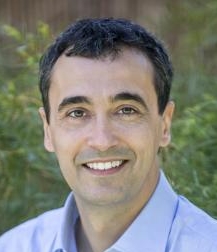 Agostino Marinelli合作论文数SLAC National Accelerator Laboratory, Stanford University;Department of Energy Sciences, Stanford University;Department of Fundamental Physics Directorate, Stanford University14Rolf Heid合作论文数14
 Renkai Li (李任恺)合作论文数Department of Engineering Physics, Tsinghua University13Philipp Burger合作论文数13
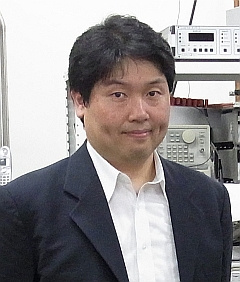 Takasada Shibauchi (芝内孝禎)合作论文数Department of Advanced Materials Science, Graduate School of Frontier Sciences, The University of Tokyo;Department of Applied Physics, School of Engineering, The University of Tokyo13K. Grube合作论文数Institut für Festkörperphysik, Forschungszentrum Karlsruhe13James M. Glownia合作论文数SLAC National Accelerator Laboratory, Stanford University12
 Yuji Matsuda (松田祐司)合作论文数Department of Physics, Kyoto University12
 Raimund Feifel合作论文数Department of Physics, University of Gothenburg12
 Daniel Rolles合作论文数Department of Physics, College of Arts and Sciences, Kansas State University12
 Shigeru Kasahara (笠原成)合作论文数The Research Institute for Interdisciplinary Science, Okayama University12Siqi Li合作论文数11
 Christoph Bostedt合作论文数Laboratory for Ultrafast X-ray Sciences, Ecole Polytechnique Federale de Lausanne;Laboratory for Synchrotron Radiation and Femtochemistry, Paul Scherrer Institut11
 Li Fang合作论文数Department of Physics, University of Central Florida11
 Squibb Richard J.合作论文数Department of Physics and Astronomy, Uppsala University11




