Abstract Older African American women experience social determinants of health that put them at risk for experiencing comorbid pain and depressive symptoms. The purpose of our study was to tailor a preexisting evidence-based depression intervention to include pain and test it in older African American women. We conducted a randomized waitlist control study with 21 frail or pre-frail, African American women, 50 years of age and older with pain and depressive symptoms. The average age of the participants was 64.8 (SD: 10.5), average pain intensity was 7.0 (SD: 1.9) out of 10, and average PHQ-9 depressive symptoms score was11.9 (SD: 4.0). Effect sizes at 12 weeks post intervention were -1.05 for depressive symptoms indicating a substantial decrease in depressive symptoms. We did not see a significant change in pain intensity but identified changes in pain behavior scores. The women described the intervention as beneficial and provided suggestions for future iterations.
Deprescribing, the planned and supervised process of dose reductions or stopping inappropriate medications, may address increasing burdens from multimorbidity and polypharmacy, defined as the use of five or more medications. Despite its benefits in mortality, falls, and depression, current evidence lacks focus on incorporating and leveraging patients' daily goals and goals for their lives, called life goals. Home-based care, which has shown benefits in healthcare access/utilization/costs, caregiver burden, and patient satisfaction among frail, vulnerable, and homebound populations, can address this gap. Since only a few studies have focused on home-based deprescribing approaches, we aimed to understand from clinicians and older adults ways to optimize a proposed home-based deprescribing intervention that focuses on tailoring medications based on patient's daily and life goals.
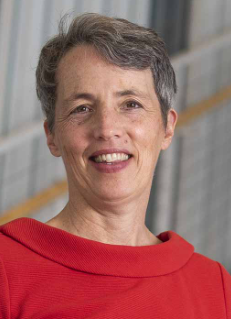 Sarah L. Szanton合作论文数Center for Innovative Care in Aging, School of Nursing, Johns Hopkins University2
 Erika Hornstein合作论文数1Nicole Williams合作论文数1Catherine A Clair合作论文数Johns Hopkins Bloomberg School of Public Health1Ji Won Lee合作论文数1Bruce Leff合作论文数Health Policy and Management, Bloomberg School of Public Health, Johns Hopkins University1
 Janiece Taylor合作论文数School of Nursing, Johns Hopkins University1
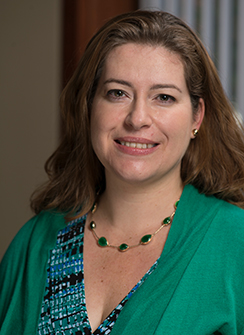 Melissa Hladek合作论文数School of Nursing, Johns Hopkins University1
 Laura N. Gitlin合作论文数Psychiatry and Behavioral Sciences, School of Medicine, Johns Hopkins University1
 Ariel R. Green合作论文数Department of Otolaryngology-Head and Neck Surgery, School of Medicine, Johns Hopkins University1
 Roland Thorpe合作论文数Center for Africana Studies, Krieger School of Arts & Sciences, Johns Hopkins University1
 Cynthia M. Boyd合作论文数Department of Health Policy and Management, Johns Hopkins Bloomberg School of Public Health;Division of Geriatric Medicine and Gerontology, Department of Medicine, Johns Hopkins University School of Medicine1
 Amelie Nkodo合作论文数1Karen Bandeen-Roche合作论文数1Sarah Grace Kachur合作论文数1




