BACKGROUND AND HYPOTHESIS:The standard approach to anaemia in non-dialysis chronic kidney disease (CKD) does not account for potential age- or sex-specific related risks. We assessed differences in the association between haemoglobin and major cardiovascular events (MACE+) in men and women with CKD, by age groups. METHODS:Using 5-year longitudinal data from the Chronic Kidney Disease-Renal Epidemiology and Information Network (CKD-REIN) cohort, we studied patients with CKD stage 2-5 not treated with erythropoiesis-stimulating agents (ESA). The main outcome was MACE+, defined as cardiovascular death, myocardial infarction, stroke or hospitalization for acute heart failure. Competing events were initiation of kidney replacement therapy and non-cardiovascular death. In each of the four predefined subgroups by sex and age (≤70 versus >70 years at baseline), we estimated hazard ratios (HR) of current values of haemoglobin using a cause-specific Cox model adjusted for current values of glomerular filtration rate and transferrin saturation. All current values of biomarkers were first estimated in a multivariate-shared random effect joint model. RESULTS:Analyses considered 29 042 haemoglobin measurements from 2791 patients, and 364 MACE+. The association between current haemoglobin and log hazard of MACE+ was linear in men and J-shaped in women. For a haemoglobin of 10.5 g/dL, as compared with 11.5 g/dL, the hazard of MACE+ at any time was increased by 60% in younger women [HR = 1.6, 95% confidence interval (CI) 1.1-2.4], 70% in older women (HR = 1.7, 95% CI 1.3-2.4), 30% in younger men (HR = 1.3 95% CI 1.1-1.5) and 20% in older men (HR = 1.2 95% CI 1.1-1.4). Results were similar in the sensitivity analysis not censoring at the first ESA treatment. CONCLUSION:Our longitudinal analysis in patients with CKD not on ESA therapy highlights a stronger association between anaemia and increased hazard of MACE+ in women than in men. This sex difference should inform the design of trials addressing anaemia correction in CKD.
Background:Real-world practices for managing anemia and iron deficiency in chronic kidney disease appear heterogeneous and sometimes controversial. This study aimed to describe the prescribing preferences and habits of French nephrologists in this area. Methods:All nephrologists seeing patients at one of the 40 centers participating in the Chronic Kidney Disease – Renal Epidemiology and Information Network (CKD-REIN) cohort were invited to participate in two waves (2015–2016 and 2019–2020) of a practice survey. The self-administered questionnaires collected information on nephrologists’ characteristics and their management strategies for anemia and iron deficiency in patients with stage 4–5 CKD. Results:A total of 137 nephrologists participated in the first wave and 60 in the second wave. Most reported initiating treatment with erythropoiesis-stimulating agents (ESAs) when hemoglobin levels were between 9.5 and 10.5 g/dL (85% in the first wave and 96% in the second). In patients with anemia and iron deficiency, the thresholds for initiating iron therapy varied widely: for oral iron, transferrin saturation (TSAT) ranged from 10% to more than 35% and ferritin from 50 to 500 μg/L; for intravenous iron, TSAT ranged from 10 to 30% and ferritin from 50 to 500 μg/L. Conclusion:Between 2015–2016 and 2019–2020, French nephrologists’ practices for ESA management were relatively homogeneous and in line with current recommendations. In contrast, approaches to iron deficiency varied greatly among practitioners.
The pathophysiology of chronic kidney disease (CKD)-related mineral and bone disorder (CKD-MBD) extends far beyond simple mineral imbalances. Evolving from the traditional understanding of secondary hyperparathyroidism, the conceptual framework has recently been updated to recognize 2 distinct but overlapping clinical syndromes: CKD-associated osteoporosis, which encompasses the significantly increased fracture risk and microarchitectural deterioration in this population; and CKD-associated cardiovascular disease, which accounts for vascular and structural cardiac abnormalities, including medial vascular calcification. Unlike traditional osteoporosis, the 2 clinical syndromes emerge from intricate interactions between declining kidney function and dysregulated mineral metabolism. The early rise in fibroblast growth factor-23 (FGF-23) levels; progressive phosphate retention; diminished vitamin D activation; secondary hyperparathyroidism; and uremic toxin accumulation, particularly uric acid and indoxyl sulfate, orchestrate profound disruptions in osteocyte, osteoblast, and osteoclast function. The complex interaction amplifies in the dialysis population, where protein-energy wasting affects most patients; and intensifies following kidney transplantation because of glucocorticoid, immunosuppressive, and anticoagulant treatments. Consequently, fracture rates in patients with CKD exceed those of age-matched controls by >4-fold, with patients on dialysis therapy facing a ≤ 8-fold increased risk. Available diagnostic and predictive tools need to be improved to adequately identify at-risk patients. The usefulness of additional, more recent biomarkers such as FGF-23, a-Klotho, and various bone turnover parameters remains a matter of debate. Bone biopsy, considered as the diagnostic gold-standard, remains impractical in routine practice. Dual-energy X-ray absorptiometry (DXA) cannot provide information on the type of renal osteodystrophy. Moreover, it demonstrates limitations in the presence of severe vascular calcifications. Trabecular bone scores (TBS) emerge as potential progress in noninvasive bone imaging, showing modest superiority over traditional densitometry in predicting fracture risks among secondary osteoporosis populations, yet large clinical trials with long-term follow-up are required. Therapeutic management spans from parathyroidectomy to pharmacological interventions with bisphosphonates, denosumab, teriparatide, romosozumab, whereas agents such as burosumab remain investigational, with no published clinical trials in this population. However, therapeutic nihilism persists, with most high-risk patients not receiving bone-targeted therapy despite accumulating safety data. Transforming care demands abandoning therapeutic nihilism, embracing personalized risk stratification, and conducting trials in populations historically excluded from bone health research.
Zoccali, Carmine; Vervloet, Marc G; Evenepoel, Pieter; Massy, Ziad; Cozzolino, Mario; Mallamaci, Francesca; Lederer, Eleanor D.; Andia, Jorge Cannata; Drueke, Tilman B. Author Information
Besides the well-known role of hormonal factors in mineral and bone metabolism, the sympathetic nervous system participates in this regulation by inhibiting bone formation and promoting bone resorption, primarily via β-adrenergic receptors expressed on osteoblasts. Conversely, the parasympathetic system, through cholinergic signalling, inhibits osteoclast activity, promoting bone formation and maintaining skeletal homeostasis. This review presents the role of the autonomic nervous system, with particular focus on the potential role of β-blockers, especially β1-selective blockers, in modulating bone health in people with normal kidney function and those with CKD. While early studies with non-selective β-blockers like propranolol showed mixed results, recent findings in postmenopausal women suggested that β1-selective β-blockers could enhance bone density by modulating sympathetic activity. Trial emulation using large databases and eventually randomized controlled trials are needed to test the hypothesis that β-blockade can favourably impact bone disease in patients with kidney failure.
[This corrects the article DOI: 10.1016/j.ekir.2024.05.033.].
Cardiac arrythmias are common in patients undergoing maintenance hemodialysis. In this issue, Charytan et al. showed that in patients with hyperkalemia (serum potassium concentration 5.10-6.50 mmol/l [5.1- 6.5 mEq/l]) on hemodialysis, a dialysate concentration of 3 mEq/l combined with sodium zirconium cyclosilicate on dialysis-free days is associated with a lower frequency of atrial fibrillation compared with a dialysate concentration of 2 mEq/l over 8 weeks. Despite the obvious limitations such as small sample size, short treatment period, and lack of information on longer-term impact on important patient outcomes such as sudden death, this well-conceived pilot study provided impetus for larger prospective trials to test whether this personalized approach reduces major cardiovascular events and mortality.
Tenapanor, a selective inhibitor of the sodium/hydrogen exchanger isoform 3 (NHE3), was initially developed for the treatment of irritable bowel syndrome with constipation. Subsequent preclinical and clinical studies revealed its ability to reduce gastrointestinal phosphate absorption, leading to effective serum phosphate control with minimal pill burden in patients with kidney failure undergoing dialysis therapy. However, the precise mechanisms underlying NHE3 inhibition, its impact on phosphate handling and the primary site of action within the gastrointestinal tract remain incompletely understood. This review explores the hypothesis that tenapanor-induced NHE3 inhibition elevates the luminal pH via enhanced bicarbonate secretion in the colon, thereby altering phosphate speciation. Phosphate exists in the body as monovalent (H₂PO₄⁻) and divalent (HPO₄²⁻) anions, with the latter predominating under alkaline conditions. Although divalent anions are theoretically more prone to be absorbed from the gut lumen via the paracellular transport route because of the lumen-negative transepithelial potential, on the contrary recent studies have provided evidence that monovalent species are transported more efficiently and that paracellular phosphate permeability is suppressed at high luminal pH. We now propose that the net negative electrostatic environment within the paracellular pore pathway of tight junctions may selectively hinder divalent phosphate transport. This hypothesis aligns with prior findings that tenapanor does not alter the expression of tight junction proteins, suggesting a physicochemical rather than a structural basis for reduced permeability. Further investigations are warranted to determine whether the electrostatic properties of the paracellular pathway contribute to the phosphate-lowering effect of tenapanor.
 Ziad A. Massy合作论文数44Bernard Lacour合作论文数20Sharon M. Moe合作论文数18Zingraff J合作论文数17Gerard M. London合作论文数16
 Patrick Parfrey合作论文数Memorial University of Newfoundland14Patrick S. Parfrey合作论文数13
 Geoffrey A. Block合作论文数U.S. Renal Care13Thao Nguyen-Khoa合作论文数13Jurgen Floege合作论文数13
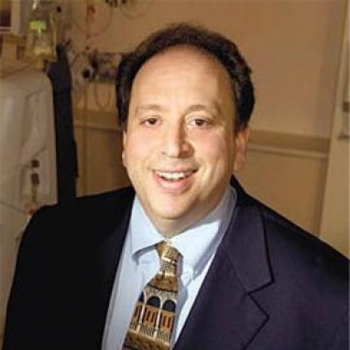 Glenn M. Chertow合作论文数Division of Nephrology, School of Medicine, Stanford University;Center for Primary Care and Outcomes Research, Stanford University13
 Paul Jungers合作论文数Service de Néphrologie-Dialyse Adultes, Hôpital Universitaire Necker12
 David Wheeler合作论文数Department of Biostatistics, School of Public Health, Virginia Commonwealth University12Denis Fouque合作论文数10William "Bill" Goodman合作论文数Amgen10
 Truong-Thao Nguyen合作论文数Department of Electrical Engineering, The Grove School of Engineering, The City College of New York;Department of Computer Engineering, The Grove School of Engineering, The City College of New York8Peter Stenvinkel合作论文数epartment of Clinical Science, Intervention and Technology (CLINTEC) Karolinska Universitetssjukhuset7Beatrice Descamps-Latscha合作论文数7Jean Gogusev合作论文数6
 Fellype de Carvalho Barreto合作论文数Department of Clinical Medicine, Federal University of Paraná6
 Rodrigo de Oliveira合作论文数Google5Francesco Locatelli合作论文数5Walter H. Hörl合作论文数Universität Wien4Vanda Jorgetti合作论文数School of Medicine, University of São Paulo4
 Eberhard Ritz合作论文数Department Internal Medicine , Ruperto Carola University4Christoph Wanner合作论文数4Dorota Szumilak合作论文数4
 Andrzej Wiecek合作论文数Department of Nephrology, Endocrinology and Metabolic Diseases, Medical University of Silesia4
 Michel Jadoul合作论文数Université Catholique de Louvain;Nephrology Department, Cliniques Universitaires Saint-Luc4
 Ognen Ivanovski合作论文数Necker Hospital;Universit ´ , e Paris V;Necker Hospital, Universit ´4Veronique Witko-Sarsat合作论文数4Julien Maizel合作论文数4
 Olof Heimbürger合作论文数Karolinska Universitetssjukhuset;Department of Clinical Science, Intervention and Technology, Karolinska Institutet4
 Markus Ketteler合作论文数Abteilung für Allgemeine Innere Medizin und Nephrologie, Robert-Bosch-Krankenhaus3
 Stefan D. Anker合作论文数Charité University;Charité Berlin3
 Florian Kronenberg合作论文数Institute of Genetic Epidemiology, Department of Genetics, Medical University of Innsbruck3
 Kai-Uwe Eckardt合作论文数Charité – Universitätsmedizin Berlin3
 Adrian Constantin Covic合作论文数University of Medicine "Gr T. Popa ";Dr. C.I. Parhon” Hospital3
 Susan Ott合作论文数3Isabelle Six合作论文数3
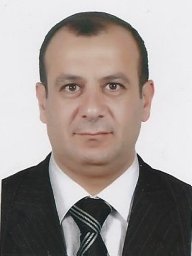 Said Kamel合作论文数Laboratoire de Biochimie, Hôpital Nord3
 Christophe Tribouilloy合作论文数Heart-Vessels-Thorax Department, South Hospital, University of Picardie;Heart-Vessels-Thorax Department, Amiens-Picardie University Hospital3




