The Declaration of Alma-Ata in 1978 crystallized a global vision of justice in health, regardless of income, gender, ethnicity, or education, and called for “health for all by the year 2000” through primary health care (PHC). While much progress has been made since the declaration, more than 40 years later and in the midst of the global pandemic of COVID-19, much remains to be done to achieve health for all. This chapter outlines the important values and principles that underlie PHC, with attention to how global health policy has evolved and country trajectories have differed with respect to PHC since its historic debut in 1978. The chapter then identifies the current strategies for PHC in the global context of a pandemic and other challenges and opportunities, to outline an agenda for the renewal of primary health care allied to the movement to achieve universal health coverage.
This chapter considers the governance of national health systems. In the context of the WHO building blocks on health systems, the governance building block is fundamental in setting the direction of the overall system, identifying how different actors engage with both authority and accountability, and monitoring performance. The chapter identifies the core governance functions found in all systems. It further considers governance as it relates to key actors, be it within government at national and sub-national levels or with other sectors, i.e., non-state actors. The convergence of core functions and diverse actors contributes to governance as a dynamic function of health systems. The chapter concludes by noting the growing scholarship on the governance of health systems that provides novel insights into how health systems can achieve their health goals more effectively and efficiently.
BACKGROUND:Many studies report the seroprevalence of severe acute respiratory syndrome coronavirus 2 (SARS-CoV-2) antibodies. We aimed to synthesize seroprevalence data to better estimate the level and distribution of SARS-CoV-2 infection, identify high-risk groups, and inform public health decision making.METHODS:In this systematic review and meta-analysis, we searched publication databases, preprint servers, and grey literature sources for seroepidemiological study reports, from January 1, 2020 to December 31, 2020. We included studies that reported a sample size, study date, location, and seroprevalence estimate. We corrected estimates for imperfect test accuracy with Bayesian measurement error models, conducted meta-analysis to identify demographic differences in the prevalence of SARS-CoV-2 antibodies, and meta-regression to identify study-level factors associated with seroprevalence. We compared region-specific seroprevalence data to confirmed cumulative incidence. PROSPERO: CRD42020183634.RESULTS:We identified 968 seroprevalence studies including 9.3 million participants in 74 countries. There were 472 studies (49%) at low or moderate risk of bias. Seroprevalence was low in the general population (median 4.5%, IQR 2.4-8.4%); however, it varied widely in specific populations from low (0.6% perinatal) to high (59% persons in assisted living and long-term care facilities). Median seroprevalence also varied by Global Burden of Disease region, from 0.6% in Southeast Asia, East Asia and Oceania to 19.5% in Sub-Saharan Africa (p<0.001). National studies had lower seroprevalence estimates than regional and local studies (p<0.001). Compared to Caucasian persons, Black persons (prevalence ratio [RR] 3.37, 95% CI 2.64-4.29), Asian persons (RR 2.47, 95% CI 1.96-3.11), Indigenous persons (RR 5.47, 95% CI 1.01-32.6), and multi-racial persons (RR 1.89, 95% CI 1.60-2.24) were more likely to be seropositive. Seroprevalence was higher among people ages 18-64 compared to 65 and over (RR 1.27, 95% CI 1.11-1.45). Health care workers in contact with infected persons had a 2.10 times (95% CI 1.28-3.44) higher risk compared to health care workers without known contact. There was no difference in seroprevalence between sex groups. Seroprevalence estimates from national studies were a median 18.1 times (IQR 5.9-38.7) higher than the corresponding SARS-CoV-2 cumulative incidence, but there was large variation between Global Burden of Disease regions from 6.7 in South Asia to 602.5 in Sub-Saharan Africa. Notable methodological limitations of serosurveys included absent reporting of test information, no statistical correction for demographics or test sensitivity and specificity, use of non-probability sampling and use of non-representative sample frames.DISCUSSION:Most of the population remains susceptible to SARS-CoV-2 infection. Public health measures must be improved to protect disproportionately affected groups, including racial and ethnic minorities, until vaccine-derived herd immunity is achieved. Improvements in serosurvey design and reporting are needed for ongoing monitoring of infection prevalence and the pandemic response.
Background. As the world grapples with the COVID-19 pandemic, there is increasing global interest in the role of serological testing for population monitoring and to inform public policy. However, limitations in serological study designs and test standards raise concerns about the validity of seroprevalence estimates and their utility in decision-making. There is now a critical window of opportunity to learn from early SARS-CoV-2 serology studies. We aimed to synthesize the results of SARS-CoV-2 serosurveillance projects from around the world and provide recommendations to improve the coordination, strategy, and methodology of future serosurveillance efforts. Methods. This was a rapid systematic review of cross-sectional and cohort studies reporting seroprevalence outcomes for SARS-CoV 2. We included completed, ongoing, and proposed serosurveys. The search included electronic databases (PubMed, MedRXIV, BioRXIV, and WHO ICTPR); five medical journals (NEJM, BMJ, JAMA, The Lancet, Annals of Internal Medicine); reports by governments, NGOs, and health systems; and media reports (Google News) from December 1, 2019 to May 1, 2020. We extracted data on study characteristics and critically appraised prevalence estimates using Joanna Briggs Institute criteria. Results. Seventy records met inclusion criteria, describing 73 studies. Of these, 23 reported prevalence estimates: eight preprints, 14 news articles, and one government report. These studies had a total sample size of 35,784 and reported 42 prevalence estimates. Seroprevalence estimates ranged from 0.4% to 59.3%. No estimates were found to have a low risk of bias (43% high risk, 21% moderate risk, 36% unclear). Fifty records reported characteristics of ongoing or proposed serosurveys. Overall, twenty countries have completed, ongoing, or proposed serosurveys. Discussion. Study design, quality, and prevalence estimates of early SARS-CoV2 serosurveys are heterogeneous, suggesting that the urgency to examine seroprevalence may have compromised methodological rigour. Based on the limitations of included studies, future serosurvey investigators and stakeholders should ensure that: i) serological tests used undergo high-quality independent evaluations that include cross-reactivity; ii) all reports of serosurvey results, including media, describe the test used, sample size, and sampling method; and iii) initiatives are coordinated to prevent test fatigue, minimize redundant efforts, and encourage better study methodology. Other. PROSPERO: CRD42020183634. No third-party funding.
RÉSUMÉ CONTEXTE: Le dépistage du coronavirus du syndrome respiratoire aigu sévère 2 (SRAS-CoV-2) est en grande partie passif, ce qui nuit au contrôle de l’épidémie. Nous avons élaboré des stratégies de dépistage actif du SRAS-CoV-2 au moyen d’une amplification en chaîne par polymérase couplée à une transcription inverse (RT-PCR) chez les groupes courant un risque accru de contracter le virus dans les provinces canadiennes. MÉTHODES: Nous avons identifié 5 groupes qui devraient être prioritaires pour le dépistage actif au moyen d’une RTPCR, soit les gens ayant été en contact avec une personne infectée par le SRAS-CoV-2 et ceux qui appartiennent à 4 populations à risque : employés d’hôpitaux, travailleurs en soins de santé communautaires ainsi qu’employés et résidents d’établissements de soins de longue durée, employés d’entreprises essentielles, et élèves et personnel scolaire. Nous avons estimé les coûts, les ressources humaines et la capacité de laboratoire nécessaires au dépistage des membres de ces groupes ou au dépistage sur des échantillons aléatoires aux fins de surveillance. RÉSULTATS: Du 8 au 17 juillet 2020, 41 751 dépistages par RT-PCR étaient réalisés chaque jour en moyenne dans les provinces canadiennes; nous avons estimé que ces tests mobilisaient 5122 employés et coûtaient 2,4 millions de dollars par jour (67,8 millions de dollars par mois). La recherche et le dépistage systématiques des contacts requerraient 1,2 fois plus de personnel et porteraient les coûts mensuels à 78,9 millions de dollars. S’il était réalisé en 1 mois, le dépistage de tous les employés des hôpitaux nécessiterait 1823 travailleurs supplémentaires et coûterait 29,0 millions de dollars. Pour la même période de temps, le dépistage de tous les travailleurs en soins de santé communautaires et de tous les employés et résidents des établissements de soins de longue durée nécessiterait 11 074 employés supplémentaires et coûterait 124,8 millions de dollars, et celui de tous les travailleurs essentiels nécessiterait 25 965 employés supplémentaires et coûterait 321,7 millions de dollars. Enfin, le dépistage sur 6 semaines de la population scolaire nécessiterait 46 368 employés supplémentaires et coûterait 816,0 millions de dollars. Les interventions visant à pallier les inefficacités, comme le dépistage à partir d’échantillons de salive et le regroupement des échantillons, pourraient réduire les coûts de 40 % et les besoins en personnel, de 20 %. Le dépistage de surveillance sur des échantillons de la population autre que les contacts coûterait 5 % des coûts associés à l’adoption d’une approche universelle de dépistage auprès des populations à risque. INTERPRÉTATION: Le dépistage actif des groupes courant un risque accru de contracter le SRAS-CoV-2 semble faisable et favoriserait la réouverture sûre et à grande échelle de l’économie et des écoles. Cette stratégie semble également abordable lorsque comparée aux 169,2 milliards de dollars versés par le gouvernement fédéral dans la lutte contre la pandémie en date de juin 2020.
Four decades after the Declaration of Alma-Ata, its vision of health for all and strategy of primary health care are still an inspiration to many people.In this article we evaluate the current status of primary health care in the era of the Declaration of Astana, the sustainable development goals, universal health coverage and the coronavirus disease 2019 pandemic.We consider how best to guide greater application of the primary health care strategy, reflecting on tensions that remain between the political vision of primary health care and its implementation in countries.We also consider what is required to support countries to realize the aspirations of primary health care, arguing that national needs and action must dominate over global preoccupations.Changing contexts and realities need to be accommodated.A clear distinction is needed between primary health care as an inspirational vision and set of values for health development, and primary health care as policy and implementation space.To achieve this vision, political action is required.Stakeholders beyond the health sector will often need to lead, which is challenging because the concept of primary health care is poorly understood by other sectors.Efforts on primary health care as policy and implementation space might focus explicitly on primary care and the frontline of service delivery with clear links and support to complementary work on social determinants and building healthy societies.Such efforts can be partial but important implementation solutions to contribute to the much bigger political vision of primary health care.
Téa Collins and colleagues call for coordinated global action to catalyse effective national responses to non-communicable diseases
Health risks in the 21st century are beyond the control of any country. In an era of globalization, promoting public health and equity requires cooperation and coordination both within and among states. Law can be a powerful tool for advancing global health, yet it remains significantly underutilized and poorly understood. Working in partnership, public health lawyers and health professionals can become champions for evidence-based laws to ensure the public’s health and safety. The O'Neill Institute/Georgetown University Lancet Commission on Law and Global Health articulates the vital role of law – through legal instruments, legal capacities, and institutional reforms, as well as the rule of law – to achieve global health with justice. Our report is structured around four “legal determinants of health,” each of which powerfully affects health outcomes. We coin the term legal determinants of health because it demonstrates law’s power to address the underlying social and economic causes of injury and disease. The four legal determinants, together with key recommendations, are: 1) Law can translate vision into action on sustainable development. 2) Law can strengthen the governance of national and global health institutions. 3) Law can implement fair, evidence-based health interventions. 4) Building legal capacities for health. Strong legal capacities are a key determinant of progress towards global health and sustainable development. By providing insight on the legal determinants of health, our aim is to empower the global health community to strengthen its legal capacity, and to use law more strategically in the pursuit of health and equity.
Despite the mounting evidence that they impede social and economic development, increase inequalities, and perpetuate poverty, Noncommunicable diseases (NCDs) remain largely absent from the agendas of major development assistance initiatives. In addition, fundamental changes are developing in patterns of development assistance for health, and more of the burden for fighting NCDs is being placed on domestic budgets, thus increasing pressure on the most vulnerable countries. The paper argues, however, that a new day is coming. With the inclusion of NCDs and related targets in the 2030 Agenda for Sustainable Development, there is an unprecedented opportunity to explore linkages among the sustainable development goals, enhance policy coherence and advance the NCD agenda as part of sustainable development. International development partners (bilateral and multilateral) can help in this important effort to address NCDs and their shared risk factors by providing catalytic support to countries that are particularly vulnerable in terms of the disease burden but lack the resources (human, financial) and institutional arrangements to meet their commitments at national, regional, and global levels.
BACKGROUND:There is an increasing consensus globally that the education of health professionals is failing to keep pace with scientific, social, and economic changes transforming the healthcare environment. This catalyzed a movement in reforming education of health professionals across Bangladesh, China, India, Thailand, and Vietnam who jointly volunteered to implement and conduct cooperative, comparative, and suitable health professional education assessments with respect to the nation's socio-economic and cultural status, as well as domestic health service system.METHODS:The 5C network undertook a multi-country health professional educational study to provide its countries with evidence for HRH policymaking. Its scope was limited to the assessment of medical, nursing, and public health education at three levels within each country: national, institutional, and graduate level (including about to graduate students and alumni).RESULTS:This paper describes the general issues related to health professional education and the protocols used in a five-country assessment of medical, nursing, and public health education. A common protocol for the situation analysis survey was developed that included tools to undertake a national and institutional assessment, and graduate surveys among about-to-graduate and graduates for medical, nursing, and public health professions. Data collection was conducted through a mixture of literature reviews and qualitative research.CONCLUSIONS:The national assessment would serve as a resource for countries to plan HRH-related future actions.
Background: The High-Level Commission on Health Employment and Economic Growth released its report to the United Nations Secretary-General in September 2016. It makes important recommendations that are based on estimates of over 40 million new health sector jobs by 2030 in mostly high-and middle-income countries and a needs-based shortage of 18 million, mostly in low-and middle-income countries. This paper shows how these key findings were developed, the global policy dilemmas they raise, and relevant policy solutions. Methods: Regression analysis is used to produce estimates of health worker need, demand, and supply. Projections of health worker need, demand, and supply in 2030 are made under the assumption that historical trends continue into the future. Results: To deliver essential health services required for the universal health coverage target of the Sustainable Development Goal 3, there will be a need for almost 45 million health workers in 2013 which is projected to reach almost 53 million in 2030 (across 165 countries). This results in a needs-based shortage of almost 17 million in 2013. The demand-based results suggest a projected demand of 80 million health workers by 2030. Conclusions: Demand-based analysis shows that high-and middle-income countries will have the economic capacity to employ tens of millions additional health workers, but they could face shortages due to supply not keeping up with demand. By contrast, low-income countries will face both low demand for and supply of health workers. This means that even if countries are able to produce additional workers to meet the need threshold, they may not be able to employ and retain these workers without considerably higher economic growth, especially in the health sector.
Valid and reliable indicators against which progress towards global targets of 80% coverage of health services and 100% financial protection from catastrophic and impoverishing health-care costs can be assessed are crucial to achievement of universal health coverage (UHC). An even more ambitious project is to predict whether UHC targets will be met by 2030, and equitable gains achieved. In The Lancet Global Health, Md Shafiur Rahman and colleagues used Bayesian regression modelling techniques to take on this challenge for Bangladesh.1Rahman MS Rahman MM Gilmour S Swe KT Krull Abe S Shibuya K Trends in, and projections of, indicators of universal health coverage in Bangladesh, 1995–2030: a Bayesian analysis of population-based household data.Lancet Glob Health. 2018; 6: e84-e94Summary Full Text Full Text PDF PubMed Scopus (31) Google Scholar Their work is premised on many assumptions, which need to be acknowledged, but serves to warn against complacency. Bangladesh is a country that has seen remarkable health improvements since gaining independence in 1971, and has evolved from being a "basket case",2The EconomistBangladesh: out of the basket.https://www.economist.com/blogs/feastandfamine/2012/11/BangladeshGoogle Scholar to an exemplar of "good health at low cost".3Balabanova D McKee M Mills A 'Good health at low cost' 25 years on: what makes a successful health system?. London School of Hygiene & Tropical Medicine, London2011Google Scholar Although initially cautious about rallying around the goal of UHC, its 2012–22 Health Care Financing Strategy provides an initial roadmap that recognises the complexities of universal coverage in a largely informal economy with a pluralistic health system and limited fiscal space.4Ahmed SM Evans TG Standing H Mahmud S Harnessing pluralism for better health in Bangladesh.Lancet. 2013; 382: 1746-1755Summary Full Text Full Text PDF PubMed Scopus (119) Google Scholar Situating their modelling exercise in this context, Rahman and colleagues extracted available UHC indicators from 17 nationally representative (in terms of epidemiology and health systems) surveys from Bangladesh. They projected that the goal of 80% coverage would be not be achieved for eight of 13 prevention indicators by 2030 under ceteris paribus conditions (with wide socioeconomic inequality in four of these indicators).1Rahman MS Rahman MM Gilmour S Swe KT Krull Abe S Shibuya K Trends in, and projections of, indicators of universal health coverage in Bangladesh, 1995–2030: a Bayesian analysis of population-based household data.Lancet Glob Health. 2018; 6: e84-e94Summary Full Text Full Text PDF PubMed Scopus (31) Google Scholar The next 15 years, however, are likely to be characterised by rapid socioeconomic, climatic, and geopolitical forces of disruption and innovation that challenge ceteris paribus assumptions. For example, the forces of urbanisation and growing numbers of urban poor who reply primarily on the private sector for care might be a massive oversight in the assessment of both service coverage and financial protection.5Adams AM Rabbani A Ahmed S et al.Explaining equity gains in child survival in Bangladesh: scale, speed, and selectivity in health and development.Lancet. 2013; 382: 2027-2037Summary Full Text Full Text PDF PubMed Scopus (50) Google Scholar That said, predictive modelling of this nature, with the caveats clearly spelled out, can serve as a wakeup call to policy makers in Bangladesh who might otherwise be complacent. So, what do Rahman and colleagues' predictions mean for Bangladesh? A first observation is that simple, preventive interventions were more likely to hit the UHC 2030 target of 80% coverage, whereas coverage of complex ones, such as institutional delivery by a skilled attendant, were marked by lower coverage and high inequalities. It follows that issues of access to, and quality of, complex and comprehensive interventions need increased policy attention. With respect to the projected failure to reach the target of 100% financial protection, a lot needs to be done, especially in view of the latest Bangladesh National Health Accounts 1997–2015, which show an increase in the proportion of total expenditure accounted for by out-of-pocket payments from 63% in 2012, to 67% in 2015—pushing 4–5 million people per year into poverty.6Health Economics UnitMinistry of Health and Family WelfareBangladesh National Health Accounts 1997–2015: preliminary results. Health Economics Unit, Ministry of Health and Family Welfare, Dhaka2015Google Scholar, 7Sen B Drivers of escape and descent: changing household fortunes in rural Bangladesh.World Dev. 2013; 31: 513-534Crossref Scopus (151) Google Scholar If these projections are correct, the path towards UHC is far from guaranteed, and simply staying the course will not suffice. Awareness and consensus-building at the policy and practitioner level, on the scope, contents, and priorities for UHC reforms, especially with respect to the role of government, are laudable initial efforts.8Ahmed SM. Building UHC awareness—translating learning to action. Building awareness for UHC: moving the agenda forward in 2016. Dhaka, Bangladesh; Sept 26, 2017.Google Scholar However, serious omissions include the absence of meaningful engagement of the rapidly growing private sector and the role of other sectors for health such as urban development, transportation, and water, sanitation, and hygiene. Furthermore, attention to the systems ingredients for better supply of services, including performance measures, health workforce development, and procurement of supplies, is sorely lacking. With respect to financing, increased efforts need to be focused on the design, implementation, and scale-up of pre-payment and pooling of resources for health that will provide the opportunity for rational allocation decisions (ie, best buys) and greater efficiency, transparency, and accountability in resource use by managing the provider–purchaser split. Importantly, neither a fully government-financed nor a fully employer-financed UHC model is realistic. Rather, Bangladesh should look to similar contexts of high informality and low government financing to develop its own path forward. Implementation and operations research will also provide relevant evidence for policy makers. To avoid these less-than-ideal projections for UHC, much more than reforms to the supply side of the health system are required. In the 21st century information age, people's aspirations for their health and access to high-quality services are rapidly increasing. Public demand for health should be coupled with enlightened leadership that acts on irrefutable evidence that better health accelerates inclusive growth, and acknowledges the health sector as a growing source of employment. Mobilisation of this demand for UHC could amplify Bangladesh's intrinsic character of resourcefulness and resilience, and propel progress towards UHC, and a healthier society and economy. We declare no competing interests. Trends in, and projections of, indicators of universal health coverage in Bangladesh, 1995–2030: a Bayesian analysis of population-based household dataDespite progress, Bangladesh will not achieve the 2030 UHC targets unless the country scales up interventions related to maternal and child health services, and reforms health financing systems to avoid high dependency on out-of-pocket payments. The introduction of a national health insurance system, increased public funding for health care, and expansion of community-based clinics in rural areas could help to move the country towards UHC. Full-Text PDF Open Access
[See related article at [www.cmaj.ca/lookup/doi/10.1503/cmaj.170784][2]][2] KEY POINTS One notable objective among the 2015 Sustainable Development Goals, an ambitious list of 169 targets to transform global development by 2030 ([www.un.org/sustainabledevelopment/][2]), is the achievement of
BACKGROUND:Retaining doctors in rural areas is a challenge in Bangladesh. In this study, we analyzed three rural retention policies: career development programs, compulsory services, and schools outside major cities - in terms of context, contents, actors, and processes. METHODS:Series of group discussions between policy-makers and researchers prompted the selection of policy areas, which were analyzed using the policy triangle framework. We conducted document and literature reviews (1971-2013), key informant interviews (KIIs) with relevant policy elites (n=11), and stakeholder analysis/position-mapping. RESULTS:In policy-1, we found, applicants with relevant expertise were not leveraged in recruitment, promotions were often late and contingent on post-graduation. Career tracks were porous and unplanned: people without necessary expertise or experience were deployed to high positions by lateral migration from unrelated career tracks or ministries, as opposed to vertical promotion. Promotions were often politically motivated. In policy-2, females were not ensured to stay with their spouse in rural areas, health bureaucrats working at district and sub-district levels relaxed their monitoring for personal gain or political pressure. Impractical rural posts were allegedly created to graft money from applicants in exchange for recruitment assurance. Compulsory service was often waived for political affiliates. In policy-3, we found an absence of clear policy documents obligating establishment of medical colleges in rural areas. These were established based on political consideration (public sector) or profit motives (private sector). CONCLUSION:Four cross-cutting themes were identified: lack of proper systems or policies, vested interest or corruption, undue political influence, and imbalanced power and position of some stakeholders. Based on findings, we recommend, in policy-1, applicants with relevant expertise to be recruited; recruitment should be quick, customized, and transparent; career tracks (General Health Service, Medical Teaching, Health Administration) must be clearly defined, distinct, and respected. In policy-2, facilities must be ensured prior to postings, female doctors should be prioritized to stay with the spouse, field bureaucrats should receive non-practising allowance in exchange of strict monitoring, and no political interference in compulsory service is assured. In policy-3, specific policy guidelines should be developed to establish rural medical colleges. Political commitment is a key to rural retention of doctors.
Canada's celebration in 2017 of 150 years as a nation is a ripe time for reflection on both its own universal health system and the country's global commitments towards universal health coverage (UHC) as articulated in the Sustainable Development Goals (SDGs).1Martin D Miller AP Quesnel-Vallée A Caron NR Vissandjée B Marchildon GR Canada's universal health-care system: achieving its potential.Lancet. 2018; (published online Feb 23.)http://dx.doi.org/10.1016/S0140-6736(18)30181-8Summary Full Text Full Text PDF Scopus (282) Google Scholar, 2Nixon SA Lee K Bhutta ZA et al.Canada's global health role: supporting equity and global citizenship as a middle power.Lancet. 2018; (published online Feb 23.)http://dx.doi.org/10.1016/S0140-6736(18)30322-2Summary Full Text Full Text PDF PubMed Scopus (36) Google Scholar The recognition in the prairie province of Saskatchewan that farmers should not have to sell the farm to pay for their family's health care was the principled pivot point that triggered Canada's march towards UHC in the 1960s. Although it took nearly a century for the Canadian confederation, established in 1867, to achieve UHC, over these past 50 years, from a global perspective, Canada's universal health-care system is viewed as being among the world's best. With this in mind, The Lancet's Series on Canada1Martin D Miller AP Quesnel-Vallée A Caron NR Vissandjée B Marchildon GR Canada's universal health-care system: achieving its potential.Lancet. 2018; (published online Feb 23.)http://dx.doi.org/10.1016/S0140-6736(18)30181-8Summary Full Text Full Text PDF Scopus (282) Google Scholar, 2Nixon SA Lee K Bhutta ZA et al.Canada's global health role: supporting equity and global citizenship as a middle power.Lancet. 2018; (published online Feb 23.)http://dx.doi.org/10.1016/S0140-6736(18)30322-2Summary Full Text Full Text PDF PubMed Scopus (36) Google Scholar provides an opportune analysis of the legacy of Canada's leadership on health, and the challenges and demands ahead. On Dec 12, 2017, the UN's day to celebrate UHC, the World Bank and WHO launched a Global Monitoring Report assessing progress towards the SDG of UHC.3WHOWorld BankTracking universal health coverage: 2017 Global Monitoring Report. World Health Organization, Geneva2017Google Scholar The report's headlines are hardly cause for celebration: only half of the world's population has access to quality essential health-care services, 800 million people face financial hardship in accessing care, and nearly 100 million individuals are pushed into extreme poverty in paying for health-care services. With 12 years until the SDG end line of 2030, the prospects of achieving the world's UHC targets are daunting to say the least. Just as Tommy Douglas broke through a century of health injustice in Saskatchewan more than 50 years ago, similar breakthrough leadership from Canada to help accelerate progress on the global stage is needed now. Canada issued a clarion call earlier this year with the release of its Feminist International Assistance Policy.4Government of CanadaCanada's feminist international assistance policy.http://international.gc.ca/world-monde/issues_development-enjeux_developpement/priorities-priorites/policy-politique.aspx?lang=engGoogle Scholar, 5The LancetCanada's feminist foreign aid agenda.Lancet. 2017; 390: 204Scopus (2) Google Scholar Harnessing the potential of women and girls to contribute fully to inclusive economic growth begins most fundamentally with realising the right to reproductive health. The most egregious inequity in health in 2018 relates to the unequal chances of survival for mothers giving birth: why should women in Chad be at a 100 times greater risk of death giving birth than women in Canada? Unfortunately, this inequity is but a tragic indication of a much deeper problem, with a slew of further health injustices linked to lack of access to basic determinants of health, poor quality services, absence of trained providers, and pernicious payment systems that constrain women's and families' abilities to lead healthy and full lives. Canada, through its pioneering commitments to efforts like the Global Financing Facility for every women and every child, is managing to combine a focus on results and sustainability. At the same time that the Global Financing Facility gives top priority to the elimination of preventable maternal mortality, it places a premium on country leadership to navigate financing reforms and strengthen the institutions that will achieve and sustain a universal health entitlement for all women and children. Rebalancing global health agendas to place women's, mothers', and girls' health as the nidus around which a universal health system can grow is the right direction but would benefit from much expanded engagement of Canada's leadership and resources related to UHC, on three fronts. First, how important health-care workers from outside of Canada have been in the country's journey to UHC should be recognised. These include the so-called scab clinicians who moved heroically to provide care during the doctors' strike by Saskatchewan Medical Association members in the summer of 1962,6Warren JW Carlisle K On the side of the people: a history of labour in Saskatchewan. Coteau Books, Regina, SK2005Google Scholar as well as the current pan-Canadian dependence on health-care professionals from other countries to provide services, especially in rural and remote areas of the country.7Milne V Doig C Dhalla I Changes ahead for international medical graduates hoping to practise in Canada.http:healthydebate.ca/2014/06/topic/international-medical-graduates-canadaGoogle Scholar In view of the global deficit of 15 million health-care workers,8WHOHealth workforce requirements for universal health coverage and the Sustainable Development Goals, Human Resources for Health Observer—issue no. 17. World Health Organization, Geneva2016Google Scholar Canada should strategically position its health-care professional education institutions at the vanguard of a global movement to overcome this shortfall and honour its commitments to the WHO Global Code of Practice on the International Recruitment of Health Personnel,2Nixon SA Lee K Bhutta ZA et al.Canada's global health role: supporting equity and global citizenship as a middle power.Lancet. 2018; (published online Feb 23.)http://dx.doi.org/10.1016/S0140-6736(18)30322-2Summary Full Text Full Text PDF PubMed Scopus (36) Google Scholar with a priority focus on the professional workforce for reproductive health. Second, Canada's long-term commitment to multilateralism should be reflected by a more strategic knowledge agenda that embraces the growing interdependence of health-care systems in the 21st century. Examples of these connections extend beyond dependence on foreign medical workers and include Canada's demographic mosaic comprised of diasporas from more than 100 countries, the susceptibility of populations to global infectious threats like severe acute respiratory syndrome (SARS) and antimicrobial resistance, and the common challenges of steering health systems towards better quality and more equitable outcomes. Just as Canadian leadership was instrumental in harnessing the best research to enhance global food security through the formation of the Consultative Group on International Agricultural Research in the 1970s,9Government of CanadaCGIAR and Canada, partners for a food-secure future.http://www.cgiar.org/about-us/governing-2010-june-2016/cgiar-fund/publications/cgiar-canada-partnership/Google Scholar a comparably collaborative and ambitious initiative focused on harnessing innovation to accelerate UHC would re-assert Canada's leadership through knowledge and evidence. Finally, as Canada assumes the G7 Presidency in 2018, the opportunity is unprecedented for a pathbreaking health-care agenda that draws on Canada's commitment to UHC, advances the principles of the feminist foreign assistance policy, and mobilises Canada's knowledge assets. But any new policy directions must be backed by resources. The failure to come anywhere close to achieving the development assistance target of 0·7% of gross domestic product, as proposed by the Pearson Commission nearly 50 years ago,10Pearson LB Partners in development: report of the Commission on International Development. Praeger, New York, NY1969Google Scholar raises legitimate questions about whether "Canada is back".11Robertson C "Canada is Back": Justin Trudeau's foreign policy.http:policymagazine.ca/canada-is-back-justin-trudeaus-foreign-policyGoogle Scholar Only by bringing new resources to the G7 table in the order of billions of dollars can Canada redefine the development finance architecture required to realise its foreign policy aspirations of empowering the lives of women and girls and achieving UHC. I am Senior Director of Health, Nutrition and Population Global Practice, The World Bank Group. I declare no other competing interests. Canada's time to actBeavers, ice hockey, maple syrup, Mounted Police, peace-keeping. These things conjure Canada in the minds of many. Others will add health to the list, for Canada's public health-care system is one of the oldest and most celebrated in the world and because Canada has ministered to global humanitarian, migration, and medical crises for decades. While Canadian values of solidarity, inclusivity, and diplomacy have found much expression in matters of health, there are clear signs that all of the world now "needs more Canada". Full-Text PDF Challenges in health equity for Indigenous peoples in CanadaCanada's health-care system, like the country itself, is a complex entity. As the two papers in The Lancet's Series on Canada1,2 make clear, the country's health-care landscape is made up of multiple people, places, and policies with often overlapping—and sometimes conflicting—jurisdictions, priorities, paradigms, and practices. These complexities are rooted in Canada's fairly young colonial history that resulted in a nation comprised of a majority of settler and recent immigrants and their descendants, alongside a steady resurgence of Indigenous populations of First Nations, Inuit, and Métis peoples that are growing in numbers, political acumen, and agency. Full-Text PDF Canada's vision for global health and gender equalityA global shift is happening. I see it wherever I go—coffee shops to cabinet meetings to international conferences. We have achieved a critical mass of activists and allies around the world who are fighting for women's rights. The message is clear: the world is ready to make real progress on gender equality, and improve the lives of women and girls. Full-Text PDF Canada's efforts to ensure the health and wellbeing of Indigenous peoplesIn September, 2017, Prime Minister Justin Trudeau stood before the UN General Assembly and acknowledged that the "failure of successive Canadian governments to respect the rights of Indigenous peoples in Canada is our great shame."1 For generations, First Nations, Inuit, and Métis peoples in Canada were denied the right to self-determination and subjected to laws, policies, and practices based on domination and assimilation. Indigenous peoples lost control over their own lives. Full-Text PDF Canada's universal health-care system: achieving its potentialAccess to health care based on need rather than ability to pay was the founding principle of the Canadian health-care system. Medicare was born in one province in 1947. It spread across the country through federal cost sharing, and eventually was harmonised through standards in a federal law, the Canada Health Act of 1984. The health-care system is less a true national system than a decentralised collection of provincial and territorial insurance plans covering a narrow basket of services, which are free at the point of care. Full-Text PDF Canada's global health role: supporting equity and global citizenship as a middle powerCanada's history of nation building, combined with its status as a so-called middle power in international affairs, has been translated into an approach to global health that is focused on equity and global citizenship. Canada has often aspired to be a socially progressive force abroad, using alliance building and collective action to exert influence beyond that expected from a country with moderate financial and military resources. Conversely, when Canada has primarily used economic self-interest to define its global role, the country's perceived leadership in global health has diminished. Full-Text PDF Cindy Blackstock: advocate for First Nations childrenShe has been called "Canada's Martin Luther King", the "conscience of the nation", and a "national hero", but Cindy Blackstock bristles at the accolades. "The only reason my job exists is because racism against First Nations children has been used as a cost-saving measure. I don't want that job to exist—now or ever." Blackstock is the Executive Director of the First Nations Child and Family Caring Society of Canada , a charity that, for 20 years, has lobbied for First Nations children to have equitable access to health and social welfare services. Full-Text PDF Monique Bégin: Canadian health iconWhen, in 1976, Canadian Prime Minister Pierre Elliott Trudeau offered Monique Bégin a post in his Cabinet, which would make her one of the first female ministers in the country's history, she turned him down. The offer was for a junior ministry in charge of a newly independent status of women portfolio—a post that nevertheless came with no budget, no staff, and no department, and "made no sense" for advancing women's status, she recalls. "Trudeau told me I am the only person on earth who refused to be a minister", she says. Full-Text PDF
The new financing landscape for the Sustainable Development Goals has a larger emphasis on domestic resource mobilization. But, given the significant role of donor assistance for health, the fungibility of government health spending, and the downward revision of global growth, this article looks at what is possible with regard to a country's own ability to finance priority health services. Using cross-sectional and longitudinal economic and health spending data, we employ a global multilevel model with regional and country random effects to develop gross domestic product (GDP) projections that inform a dynamic panel data model to forecast health spending. We then assess sub-Saharan African countries' abilities to afford to finance their own essential health needs and find that there are countries that will still rely on high out-of-pocket or donor spending to finance an essential package of health services. To address this, we discuss policy opportunities for each set of countries over the next 15 years. This longer-term view of the economic transition of health in Africa stresses the imperative of engaging policy now to prioritize customized strategies and institutional arrangements to increase domestic financing, improve value for money, and ensure fairer and sustainable health financing. We address the need for rhetoric on UHC to incorporate “progressive pragmatism,” a proactive joint approach by developing country governments and their development partners to ensure that policies designed to achieve universal health coverage align with the economic reality of available domestic and donor financing.
The outlook for elimination of the scourge of cervical cancer is bright, because we now have the tools to achieve this goal. In recent years human papillomavirus (HPV) vaccination in high-income countries has resulted in dramatic decreases in HPV infection and associated cervical disease. If all countries with a substantial burden of disease introduce the vaccine nationally, we can protect the vast majority of women and girls most at risk. For women who are beyond the vaccination target age, progress has been made in screening and treatment for cervical precancer, but we must accelerate this momentum to reduce incidence and mortality worldwide to the very low rates found in wealthier countries. Human and financial resources must be increased and directed to programs that follow best practices and reach all women, including the marginalized or disadvantaged. Seven key actions are recommended. Now is the time for action at national, regional, and global levels.
Health workforce challenges remain a critical bottleneck in achieving universal health coverage (UHC) goals in most countries. As it stands, health professional training is primarily clinical, curricular and delinked from the needs of the health system. To achieve global health goals and maximize opportunities for employment and economic growth, all in the context of limited fiscal realities, a paradigm shift is needed with respect to the health workforce and corresponding education systems. There is a need to shift towards fair, gender friendly employment at a rate that matches the overall growth of the health economy, which acknowledges the role of the private sector in education and training. This paper emphasizes the importance and implications of such a paradigm shift. It argues the need for a 21st century framework for health professional education. This framework should represent a more satisfactory interface between supply and demand for health professional labor, in line with the need for UHC, job creation and economic growth.
It is 20 years since an international consultation in Lejondal, Sweden, highlighted the need for more and better research understand and improve how societies organize themselves in achieving collective health goals, and how different actors interact in the policy and implementation processes to contribute to policy outcomes. (1) One outcome was the creation of the Alliance for Health Policy and Systems Research. (1) There have since been several important milestones on the path towards more and better health systems research. The Alliance for Health Policy and Systems Research found its home at the World Health Organization (WHO) in 1998 and subsequently issued a series of reports on health systems. (2,3) Health systems research entered the mainstream of global health policy--not only at WHO (4) and the World Bank, (5) but also with the founding of Gavi, the Vaccine Alliance, in 2000, (6) and the Global Fund to Fight AIDS, Tuberculosis and Malaria in 2002. Ministerial meetings on health research, in 2004 and 2008, (7) increased the demand for--and the national priority given to--such research. In 2010, a biennial global symposium on health systems research was initiated and this development led to the first global society of health systems researchers: Health Systems Global. More recent efforts in low- and middle-income countries--e.g. the establishment of a knowledge platform in India (8)--are indicative of a shift towards systems thinking at national level. Such encouraging developments need to be carefully balanced against areas where progress has not met expectations. The development of national capacity for financing and institutional leadership of health policy and systems research has been slow. (9) Such research also remains constrained by several common challenges--e.g. the complexity of health systems, the context specificity of research findings and the large numbers of disciplines and epistemological perspectives involved. (10) Looking forward, however, we see a brighter future for health policy and systems research. Sustainable development goal (SDG) 3--particularly its target of universal health coverage--has promoted the establishment of common performance metrics against which the relative effectiveness of alternative policies and programmes can be compared. There is a growing global interdependence in health--as reflected by infectious diseases such as the Ebola virus that requires systems' knowledge and public health investments in global readiness. The rapid growth seen in the health sector is raising systems-wide demand for knowledge and innovation to improve value for money and overcome inefficiencies related to high prices, lack of equity and poor quality. Finally, the paradigm shift towards patients being recognized as the co-designers and co-creators of their own health and health care is raising the demand for evidence that would make it possible to navigate the promises and perils of accountable care, personalized medicine and big data. How can health policy and systems research seize this favourable context and contribute more effectively to universal health coverage, greater health security, improved value in health and effective engagement of citizens? First, we need a comprehensive review of the progress that has been made and the progress that might be anticipated in the future. Second, we need to accelerate the development of capacity and opportunity for health policy and systems research in low- and middle-income countries. …
 Keizo Takemi合作论文数9
 Lincoln C. Chen合作论文数China Medical Board8Ariel Pablos-Mendez合作论文数8
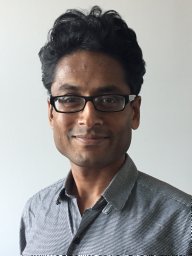 Rasanathan Kumanan合作论文数Department of Ethics, Equity, Trade and Human Rights, World Health Organization5
 Syed Masud Ahmed合作论文数Centre of Excellence for Health Systems and Universal Health Coverage, James P Grant School of Public Health, Brac University5Alayne M. Adams合作论文数Harvard Center for Population and Development Studies5
 Prabhat Jha合作论文数Epidemiology Division, Dalla Lana School of Public Health, University of Toronto4
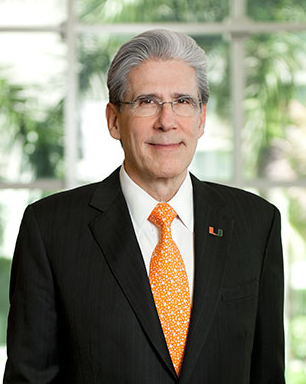 Julio Frenk合作论文数Leonard M. Miller School of Medicine, University of Miami/Department of Health Sector Management and Policy, Miami Business School, University of Miami/Department of Sociology, College of Arts and Sciences, University of Miami/School of Nursing and Health Studies, University of Miami4Jonathan D. Quick合作论文数3David B Evans合作论文数3Chinthanie Ramasundarahettige合作论文数3
 K. Srinath Reddy合作论文数Public Health Foundation of India3
 Louis Niessen合作论文数Johns Hopkins Bloomberg School of Public Health;Liverpool School of Tropical Medicine3
 Agnes Binagwaho合作论文数University of Global Health Equity3
 Edson C Araujo合作论文数3
 Siddiquee Ali Tanweer合作论文数Centre for Control of Chronic Diseases (CCCD),, International Centre for Diarrheal Disease Research, Bangladesh (icddr,b),3
 Chowdhury Muhammad Ashique Haider合作论文数3
 Akiko Maeda合作论文数3
 Peter Kim Streatfield合作论文数ICDDR3
 Jaime Sepulveda合作论文数3
 Dewan S Alam合作论文数3
 Finn Diderichsen合作论文数Institut for Folkesundhedsvidenskab, Københavns Universitet3
 Meg Wirth合作论文数3Mark Dybul合作论文数3Barry Kistnasamy合作论文数2Douglas Webb合作论文数2Harvey V. Fineberg合作论文数2Philip Musgrove合作论文数2
 Mercedes Yanes-Lane合作论文数2
 Nathan Duarte合作论文数Faculty of Engineering, McGill University2
 Jordan Van Wyk合作论文数2Emily Boucher合作论文数Nuffield Dept Clin Neurosci, Univ Oxford2
 Rahul K Arora合作论文数Department of Community Health Sciences, University of Calgary2
 Hannah Rahim合作论文数2Jim Yong Kim合作论文数2Tingting Yan合作论文数2
 Tea Collins合作论文数2Ke Xu合作论文数2James Orbinski合作论文数Clinical Public Health Division, Dalla Lana School of Public Health, University of Toronto2
 Yang Ke (柯杨)合作论文数Peking University2Johns D合作论文数2
 Anand Sudhir合作论文数University of Oxford,Department of Economics2Cometto Giorgio合作论文数2
 Ahmed Shyfuddin合作论文数Centre for Control of Chronic Diseases (CCCD), icddr,b, Dhaka, Bangladesh.2
 Nugent Rachel A合作论文数Department of Global Health, University of Washington2
 Bobrovitz Niklas合作论文数Nuffield Dept Primary Care Hlth Sci, Univ Oxford2
 Richard Horton合作论文数2
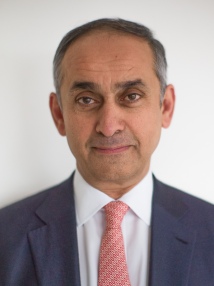 Ara Darzi合作论文数Department of Surgery & Cancer, Faculty of Medicine, Imperial College London2
 David M. Serwadda合作论文数Department of Disease Control and Environmental Health, School of Public Health, College of Health Sciences, Makerere University2




