INTRODUCTION:Plasma biomarkers sensitive to Alzheimer's disease (AD) proteinopathy prior to the onset of dementia have significant implications for early detection. METHODS:In 304 individuals without dementia, we investigated whether C2N Diagnostics' mass spectrometry (MS)-based plasma biomarkers (amyloid beta 42/40, %phosphorylated tau [p-tau]181, and %p-tau217) and amyloid probability scores (APS, PrecivityAD and APS2, PrecivityAD2) are associated with brain amyloid, brain tau, or preclinical cognitive decline. RESULTS:In this cohort study, %p-tau217 and the APS2 had high discriminative accuracy (area under the curve > 0.93) for identifying elevated brain amyloid and tau and were associated with faster preclinical cognitive decline. Using %p-tau217 or the APS2 in a theoretical AD trial screening scenario reduced amyloid positron emission tomography imaging costs up to 41% or 45%, respectively. DISCUSSION:These findings suggest that C2N Diagnostics' MS-based plasma biomarkers can detect brain amyloid and tau with high accuracy prior to dementia and could aid in identifying candidates for clinical trials or therapeutic intervention. HIGHLIGHTS:C2N plasma biomarkers differentiated Alzheimer's disease proteinopathy status prior to dementia. Plasma %phosphorylated tau (p-tau)217 and the C2N Diagnostics PrecivityAD2 (APS2) were concordant with amyloid and tau positron emission tomography status. Plasma %p-tau217 and the APS2 were associated with preclinical cognitive decline.
Objective: The objective of this study was to assess clinical decision-making associated with the use of a multi-analyte blood biomarker (BBM) test among patients presenting with signs or symptoms of mild cognitive impairment or dementia. Methods: The Quality Improvement PrecivityAD2 (QUIP II) Clinician Survey (NCT06025877) study evaluated the clinical utility of the PrecivityAD2™ blood test in a prospective, single cohort of 203 patients presenting with symptoms of Alzheimer’s disease (AD) or other causes of cognitive decline across 12 memory specialists. The PrecivityAD2 blood test (C2N Diagnostics, St. Louis, MO) combines the plasma Aβ42/Aβ40 ratio and the p-tau217/np-tau217 ratio (%p-tau217) measurements in a statistical algorithm to yield an Amyloid Probability Score 2 (APS2) that informs on the likelihood of brain amyloid plaques. After receiving the BBM test results, clinicians completed surveys on management strategies for each patient. Results: Patients had a median age of 74, 53% were female, and 28% were traditionally under-represented in Black, Hispanic, and Asian groups. The composite primary endpoint, defined as a change in AD diagnostic certainty, drug therapy, or additional brain amyloid evaluation pre- and post-BBM testing, was 75% (p < 0.0001 versus the pre-specified threshold of 20% clinically meaningful change). Anti-AD medication orders decreased among negative APS2 patients and increased among positive APS2 patients (p < 0.0001). Additional brain amyloid testing decreased among negative APS2 patients (p < 0.0001). Conclusions: This blood biomarker test can help memory specialists guide patients to anti-AD therapies as well as rule out AD to allow for other diagnostic considerations.
BACKGROUND:With the availability of disease-modifying therapies for Alzheimer's disease (AD), it is important for clinicians to have tests to aid in AD diagnosis, especially when the presence of amyloid pathology is a criterion for receiving treatment. METHODS:High-throughput, mass spectrometry-based assays were used to measure %p-tau217 and amyloid beta (Aβ)42/40 ratio in blood samples from 583 individuals with suspected AD (53% positron emission tomography [PET] positive by Centiloid > 25). An algorithm (PrecivityAD2 test) was developed using these plasma biomarkers to identify brain amyloidosis by PET. RESULTS:The area under the receiver operating characteristic curve (AUC-ROC) for %p-tau217 (0.94) was statistically significantly higher than that for p-tau217 concentration (0.91). The AUC-ROC for the PrecivityAD2 test output, the Amyloid Probability Score 2, was 0.94, yielding 88% agreement with amyloid PET. Diagnostic performance of the APS2 was similar by ethnicity, sex, age, and apoE4 status. DISCUSSION:The PrecivityAD2 blood test showed strong clinical validity, with excellent agreement with brain amyloidosis by PET.
 Joel B. Braunstein合作论文数4
 Philip Verghese合作论文数4Jae Hoon Lee合作论文数2Hanna Cho合作论文数2Matthew R Meyer合作论文数2Joong-Hyun Chun合作论文数2
 Mina Park合作论文数Research Institute of Radiological Science, Yonsei University2
 Kevin E. Yarasheski合作论文数Division of Endocrinology, Metabolism & Lipid Research, John T. Milliken Department of Internal Medicine, School of Medicine,;Washington University in St. Louis2
 Chul Hyoung Lyoo合作论文数Department of Neurology, College of Medicine, Yonsei University;Gangnam Severance Hospital, Yonsei University College of Medicine2Mark Monane合作论文数2Young Hoon Ryu合作论文数2Sterling C Johnson合作论文数1Faith Irvin合作论文数1Traci L. Wente‐Roth合作论文数1Stephanie Eastwood合作论文数1Charles Apgar合作论文数1Mary S. Holubasch合作论文数1John H Contois合作论文数1Pallavi Sachdev合作论文数1Kristopher M. Kirmess合作论文数1
 David A Merrill合作论文数1Venky Venkatesh合作论文数1
 Bradley T. Christian合作论文数Department of Medical Physics, School of Medicine and Public Health, University of Wisconsin-Madison1
 Tobey Betthauser合作论文数Alzheimer's Disease Research Center, School of Medicine and Public Health, University of Wisconsin-Madison;Department of Medicine, Division of Geriatrics and Gerontology, School of Medicine and Public Health, University of Wisconsin-Madison1
 Sanjay Asthana合作论文数Department of Medicine, School of Medicine and Public Health, University of Wisconsin-Madison1Sutapa Ray合作论文数1
 Kim G Johnson合作论文数Department of Psychiatry and Behavioral Sciences, Duke University School of Medicine1
 Darren Ross Gitelman合作论文数Feinberg School of Medicine, Northwestern University/Advocate Lutheran General Hospital1
 Ilana Fogelman合作论文数1
 Gil Rabinovici合作论文数Edward and Pearl Fein Memory and Aging Center, Weill Institute for Neurosciences, University of California, San Francisco;Department of Neurology, School of Medicine, University of California, San Francisco1Jonaitis Erin合作论文数1Michael C. Irizarry合作论文数Harvard Medical School, Massachusetts General Hospital1
 David M. Holtzman合作论文数Department of Neurology, Washington University School of Medicine in St. Louis;Hope Center for Neurological Disorders, Washington University School of Medicine in St. Louis1David Verbel合作论文数1
 Randall J. Bateman合作论文数Department of Neurology, School of Medicine, Washington University in St. Louis;Tracy Family Stable Isotope Labeling Quantitation Center for Neurodegenerative Biology, Washington University in St. Louis1Rachel A. Whitmer合作论文数1
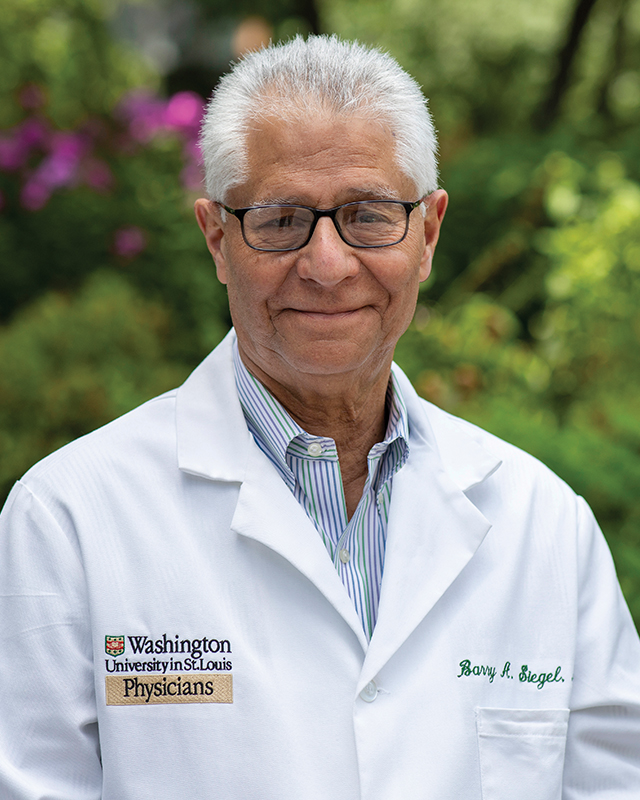 Barry Alan Siegel合作论文数Mallinckrodt Institute of Radiology, Washington University School of Medicine in St. Louis;Barnes-Jewish Hospital;Barnes-Jewish West County Hospital;St. Louis Children's Hospital1
 Satoshi Ito (伊藤聡)合作论文数University of Tsukuba Graduate School of Comprehensive Human Sciences1Lucy Hanna合作论文数1




