Machine learning (ML) has the potential to revolutionize antibody design and selection, but its success depends on access to well-curated datasets of antibody-antigen interactions. We developed a synthetic Fab yeast display library optimized for seamless integration with ML processes, focusing on sequence diversity within the complementary determining region heavy chain CDRH3 loop. The library incorporates key sequence features derived from human B cell repertoires captured in a compact antigen recognition module (ARM) format. Built with the VH1-69 heavy chain and four light chains, the library was evaluated against ten human and murine cell surface antigens, including programmed cell death ligand 1 (PD-L1), T cell immunoreceptor with immunoglobulin and immunoreceptor tyrosine-based inhibitory motif domains (TIGIT), and roundabout guidance receptor 1 (ROBO1). This approach yielded hundreds of antibodies with robust biophysical properties, some of which were validated by flow cytometry and immunohistochemistry. Furthermore, ML analysis identified additional antibodies for ROBO2 and PD-L2 from the aggregate sequencing data. The publicly available dataset establishes an ML-compatible framework designed to accelerate and streamline antibody discovery and development. A record of this paper’s transparent peer review process is included in the supplemental information.
ABSTRACT Integrins are crucial cell adhesion receptors and attractive therapeutic targets, but developing safe small-molecule inhibitors has been challenging, at least in part due to inadvertent partial agonism caused by stabilization of the integrin’s open, high-affinity state. To address this challenge, we present a computational approach using Absolute Binding Free Energy Perturbation (AB-FEP) calculations to predict whether a ligand will stabilize the open or closed integrin states, leveraging the difference between the ligand’s binding free energy to the respective end states. Despite challenges posed by Ca and Mg ions, metal-coordinating residues in the binding pocket, and the subtlety of structural differences between states, AB-FEP achieved excellent classification performance on a set of known opening and closing ligands, significantly outperforming docking scores and MM-GBSA results. We also showed a good correlation between AB-FEP binding free energy differences and experimental values. Furthermore, AB-FEP provided insights into intermediate integrin states and analysis of simulation trajectories confirmed the formation of a water-mediated hydrogen bond network with an ion in the binding pocket to be characteristic for closing ligands. This work demonstrates AB-FEP as a robust method for classifying integrin ligands by the conformation they stabilize and for understanding their functional mechanisms, offering valuable guidance for designing safe and conformationally selective integrin therapeutics. TOC Graphic
Current methods of culturing human epithelial organoids from adult stem cells may not be compatible with clinical applications as they rely on xenogeneic, chemically undefined or non-standardized components such as the basement membrane extract Matrigel. Matrigel provides a source of extracellular matrix molecules, including laminins and collagen IV, which interact with β1 integrins expressed on organoid cells. Here we describe a single-chain (sc) version of antibody TS2/16 that allosterically activates integrin β1 function in organoids. The addition of monomeric scTS2/16 to organoid medium results in up to a fivefold increase in the yield of all gastrointestinal organoids grown in Matrigel. Moreover, scTS2/16 supports a six- to sevenfold increase in the yield of these organoids when cultured in collagen I hydrogels, both in 3D and 2D. Collagen I is well defined, available in clinical-grade formulations and, when combined with scTS2/16, may support the clinical application of epithelial organoids derived from gastrointestinal tissues and other epithelial sources. Epithelial organoids are grown without Matrigel using a single-chain antibody.
Oncogenic mutations in the epidermal growth factor receptor (EGFR) promote tumorigenesis by stabilizing active or pre-active receptor conformations. Most EGFR-driven cancers are characterized by kinase domain mutations that directly activate the receptor. However, brain cancers such as glioblastoma multiforme (GBM) uniquely harbor mutations in the EGFR ectodomain that allosterically activate the kinase domain. Despite significant advances in understanding the physiological and pathogenic roles of EGFR, the conformational characteristics that define ligand-independent EGFR activation in GBM remain poorly understood. In this study, we use naive and post-immune yeast-displayed nanobody libraries to discover four nanobody groups that with benchmark nanobodies define a total of five groups with unique binding signatures and specificities for GBM mutation-stabilized conformational states. Nanobodies in Groups 1 and 2 block ligand, selectively bind the inactive, tethered conformation, and favor wild-type EGFR over GBM-stabilized conformations. In contrast, nanobodies in Groups 4 and 5 do not block ligand, target active or pre-active conformations, and selectively bind GBM-stabilized conformations. Additionally, nanobodies in Group 3 block ligand and appear to be conformation agnostic. We observed domain-specific bias in the nanobodies' selectivity for GBM mutations, suggesting that mutations across different ectodomain regions stabilize distinct conformations. This work advances our understanding of EGFR conformational equilibria in the context of GBM. The observed cooperativity and mutation-dependent binding of nanobodies emphasize their utility in dissecting EGFR activation mechanisms and in developing targeted therapies for EGFR-driven cancers, including GBM.
Integrins are cell surface receptors that mediate the interactions of cells with their surroundings and play essential roles in cell adhesion, migration, and homeostasis. Eight of the 24 integrins bind to the tripeptide Arg-Gly-Asp (RGD) motif in their extracellular ligands, comprising the RGD-binding integrin subfamily. Despite similarity in recognizing the RGD motif and some redundancy, these integrins can selectively recognize RGD-containing ligands to fulfill specific functions in cellular processes. Antibodies against individual RGD-binding integrins are desirable for investigating their specific functions, and were selected here from a synthetic yeast-displayed Fab library. We discovered 11 antibodies that exhibit high specificity and affinity toward their target integrins, i.e. αVβ3, αVβ5, αVβ6, αVβ8, and α5β1. Of these, six are function-blocking antibodies and contain a ligand-mimetic R(G/L/T)D motif in their CDR3 sequences. We report antibody-binding specificity, kinetics, and binding affinity for purified integrin ectodomains, as well as intact integrins on the cell surface. We further used these antibodies to reveal binding preferences of the αV subunit for its 5 β-subunit partners: β6 = β8 > β3 > β1 = β5.
Integrin α5β1 is crucial for cell attachment and migration in development and tissue regeneration, and α5β1 binding proteins could have considerable utility in regenerative medicine and next-generation therapeutics. We use computational protein design to create de novo α5β1-specific modulating miniprotein binders, called NeoNectins, that bind to and stabilize the open state of α5β1. When immobilized onto titanium surfaces and throughout 3D hydrogels, the NeoNectins outperform native fibronectin and RGD peptide in enhancing cell attachment and spreading, and NeoNectin-grafted titanium implants outperformed fibronectin and RGD-grafted implants in animal models in promoting tissue integration and bone growth. NeoNectins should be broadly applicable for tissue engineering and biomedicine.
Integrins link the extracellular environment to the actin cytoskeleton in cell migration and adhesiveness. Rapid coordination between events outside and inside the cell is essential. Single-molecule fluorescence dynamics show that ligand binding to the bent-closed integrin conformation, which predominates on cell surfaces, is followed within milliseconds by two concerted changes, leg extension and headpiece opening, to give the high-affinity integrin conformation. The extended-closed integrin conformation is not an intermediate but can be directly accessed from the extended-open conformation and provides a pathway for ligand dissociation. In contrast to ligand, talin, which links the integrin β-subunit cytoplasmic domain to the actin cytoskeleton, modestly stabilizes but does not induce extension or opening. Integrin activation is thus initiated by outside-in signaling and followed by inside-out signaling. Our results further imply that talin binding is insufficient for inside-out integrin activation and that tensile force transmission through the ligand-integrin-talin-actin cytoskeleton complex is required.
Collagen superfamily of proteins is a major component of the extracellular matrix. Defects in collagens underlie the cause of nearly 40 human genetic diseases in millions of people worldwide. Pathogenesis typically involves genetic alterations of the triple helix, a hallmark structural feature that bestows exceptional mechanical resistance to tensile forces and a capacity to bind a plethora of macromolecules. Yet, there is a paramount knowledge gap in understanding the functionality of distinct sites along the triple helix. Here, we present a recombinant technique to produce triple helical fragments for functional studies. The experimental strategy utilizes the unique capacity of the NC2 heterotrimerization domain of collagen IX to drive three alpha-chain selection and registering the triple helix stagger. For proof of principle, we produced and characterized long triple helical fragments of collagen IV that were expressed in a mammalian system. The heterotrimeric fragments encompassed the CB3 trimeric peptide of collagen IV, which harbors the binding motifs for alpha 1 beta 1 and alpha 2 beta 1 integrins. Fragments were characterized and shown to have a stable triple helix, post-translational modifications, and high affinity and specific binding of integrins. The NC2 technique is a universal tool for the high-yield production of heterotrimeric fragments of collagens. Fragments are suitable for mapping functional sites, determining coding sequences of binding sites, elucidating pathogenicity and pathogenic mechanisms of genetic mutations, and production of fragments for protein replacement therapy.
Eukaryotic cell adhesion and migration rely on surface adhesins connecting extracellular ligands to the intracellular actin cytoskeleton. Plasmodium sporozoites are transmitted by mosquitoes and rely on adhesion and gliding motility to colonize the salivary glands and to reach the liver after transmission. During gliding, the essential sporozoite adhesin TRAP engages actin filaments in the cytoplasm of the parasite, while binding ligands on the substrate through its inserted (I) domain. Crystal structures of TRAP from different Plasmodium species reveal the I domain in closed and open conformations. Here, we probe the importance of these two conformational states by generating parasites expressing versions of TRAP with the I domain stabilized in either the open or closed state with disulfide bonds. Strikingly, both mutations impact sporozoite gliding, mosquito salivary gland entry, and transmission. Absence of gliding in sporozoites expressing the open TRAP I domain can be partially rescued by adding a reducing agent. This suggests that dynamic conformational change is required for ligand binding, gliding motility, and organ invasion and hence sporozoite transmission from mosquito to mammal.
The RGD (Arg-Gly-Asp)-binding integrins αvβ6 and αvβ8 are clinically validated cancer and fibrosis targets of considerable therapeutic importance. Compounds that can discriminate between the two closely related integrin proteins and other RGD integrins, stabilize specific conformational states, and have sufficient stability enabling tissue restricted administration could have considerable therapeutic utility. Existing small molecules and antibody inhibitors do not have all of these properties, and hence there is a need for new approaches. Here we describe a method for computationally designing hyperstable RGD-containing miniproteins that are highly selective for a single RGD integrin heterodimer and conformational state, and use this strategy to design inhibitors of αvβ6 and αvβ8 with high selectivity. The αvβ6 and αvβ8 inhibitors have picomolar affinities for their targets, and >1000-fold selectivity over other RGD integrins. CryoEM structures are within 0.6-0.7Å root-mean-square deviation (RMSD) to the computational design models; the designed αvβ6 inhibitor and native ligand stabilize the open conformation in contrast to the therapeutic anti-αvβ6 antibody BG00011 that stabilizes the bent-closed conformation and caused on-target toxicity in patients with lung fibrosis, and the αvβ8 inhibitor maintains the constitutively fixed extended-closed αvβ8 conformation. In a mouse model of bleomycin-induced lung fibrosis, the αvβ6 inhibitor potently reduced fibrotic burden and improved overall lung mechanics when delivered via oropharyngeal administration mimicking inhalation, demonstrating the therapeutic potential of de novo designed integrin binding proteins with high selectivity.
Microneme protein 2 (MIC2) and MIC2-associated protein (M2AP) play crucial roles in the gliding motility and host cell invasion of Toxoplasma gondii . Complex formation between MIC2 and M2AP is required for maturation and transport from the microneme to the parasite surface. Previous studies showed that M2AP associates with the 6 th TSR domain of MIC2 (TSR6), but the detailed interaction remains unclear. In this study, we report crystal structures of M2AP alone and in complex with TSR6. TSR domains have an unusually thin, long structure with a layer of intercalated residues on one side. The non-layered side of TSR6 with hotspot residue His-620 at the center binds to M2AP. Remarkably, we show that TSR6 residue Y602 is dynamic; it equilibrates between being part of the layer (the layered state) and in a flipped-out state in the absence of M2AP. However, when bound to M2AP, Y602 shifts to the flipped-out state. Our findings provide insights into the association and stabilization of MIC2-M2AP complex, and may be used to develop new therapies to prevent infections caused by this parasite.
Supplementary Figure from Loss of LRRC33-Dependent TGFβ1 Activation Enhances Antitumor Immunity and Checkpoint Blockade Therapy
Activation of latent transforming growth factor (TGF)-β2 is incompletely understood. Unlike TGF-β1 and β3, the TGF-β2 prodomain lacks a seven-residue RGDLXX (L/I) integrin-recognition motif and is thought not to be activated by integrins. Here, we report the surprising finding that TGF-β2 contains a related but divergent 13-residue integrin-recognition motif (YTSGDQKTIKSTR) that specializes it for activation by integrin αVβ6 but not αVβ8. Both classes of motifs compete for the same binding site in αVβ6. Multiple changes in the longer motif underlie its specificity. ProTGF-β2 structures define interesting differences from proTGF-β1 and the structural context for activation by αVβ6. Some integrin-independent activation is also seen for proTGF-β2 and even more so for proTGF-β3. Our findings have important implications for therapeutics to αVβ6 in clinical trials for fibrosis, in which inhibition of TGF-β2 activation has not been anticipated.
This Viewpoint discusses the rapid advances in molecular cell biological approaches over the past 50 years and the many avenues for future advances that have been opened, including direct applications for therapeutic and regenerative medicine.
Studies in the postfusion structures of the conserved gamete fusogen HAP2 show a trimeric state typical of viral class II fusion proteins. Here, the authors present the crystal structure of a prefusion state of Cyanidioschyzon merolae HAP2 and low resolution structures of intermediates in the pathway to its trimeric postfusion state. Here, we study the gamete fusogen HAP2 from Cyanidioschyzon merolae (Cyani), an extremophile red algae that grows at acidic pH at 45 degrees C. HAP2 has a trimeric postfusion structure with similarity to viral class II fusion proteins, but its prefusion structure has been elusive. The crystal structure of a monomeric prefusion state of Cyani HAP2 shows it is highly extended with three domains in the order D2, D1, and D3. Three hydrophobic fusion loops at the tip of D2 are each required for postfusion state formation. We followed by negative stain electron microscopy steps in the process of detergent micelle-stimulated postfusion state formation. In an intermediate state, two or three linear HAP2 monomers associate at the end of D2 bearing its fusion loops. Subsequently, D2 and D1 line the core of a trimer and D3 folds back over the exterior of D1 and D2. D3 is not required for formation of intermediate or postfusion-like states.
Hemostasis in the arterial circulation is mediated by binding of the A1 domain of the ultralong protein von Willebrand factor (VWF) to GPIbα on platelets to form a platelet plug. A1 is activated by tensile force on VWF concatemers imparted by hydrodynamic drag force. The A1 core is protected from force-induced unfolding by a long-range disulfide that links cysteines near its N- and C-termini. The O-glycosylated linkers between A1 and its neighboring domains, which transmit tensile force to A1, are reported to regulate A1 activation for binding to GPIb, but the mechanism is controversial and incompletely defined. Here, we study how these linkers, and their polypeptide and O-glycan moieties, regulate A1 affinity by measuring affinity, kinetics, thermodynamics, hydrogen deuterium exchange (HDX), and unfolding by temperature and urea. The N-linker lowers A1 affinity 40-fold with a stronger contribution from its O-glycan than polypeptide moiety. The N-linker also decreases HDX in specific regions of A1 and increases thermal stability and the energy gap between its native state and an intermediate state, which is observed in urea-induced unfolding. The C-linker also decreases affinity of A1 for GPIbα, but in contrast to the N-linker, has no significant effect on HDX or A1 stability. Among different models for A1 activation, our data are consistent with the model that the intermediate state has high affinity for GPIbα, which is induced by tensile force physiologically and regulated allosterically by the N-linker.
von Willebrand factor (VWF) is an adhesive glycoprotein that circulates in the blood as disulfide-linked concatemers and functions in primary hemostasis. The loss of long VWF concatemers is associated with the excessive bleeding of type 2A von Willebrand disease (VWD). Formation of the disulfide bonds that concatemerize VWF requires VWF to self-associate into helical tubules, yet how the helical tubules template intermolecular disulfide bonds is not known. Here, we report electron cryomicroscopy (cryo-EM) structures of VWF tubules before and after intermolecular disulfide bond formation. The structures provide evidence that VWF tubulates through a charge-neutralization mechanism and that the A1 domain enhances tubule length by crosslinking successive helical turns. In addition, the structures reveal disulfide states before and after disulfide bond-mediated concatemerization. The structures and proposed assembly mechanism provide a foundation to rationalize VWD-causing mutations.
Abstract TGFβ has multiple roles and gene products (TGFβ1, -β2, and -β3), which make global targeting of TGFβ undesirable. Expression of TGFβ requires association with milieu molecules, which localize TGFβ to the surface of specific cells or extracellular matrices. Here, we found that LRRC33 was specifically associated with TGFβ1, not TGFβ2 and TGFβ3, and was required for surface display and activation of TGFβ1 on tumor-infiltrating myeloid cells. Loss of LRRC33-dependent TGFβ1 activation slowed tumor growth and metastasis by enhancing innate and adaptive antitumor immunity in multiple mouse syngeneic tumor models. LRRC33 loss resulted in a more immunogenic microenvironment, with decreased myeloid-derived suppressor cells, more active CD8+ T and NK cells, and more skewing toward tumor-suppressive M1 macrophages. LRRC33 loss and PD-1 blockade synergized in controlling B16.F10 tumor growth. Our results demonstrate the importance of LRRC33 in tumor biology and highlight the therapeutic potential of dual blockade of the LRRC33/TGFβ1 axis and PD-1/PD-L1 in cancer immunotherapy.
 Michael Dustin合作论文数Kennedy Institute of Rheumatology, University of Oxford;Brasenose College, University of Oxford71
 Chafen Lu合作论文数52
 Junichi Takagi (髙木淳一)合作论文数Institute for Protein Research, Osaka University;Laboratory of Protein Synthesis and Expression, Osaka University38
 Donald E. Staunton合作论文数The Center for Blood Research Harvard Medical School29
 Motomu Shimaoka合作论文数Department of Anesthesiology, Osaka University Medical School26
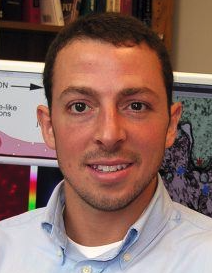 Christopher V. Carman (Chris Carman)合作论文数Emulate, Inc25M. Shimaoka合作论文数24Stephen Shaw合作论文数24
 Ronen Alon合作论文数Department of Immunology and Regenerative Biology, Faculty of Biology, Weizmann Institute of Science23Robert Rothlein合作论文数22
 Jianghai Zhu合作论文数Res Technol Branch, NIH20
 Jing Li合作论文数20Bing-Hao Luo合作论文数The CBR Institute for Biomedical Research and Departments of Pathology, Harvard Medical School20
 Thomas Walz合作论文数Laboratory of Molecular Electron Microscopy, The Rockefeller University20
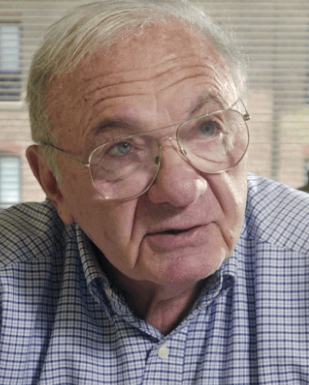 Jack Strominger合作论文数Department of Stem Cell and Regenerative Biology, Faculty of Arts and Sciences, Harvard University20
 Xianchi Dong (董咸池)合作论文数School of Life Sciences, Nanjing University;State Key Laboratory of Pharmaceutical Biotechnology, Nanjing University19DC ANDERSON合作论文数18
 Lizhi Mi (米立志)合作论文数School of Life Sciences, Tianjin University18
 Francisco Sánchez Madrid合作论文数Centro Nacional de Investigaciones Cardiovasculares Carlos III;Universidad Autonoma de Madrid17
 Michael S. Diamond合作论文数Division of Infectious Diseases, John T. Milliken Department of Medicine, School of Medicine, Washington University in St. Louis17Periasamy Selvaraj合作论文数17
 Jia-huai Wang合作论文数Department of Medical Oncology, Dana-Farber Cancer Institute;Department of Cancer Biology, Dana-Farber Cancer Institute;Department of Pediatrics, Harvard Medical School, Harvard University;Department of Biological Chemistry and Molecular Pharmacology, Harvard Medical School, Harvard University17
 Tsan Sam Xiao (肖灿)合作论文数Department of Pathology, School of Medicine, Case Western Reserve University;Center for AIDS Research, School of Medicine, Case Western Reserve University;Case Comprehensive Cancer Center, Case Western Reserve University;Cleveland Center for Membrane and Structural Biology, Case Western Reserve University16
 Margaret Hibbs合作论文数Department of Immunology and Pathology, Central Clinical School, Monash University15Takashi KISHIMOTO合作论文数14Jieqing Zhu合作论文数14
 Robert Fuhlbrigge合作论文数14ME SANDERS合作论文数13L J Miller合作论文数13
 Thomas Diacovo合作论文数Division of Neonatology, Department of Pediatrics, Stony Brook University13
 Malegapuru W. Makgoba合作论文数University of KwaZulu-Natal13Jin-Huan Liu合作论文数13Ar Defougerolles合作论文数12Jc Gutierrezramos合作论文数12K D Puri合作论文数11Wesley P. Wong合作论文数11
 Stephen J. Roth合作论文数School of Medicine, Stanford University11
 Michael B. Lawrence合作论文数Department of Biomedical Engineering, School of Medicine, University of Virginia11J.M. Casasnovas合作论文数10steven d marlin合作论文数10
 Angel L Corbí合作论文数Centro de Investigaciones Biológicas, CSIC10
 Alan M Krensky合作论文数Department of Microbiology-Immunology, Feinberg School of Medicine, Northwestern University10
 Azucena Salas合作论文数IBD translational Lab, IDIBAPS, Clínic Barcelona;University of Barcelona10Martin E. Sanders合作论文数Clinical Pharmacology, The Upjohn Company10PY CHAN合作论文数9Mk Ho合作论文数9Sj Burakoff合作论文数9Roberts Thomas M合作论文数9
 John Engen合作论文数Chemistry and Chemical Biology, College of Science, Northeastern University;Barnett Institute for Chemical & Biological Analysis, College of Science, Northeastern University9




