Background:Subarachnoid neurocysticercosis (SANCC) is an uncommon but severe form of Taenia solium infection. There is limited evidence to guide clinical management. We aimed to describe the clinical and laboratory features of a cohort of patients with SANCC, and assess the impact of different management strategies on their clinical course. Methods:We performed a multicentre retrospective cohort study with patients from 15 medical centres across nine states in the USA. SANCC was defined based on histopathology; the presence of cysts in the basilar subarachnoid spaces/sylvian fissures/spine with antibody positivity to T. solium/meeting Del Brutto criteria; or inflammatory cerebrospinal fluid (CSF) with positivity to T.solium antigen or qPCR and negativity to viral, fungal, and bacterial pathogens. Each site reported up to the most recent 7 sequential patients with SANCC based on institutional memory or systematic searching of the electronic medical records. Data entry was performed from Nov 12, 2021 to Nov 28, 2022. Minimal criteria for inclusion was a discharge summary for a hospitalisation due to SANCC. Data collection centred around the earliest hospitalisation associated with the SANCC. Data from prior and subsequent inpatient and outpatient visits were also collected. Data were analysed to assess the impact of treating with anthelmintics based on CSF biomarkers, the normalisation of imaging, or a fixed duration on SANCC recurrence rates. Diagnostic delay was defined as patients with prior hospitalisation or extensive workup for a complication (e.g. stroke, hydrocephalus, meningitis, mass) but without SANCC suspected. Those with a diagnostic delay and those with a diagnosis of SANCC but were initially managed without anthelmintics (e.g. shunt, cyst removal) were considered to have a delay in anthelmintic treatment. The effect of delay in anthelmintic treatment on subsequent Emergency Room visits and hospitalisations was assessed. Findings:Data were collected on 75 patients with neurocysticercosis. Of whom, six patients were determined to not meet the definition of SANCC and were excluded; ultimately, 69 (40 male, 29 female) met the definition of SANCC. The year of case-defining SANCC hospitalisation ranged from 2009 to 2022, with a median year of 2016. Median 2.5 years, interquartile range (IQR) 0.94-4.0 years. SANCC was a new diagnosis in 59 patients. Of these, 18 (31%) had prior medical visits for SANCC manifestations (i.e. hydrocephalus [17%], stroke [5%], and/or meningitis [7%], brain mass [3.3%], TIA [1.6%], or intracranial hypertension without hydrocephalus [1.6%]) but SANCC was not considered. At the time of discharge, 9 (13%) patients were not given albendazole and/or praziquantel due to cost or availability. 52 patients had >60 of post-hospitalisation follow-up and completed the intended course of therapy. Use of CSF T. solium biomarkers (antigen [TsAg] and/or qPCR) to guide length of anthelmintic therapy decreased SANCC recurrence (0 [n = 0 of 17] vs. 23% [n = 8 of 33], p = 0.039, odds ratio [OR] 95% confidence interval [CI] 0.0-0.84), whereas use of magnetic resonance imaging normalisation to guide treatment length did not decrease recurrence (15% [n = 3 of 20] vs 16.67% [n = 5 of 30] p > 0.9, OR 95% CI 0.21-4.18). A delay in anthelmintic treatment was associated with an increase in subsequent SANCC-related Emergency Department visits or hospital admissions (median 1, IQR 1-2) compared to no anthelmintic delay (median 0.5, IQR 0-1; p = 0.018). Interpretation:SANCC is commonly misdiagnosed and diagnostic and therapeutic delays may lead to more subsequent hospital encounters for SANCC-related problems. Use of CSF Ts biomarkers to guide anthelmintic therapy may decrease SANCC recurrence. However, given the small sample size, adjustment for confounders with regression analysis was not performed and we cannot exclude confounding as responsible for differences seen. Larger, prospective studies are needed to confirm these findings. Funding:Division of Intramural Research, National Institute of Allergy and Infectious Diseases.
BACKGROUND:Neutralizing monoclonal antibodies (nMAbs) have been used to treat COVID-19 and are increasingly being used to treat other infections. However, there is concern that by neutralizing the SARS-CoV-2 virus, nMAbs may decrease the availability of antigens to the immune system, potentially impairing the endogenous polyclonal immune response and decreasing long-term immune protection. METHODS:We compared 28 and 90-day anti-SARS-CoV-2 spike protein neutralization activity and anti-SARS-CoV-2 nucleocapsid response for patients hospitalized with COVID-19 infection randomized to receive nMAbs or placebo in the large platform ACTIV-3/TICO trials. We pooled results from four trials of anti-spike nMAbs. For most tested agents, measurements of the spike protein response reflect both the therapeutic and endogenous immune response. Anti-nucleocapsid levels reflect only the endogenous immune response. Data are summarized as mean differences in percent binding inhibition (anti-spike) and signal-to-cutoff (S/C) ratio (anti-nucleocapsid). Linear mixed effects models were fit to compare the longitudinal trajectory between treatment and placebo groups. RESULTS:Of 2,254 participants in the ACTIV-3/TICO trials modified intention-to-treat population, 2,149 (95.3%) had antibody measures at baseline and at least 1 follow-up day (day 1, 3, or 5) and were included in this analysis. Antibody measures were available for 1,556 (72.4%) participants at day 28 and 1,429 (66.5%) participants at day 90. In participants who received nMAbs, anti-spike neutralization activity was higher at day 28 (mean difference in percent binding inhibition: 7.1% [95%CI: 5.3, 8.9], p < 0.001) and day 90 (mean difference in percent binding inhibition: 7.2% [95% CI: 5.4, 9.0], p < 0.001). Anti-nucleocapsid response was similar at day 28 (mean difference in S/C ratio: 0.02 [95%CI: -0.11, 0.15], p = 0.75) and day 90 (mean difference in S/C ratio: 0.08 [95% CI: -0.05, 0.21], p = 0.22). Similar patterns were observed in all trials. CONCLUSIONS:In patients hospitalized with COVID-19, treatment with nMAbs did not decrease long-term anti-nucleocapsid response compared to placebo, suggesting neutralizing therapies do not suppress the endogenous humoral immune response in this population.
The test-negative design (TND) has been widely used to assess postmarketing COVID-19 vaccine effectiveness but requires further evaluation for this application. To determine whether the TND reliably evaluates vaccine effectiveness against symptomatic COVID-19 using placebo-controlled vaccine efficacy randomized clinical trials (RCTs). This secondary cross-protocol analysis constructed TND study datasets from study sites in 16 countries across 5 continents using the blinded phase cohorts of 5 harmonized phase 3 COVID-19 Prevention Network RCTs: COVE (Coronavirus Vaccine Efficacy and Safety), AZD1222, ENSEMBLE, PREVENT-19 (Prefusion Protein Subunit Vaccine Efficacy Novavax Trial COVID-19), and VAT00008. Participants included adults who received the intended number of doses, experienced COVID-19–like symptoms, and obtained SARS-CoV-2 testing. Start dates ranged from July 27, 2020, to October 19, 2021; data cutoff dates ranged from March 26, 2021, to March 15, 2022. Statistical analysis was performed from May 11, 2023, to February 25, 2025. Participants received vaccines consisting of messenger RNA-1273 (COVE; 2 doses 28 days apart), ChAdOx1 nCoV-19 (AZD1222; 2 doses 28 days apart), Ad26.COV2.S (ENSEMBLE; 1 dose), NVX-CoV2373 (PREVENT-19; 2 doses 21 days apart), CoV2 preS dTM-AS03 (VAT00008; D614) (2 doses 21 days apart), or CoV2 preS dTM-AS03 (D614 plus B.1.351) (VAT00008; 2 doses 21 days apart) or placebo. Main outcomes were symptomatic COVID-19 according to each trial’s primary efficacy definition and the Centers for Disease Control and Prevention definition. Vaccine effectiveness was estimated using targeted maximum likelihood estimation under a semiparametric logistic regression model and ordinary logistic regression. Noncase exchangeability, a core TND assumption for unbiased estimation, was also assessed by estimating vaccine efficacy against non–COVID-19 illness. Among the 12 157 participants included in the analysis, mean (SD) age was 45 (15) years, 6414 were female (53%), 5858 were vaccinated (48%), 2835 experienced primary COVID-19 (23%), and 2992 experienced Centers for Disease Control and Prevention–defined COVID-19 (25%). TND vaccine effectiveness estimates were concordant with RCT vaccine efficacy estimates (concordance correlation coefficient, 0.86 [95% CI, 0.58-0.96] for both outcomes). The semiparametric method had 48% smaller variance estimates than ordinary logistic regression. Noncase exchangeability was generally supported with a median vaccine efficacy against non–COVID-19 illness of 7.7% (IQR, 2.7%-16.8%) across trial cohorts and most 95% CIs including 0. In this cross-protocol analysis, the TND provided reliable inferences on COVID-19 vaccine effectiveness in health care–seeking populations for multiple vaccines and symptom definitions when confounding and selection bias were absent. A machine-learning approach for robust confounding control in postmarketing TND studies was also introduced.
Importance:Nonresponse to hepatitis B vaccine is common among people with HIV, resulting in vulnerability to infection with hepatitis B virus (HBV). Objective:To compare the seroprotection response achieved with a 2-dose (noninferiority, 10% margin) and a 3-dose hepatitis B vaccine with a cytosine phosphoguanine adjuvant (HepB-CpG vaccine) vs a conventional 3-dose hepatitis B vaccine with an aluminum hydroxide adjuvant (HepB-alum vaccine) in people with HIV and prior nonresponse to HepB-alum vaccine. Design, Setting, and Participants:This phase 3, open-label, randomized clinical trial included people with HIV receiving antiretroviral therapy (CD4 cell count ≥100 cells/μL and HIV RNA <1000 copies/mL) without past or present serological evidence of having HBV or a response to hepatitis B vaccine. From December 2020 to February 2023, 561 adults were enrolled in the study at 41 sites in 10 countries in Africa, Asia, North America, and South America with follow-up for the primary outcome analysis through September 4, 2023. Interventions:Participants were randomly assigned to receive 2 doses of HepB-CpG vaccine administered intramuscularly at weeks 0 and 4; 3 doses of HepB-CpG vaccine administered intramuscularly at weeks 0, 4, and 24; or 3 doses of HepB-alum vaccine administered intramuscularly at weeks 0, 4, and 24. Main Outcomes and Measures:The primary outcome was a seroprotection response to hepatitis B vaccine (defined as level of antibody titer against hepatitis B surface antigen [HBsAg] ≥10 mIU/mL) at week 12 for the 2-dose regimen (8 weeks after dose 2) and at week 28 for 3-dose regimens (4 weeks after dose 3). Key secondary outcomes included seroprotection response at additional time points, antibody titer against HBsAg, and adverse events within 4 weeks of hepatitis B vaccination. Results:Of 561 participants included in the analysis (median age, 46 years [IQR, 31-56 years]); 64% were male; 17% of participants were Asian, 42% were Black, and 35% were White), a seroprotection response was achieved in 93.1% who received 2 doses of HepB-CpG vaccine (n = 174), in 99.4% who received 3 doses of HepB-CpG vaccine (n = 169), and in 80.6% who received 3 doses of HepB-alum vaccine (n = 165). The stratified difference in seroprotection response between the 2-dose HepB-CpG vaccine group and the 3-dose HepB-alum vaccine group was 12.5% (97.5% CI, 4.1%-20.9%), achieving noninferiority and indicating superiority. The 3-dose HepB-CpG vaccine regimen was superior to the 3-dose HepB-alum vaccine regimen (stratified difference in seroprotection response, 18.4% [repeated 97.5% CI, 10.4%-26.2%]). By week 12, more than 90% of participants who received HepB-CpG vaccine achieved a seroprotection response. The 3-dose regimen of HepB-CpG vaccine achieved a higher proportion of participants with antibody titer against HBsAg greater than 1000 mIU/mL (78.1%) vs the other 2 regimen groups (26.4% for 2 doses of HepB-CpG vaccine and 35.2% for 3 doses of HepB-alum vaccine). No unexpected safety issues were observed. Conclusions and Relevance:Among people with HIV and nonresponse to prior hepatitis B vaccination, both the 2-dose and 3-dose regimens of HepB-CpG vaccine achieved a superior seroprotection response compared with 3 doses of HepB-alum vaccine. Trial Registration:ClinicalTrials.gov Identifier: NCT04193189.
Dolutegravir resistance is emerging in routine clinical contexts in southern Africa, primarily in patients with prior treatment experience failing dolutegravir-based antiretroviral therapy (ART). This potential issue was raised by The Nucleosides and Darunavir/Dolutegravir in Africa trial that compared dolutegravir and boosted protease inhibitor-based therapy as second-line ART, in which new dolutegravir resistance was observed at failure. However, recent data suggest that also at risk are patients who were transitioned to dolutegravir from non-nucleoside reverse transcriptase inhibitor-based ART while viremic. Identifying patients experiencing failure of dolutegravir with resistance will be difficult given current gaps in viral load monitoring and limited capacity for genotypic resistance testing. As a result, in the short term, most patients affected will go unrecognized, with particularly important implications for patients affected who have advanced HIV or who are pregnant/breastfeeding. Prospective research is needed to understand the scope of the problem, identify additional risk factors, and determine best management. In the short term, for most patients with dolutegravir resistance and prior non-nucleoside reverse transcriptase inhibitor exposure, the best option will be a timely switch to a regimen anchored by a boosted protease inhibitor, with a high genetic barrier to resistance.
ImportanceNonresponse to hepatitis B vaccine is common among people with HIV, resulting in vulnerability to infection with hepatitis B virus (HBV). ObjectiveTo compare the seroprotection response achieved with a 2-dose (noninferiority, 10% margin) and a 3-dose hepatitis B vaccine with a cytosine phosphoguanine adjuvant (HepB-CpG vaccine) vs a conventional 3-dose hepatitis B vaccine with an aluminum hydroxide adjuvant (HepB-alum vaccine) in people with HIV and prior nonresponse to HepB-alum vaccine. Design, Setting, and ParticipantsThis phase 3, open-label, randomized clinical trial included people with HIV receiving antiretroviral therapy (CD4 cell count >= 100 cells/mu L and HIV RNA <1000 copies/mL) without past or present serological evidence of having HBV or a response to hepatitis B vaccine. From December 2020 to February 2023, 561 adults were enrolled in the study at 41 sites in 10 countries in Africa, Asia, North America, and South America with follow-up for the primary outcome analysis through September 4, 2023. InterventionsParticipants were randomly assigned to receive 2 doses of HepB-CpG vaccine administered intramuscularly at weeks 0 and 4; 3 doses of HepB-CpG vaccine administered intramuscularly at weeks 0, 4, and 24; or 3 doses of HepB-alum vaccine administered intramuscularly at weeks 0, 4, and 24. Main Outcomes and MeasuresThe primary outcome was a seroprotection response to hepatitis B vaccine (defined as level of antibody titer against hepatitis B surface antigen [HBsAg] >= 10 mIU/mL) at week 12 for the 2-dose regimen (8 weeks after dose 2) and at week 28 for 3-dose regimens (4 weeks after dose 3). Key secondary outcomes included seroprotection response at additional time points, antibody titer against HBsAg, and adverse events within 4 weeks of hepatitis B vaccination. ResultsOf 561 participants included in the analysis (median age, 46 years [IQR, 31-56 years]); 64% were male; 17% of participants were Asian, 42% were Black, and 35% were White), a seroprotection response was achieved in 93.1% who received 2 doses of HepB-CpG vaccine (n = 174), in 99.4% who received 3 doses of HepB-CpG vaccine (n = 169), and in 80.6% who received 3 doses of HepB-alum vaccine (n = 165). The stratified difference in seroprotection response between the 2-dose HepB-CpG vaccine group and the 3-dose HepB-alum vaccine group was 12.5% (97.5% CI, 4.1%-20.9%), achieving noninferiority and indicating superiority. The 3-dose HepB-CpG vaccine regimen was superior to the 3-dose HepB-alum vaccine regimen (stratified difference in seroprotection response, 18.4% [repeated 97.5% CI, 10.4%-26.2%]). By week 12, more than 90% of participants who received HepB-CpG vaccine achieved a seroprotection response. The 3-dose regimen of HepB-CpG vaccine achieved a higher proportion of participants with antibody titer against HBsAg greater than 1000 mIU/mL (78.1%) vs the other 2 regimen groups (26.4% for 2 doses of HepB-CpG vaccine and 35.2% for 3 doses of HepB-alum vaccine). No unexpected safety issues were observed. Conclusions and RelevanceAmong people with HIV and nonresponse to prior hepatitis B vaccination, both the 2-dose and 3-dose regimens of HepB-CpG vaccine achieved a superior seroprotection response compared with 3 doses of HepB-alum vaccine. Trial RegistrationClinicalTrials.gov Identifier: NCT04193189
Background Serial measurement of virological and immunological biomarkers in patients admitted to hospital with COVID-19 can give valuable insight into the pathogenic roles of viral replication and immune dysregulation. We aimed to characterise biomarker trajectories and their associations with clinical outcomes. Methods In this international, prospective cohort study, patients admitted to hospital with COVID-19 and enrolled in the Therapeutics for Inpatients with COVID-19 platform trial within the Accelerating COVID-19 Therapeutic Interventions and Vaccines programme between Aug 5, 2020 and Sept 30, 2021 were included. Participants were included from 108 sites in Denmark, Greece, Poland, Singapore, Spain, Switzerland, Uganda, the UK, and the USA, and randomised to placebo or one of four neutralising monoclonal antibodies: bamlanivimab (Aug 5 to Oct 13, 2020), sotrovimab (Dec 16, 2020, to March 1, 2021), amubarvimab-romlusevimab (Dec 16, 2020, to March 1, 2021), and tixagevimab-cilgavimab (Feb 10 to Sept 30, 2021). This trial included an analysis of 2149 participants with plasma nucleocapsid antigen, anti-nucleocapsid antibody, C-reactive protein (CRP), IL-6, and D-dimer measured at baseline and day 1, day 3, and day 5 of enrolment. Day-90 follow-up status was available for 1790 participants. Biomarker trajectories were evaluated for associations with baseline characteristics, a 7-day pulmonary ordinal outcome, 90-day mortality, and 90-day rate of sustained recovery. Findings The study included 2149 participants. Participant median age was 57 years (IQR 46 - 68), 1246 (58 . 0%) of 2149 participants were male and 903 (42 . 0%) were female; 1792 (83 . 4%) had at least one comorbidity, and 1764 (82 . 1%) were unvaccinated. Mortality to day 90 was 172 (8 . 0%) of 2149 and 189 (8 . 8%) participants had sustained recovery. A pattern of less favourable trajectories of low anti-nucleocapsid antibody, high plasma nucleocapsid antigen, and high in fl ammatory markers over the fi rst 5 days was observed for high-risk baseline clinical characteristics or factors related to SARS-CoV-2 infection. For example, participants with chronic kidney disease demonstrated plasma nucleocapsid antigen 424% higher (95% CI 319 - 559), CRP 174% higher (150 - 202), IL-6 173% higher (144 - 208), D-dimer 149% higher (134 - 165), and anti-nucleocapsid antibody 39% lower (60 - 18) to day 5 than those without chronic kidney disease. Participants in the highest quartile for plasma nucleocapsid antigen, CRP, and IL-6 at baseline and day 5 had worse clinical outcomes, including 90-day all-cause mortality (plasma nucleocapsid antigen hazard ratio (HR) 4 . 50 (95% CI 3 . 29 - 6 . 15), CRP HR 3 . 37 (2 . 30 - 4 . 94), and IL-6 HR 5 . 67 (4 . 12 - 7 . 80). This risk persisted for plasma nucleocapsid antigen and CRP after adjustment for baseline biomarker values and other baseline factors. Interpretation Patients admitted to hospital with less favourable 5-day biomarker trajectories had worse prognosis, suggesting that persistent viral burden might drive in fl ammation in the pathogenesis of COVID-19, identifying patients that might bene fi t from escalation of antiviral or anti-in fl ammatory treatment. Copyright (c) 2024 The Author(s). Published by Elsevier Ltd. This is an open access article under the CC BY-NC-ND license (http://creativecommons.org/licenses/by-nc-nd/4.0/).
Background Biomarker-guided therapy could improve management of inpatients with coronavirus disease 2019 (COVID-19). Although some results indicate that antibody tests are prognostic, little is known about patient management using point-of-care (POC) antibody tests.Methods COVID-19 inpatients were recruited to evaluate 2 POC tests: LumiraDx and RightSign. Ease of use data were collected. Blood was also collected for centralized testing using an established antibody assay (GenScript cPass). A nested case-control study assessed if POC tests conducted on stored specimens were predictive of time to sustained recovery, mortality, and a composite safety outcome.Results While both POC tests exhibited moderate agreement with the GenScript assay (both agreeing with 89% of antibody determinations), they were significantly different from the GenScript assay. Treating the GenScript assay as the gold standard, the LumiraDx assay had 99.5% sensitivity and 58.1% specificity whereas the RightSign assay had 89.5% sensitivity and 84.0% specificity. The LumiraDx assay frequently gave indeterminant results. Both tests were significantly associated with clinical outcomes.Conclusions Although both POC tests deviated moderately from the GenScript assay, they predicted outcomes of interest. The RightSign test was easier to use and was more likely to detect those lacking antibody compared to the LumiraDx test treating GenScript as the gold standard.Clinical Trials Registration NCT05227404. This study shows that 2 commercially available SARS-CoV-2 point-of-care antibody tests agree with more established centrally conducted SARS-CoV-2 antibody tests, and that the point-of-care tests are predictive of clinical outcomes of interest in trials of therapeutic agents for patients with COVID-19.
Background Neutralizing monoclonal antibodies (nmAbs) failed to show clear benefit for hospitalized patients with coronavirus disease 2019 (COVID-19). Dynamics of virologic and immunologic biomarkers remain poorly understood. Methods Participants enrolled in the Therapeutics for Inpatients with COVID-19 trials were randomized to nmAb versus placebo. Longitudinal differences between treatment and placebo groups in levels of plasma nucleocapsid antigen (N-Ag), anti-nucleocapsid antibody, C-reactive protein, interleukin-6, and D-dimer at enrollment, day 1, 3, and 5 were estimated using linear mixed models. A 7-point pulmonary ordinal scale assessed at day 5 was compared using proportional odds models. Results Analysis included 2149 participants enrolled between August 2020 and September 2021. Treatment resulted in 20% lower levels of plasma N-Ag compared with placebo (95% confidence interval, 12%-27%; P < .001), and a steeper rate of decline through the first 5 days (P < .001). The treatment difference did not vary between subgroups, and no difference was observed in trajectories of other biomarkers or the day 5 pulmonary ordinal scale. Conclusions Our study suggests that nmAb has an antiviral effect assessed by plasma N-Ag among hospitalized patients with COVID-19, with no blunting of the endogenous anti-nucleocapsid antibody response. No effect on systemic inflammation or day 5 clinical status was observed.
Importance:Current data identifying COVID-19 risk factors lack standardized outcomes and insufficiently control for confounders. Objective:To identify risk factors associated with COVID-19, severe COVID-19, and SARS-CoV-2 infection. Design, Setting, and Participants:This secondary cross-protocol analysis included 4 multicenter, international, randomized, blinded, placebo-controlled, COVID-19 vaccine efficacy trials with harmonized protocols established by the COVID-19 Prevention Network. Individual-level data from participants randomized to receive placebo within each trial were combined and analyzed. Enrollment began July 2020 and the last data cutoff was in July 2021. Participants included adults in stable health, at risk for SARS-CoV-2, and assigned to the placebo group within each vaccine trial. Data were analyzed from April 2022 to February 2023. Exposures:Comorbid conditions, demographic factors, and SARS-CoV-2 exposure risk at the time of enrollment. Main Outcomes and Measures:Coprimary outcomes were COVID-19 and severe COVID-19. Multivariate Cox proportional regression models estimated adjusted hazard ratios (aHRs) and 95% CIs for baseline covariates, accounting for trial, region, and calendar time. Secondary outcomes included severe COVID-19 among people with COVID-19, subclinical SARS-CoV-2 infection, and SARS-CoV-2 infection. Results:A total of 57 692 participants (median [range] age, 51 [18-95] years; 11 720 participants [20.3%] aged ≥65 years; 31 058 participants [53.8%] assigned male at birth) were included. The analysis population included 3270 American Indian or Alaska Native participants (5.7%), 7849 Black or African American participants (13.6%), 17 678 Hispanic or Latino participants (30.6%), and 40 745 White participants (70.6%). Annualized incidence was 13.9% (95% CI, 13.3%-14.4%) for COVID-19 and 2.0% (95% CI, 1.8%-2.2%) for severe COVID-19. Factors associated with increased rates of COVID-19 included workplace exposure (high vs low: aHR, 1.35 [95% CI, 1.16-1.58]; medium vs low: aHR, 1.41 [95% CI, 1.21-1.65]; P < .001) and living condition risk (very high vs low risk: aHR, 1.41 [95% CI, 1.21-1.66]; medium vs low risk: aHR, 1.19 [95% CI, 1.08-1.32]; P < .001). Factors associated with decreased rates of COVID-19 included previous SARS-CoV-2 infection (aHR, 0.13 [95% CI, 0.09-0.19]; P < .001), age 65 years or older (aHR vs age <65 years, 0.57 [95% CI, 0.50-0.64]; P < .001) and Black or African American race (aHR vs White race, 0.78 [95% CI, 0.67-0.91]; P = .002). Factors associated with increased rates of severe COVID-19 included race (American Indian or Alaska Native vs White: aHR, 2.61 [95% CI, 1.85-3.69]; multiracial vs White: aHR, 2.19 [95% CI, 1.50-3.20]; P < .001), diabetes (aHR, 1.54 [95% CI, 1.14-2.08]; P = .005) and at least 2 comorbidities (aHR vs none, 1.39 [95% CI, 1.09-1.76]; P = .008). In analyses restricted to participants who contracted COVID-19, increased severe COVID-19 rates were associated with age 65 years or older (aHR vs <65 years, 1.75 [95% CI, 1.32-2.31]; P < .001), race (American Indian or Alaska Native vs White: aHR, 1.98 [95% CI, 1.38-2.83]; Black or African American vs White: aHR, 1.49 [95% CI, 1.03-2.14]; multiracial: aHR, 1.81 [95% CI, 1.21-2.69]; overall P = .001), body mass index (aHR per 1-unit increase, 1.03 [95% CI, 1.01-1.04]; P = .001), and diabetes (aHR, 1.85 [95% CI, 1.37-2.49]; P < .001). Previous SARS-CoV-2 infection was associated with decreased severe COVID-19 rates (aHR, 0.04 [95% CI, 0.01-0.14]; P < .001). Conclusions and Relevance:In this secondary cross-protocol analysis of 4 randomized clinical trials, exposure and demographic factors had the strongest associations with outcomes; results could inform mitigation strategies for SARS-CoV-2 and viruses with comparable epidemiological characteristics.
ImportanceCurrent data identifying COVID-19 risk factors lack standardized outcomes and insufficiently control for confounders.ObjectiveTo identify risk factors associated with COVID-19, severe COVID-19, and SARS-CoV-2 infection.Design, Setting, and ParticipantsThis secondary cross-protocol analysis included 4 multicenter, international, randomized, blinded, placebo-controlled, COVID-19 vaccine efficacy trials with harmonized protocols established by the COVID-19 Prevention Network. Individual-level data from participants randomized to receive placebo within each trial were combined and analyzed. Enrollment began July 2020 and the last data cutoff was in July 2021. Participants included adults in stable health, at risk for SARS-CoV-2, and assigned to the placebo group within each vaccine trial. Data were analyzed from April 2022 to February 2023.ExposuresComorbid conditions, demographic factors, and SARS-CoV-2 exposure risk at the time of enrollment.Main Outcomes and MeasuresCoprimary outcomes were COVID-19 and severe COVID-19. Multivariate Cox proportional regression models estimated adjusted hazard ratios (aHRs) and 95% CIs for baseline covariates, accounting for trial, region, and calendar time. Secondary outcomes included severe COVID-19 among people with COVID-19, subclinical SARS-CoV-2 infection, and SARS-CoV-2 infection.ResultsA total of 57 692 participants (median [range] age, 51 [18-95] years; 11 720 participants [20.3%] aged ≥65 years; 31 058 participants [53.8%] assigned male at birth) were included. The analysis population included 3270 American Indian or Alaska Native participants (5.7%), 7849 Black or African American participants (13.6%), 17 678 Hispanic or Latino participants (30.6%), and 40 745 White participants (70.6%). Annualized incidence was 13.9% (95% CI, 13.3%-14.4%) for COVID-19 and 2.0% (95% CI, 1.8%-2.2%) for severe COVID-19. Factors associated with increased rates of COVID-19 included workplace exposure (high vs low: aHR, 1.35 [95% CI, 1.16-1.58]; medium vs low: aHR, 1.41 [95% CI, 1.21-1.65]; P < .001) and living condition risk (very high vs low risk: aHR, 1.41 [95% CI, 1.21-1.66]; medium vs low risk: aHR, 1.19 [95% CI, 1.08-1.32]; P < .001). Factors associated with decreased rates of COVID-19 included previous SARS-CoV-2 infection (aHR, 0.13 [95% CI, 0.09-0.19]; P < .001), age 65 years or older (aHR vs age <65 years, 0.57 [95% CI, 0.50-0.64]; P < .001) and Black or African American race (aHR vs White race, 0.78 [95% CI, 0.67-0.91]; P = .002). Factors associated with increased rates of severe COVID-19 included race (American Indian or Alaska Native vs White: aHR, 2.61 [95% CI, 1.85-3.69]; multiracial vs White: aHR, 2.19 [95% CI, 1.50-3.20]; P < .001), diabetes (aHR, 1.54 [95% CI, 1.14-2.08]; P = .005) and at least 2 comorbidities (aHR vs none, 1.39 [95% CI, 1.09-1.76]; P = .008). In analyses restricted to participants who contracted COVID-19, increased severe COVID-19 rates were associated with age 65 years or older (aHR vs <65 years, 1.75 [95% CI, 1.32-2.31]; P < .001), race (American Indian or Alaska Native vs White: aHR, 1.98 [95% CI, 1.38-2.83]; Black or African American vs White: aHR, 1.49 [95% CI, 1.03-2.14]; multiracial: aHR, 1.81 [95% CI, 1.21-2.69]; overall P = .001), body mass index (aHR per 1-unit increase, 1.03 [95% CI, 1.01-1.04]; P = .001), and diabetes (aHR, 1.85 [95% CI, 1.37-2.49]; P < .001). Previous SARS-CoV-2 infection was associated with decreased severe COVID-19 rates (aHR, 0.04 [95% CI, 0.01-0.14]; P < .001).Conclusions and RelevanceIn this secondary cross-protocol analysis of 4 randomized clinical trials, exposure and demographic factors had the strongest associations with outcomes; results could inform mitigation strategies for SARS-CoV-2 and viruses with comparable epidemiological characteristics.
Abstract Background Subarachnoid (racemose) neurocysticercosis (SANCC) is an uncommon but severe form of Taenia solium infection. There is limited evidence to guide clinical management of these patients. Methods We performed a multicenter retrospective chart review of 15 U.S. sites. A total of 69 subjects with racemose disease were entered. Results The most common region of exposure was Mexico (67%) followed by Central America (24%). Median age was 43 years (range 15-76) and 71% were male. Common symptoms at the time of index admission were headache (80%), nausea/vomiting (46%), dizziness (44%), and blurry vision (33%). Cysts were intracranial in 64 (93%) subjects and exclusively intraspinal in 4. One patient had meningitis without visible cystic lesions. Incident admission magnetic resonance imaging (MRI) demonstrated ventriculomegaly in 41 (59%) and focal findings in 9 (13%) including ischemic infarct, subarachnoid hemorrhage, and/or arterial aneurysm. For 55 (80%), SANCC was first diagnosed during the index admission. Of these, 23 (42%) had prior medical visits and substantial delay in diagnosis (i.e. previously seen with hydrocephalus [27%], stroke [5.5%], and/or meningitis [11%], missed diagnostic radiologic features [4%], or inadequate imaging [5.5%]). Of the 69 subjects, 54% underwent a neurosurgical procedure during index admission (cyst removal n=16, EVD/shunt/ventriculostomy n=24). At the time of discharge, 6 (8.6%) patients were not given albendazole and/or praziquantel due to cost or availability. Six months following discharge, < 10% of follow up MRIs demonstrated cyst resolution. Planned treatment course of < 4 weeks at discharge compared to >4 weeks was associated with increased risk for new cyst development on follow up imaging at a median of 3.8 years following discharge (range 2.6 months-8 years). Those with a delayed diagnosis received a significantly longer duration of corticosteroids (median 8 weeks) than those without a delay (median 5 weeks, p=0.047). Conclusion The diagnosis of SANCC is often missed, and most patients require neurosurgical intervention. Antiparasitic therapy is suboptimal, especially with regimens developed for parenchymal NCC. Disclosures Jeffrey D. Jenks, MD, MPH, Astellas: Grant/Research Support|F2G: Grant/Research Support|Pfizer: Grant/Research Support
Abstract Background Hospitalized people living with HIV (PLWH) with active viremia present a unique opportunity for addressing barriers to care (BTC) and optimizing 1-year outcomes. Large-scale interventions have had limited long-term success. We aimed to evaluate the role of pre-specified BTC to viral suppression at one year to guide local interventions. Methods We performed a retrospective cohort study at a safety-net hospital in Los Angeles County evaluating encounters of adult PLWH admitted between 2015 - 2020. We collected demographics, clinical characteristics, and 1-year outcomes based off baseline virologic status. Results A total of 361 encounters involving 234 patients were reviewed. Patients viremic at baseline (n=70) were more often Black, cis-men, severely immunocompromised and 73% reported at least one BTC (Table 1, Fig 1). At 1-year follow up, patients with baseline viremia or reporting multiple BTC regardless of baseline viral status were more likely to be viremic or lost to follow up (Table 2, Fig. 2). Population characteristics based off insurance status and baseline virologic status Data are n (%) or median (range). Categories may not add to 100% in cases of missing data. a – Based off first encounter; b - Encounters of patients with insurance though Department of Health Services or self-pay that have ability to follow up in the safety-net system included only; c – includes data for all patient encounters; d – other diagnoses include, but not limited to, chest pain, acute coronary syndrome, heart failure, diabetes with hyperglycemia, cerebrovascular event; c – excluding patients that died or discharged on hospice care; Suppressed – HIV-1 RNA < 200 copies, ART – antiretroviral therapy; dx - diagnosis One Year Outcomes based off Baseline Viral Status in the Insurance Linked Population a – Encounters of patients with insurance though Department of Health Services or self-pay that have ability to follow up in the safety-net system included only; b – Chi Square suppressed versus viremic baseline; LTFU – lost to follow up; Suppressed – HIV-1 RNA < 200 copies/mm3. Viremic – HIV-1 RNA > 200 copies/mm3 Prevalence of barriers to care amongst PLWH suppressed or viremic at baseline Conclusion Hospitalized PLWH experiencing multiple barriers to care, regardless of baseline virologic control, are at higher risk for being viremic at 1-year and lost to follow up. These data can inform local interventions, i.e. enhanced post-discharge follow-up or social work involvement, and advocacy in this population. LTFU – lost to follow up; 1yr – 1-year; #V – cumulative number of prespecified barriers to care. Suppressed Baseline defined as HIV-1 RNA < 200 copies/mm3 Disclosures All Authors: No reported disclosures
The protection provided by natural versus hybrid immunity from COVID-19 is unclear. We reflect on the challenges from trying to conduct a randomized post-SARS-CoV-2 infection vaccination trial study with rapidly evolving scientific data, vaccination guidelines, varying international policies, difficulties with vaccine availability, vaccine hesitancy, and a constantly evolving virus.
BackgroundGranulocyte–macrophage colony-stimulating factor (GM-CSF) and dysregulated myeloid cell responses are implicated in the pathophysiology and severity of COVID-19.MethodsIn this randomised, sequential, multicentre, placebo-controlled, double-blind study, adults aged 18–79 years (Part 1) or ≥70 years (Part 2) with severe COVID-19, respiratory failure and systemic inflammation (elevated C-reactive protein/ferritin) received a single intravenous infusion of otilimab 90 mg (human anti-GM-CSF monoclonal antibody) plus standard care (NCT04376684). The primary outcome was the proportion of patients alive and free of respiratory failure at Day 28.ResultsIn Part 1 (n=806 randomised 1:1 otilimab:placebo), 71% of otilimab-treated patients were alive and free of respiratory failure at Day 28versus67% who received placebo; the model-adjusted difference of 5.3% was not statistically significant (95% CI −0.8–11.4%, p=0.09). A nominally significant model-adjusted difference of 19.1% (95% CI 5.2–33.1%, p=0.009) was observed in the predefined 70–79 years subgroup, but this was not confirmed in Part 2 (n=350 randomised) where the model-adjusted difference was 0.9% (95% CI −9.3–11.2%, p=0.86). Compared with placebo, otilimab resulted in lower serum concentrations of key inflammatory markers, including the putative pharmacodynamic biomarker CC chemokine ligand 17, indicative of GM-CSF pathway blockade. Adverse events were comparable between groups and consistent with severe COVID-19.ConclusionsThere was no significant difference in the proportion of patients alive and free of respiratory failure at Day 28. However, despite the lack of clinical benefit, a reduction in inflammatory markers was observed with otilimab, in addition to an acceptable safety profile.
Background Tixagevimab-cilgavimab is a neutralising monoclonal antibody combination hypothesised to improve outcomes for patients hospitalised with COVID-19. We aimed to compare tixagevimab-cilgavimab versus placebo, in patients receiving remdesivir and other standard care. Methods In a randomised, double-blind, phase 3, placebo-controlled trial, adults with symptoms for up to 12 days and hospitalised for COVID-19 at 81 sites in the USA, Europe, Uganda, and Singapore were randomly assigned in a 1:1 ratio to receive intravenous tixagevimab 300 mg-cilgavimab 300 mg or placebo, in addition to remdesivir and other standard care. Patients were excluded if they had acute organ failure including receipt of invasive mechanical ventilation, extracorporeal membrane oxygenation, vasopressor therapy, mechanical circulatory support, or new renal replacement therapy. The study drug was prepared by an unmasked pharmacist; study participants, site study staff, investigators, and clinical providers were masked to study assignment. The primary outcome was time to sustained recovery up to day 90, defined as 14 consecutive days at home after hospital discharge, with co-primary analyses for the full cohort and for participants who were neutralising antibody-negative at baseline. Efficacy and safety analyses were done in the modified intention-to-treat population, defined as participants who received a complete or partial infusion of tixagevimab-cilgavimab or placebo. This study is registered with ClinicalTrials.gov, NCT04501978 and the participant follow-up is ongoing. Findings From Feb 10 to Sept 30, 2021, 1455 patients were randomly assigned and 1417 in the primary modified intention-to-treat population were infused with tixagevimab-cilgavimab (n=710) or placebo (n=707). The estimated cumulative incidence of sustained recovery was 89% for tixagevimab-cilgavimab and 86% for placebo group participants at day 90 in the full cohort (recovery rate ratio [RRR] 1.08 [95% CI 0.97-1.20]; p=0.21). Results were similar in the seronegative subgroup (RRR 1.14 [0.97-1.34]; p=0.13). Mortality was lower in the tixagevimabcilgavimab group (61 [9%]) versus placebo group (86 [12%]; hazard ratio [HR] 0.70 [95% CI 0.50-0.97]; p=0.032). The composite safety outcome occurred in 178 (25%) tixagevimab-cilgavimab and 212 (30%) placebo group participants (HR 0.83 [0.68-1.01]; p=0.059). Serious adverse events occurred in 34 (5%) participants in the tixagevimab-cilgavimab group and 38 (5%) in the placebo group. Interpretation Among patients hospitalised with COVID-19 receiving remdesivir and other standard care, tixagevimab-cilgavimab did not improve the primary outcome of time to sustained recovery but was safe and mortality was lower.
Although corticosteroid therapy is the standard of care for all patients hospitalized with severe coronavirus disease 2019 (COVID-19), the studies demonstrating the mortality–benefit ratio of corticosteroids were limited to fully evaluate their adverse effects. To determine the severity of corticosteroid-induced hyperglycemia in patients with and without diabetes mellitus, we retrospectively collected data from the medical records of patients hospitalized with COVID-19 before and after corticosteroids were the standard of care. Corticosteroid-induced hyperglycemia was more severe in patients hospitalized with COVID-19 with diabetes than those without diabetes. Additionally, patients with diabetes required higher doses of correctional insulin per day when on corticosteroid therapy, suggesting that intensive point-of-care glucose monitoring could be limited in patients without diabetes mellitus and support cautionary use of corticosteroids in patients with COVID-19 discharged with supplemental oxygen.
Abstract Background Previous studies demonstrated the adverse impact corticosteroids can have on blood glucose homeostasis in both diabetics and non-diabetics. This raises concern for corticosteroid use in severe COVID-19 where the population is enriched for those at highest risk of severe disease, such as diabetics and patients with obesity. Previous studies of dexamethasone in COVID-19 were limited by the inability to assess steroid-induced hyperglycemia or the impact of hyperglycemia on hospital resources. Objective The study aimed to describe the clinical characteristics, management, and outcomes related to hyperglycemia, before and after dexamethasone therapy was used as the standard of care in patients with severe COVID-19. Methods We performed a pre/post retrospective study of patients with severe COVID-19 pneumonia admitted from May to July 2020 to Harbor-UCLA Medical Center. 126 patients were evaluated. 64 received dexamethasone and 62 did not. To quantify the effect of dexamethasone on diabetic vs. non-diabetic patients, we documented the average blood glucoses and frequency of correctional insulin doses required by each patient group (diabetic with and without dexamethasone, non-diabetic with and without dexamethasone). Results While dexamethasone was associated with higher median blood glucose and more frequent correctional insulin dosing in diabetic patients, there was minimal effect of dexamethasone on hyperglycemia in non-diabetic patients. Furthermore, while non-diabetic patients receiving dexamethasone required more doses of correctional insulin per day vs non-diabetic patients not receiving dexamethasone (0.3 doses per day vs 0.1 doses per day), the frequency of correctional insulin doses required by non-diabetics on dexamethasone remained low at 0.3 doses per day. Conclusion NIH COVID-19 guidelines recommend administering dexamethasone only if the patient is in a monitored setting. Our data support the NIH concerns that outpatients with diabetes receiving steroids are at risk for hyperglycemic complications. However, contrary to the NIH guidelines, our data suggest that patients without diabetes receiving steroids are at low risk for complications due to hyperglycemia and a majority do not require monitoring. Disclosures Eric Daar, MD, Gilead (Consultant)Gilead (Research Grant or Support)Merck (Research Grant or Support)Merck (Consultant)ViiV (Research Grant or Support)
Staphylococcus aureus is the most common bacteria causing purulent skin and soft tissue infections. Many disease-causing S aureus strains are methicillin resistant; thus, empiric therapy should be given to cover methicillin-resistant S aureus. Bacterial wound cultures are important for characterizing local susceptibility patterns. Definitive antibiotic therapy is warranted, although there are no compelling data demonstrating superiority of any one antibiotic over another. Antibiotic choice is predicated by the infection severity, local susceptibility patterns, and drug-related safety, tolerability, and cost. Response to therapy is expected within the first days; 5 to 7 days of therapy is typically adequate to achieve cure.
 Mamta K Jain合作论文数5Tomas Østergaard Jensen合作论文数Center of Excellence for Health, Immunity, and Infections, Rigshospitalet, University of Copenhagen5
 Eleftherios Mylonakis合作论文数Department of Medicine, Houston Methodist;Houston Methodist Hospital5
 Jens Lundgren合作论文数Department of Clinical Medicine, University of Copenhagen5
 Daniel Murray合作论文数4
 Robin L Dewar合作论文数4Amy C. Weintrob合作论文数4Helene Highbarger合作论文数3Perrine Lallemand合作论文数3Victoria Davey合作论文数3Kirk B Fetters合作论文数3Tauseef Rehman合作论文数3Henry Mugerwa合作论文数3Kathryn Shaw-Saliba合作论文数School of Medicine, Johns Hopkins University3
 Thomas Murray合作论文数Department of Pediatrics, Yale School of Medicine, Yale University3
 Daniel Clark Files合作论文数Internal Medicine-Pulmonary, Critical Care, Allergy and Immunology, Wake Forest School of Medicine;Wake Forest Critical Care Translational Research Center, Wake Forest School of Medicine;Wake Forest School of Medicine, Wake Forest School of Medicine3
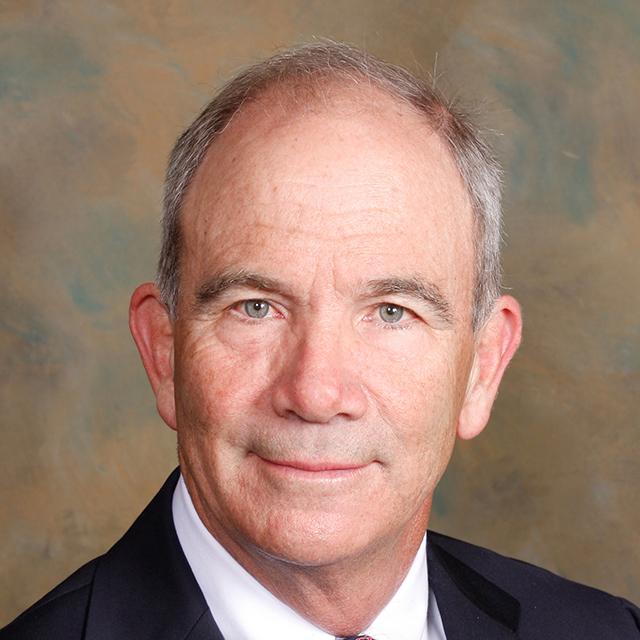 Michael Matthay合作论文数Department of Medicine, University of California San Francisco;School of Medicine, University of California San Francisco3
 Loren Miller合作论文数Department of Medicine, Los Angeles Biomedical Research Institute at Harbor-UCLA Medical Center;Division of Adult Infectious Diseases, Harbor-UCLA Medical Center;David Geffen School of Medicine, University of California, Los Angeles;Infection Control Program, Harbor-UCLA3Lichtenberger Paola合作论文数Department of Medicine, University of Miami Miller School of Medicine3Laverdure Sylvain合作论文数3Eric S. Daar合作论文数3
 Kami Kim合作论文数Tampa General Hospital;H Lee Moffitt Cancer Center;Department of Molecular Medicine, Morsani College of Medicine, University of South Florida;USF Health Bioinformatics and Computational Biology Core;College of Medicine Molecular Medicine, University of South Florida;College of Medicine Internal Medicine, University of South Florida;Division of Infectious Disease & International Medicine, Department of Internal Medicine, Morsani College of Medicine, University of South Florida;Albert Einstein College of Medicine, Montefiore Medical Center;Center for Global Health & Infectious Disease, College of Public Health, University of South Florida3
 Bradley G. Leshnower合作论文数Harrison Department of Surgical Research, University of Pennsylvania School of Medicine3
 Abdel Babiker合作论文数University College London3Greg A. Grandits合作论文数3Birgit Grund合作论文数3
 Annetine C Gelijns合作论文数Department of Population Health Science and Policy, Icahn School of Medicine at Mount Sinai3Angela J. Rogers合作论文数Harvard Medical School3Virginia L. Kan合作论文数3
 Elizabeth Seale Higgs合作论文数3Richard Murphy合作论文数3
 Peter Chen合作论文数3
 Gail Matthews合作论文数Kirby Institute, University of New South Wales;Department of Infectious Diseases, St Vincent’s Hospital, Sydney3Beatriz Grinsztejn合作论文数2Stephen Judge合作论文数2Prasad Manian合作论文数2Madhu Choudhary合作论文数2Katy Shaw-Saliba合作论文数2Ta Thi Dieu Ngan合作论文数2Glenn Mathisen合作论文数2Samuel T. Robinson合作论文数2Adriana Sanchez合作论文数2Deborah Theodore合作论文数2Triin Umbleja合作论文数2Tara M Babu合作论文数2Kevin Knowles合作论文数2Katherine D Wick合作论文数2Brett Leav合作论文数2Josphat Kosgei合作论文数KEMRI, Walter Reed Project, Kericho, Kenya2




