Abstract Background Persons living with human immunodeficiency virus are an underserved population for evidence-based cancer treatment. Paclitaxel and carboplatin (PCb) is an active regimen against a variety of solid tumors, including several seen in excess in patients with HIV infection. We performed a pilot trial to evaluate the safety of full-dose PCb in people living with human immunodeficiency virus and cancer. Methods Eligible patients, stratified by concurrent antiretroviral therapy (ART) that included CYP3A4 inhibitors or not, received paclitaxel (175 mg/m2) in combination with carboplatin (target AUC 6) intravenously every 3 weeks for up to 6 cycles. Results Sixteen evaluable patients received 64 cycles of PCb, including 6 patients treated with CYP3A4 inhibiting ART (ritonavir). The adverse event profile was consistent with the known toxicity profile of PCb, with no differences between the 2 strata. There were 4 partial responses (25%, 95% CI: 7%-52%), and overall, CD4+ lymphocyte count was similar after completion of therapy (median: 310/μL) compared with baseline values (median: 389/μL). Pharmacokinetic studies in 6 patients revealed no significant differences in Cmax or AUCinf for paclitaxel between the 2 cohorts. Conclusion Full doses of PCb chemotherapy are tolerable when given concurrently with ART in people living with human immunodeficiency virus with cancer, including patients receiving CYP3A4 inhibitors. ClinicalTrials.gov Identifier NCT01249443.
e14077 Background: Although cancer has long been a recognized hallmark of the HIV epidemic, the preservation of immunologic health with modern antiretroviral therapy (ART) and aging has resulted in a population increasingly susceptible to cancers not traditionally associated with advancing immunosuppression. Several of these cancers (including lung, anal and head & neck) are seen in excess compared to the background population. Defining tolerability of standard treatments and analyzing potential interactions between ART and chemotherapy provides evidence necessary to mitigate treatment disparities. Methods: We conducted a study to evaluate the tolerability of PCb in HIV+ cancer pts. AMC-078 (NCT01249443), originally designed as a phase I of vorinostat in combination with fixed doses of P (at 175mg/m2) and Cb (AUC 6) every 3 weeks, was amended to study pts treated with PCb alone after phase III testing in the background population was negative for the combination in lung cancer. Eligibility criteria: PS ≤ 2, advanced solid tumor and normal organ function, including CD4 count > 100 cells/mcL on stable ART. Up to 6 cycles of PCb were permitted. Clinically significant adverse events (AE) in prior cycles were managed by dose reductions. Results: 17 pts (10M/7F; median CD4, 389/mcL) were accrued, including lung (9) and anal (3) cancers; 8 pts had ritonavir (potent CYP inhibitor)-containing ART. 65 PCb cycles were administered to 16 evaluable pts, for a mean of 4+ cycles/pt; only 2 pts were treated with vorinostat. AE of special interest included ≥G3 (febrile) neutropenia and ≥ G2 neuropathy, below. 4 pts had partial responses (3 confirmed). Pharmacokinetic analyses (7 pts) are pending. Conclusions: PCb has similar toxicity profile in fit pts with HIV infection. No signal for worse myelosuppression or neuropathy was observed by ART regimen. Routine use of GCSF or empiric dose reduction for presumed risk is unjustified. Results support standard cancer treatment for this underserved population. Clinical trial information: NCT01249443. [Table: see text]
Background: To compare cumulative acute toxicity in head and neck cancer patients treated with concurrent che-moradiotherapy alone (CCRT) versus induction chemotherapy (IC) followed by CCRT (I/CCRT).Methods: 77 patients underwent definitive CCRT (30 I/CCRT and 47 CCRT). Toxicity was graded using the Common Terminology Criteria for Adverse Events version 4.0. Using the TAME adverse event reporting system, short-term toxicity (T) scores were generated for IC (T-ic), CCRT (T-ccwr), total treatment duration (T-Rx), posttreatment period (T-PT) and an overall score (T-overall) from treatment start to post treatment period.Results: Acute toxicity other than dysphagia, odynophagia, or dermatitis was reported in 90.0% and 66.0% of 1/CCRT and CCRT patients, respectively (P = 0.02). Compared to CCRT group, I/CCRT patients reported greater mean T-Rx (T-Rx: 2.11 vs. 2.87, p = 0.01) and T-overall (T-overall: 2.60 vs. 3.70, P = 0.003).Conclusion: I/CCRT patients reported more cumulative acute toxicity during treatment compared to CCRT patients using the TAME reporting system. (C) 2017 Elsevier Inc. All rights reserved.
Background: SWOG initiated a cancer care delivery research study of virus infection rates among newly diagnosed cancer patients. This study will inform viral screening guidelines in oncology clinics. Methods: In a first step 'vanguard' phase, we evaluated the feasibility of multiple study procedures. Site investigators were surveyed to obtain feedback on study implementation. Results: Much higher enrollment occurred at sites where all physicians participated and viral testing was performed as routine practice. These procedures will be required going forward. Additional protocol changes based on site investigator input were implemented. Conclusion: This multistep protocol design process illustrates how cancer care delivery research studies can adapt to real-world strategies and procedures that exist at community clinics where the predominance of cancer patients are treated.
BACKGROUNDThe treatment and outcomes of patients with human immunodeficiency virus (HIV)‐associated Hodgkin lymphoma (HL) continue to evolve. The International Prognostic Score (IPS) is used to predict the survival of patients with advanced‐stage HL, but it has not been validated in patients with HIV infection.METHODSThis was a multi‐institutional, retrospective study of 229 patients with HIV‐associated, advanced‐stage, classical HL who received doxorubicin, bleomycin, vinblastine, and dacarbazine (ABVD) plus combination antiretroviral therapy. Their clinical characteristics were presented descriptively, and multivariate analyses were performed to identify the factors that were predictive of response and prognostic of progression‐free survival (PFS) and overall survival (OS).RESULTSThe overall and complete response rates to ABVD in patients with HIV‐associated HL were 91% and 83%, respectively. After a median follow‐up of 5 years, the 5‐year PFS and OS rates were 69% and 78%, respectively. In multivariate analyses, there was a trend toward an IPS score >3 as an adverse factor for PFS (hazard ratio [HR], 1.49;P=.15) and OS (HR, 1.84;P=.06). A cluster of differentiation 4 (CD4)‐positive (T‐helper) cell count <200 cells/μL was associated independently with both PFS (HR, 2.60;P=.002) and OS (HR, 2.04;P=.04). The CD4‐positive cell count was associated with an increased incidence of death from other causes (HR, 2.64;P=.04) but not with death from HL‐related causes (HR, 1.55;P=.32).CONCLUSIONSThe current results indicate excellent response and survival rates in patients with HIV‐associated, advanced‐stage, classical HL who receive ABVD and combination antiretroviral therapy as well as the prognostic value of the CD4‐positive cell count at the time of lymphoma diagnosis for PFS and OS.Cancer2015;121:423–431.©2014 American Cancer Society.
OBJECTIVE:To evaluate how limited English proficiency affects treatment outcome in head and neck cancer (HNC) patients treated with curative intent radiation therapy (RT). METHODS:From 2004 to 2010, 131 patients with HNC underwent RT. Patient's self-reported primary language and race/ethnicity were obtained at hospital registration. English proficiency was categorized as being English proficient (EP) or limited English proficient (LEP). Race/ethnicity was categorized as white, black and other (Hispanics and Asians). Patients were evaluated for locoregional (LRC), distant control (DC), overall (OS) and disease-free (DFS) survival. RESULTS:Fewer LEP patients (60.0%) underwent chemoradiation compared to EP (83.8%), P=0.028. The three-year actuarial LRC for EP and LEP patients was 82.2% and 58.3%, respectively, P=0.038. LEP patients had an increased risk of locoregional failure on univariate Cox regression analysis (hazard ratio, HR 2.4, 95% CI, 1.0-5.8). No differences by English proficiency were seen for DC, OS and DFS. Race/ethnicity was not associated LRC, DC, OS and DFS. CONCLUSION:Inferior locoregional control was observed in LEP patients receiving RT for HNC. Potential health disparities as a result of limited English proficiency require further investigation. PRACTICE IMPLICATIONS:Patient education, use of culturally sensitive interpreter and patient navigation services, and improved patient compliance should be considered in head and neck cancer patients receiving complex multidisciplinary care.
Purpose: To evaluate incorporation of National Cancer Comprehensive Network (NCCN) guidelines in decision making at a head and neck cancer (HNC) multidisciplinary tumor board (MDT) at an urban academic medical center.Methods and materials: A retrospective study of 176 HNC patients was performed. The extent to which MDT decisions and subsequent patient care incorporate NCCN guidelines was evaluated.Results: A total of 173 (98.3%) HNC patients received MDT recommendations according to NCCN guidelines. Of the 159 patients treated, 153 (96.2%) received treatment according to NCCN guidelines. The MDT recommended the highest available evidence-based NCCN category guideline in 78.0%. Subsequent treatment using the same or higher category MDT recommendation occurred in 87.0% of patients.Conclusions: Evaluation of patients at anMDT using NCCN guidelines incorporates the highest level of evidence in approximately 80% of patients and translates well into subsequent care. Incorporation of the highest available NCCN guideline may be improved, although management should be individualized. (C) 2016 American Society for Radiation Oncology. Published by Elsevier Inc. All rights reserved.
To evaluate whether the change in the metabolic tumour volume (MTV) or total lesion glycolysis (TLG) of the primary tumour, before and after induction chemotherapy, predicts outcome for patients with advanced head and neck squamous cell cancer (SCC).
Purpose Infusional chemotherapy is efficacious in patients with AIDS-related lymphoma, but it may be difficult to administer. We studied standard agents with rituximab plus pegylated liposomal doxorubicin (DR-COP) in an attempt to provide a more practical approach to therapy while ascertaining rates of response, potential infectious complications, and prognostic role of biologic markers. Patients and Methods We conducted a prospective, multi-institutional phase II trial, employing (day 1) pegylated liposomal doxorubicin 40 mg/m 2 , rituximab 375 mg/m 2 , cyclophosphamide 750 mg/m 2 , vincristine 1.4 mg/m 2 (not > 2 mg), and prednisone 100 mg orally on days 1 through 5, with concomitant antiretroviral therapy. Results In 40 evaluable patients, median CD4 cells was 114/μL (range, 5 to 1,026/μL), and median HIV-1 viral load (VL) was 25,000 copies/mL. High or intermediate/high age-adjusted International Prognostic Index was present in 28%. Overall response was 67.5%, with complete remission in 47.5% (95% CI, 31.5 to 63.9). Of 19 complete responders, 84% had extranodal disease, 47% had CD4 < 100/μL, and 47% had VL > 50,000 copies/mL; one relapsed. With 25.5-month median follow-up, 62% (95% CI, 44 to 75) of patients remain alive. Sixteen patients (40%) experienced 22 infections, with grade 4 in only two (5%). No patient died as a result of infection during treatment; one had opportunistic infection. Conclusion Profound immunodeficiency and high HIV-1 viral load do not preclude attainment of complete response after DR-COP with highly active antiretroviral therapy. The regimen is tolerable, and use of rituximab was not associated with death as a result of infection during treatment. This approach may be useful in patients in whom the more intensive infusional regimens are impractical.
To compare treatment related toxicity and outcome in head and neck cancer (HNC) patients treated with induction chemotherapy (IC) followed by concurrent chemoradiation therapy (I/CRT) versus concurrent chemoradiation therapy alone (CRT). From 2005 to 2012, a retrospective review of 77 patients with locally advanced HNC received definitive I/CRT (30 patients, 39%) or CRT alone (47 patients, 61%), 50% of the IC regimen consisted of the "TPF" regimen, and 69% of the CRT consisted of weekly cisplatin. Median RT dose was 70 Gy in 33 daily fractions. Treatment toxicity was graded using the Common Terminology Criteria for Adverse Events (CTCAE) version 4.0. Comparison of acute toxicities between the I/CRT and CRT groups were performed using Chi-square or Fisher's exact test when appropriate. A two-sided alpha level of 0.05 was regarded as statistically significant. The median follow-up was 29.8 months (range, 2.7-80.4 months) with a shorter follow-up reported in I/CRT group (18.5 months) compared to CRT patients (37.7 months), p = 0.0001. There were no differences noted for age, gender, total RT dose, RT duration, technique (IMRT versus 3D-CRT) or overall tumor stage between I/CRT and CRT. I/CRT patients were diagnosed with more advanced Tumor and Nodal category disease (T4, 46.7%: N1-N3, 90.0%) compared to CRT patients (T4, 27.7%: N1-N3, 70.2%) but did not attain statistical significance. Two year actuarial local control was 68.7% and 85.1% in the I/CRT and CRT group respectively, p = 0.12. No differences in overall (p = 0.62) or disease free (p = 0.23) survival were noted between patients receiving I/CRT and CRT. Seventeen (56.7%) patients in the I/CRT group reported grade 3 or higher acute toxicity during IC. Hematologic and gastrointestinal toxicities were reported in 11 (36.7%) and 5 (16.7%) patients respectively. Eight (26.7%) patients experienced Grade 3/4 neutropenia as the most common acute toxicity during IC. Acute toxicity during treatment was seen in 86.7% of patients with I/CRT and 61.7% with CRT (p = 0.02). Greater hematologic toxicity, 46.7% versus 17.0%, p = 005, and gastrointestinal toxicity, 63.3% versus 34.0%, p = 0.01 was seen with I/CRT compared to CRT respectively. Grade 3/4 mucositis occurred in 50.0% of I/CRT and 21.3% of CRT patients, p = 0.009. During the 3 month post-RT period, 63.3% of I/CRT and 38.3% of CRT patients reported on-going acute toxicity (p = 0.03). No significant differences were noted with respect to hospitalization during CRT or within the 3 month post-treatment period, CRT duration, RT or chemotherapy days missed. HNC patients receiving I/CRT suffered from more acute toxicity, particularly hematologic and gastrointestinal toxicities during treatment compared to patients undergoing CRT alone, without differences in disease control and survival.
No comparative studies exist for relapsed/refractory (rel/rfr) acquired immune deficiency syndrome (AIDS)-related lymphoma (ARL). To determine practices over the last decade and to assess the outcomes of salvage chemotherapy with curative intent and autologous stem cell transplant (ASCT), we retrospectively evaluated treatment outcomes in patients with rel/rfr ARL who were treated in 13 national AIDS Malignancy Consortium (AMC) sites between 1999 and 2008 (n = 88). The most commonly used second-line therapies were ICE (ifosfamide/carboplatin/etoposide, n = 34), dose adjusted EPOCH (etoposide/prednisone/vincristine/cyclophosphamide/doxorubicin, n = 17) and ESHAP (etoposide/methylprednisolone/cytarabine/cisplatin, n = 11). The odds of achieving a response were lower for those with non-Hodgkin lymphoma (NHL) than for those with HL and for those with primary refractory disease than for those with relapse. Overall survival (OS) was significantly longer for those with relapsed disease compared to those with refractory disease and for those with non-Burkitt NHL compared to those with Burkitt. OS was longer in patients who underwent ASCT compared to those who did not (1-year OS: 63.2% vs. 37.2%). However, among 32 patients (36%) who achieved a complete or partial response (CR/PR) after second-line therapy, 1-year OS was not different between the two groups (87.5% for ASCT vs. 81.8% for non-ASCT). Long-term survival in some patients with rel/rfr ARL may be possible without transplant, although transplant remains the standard of care for chemotherapy sensitive disease.
Disparities in cancer burden between specific populations are widely acknowledged, including differences associated with sexual orientation. We searched PubMed for articles about cancer in men who have sex with men. Of the 410 publications that we identified, 47 reports were eligible for inclusion and review. Most addressed issues of cancer prevention, followed by diagnosis, survivorship, detection, and cancer treatment. Disparities exist mainly in the prevalence of viruses linked to cancers. Knowledge about sexual orientation and cancer is skewed towards infection-related cancers, so information about the association between sexual orientation and other cancers, and social and cultural causes for disparities in cancer, is less available. Men who have sex with men are still a largely overlooked minority group in this respect. Future research should examine the effects of sexual orientation on cancer, from prevention to survivorship.
4030 Background: Epidermal growth factor receptor (EGFR) expression and HPV infection are common in SCAC. We therefore initiated 2 phase II studies to evaluate the safety and efficacy of the EGFR inhibitor CX given concurrently with CDDP/5-FU/RT in HIV-positive (AMC045) and immunocompetent (E3205) patients with SCAC. Methods: All patients received CX (400 mg/m2 loading, then 250 mg/m2/wk IV x 6-8 wks) plus CDDP (75 mg/m2 IV q28 days x 2) and 5-FU (1000 mg/m2/day IV infusion days 1-4 q 28 days x 2) concurrently with RT (45-54 Gy) beginning with CX dose 2. Patients in E3205 also received 2 cycles of CDDP/5-FU alone prior to CX/CDDP/5-FU/RT; this was discontinued on recommendation of the NCI Anorectal Task Force after 28 patients. Both trials were powered to detect a reduction in 3-year local-regional failure (LRF) rate from 35% to 17.5% (alpha=0.10, beta=0.10), the primary end point. Other endpoints included progression free survival (PFS) and overall survival (OS). The results below include complete toxicity and preliminary efficacy data (including only the first 28 patients from E3205). Results: Expedited reporting was required for type I (any grade 5, grade 4 cardiac) or II (grade 4 RT skin, diarrhea) adverse events, with prespecified rates of >5% or >20%, respectively defined as unacceptable. Early stopping rules were not invoked for either trial. LRF rates data will be presented after more detailed case review is completed. Conclusions: CX plus CDDP/5-FU/RT is feasible in patients with SCAC, including patients with HIV infection. Preliminary safety and efficacy data appear encouraging, but accrual without neoadjuvant CDDP/5-FU continues in E3205, and additional followup of both study cohorts is required in order to determine whether pre-specified efficacy endpoints were met. [Table: see text]
This chapter discusses FDG normal variant uptake in HIV patients and the role of FDG PET/CT in malignancies in HIV-infected patients, CNS manifestations of HIV, assessing fever of unknown origin in HIV patients, assessing response to highly active antiretroviral therapy, and assessing complications. FDG PET/CT has proven useful in the diagnosis, staging, and detection of metastasis and post treatment monitoring of several malignancies in HIV-infected patients. It also has the ability to make the important distinction between malignancy and infection in the evaluation of CNS lesions, leading to the initiation of the appropriate treatment and precluding the need for invasive biopsy. However, immunosuppression predisposes patients to a number of opportunistic infections, and therefore special care must be taken interpreting FDG PET/CT in HIV patients
OBJECTIVE. This article will discuss the (18)F-FDG normal variant uptake and the role of FDG PET/CT in malignancies in HIV-infected patients, CNS manifestations of HIV, assessing fever of unknown origin in HIV patients, assessing response to highly active antiretroviral therapy and assessing complications.CONCLUSION. FDG PET/CT is a valuable imaging study in the management of HIV-infected patients.
 Howard A. Liebman合作论文数10
 Bruce Dezube合作论文数9
 David H. Henry合作论文数Department of Medicine, Perelman School of Medicine, University of Pennsylvania;Abramson Cancer Center, University of Pennsylvania8
 Minh Tam Truong合作论文数Department of Radiation Oncology, Chobanian and Avedisian School of Medicine, Boston University;Department of Radiation Oncology, Boston Medical Center7
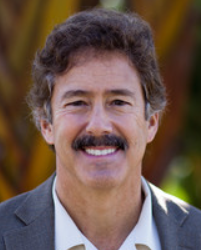 David Aboulafia合作论文数Department of Hematology, Virginia Mason Clinic;Department of Oncology, Virginia Mason Clinic;Virginia Mason Medical Center;Bailey-Boushay House6
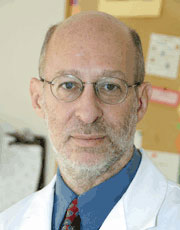 Lee Ratner合作论文数Divisions of Hematology & Oncology, Department of Medicine, School of Medicine, Washington University in St. Louis;Siteman Cancer Center6
 Liron Pantanowitz合作论文数Department of Pathology, Medical School, University of Michigan-Ann Arbor5
 Scharukh M. Jalisi合作论文数Harvard Medical School, Harvard University5M Seidlin合作论文数4R Dolin合作论文数4Rathan Subramaniam合作论文数Health Policy and Management, Bloomberg School of Public Health, Johns Hopkins University4
 Juan Carlos Ramos合作论文数4
 Mark Bower合作论文数Faculty of Medicine, Imperial College London;The Chelsea and Westminster Hospital4
 Ronald T. Mitsuyasu合作论文数School of Medicine, University of California, Los Angeles4Victor W. Lee合作论文数Intel Corporation4Ken S Zaner合作论文数3M Rozencweig合作论文数3M Beltangady合作论文数3Fuller J D合作论文数3
 Page Moore合作论文数3LM KUNCHES合作论文数2HIRSCH MICHELE合作论文数2K A Steger合作论文数2Ronald P. McCaffrey合作论文数2De Craven合作论文数2Jessica M Davison合作论文数2M.M. Qureshi合作论文数2Yk Chow合作论文数2Muhammad M Qureshi合作论文数2Erin Gourley Reid合作论文数2G. Mercier合作论文数2H. Libman合作论文数2
 Gregory Grillone合作论文数2
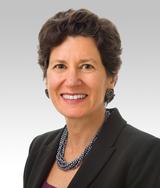 Lisa R Hirschhorn合作论文数Department of Medical Social Sciences, Feinberg School of Medicine, Northwestern University2
 Michelle A. Rudek合作论文数Department of Otolaryngology-Head and Neck Surgery, School of Medicine, Johns Hopkins University2
 Missak Haigentz Jr.合作论文数Cancer Institute of New Jersey, Rutgers, The State University of New Jersey;Rutgers Robert Wood Johnson Medical School;RWJBarnabas Health2Buskin Susan E合作论文数2R Yarchoan合作论文数2Surasi Devaki S合作论文数2
 Paul Rubinstein合作论文数Division of Hematology/Oncology, University of Illinois Chicago2Agarwal Ankit合作论文数2Perkins C J合作论文数2C McLaren合作论文数2D'Jaen Gabriela A合作论文数2
 Justin Stebbing合作论文数Department of Surgery & Cancer, Faculty of Medicine, Imperial College London2
 Joseph J. Eron合作论文数Division of Infectious Diseases, Department of Medicine, School of Medical, University of North Carolina at Chapel Hill;Center for AIDS Research, University of North Carolina at Chapel Hill2Logeswaran Prashanti合作论文数2
 Joseph A. Sparano合作论文数Tisch Cancer Institute, Icahn School of Medicine, Mount Sinai2




