Activating the immune costimulatory receptor 4-1BB (CD137) with agonist antibody binding and crosslinking-inducing agents that elicit 4-1BB intracellular signaling potentiates the antitumor responses of CD8+ T cells. However, the underlying in-depth mechanisms remain to be defined. Here, we show that agonistic 4-1BB treatment of activated CD8+ T cells under continuous antigenic stimulation makes them more metabolically vulnerable to redox perturbation by ablation of intracellular glutathione (GSH) and glutathione peroxidase 4 (GPX4) inhibition. Further, genetic deletion of adenosine A2B receptor (A2BR) induces superior survival and expansion advantage of competent CD8+ T cells with agonistic 4-1BB costimulation, leading to more effective antitumor efficacy of adoptive cell therapy (ACT). Mechanistically, A2BR deletion helps sustain the increased energy and biosynthetic requirements through the GSH/GPX4 axis upon 4-1BB costimulation. A2BR deletion in combination with agonistic 4-1BB costimulation displays a greater ability to promote antitumor CD8+ effector T cell survival and expansion while mitigating T cell exhaustion. Thus, the A2BR pathway plays an important role in metabolic reprogramming with potentiation of the GSH/GPX4 cascade upon agonistic 4-1BB costimulation that allows the fine-tuning of the antitumor responses of CD8+ T cells.
PURPOSE:Immune checkpoint inhibitor (ICI) combinations have improved outcomes in patients with advanced melanoma; however, long term survival remains poor. The addition of therapeutic cancer vaccines to ICI combinations represents a promising strategy to enhance efficacy. METHODS:In this phase 2, randomized, open-label trial, 156 patients with unresectable or metastatic melanoma were randomized 1:1 to receive 4 cycles of ipilimumab 3mg/kg and nivolumab 1mg/kg with or without UV1, a telomerase-targeted therapeutic cancer vaccine, followed by maintenance nivolumab 480 mg every 4 weeks. The primary endpoint was progression-free survival (PFS) based on blinded independent central review. Secondary endpoints included overall survival (OS), response assessments, and safety. RESULTS:At a minimum follow-up of 18 months, the projected median PFS was 34.3 months (95 % confidence interval [CI], 7.95 to NR) with ipilimumab-nivolumab-UV1 and 38.4 months (95 % CI, 8.15-38.37) with ipilimumab-nivolumab (hazard ratio, 0.95 [95 % CI, 0.59-1.55]). PFS at 12 months was 57 % (95 % CI, 45.0-68.1) and 57 % (95 % CI, 44.6-67.0) in the ipilimumab-nivolumab-UV1 and ipilimumab-nivolumab arms, respectively. Objective response rates were 59.7 % (ipilimumab-nivolumab-UV1) and 59.2 % (ipilimumab-nivolumab; odds ratio, 1.12; 95 % CI, 0.58-2.16). Median overall survival was not reached in either arm (hazard ratio, 1.15 [95 % CI, 0.60-2.20]). Grade > 3 treatment-emergent adverse events were reported in 64.5 % and 65.4 % of patients respectively. CONCLUSION:For patients with treatment naïve advanced melanoma, the addition of UV1 to ipilimumab-nivolumab did not result in improved efficacy compared with ipilimumab-nivolumab alone.
199 Background: Approximately 25% of patients (pts) with prostate cancer have deleterious germline/somatic homologous recombination repair mutations (HRRm). BRCAAway found the combination of an androgen receptor (AR) pathway inhibitor (ARPi) and poly(ADP-ribose) polymerase inhibitor (PARPi) as first-line therapy in pts with mCRPC and BRCA1/2 and/or ATM alterations to demonstrate longer progression-free survival (PFS) vs either agent alone or sequentially. Understanding AR signaling in HRRm (BRCA2 altered especially) versus intact patients and how they relate to response is unknown and may offer insights to mechanisms of resistance/sensitivity. Methods: Pts were randomized 1:1:1 to Arm1: abiraterone (1,000 mg)/prednisone (5 mg BID) (Abi), Arm2: olaparib (300 mg BID) (Ola), or Arm3: abiraterone/prednisone + olaparib (Abi + Ola). Internally analyzed, pooled circulating tumor cells (CTCs) were captured via bead-based EPCAM antibody with subsequent RT-PCR for gene expression profiling. Pretreatment samples from 47 pts across the three arms were compared to a historical CRPC cohort for difference and evaluated for a predictor of poor PSA response (stable PSA or progression by PCWG3). Results: A high probability of CTCs was found in 23 of 47 pts (48.9%, 11 Abi, 6 Ola, 6 Abi + Ola). In comparison to historical mCRPC pts, those with HRRm did not segregate from DNA repair intact pts regarding AR signaling. Also, PSA responders did not segregate from non-responders. Focusing on those with BRCA2 HRRm (20/23, 10 Abi, 5 Ola, 5 Abi+Ola), lack of PSA response was seen in 6/20 (30%). Combining the monotherapy cohorts, higher AR expression (median 22 for nonresponders and 15 for responders) correlated with lack of PSA response (unpaired t-test p=0.03), while ARV7 (median 18 vs 12) did not but may suffer from underpowering (p=0.20). Interestingly, the Abi+Ola cohort had a median AR expression closer to nonresponders (21.3), yet all 5 responded. Conclusions: Enriched CTC gene profiles from BRCAAway study pts prior to therapy in all arms appear similar to non HRRm mutant pts, supporting that the AR signaling pathway is consistently altered in mCRPC regardless of HRR status. For those with BRCA2 related HRRm, high AR expression associates with poor monotherapy response (Abi or Ola), but not the combination (Abi+Ola), suggesting the combination may rescue patients with AR addiction. Clinical trial information: NCT03012321 . BRCA2 cohort only (n=20) PSA ResponderMedian Gene Expression (IQR 25th/75th ) PSA NonResponder Median Gene Expression (IQR 25th/75th ) Unpaired t-test Monotherapy Cohort (Abi or Ola, n=15) AR 15.0 (13.7, 21.0) 22.0 (20.3, 23.2) P=0.03 ARV7 12.0 (3.8, 16) 18.0 (13.1, 19.7) P=0.20 Combination Cohort (Abi+Ola, n=5) AR 21.3 (20.3, 22.7) None N/A ARV7 16.3 (1.8, 18.0) None N/A
19 Background: Deleterious germline or somatic HRRm are present in about 20% of mCRPC patients (pts). Preclinically, PARP-inhibition demonstrated synergism with AR-targeted therapy. BRCAAway is a biomarker pre-selected, multicenter, randomized, phase-2 trial which evaluated efficacy of AR-inhibitor (i) vs PARPi vs combination in first-line mCRPC pts with germline and/or somatic mutations in BRCA1/2 or ATM. Methods: Eligibility required front-line mCRPC with no prior exposure to PARPi, ARi, or chemotherapy for mCRPC, and washout of antiandrogen, radiation, and other investigational agents. Eligible pts underwent tumor next-generation sequencing (NGS)/germline testing; pts with inactivating BRCA1/2 and/or ATM alterations were randomized 1:1:1 to Arm I abiraterone (1000 mg qd) + prednisone (5mg bid), Arm II olaparib (300 mg bid), or Arm III olaparib + abiraterone/prednisone. Primary endpoint was progression free survival (PFS) as per RECIST 1.1, PCWG3, clinical assessment, or death. Secondary endpoints included measurable disease response rate (RR), PSA RR, and toxicity. Arm I and II pts could cross over at progression. Results: 165 eligible pts were registered and underwent NGS/germline testing; 61 pts with HRRm were randomized to Arms I-III. Median age: 67 years (range 42-85); 55 White, 6 Black; prior Docetaxel 26% for mHSPC, Darolutamide/Enzalutamide 3.3% for nmCRPC; disease sites: bone n=44, viscera n=12, lymph node n=31, other n=3; median baseline PSA: 14 ng/ml (range 0.15-4,037 ng/ml). HRRm status: BRCA1 n=3, BRCA2 n=46, ATM n=11, multiple n=1 (33 germline, 28 somatic). Median (range) time from randomization to last encounter in pts still alive n=56: 16 (0.8-60), 15 (4.1-36), and 23 (2.9-56) months (m) in Arms I, II and III, respectively. 51 pts had treatment-related AEs; most common Grade 3: fatigue n=3, anemia n=2, and ALT increases n=2. OS is not mature enough with 3 deaths in Arm I and 2 in Arm II. Efficacy results for Arms I-III are presented in the table. At progression 8/19 pts crossed over from abiraterone to olaparib and 8/21 pts vice versa. Median (95% CI) PFS from crossover to: olaparib 8.3 m (5.5, 15), abiraterone 7.2 m (2.8, NR). Median (95% CI) PFS from randomization: olaparib 16 m (7.8-25) and abiraterone 16 m (11-28). RR to crossover treatment: olaparib 38% and abiraterone 25%. PSA RR to crossover treatment: olaparib 50% and abiraterone 63%. Conclusions: In mCRPC pts with BRCA1/2 or ATM alterations, abiraterone/prednisone + olaparib was well tolerated and resulted in a longer PFS vs either agent alone or sequentially. Clinical trial information: NCT03012321 . [Table: see text]
Objectives Multiple common cancers benefit from immunotherapy; however, less is known about efficacy in rare tumors. We report the results of the adrenocortical carcinoma cohort of NCI/SWOG S1609 Dual Anti-CTLA-4 and Anti-PD-1 blockade in Rare Tumors.Design/setting A prospective, phase 2 clinical trial of ipilimumab plus nivolumab was conducted by the SWOG Early Therapeutics and Rare Cancers Committee for multiple rare tumor cohorts across >1,000 National Clinical Trial Network sites.Participants 21 eligible patients were registered. Median age was 53 years (range 26–69); 16 (76%) were women.Interventions Ipilimumab 1 mg/kg intravenously every 6 weeks with nivolumab 240 mg intravenously every 2 weeks was administered until disease progression, symptomatic deterioration, treatment delay for any reason >56 days, unacceptable or immune-related toxicity with inability to decrease prednisone to <10 mg daily, or per patient request.Main outcome measures The primary endpoint was the overall response rate (ORR) (RECIST V.1.1). Secondary endpoints include clinical benefit rate (CBR) (includes stable disease (SD)>6 months), progression-free survival (PFS), overall survival (OS), and toxicity. Immune-related outcomes included immune ORR (iORR), immune CBR (iCBR), and immune PFS (iPFS). A two-stage design was used assuming: null=5% alternative=30%, n=6 in the first stage, 16 max, one-sided alpha=13%.Results The median number of prior therapy lines was 2 (range: 1–9). 3 of 21 patients attained confirmed partial response (PR) (ORR=14%). In addition, one patient had an unconfirmed PR; one, stable disease (SD)>6 months; one, immune-related RECIST (iRECIST) PR (iPR); and one patient attained iSD>6 months: clinical benefit rate (response or SD>6 months)=5/21 (24%), iORR=4/21 (19%), iCBR=7/21 (33%). The 6-month PFS was 24%; 6-month iPFS, 33%. The PFS for patients (N=7) with iRECIST clinical benefit were 57, 52, 18, 15, 13, 7, and 7 months. The 6-month OS was 76%; the median OS, was 15.8 months. The most common toxicities were fatigue (62%) and rash (38%), and the most common grade 3/4 immune-related adverse events were hepatic dysfunction (9.5%) and adrenal insufficiency (9.5%). Treatment-related adverse events leading to discontinuation of therapy in four patients (21%). There were no grade 5 adverse events.Conclusions Ipilimumab plus nivolumab is active in refractory metastatic adrenocortical cancer meeting the primary endpoint of the study, with a 19% iORR and 33% iCBR (includes SD/iSD>6 months) and with the longest PFS/iPFS of 52 and 57 months.Trial registration number NCT02834013 (registered 15 July, 2016; https://clinicaltrials.gov/ct2/show/NCT02834013).
e21564 Background: Overall survival for patients with melanoma has significantly improved with advancements in immunotherapy, especially with immune checkpoint inhibitors and BRAF/MEK inhibitors becoming standard of care for advanced melanoma. However, the decision to proceed with adjuvant therapy should be considered against the risk of adverse side effects, particularly in early-stage melanoma patients. Accurate biomarkers are needed to risk stratify patients, determine who will most likely benefit from adjuvant therapy, and identify when the ideal time is to initiate treatment. This study evaluates the prognostic value of personalized, tumor-informed circulating tumor DNA (ctDNA) testing in patients with stage II and III melanoma. Methods: In this real-world study, plasma samples (n =429) were analyzed from 90 stage IIA-IIID cutaneous melanoma patients treated at Rush University Medical Center between 03/30/2021 and 01/30/2024. A clinically-validated, personalized, tumor-informed 16-plex PCR assay (SignateraTM, Natera, Inc.) was used for detection and quantification of ctDNA in plasma samples. Results: Personalized, tumor-informed ctDNA assays were created using tissue samples from either initial biopsy or surgical excision specimen. Assay design was successful for 100% (90/90) of patients with sufficient tissue; test requests for 4 patients could not proceed due to insufficient tissue. ctDNA was detectable in 28% (25/90) of patients at one or more time points. There was a higher ctDNA-positivity rate in stage III patients (20/50, 40%) compared to stage II patients (5/40, 13%). Of the 25 patients with identifiable ctDNA during surveillance, 13 tested positive on the initial test (2 stage II and 11 stage III). Eighteen of the 25 ctDNA-positive patients received immunotherapy; eight patients achieved sustained ctDNA clearance, 2 had transient clearance, 2 have remained positive on ctDNA testing, and 6 continue to receive adjuvant IO and follow-up ctDNA testing. Clinical or radiographic recurrence occurred in 11/90 patients, 10 of whom tested positive for ctDNA. Conclusions: Personalized, tumor-informed ctDNA offers an adjunct to conventional monitoring for melanoma patients to detect molecular residual disease and was found to be prognostic in our patient cohort. Prospective studies are needed to evaluate the role of ctDNA in clinical decision making for surveillance imaging intervals and appropriate initiation, intensification, or discontinuation of adjuvant therapy.
AbstractPurpose: Deleterious germline/somatic homologous recombination repair mutations (HRRm) are present in ∼25% of patients with metastatic castration-resistant prostate cancer (mCRPC). Preclinically, poly(ADP-ribose) polymerase (PARP) inhibition demonstrated synergism with androgen receptor pathway (ARP)–targeted therapy. This trial evaluated the efficacy of ARP inhibitor versus PARP inhibitor versus their combination as first-line therapy in patients with mCRPC with HRRms. Patients and Methods: BRCAAway is a biomarker preselected, randomized, phase 2 trial. Patients with BRCA1/2 and/or ATM alterations were randomized 1:1:1 to Arm1: abiraterone (1,000 mg)/prednisone (5 mg BID) (Abi/pred), Arm2: olaparib (300 mg BID) (Ola), or Arm3: abiraterone/prednisone + olaparib (Abi/pred + Ola). Single-agent arms could cross over at progression. Exploratory Arm4 patients with other HRRms received olaparib alone. The primary endpoint was progression-free survival (PFS), and secondary endpoints were objective response, PSA response, and safety. Results: Sixty-one of 165 eligible patients had BRCA1/2 or ATM mutations: median age: 67 (IQR, 62–73) years. Mutations: BRCA1 n = 3, BRCA2 n = 46, ATM n = 11, and multiple n = 1; 33 germline and 28 somatic mutations. Median PFS [95% confidence interval (CI)]: Abi/pred, 8.6 months (m; 2.9, 17), Ola, 14 m (8.4, 20), and Abi/pred + Ola, 39 m [22, not reached (NR)]. There were no G4/5 adverse events; 8/19 patients on Abi/pred treatment crossed over to Ola, and 8/21 vice versa. Median PFS (95% CI) from crossover: Ola-after-Abi/pred, 8.3 m (5.5, 15) and Abi/pred-after-Ola, 7.2 m (2.8, NR). Median PFS (95% CI) from randomization: Ola-after-Abi/pred, 16 m (7.8, 25) and Abi/pred-after-Ola, 16 m (11, NR). Seventeen of 165 patients with other HRRms received olaparib: median PFS (95% CI): 5.5 m (2, 11). Conclusions: In patients with mCRPC with BRCA1/2 or ATM HRRm, Abi/pred + Ola was well tolerated and demonstrated longer PFS versus either agent alone or sequentially.
PURPOSE Denileukin diftitox (DD)-cxdl is a fusion protein comprising diphtheria toxin fragments A and B and human interleukin-2. This phase III, multicenter, open-label, single-arm registrational trial evaluated the efficacy and safety of DD-cxdl in patients with relapsed/refractory (R/R) cutaneous T-cell lymphoma (CTCL). PATIENTS AND METHODS In the main study, which followed a dose-finding lead-in, DD-cxdl was administered intravenously daily (5 days; 9 µg/kg/d once daily) every 21 days for up to eight cycles. Patients in the primary efficacy analysis set (PEAS) were required to have stage IA-IIIB CTCL (mycosis fungoides and/or Sézary syndrome) and at least ≥one previous systemic therapy. The primary efficacy end point was objective response rate (ORR) using the Global Response Score. Secondary end points were duration of response (DOR), time to response (TTR), skin tumor burden, and safety and tolerability. RESULTS The PEAS included 69 patients (median age, 64.0 years). The ORR was 36.2% (95% CI, 25.0 to 48.7), including 8.7% with complete response. The median DOR was 8.9 months (95% CI, 5.0 to not estimable), and the median (Q1-Q3) TTR was 1.4 (0.7-2.1) months. A total of 84.4% of patients showed decreased skin tumor burden, with 48.4% showing a ≥50% decrease. Treatment-emergent adverse events (TEAEs) of special interest, most of which were grade 1 or 2, included infusion reaction (73.9%), hypersensitivity (68.1%), hepatotoxicity (36.2%), and capillary leak syndrome (20.3% [grade ≥3, 5.8%]). Other common TEAEs were nausea (43.5%) and fatigue (31.9%). CONCLUSION Efficacy and safety results show that DD-cxdl would potentially fulfill a serious, unmet medical need for patients with R/R CTCL.
FMS-like tyrosine kinase 3 (FLT3) mutations are genetic changes found in approximately thirty percent of patients with acute myeloid leukemia (AML). FLT3 mutations in AML represent a challenging clinical scenario characterized by a high rate of relapse, even after allogeneic hematopoietic stem cell transplantation (allo-HSCT). The advent of FLT3 tyrosine kinase inhibitors (TKIs), such as midostaurin and gilteritinib, has shown promise in achieving complete remission. However, a substantial proportion of patients still experience relapse following TKI treatment, necessitating innovative therapeutic strategies. This review critically addresses the current landscape of TKI treatments for FLT3+ AML, with a particular focus on gilteritinib. Gilteritinib, a highly selective FLT3 inhibitor, has demonstrated efficacy in targeting the mutant FLT3 receptor, thereby inhibiting aberrant signaling pathways that drive leukemic proliferation. However, monotherapy with TKIs may not be sufficient to eradicate AML blasts. Specifically, we provide evidence for integrating gilteritinib with mammalian targets of rapamycin (mTOR) inhibitors and interleukin-15 (IL-15) complexes. The combination of gilteritinib, mTOR inhibitors, and IL-15 complexes presents a compelling strategy to enhance the eradication of AML blasts and enhance NK cell killing, offering a potential for improved patient outcomes.
LBA9519 Background: The combination of ipilimumab (IPI) and nivolumab (NIVO) remains a standard of care for patients with advanced melanoma, especially those with poor prognostic factors, albeit with a significant risk of toxicity. Therapeutic cancer vaccines are ideally positioned to improve outcomes without significantly increasing toxicity. UV1 is a therapeutic cancer vaccine generating T-cell responses against the universal cancer antigen telomerase. In a Phase I trial in melanoma (N = 30), UV1 plus pembrolizumab demonstrated a tolerable safety profile, a complete response rate of 33%, median PFS of 18.9 months, and 2-year OS rate of 73.3%. Recently, results from a randomized Phase II trial indicated a longer overall survival and a higher response rate for previously treated patients with advanced mesothelioma receiving UV1 in combination with IPI-NIVO (1). Methods: In this Phase II, open-label, multicenter study, we randomly assigned treatment-naïve patients with unresectable or metastatic melanoma (stage IIIb-IIId or IV) to IPI 3mg/kg + NIVO 1mg/kg for 4 cycles, followed by NIVO 480 mg as maintenance, with or without 8 intradermal injections of 300 µg UV1 (+GM-CSF). The primary endpoint was progression-free survival (PFS) assessed by blinded independent central review (BICR) according to RECIST 1.1. Secondary endpoints included overall survival (OS), objective response rate (ORR), duration of response, and safety. Results: A total of 156 patients underwent randomization; 78 patients were assigned to the IPI-NIVO-UV1 arm and 78 patients to the IPI-NIVO arm. The median age was 60, 48% had M1C or D disease, 38% had LDH >upper limit of normal, and 42% had a positive BRAF mutation status. With a minimum follow-up of 18 months, the 12-month PFS rate was 57% in both arms (HR 0.95, 95% CI 0.59-1.55, p value 0.845). The ORR was similar with IPI-NIVO-UV1 compared to IPI-NIVO, at 60% vs 59%, respectively (Odds ratio 1.12, 95% CI 0.58-2.16, p value 0.867). The 12-month OS rate was 87% and 88%, respectively (HR 1.15, 95% CI 0.60-2.20, p value 0.674). The occurrence of grade >3 adverse events was similar in both treatment arms. Conclusion: UV1 did not improve on outcomes of IPI-NIVO, in terms of PFS. Longer follow-up is required for the accurate assessment of OS. No significant toxicity increases were observed with the addition of UV1. Data from a biomarker driven cohort are awaited. 1. Helland et al, Eur J Cancer 2024. Clinical trial information: NCT04382664 .
e21538 Background: Previous studies have shown circulating tumor DNA (ctDNA) to be an accurate noninvasive method for detecting minimal residual disease and predicting therapeutic response. This study aims to investigate if positive ctDNA and subsequent clearance kinetics may be used as a predictive and prognostic tool in patients with stage IV metastatic melanoma. Non-clearance of ctDNA may be associated with poorer outcomes for progression-free survival (PFS) and overall survival (OS). Methods: In this retrospective analysis of preexisting data from a cohort of 27 patients with stage IV melanoma treated at Rush University, longitudinal ctDNA plasma samples collected between 05/01/2020 and 01/01/2024 were analyzed. A tumor-informed ctDNA assay (SignateraTM, reported in mean tumor molecules per mL (MTM/ml), low limit of detection of 0.01% variant allele frequency) was used for detection and quantification of ctDNA in plasma samples. Progression was determined based off of radiographic studies, overall survival was determined by time from stage IV diagnosis to patient death. Results: A total of 192 ctDNA timepoints were analyzed. The median number of ctDNA timepoints per patient was 5 (range 1-26). 8 patients were identified whose initial ctDNA result was negative and remained negative throughout their treatment course; 5/8 of these patients had baseline negative values available prior to the initiation of treatment. 19 patients had at least 1 positive ctDNA result at any given time; 1/19 of these patients was ctDNA-negative at baseline, 7/19 were positive at baseline, and 11/19 did not have baseline values available. The PFS rate was higher for ctDNA-negative patients compared to ctDNA-positive patients (62.5% vs. 57.9%). The OS rate was also higher for ctDNA-negative patients compared to ctDNA-positive patients (75% vs. 52.6%). Of the ctDNA-positive patients, those who achieved persistent clearance or had decreasing values of ctDNA had higher PFS rates when compared to ctDNA-positive patients who neither downtrended nor achieved clearance (71.4% and 66.7% vs. 22.9%). Patients who achieved persistent clearance or had decreasing values of ctDNA also had higher OS rates when compared to ctDNA-positive patients who neither downtrended nor achieved clearance (71.4% and 100% vs. 33.3%). Conclusions: Within the limitations of a small sample size, our data suggests that for patients with stage IV melanoma, a positive ctDNA result is associated with poorer outcomes for PFS and OS, when compared to patients with negative ctDNA results. Additionally, ctDNA-positive patients who achieved persistent clearance or downtrending ctDNA values showed more favorable outcomes for PFS and OS than ctDNA-positive patients who did not. [Table: see text]
 Steven T. Rosen合作论文数Division of Lymphoma, Department of Hematology & Hematopoietic Cell Transplantation, City of Hope;Beckman Research Institute, City of Hope60
 Joan Guitart合作论文数Department of Dermatology, Feinberg School of Medicine, Northwestern University59
 Madeleine Duvic合作论文数Department of Dermatology, Division of Internal Medicine, The University of Texas MD Anderson Cancer Center;Graduate School of Biomedical Sciences, The University of Texas MD Anderson Cancer Center36
 Christiane Querfeld合作论文数36
 Neeraj Agarwal合作论文数Fred Hutchinson Cancer Research Center, University of Washington;Harborview Medical Center, University of Washington;Yoshio Inoue, Multicare Regional Cancer Center;Huntsman Cancer Institute, University of Utah;Sumanta K. Pal, City of Hope;Norris Comprehensive Cancer Center, University of Southern California;Ajjai Alva, University of Michigan;Karmanos Cancer Center, Wayne State University;Elaine T. Lam, University of Colorado;Morisani College of Medicine, University of South Florida;Hollings Cancer Center, Medical University of South Carolina;British Columbia Cancer Agency, University of British Columbia;Nicholas J. Vogelzang, Comprehensive Cancer Centers of Nevada;University of Texas Health Science Center at San Antonio;University of Washington, University of Texas Health Science Center at San Antonio29
 Charles L. Bennett合作论文数College of Pharmacy, University of South Carolina25
 Francine M. Foss合作论文数Department of Internal Medicine, Yale School of Medicine, Yale University22
 Youn H. Kim合作论文数Department of Dermatology, School of Medicine, Stanford University;Stanford Cancer Institute, Stanford University19
 Robert J. Motzer合作论文数Memorial Sloan Kettering Cancer Center19S Rosen合作论文数18
 Ximing J Yang合作论文数Department of Pathology, Feinberg School of Medicine, Northwestern University18
 Elizabeth Plimack合作论文数Department of Hematology/Oncology, Fox Chase Cancer Center18Chung Lee.合作论文数18
 Bruce G. Redman合作论文数University of Michigan Hospitals & Health Center;University of Michigan Medical Center;University of Michigan Medical School;Multidisciplinary Melanoma Clinic;Von Voigtlander Womens Hospital16F Foss合作论文数15
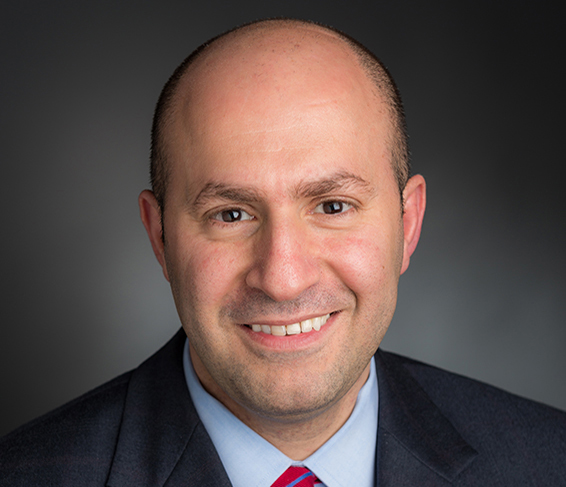 Toni Choueiri合作论文数Lank Center for Genitourinary (GU) Oncology, Dana-Farber Cancer Institute;Harvard Medical School;Brigham and Women's Hospital15
 Robert Dreicer合作论文数University of Virginia Cancer Center;Department of Medicine, Hematology and Oncology, School of Medicine, University of Virginia15
 Alfred W Rademaker合作论文数Feinberg School of Medicine, Northwestern University15Martin S. Tallman合作论文数15E Samuelson合作论文数13Hh Roenigk合作论文数13
 Nabil Adra合作论文数Simon Comprehensive Cancer Center, Indiana University13
 Masha Kocherginsky合作论文数Department of Obstetrics & Gynecology, Feinberg School of Medicine, Northwestern University13
 Jochen Reiser合作论文数Division of Nephrology, Department of Internal Medicine, John Sealy School of Medicine, The University of Texas Medical Branch;The University of Texas Medical Branch Health System13
 Brian Helfand合作论文数Endeavor Health;University of Chicago13
 Maha H.A. Hussain合作论文数Feinberg School of Medicine, Northwestern University13Kim A. Margolin合作论文数City of Hope National Medical Center13
 Paul Yarnold合作论文数Section of General Internal Medicine, Northwestern University Medical School13Daniel H. Shevrin合作论文数13Zachery R Reichert合作论文数12
 Jingsong Zhang合作论文数H. Lee Moffitt Cancer Center & Research Institute, Tampa, FL;12
 Scott T. Tagawa合作论文数NewYork-Presbyterian Hospital;Weill Cornell Medical College, Cornell University12
 Emmanuel Antonarakis合作论文数Division of Hematology, Oncology, and Transplantation, Medical School, University of Minnesota;Masonic Cancer Center, University of Minnesota12
 Channing Paller合作论文数12
 Russell Szmulewitz合作论文数Department of Medicine, University of Chicago;Division of the Biological Sciences, University of Chicago12
 Michael A. Carducci合作论文数School of Medicine, Johns Hopkins University;Johns Hopkins Kimmel Cancer Center;Skip Viragh Outpatient Cancer Center;Sibley Memorial Hospital12
 Wade Sexton合作论文数Moffitt Cancer Center12
 Young E. Whang合作论文数University of North Carolina at Chapel Hill12Steven M. Belknap合作论文数Northwestern University12
 Joel Picus合作论文数Department of Medicine, Division of Oncology, Washington University12Roberto Pili合作论文数Genitourinary Malignancies Program, Simon Cancer Center, Indiana University12Ellis Levine合作论文数11
 Dennis W Raisch合作论文数11
 Harry W. Herr合作论文数Memorial Sloan Kettering Cancer Center;Weill Medical College, Cornell University11
 Stephanie Daignault-Newton合作论文数Department of Urology, University of Michigan Medical School11
 Arul M. Chinnaiyan合作论文数Rogel Cancer Center, Department of Pathology and Clinical Laboratories, University of Michigan;Michigan Center for Translational Pathology, University of Michigan;Howard Hughes Medical Institute11
 Anthony Patterson合作论文数Memphis11
 Gary R. Hudes合作论文数Department of Medical Oncology, Fox Chase Cancer Center11Mary Dwyer合作论文数10




