Multi-model fusion surrogate has caught significant attention in flight vehicle system design, owing to its ability to tradeoff the approximation accuracy and computational efficiency in recent years. To further improve the performance of multi-model fusion surrogate, an ensemble of multi-model fusion radial basis function surrogates using promising parameter domain (MFRBF-PPD) is proposed in this paper. In MFRBF-PPD, a series of basis multi-model fusion surrogates are ensembled to improve the approximation accuracy. A concept of promising parameter domain (PPD) is proposed to select proper parameters. And the basis multi-model fusion surrogates are constructed according to the hyperparameters in PPD. A synthesized discrepancy index is defined to efficiently calculate the weight coefficient for each basis multi-model fusion surrogate. Numerical benchmarks test results indicate that the proposed MFRBF-PPD performs better on approximation accuracy and robustness than the traditional single-fidelity surrogates and competitive multi-model fusion surrogates. Finally, MFRBF-PPD is applied to a ball head blunt cone heat flux prediction problem and a solid rocket motor multidisciplinary design optimization problem. Results illustrate the effectiveness and practicability of MFRBF-PPD for real-world engineering applications.
Despite extensive developments in motion planning of autonomous aerial vehicles (AAVs), existing frameworks face the challenges of local minima in complex dynamic environments, leading to increased collision risks. To address these challenges, we present TRUST-Planner, a topology-guided hierarchical planner for robust spatial-temporal obstacle avoidance. In the frontend, a dynamic enhanced visible probabilistic roadmap (DEV-PRM) is proposed to explore topological paths for global guidance rapidly. The backend utilizes a uniform terminal-free minimum control polynomial (UTF-MINCO) to enable efficient predictive obstacle avoidance and fast computation. Furthermore, an incremental multibranch trajectory management framework is introduced to enable spatial-temporal topological decision-making, while efficiently leveraging historical information to reduce replanning runtime. Simulation results show that TRUST-Planner outperforms baseline competitors, achieving millisecond-level computation, higher success rates, and faster traversal in tested complex environments. Real-world experiments further validate the feasibility and practicality of the proposed method.
This paper investigates the cooperative interception of multiple missiles against maneuvering targets. Unlike conventional offline-trained methods, a single-layer physics-informed neural network (PINN) based identifier is proposed with engagement dynamics directly embedded into a smooth convex loss function, enabling simultaneous physical interpretability, weight boundedness guarantee, and online adaptation. The maneuvering disturbance estimate is further leveraged to construct a model-enhanced cooperative error system, thereby recasting the differential game as a disturbance-compensated optimal control problem. A composite guidance law is synthesized via adaptive dynamic programming (ADP), and the associated closed-loop stability is established through composite Lyapunov analysis. Simulation results validate the proposed framework against constant and bang-bang maneuvering targets.
In dynamic urban logistics, the stochastic emergence of time-sensitive tasks poses a significant optimality challenge for heterogeneous AAVs logistics task allocation. To address this problem, a reinforcement learning enhanced overlapping coalition formation game approach is proposed. A dynamic task allocation model is established, where global optimality is mathematically quantified by a generalized logistics cost coupling service quality and resource consumption. To deal with the time-varying task sets induced by stochastic order arrivals, a transformer-based soft actor-critic network is designed. By leveraging multi-head self-attention to encode variable-length logistics states and capture task-wise spatiotemporal dependencies, the learned policy adaptively guides coalition updates, replacing heuristic rules in the overlapping coalition formation game. On this basis, heterogeneous AAVs can form more efficient overlapping coalitions for dynamic logistics tasks. The resulting coalition formation process is proven to constitute an exact potential game, which guarantees convergence to a Nash-stable equilibrium within a finite number of iterations. Numerical simulations demonstrate that the proposed algorithm effectively improves the optimality of task allocation under the generalized logistics cost criterion. In a scenario with 32 AAVs and 80 tasks, our algorithm achieves a 39.76
The growing deployment of heterogeneous autonomous aerial vehicles (AAVs) in urban environments increases inter-agent collision risk, posing significant challenges to safe, scalable swarm coordination. To address these challenges, an asynchronous, distributed, adaptive priority-based trajectory planner (ADAPT-Planner) is designed for efficient heterogeneous AAV swarm trajectory generation. A hierarchical asynchronous framework is first established to decouple communication, planning, and execution processes to enable independent parallel planning for individuals without synchronization barriers or data blocking. Second, leveraging differential flatness, we formulate the trajectory planning as a unified, lightweight, and unconstrained optimization problem, thereby guaranteeing efficiency and extensibility for heterogeneous dynamics. Additionally, considering heterogeneous maneuverability and distributed replanning burden, an adaptive priority-based planning strategy is introduced to adjust agent priorities online and reactivate idle agents to rejoin coordinated planning, thereby achieving efficient swarm deconfliction and rapid trajectory convergence. Extensive simulations and real-world tests validate that ADAPT-Planner resolves dense trajectory conflicts for a 32-agent heterogeneous swarm within only 1.73 s, reducing planning runtime by 53.8% compared with the standard distributed asynchronous baseline, and by 26.1% relative to the static sequential-priority strategy, while maintaining a 100% success rate across all tested scales.
Salient object detection is inherently a subjective problem, as observers with different priors may perceive different objects as salient. However, existing methods predominantly formulate it as an objective prediction task with a single groundtruth segmentation map for each image, which renders the problem under-determined and fundamentally ill-posed. To address this issue, we propose Observer-Centric Salient Object Detection (OC-SOD), where salient regions are predicted by considering not only the visual cues but also the observer-specific factors such as their preferences or intents. As a result, this formulation captures the intrinsic ambiguity and diversity of human perception, enabling personalized and context-aware saliency prediction. By leveraging multi-modal large language models, we develop an efficient data annotation pipeline and construct the first OC-SOD dataset named OC-SODBench, comprising 33k training, validation and test images with 152k textual prompts and object pairs. Built upon this new dataset, we further design OC-SODAgent, an agentic baseline which performs OC-SOD via a human-like "Perceive-Reflect-Adjust" process. Extensive experiments on our proposed OC-SODBench have justified the effectiveness of our contribution. Through this observer-centric perspective, we aim to bridge the gap between human perception and computational modeling, offering a more realistic and flexible understanding of what makes an object truly "salient." Code and dataset are publicly available at: https://github.com/Dustzx/OC_SOD
Suborbital vehicles have attracted significant attention in the field of transportation owing to their capability of achieving rapid global reach. This paper presents a novel design methodology of a Two‐stage Piggyback Suborbital Vehicle (TPSV). Considering the horizontal take‐off characteristic, the TPSV consists of a biconvex-winged booster stage and a delta-winged passenger stage. A conceptual design framework of the TPSV is developed first. The framework is decomposed into geometric configuration, aerodynamics analysis, and trajectory modules, where the velocity and altitude profiles of ascent phase are determined through a sequence‐programmed angle of attack scheme. Then, the TPSV design framework is formulated as a bi-level optimization process. The first-level optimization maximizes the lift‐to‐drag ratio and the second-level optimization maximizes the orbital energy at the end of the ascent phase subject to practical constraints, e.g., dynamic pressure and overload. Finally, an adaptive Kriging method using neighboring-space sampling (AKM-NSS) is proposed to efficiently solve the bi-level optimization problem. The optimization achieves a 1.5% increment in the orbital energy and a 21.07% (i.e., 1737 km) extension in total range compared with those of the initial design. Moreover, AKM-NSS algorithm can save greatly computational cost compared with competitive algorithms in solving the bi-level TPSV optimization problem.
The rise of the low-altitude economy highlights the importance of compound-wing UAVs. However, achieving seamless and optimal trajectories across different flight modes remains a significant challenge due to inherent high-order discontinuities during mode transitions. To address this limitation, the Spatial-Temporal Adaptive Dual-modal Trajectory Planning (STA-DTP) method for compound-wing UAVs is proposed. By leveraging the differential flatness characteristics of the compound-wing UAV’s dual-modal dynamics, a Dynamic collocation-point-based Minimum Control Effort Polynomial (D-MINCO) trajectory parameterization model is developed. Its polynomial design ensures high-order continuity and allows for decoupled spatial-temporal representation of dual-modal trajectories, significantly reducing optimization complexity. An adaptive collocation-point decision mechanism for dual-modal transition is designed to address the dependence of trajectory optimality on transition timing. Integrated with an Anytime framework, this mechanism facilitates the real-time generation of feasible dual-modal flight trajectories. Transition collocation points are adaptively assigned based on conflicts between trajectory states and dynamic constraints. Under available computational resources, trajectory optimality is progressively enhanced through the densification collocation-point strategy. Compared with typical trajectory planning algorithms (i.e., STA-DTP, SFC-SCP, and GPOPS-II) using fixed transition-point strategies, simulation results demonstrate that the proposed method achieves improvements of 1–2 orders of magnitude in planning efficiency and reduces trajectory flight durations as well. Consequently, this work provides an efficient and optimal framework for trajectory planning of compound-wing UAVs in urban environments.
As a promising high-speed transportation system, suborbital reusable launch vehicle (SRLV) has caught significant attention. To redesign the SRLV system with higher achievable range and controllable re-entry risks (e.g., heat flux and dynamic pressure), a dynamic Kriging assisted SRLV multidisciplinary design optimization (MDO) framework is proposed in this paper. In this framework, the MDO problem is formulated to maximize the achievable range of SRLV subject to practical constraints during the reentry phase. The parameterized geometry, aerodynamics, heat-flux prediction, mass evaluation, and trajectory constitute the SRLV multidisciplinary analysis model, whose responses are considered as the objective and constraints of the MDO problem. To reduce the computational cost, a dynamic-Kriging optimization method using initial sample expansion mechanism (DKOM-ISE) is proposed as the optimizer of the MDO framework. In this approach, Kriging surrogates are constructed through an initial sample expansion mechanism to replace the expensive SRLV models for optimization. And Kriging surrogates are dynamically refined via the synthesized improvement criterion and significant sampling space method to explore the design space of SRLV efficiently and effectively. After DKOM-ISE based optimization, the achievable range is increased by 16.11% compared with that of the initial design subject to all the constraints. Moreover, the proposed DKOM-ISE yields a 33.3% computational efficiency improvement than the competitive constrained differential evolution algorithm. The optimization results demonstrate the effectiveness and engineering practicability of the proposed MDO framework for SRLV design.
In this paper, a novel cooperative encirclement guidance method is proposed for multiple missiles against the maneuvering target. By covering the target's reachable domain with the missiles' combined detection range, the ideal missile number and dynamic encirclement angles are designed to improve the capture probability and block escape directions of the target. Moreover, the desired positions of missiles are calculated in real-time within the leader-follower framework. Then, considering the non-adjustability of speed, a cooperative guidance law is constructed without chattering based on the continuous finite-time stabilizing control scheme to eliminate tracking errors. The finite-time stability of the system is proved theoretically. Finally, the effectiveness and feasibility are verified by numerical simulation under the constraint of balanced maneuverability.
To guarantee safe and rapid flight of UAV in complex environments, in this paper, a hierarchical trajectory sequential convex programming method is proposed by dividing trajectory planning progress into three parts: Flight Path Planning, Safe Flight Corridors (SFC) Generation and Trajectory Sequential Convex Programming (SCP). Firstly, the Sparse A-star algorithm (SAS) is used to generate the initial flight path. The discrete path points provide the initial iteration value for SCP, which can improve the efficiency of trajectory solution. Subsequently, a SFC construction method which uses path segments as seeds is developed to ensure that SFC is continuous, and thus generating the convex feasible regions. Then, the sequential convex programming method is used to solve the trajectory rapidly. Consequently, the fixed-wing UAV can reach the terminal point in the shortest time within the constraints. The simulation results show that this method can ensure the safety of flight trajectory and satisfy timeliness requirements.
To solve the challenge of drag reduction and aeroheating protection for hypersonic vehicles, multi-objective optimization method using adaptive multi-surrogate models is proposed for the spike-aerodisk-channel (SAC). In this method, Non-dominated Sorting Genetic Algorithm-II (NSGA-II) is used to optimize the multi-surrogate models. The method then merges the pseudo Pareto sets obtained by different surrogate models. Finally, the crowded degree ranking is sorted to realize the adaptive multi-surrogate models. The flow phenomenon and aerodynamic performance of the optimized SAC are coupling analyzed. On this basis, with the objective functions of minimizing drag and average heat flux, the proposed method is successfully applied to the multiobjective optimization design for SAC. Finally, the flowfields of the Pareto solutions and the initial solution (The spike length is 74 mm, the convergence angle is 60 degrees, and the aerospike diameter is 12 mm) are analyzed. The coupling mechanism of the multi-parameters for the SAC is revealed. The optimal solution achieves a 20.49 % decrease in average heat flux without increasing drag. Compared with the initial solution, the drag and average heat flux can be respectively reduced over 13.28 % and 41.82 %. Unlike the previous conclusions, in our study, the drag reduction and aeroheating protection effect do not continuously improve with the increment of spike length. Furthermore, the jet intensity formed through the channel mainly depends on the mass flow rate.
Generating dynamically feasible trajectory for fixed-wing Unmanned Aerial Vehicles (UAVs) in dense obstacle environments remains computationally intractable. This paper proposes a Safe Flight Corridor constrained Sequential Convex Programming (SFC-SCP) to improve the computation efficiency and reliability of trajectory generation. SFC-SCP combines the front-end convex polyhedron SFC construction and back-end SCP-based trajectory optimization. A Sparse A* Search (SAS) driven SFC construction method is designed to efficiently generate polyhedron SFC according to the geometric relation among obstacles and collision-free waypoints. Via transforming the nonconvex obstacle-avoidance constraints to linear inequality constraints, SFC can mitigate infeasibility of trajectory planning and reduce computation complexity. Then, SCP casts the nonlinear trajectory optimization subject to SFC into convex programming subproblems to decrease the problem complexity. In addition, a convex optimizer based on interior point method is customized, where the search direction is calculated via successive elimination to further improve efficiency. Simulation experiments on dense obstacle scenarios show that SFC-SCP can generate dynamically feasible safe trajectory rapidly. Comparative studies with state-of-the-art SCP-based methods demonstrate the efficiency and reliability merits of SFC-SCP. Besides, the customized convex optimizer outperforms off-the-shelf optimizers in terms of computation time.
A three-dimensional path-planning approach has been developed to coordinate multiple fixed-wing unmanned aerial vehicles(UAVs)while avoiding collisions.The hierarchical path-planning architecture that divides the path-planning pro-cess into two layers is proposed by designing the velocity-obstacle strategy for satisfying timeliness and effectiveness.The upper-level layer focuses on creating an efficient Dubins initial path considering the dynamic constraints of the fixed wing.Sub-sequently,the lower-level layer detects potential collisions and adjusts its flight paths to avoid collisions by using the three-dimensional velocity obstacle method,which describes the maneuvering space of collision avoidance as the intersection space of half space.To further handle the dynamic and collision-avoidance constraints,a priority mechanism is designed to ensure that the adjusted path is still feasible for fixed-wing UAVs.Simulation experiments demonstrate the effectiveness of the proposed method.
This letter comprehensively investigates the performance of six state-of-art distributed task allocation algorithms (i.e., CBAA, CBBA, HIPC, PI, DHBA, and DGA) subject to non-ideal communication factors. The package loss, bit error, and time delay factors are considered in the distributed task allocation process. The performance of the algorithms for multi-UAV collaborative visit missions is compared under pre-allocation and dynamic allocation scenarios. The synchronous and asynchronous communication modes are separately utilized in different allocation scenarios for analyzing the effects of non-ideal communication factors. Comparison results show that bit error factors cause conflicted allocations. For the pre-allocation scenario, CBBA outperforms the competitors in terms of reliability, communication overhead, and efficiency. For the dynamic scenario, CBBA performs best optimality, while DHBA exhibits better reliability and lower overhead in harsh communication conditions.
With the increasing demands for high-speed data transmission and global communication, GEO telecommunication satellites with large-size antenna payload have attracted much attention nowadays. To address the challenge of effective system design, this paper proposes a metamodel assisted multidisciplinary design optimization (MDO) framework for a Large-size Payload Telecommunication Satellite (LSP-TS). In the framework, the LSP-TS MDO problem is formulated to minimize the total system mass subject to several practical engineering constraints. Considering the interconnected relationship between the large-size payload and the satellite platform, the analysis models of satellite geometry configuration, power, attitude control, structure, GEO station-keeping, orbital transfer, and mass disciplines are established. To reduce the computational cost, an adaptive Kriging method using Pareto fitness-based sampling (AKM-PFS) is proposed as the optimizer integrated with the satellite MDO framework. In this approach, the Kriging metamodels of LSP-TS system are constructed and adaptively refined for optimization via exploring the Pareto frontier of objective and constraints, which leads the search to the feasible optimized satellite system design efficiently. After optimization, the total system mass is reduced by 318.53 kg (8.87%) compared with the initial solution where all constraints being satisfied. Moreover, the optimization solution of the proposed AKM-PFS is further discussed to illustrate the practicality and effectiveness of the proposed method.
Turbulent transport events, including turbulent transport flux of momentum (i.e., turbulent momentum flux or Reynolds stress) and turbulent transport flux of particle (i.e., turbulent particle flux), have important effects on the confinement performance of magnetic confinement fusion devices. Poloidal Reynolds stress is the ensemble average of the product of radial velocity fluctuations and poloidal velocity fluctuations, i.e., ⟨v_rv_θ⟩ . Turbulent particle flux is the ensemble average of the product of radial velocity fluctuations and density fluctuations, i.e., ⟨nv_r⟩ . Changes in either amplitude of fluctuations or cross phase between fluctuations can cause changes in turbulent transport. In this paper, cross-phase dynamics in the Reynolds stress and turbulent particle flux at the tokamak edge are studied in detail. Reynolds stress and turbulent particle flux are, respectively, written as the product of fluctuation amplitudes and an average cross-phase factor. The mathematical expressions of the average cross-phase factors are derived. The average cross-phase factors and the power spectra of cross phase are obtained using experimental measurement data. It is found that the cross-phase dynamics in Reynolds stress and particle flux are very different. Reynolds stress is found to be more sensitive to cross phase than particle flux is. In the strong E× B shear layer, spatial slips of cross phase lead to the obvious radial gradient of Reynolds stress. In the no/weak E× B shear region, the cross phase in Reynolds stress tends to lock. Here, phase locking refers to that the power spectra of phase tend to distribute around a fixed phase which does not change with radial position, while phase slip means that the power spectra of cross phase tend to distribute around a phase that varies with radial position. Phase slip or locking mainly describes the central phase weighted by the power spectra, while the phase scattering mainly describes the dispersion of the power spectrum distribution of the phase. The increased scattering of cross phase, which indicates the power spectra distribution of the phase is more dispersed, contributes to the decreased Reynolds stress for higher collisionality. The cross phase in particle flux tends to lock in both strong and no/weak shear regions. The degree of scattering of cross phase in the particle flux does not change obviously as collisionality increases. For higher collisionality, it is the increased density fluctuation amplitude rather than cross-phase dynamics that leads to the increased particle flux. The underlying physical mechanism that causes Reynolds stress and particle flux to exhibit different phase dynamics is discussed.
Trans-medium flight vehicles can combine high aerial maneuverability and underwater concealment ability, which have attracted much attention recently. As the most crucial procedure, the trajectory design generally determines the trans-medium flight vehicle performance. To quantitatively analyze the flight vehicle performance, an entire aerial-aquatic trajectory model is developed in this paper. Different from modeling a trajectory purely for the water entry process, the constructed entire trajectory model has integrated aerial, water entry, and underwater trajectories together, which can consider the influence of the connected trajectories. As for the aerial and underwater trajectories, explicit dynamic models are established to obtain the trajectory parameters. Due to the complicated fluid force during high-velocity water entry, a computational fluid dynamics model is investigated to analyze this phase. The computational domain size is adaptively refined according to the final aerial trajectory state, where the redundant computational domain is removed. An entire trajectory optimization problem is then formulated to maximize the total flight range via tuning the joint states of different trajectories. Simultaneously, several constraints, i.e., the max impact load, trajectory height, etc., are involved in the optimization problem. Rather than directly optimizing by a heuristic algorithm, a multi-surrogate cooperative sampling-based optimization method is proposed to alleviate the computational complexity of the entire trajectory optimization problem. In this method, various surrogates cooperatively generate infill sample points, thereby preventing the poor approximation. After optimization, the total flight range can be improved by 20%, while all the constraints are satisfied. The result demonstrates the effectiveness and practicability of the developed model and optimization framework.
Due to the strong nonlinearity and nonholonomic dynamics, despite the various general trajectory optimization methods presented, few of them can guarantee efficient computation and physical feasibility for relatively complicated fixed-wing autonomous aerial vehicles (AAVs) dynamics. Aiming at this issue, this article investigates a differential flatness-based trajectory optimization method for fixed-wing AAVs (DFTO-FW). The customized trajectory representation is presented through differential flat characteristics analysis and polynomial parameterization, eliminating equality constraints to avoid the heavy computational burdens of solving complex dynamics. Through the design of integral performance costs and derivation of analytical gradients, the original trajectory optimization is transcribed into a lightweight, unconstrained, gradient-analytical optimization with linear time complexity to improve efficiency further. The simulation experiments illustrate the superior efficiency of the DFTO-FW, which takes subsecond CPU time (on a personal desktop) against other competitors by orders of magnitude to generate fixed-wing AAV trajectories in randomly generated obstacle environments.
To fully exploit the efficiency of variable-stiffness composite laminates with spatially varied fiber orientation angles, this paper aims at presenting a novel optimization framework for integrated design of ply number, layer thickness, and fiber angle. The optimization problem is innovatively formulated based on the definition of a ground laminate with redundant layers. The basic optimization idea is to seek both unnecessary and necessary layers in this ground laminate. For unnecessary layers, they can be removed and assigned with small-value ply thicknesses, while necessary layers are retained in the ground laminate and corresponding ply thicknesses and fiber angles are optimally determined using discrete and continuous variables, respectively. Since variable-stiffness composite laminates always require high-fidelity analysis models to accurately capture the spatial characteristics of varying fibers, this results in a time-consuming process. To alleviate this problem, a multi-fidelity surrogate model with an exponent-based comprehensive correction is originally proposed based on Gaussian process regression, generating an approximate problem to replace the original one. The genetic algorithm and sequential quadratic programming method are sequentially employed to solve this approximate problem with mixed design variables. The solution from this procedure is dynamically added to the sampling dataset to update the constructed surrogate model. Numerical benchmark problems and cases studies of a composite plate and a solar wing structure are addressed, demonstrating the efficacy of the newly proposed optimization strategy.
 Li Liu (刘莉)合作论文数School of Aerospace Engineering, Beijing Institute of Technology74
 Renhe Shi (史人赫)合作论文数School of Aerospace Engineering, Beijing Institute of Technology48
 Rui Ke合作论文数44
 Min Xu (许敏)合作论文数核工业西南物理研究院43
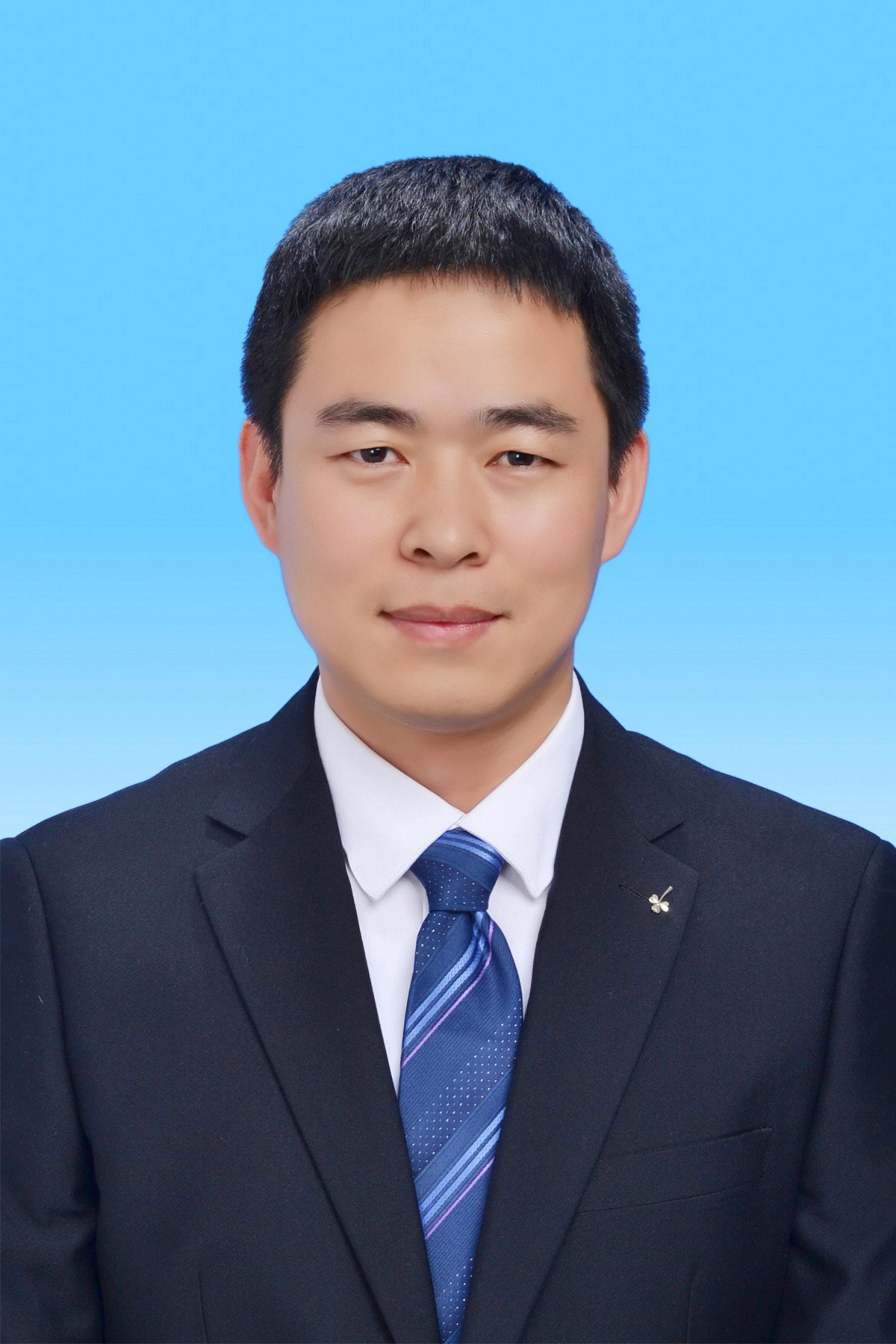 Jingliang Sun (孙景亮)合作论文数School of Aerospace Engineering, Beijing Institute of Technology36
 Zhu Wang (王祝)合作论文数Department Of Automation, North China Electric Power University (Baoding)34Guangtong Xu (徐广通)合作论文数26
 Lin Nie合作论文数26
 Nianhui Ye合作论文数21
 Yi Yu (余羿)合作论文数Institut Franco-chinois de I'énergie Nucléaire Université Sun Yat-sen19Xuru Duan合作论文数18
 Yufei Wu合作论文数16
 Wulv Zhong (钟武律)合作论文数Southwestern Institute of Physics, CNNC16
 Y Cao合作论文数13Lei Peng合作论文数13
 Zhanhui Wang (王占辉)合作论文数Institute of Modern Physics, Fudan University12
 Patrick H. Diamond合作论文数Department of Physics, University of California, San Diego;Center for Energy Research, University of California, San Diego;Centerfor Astrophysics and Space Sciences, University of California, San Diego12
 Shaobo Gong (龚少博)合作论文数Institute of Modern Physics, Fudan University11
 Baoshou Zhang (张宝收)合作论文数Beijing Institute of Technology11Zhao Wei (魏钊)合作论文数10
 Wei Chen (陈伟)合作论文数Southwestern Institute of Physics10xiaosong guo合作论文数10
 Zhipeng Chen (陈志鹏)合作论文数Institute of Fusion and Plasma Research, School of Electrical and Electronic Engineering, Huazhong University of Science and Technology10
 Tao Zeng (曾涛)合作论文数School of Information and Electronics, Beijing Institute of Technology;Xuteli School, Beijing Institute of Technology10Jiquan Li (李継全)合作论文数Unit of Computational Science, Graduate School of Energy Science, Kyoto University10
 Rongjie Hong合作论文数Institute of Plasma Physics, Chinese Academy of Sciences10Boda Yuan合作论文数9Huaguang Zhu合作论文数9
 Minyou Ye (叶民友)合作论文数University of Science and Technology of China9
 Tao Lan (兰涛)合作论文数School of Nuclear Science and Technology, University of Science and Technology of China9B.D. Yuan合作论文数8
 Nengchao Wang (王能超)合作论文数School of Electrical and Electronic Engineering, Huazhong University of Science and Technology8
 Yifan Wu (吴一凡)合作论文数School of Earth and Space Sciences, University of Science and Technology of China8
 Huiqian Wang合作论文数General Atomics8
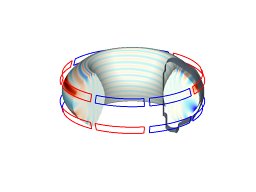 G. Z. Hao合作论文数Southwestern Institute of Physics, Southwestern Institute of Physics China8
 Gary Wang合作论文数Product Design and Optimization Laboratory, School of Mechatronic Systems Engineering, Simon Fraser University8
 Zhongbing Shi合作论文数8Zhenlin Zhou合作论文数7S.B. Gong合作论文数7
 Wang Yangjie合作论文数7T. Wu合作论文数7Jinming Gao (高金明)合作论文数7Yifan Tang合作论文数Product Design and Optimization Laboratory, Simon Fraser University7Shanqing Hu (胡善清)合作论文数School of Information and Electronics, Beijing Institute of Technology7
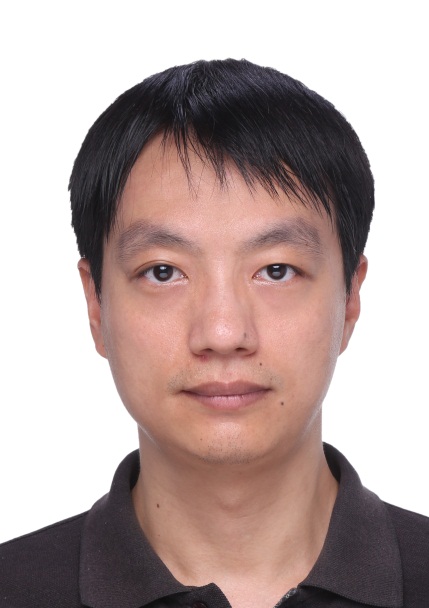 Quanhua Liu (刘泉华)合作论文数School of Information and Electronics, Beijing Institute of Technology7Jinbang Yuan合作论文数6
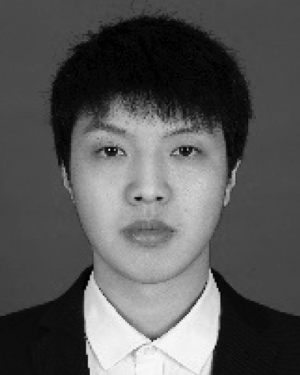 Junzhi Li合作论文数6di wu合作论文数6
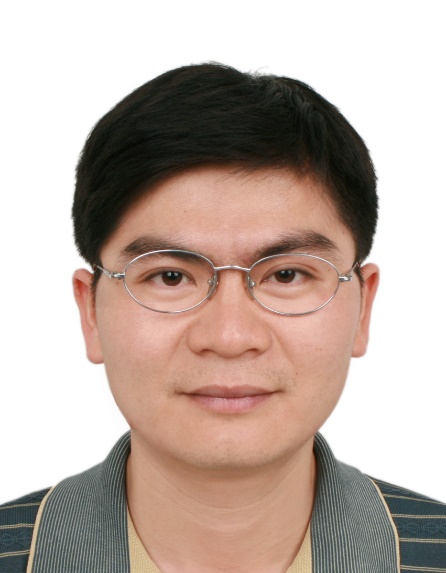 Cheng Hu (胡程)合作论文数School of Information and Electronics, Beijing Institute of Technology6




