Inflammatory Bowel Disease (IBD) is a chronic and frequently disabling inflammatory disorder of the intestine. New developments in IBD therapy are primarily focused on biologic treatments; however, they are both expensive and associated with significant side effects. Here, we provide the first preclinical evidence that YunNan BaiYao (YNBY), a well-known traditional Chinese herbal remedy frequently used for treating hemorrhages and wounds, can effectively alleviate experimental colitis. Oral administration of YNBY in drinking water significantly reduced the disease activities of both DSS- and TNBS-induced experimental colitis. Mechanistic studies revealed that the effectiveness of YNBY was not due to an anti-bacterial function since YNBY had no effect on E. coli growth. Rather, it exhibited an anti-inflammatory or immunosuppressive function: In the DSS colitis model, YNBY treatment decreased the levels of several pro-inflammatory cytokines in colonic mucosa, including TNFα, IL-12p40, and IL-17. Similar cytokine changes were also observed in mouse serum, suggesting that systemic changes in general reflect the changes in the affected colon. Significant down-regulation of IL-12p40 and IL-17, in addition to IFNγ, was also seen in TNBS-colitis model. Another potential mechanism for the anti-inflammatory effects of YNBY involves the selective suppression of pro-inflammatory immune cells: YNBY effectively suppressed the growth of multiple T- and B-lymphocytes, including Molt-4, Jurkat, and EBV-transformed human B-lymphocytes, more potently than 6-mecaptopurine (6-MP) and 5-aminosalicylic acid (5-ASA), two of the most commonly used first-line drugs in IBD therapy. In sharp contrast, YNBY exhibited no cytotoxicity to colonic epithelial cells (Caco-2 cells), even at the concentration 10-fold higher than that used in the lymphocyte model; and instead promoted cell spreading and wound healing. These results strongly suggest that YNBY not only has effective anti-inflammatory properties through suppressing lymphocyte growth and pro-inflammatory cytokine expression, but also can promote intestinal epithelial wound-healing and repair. Therefore, YNBY demonstrates strong potential as an alternative herbal therapy for IBD.
Although the intracellular Cl−/H+ exchanger Clc-5 is expressed in apical intestinal endocytic compartments, its pathophysiological role in the gastrointestinal tract is unknown. In light of recent findings that CLC-5 is downregulated in active ulcerative colitis (UC), we tested the hypothesis that loss of CLC-5 modulates the immune response, thereby inducing susceptibility to UC. Acute dextran sulfate sodium (DSS) colitis was induced in Clcn5 knockout (KO) and wild-type (WT) mice. Colitis, monitored by disease activity index, histological activity index, and myeloperoxidase activity were significantly elevated in DSS-induced Clcn5 KO mice compared with those in WT mice. Comprehensive serum multiplex cytokine profiling demonstrated a heightened Th1–Th17 profile (increased TNF-α, IL-6, and IL-17) in DSS-induced Clcn5 KO mice compared with that in WT DSS colitis mice. Interestingly, Clcn5 KO mice maintained on a high vitamin D diet attenuated DSS-induced colitis. Immunofluorescence and Western blot analyses of colonic mucosa validated the systemic cytokine patterns and further revealed enhanced activation of the NF-κB pathway in DSS-induced Clcn5 KO mice compared with those in WT mice. Intriguingly, high baseline levels of IL-6 and phospho-IκB were observed in Clcn5 KO mice, suggesting a novel immunopathogenic role for the functional defects that result from the loss of Clc-5. Our studies demonstrate that the loss of Clc-5 1) exhibits IL-6–mediated immunopathogenesis, 2) significantly exacerbated DSS-induced colitis, which is influenced by dietary factors, including vitamin D, and 3) portrays distinct NF-κB–modulated Th1–Th17 immune dysregulation, implying a role for CLC-5 in the immunopathogenesis of UC.
 P Alex合作论文数2
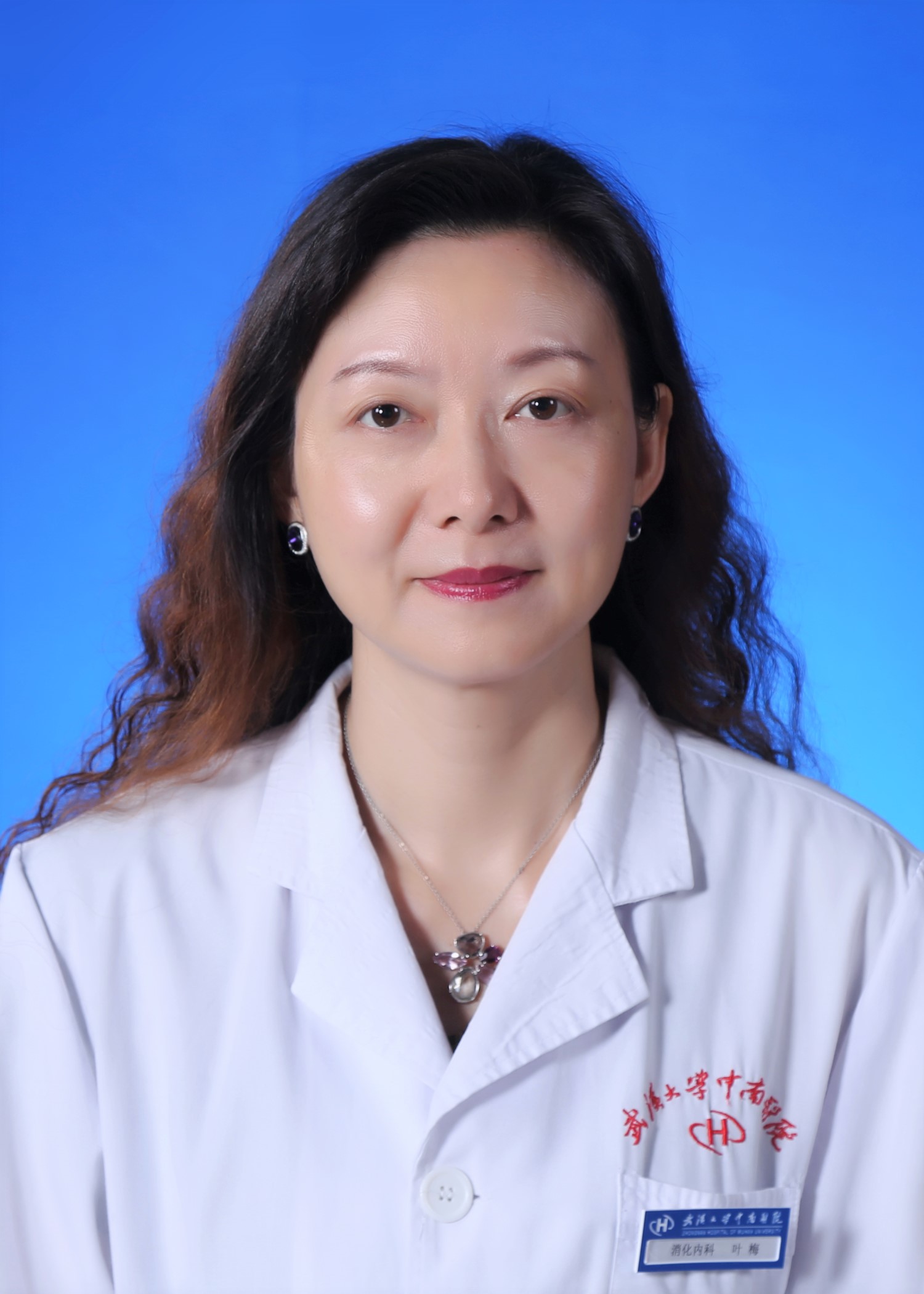 Mei Ye (叶梅)合作论文数Zhongnan Hospital of Wuhan University2Xuhang Li合作论文数Johns Hopkins University2richard c li合作论文数1
 Nicholas Zachos合作论文数Vanderbilt Institute for Infection, Immunology and Inflammation, Department of Surgery, Vanderbilt University Medical Center1Maxim Suhodrev合作论文数1
 Zubin Arora合作论文数1
 Michael Centola合作论文数Department of Arthritis and Immunology, Oklahoma Medical Research Foundation1Liberty Gonzales合作论文数1Jennifer Sipes合作论文数1Sandra E. Guggino合作论文数School of Medicine, The Johns Hopkins University1Thuan Nguyen合作论文数1




