BackgroundThe purpose of this study is to determine the prevalence, risk factors, and characteristics of seizures and epilepsy in children with acquired brain injury (ABI), and compare their outcomes with children with ABI but no seizures.MethodBasic demographic data, clinical features, brain injury severity, seizure and epilepsy characteristics, and functional and neurodevelopmental outcomes of children with ABI with follow-up of at least 2 years were reviewed. Logistic regression was performed to determine the risk factors for seizures.ResultsThe study included 82 children with ABI due to tumors, trauma, hypoxia, stroke, infection, and neuro-inflammatory disorders. There were 43 (52%) boys. The median age at diagnosis was 2.9 years and median follow-up interval was 5 years. A total of 27 (33%) children experienced seizures and 20 (24%) were diagnosed as having epilepsy. Risk factors for seizures included cortical brain injury (p = 0.013) and central nervous system (CNS) infection (p = 0.001). Among those with seizures, seven had acute seizures within 7 days of ABI. The median time of onset of epilepsy after ABI was 2 years, and five children had refractory epilepsy (RE) needing more than two anti-epileptics. The hazard ratio (HR) for epilepsy in those with cortical brain injuries and CNS infections were 4.582 (95% CI [1.83, 11.49], p = 0.001) and 4.796 (95% CI [1.568, 14.67], p = 0.006), respectively. HR for epilepsy onset in those who had post-stroke seizures were 4.467, 95% CI [1.575, 12.67], p =0.005). Most subjects demonstrated significant improvements in Karnofsky Performance Scale (KPS) scores following rehabilitation (p < 0.0001); however, a greater proportion of children with post-ABI seizures required special educational services (p = 0.025).ConclusionCortical brain injuries, CNS infection and post-stroke seizures significantly increase the risk of epilepsy in children with ABI. While functional improvements were observed after rehabilitation, children with post-ABI seizures more often required special educational support. The identification of risk factors for seizures, time to epilepsy onset, and the functional outcomes can guide subsequent management and counseling.
Long COVID, where symptoms persist after recovering from COVID-19, can affect cognitive functions like language. However, little is known about its impact on children’s language skills, especially across different school levels. This study investigated the impact of long COVID on language proficiency among 1244 children (Asian; 53.5% boys) from kindergartens (N = 408, Mage = 4.42 ± 1.26 years), primary schools (N = 547, Mage = 9.69 ± 1.96 years), and secondary schools (N = 289, Mage = 14.97 ± 1.85 years) in Hong Kong. Language proficiency was assessed using the Language Experience and Proficiency Questionnaire (LEAP-Q), which measured speaking, listening, reading, and writing in both Chinese and English. Participants were categorized into three groups: long COVID, recovered from COVID-19, and no history of COVID-19. One-way and two-way ANOVAs were used to analyze the differences in language proficiency across these groups and school levels. Children with long COVID symptoms exhibited significantly lower overall language proficiency, particularly in speaking and listening, compared to those in the recovered and no-COVID groups. The effect was more pronounced among primary and secondary students, with secondary school students showing the most substantial deficits. No significant differences were found between the recovered and no-COVID groups. The results suggest that long COVID might have detrimental effects on children’s linguistic proficiency. The language development of older students who suffered from long COVID could benefit from receiving targeted educational and therapeutic interventions.
BACKGROUND AND AIMS:Existing studies that simultaneously consider the effects of lifestyle and family environment factors on mental health problems (MHPs), particularly in preschoolers, are limited. This study aims to explore lifestyle and family environment factors associated with MHPs, externalising problems (EPs) and internalising problems (IPs) in preschoolers. METHODS:This territory-wide, school-based study conducted from 2020 to 2022 involved 1926 preschoolers. MHPs, EPs, and IPs and factors such as sleep duration, sleep latency, entertainment screen time, educational screen time, parent-child recreation and learning activities were assessed. Linear and logistic regression analyses were used to explore the relationships between these factors and MHPs, EPs, and IPs. RESULTS:The average sleep duration was 9.94 h per day, average screen time of 2.53 h per day, and 42.6 % experienced sleep latency exceeding 20 min per day among preschoolers (mean age: 4.39 years, 49.1 % female). Adjusted analyses showed that decreased parent-child recreation activities, prolonged sleep latency and excessive entertainment screen time were associated with increased MHPs, EPs, and IPs (β: 0.05 to 0.20, all p < 0.05). Weekend sleep duration of <10 h per day, sleep latency of >20 min per day, and educational screen time of >30 min per day were identified as risk factors for MHPs, EPs, and IPs, with an adjusted odds ratio ranging from 1.32 to 2.32 (all p < 0.05). CONCLUSIONS:Preschoolers' lifestyle and family environment factors are associated with MHPs, EPs, and IPs respectively. Ensuring adequate sleep duration, avoiding sleep latency exceeding 20 min per day, reducing entertainment screen time, limiting educational screen time to 30 min per day, and increasing parent-child interactions may help to minimise mental health problems.
This study aimed to evaluate the prevalence and predictors of frailty and the association between frailty and neurocognitive impairments among Chinese survivors of childhood cancer. A total of 185 survivors of childhood cancer were recruited from a long-term follow-up clinic in Hong Kong (response rate: 94.4
OBJECTIVE:To develop a YouthFit Index, a comprehensive and easily interpretable measure of youth health-related quality of life (HRQoL). METHOD:A repeated cross-sectional design was employed to develop and validate the YouthFIt index using the Pediatric Quality of Life Inventory (PedsQL). Activity level and sleep data were collected by a wearable device, Actigraph. Questionnaires were used to gather demographic information and PedsQL data. Multiple-factor analysis of mixed data was employed to identify principal components (PCs) of the modifiable lifestyle variables. The YouthFit Index was calculated by summing the weighted PCs. Logistic regression models were used to assess the odds ratios for risks associated with the YouthFIt Index. RESULTS:A total of 1,867 students were recruited for the study. The findings showed that having YouthFit Index scores greater than 5 was significantly associated with a lower risk of identifying with special health care needs. Compared to the group with YouthFit Index scores below or equal to 5, the group with scores above the cut-off demonstrated a significant 43 % reduction in the risk of PedsQL total score. The results also revealed that increased sleep duration and physical activity are associated with better HRQoL, while longer sedentary periods and later bedtimes are linked to worse HRQoL. CONCLUSIONS:The YouthFit Index is a user-friendly tool for assessing the HRQoL of Hong Kong Chinese children between the ages of 6 and 17. It can help raise awareness about healthy quality of life and promote health and well-being among children in Hong Kong.
During the COVID-19 lockdown, with social distancing measures in place and a decrease in social activities, emotional states are more likely to be transferred between family members via increased interactions and communication. However, longitudinal evidence, particularly for early adolescents, is lacking. This study investigated family pre-pandemic influences on parental stress and adolescent psychosocial wellbeing during the COVID-19 pandemic. Data were collected from 233 adolescents and their parents before and during the initial phase of the pandemic. Parents reported their own stress level and perception of adolescent adjustment problems, whereas adolescents reported their own psychological distress level. In addition, adolescents also reported their satisfaction with family life in the pre-pandemic survey. Cross-lagged path models indicated reciprocal associations between parental stress and perception of adolescent adjustment problems. Compared to adolescents low in pre-pandemic family life satisfaction, those adolescents with higher levels of family life satisfaction before the pandemic reported lower levels of anxiety and stress only when parental stress showed no increase during the pandemic. Findings provide support for the mutual influences between parental stress and perceived adolescent adjustment problems during the pandemic. Special attention should be paid to those adolescents who undergo significant family life changes during the pandemic.
This study aims to develop and validate the Post-COVID Symptom Scale for Children/Youth (PCSS-C/Y), which is a comprehensive tool for measuring the symptom burden of post-COVID-19 conditions—persistent symptoms after SARS-CoV-2 infection, commonly known as Long COVID—and its impact on health-related quality of life among children and adolescents. Parents of children and adolescents, adolescents, and young adults with and without a history of COVID-19 were invited to fill in a questionnaire from October 2022 to June 2023. There were 386 valid parent proxy-reported responses, 433 valid adolescent self-reported responses, and 324 valid young adult self-reported responses included in the final analysis. The PCSS-C/Y demonstrated stable factor structure and good internal consistency in different sampling groups. The scale score was negatively associated with Paediatric Quality of Life Inventory (PedsQL) scores (young adult self-report, adjusted R2 = 0.394; adolescent self-report, adjusted R2 = 0.219; parent-report, adjusted R2 = 0.292), while it was positively associated with Strengths and Difficulties Questionnaire (SDQ) scores (young adult self-report, adjusted R2 = 0.195; adolescent self-report, adjusted R2 = 0.154; parent-report, adjusted R2 = 0.239). The scale can also discriminate the post-infected cases and control cases, Cohen’s d = 0.41, 0.50, and 0.38 for adult self-report, adolescent self-report, and parent-report, respectively. Conclusions: The PCSS-C/Y is a valid and reliable tool for quantifying the diverse symptomatology of post-COVID-19 conditions in children and adolescents. It provides quantifiable measurements that enable clinicians to monitor post-COVID-19 symptoms in children and young people and facilitates the development of interventions for post-COVID-19 conditions.
Objective: Not all women experience the same changes in depression from pregnancy through the years following childbirth, but the patterns of prenatal and postnatal depression are underexplored. This study investigated the trajectories and associated predictors of depressive symptoms in women from pregnancy through the first 3 years postpartum. Method: We followed 340 pregnant women from an antenatal clinic in Hong Kong, first at 20-24 weeks of gestation, then at 4 weeks after childbirth, and again at 3 years after childbirth. Pregnant women reported their depressive symptoms whether they had intimate partner violence, health conditions, adverse childhood experiences, family support, and perceived partner involvement. Latent class growth analysis was applied to identify distinct trajectories of depression, and binary logistic regressions were performed to analyze predictors of trajectories. Results: We found that 26.5% of women showed clinical depressive symptoms at 20-24 weeks of gestation, 9.7% at 4 weeks after childbirth, and 12.6% at 3 years after childbirth. Two classes were identified: a low-stable group (86.2%) and a relapsing/remitting group (13.8%). Women with a history of trauma (i.e., intimate partner violence and adverse childhood experiences) and mental health difficulties were more likely to be classified in the relapsing/remitting group than in the low-stable group. Family support and partner emotional involvement appeared to protect the women from suffering relapsing/remitting depression. Conclusions: The findings highlight the importance of screening for depression throughout pregnancy and extending several years postpartum. Distinguishing the different trajectories of depression and identifying its associated factors are critical to providing targeted interventions to the most vulnerable women (i.e., a relapsing/remitting group in the present study).
Obesity has become a global health concern in recent decades. Utilizing biomarkers presents a promising approach to comprehensively monitor the progress of obesity and its associated health conditions. This review aims to synthesize the available evidence on the correlation between cfDNA level and obesity and to provide insights into the applicability of using cfDNA level as a tool for monitoring progression of obesity. Searches were performed in PubMed and Embase on April 1, 2022. Data and other relevant information were extracted and compiled into a structured table for further analysis. Among 1170 articles screened, 11 articles were included in this review and assessed qualitatively. The results demonstrated that existing evidence mainly focused on three populations, including healthy individuals, cancer patients and pregnant women. Majority of the studies on healthy individuals identified a significant association between cfDNA level and body weight status but not among cancer patients. Varying results were observed among pregnant women at different gestational trimesters. Our review summarized some preliminary evidence on the association between cfDNA level and obesity. More cohort studies in larger scale with comprehensive assessment have to be conducted to examine the applicability of cfDNA as a biomarker for severity and disease progression of obesity.
Objective To determine whether health-related physical fitness and body mass index (BMI) status differed before and after school closure from the COVID-19 pandemic in a population-based cohort of Hong Kong primary school-children. Study design We examined the BMI z score, BMI status, and physical fitness z scores including (i) upper limb muscle strength, (ii) 1-minute sit-up test, (iii) sit-and-reach test, and (iv) endurance run tests, among 3 epochs: pre-pandemic (September 2018-August 2019), before school closure (September 2019-January 2020), and partial school reopening (September 2021-August 2022), using a repeated cross-sectional approach. Results A total of 137 752 primary schoolchildren aged 6-12 years were recruited over 3 academic years. Obesity increased significantly from 25.9% in 2018/19 to 31.0% in 2021/22, while underweight increased slightly from 6.1% to 6.5%. All tested parameters were adversely affected by the pandemic. The negative trend over time was far more pronounced in all 4 physical fitness scores in the underweight group, although performance in handgrip strength had no significance between 2018/19 and 2021/22. Conclusions Schoolchildren who are both underweight and overweight/obese are vulnerable to adverse changes in physical fitness during the COVID-19 pandemic. To eliminate the negative health and fitness outcomes, it is urgent to develop strategies for assisting schoolchildren in achieving a healthy weight, especially in the post-pandemic era. (J Pediatr 2024;264:113729).
This study aimed to establish sex- and age-specific reference values for motor performance (MP) in Hong Kong preschoolers aged 3–5 years old and examine the relationship between MP and BMI status. A cross-sectional study was conducted among 5,579 preschoolers in Hong Kong. Three MP tests were administered, and height and weight information were collected. GAMLSS was used to compute the normative values of the motor tests. Boys outperformed girls in activities requiring muscle strength and power, while girls outperformed boys in activities requiring balance and coordination. The MP scores increased with age for both overarm beanbag throw and standing long jump for both sexes, while the one-leg balance scores showed larger differences between P 50 and P 95 in older preschoolers. Children with excessive weight performed worse in standing long jump and one-leg balance compared to their healthy weight peers. This study provides valuable information on the MP of preschoolers in Hong Kong, including sex- and age-specific reference values and the association between BMI status and MP scores. These findings can serve as a reference for future studies and clinical practice and highlight the importance of promoting motor skill development in preschoolers, particularly those who are overweight or obese.
Background Interprofessional education (IPE) has been promoted as a breakthrough in healthcare because of the impact when professionals work as a team. However, despite its inception dating back to the 1960s, its science has taken a long time to advance. There is a need to theorize IPE to cultivate creative insights for a nuanced understanding of IPE. This study aims to propose a research agenda on social interaction by understanding the measurement scales used and guiding researchers to contribute to the discussion of social processes in IPE. Method This quantitative research was undertaken in a cross-institutional IPE involving 925 healthcare students (Medicine, Nursing, Social Work, Chinese Medicine, Pharmacy, Speech Language Pathology, Clinical Psychology, Food and Nutritional Science and Physiotherapy) from two institutions in Hong Kong. Participants completed the Social Interaction Anxiety Scale (SIAS-6) and Social Phobia Scale (SPS-6). We applied a construct validation approach: within-network and between-network validation. We performed confirmatory factors analysis, t-test, analysis of variance and regression analysis. Results CFA results indicated that current data fit the a priori model providing support to within-network validity [RMSEA=.08, NFI=.959, CFI=.965, IFI=.965, TLI=.955]. The criteria for acceptable fit were met. The scales were invariant between genders, across year levels and disciplines. Results indicated that social interaction anxiety and social phobia negatively predicted behavioural engagement (F = 25.093, p<.001, R (2)=.065) and positively predicted behavioural disaffection (F = 22.169, p<.001, R (2)=.057) to IPE, suggesting between-network validity. Conclusions Our data provided support for the validity of the scales when used among healthcare students in Hong Kong. SIAS-6 and SPS-6 have sound psychometric properties based on students' data in Hong Kong. We identified quantitative, qualitative and mixed methods research designs to guide researchers in getting involved in the discussion of students' social interactions in IPE. Key Messages The Social Anxiety Scale (SIAS-6) and Social Phobia Scale (SPS-6) scales have sound psychometric properties based on the large-scale healthcare students' data in IPE in Hong Kong. Social interaction anxiety and social phobia negatively predicted students' behavioural engagement with IPE and positively predicted behavioural disaffection. The scales are invariant in terms of gender, year level and discipline. Quantitative, qualitative and mixed methods studies are proposed to aid researchers to contribute in healthcare education literature using the SIAS-6 and SPS-6.
Importance There is limited evidence on whether the quality of life and behavior of children with special educational needs (SEN) have improved or worsened since schools reopened after COVID-19–related school closures. Objective To describe the changes in the mental well-being of children and adolescents with SEN during the initial 6 months of resuming in-person learning after COVID-19–related school closures. Design, Setting, and Participants This repeated cross-sectional study reported data from surveys completed by parents and caregivers of children and adolescents aged 3 to 18 years with SEN studying at special schools in Hong Kong. The first cohort was obtained during COVID-19–related school closure in April 2020 (wave 1) and the second cohort was obtained 6 months after school resumption with data collection between July and October 2021 (wave 2). Data analysis occurred from January to June 2022. Exposure Diagnosis of a disability or disorder that required school-based special educational programming. Main Outcomes and Measures Children’s emotional and behavioral difficulties (measured with the Strengths and Difficulties Questionnaire [SDQ]), quality of life (measured with the Pediatric Quality of Life Inventory [PedsQL]), lifestyle habits, parental stress, and parental well-being (measured with the PedsQL Family Impact Module) were assessed. Cross-sectional comparisons of well-being between the 2 waves were conducted using analysis of covariance, and multiple regression analysis was performed to identify factors associated with mental health outcomes in wave 2. Results In wave 1, a total of 456 parents and caregivers of children with SEN (mean [SD] age, 7.44 [3.98] years; 315 boys [69.1%]; 141 girls [30.9%]) responded to the surveys. In wave 2, 519 parents and caregivers of children with SEN (mean [SD] age, 8.16 [4.47] years; 365 boys [70.3%]; 154 girls [29.7%]) responded. After school resumption, preschoolers aged 3 to 5 years with SEN had significantly fewer emotional difficulties (mean [SD] SDQ score, 3.26 [2.39] vs 2.68 [2.03]; standardized mean difference [SMD] = 0.26; 95% CI, 0.07-0.46; Bonferroni-corrected P = .04) and conduct difficulties (mean [SD] SDQ score, 2.88 [1.89] vs 2.41 [1.91]; SMD = 0.25; 95% CI, 0.05-0.44; Bonferroni-corrected P = .01), whereas adolescents had more conduct difficulties (mean [SD] SDQ score, 1.62 [1.50] vs 2.37 [3.02]; SMD = 0.41; 95% CI, 0.13-0.70; Bonferroni-corrected P = .049). The overall quality of life of school-aged children with SEN aged 6 to 11 years worsened after school resumption (mean [SD] PedsQL score, 67.52 [17.45] vs 60.57 [16.52]; SMD = 0.41; 95% CI, 0.19-0.62; Bonferroni-corrected P = .002). Conclusions and Relevance The findings of this repeated cross-sectional study suggest that preschoolers with SEN had improved emotional and behavioral functioning when school resumed after COVID-19–related closures. School-aged children with SEN, adolescents with SEN, and children with intellectual disabilities were at risk of reduced quality of life, indicating that additional support should be offered to vulnerable groups as they return to schools.
Hematopoietic stem cell transplant is potentially curative for relapsed/refractory leukemia. However, neurotoxicity is common and has been reported in 11% to 59% of children following hematopoietic stem cell transplant. Most pediatric studies of the neurological effects of hematopoietic stem cell transplant have focused on acute neurotoxicity. Limited information is available for long-term neurotoxicity, particularly those cases that are severe and permanent and caused by conditioning chemotherapy. Here, we report 2 cases of relapsed acute lymphoblastic leukemia that achieved long-term remission by haploidentical hematopoietic stem cell transplant but remained complicated with severe and persistent fludarabine-induced neurotoxicity.
Omicron generally causes milder disease than previous strains of severe acute respiratory syndrome coronavirus 2 (SARS-CoV-2), especially in fully vaccinated individuals. However, incompletely vaccinated children may develop Omicron-related complications such as those affecting the central nervous system. To characterize the spectrum of clinical manifestations of neuro-COVID and to identify potential biomarkers associated with clinical outcomes, we recruited 15 children hospitalized for Omicron-related neurological manifestations in three hospitals in Hong Kong (9 boys and 6 girls aged 1-13 years). All were unvaccinated or incompletely vaccinated. Fourteen (93.3%) were admitted for convulsion, including benign febrile seizure (n = 7), complex febrile seizure (n = 2), seizure with fever (n = 3), and recurrent breakthrough seizure (n = 2), and the remaining nonconvulsive patient developed encephalopathic state with impaired consciousness. None of the seven children with benign febrile seizure and six of eight children with other neurological manifestations had residual deficits at 9-month follow-up. SARS-CoV-2 RNA was undetectable in the cerebrospinal fluid (CSF) specimens of seven patients who underwent lumbar puncture. Spike-and-wave/sharp waves affecting the frontal lobes were detected in four of seven (57.1%) patients who underwent electroencephalogram. Children with Omicron-related neurological manifestations had significantly higher blood levels of IL-6 (p < 0.001) and CHI3L1 (p = 0.022) than healthy controls, and higher CSF levels of IL-6 (p = 0.002) than children with non-COVID-19-related febrile illnesses. Higher CSF-to-blood ratios of IL-8 and CHI3L1 were associated with longer length of stay, whereas higher ratios of IL-6 and IL-8 were associated with higher blood tau level. The role of CSF:blood ratio of IL-6, IL-8, and CHI3L1 as prognostic markers for neuro-COVID should be further evaluated.
We report the first study conducted in Hong Kong looking at survival and neurodevelopmental outcomes of extremely preterm infants (EPI), which includes information on primary school entry. Survival rate to discharge in our single centre cohort was 65.9%. Surviving EPIs were at risk of developmental delay (48.4%), as well as psychiatric and behavioural disorders, necessitating referral to special education services. Nevertheless, the vast majority (90.2%) of EPIs in our cohort are able to attend mainstream primary schools.
BACKGROUND AND OBJECTIVES:The usual recommended intake of vitamin D for healthy infants is 400 international unit (IU) daily. However, a high dose of vitamin D at 2000-3000 IU daily is needed for those with vitamin D deficiency (VDD). This study aimed to assess the natural history of a group of healthy infants with VDD and the associated factors for persistent VDD.METHODS AND STUDY DESIGN:Healthy infants detected to have VDD (25OHD <25 nmol/L) in a population study were followed, and their demographics and clinical data were collected.RESULTS:One hundred and thirty-one subjects (boys = 66%) were included. Their first serum 25OHD was taken at a median age of 87.5 days. None were treated with high-dose vitamin D supplements, but some have been given vitamin D at 400 IU daily. They were assessed again at the median age of 252.5 days when 15 remained to have VDD and 26 were in the insufficient range (25 - 49.9nmol/L). All persistent VDD children were on exclusive breastfeeding. Exclusive breastfeeding and no vitamin D supplementation were significant risk factors for persistent vitamin D insufficiency (<50nmol/L).CONCLUSIONS:Persistent VDD is common among infants exclusively breastfeeding and those who did not receive vitamin D supplementation.
A growing body of research suggests an association between attention deficit hyperactivity disorder (ADHD) and allergic disorders, but little work has been done to explore the role of external factors such as parental smoking at home in the development of comorbid ADHD and allergic disorders. This study aimed to examine the association between allergic diseases and ADHD adjusted for exposure to parental smoking at home in early adolescents. We recruited 250 male (41.7%) and 350 female (58.3%) adolescents (mean [SD] age, 13.29 [0.52] years) via chain-referral sampling. Their ADHD symptoms were assessed by the parent proxy-report version of the Chinese Strengths and Weaknesses of Attention-Deficit/Hyperactivity-symptoms and Normal-behaviours (SWAN) rating scale. Data on the participants’ history of clinician-diagnosed allergic diseases, family socio-demographics, and parental smoking habit were collected using a parent-completed questionnaire. Regression analyses were performed to examine the associations of interest. The levels of ADHD symptoms were comparable between allergic and non-allergic participants after controlling for child and family demographics and parental smoking at home. Notably, the risk of probable ADHD was particularly high in participants with food allergies (odd ratio = 4.51, p = 0.011) but not in those with allergic rhinitis after adjusting for parental smoking at home. Our findings suggest that second-hand smoke exposure at home is a potential risk factor underlying the link between ADHD and allergic diseases. Current management guidelines should emphasize the importance of early identification and cessation of tobacco smoke exposure for prevention of comorbidity of ADHD and allergic disorders. Clinical Trial Registration (if any): NA.
ObjectivesA partnership model in interprofessional education (IPE) is important in promoting a sense of global citizenship while preparing students for cross-sector problem-solving. However, the literature remains scant in providing useful guidance for the development of an IPE programme co-implemented by external partners. In this pioneering study, we describe the processes of forging global partnerships in co-implementing IPE and evaluate the programme in light of the preliminary data available.MethodsThis study is generally quantitative. We collected data from a total of 747 health and social care students from four higher education institutions. We utilized a descriptive narrative format and a quantitative design to present our experiences of running IPE with external partners and performed independent t-tests and analysis of variance to examine pretest and posttest mean differences in students' data.ResultsWe identified factors in establishing a cross-institutional IPE programme. These factors include complementarity of expertise, mutual benefits, internet connectivity, interactivity of design, and time difference. We found significant pretest-posttest differences in students' readiness for interprofessional learning (teamwork and collaboration, positive professional identity, roles, and responsibilities). We also found a significant decrease in students' social interaction anxiety after the IPE simulation.ConclusionsThe narrative of our experiences described in this manuscript could be considered by higher education institutions seeking to forge meaningful external partnerships in their effort to establish interprofessional global health education.
Abstract For SARS-CoV-2 vaccines, efficacy data for BNT162b2 but not CoronaVac are available in adolescents. Phase II/III studies focused on neutralizing antibody responses in adolescents, neglecting binding antibody and cellular responses that are also important against SARS-CoV-2. Therefore, we conducted a registered clinical study (NCT04800133) to establish immunobridging with various antibody and cellular immunity markers and to compare the immunogenicity and reactogenicity of these 2 vaccines in healthy adolescents. One-dose BNT162b2 outcomes were also assessed since it had been recommended in some localities due to the risk of myocarditis. Antibodies and T cell immune responses were non-inferior or similar in adolescents receiving 2 doses of BNT162b2 (BB, N=116) and CoronaVac (CC, N=123) versus adults after 2 doses of the same vaccine (BB, N=147; CC, N=141) but not in adolescents after 1 dose of BNT162b2 (B, N=116). CC induced SARS-CoV-2 nucleocapsid (N) and N C-terminal domain seroconversion in more adolescents than adults. Adverse reactions were mostly mild for both vaccines and more frequent for BNT162b2. We confirmed higher S, neutralizing, avidity and Fc receptor-binding antibody responses in adolescents receiving BB than CC. This is the first study to show similar induction of strong S-specific T cells by the 2 vaccines, in addition to N- and M-specific T cells induced by CoronaVac but not BNT162b2 in adolescents. The implications of the differential ability to induce S- and non-S-specific antibody and T cell responses on the durability of protection and protection against virus variants by BNT162b2 and CoronaVac, the 2 most used SARS-CoV-2 vaccines in the world, should be further investigated. Our results support the use of both vaccines in adolescents.
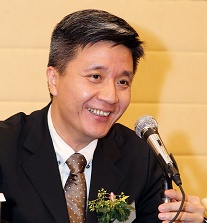 Patrick Ip (葉柏強)合作论文数Department of Paediatrics and Adolescent Medicine,The University of Hong Kong49
 Wilfred H S Wong合作论文数42
 Rosa S Wong合作论文数Pokfulam, Univ Hong Kong32
 Keith Tsz Suen Tung合作论文数31
 Ian C. K. Wong (黃志基)合作论文数Centre for Safe Medication Practice and Research, Department of Pharmacology and Pharmacy, LKS Faculty of Medicine, The University of Hong Kong;School of Pharmacy, University College London;Aston Pharmacy School, College of Health and Life Sciences, Aston University25
 Frederick Ho合作论文数School of Health & Wellbeing, University of Glasgow23
 Gilbert T. Chua合作论文数LKS Faculty of Medicine, University of Hong Kong22
 Ko Ling Chan合作论文数Dept Appl Social Sci, Hong Kong Polytech Univ20
 Jason C.S. Yam (任卓升)合作论文数Department of Ophthalmology and Visual Sciences, Faculty of Medicine, The Chinese University of Hong Kong17
 Nirmala Rao (劉麗薇)合作论文数Faculty of Education, The University of Hong Kong15
 Yu Lung Lau (劉宇隆)合作论文数Department of Paediatrics and Adolescent Medicine, School of Clinical Medicine, LKS Faculty of Medicine, The University of Hong Kong15
 Tatia Mei-Chun Lee (李湄珍)合作论文数Department of Psychology, Faculty of Social Sciences, The University of Hong Kong12Ka Man Yip合作论文数10
 Hk So合作论文数10
 King-wa Fu合作论文数Journalism and Media Studies Centre, Faculty of Social Science, The University of Hong Kong10Kwan Mike Yat Wah合作论文数10Lok Kan Leung合作论文数9Yuliang Wang合作论文数9
 Chun Bong Chow (周鎮邦)合作论文数Department of Paediatrics, Princess Margaret Hospital;Department of Paediatrics, The University of Hong Kong;Hospital Authority Infectious Disease Centre, Princess Margaret Hospital9
 Godfrey Chi-Fung Chan (陳志峰)合作论文数Department of Paediatrics and Adolescent Medicine, Li Ka Shing Faculty of Medicine, The University of Hong Kong9Mike YW Kwan合作论文数8
 Ho Marco Hok Kung (何學工)合作论文数Department of Paediatrics and Adolescent Medicine,The University of Hong Kong8So-Lun Lee合作论文数8
 Xue Li合作论文数Department of Medicine, Faculty of Engineering, The University of Hong Kong7
 Tam, Kwong Hang Paul (谭广亨)合作论文数Department of Surgery, Li Ka Shing Faculty of Medicine, The University of Hong Kong;Lincoln College, University of Oxford7
 Daniel Leung合作论文数Dept Paediat & Adolescent Med, Univ Hong Kong6
 Chan Hoi Shan Sophelia (陳凱珊)合作论文数Department of Paediatrics and Adolescent Medicine, Li Ka Shing Faculty of Medicine, The University of Hong Kong6
 Celine Sze Ling Chui合作论文数School of Nursing, Li Ka Shing Faculty of Medicine, The University of Hong Kong6
 Wing Leung合作论文数University of Tennessee;Department of Bone Marrow Transplantation and Cellular Therapy, St. Jude Children’s Research Hospital6
 Anthony Pak-yin Liu (廖栢賢)合作论文数Department of Paediatrics and Adolescent Medicine,The University of Hong Kong6Hing Wai Tsang合作论文数5Patrick Lp合作论文数5Matthew S P Ho合作论文数5
 Jaime S Rose Duque (陸俊文)合作论文数Department of Paediatrics and Adolescent Medicine, Li Ka Shing Faculty of Medicine, The University of Hong Kong5
 Fan Jiang (江帆)合作论文数MOE-Shanghai Key Laboratory of Children's Environmental Health, Xinhua Hospital Affiliated to Shanghai Jiao Tong University School of Medicine5
 Godfrey Chi-fung CHAN (陳志峯)合作论文数Department of Paediatrics and Adolescent Medicine,The University of Hong Kong5
 Daniel Fong (方以德)合作论文数School of Nursing, The University of Hong Kong5
 Joseph Sriyal Malik Peiris (裴偉士)合作论文数School of Public Health, Li Ka Shing Faculty of Medicine, University of Hong Kong5Joshua Sung Chih Wong合作论文数4
 Xiaoli Xiong (熊晓犁)合作论文数Guangzhou Institute of Biomedicine and Health, Chinese Academy of Sciences;University of Chinese Academy of Sciences4Camilla K M Lo合作论文数4Daniel K. L. Cheuk合作论文数4
 Terry Y.S. Lum (林一星)合作论文数Department of Social Work and Social Administration, Faculty of Social Science, The University of Hong Kong;Sau Po Centre on Ageing, Faculty of Social Sciences, The University of Hong Kong4
 Brian Hon-Yin Chung (鍾侃言)合作论文数Department of Paediatrics and Adolescent Medicine, Li Ka Shing Faculty of Medicine, The University of Hong Kong4
 Kai Wang Kelvin To (杜啟泓)合作论文数Department of Microbiology, School of Clinical Medicine, Li Ka Shing Faculty of Medicine, The University of Hong Kong4Tao Victoria Qinchen合作论文数4Lobo Louie合作论文数4Kelvin K. H. Kwan合作论文数3




