Background: HALP and modified-HALP (m-HALP) scores are novel indices combining albumin, hemoglobin, platelets, and lymphocytes, reflecting systemic inflammation and the physiological well-being of an individual. These scores provide information about a patient's prognosis. Objectives: In this study, we examined the prognostic effectiveness of HALP and m-HALP scores in patients with acute bronchiolitis for the first time. Method: This retrospective cross-sectional study, which was conducted at the Department of Pediatrics, Balikesir Ataturk City Hospital, Turkey, between January 2021 and January 2023, focused on children over 2 years of age diagnosed with acute bronchiolitis. Children who did not provide all necessary laboratory tests, were transferred to another center, or had comorbidities were excluded. HALP and m-HALP scores were calculated based on data obtained from patients' blood samples, including albumin, hemoglobin, platelet, and lymphocyte counts. The primary outcome was defined by the necessity for admission to the intensive care unit (ICU). Secondary outcome measures included the need for intubation and the patients' clinical course. Results: A total of 344 pediatric patients were included in the study. The mean age of the patients was 13.17 +/- 9.28 months (range: 1- 24 months). Of the participants, 40.9% were male, and 43.31% required hospitalization in the ICU. Statistically significant differences were observed in albumin, lymphocyte count, NLR, PLR, HALP, and m-HALP values when comparing patients based on service and ICU hospitalization. HALP and m-HALP scores were effective parameters for differentiating the need for ICU admission, the need for intubation, and the severity of bronchiolitis in pediatric patients. Receiver operating characteristic (ROC) curve analysis was performed to assess the diagnostic performance of HALP and m-HALP in predicting the need for ICU hospitalization. The optimal cut-off values were 50.54 and 7645023, respectively, and the area under the curve (AUC) values were 0.605 (95% CI: 0.544- 0.667) and 0.631 (95% CI: 0.571- 0.690), respectively. The sensitivity and specificity of the HALP score were 0.54 and 0.67, respectively, while the sensitivity and specificity of the m-HALP score were 0.57 and 0.69, respectively. Conclusions: HALP and m-HALP scores are effective parameters for predicting poor prognosis in patients with bronchiolitis and may be useful for clinicians in patient follow-up and prognosis prediction.
Aim:TAPSE and pPTT are new echocardiographic parameters recommended in the evaluation of right ventricular function. Examine the echocardiographic parameters of patients diagnosed with acute pulmonary thromboembolism and determine the predictive of mortality.Materials and Methods:The study was prospectively. Patients diagnosed with pulmonary thromboembolism (PTE) in the emergency department between 06.12.2019-31.05.2020 were included [86 patients (42 case - 44 control)] in the study.Results:pPTT mean scores of the case and control groups were 91.88 ms and 127,09 ms (p<0.001). Also, the TAPSE mean scores were 1.76 mm and 2.60 mm for the case and control groups (p<0.001). In terms of sPESI, eight patients (19%) were determined to be at low risk in the case group. On the other hand, of the 34 patients (81%) in the case group determined to be at high risk, In the first 30 days after diagnosis, mortality developed in two patients (4.7%) in the case group. In the control group, the sPESI score of all participants was determined as low risk and no mortality developed (p<0.001). pPTT parameter was observed to be not at statistically significant levels to determine the predictive of mortality [area under the curve (AUC): 0.194, p=0.07]. TAPSE parameter was observed to reach statistically significant levels of distinctive markers to determine the predictive of mortality (AUC: 0.171, p=0.05).Conclusion:We recommend the determination of pPTT and TAPSE with acute PTE patients in emergency departments to predict mortality indicators and pulmonary pressure changes in the early period.
OBJECTIVE:To investigate the relationship between the HALP score (haemoglobin, albumin, lymphocyte, and platelet), the modified HALP (m-HALP) score, and prognosis in patients presenting to the emergency department (ED) with acute heart failure (AHF).STUDY DESIGN:A Descriptive study.PLACE AND DURATION OF STUDY:The Emergency Department of Balikesir University Hospital, Turkey, between January 2019 and September 2021.METHODOLOGY:Patients diagnosed with AHF were divided into two groups, namely survivors and non-survivors. Both groups were compared in terms of HALP, m-HALP, PLT, NLR and PLR values ROC curve analysis was performed to evaluate their diagnostic performances in discriminating between one-week and three-month mortality. Youden J index was used to obtain the optimal cut-off value.RESULTS:The mean age of 101 patients included in the study was 73.15±10.19 years, with 51.5% (n=52) females, and 48.5% (n=49) males. The 1-week and 3-month mortality rates were 11.9% and 38.6%, respectively. For 1-week (p=0.018) and 3-month (p=0.006) mortality, platelet was significantly higher in the survivor group than in the non-survivor group. The m-HALP score and the NLR were found to be good predictors for 3-month mortality (p=0.002 and 0.016 respectively). The optimal cut-off values of m-HALP score, the platelet, and the NLR in predicting 3-month mortality were found as ≤1081723.5, ≤217, and >8.4. The area under curve (AUC) values were found as 0.687, 0.663, and 0.643, respectively. The sensitivity of the m-HALP score, the platelet, and the NLR were 76.92, 66.67, and 46.15, and the specificity values were 56.45, 67.74, and 79.03, respectively.CONCLUSION:The m-HALP score was found to be a potential independent prognostic index for patients with AHF. The classical HALP score was not adequate to predict early and late prognosis. In addition, thrombocytopenia and increased NLR were associated with increased mortality in patients with AHF.KEY WORDS:Acute heart failure (AHF), HALP score, m-HALP score, Neutrophil lymphocyte ratio (NLR), Platelet lymphocyte ratio (PLR), Platelet (PLT).
OBJECTIVE To determine whether lactate dehydrogenase (LDH), platelet-lymphocyte ratio (PLR), neutrophil-lymphocyte ratio (NLR), and lymphocyte-monocyte ratio (LMR) values can be used as a prediction for their relationship with stroke volume (SV) and for in-hospital mortality in stroke patients in Emergency Department (ED). STUDY DESIGN Analytical study. PLACE AND DURATION OF STUDY Balikesir University, Turkey from 24/03/2021 to 30/06/2021. METHODOLOGY Patients aged 18 years or older, diagnosed with stroke in ED, were included in the study. Stroke volumes were calculated from diffusion-weighted images (DWi) with 3D slicer software using image-based semi-automatic and manual segmentation methods. RESULTS Of the 265 patients, 128 (48.3%) were males. SV was significantly higher in the non-survivor group than in the survivor group (p=0.007). NLR was significantly higher in the non-survivor group than in the survivor group (p=0.018). CONCLUSION The ratios of NLR and SV stand out as practical parameters for the estimation of mortality, prognosis, and management of patients diagnosed with acute stroke. Taking into account, these parameters in the diagnosis process and prognosis management in EDs will provide convenience. Key Words: Ischemia, NLR, Stroke volume, Cerebrovasular accident, Prognosis.
Aim: This study aimed to determine the most appropriate scoring system for the emergency department to facilitate the management of patients with gastrointestinal bleeding. Materials and Methods: Data were collected prospectively September’21-March’22 period in the emergency department. A total of 117 adult patients with GI bleeding were included. Composite clinical outcomes consisted of a need for surgical or endoscopic intervention, rebleeding, intensive care unit admission, or in-hospital mortality. Results: The median age of patients was 75 years and 58.1% (n=68) of them were male. Of the patients, 21 were hospitalized in the intensive care unit and 85 in the ward (17.94-72.64%). All three scoring systems can determine the hospitalization place or discharge of patients with GI bleeding. A positive and significant correlation was found between Glasgow-Blatchford and AIMS-65 and length of hospitalization (p
Objective: The HALP Score, which is a combination of hemoglobin, albumin, lymphocytes, and platelets, is a new index that shows nutritional status and systemic inflammation, provides information about patient prognosis. In this study, we aimed to investigate the relationship of HALP score, platelet-lymphocyte ratio (PLR), neutrophil-lymphocyte ratio (NLR) and with poor prognosis in intensive care patients. Material and Method: Our study was designed retrospectively on patients admitted from the emergency department (ED) to the intensive care unit (ICU). HALP scores, PLR and NLR values were calculated from the hemoglobin, albumin, lymphocyte, platelet and neutrophil values taken from the patients within 24 hours. One-week and three-month mortality were determined as poor outcomes. The relationship between results and poor outcomes was investigated. Results: A total of 250 patients were included in the study. The median age of the patients was 72.5%, and 43.6% (n=109) were female. When the variables between survivors and non-survivors were compared, NLR was found to be significantly higher in non-survivors. In addition, there was a significant difference between the two groups in terms of both one-week and three-month mortality regarding age, albumin, lymphocyte, and thrombocyte values. When we analyzed the diagnostic performances of HALP Score, NLR, and PLR for one-week and three-month mortality, only NLR showed significant diagnostic performance. The optimal cut-off point for NLR for both one-week and three-month mortality was 8.22 (for one-week mortality: AUC=0.598, p=0.007; for three-month mortality: AUC=0.592, p=0.011). Conclusion: It was observed that the HALP score was not an effective parameter in predicting prognosis in intensive care patients. It is thought that NLR has a significant relationship with one-week and three-month mortality and can be used as an effective parameter in the prediction of prognosis in intensive care patients.
Kore-ballismus nonketotik hipergliseminin nadir görülen bir komplikasyonu olarak tip 2 diyabetli hastalarda görülebilir. Kan şekeri regülasyonu sonrası acil servise sağ kolda istem dışı hareketler ile gelen ve yapılan tetkiklerinde hiperglisemiye sekonder hemikore-hemiballismus geliştiği tespit edilen bir hastayı literatürde nadir rastlandığı için sunduk ve patofizyolojide sorumlu mekanizmaları inceledik.
Giriş: 3. Basamak Acil Servisimize ambulans ile getirilen hastaların demografik, klinik özelliklerini ve konsültasyon sürecini değerlendirmeyi amaçladık. Materyal ve metod: Acil servisin (AS) hasta kabulüne başladığı ilk günden itibaren bir yıllık süreçte ambulans ile başvuran erişkin hastaların ön tanıları, demografik özellikleri, klinik işlemleri ambulans sevk formlarından ve hastane bilgisayar sisteminden retrospektif olarak incelendi. Bulgular: 1 Şubat 2019 - 31 Ocak 2020 tarihleri arasındaki bir yıllık süreçte AS’e ambulans ile toplam 1582 erişkin hasta başvurmuş olup bu sayı aynı dönem içerisinde başvuruların %10,9’unu oluşturmaktadır. Başvuruların %56,5’i erkek olup, yaş ortalaması 61,8±20,2 yıl saptandı. Hastalar yaş gruplarına göre sınıflandırıldığında; %16,7’sinin 18-40 yaş arası, %30,9’unun 40-65 yaş arası, % 52,3’ünün ise 65 yaş üzeri olduğu saptanmıştır. En sık ambulans başvurusunun 12:00-18:00 saatlerinde (%36,7) ve çarşamba günü (%16,1) olduğu tespit edildi. Hastaların %12,7’si (n=201) adli vaka olarak değerlendirildi. Adli vakaların %75’ini erkek hastalar oluşturmaktadır (p
Abstract Aim We aimed to determine the predictive value of laboratory parameters for the distinction between urolithiasis (UL) and renal infarction (RI) in patients presenting to the emergency department with flank pain complaint. Methods In our retrospective study, the files of 73 patients who presented to the emergency department (ED) with flank pain and whose costovertebral angle tenderness was positive were reviewed. Routine blood tests and the results of contrast-enhanced abdominal computed tomography were obtained. The patients were divided into two groups as RI and UL according to the results of computed tomography. Accordingly, 8 patients were found to have RI, and 65 had UL. Results LDH and PLR values were significantly higher in the RI group compared to the UL group (p
Aim: Compare the emergency department (ED) use characteristics of old and new refugees and the local people and to investigate whether it brings a different financial burden on the economy of the country. Materials and Methods: Syrian, Afghan, and Turkish patients who presented to the emergency department between January 1, 2016, and December 31, 2019, were randomly assigned to groups of 1000 people. The data were analyzed retrospectively. Results: Syrian patients presented to the ED with simpler etiologies 1.573 times more (Triage 4-5) compared to Turkish patients (p=0.009). The rate of visits by females was higher in those with triage1-2-3 than those with triage 4-5 (p=0.001). There was no difference between during-working-hours or outside-working-hours visits of those with triage 1-2-3. The average per capita cost of Turkish patients was found to be 109.60±73.36 Turkish Liras (TL), while it was between 96.20±35.61 and 95.24±28.24 TL for Syrian and Afghan patients. No difference was found in terms of per capita costs between nationalities (p=0.766). Conclusion: Refugees should be trained about the health system after they are admitted to the country, health literacy training programs should be planned for individuals in society from a young age, primary healthcare services should be used more effectively.
Amaç: Eski ve yeni göçmenler ile yerli halkın Acil servis kullanım özelliklerini karşılaştırarak ülke ekonomisine farklı bir mali yük getirip getirmediğini incelemektir. Materyal-Metod: 01.01.2016- 31.12.2019 arasında Acil Servise başvuran Suriyeli, Afgan ve Türk hastalar rastgele örnekleme yoluyla 1000’er kişilik gruplara ayrıldı. Veriler retrospektif olarak incelendi. Bulgular: Suriyeli hastalar Türk hastalara kıyasla AS’e 1.573 kat daha fazla daha basit etyolojiler (Triaj 4-5) ile başvurmakta olduğu görülmüştür (p=0.009). Triajı 1-2-3 olanlarda kadın başvuru oranının Triajı 4-5 olanlara kıyasla daha yüksek olduğu saptanmıştır (p=0.001). Triaj 1-2-3 olanların mesai içi veya dışı başvuruları arasında farklılık saptanmamıştır. Türk hastaların ortalama kişi başı maliyeti 109,60±73,36 TL olarak saptanmıştır. Suriyeli ve Afgan hastaların ortalama kişi başı maliyeti 96,20±35,61 – 95,24±28,24 TL olarak saptanmıştır. Uyruklar arasında kişi başı maliyetleri karşılaştırıldığında fark saptanmamıştır (p=0.766). Sonuç: Mülteciler ülkeye kabul edildikten sonra sağlık sistemi hakkında eğitim verilmesi, daha küçük yaşlardan itibaren topluma sağlık okuryazarlığı eğitimleri planlaması, birinci basamak sağlık hizmetlerinin daha etkili kullanılmasının sağlanması uygun olacaktır.
Kadinlarda uretral karunkul sik gozlenen benign bir lezyondur. Bu lezyonlarin buyuk bir bolumu 1 cm altinda olup asemptomatik seyretmektedir. Bu olgu sunumunda akut uriner retansiyon ile acil departmanina basvuran ve uretral karunkul tanisi konulan 39 yasindaki kadin hastanin literatur bilgileri altinda tartisilmasi amaclanmistir.
Aim: Dyspnea can be a symptom of many diseases. Pulmonary thromboembolism (PTE) is the most important one of these conditions. It can occur together with COPD and PTE, and their symptoms may mask each other. Identify the relationship between d-dimer levels of patients diagnosed with COPD exacerbation; is to determine the cut-off value in case of connection. It is aimed to guide clinicians in their patient management according to the results. Materials and Methods: This study was conducted prospectively. Patient group was 49 patients presenting to the emergency department with exacerbation of COPD who have no comorbid disease such as malignancy, Diabetes Mellitus (DM), Chronic Hearth Failure (CHF); were over than 18 years old, non-pregnant; and with Glasgow Coma Scale (GCS) > 10 points and the control group consisted of 52 patients who presented to the emergency department with dyspnea who haven't got any diseases. Results: 65% of COPD patients are male. The most common comorbid disease was Hypertension (p <.05) in 7 patients (14,2%). Fibrinogen and d-dimer were higher in the patient group (p <.05). The D-dimer cut-off value in patients with COPD was 0.97 μg / ml (p<.05). Pulmonary thromboembolism was detected in 3 COPD attack patients (6%) (p <.05). During COPD exacerbation inflammatory markers such as C-reactive protein (CRP), D-dimer, fibrinogen increases. Conclusions: The incidence of PTE was significantly increased in patients with COPD exacerbation. PTE should be absolutely included in the differential diagnosis in patients presenting to the emergency department with dyspnea and necessary examinations should be performed for the retraction.
Objective: This study is unique as it examines biological materials brought to the emergency department. The purpose of this study was to investigate the reasons behind the presence of nonhuman biological material in the emergency department. Methods: The materials brought were photographed and a pre-prepared survey form was filled in following examination. Results: A total of 46 biological materials were brought to the emergency department within a 12-month period. Ticks were the most frequently brought material, and the most common reason for bringing them was to get the creature removed from the body. Situations in which the physician did not have knowledge about the material were more frequent among those that were neutral about being satisfied with the attitude of the physician towards the material brought, and satisfaction was higher in cases when the physician was knowledgeable, although this was not statistically significant. Conclusion: Physicians should not condemn biological materials brought into the department after exposure. If possible, they should try to gain more knowledge about them. If the material is not to be stored, once it is made sure that it is not dangerous, it should be disposed of in a medical waste bin. Physicians should be knowledgeable toward the frequency and the types of such agents in their region.
Objective The purpose of the present study was to evaluate the thickness of the peripapillary retinal nerve fiber layer (RNFL) and retinal ganglion cell-inner plexiform layer (GCIPL) in adult-onset familial Mediterranean fever (FMF). Methods Forty two adult-onset FMF patients and forty two healthy controls were included in the present study. Detailed ocular examination was performed, and then the thickness of the peripapillary RNFL and GCIPL was measured by Spectral domain optical coherence tomography. The patients were divided into two groups according to their disease severity score, M694V gene mutation, colchicine dosage used per day, colchicine usage time period and number of FMF attacks per year. Results There were no statistically significant differences in peripapillary RNFL and retinal GCIPL thickness in patients with adult-onset FMF and controls. Conclusion According to our study, it looks like that neither adult-onset FMF nor colchicine has any effect on the RNFL and GCIPL thicknesses. Further studies with a large sample size are needed.
OBJECTIVE:To assess the usability of lavender oil as an adjuvant in the medical treatment of pain due to renal stones.METHODS:One hundred patients age 19-64 years diagnosed with renal colic were included in the study. Group 1 (n=50) received standard medical therapy (diclofenac sodium, 75 mg intramuscularly); group 2 (n=50) received aromatherapy (lavender oil) in addition to the standard medical treatment. In both groups, the severity of the pain was graded between 0 (no pain) and 10 (severe pain) by using the visual analogue scale (VAS).RESULTS:The VAS values at the beginning and at 10 and 30 minutes in group 1 were 7.70±1.61, 5.02±2.20, and 2.89±1.96, respectively; in group 2, the values were 7.83±2.02, 4.42±2.46, and 2.20±1.74, respectively. The VAS values for the male patients in group 1 at the beginning and at 10 and 30 minutes were 7.61±1.47, 4.80±2.00, and 2.67±1.74; in the female patients, the values were 7.81±1.80, 5.40±2.41, and 3.72±1.94. For the male patients in group 2, the VAS values at the beginning and at 10 and 30 minutes were 8.25±2.01, 4.93±2.72, and 2.96±1.90, respectively; for the female patients, the values were 7.52±1.94, 4.15±1.95, and 1.21±0.91, respectively. Results are presented as mean±SD. Although there was no significant difference between the VAS values at the beginning and at 10 minutes in both groups, the VAS values at 30 minutes in the group receiving aromatherapy plus conventional treatment were statistically significantly low.CONCLUSION:These findings suggest that the use of aromatherapy, which is a nonpharmacologic treatment method, as an adjuvant to conventional treatment methods will help decrease pain, particularly in female patients.
Aim: There are many difficulties in providing palliative care in the emergency department (ED). However, emergency physicians have to be qualified in palliative care. The aim of this study was to describe the characteristics of palliative care patients admitted to the ED and to determine the current state of such patients in the ED. Materials and Methods: The study included 153 terminal-stage cancer patients who needed palliative care and were admitted to the ED over a period of a year. The demographic characteristics, complaints, time duration in the ED, and characteristics of multiple admissions to the ED were evaluated. Results: The mean age of the patients was 69±3 years and the male/female ratio was 1.3. The most common complaint was nausea-vomiting (37%), followed by pain (32%). Lung cancer was the most common cancer type. Furthermore, 47.7% of the patients had multiple admissions to the ED. The hospitalization rate decreased as the number of admissions increased. Conclusion: EDs play an important role in the management of palliative care patients. The importance of palliative care should be emphasized to increase emergency physicians’ knowledge, experience, and skills about providing proper care to these patients. (JAEM 2015; 14: 12-5)
The aim of this study was to investigate the effect of intravenous lipid emulsion (20% lipid solution) on serum pseudocholinesterase in an toxication model of diazinon. Organophosphate poisoning has a different importance for individuals those admitted to the emergency service due to poisoning. The most commonly used organic phosphorus compounds are diazinon, malathion, and parathion. Intravenous lipid emulsion (ILE) treatment is used as a new treatment method in systemic toxicity cases caused by local anesthetics. Twenty-one male Wistar albino rats, (weighing 180–200 g) were randomly divided into three equal groups. Group I was control, while Group II was diazinon and Group III was diazinon + lipid emulsion treatment. Only 1 ml corn oil was given by gavage to the rats in Group I. A diazinon dose of 335 mg/kg was given by gavage to the rats in Group II. In addition to diazinon, a 20% lipid solution (3 ml/kg) was administered via tail vein to the rats in Group III. At the end of the experimental period, blood samples were taken from animals, and serum pseudocholinesterase levels were measured. When the pseudocholinesterase levels were analyzed, no significant difference was found between diazinon and diazinon + lipid emulsion treatment groups. However, a significant difference was found between control and the others (p < 0.05). In our study, there was no positive effect of lipid treatment detected on serum pseudocholinesterase. Toxication models with lower doses can be designed in future studies.
Background and objective: The patients with tick bites may experience some emotional problems for suspicious of Crimean-Congo haemorrhagic fever (CCHF) due to its long incubation period. In the present study, it is aimed to determine the emotional conditions of patients after a tick bite with anxiety scales. Material and methods: A total of 41 patients who were admitted to the emergency department with a tick bite were included into the study. On the first and second arrival, the patients filled out the Beck Anxiety Inventory (BAI) and the State-Trait Anxiety Inventory (STAI) forms. In addition, Hamilton Anxiety Scale is administered. Finally a psychiatrist evaluated all anxiety scales and their statistical analyses were performed. Results: It is found that the anxiety of patients increase after tick bite and when they learn that the danger of developing CCHF ended, their emotional condition turns into normal levels. Conclusion: Emergency physicians should avoid frighten to patients providing information about CCHF after tick bite. They may also supply some options about psychological support.
 Mehmet Esen合作论文数9Murat Ayan合作论文数Faculty of Medicine, Gaziosmanpasa University8
 Nursah Basol合作论文数Faculty of Medicine, Gaziosmanpasa University8
 Salih Kocaoglu合作论文数Dept Emergency, Balikesir Univ7Tas Ufuk合作论文数4
 Semih Arici合作论文数3Ali Kablan合作论文数2ilyas koc合作论文数2asli yasemen cor合作论文数2Hasan Basri ÇETİNKAYA合作论文数Dept Emergency Med, Balikesir Univ2Sapmaz Hilal Irmak合作论文数2Karaman Tugba合作论文数2
 Dogan Atilgan合作论文数2Hasan Gümüşboğa合作论文数1
 Faik Alev Deresoy合作论文数1
 Mustafa Ozbek合作论文数1betul alatli合作论文数1
 Mustafa Bogan合作论文数1Söğüt Erkan合作论文数Faculty of Medicine, Gaziosmanpaşa University1
 Fazilet Duygu合作论文数Department of Infectious Disease and Clinic Microbiology, Tokat State Hospital1
 Ortak Hüseyin合作论文数Faculty of Medicine, Gaziosmanpaşa University1
 Durdane Aksoy合作论文数Faculty of Medicine, Gaziosmanpasa University1Cevik Betul合作论文数1Somuk Battal Tahsin合作论文数1GüneŞ Alper合作论文数1Alim Sait合作论文数1
 Demir Selim合作论文数Faculty of Medicine, Gaziosmanpasa University1
 Nagihan yıldız celtek合作论文数Faculty of Medicine, Gaziosmanpaşa University1Demir Ayşe Kevser合作论文数1Gökbakan Aziz Mehmet合作论文数1Kurt Semiha合作论文数1
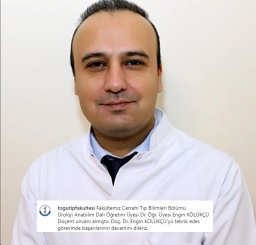 Kolukcu Engin合作论文数Medical Faculty, Gaziosmanpasa University1
 Mustafa Sabak合作论文数Department of Emergency Medicine, Gaziantep University School of Medicine1Suren Mustafa合作论文数1Dogru Serkan合作论文数1Oktay Mehmet Murat合作论文数1
 Fatih Sahin合作论文数1
 Murat Uysal合作论文数Division of Engineering, New York University Abu Dhabi;Hyperion Technologies1Helin Deniz Demir合作论文数1Emrah Akay合作论文数1




