Genome-wide phenotypic screens in the budding yeast Saccharomyces cerevisiae , enabled by its knockout collection, have produced the largest, richest, and most systematic phenotypic description of any organism. However, integrative analyses of this rich data source have been virtually impossible because of the lack of a central data repository and consistent metadata annotations. Here, we describe the aggregation, harmonization, and analysis of ~14,500 yeast knockout screens, which we call Yeast Phenome. Using this unique dataset, we characterized two unknown genes ( YHR045W and YGL117W ) and showed that tryptophan starvation is a by-product of many chemical treatments. Furthermore, we uncovered an exponential relationship between phenotypic similarity and intergenic distance, which suggests that gene positions in both yeast and human genomes are optimized for function.
The ability to switch a gene from off to on and monitor dynamic changes provides a powerful approach for probing gene function and elucidating causal regulatory relationships, including instances of feedback control. Here, we developed and characterized YETI (Yeast Estradiol strains with Titratable Induction), a collection in which 5,687 yeast genes are engineered for transcriptional inducibility with single-gene precision at their native loci and without plasmids. Each strain contains Synthetic Genetic Array (SGA) screening markers and a unique molecular barcode, enabling high-throughput yeast genetics. We characterized YETI using quantitative growth phenotyping and pooled BAR-seq screens, and we used a YETI allele to characterize the regulon of ROF1, showing that it is a transcriptional repressor. We observed that strains with inducible essential genes that have low native expression can often grow without inducer. Analysis of data from other eukaryotic and prokaryotic systems shows that low native expression is a critical variable that can bias promoter-perturbing screens, including CRISPRi. We engineered a second expression system, Z 3 EB42, that gives lower expression than Z 3 EV, a feature enabling both conditional activation and repression of lowly expressed essential genes that grow without inducer in the YETI library.
Single-cell transcriptome profiling of heterogeneous tissues can provide high-resolution windows into developmental dynamics and environmental responses, but its application to plants has been limited. Here, we used the high-throughput Drop-seq approach to profile >12,000 cells from Arabidopsis roots. This identified numerous distinct cell types, covering all major root tissues and developmental stages, and illuminated specific marker genes for these populations. In addition, we demonstrate the utility of this approach to study the impact of environmental conditions on developmental processes. Analysis of roots grown with or without sucrose supplementation uncovers changes in the relative frequencies of cell types in response to sucrose. Finally, we characterize the transcriptome changes that occur across endodermis development and identify nearly 800 genes with dynamic expression as this tissue differentiates. Collectively, we demonstrate that single-cell RNA-seq can be used to profile developmental processes in plants and show how they can be altered by external stimuli.
Plant xylem cells conduct water and mineral nutrients. Although most plant cells are totipotent, xylem cells are unusual and undergo terminal differentiation. Many genes regulating this process are well characterized, including the Vascular-related NAC Domain 7 (VND7), MYB46, and MYB83 transcription factors, which are proposed to act in interconnected feedforward loops (FFLs). Less is known regarding the molecular mechanisms underlying the terminal transition to xylem cell differentiation. Here, we generate whole-root and single-cell data, which demonstrate that VND7 initiates sharp switching of root cells to xylem cell identity. Based on these data, we identified 4 candidate VND7 downstream target genes capable of generating this switch. Although MYB46 responds to VND7 induction, it is not among these targets. This system provides an important model to study the emergent properties that may give rise to totipotency relative to terminal differentiation and reveals xylem cell subtypes.
Plant secondary cell walls constitute the majority of plant biomass. They are predominantly found in xylem cells, which are derived from vascular initials during vascularization. Little is known about these processes in grass species despite their emerging importance as biomass feedstocks. The targeted biofuel crop Sorghum bicolor has a sequenced and well-annotated genome, making it an ideal monocot model for addressing vascularization and biomass deposition. Here we generated tissue-specific transcriptome and DNA methylome data from sorghum shoots, roots and developing root vascular and nonvascular tissues. Many genes associated with vascular development in other species show enriched expression in developing vasculature. However, several transcription factor families varied in vascular expression in sorghum compared with Arabidopsis and maize. Furthermore, differential expression of genes associated with DNA methylation were identified between vascular and nonvascular tissues, implying that changes in DNA methylation are a feature of sorghum root vascularization, which we confirmed using tissue-specific DNA methylome data. Roots treated with a DNA methylation inhibitor also showed a significant decrease in root length. Tissues and organs can be discriminated based on their genomic methylation patterns and methylation context. Consequently, tissue-specific changes in DNA methylation are part of the normal developmental process.
Citation for published item: de Lucas, Miguel and Pu, Li and Turco, Gina Marie and Gaudinier, Allie and Marao, Ana Karina and Hiroshima, Hirofumi and Kim, Dahae and Ron, Mily and Sugimoto, Keiko and Roudier, Francois M. and Brady, Siobhan M. (2016) 'Transcriptional regulation of Arabidopsis Polycomb Repressive Complex 2 coordinates cell type proliferation and di erentiation.', Plant cell., 28 (10). pp. 2616-2631.
Spatiotemporal regulation of transcription is fine-tuned at multiple levels, including chromatin compaction. Polycomb Repressive Complex 2 (PRC2) catalyzes the trimethylation of Histone 3 at lysine 27 (H3K27me3), which is the hallmark of a repressive chromatin state. Multiple PRC2 complexes have been reported in Arabidopsis thaliana to control the expression of genes involved in developmental transitions and maintenance of organ identity. Here, we show that PRC2 member genes display complex spatiotemporal gene expression patterns and function in root meristem and vascular cell proliferation and specification. Furthermore, PRC2 gene expression patterns correspond with vascular and nonvascular tissue-specific H3K27me3-marked genes. This tissue-specific repression via H3K27me3 regulates the balance between cell proliferation and differentiation. Using enhanced yeast one-hybrid analysis, upstream regulators of the PRC2 member genes are identified, and genetic analysis demonstrates that transcriptional regulation of some PRC2 genes plays an important role in determining PRC2 spatiotemporal activity within a developing organ.
Tissue-specific gene expression is often thought to arise from spatially restricted transcriptional cascades. However, it is unclear how expression is established at the top of these cascades in the absence of pre-existing specificity. We generated a transcriptional network to explore how transcription factor expression is established in the Arabidopsis thaliana root ground tissue. Regulators of the SHORTROOT-SCARECROW transcriptional cascade were validated in planta. At the top of this cascade, we identified both activators and repressors of SHORTROOT. The aggregate spatial expression of these regulators is not sufficient to predict transcriptional specificity. Instead, modeling, transcriptional reporters, and synthetic promoters support a mechanism whereby expression at the top of the SHORTROOT-SCARECROW cascade is established through opposing activities of activators and repressors.
During lactation, profound changes occur in the mammary gland and thousands of genes undergo differential regulation. RNA‐seq data analysis reveals a tiny minority of milk genes account for the vast majority of total gene expression. This striking imbalance in transcript abundances poses a significant problem for data analysis, e.g. low abundance genes may be incorrectly identified as downregulated. To tackle this problem, we developed a ‘Dilution Adjustment Model’ which more accurately classifies changes in levels of low abundance transcripts between transcriptomes at two developmental stages (baseline and mature lactation). Applying this model to human and bovine milk data led us to reclassify 2,155 human (971 bovine) genes as ‘upregulated’ instead of ‘not differentially expressed’ and 2,524 human (1,732 bovine) as ‘unregulated’ instead of ‘downregulated’. Changes in gene classification were supported by analysis of Gene Ontology and TFBS enrichment profiles. Investigation of ChIP‐Seq data showed genes reclassified as ‘upregulated’ exhibit signs of active transcription and reclassified ‘unregulated’ genes match marks of others in this set. This work leads to a better understanding of transcription mechanisms in milk production. Application of this model to other biological systems is relevant where transcripts from a minority of genes dominate transcriptome composition.Grant Funding Source: K.B was supported by Grant Number T32‐GM008799 from NIGMS‐NIH
Citation for published item: de Lucas, Miguel and Pu, Li and Turco, Gina Marie and Gaudinier, Allie and Marao, Ana Karina and Hiroshima, Hirofumi and Kim, Dahae and Ron, Mily and Sugimoto, Keiko and Roudier, Francois M. and Brady, Siobhan M. (2016) 'Transcriptional regulation of Arabidopsis Polycomb Repressive Complex 2 coordinates cell type proliferation and di erentiation.', Plant cell., 28 (10). pp. 2616-2631.
The plant cell wall is an important factor for determining cell shape, function and response to the environment. Secondary cell walls, such as those found in xylem, are composed of cellulose, hemicelluloses and lignin and account for the bulk of plant biomass. The coordination between transcriptional regulation of synthesis for each polymer is complex and vital to cell function. A regulatory hierarchy of developmental switches has been proposed, although the full complement of regulators remains unknown. Here we present a protein-DNA network between Arabidopsis thaliana transcription factors and secondary cell wall metabolic genes with gene expression regulated by a series of feed-forward loops. This model allowed us to develop and validate new hypotheses about secondary wall gene regulation under abiotic stress. Distinct stresses are able to perturb targeted genes to potentially promote functional adaptation. These interactions will serve as a foundation for understanding the regulation of a complex, integral plant component.
Conserved non-coding sequences (CNS) are islands of non-coding sequence that, like protein coding exons, show less divergence in sequence between related species than functionless DNA. Several CNSs have been demonstrated experimentally to function as cis-regulatory regions. However, the specific functions of most CNSs remain unknown. Previous searches for CNS in plants have either anchored on exons and only identified nearby sequences or required years of painstaking manual annotation. Here we present an open source tool that can accurately identify CNSs between any two related species with sequenced genomes, including both those immediately adjacent to exons and distal sequences separated by >12 kb of non-coding sequence. We have used this tool to characterize new motifs, associate CNSs with additional functions, and identify previously undetected genes encoding RNA and protein in the genomes of five grass species. We provide a list of 15,363 orthologous CNSs conserved across all grasses tested. We were also able to identify regulatory sequences present in the common ancestor of grasses that have been lost in one or more extant grass lineages. Lists of orthologous gene pairs and associated CNSs are provided for reference inbred lines of arabidopsis, Japonica rice, foxtail millet, sorghum, brachypodium, and maize.
These datasets describe the locations of conserved noncoding sequences identified in comparisons between orthologous genes in multiple plant species as well as comparisons between duplicated genes within a single species.
Unlike in mammals, plants rapidly delete functionless, nonrepetitive DNA from their genomes. Following paleopolyploidies, duplicate genes are deleted by intrachromosomal recombination. This may explain how flowering plants have survived multiple whole genome duplications. Genes are disproportionately lost from one parental subgenome, the subgenome that is less expressed in the polyploid. The origin of this unbalanced expression between genomes remains unknown. The consequences of the tradeoffs between transposon repression and gene expression represent one potential explanation of genome dominance. If so, the same mechanisms may act in heterosis: genome dominance is like inbreeding depression. Regulatory DNA deletion following polyploidy combined with abundant RNA-seq expression datasets are being used to generate testable hypothesizes regarding the function of specific cis-regulatory sequences.
The steroid and xenobiotic receptor (SXR) is a broad-specificity nuclear hormone receptor that is highly expressed in the liver and intestine, where its primary function is to regulate drug and xenobiotic metabolism. SXR is expressed at lower levels in other tissues, where little is known about its physiological functions. We previously linked SXR with immunity and inflammation by showing that SXR antagonizes the activity of nuclear factor (NF)-kappa B in vitro and in vivo. SXR-/- mice demonstrate aberrantly high NF-kappa B activity and overexpression of NF-kappa B target genes. Here we show that SXR-/- mice develop B cell lymphoma in an age-dependent manner. SXR-/- mice develop multiple hyperplastic lymphoid foci composed of B-1a cells in the intestine, spleen, lymph nodes, peritoneal cavity, and blood. In all circumstances, these lymphocytes possess cell surface and molecular characteristics of either chronic lymphocytic leukemia or non-Hodgkin's lymphoma originating from B-1 lymphocytes. These results demonstrate a novel and unsuspected role for SXR signaling in the B-1 cell compartment, establish SXR as a tumor suppressor in B-1 cells, and may provide a link between metabolism of xenobiotic compounds and lymphomagenesis. (Molecular Endocrinology 25: 933-943, 2011)
 Siobhan M. Brady合作论文数Brady Lab, Department of Plant Biology, College of Biological Sciences, University of California, Davis;Genome Center, College of Biological Sciences, University of California, Davis7
 Miguel De Lucas Torres合作论文数Department of Biosciences, Durham University4
 Gaudinier Allison合作论文数Dept Plant Biol, Univ Calif Davis4
 James Schnable合作论文数Department of Agronomy & Horticulture, University of Nebraska-Lincoln3
 Ron Mily合作论文数and Genome Center, University of California, Davis;Center for Plant Cell Biology, University of California;Department of Biology, Emory University;Department of Integrated Genetics, National Institute of Genetics;Department of Plant Sciences, University of Cambridge;University of California, Davis, University of Cambridge3
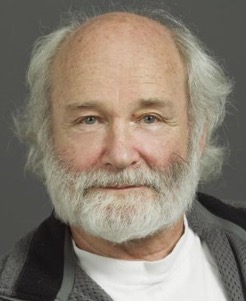 Michael R. Freeling合作论文数Department of Plant and Microbial Biology, College of Natural Resources, University of California, Berkeley3
 Francois Roudier合作论文数Institut des Sciences Végétales, Centre Nationale de la Recherche Scientifique (CNRS),3
 Hirofumi Harashima合作论文数3
 Keiko Sugimoto合作论文数3Griffin Kim合作论文数2
 Li Pu (普莉)合作论文数中国农业科学院生物技术研究所2
 Stoops Emily H合作论文数Department of Cellular &School of Medicine, Yale University;School of Medicine, Yale University2
 Christine Shulse合作论文数Division of Biological Sciences, University of California San Diego2Kim Dahae合作论文数2
 Wang Rebecca Y合作论文数Science and Technology Center, Tufts University2Cole Benjamin J合作论文数Molecular and Computational Biology Section, University of Southern California2
 Diane E. Dickel合作论文数Department of Genome Sciences, University of Washington2
 David Botstein合作论文数Lewis-Sigler Institute for Integrative Genomics, Princeton University;Department of Molecular Biology, Princeton University2Brent S. Pedersen合作论文数2
 Anastasia Baryshnikova合作论文数The Donnelly Centre, University of Toronto2SP Hazen合作论文数1
 Jessica Hennacy合作论文数1Nathaniel H. Thayer合作论文数1Yuko Arita合作论文数1
 Ana Karina Morao合作论文数1Dale Climie合作论文数1Barbara Waring合作论文数1Fan Kang合作论文数1Li Pu合作论文数1Mona Gouran合作论文数1
 Miguel A Valderrama-Gómez合作论文数Current affiliation: Digital Integration & Predictive Technologies, Amgen Inc.1Mike T Veling合作论文数Department of Systems Biology, Harvard Medical School1Hannah Vahldick合作论文数1Peter Etchells合作论文数1Doina Ciobanu合作论文数1
 Junyan Lin合作论文数Lawrence Berkeley Natl Lab, Joint Genome Inst1Athanasios Tsoukalas合作论文数New York Univ Abu Dhabi1Yuko Yoshinaga合作论文数Joint Genome Inst, Dept Energy, Walnut Creek, CA 94598 USA1Manuel Hotz合作论文数Calico Life Sciences LLC1Jessica Foret合作论文数1Brianna Richardson合作论文数University of Florida – Gainesville, USA1
 Jingyuan Zhang合作论文数1Zhijian Li合作论文数1Lifang Zhang合作论文数Cold Spring Harbor Lab, Cold Spring Harbor, NY 11724 USA1
 Markus Pauly合作论文数Institut Plant Cell and Biotechnology, Heinrich-Heine-Universität Düsseldorf1Christie Chang合作论文数Icahn Sch Med Mt Sinai, Precis Immunol Inst, New York, NY 10029 USA1
 Kristen Beck合作论文数1Margaret R Woodhouse合作论文数USDA ARS, Corn Insects & Crop Genet Res Unit, Ames, IA 50011 USA1Joel Rodriguez-Medina合作论文数Integrat Genet & Genom Grad Grp, Univ Calif Davis1




