In November 2024, a highly divergent BA.3-related severe acute respiratory syndrome coronavirus 2 (SARS-CoV-2) lineage, designated BA.3.2, was detected in South Africa, marking the first appearance of a BA.3-derived lineage in over 2 years. Phylogenetic reconstruction places BA.3.2 on an extended branch descending from ancestral BA.3, with no intermediate genomes detected, consistent with a prolonged period of unsampled or isolated evolution. Molecular clock analyses indicate accelerated divergence characteristic of a saltation event, whilst phylogeographic and demographic analyses point to a southern African origin followed by multiple independent exportations and evidence of ongoing global transmission. Relative to ancestral BA.3, BA.3.2 harbours 39 amino acid substitutions in the spike glycoprotein, two N-terminal domain deletions (Δ136-147 and Δ243-244), a four-residue insertion (ins214:ASDT), and a large deletion spanning ORF7a, ORF7b, and ORF8. The co-occurrence of D405N and R408S implies epistasis between these sites, whilst reversions R493Q and H505Y likely enhance ACE2 binding and antibody escape. Extensive remodelling across the spike, including loss of the C15-C136 disulphide bond and substitutions in the SD1 and SD2 domains, may influence spike stability, cleavage, and fusogenicity. The emergence and continued circulation of BA.3.2 underscores the ongoing potential for highly divergent SARS-CoV-2 variants to arise and spread globally. Despite its limited prevalence, the persistence of BA.3.2 alongside dominant lineages, together with evidence of more recent expansion, indicate that this lineage retains the potential to become of epidemiological concern under favourable conditions.
Abstract Objectives Immunocompromised hosts have reduced immune responses to COVID‐19 vaccination, and more severe disease. Antibody responses correlate with protection but markers of immunity vary across a spectrum of immunocompromise. We compared serologic and cellular responses following Ancestral COVID‐19 vaccines in healthy controls (HC), people with HIV (PWH) and lung transplant (LTx) recipients. Methods Anti‐spike receptor binding domain (RBD) IgG, neutralising antibodies (nAb) and T‐cell responses were assessed one‐month post‐dose 2 and dose 3 of Ancestral COVID‐19 vaccination in HC, PWH and LTx. NAb responses to Ancestral, Delta and Omicron BA.2 and BA.5 variants were assessed. Results Twenty‐nine HC, 21 PWH and 12 LTx recipients were included. PWH demonstrated lower anti‐RBD‐IgG responses (median post‐dose 3: 80.3 μg mL−1 vs 43.3 μg mL−1, P = 0.03) to mRNA COVID‐19 vaccination than HC, while LTx recipients displayed diminished responses following any vaccine (15.3 μg mL−1 vs 74.0 μg mL−1, P = 0.01). Dose 3 increased anti‐RBD‐IgG concentrations and nAb responses in HC and PWH, though Omicron variant neutralisation was attenuated. LTx recipients mounted limited nAb responses. PWH and HC had no difference in nAb responses for Ancestral (median 1738 vs 486.2, P > 0.99) or BA.5 variants (median 34.0 vs 67.9, P > 0.99). Compared with HC, PWH and LTx demonstrated reduced frequencies of SARS‐CoV‐2‐specific memory T cells and a reduced functional memory T‐cell response in LTx. Conclusion Although Dose 3 was beneficial, LTx recipients demonstrated lower serological responses than HC, while reductions were modest in PWH. Immunocompromised groups had reduced but detectable SARS‐CoV‐2‐specific T‐cell responses, demonstrating the utility of COVID‐19 vaccination despite poorer serological responses.
Objectives:We sought to identify determinants of vaccine response in people with multiple sclerosis (pwMS) receiving B-cell-depleting therapies. Methods:This was a prospective single-centre cohort study (ACTRN12623001249640). Peripheral blood samples were collected from pwMS receiving ocrelizumab (n = 38) before and after a third dose of COVID-19 mRNA vaccine. Immunogenicity was measured by T-cell IFN-γ ELISpot, antibody titres and live virus neutralisation. Humoral immunity was benchmarked against pwMS receiving natalizumab (n = 15), and against a correlate of real-world protection (50% reduction in incidence of infection). The peripheral immune phenotype was assessed by high-parameter flow cytometry and tested for association with vaccine response. Results:CD20+ T cells, natural killer (NK) cells and B cells were lower in pwMS receiving ocrelizumab, while CD27+CD38+ T-cell and CD8+ NK cell frequencies were elevated relative to natalizumab. Following a third dose, 51% of pwMS on ocrelizumab were seropositive for SARS-CoV-2 receptor-binding domain Ig, and 25% and 14% met the threshold for effective neutralisation of live ancestral and omicron BA.5 virus, respectively. B-cell frequency at the time of vaccination, but not time since ocrelizumab infusion, positively correlated with antibody response. Immunomodulatory CD56bright NK cells were negatively associated with antibody response. CD3-CD20+ B cells (% of lymphocytes) and CD56bright NK cells (% of NK cells) were associated with effective virus neutralisation in prior non-responders. Conclusion:Time since ocrelizumab infusion was not associated with protective vaccination. Evaluation of B-cell and CD56bright NK cell frequencies may provide a personalised strategy to stratify pwMS for vaccination and prophylaxis.
The protease TMPRSS2 facilitates coronavirus infections, yet its mechanism of viral glycoprotein recognition remains unclear. Here we show that, following ACE2 engagement of the SARS-CoV-2 spike (S) inducing the early fusion intermediate conformation (E-FIC), TMPRSS2 cleaves the R815 S2 ' site and promotes fusogenic conformational changes leading to viral entry. We unveil TMPRSS2 recognition of S2 ', identify key residues modulating binding specificity and demonstrate that S2 ' site-directed broadly neutralizing antibodies target E-FIC and inhibit viral entry by blocking TMPRSS2 access. We computationally designed stabilized E-FIC as a vaccine candidate, overcoming the transient nature of this state. We describe a TMPRSS2-directed monoclonal antibody inhibiting several coronaviruses, including SARS-CoV-2 variants and protecting mice against SARS-CoV-2 challenge. These results outline the mechanistic role of TMPRSS2 and S2 ' site-directed antibodies in coronavirus entry.
Long-lasting protective immunity against sarbecoviruses is hampered by the dominance of elicited antibodies to variable parts of the Spike protein, allowing ongoing viral escape and evolution. We investigated Modified Vaccinia Ankara (MVA) vaccine candidates expressing the SARS-CoV-1 or SARS-CoV-2 Spike for their ability to induce antibodies targeting different epitopes on the SARS-CoV-2 Receptor Binding Domain (RBD), including those with wide variant conservation. We also explored the capacity of these different Spike proteins to induce broad cross-reactive or cross-neutralizing B cells against multiple variants. This revealed that the SARS-CoV-1 Spike induced distinct patterns of epitope dominance compared to the traditional SARS-CoV-2 Spike antigens. Following immune imprinting by previous exposure to ancestral SARS-CoV-2 Spike, the epitope dominance patterns induced by SARS-CoV-1 and SARS-CoV-2 vaccines still differed, with most of the germinal center response consisting of de novo recruited B cells. In addition to the de novo response, B cells with germline cross-reactivity to both antigens further increased their binding toward the most recently immunized antigen. Interestingly, we found that, while SARS-CoV-2 vaccinated animals were extremely capable of mounting an antigen-specific germinal center and plasmablast response to a booster immunization with SARS-CoV-1, SARS-CoV-2 boosters were less capable of inducing SARS-CoV-2 specific B cells following prior SARS-CoV-1 vaccination. These findings have broad implications for the implementation of vaccine strategies against emerging coronavirus variants and potential future coronavirus spillover events. The implications stemming from a fundamental directionality of immune imprinting and epitope dominance may have wider implications for noncoronavirus antigens.
Long-lasting protective immunity against sarbecoviruses is hampered by the dominance of elicited antibodies to variable parts of the Spike protein, allowing ongoing viral escape and evolution. We investigated Modified Vaccinia Ankara (MVA) vaccine candidates expressing the SARS-CoV-1 or SARS-CoV-2 Spike for their ability to induce antibodies targeting different epitopes on the SARS-CoV-2 Receptor Binding Domain (RBD), including those with wide variant conservation. We also explored the capacity of these different Spike proteins to induce broad cross-reactive or cross-neutralizing B cells against multiple variants. This revealed that the SARS-CoV-1 Spike induced distinct patterns of epitope dominance compared to the traditional SARS-CoV-2 Spike antigens. Following immune imprinting by previous exposure to ancestral SARS-CoV-2 Spike, the epitope dominance patterns induced by SARS-CoV-1 and SARS-CoV-2 vaccines still differed, with most of the germinal center response consisting of de novo recruited B cells. In addition to the de novo response, B cells with germline cross-reactivity to both antigens further increased their binding toward the most recently immunized antigen. Interestingly, we found that, while SARS-CoV-2 vaccinated animals were extremely capable of mounting an antigen-specific germinal center and plasmablast response to a booster immunization with SARS-CoV-1, SARS-CoV-2 boosters were less capable of inducing SARS-CoV-2 specific B cells following prior SARS-CoV-1 vaccination. These findings have broad implications for the implementation of vaccine strategies against emerging coronavirus variants and potential future coronavirus spillover events. The implications stemming from a fundamental directionality of immune imprinting and epitope dominance may have wider implications for noncoronavirus antigens.
Introduction Immunosuppression is associated with an increased risk of delayed SARS-CoV-2 viral clearance, severe COVID-19 and related death. This heterogeneous group of affected patients includes but is not limited to those with a haematological malignancy, people on immunosuppressive therapy for the treatment of autoimmune/inflammatory diseases and those following bone marrow transplantation (BMT). Immunosuppression is associated with decreased rates of anti-spike IgG seroconversion following COVID-19 vaccination. While clinical guidelines have been established to guide vaccination pre-splenectomy and post-BMT, there are limited data to guide timing of COVID-19 or other booster vaccines in adults commencing new or intensified moderate to severe immunosuppression. The comparison of immunity-boosting regimens for COVID-19 upon initiation of immunosuppressive therapy (CIRCUIT) study was designed to address this knowledge gap. CIRCUIT investigates whether administration of a third (or subsequent) COVID-19 booster vaccine ≤2 weeks prior to immunosuppression provides greater anti-spike IgG-mediated immunity than a booster given 24 weeks after new or intensified immunosuppression, that is, week 24 timepoint (Group 1; n=280). Additionally, the research will investigate whether giving a fourth post-BMT COVID-19 booster vaccine at 9 months post-transplant provides greater anti-spike IgG-mediated immunity than a booster given 15 months post-transplant (Group 2; n=40).Methods and analysis The CIRCUIT study is an open-label, multicentre randomised clinical trial. Participants will be randomised 1:1 to receive either an additional COVID-19 booster ≤2 weeks pre-immunosuppression and a diphtheria/tetanus toxoids (DT) booster at 24 weeks following new or intensified immunosuppression (week 24 timepoint) or receive a DT booster ≤2 weeks pre-immunosuppression and an additional COVID-19 booster at week 24 (Group 1). Group 2 participants who underwent autologous or allogenic BMT in the last 9 months will be randomised 1:1 to either receive a fourth post-BMT COVID-19 booster at 9 or 15 months post-transplant. The primary outcome will be the integrated time-weighted area under the curve anti-SARS-CoV-2 neutralising antibody (NAb) response over 12 months from a SARS-CoV-2 booster as assessed by a high-throughput SARS-CoV-2 NAb platform assay. Key secondary outcomes of the CIRCUIT randomised control trial will include safety and generation of SARS-CoV-2 antigen specific T and B cell responses.Ethics and dissemination The research protocol was approved by the Western Sydney Local Health District Human Research Ethics Committee on 25 August 2022 (Ref no. 2022/PID00782 – 20022/ETH0069). Study results will be published in peer-reviewed medical journals and presented at local and international conferences. All findings regardless of the outcome will be reported.Trial registration number NCT05415267.
SARS-CoV-2 continues to circulate globally, with persistent hospitalizations, despite a successful global vaccination strategy. We have developed highly conserved, antiviral short interfering (si)RNA and demonstrated in vivo antiviral efficacy following intranasal treatment of mice with naked siRNA. To enhance antiviral efficacy and siRNA protection, in this study we investigated the use of LNP packaging to improve delivery and efficacy. We examined three clinically approved lipid nanoparticle (LNP) formulations that mimic the compositions of Alnylam’s Onpattro (MC3), Moderna’s Spikevax (SM-102), and Pfizer-BioNTech’s Comirnaty (ALC-0315) RNA-based therapeutics, to identify the optimal formulation for antiviral siRNA therapeutic respiratory delivery and antiviral efficacy. All LNP formulations assessed showed successful delivery of siRNA to respiratory cells in vitro and provided effective silencing of siRNA targeted SARS-CoV-2 genes. However, the MC3-based LNP-siRNA (MC3 LNP-siRNA) treatment elicited the least off-target immune activation, with no induction of interferon stimulated genes. Additionally, the MC3 LNP-siRNA remained effective when administered 24 h post-infection, significantly reducing viral RNA levels in vitro. Chemical modification of siRNA with 2′‑O‑methyl incorporation further attenuated immune activation, without compromising efficacy. In vivo intranasal delivery of MC3 LNP-siRNA was generally well tolerated, with no adverse effects on body weight or pulmonary function at therapeutic doses, although mild pulmonary leukocyte infiltration was observed at higher or repeated doses. Our study demonstrates that LNP-encapsulated and chemically modified siRNAs can provide an effective and mutation-resilient antiviral strategy. This study compares clinically relevant LNP formulations for siRNA delivery to the respiratory tract, demonstrating that MC3-based LNPs offer a promising platform for safe and effective RNA therapeutic delivery.
RATIONALE:Nosocomial transmission of SARS-CoV-2 is multifactorial and may vary between clinical sites. OBJECTIVES:To measure SARS-CoV-2 in the air and on surfaces within the Intensive Care Unit (ICU) and Emergency Department (ED). METHODS:We conducted an air and surface-sampling study of SARS-CoV-2 in the ED and ICU of a hospital in Sydney. MEASUREMENTS:We sampled air, patient equipment, and personal protective equipment during two community COVID-19 epidemics. SARS-CoV-2 was detected using quantitative reverse transcription polymerase chain reaction (RT-qPCR). Carbon dioxide (CO2) was measured simultaneously, with <800 ppm indicating good air quality. MAIN RESULTS:SARS-CoV-2 genetic material was detected in 39% of 51 aerosol samples, with mean CO2 levels consistently <800 ppm for positive samples. The ED had more detections than the ICU (80% vs. 20%; p < 0.0027) and a higher mean CO2 level than the ICU (669 ppm vs. 522 ppm; p < 0.05). The ED waiting room, acute ward, and ICU staff tearoom showed higher detection rates than the ICU ward area. SARS-CoV-2 was detected in air samples in the ED a week before an outbreak was declared, and both inside and outside a COVID-19 patient's negative-pressure ICU room, where high-flow nasal prongs and a glove tested positive. CONCLUSION:During community epidemics, SARS-CoV-2 genetic material is detected in hospital air despite good ventilation. Enhanced protection with masks, vaccines, and portable air purifiers, especially in high-risk areas, may mitigate nosocomial transmission, including among staff. Air sampling can provide an early warning of an outbreak and help identify areas that need enhanced infection control.
Long-lived immune memory acquired from vaccination provides durable protection against SARS-CoV-2 infection. Suboptimal vaccine responses have been reported in haematopoietic stem cell transplantation (HSCT) recipients and are associated with breakthrough infections and severe disease. The mechanisms underlying this impaired response are unclear. Here we report the POTENCy study; functional and molecular characteristics of antibody and T cell responses to mRNA vaccination in 20 HSCT recipients and age- and sex-matched healthy control. Anti-spike IgG titres were 8.6-fold lower in HSCT recipients following a primary vaccination schedule, and ∼50% achieved effective neutralisation of the ancestral SARS-CoV-2 strain. Repeated vaccination improved both circulating anti-spike IgG and neutralising antibody responses across SARS-CoV-2 variants in HSCT recipients. The frequency of spike-specific CD8+ memory T cells was significantly lower in HSCT recipients compared with HC, while the CD4+ T cell response was preserved in magnitude. Immune characterisation revealed an increased frequency of dysfunctional effector memory, loss of stem-like features and reduced formation of long-lived T cell memory populations. Mechanistically, TCF-1 required for the formation of long-lived memory T cells, was reduced in naïve t cells but not in recent thymic emigrants from patients. Thus, reduced thymic output and reduced TCF-1 in mature naïve T cells may contribute to impaired formation of long-lived memory in HSCT recipients.
The E3 ubiquitin ligase Casitas B-lineage lymphoma (CBL) promotes positive selection and antigen responses in mouse T lymphocytes by ubiquitinating ZAP70. Conversely, mouse CBL and CBL-B mutually redundantly regulate SYK ubiquitination and B cell receptor signaling. Here we studied individuals with somatically homozygous CBL loss-of-function variants in leukocytes. Human CBL is largely redundant for the development and function of human T cells. Conversely, B cell development is altered at the immature stage, with a tenfold increase in transitional cells, enhanced survival of autoreactive clones and impaired tolerance manifested by autoantibody production. B cell maturation is intrinsically impaired by reduced apoptosis and dysregulated B cell receptor signaling. CBL deficiency impairs humoral immunity by limiting memory B cell formation and reducing class switching and somatic hypermutation. Consequently, antigen-specific B cell generation and adaptive immune memory are disrupted, predisposing individuals to infection. Human CBL is critical for B cell development and function but redundant for T cell biology.
Background: Failure to develop protective immunity in response to vaccination is common among kidney transplant recipients, rendering them susceptible to severe infection. Novel strategies are required. Here, we investigated the potential of mechanistic-target-of-rapamycin (mTOR) inhibitors to improve vaccine responses. Methods: Humoral and cellular responses to primary COVID-19 vaccination (ChAdOx1 or BNT162b2) were assessed for kidney transplant recipients receiving mTOR inhibitor-based (mTOR inhibitor, mycophenolate, prednisolone, N=15) and standard-of-care (tacrolimus, mycophenolate, prednisolone, N=40) immunosuppression, and healthy cohabitants (N=71), in a prospective observational study. Findings were validated and mechanisms explored in mice. Low/non-responding kidney transplant recipients receiving standard-of-care immunosuppression (N=54) were then randomized 1:1 to switch from mycophenolate to sirolimus, or remain on standard-of-care, for 4 weeks prior to receiving COVID-19 booster vaccination. Augmentation of immunity to COVID-19 was assessed as the primary outcome measure. Results: A 12-fold greater IFNγ-T cell response to primary vaccination was observed in kidney transplant recipients receiving mTOR inhibitor-based versus standard-of-care immunosuppression (520 vs 43 spot-forming units/10 6 cells, p < 0.001). A greater frequency of functional memory T cells in the mTOR inhibitor group was observed for both the CD4 + (0.20% vs. 0.05%, p < 0.001) and CD8 + (0.35% vs. 0.07%, p = 0.006) compartments by flow cytometry, and kidney transplant recipients receiving mTOR inhibitor-based immunosuppression produced greater frequencies of SARS-CoV-2-specific CD4 + T cells than healthy cohabitants (1.17% vs 0.48%, p = 0.03). In mice, sirolimus treatment enhanced both recall and de novo T cell responses to homologous and Omicron-specific booster vaccines. Switch from mycophenolate to sirolimus was well tolerated, however no significant difference was observed in the proportion of kidney transplant recipients in the intervention and control arms that achieved protective virus neutralization (10/25 [40%] vs 9/21 [43%] respectively, p = 0.85), nor in T cell response to vaccination (p = 0.89). Conclusions: mTOR inhibition was associated with improved T cell memory formation in kidney transplant recipients, however this effect was not reproduced by a short-term mycophenolate to sirolimus switch strategy.
Background: Immunocompromised people, including those with Inborn Errors of Immunity (IEI), are at increased risk of severe disease from viral infections. Therefore, regular booster vaccinations are recommended for SARS-CoV-2 and influenza, but it is unclear if these elicit protective immunity. Objective: Comprehensive evaluation of adaptive immune responses, including SARS-COV-2 specific antibodies, memory B- (Bmem) and memory T-cells (Tmem), to COVID-19 vaccination in IEI patients. Methods: Blood samples were collected at 1-month post doses 2 and 3 of the ancestral COVID-19 vaccine, SARS-CoV-2 neutralizing antibodies (NAb) and Spike receptor binding domain (RBD) specific IgG were determined in 25 IEI patients and 29 controls. Ancestral Spike specific Tmem, and ancestral and Omicron subvariant RBD-specific Bmem were evaluated with flow cytometry. Results: After dose 2, IEI patients had significantly lower Nab, RBD-specific IgG and Bmem against ancestral and Omicron subvariants. Third dose vaccination boosted NAb, IgG and Bmem levels, but these remained lower than healthy controls. Especially IgG1+ Bmem were lower in the IEI patients, while they carried higher frequencies of CD71+ ancestral RBD-specific Bmem. IEI patients and controls had similar numbers of Spike-specific CD4+ and CD8+ Tmem after both doses. However, patients Tmem had lower CD69 expression and reduced cytokine co-expression. While 9/25 IEI patients did not have NAb after dose 3, all had detectable SARS-CoV-2 specific IgG, Bmem- and/or Tmem. Conclusion: Patients with IEI form lower levels of antibodies and immune memory cells to COVID-19 vaccination than controls. Still, all patients displayed formation of adaptive immune memory. This suggests a beneficial effect of vaccination, and supports the strategy for offering regular booster vaccinations to limit severe COVID-19 in this at-risk population. ### Competing Interest Statement Conflicting Interests: MCvZ, REOH and PMH are inventers on a patent application related to this work. SJB is an employee of and owns stock in BD. All the other authors declare that they have no conflict of interest. ### Funding Statement The work was supported by the Australian Medical Research Future Fund (MRFF, project no. 2016108), The Jeffrey Modell Foundation, and an Allergy and Immunology Foundation of Australasia (AIFA) Primary Immunodeficiency Clinical Research Grant (supported by CSL Behring, Australia). RG thanks the Burnet Institute for supporting a sabbatical at Monash University. ### Author Declarations I confirm all relevant ethical guidelines have been followed, and any necessary IRB and/or ethics committee approvals have been obtained. Yes The details of the IRB/oversight body that provided approval or exemption for the research described are given below: The study was conducted according to the Declaration of Helsinki and approved by local ethics committees (Alfred Health ethics no. 32/21, Monash University project no. 72794). I confirm that all necessary patient/participant consent has been obtained and the appropriate institutional forms have been archived, and that any patient/participant/sample identifiers included were not known to anyone (e.g., hospital staff, patients or participants themselves) outside the research group so cannot be used to identify individuals. Yes I understand that all clinical trials and any other prospective interventional studies must be registered with an ICMJE-approved registry, such as ClinicalTrials.gov. I confirm that any such study reported in the manuscript has been registered and the trial registration ID is provided (note: if posting a prospective study registered retrospectively, please provide a statement in the trial ID field explaining why the study was not registered in advance). Yes I have followed all appropriate research reporting guidelines, such as any relevant EQUATOR Network research reporting checklist(s) and other pertinent material, if applicable. Yes All data produced in the present work are contained in the manuscript.
Background: The COVID-19 pandemic has significantly impacted people with cancer. Initial vaccine studies excluded patients with malignancy. Immunocompromised individuals remain vulnerable to SARS-CoV-2, necessitating detailed understanding of vaccine response. The epidemiology of COVID-19 in Australia offered unique opportunities to study cancer populations with minimal community exposure to SARS-CoV-2. Methods: SerOzNET prospectively examined previously unvaccinated patients with solid and haematological malignancies receiving up to five COVID-19 vaccine doses. Antibody response was measured by live virus neutralisation assay (neutralising antibody (NAb); positive titre >= 1:20; study primary endpoint) and commercial assay. T cell response was measured by cytometric bead array; positive defined as interferon gamma (IFN-gamma) >= 10 pg/mL in response to Spike antigen. Patient and physician-reported adverse events were secondary endpoints. Outcomes: 395 adults were enrolled prior to receiving mRNA vaccine (BNT162b2 = 347; mRNA-1273 = 1) or viral vector vaccine (ChadOx1-S = 43) for initial two-dose course, plus up to three additional doses. Median age was 58 years (range: 20-85); 60 % were female; 35 % had haematological malignancy, 2/395 (0.5 %) had baseline positive nucleocapsid antibody indicating prior SARS-CoV-2 exposure. NAb response post dose three was demonstrated in 84 % overall; 96 % of patients with solid cancers and 64 % with haematological cancer (p < 0.001). Risk factors for non-response were haematological cancer and anti B-cell therapies. Some patients with haematological cancer seroconverted for the first time after the fourth or fifth dose. IFN-gamma response was seen in many patients with haematological cancer who lacked NAb response. Serious adverse events were rare. COVID19 infection occurred in 29 % with no deaths. Interpretation: COVID-19 vaccination elicits B and T cell responses in patients with solid and haematological cancers, with an acceptable safety profile. A significant proportion of haematological cancer patients require >3 doses to elicit NAb, with many demonstrating T cell response, which may be an alternative pathway of immune protection.
Broadly effective vaccines are needed to protect against future pandemics caused by severe acute respiratory syndrome coronavirus (SARS CoV)-like coronaviruses (sarbecoviruses). The development of simple trimeric subunit vaccines based on the Sarbecovirus spike (S) has proven problematic due to the unstable nature of the S trimer. Here we developed clamp-free, highly stable soluble S trimers by truncating the stem helix to maximize yield and covalently linking the 3 monomers via engineered disulfides to increase thermostability. In K18hACE2 mice, covalently linked SARS CoV-2 S trimers elicited >10-fold higher neutralizing antibody (NAb) titres than parental unlinked trimers and protected the mice against viral challenge. A trivalent vaccine formulation comprised of covalently stabilized spikes derived from 3 divergent ACE2-using Sarbecovirus clades elicited broad and potent neutralizing activity in mice. The covalently linked S trimers were stable at 37°C for 112 days and remained intact following lyophilization and storage at ambient temperature for 6 months. This study establishes a framework for producing simple and stable highly immunogenic pan-Sarbecovirus S subunit vaccines that can be stored and distributed in the absence of a cold chain. ### Competing Interest Statement PP and HD are inventors on a patent application related to this work mRNA Victoris
ABSTRACT Understanding viral evolutionary dynamics is crucial to pandemic responses, prediction of virus adaptation over time, and virus surveillance for public health strategies. Whole-genome sequencing (WGS) of severe acute respiratory syndrome coronavirus 2 (SARS-CoV-2) has enabled fine-grained studies of virus evolution in the human population. Serial passaging in vitro offers a complementary controlled environment to investigate the emergence and persistence of genetic variants that may confer selective advantage. In this study, nine virus lineages, including four “variants of concern” and three former “variants under investigation,” were sampled over ≥33 serial passages (range 33–100) in Vero E6 cells. WGS was used to examine virus evolutionary dynamics and identify key mutations with implications for fitness and/or transmissibility. Viruses accumulated mutations regularly during serial passaging. Many low-frequency variants were lost, but others became fixed, suggesting either in vitro benefits or at least a lack of deleterious effect. Mutations arose convergently both across passage lines and when compared with contemporaneous SARS-CoV-2 clinical sequences. These mutations included some that are hypothesized to drive lineage success through host immune evasion (e.g., S:A67V, S:H655Y). The appearance of these mutations in vitro suggested key mutations can arise convergently even in the absence of a multicellular host immune response through mechanisms other than immune-driven mutation. Such mutations may provide other benefits to the viruses in vitro , or arise stochastically. Our quantitative investigation into SARS-CoV-2 evolutionary dynamics spans the greatest number of serial passages to date and will inform measures to reduce the effects of SARS-CoV-2 infection on the human population. IMPORTANCE The ongoing evolution of severe acute respiratory syndrome coronavirus 2 (SARS-CoV-2) remains a challenge for long-term public health efforts to minimize the effects of coronavirus disease 2019. Whole-genome sequencing of outbreak cases has enabled global contact tracing efforts and the identification of mutations of concern within the virus’ genome. However, complementary approaches are necessary to inform our understanding of virus evolution and clinical outcomes. Here, we charted the evolution of the virus within a controlled cell culture environment, focusing on nine different virus lineages. Our approach demonstrates how SARS-CoV-2 continues to evolve readily in vitro , with changes mirroring those seen in outbreak cases globally. Findings of the study are important for (i) investigating the mechanisms of how mutations arise, (ii) predicting the future evolutionary trajectory of SARS-CoV-2, and (iii) informing treatment and prevention design.
COVID-19 has resulted in over 777 million confirmed cases and more than 7 million deaths globally. While vaccination offers protection for individuals with a functional immune system, immunocompromised populations will not generate sufficient responses, highlighting the critical need for new antiviral treatments. Here we evaluated four highly conserved anti-COVID siRNAs targeting the ORF1a-Nsp1, Membrane, and Nucleocapsid regions by identifying their antiviral efficacy in vitro and investigated the direct delivery of naked siRNAs to the respiratory tract of mice via intranasal instillation to provide proof-of-concept evidence of their in vivo antiviral activity. Dose-response analysis of siRNAs revealed a range of IC50 0.02 nM to 0.9 nM. Intranasal administration of naked anti-COVID siRNA-18 in a K18-hACE2 transgenic SARS-CoV-2 mouse model was capable of reducing viral mRNA levels and disease severity. While anti-COVID siRNA-30 induced modest interferon-stimulated gene expression in vitro and immune cell infiltration in vivo, these effects were markedly reduced by 2'-O-methyl-AS456 chemical modification, which preserved antiviral efficacy against SARS-CoV-2 while minimizing off-target immune activation. These results demonstrate the feasibility of direct respiratory siRNA administration for in vivo viral suppression and highlight the benefit of using conserved target sequences and chemical modification to enhance therapeutic safety and efficacy.
Key PointsMechanistic target of rapamycin (mTOR) inhibitor-based immunosuppression was associated with an improved T-cell response to vaccination in kidney transplant recipients.Mice treated with an mTOR inhibitor exhibited improved T-cell responses to booster vaccination.Switching low and nonresponder kidney transplant recipients to an mTOR inhibitor did not improve T-cell response to a booster vaccination.BackgroundFailure to develop protective immunity in response to vaccination is common among kidney transplant recipients, rendering them susceptible to severe infection. Novel strategies are required. Here, we investigated the potential of mechanistic target of rapamycin (mTOR) inhibitors to improve vaccine responses.MethodsHumoral and cellular responses to primary coronavirus disease 2019 (COVID-19) vaccination (ChAdOx1 or BNT162b2) were assessed for kidney transplant recipients receiving mTOR inhibitor-based (mTOR inhibitor, mycophenolate, prednisolone, n=15) and standard-of-care (tacrolimus, mycophenolate, prednisolone, n=40) immunosuppression, and healthy cohabitants (n=71), in a prospective observational study. Findings were validated and mechanisms explored in mice. Low/nonresponding kidney transplant recipients receiving standard-of-care immunosuppression (N=54) were then randomized 1:1 to switch from mycophenolate to sirolimus or remain on standard of care for 4 weeks before receiving COVID-19 booster vaccination. Augmentation of immunity to COVID-19 was assessed as the primary outcome measure.ResultsA 12-fold greater IFN gamma T-cell response to primary vaccination was observed in kidney transplant recipients receiving mTOR inhibitor-based versus standard-of-care immunosuppression (520 versus 43 spot-forming units/106 cells, P < 0.001). A greater frequency of functional memory T cells in the mTOR inhibitor group was observed for both the CD4(+) (0.20% versus 0.05%, P < 0.001) and CD8(+) (0.35% versus 0.07%, P = 0.006) compartments by flow cytometry, and kidney transplant recipients receiving mTOR inhibitor-based immunosuppression produced greater frequencies of severe acute respiratory syndrome coronavirus 2-specific CD4(+) T cells than healthy cohabitants (1.17% versus 0.48%, P = 0.03). In mice, sirolimus treatment enhanced both recall and de novo T-cell responses to homologous and Omicron-specific booster vaccines. Switch from mycophenolate to sirolimus was well tolerated; however, no significant difference was observed in the proportion of kidney transplant recipients in the intervention and control arms that achieved protective virus neutralization (10/25 [40%] versus 9/21 [43%], respectively, P = 0.85) nor in T-cell response to vaccination (P = 0.89).ConclusionsmTOR inhibition was associated with improved T-cell memory formation in kidney transplant recipients; however, this effect was not reproduced by a short-term mycophenolate to sirolimus switch strategy.Clinical Trial registry name and registration number:Australian New Zealand Clinical Trials Registry, ACTRN12621001412820.
BACKGROUND:Young people undergoing cancer treatment are at increased risk of severe COVID-19 outcomes. Vaccination is recommended; however, data regarding vaccine response are limited. METHODS:A prospective cohort study was conducted of children and adolescents (aged 5-19 years) with current solid or hematological cancer and life expectancy of at least 1 year, eligible for COVID-19 vaccination. Participants received 2 or 3 doses of BNT162b2. Blood was taken at baseline, after dose 1, and then 1 and 3 months after subsequent doses. Safety outcomes and patient-reported adverse events were collected. The proportion with neutralizing antibody (NAb) response after 2 vaccine doses was the primary outcome. Vaccine response was measured by NAb titer (positive ≥1:20), T-cell response (interferon-γ, positive ≥10 pg/mL), and binding antibody titer. RESULTS:Of 113 patients enrolled, 108 (96%) currently or previously received cytotoxic chemotherapy, and most were on current or recent therapy, with 18 (16%) having completed treatment more than 6 months prior to vaccination. Positive NAb response occurred in 52/79 (66%) with samples available after 2 doses and 33/41 (80%) after 3 doses. Interferon-γ response occurred in 44/64 (59%) after 2 doses and 25/34 (74%) after 3 doses. Adverse events were generally mild to moderate, were transient if serious (fever, mucositis, headache), and did not delay cancer treatment. Fever was reported by 12% after doses 1 and 2 and 15% after dose 3. CONCLUSIONS:Most children with cancer respond to BNT162b2 COVID-19 vaccination despite anticancer treatment. Vaccination should not be deferred until treatment completion. These data may have implications for other childhood vaccinations during cancer treatment.
 Anupriya Aggarwal合作论文数87
 Anthony Kelleher合作论文数Kirby Institute, University of New South Wales42
 Alberto Ospina Stella合作论文数34
 Anouschka Akerman合作论文数28Anthony L. Cunningham合作论文数28
 William Rawlinson合作论文数School of Medical Sciences, Faculty of Medicine, The University of New South Wales27Vanessa Milogiannakis合作论文数22
 Fabienne Brilot Turville合作论文数School of Medicine Sciences, Faculty of Medicine and Health, The University of Sydney18
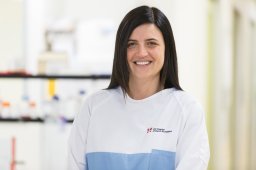 Grubor-Bauk Branka合作论文数Basil Hetzel Institute, University of Adelaide15
 Daniel Christ合作论文数14
 Rowena Anne Bull合作论文数School of Medical Sciences, The University of New South Wales;Kirby Institute for Infection and Immunity, The University of New South Wales14
 Najla Nasr合作论文数School of Medicine Sciences, Faculty of Medicine and Health, The University of Sydney11
 Andrew Harman合作论文数School of Medicine Sciences, Faculty of Medicine and Health, The University of Sydney11
 Chantelle Ahlenstiel合作论文数St Vincent's Centre for Applied Medical Research11
 Simon C Barry合作论文数Department of Biochemistry, University of Leicester11Zin Naing合作论文数Prince Wales Hosp, Div Virol, SEALS Microbiol, Sydney, NSW, Australia10
 Richard Payne合作论文数School of Chemistry, Faculty of Science, The University of Sydney10
 Eva Segelov合作论文数Monash University/School of Medicine, The University of Sydney10Smith Corey合作论文数10Christopher Martin Hope合作论文数The Centre for Clinical and Experimental Transplantation (CCET),, Central Northern Adelaide Renal and Transplantation Services (CNARTS),10
 Darley David合作论文数St Vincent's Hospital Darlinghurst, University of New South Wales Sydney10
 Chansavath Phetsouphanh合作论文数St. Vincent's Centre for Applied Medical Research, University of New South Wales10
 Pravin Hissaria合作论文数Institute of Medical and Veterinary Science, Frome Road, Adelaide, 5000, Australia10Vera Klemm合作论文数9
 Christina Fichter合作论文数9Luxi Lal合作论文数9
 Elizabeth Ahern合作论文数School of Medicine, Monash University9
 Raina MacIntyre合作论文数Biosecurity Program, Kirby Institute, UNSW Sydney9
 Mee Ling Munier合作论文数The Kirby Institute, University of New South Wales9Melissa J. Churchill合作论文数Department of Medicine, Monash University9
 Gail Matthews合作论文数Kirby Institute, University of New South Wales;Department of Infectious Diseases, St Vincent’s Hospital, Sydney9Gregory J. Walker合作论文数8Samantha McAllery合作论文数8Arthur Eng Lip Yeow合作论文数8Amy Body合作论文数8Malinna Yeang合作论文数Univ New South Wales, Fac Med, Sch Med Sci, Sydney, NSW, Australia8
 Karishma Patel合作论文数Univ Sydney, Sch Life & Environm Sci, Sydney, NSW 2006, Australia8Plinio Reinaldo Hurtado合作论文数Dept Renal Med, Royal Adelaide Hosp8
 Joel Mackay合作论文数School of Life and Environmental Sciences, Faculty of Science, The University of Sydney8
 Balachandran Harikrishnan合作论文数Beth Israel Deaconess Medical Center, Harvard Medical School8
 Paul R. Gorry合作论文数Department of Medicine, Monash University8
 Gregory Walker合作论文数Metabolism Department;Global Research and DeVelopment8
 Warwick J. Britton合作论文数Sydney Medical School, University of Sydney;Department of Clinical Immunology, Royal Prince Alfred Hospital;Sydney Local Health District;Centenary Institute8
 Sarah C Sasson合作论文数8
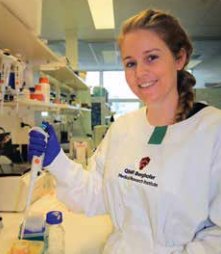 Katie E. Lineburg合作论文数Eskitis Institute for Cell and Molecular Therapies Nathan, Griffith University8Tania Salehi合作论文数7James C. Walsh合作论文数EMBL Australia Node Single Mol Sci, Univ New South Wales7Cheng Sheng Chai合作论文数Adelaide Medical School, University of Adelaide7Matthew Tunbridge合作论文数7




