INTRODUCTION:Older adults with cancer facing competing treatments must prioritize between various outcomes. This study assessed health outcome prioritization among older adults with cancer starting chemotherapy. METHODS:Secondary analysis of a randomized trial addressing vulnerabilities in older adults with cancer. Patients completed three validated outcome prioritization tools: 1) Health Outcomes Tool: prioritizes outcomes (survival, independence, symptoms) using a visual analog scale; 2) Now vs. Later Tool: rates the importance of quality of life at three times-today versus 1 or 5 years in the future; and 3) Attitude Scale: rates agreement with outcome-related statements. The authors measured the proportion of patients prioritizing various outcomes and evaluated their characteristics. RESULTS:A total of 219 patients (median [range] age 71 [65-88], 68% with metastatic disease) were included. On the Health Outcomes Tool, 60.7% prioritized survival over other outcomes. Having localized disease was associated with choosing survival as top priority. On the Now vs. Later Tool, 50% gave equal importance to current versus future quality of life. On the Attitude Scale, 53.4% disagreed with the statement "the most important thing to me is living as long as I can, no matter what my quality of life is"; and 82.2% agreed with the statement "it is more important to me to maintain my thinking ability than to live as long as possible". CONCLUSION:Although survival was the top priority for most participants, some older individuals with cancer prioritize other outcomes, such as cognition and function. Clinicians should elicit patient-defined priorities and include them in decision-making.
1510 Background: Based on randomized controlled trials,ASCO guidelines recommend use of geriatric assessment (GA)-directed interventions for older adults with cancer. The translation of these models to lower resourced settings has been limited. We assessed the feasibility of implementing GA-directed supportive care (GAIN-S) via telehealth in a lower resourced community setting. Methods: A quality improvement study was conducted in a high poverty, limited access, and low resourced community oncology practice (City of Hope - Antelope Valley [COH-AV]). Eligible participants were 65+ years with a new diagnosis of a malignant neoplasm under evaluation for cancer therapy. Before starting therapy, patients completed: baseline GA, SupportScreen, and the Fulmer SPICES assessment. A geriatric nurse practitioner (GNP) reviewed GA results and implemented multidisciplinary supportive care interventions (GAIN-S) via telehealth between April 2020 and January 2023. Key evaluation measures included: number of patients who completed GAIN-S; number of referrals to multidisciplinary supportive care services and completion rate; advance directives (ADs); and patient satisfaction with telehealth visits. Participants’ demographics, including distance traveled for care, type of cancer, stage, treatment, and telehealth satisfaction items, were summarized using descriptive statistics. To analyze and visualize the implementation process, run charts were utilized. Results: 251 patients (mean age 74, 62% Non-Hispanic White, 22% live 60+ miles from COH-AV, 56% stage II or less, 30% received chemotherapy) completed baseline assessments. 242 had initial visits with GNP, 197 via televideo and 45 via telephone. GNP reviewed vulnerabilities with 209 patients and generated 460 referrals for supportive care services, with 85% of services implemented. Highest numbers of referrals were to pharmacy (177), social work (142), occupational therapy (76), and physical therapy (48). GNP discussed GA-guided care plans with all patients and 43 patients completed AD after discussion with GNP. Over 92% of patients were satisfied with telehealth-based GAIN-S in terms of both ease of visit and access to care with their provider and with telehealth. Conclusions: Telehealth-based GAIN-S has proven to be feasible in providing accessible healthcare to older patients with cancer in a lower resourced community setting. This approach, well-received by most patients, highlights the potential of telehealth in delivering GAIN-S effectively in such settings.
Dr. Arti Hurria, Director of the Center for Cancer and Aging at City of Hope Comprehensive Cancer Center, always said, “I have the best team!” at her weekly team meetings, as she beamed at the assembled group of research assistants, nurses, clinicians, and administrators. Tragically, we lost Dr. Hurria, who was a world-renowned leader in the field of geriatric oncology, on November 7, 2018. Dr. Hurria joined City of Hope in 2006, where she began her Cancer and Aging Research Program with only one full-time research assistant and part-time effort of a biostatistician. Over the course of her tenure as the Director of the Center for Cancer and Aging, Dr. Hurria grew her team exponentially to over 20 individuals, including a program manager, a scientific writer, research assistants, biostatisticians, nurses trained in geriatrics, and other interdisciplinary team members (social work, physical therapy, occupational therapy, nutrition, and pharmacy) (Fig. 1).
10035 Background: The Institute of Medicine and ASCO identified key research priorities to improve the evidence base of older adults with cancer, including the need for therapeutic phase II trials. Here we present a phase II study of nab-paclitaxel in older patients (pts) with MBC, incorporating geriatric oncology principles in the study design. Methods: Pts age ≥65 years with MBC and 0-1 chemotherapy (CT) lines received nab-paclitaxel (100 mg/m 2 , 3 wks on, 1 wk off). Pts completed a geriatric assessment (GA) pre-CT including measures of function, comorbidity, cognition, nutrition, and psychosocial status. A CT toxicity (tox) risk score was calculated for each pt (Hurria et al. JCO 2011 and 2016). Relationships between tolerability (no. courses, hospitalizations, dose reductions, and grade (G) ≥3 tox attributed to CT) and risk score were assessed using generalized linear models, Student’s t tests, and Fisher’s exact test. Response rate (RR) and progression free survival (PFS) were evaluated. Results: 40 pts (mean age 73 [65-87]) were accrued from 06/12 to 01/16. Median no. of cycles was 6 [0-33], RR was 35% (95% CI 21-52%) and PFS was 6.5 months (95% CI 5.5-NR). 58% (n = 23) of pts had G ≥ 3 tox and 30% (n = 12) were hospitalized due to CT. G 2/3 neuropathy and G 3/4 neutropenia occurred in 10% of pts (n = 4), with no cases of febrile neutropenia. Based on the CT tox risk score, 53% (n = 21), 38% (n = 15), and 10% (n = 4) were low, intermediate, and high risk. As a continuous variable, doubling in the risk score was associated with a reduction in courses completed of 4.5 (se = 1.4, p = 0.003). Lower mean log 2 risk scores were found in pts that did not require hospitalization (diff = -0.59, 95% CI -1.00, -0.18; p = 0.007), or did not have a dose reduction (diff = -0.46, 95% CI -0.85, -0.06; p = 0.02). G ≥ 3 tox was found in 38% of low, 73% of intermediate and 100% of high risk pts, with combined intermediate/high risk pts experiencing significantly more G ≥ 3 tox (OR 5.8, 95% CI 1.3-33.1; p = 0.01). Conclusions: This phase II trial of older pts with MBC receiving nab-paclitaxel incorporated geriatric principles in an oncology trial. Incorporating the GA and CT tox risk score can help weigh the risks and benefits of therapy in older adults. Clinical trial information: NCT01463072.
 Katheria Vani合作论文数City of Hope National Medical Center4Leana Chien合作论文数3
 Canlan Sun合作论文数Department of Supportive Care Medicine, City of Hope;Center for Cancer and Aging, City of Hope3Simone Fernandes Dos Santos Hughes合作论文数2Rachel Morrison合作论文数2Elsa Roberts合作论文数2
 Jessica Vazquez合作论文数Department of Obstetrics and Gynecology, University of Wisconsin-Madison2
 Heeyoung Kim合作论文数Department of Industrial and Systems Engineering, College of Engineering, Korea Advanced Institute of Science and Technology2Li Daneng合作论文数2
 William Dale合作论文数2
 Joanne Mortimer合作论文数Comprehensive Cancer Center, City of Hope;Department of Medical Oncology and Therapeutics Research, City of Hope2
 Enrique Soto Perez de Celis合作论文数Division of Medical Oncology, School of Medicine, University of Colorado Anschutz Medical Campus;University of Colorado Cancer Center2Arnold J Rotter合作论文数1Anait Arsenyan合作论文数1Jeanine Moreno合作论文数1Abrahm Levi合作论文数1M. Suzette Blanchard合作论文数1Ashley Celis合作论文数1Kemberly Charles合作论文数1Andrea Rubalcava合作论文数1Nimit Sudan合作论文数1Amartej Merla合作论文数1
 Carolina Uranga合作论文数City Hope Natl Med Ctr1Christina Yeon合作论文数1Jennifer Choi合作论文数1Sherry Hite合作论文数1Kemeberly Charles合作论文数1
 George Somlo合作论文数1
 Mina Sedrak合作论文数Department of Medical Oncology, City of Hope Medical Center1
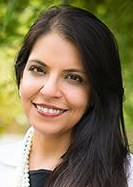 Arti Hurria合作论文数Center for Cancer and Aging, Beckman Research Institute, City of Hope1Luu Thehang合作论文数1
 Towe Tanyanika Phillips合作论文数Division of Hematology and Oncology, Case Western Reserve University1
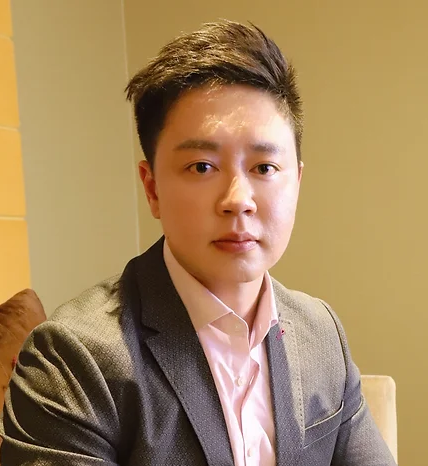 Vincent Chi-Ho Chung (鍾志豪)合作论文数Government of the Hong Kong Special Administrative Region1
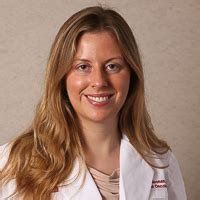 Noonan Anne Mary合作论文数Department of Internal Medicine, The Ohio State University1Burhenn Peggy合作论文数Department of Clinical Practice and Education, City of Hope National Medical Center1Waisman James合作论文数1
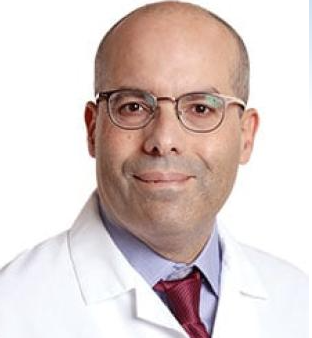 Marwan G. Fakih合作论文数Department of Medical Oncology&Therapeutics Research, City of Hope;Comprehensive Cancer Center, City of Hope;Briskin Center for Clinical Research, City of Hope1
 Samuel H Chung合作论文数1Dean Lim合作论文数1




