Objective Acute type A aortic dissection (TAAD) frequently affects patients during working years, but patient-centered employment outcomes after operative repair are not well characterized. The aim of this study was to describe return-to-work and self-reported income loss among 30-day survivors using a voluntary survey within a dual-center, single health system. Methods After Institutional Review Board (IRB) approval, we conducted a retrospective review of a prospectively maintained database and included any patient who suffered an acute type A aortic dissection that was treated operatively. We analyzed those who survived beyond 30 days. We subsequently contacted each of these patients to enroll them in a voluntary survey to assess their pre-operative and post-operative occupation, associated salary, and loss thereof from their recovery and perioperative period. Statistical analysis was then performed. Results A total of 173 patients who underwent urgent or emergent repair of TAAD from 2012 to 2023 were identified, and an attempt to contact each of them was made. Out of 173 patients surveyed, 49 were willing to participate in the survey. Out of 49 surveys collected, 22 were not filled out completely and were therefore excluded from the study, leaving 27 completed surveys. The mean number of missed working days as a result of undergoing surgical intervention was 103 days, and the average amount of direct missed income was $3347.22 per patient. Additionally, only 62.9% (17 out of 27) of patients returned to full- or part-time work after aortic surgery. In an exploratory stratification by annual income (<$40,000 vs ≥$40,000), return-to-work was two of six (33.3%) versus 15 of 21 (71.4%), respectively; this comparison was underpowered and not statistically significant. Conclusions Among survey respondents, prolonged time away from work after operative repair of TAAD was common, and a substantial proportion did not return to work. Because the respondent cohort was small and selected, these findings should be interpreted as descriptive and hypothesis-generating. Larger prospective studies are needed to evaluate predictors of return-to-work and to assess whether structured rehabilitation and survivorship support improve vocational recovery.
BACKGROUND:Rural communities face worsening surgical access because of hospital closures and workforce shortages. Although osteopathic physicians have historically practiced in rural settings, their contribution to the contemporary rural surgical workforce remains poorly defined. STUDY DESIGN:Cross-sectional analysis of 74,404 US attending surgeons across seven specialties using the 2023 Centers for Medicare & Medicaid Services Doctors and Clinicians database. Practice addresses were linked to 2020 Rural-Urban Commuting Area codes, Area Deprivation Index quintiles, and census tract population density. Rural practice (mean Rural-Urban Commuting Area score ≥4) was modeled using multivariable logistic regression adjusted for specialty, graduation cohort, sex, Census division, and state urbanization, with state-clustered standard errors. RESULTS:Rural practice was more common among DO than MD surgeons (18.3% vs 9.7%; risk difference, 8.6 percentage points; 95% CI, 7.6-9.6). Across all specialties, DO surgeons practiced in more socioeconomically deprived communities. After adjustment, DO surgeons had twice the odds of rural practice compared with MD surgeons (OR, 2.05; 95% CI, 1.85-2.28). Rural areas had 13.8 surgeons per 100,000 residents versus 23.6 per 100,000 in metropolitan areas. Surgeons graduating in 2010 or later had approximately half the odds of rural practice compared with those graduating in 1979 or earlier (adjusted OR, 0.48; 95% CI, 0.42-0.56). CONCLUSIONS:Osteopathic surgeons disproportionately practice in rural and socioeconomically disadvantaged communities, identifying an important workforce component for maintaining rural surgical access. The declining likelihood of rural practice among more recent training cohorts raises concerns regarding the future rural surgical workforce.
Purpose Recurrent valvular endocarditis and thoracic aortic graft infection (TAGI) present complex clinical problems with difficult management options and poor reported outcomes. Omental flap coverage has been described for these infections, but published experience remains limited. The purpose of this study was to describe our institutional experience with staged mediastinal antibiotic irrigation followed by delayed mediastinal omental flap coverage. Methods We performed a retrospective review of a prospectively maintained institutional database. Adult patients treated at a single institution from January 1, 2017, through December 31, 2019, were included if they underwent operative management for recurrent valvular endocarditis and/or TAGI with mediastinal antibiotic irrigation followed by planned, delayed mediastinal omental flap coverage. Patients were excluded if they were managed nonoperatively, underwent surgery without this staged strategy, had isolated superficial sternal wound infection without graft or valvular involvement, or had insufficient documentation to determine 30-day outcomes. Results Seventeen patients were treated with mediastinal antibiotic irrigation followed by delayed omental flap coverage. Thirty-day mortality was 1/17 (5.9%). Major complications within 30 days occurred in 4/17 (23.5%), including renal failure requiring hemodialysis in 2/17 (11.8%), stroke in 1/17 (5.9%), and reoperation for recurrent infection in 1/17 (5.9%). The composite 30-day major adverse event rate, defined as death, stroke, renal failure requiring hemodialysis, or reoperation for recurrent infection, was 5/17 (29.4%). Conclusions In this single-center series, staged mediastinal antibiotic irrigation followed by delayed omental flap coverage was feasible and was associated with acceptable short-term mortality and complication rates. Further study is needed to determine the optimal timing and patient selection criteria for omental flap coverage in this setting.
Introduction Transcatheter aortic valve replacement (TAVR) is an increasingly used form of aortic valve replacement. Prolonged wait time prior to TAVR is associated with an increased mortality rate. This study examines whether the extent of neighborhood disadvantage of patients has any impact on time to TAVR, and if so, to what degree. Methods After institutional review board approval, we conducted a retrospective review of a prospectively maintained database to assess time to TAVR. Time to TAVR was defined from first contact with the structural heart team until implant. Inclusion criteria involved patients undergoing TAVR from January 2019 until January 2024. The area deprivation index (ADI) was determined utilizing the patient's listed home address and the Neighborhood Atlas developed by the Center for Health Disparities Research of the University of Wisconsin School of Medicine and Public Health. Results The patient population included 708 patients. No significant correlation between time to TAVR and ADI was found for patients with a time to TAVR one or two standard deviations from the mean. For patients with time to TAVR greater than three standard deviations from the mean, positive correlations were found between time to TAVR and ADI, as well as time to TAVR and national percentile. The national percentile was obtained by comparing ADI scores for the entire United States, which were then ranked and divided into percentiles. Conclusions Patients from the most disadvantaged neighborhoods experience a longer time to TAVR than others. We hypothesized that a low socioeconomic status would potentially cause barriers with follow-up; however the prolonged time to TAVR in this study was not shown to be secondary to that.
Introduction and aim Coronary artery disease and peripheral vascular disease remain significant health concerns in the United States. If left untreated, surgical interventions like coronary artery bypass grafting (CABG) and peripheral vascular bypass (PVB) are frequently performed to restore vascular perfusion. The great saphenous vein (GSV) has historically been a primary conduit for these procedures. Complications involving the GSV include early-onset thrombosis and atherosclerosis, which are partly attributed to tunica intima valve flaps. These flaps can disrupt laminar flow even when the GSV is reversed. However, the GSV continues to play a crucial role in multi-vessel revascularization and PVB surgeries. This study aimed to analyze the GSV's anatomical characteristics, particularly the distribution and spacing of its valves. Methods Cadaveric specimens were examined from 2021 to 2024. The GSV was incised, valve locations were marked and measured in relation to the inferior base of medial malleolus. Statistical analyses, including Student's t-tests and ANOVA, were performed to assess differences. Results Results from 96 GSVs across 66 cadavers indicated an average of 5.7 valves per left GSV and 5.5 per right GSV. Significant differences were found between valve distributions above vs. below the knee (p<0.001), with increased inter-valve distance below the knee (p<0.001). Conclusion These data suggest that below knee segments may be more suitable for grafting because they have fewer valves and increased inter-valve distance. This study has the potential to provide insights for optimizing vein graft selection and improving surgical outcomes.
Objectives The objective of this study is to evaluate osteopathic medical students' self-reported research experiences, skill levels, and professional goals. This study specifically aimed to assess how students perceive their readiness to engage in research, explore the barriers they face in translating motivation into scholarly productivity, and identify which research tasks students feel most and least confident performing. These findings aim to clarify the disconnect between strong research motivation and limited output and to inform future efforts to improve research engagement among osteopathic students pursuing surgical careers. Methods A national, cross-sectional survey was administered to osteopathic medical students interested in surgical specialties. The survey assessed demographic characteristics, prior research experience, confidence in research skills, and future research goals. Responses were stratified by confidence in research, and associations between prior research activity and confidence in specific research skills were analyzed using the Cochran-Armitage test for trend. Results Among 75 respondents, 86.7% had never coauthored a peer-reviewed publication, and 70.7% had never published as a first author. Despite this, students with prior poster presentations reported high confidence in designing and executing research (83.3%), preparing manuscripts (92.6%), presenting research (81.5%), and teaching research fundamentals (90.9%) (p < 0.05). Podium presentations were associated with high confidence in designing research (55.6%), preparing manuscripts (60.9%), presenting (51.9%), and teaching (54.5%). Coauthor publications were associated with confidence in designing research (69.4%), manuscript preparation (70.7%), and teaching (63.6%), while first-author publications were associated with confidence in the same domains (38.9%, 41.5%, and 42.4%, respectively). Quickshot presentations were associated only with manuscript preparation (41.5%) (p < 0.05). Conclusions Osteopathic medical students interested in surgical specialties report confidence and motivation to participate in research but lack prior research presentations and publications, as well as statistical and data analysis skills. These findings highlight the need for structured research support, mentorship, and training in research methodology and analysis. To address these needs, national research program initiatives have been developed to provide osteopathic students with access to surgical research opportunities, mentorship, and skill-building resources. Such initiatives may help bridge the gap between student motivations and research productivity, improving equity and competitiveness in the residency selection process.
Introduction Aortoiliac occlusive disease (AIOD) is a subset of peripheral artery disease (PAD) characterized by occlusion of the infrarenal aorta and iliac arteries. Patients with AIOD may develop collateral circulation through the internal thoracic artery–inferior epigastric artery (ITA-IEA) pathway to maintain lower extremity perfusion. Coronary artery disease (CAD) often necessitates coronary artery bypass grafting (CABG), where the left internal mammary artery (LIMA) is the preferred conduit for revascularizing the left anterior descending (LAD) artery. In patients with AIOD, disruption of ITA-IEA collaterals during CABG poses a risk of exacerbating lower extremity ischemia. Case description We report a case of a 65-year-old female with severe multivessel CAD, mitral valve regurgitation (MVR), and AIOD with ITA-IEA collaterals supplying the lower extremities. Preoperative imaging revealed an occluded distal aorta with inadequate venous conduits. To preserve lower extremity perfusion, the patient underwent axillary-femoral and femoral-femoral bypasses before CABG. A two-vessel CABG was performed using the LIMA to the LAD and the radial artery to the obtuse marginal artery, along with mitral valve replacement. The patient recovered well and was discharged 11 days postoperatively without complications. Discussion This case highlights the complexities of managing concurrent AIOD and CAD, emphasizing the importance of preserving collateral circulation. Preoperative imaging enabled strategic surgical planning to balance myocardial revascularization and lower extremity perfusion. The successful use of alternative conduits, such as the radial artery, underscores the necessity of flexibility in graft selection. Multidisciplinary collaboration and individualized surgical planning are crucial in managing patients with AIOD and CAD.
Simulation experiences are valuable to the training of future successful surgeons. These experiences introduce trainees to operational concepts through hands-on engagement within a low-stress environment to promote skill, information retention, and increased competency for future success in real-life scenarios. The study aimed to develop a low-cost, reproducible surgical simulation for teaching aortic valve replacement using porcine models. This study employed a single-center educational workshop design to provide trainees with a comprehensive wet laboratory experience in surgical aortic valve replacement using a porcine model. The simulation involved step-by-step procedures using porcine hearts in a wet lab environment, emphasizing specific surgical techniques such as suturing, knot tying, and valve replacement. Simulated valves were created using insulation foaming and aluminum wiring. The study was conducted at a southeastern medical school's wet lab. Thirty-eight preclinical medical students participated. The simulation was designed to provide a comprehensive overview of the steps involved in aortic valve replacement using porcine models. It emphasized the importance of teamwork, fundamental surgical skills, and effective communication within a surgical setting. The low-cost surgical simulation allowed trainees to learn technical skills that could be tailored to their proficiency level. Simulation for cardiothoracic procedures is limited by monetary spending and the availability of adequate materials to create a beneficial learning experience. This low-cost simulation allows resource-limited institutions to provide their students an additional opportunity to practice fundamental surgical principles such as suturing.
The authors declare that the research was conducted in the absence of any commercial or financial relationships that could be construed as a potential
Background: As more integrated cardiothoracic (CT) surgical residency programs are developed, there is increased interest in factors influencing specialty selection during undergraduate medical education. This study aimed to nationally assess interests and perceptions of CT surgery from medical students pursuing surgery and factors influencing such interests. Methods: Active members of the American College of Osteopathic Surgeons- Medical Student Section were invited to complete an original survey. Means and 95% confidence intervals were calculated and graphed for questions using Likert scale responses. The comparison of mean responses for students in preclinical versus clinical years was assessed by a Kruskal-Wallis non-parametric ANOVA. Differences between response proportions were assessed via Bonferroni Comparison of Column Proportions. Results: There were 306 surveys completed. Interest in CT surgery was indicated by 10.24% of respondents with preclinical students comprising 84.3% of those responses. Most students interested in CT surgery experienced certain factors including clinical exposure (78.4%), shadowing (81.8%), volunteering (57.1%), and significant personal/life events (86.2%) before medical school. Preclinical students noted exposure to CT surgery during preclinical years would further increase their interest when compared to clinical students (mu =4.12 mu =4.12 versus mu =3.51, P<0.000). Importantly, clinical students feel significantly less supported by their school to pursue CT surgery compared to preclinical students (=2.45 mu =2.45 versus mu =3.40, P<0.000). Conclusions: All factors establishing interest in CT surgery occurred before students entered medical school and during preclinical years. While there are negative perceptions associated with CT surgery, these may be ameliorated with increased support and resources for CT surgery during the preclinical years.
Objective: Transcatheter aortic valve replacement (TAVR) has become the dominant form of aortic valve replacement in the United States. During the Coronavirus disease 2019 (COVID-19) pandemic, access to elective surgical care was decreased, particularly for TAVR patients. In this study, we examine the impact of each COVID-19 "wave," on our patient's access to TAVR procedures and their associated outcomes. Methods: After institutional review board approval, we conducted a retrospective review of a prospectively maintained database and a review of our own center's database to assess time to TAVR pre-COVID-19 and during internally defined COVID-19 "waves." Statistical analysis was conducted via a t-test. Results: We measured the time from first contact to TAVR and compared each COVID-19 wave to our institution's pre-COVID-19 data. During Wave 1 and 2 of COVID-19, our mean time to TAVR increased significantly to 68.44 & PLUSMN; 48.66 days (p = 0.05) and 68.94 & PLUSMN; 53.16 days (p = 0.02), respectively. All three COVID-19 waves demonstrated a statistically significant increase in all-cause mortality post-operatively (PO) with mean PO mortality of 2.5 (p = 0.0035), 1.33 (p = 0.0009), and 0.67 (p = 0.006), respectively, compared to pre-COVID-19 data. Conclusions: Multiple studies have shown that increased time from first contact to TAVR results in increased morbidity and mortality. COVID-19 increased our institution's time to TAVR significantly across two waves with an increase in all-cause mortality in each wave. This study highlights the importance that institutions should develop mechanisms to ensure access to care during crises so that patients do not face potentially avoidable harm.
PURPOSE:Diversification of the medical and cardiothoracic surgical workforce represents an ongoing need. A congenital cardiac surgery shadowing programme for undergraduate students was implemented at the University of Florida Congenital Heart Center.METHODS:Students shadowing in the Congenital Heart Center from 17 December 2020 through 20 July 2021 were sent a survey through Qualtrics to evaluate the impact of their shadowing experience. The main objectives of the survey were to determine the personal relationship(s) of the students to physicians prior to shadowing, how the presence or absence of physicians in the family of a given student related to the exposure of the student to a medical setting prior to shadowing, and the interest of the students in medicine and cardiothoracic surgery prior to and after the shadowing experience. Survey responses included "Yes/No" questions, scaled responses using a Likert scale, selection lists, and free text responses. When applicable, t-tests were utilised to assess differences between student groups.RESULTS:Of the 37 students who shadowed during the study period, 26 (70%) responded. Most students were female (58%, n = 15), and the mean age was 20.9 ± 2.4 years. Students spent a mean duration of 95 ± 138 hours shadowing providers as part of the shadowing programme. Likert scale ratings of interest in the professions of medicine, surgery, and cardiothoracic surgery all increased after the shadowing experience (p < 0.01). Students with a family member in medicine had more clinical exposure prior to the shadowing programme (p < 0.01).CONCLUSION:A surgical shadowing programme at a Congenital Heart Center may have an important formative impact on the views of undergraduate students regarding potential careers in surgery and medicine. Additionally, students without family members in medicine tend to have less prior exposure to medicine and could likely benefit more from this type of shadowing programme.
Objective A previous study at this institution revealed a connection between interest group involvement and specialty interest while identifying the negative perceptions of cardiothoracic (CT) surgery. This study aimed to build interest and ameliorate the negative perceptions of CT surgery by exposing pre-clinical students to the field through engaging events.Methods Students at a US osteopathic institution who attended CT surgery committee events were invited to complete an online survey after each event. Associations between the number of events attended and ranked responses to survey questions were assessed by two-tailed Spearman correlations. Statistical comparisons in ranked responses between the events attended and the survey questions were assessed by a two-way analysis of variance (ANOVA). Pre-clinical students actively enrolled at the institution during the 2022-2023 academic year were eligible for inclusion.Results There were 83 surveys completed over seven events. There was a significant association between the number of events a student attended and their perception of CT surgeon's work/life balance with a correlation coefficient of .258 (P=0.019) and whether CT surgeons have time for their families with a correlation coefficient of .235 (P=0.035). Residents and medical student events as well as wet lab events increased interest the most and helped students feel equipped to apply for CT surgery.Conclusions While negative perceptions associated with CT surgery exist, these may be ameliorated with more exposure to the field. Unique events that expose pre-clinical students to multiple facets of CT surgery, including physicians and trainees in the field, as well as offering hands-on activities, may increase interest in the field and further pursuit of the field during clinical years.
Objective: Cardiothoracic surgery is a surgical subspecialty that attracts few medical students. As integrated surgical residency programs continue to grow in number, there is increased interest in what factors influence specialty selection during undergraduate medical education. Previous institutional studies have studied allopathic medical schools affiliated with academic institutions. This study aimed to assess the interest and perception of cardiothoracic surgery at an osteopathic institution. Methods: Active medical students at a US osteopathic institution were invited to complete an original online survey. Means and 95% confidence intervals were calculated and graphed for questions using Likert scale responses. Comparison of mean responses for preclinical versus clinical students was assessed by a Kruskal–Wallis nonparametric analysis of variance. Results: There were 166 surveys (22%) completed, and interest in cardiothoracic surgery was indicated by 7.8% of respondents. Work/life balance, personality of cardiothoracic surgeons, and lack of family time were negative factors associated with cardiothoracic surgery. Clinical exposure, shadowing, mentorship, and significant personal/life events before medical school were strong factors in establishing students' interest in cardiothoracic surgery. Preclinical students noted exposure to cardiothoracic surgery would further increase their interest when compared with clinical students (μ = 3.39 vs μ = 2.69, P = .008). Conclusions: All factors that established interest in cardiothoracic surgery occurred before students entered medical school. Although there are negative perceptions associated with cardiothoracic surgery, these may be ameliorated with more exposure to the field. Further research is needed to explore how early exposure in preclinical years of medical school affects students' perceptions and ultimate interest in cardiothoracic surgery.
SESSION TITLE: Cardiovascular Abnormalities and Interventions SESSION TYPE: Rapid Fire Case Reports PRESENTED ON: 10/11/2023 09:40 am - 10:25 am INTRODUCTION: Post-acute myocardial infarction (MI) ventricular septal defect (PIVSD) has a 0.2% incidence post-MI. There is a high likelihood of developing cardiogenic shock, multiorgan failure, and significant mortality with medical therapy alone. In our institution, 6 patients presented with PIVSD and cardiogenic shock in the past 10 years requiring extracorporeal membrane oxygenation (ECMO). We present the only two cases of PIVSD who achieved stable cardiac function by undergoing early PIVSD closure with the help of ECMO as a bridge to recovery. CASE PRESENTATION: Case 1: 59-year-old female with a past medical history of type-2-diabetes, and dyslipidemia presented with a one-day history of nausea and was found to have anterior ST-elevation myocardial infarct (STEMI). Coronary angiography showed 100% occlusion of the left anterior descending artery (LAD) which was treated with percutaneous coronary intervention (PCI). Transthoracic-echocardiogram (TTE) showed an ejection fraction (EF) of 30% and a muscular ventricular septal defect (VSD) in the mid to distal left ventricular septum. Patient developed cardiogenic shock requiring an intra-aortic balloon pump and subsequent ECMO. The VSD was patched on day 3 with a bovine pericardial patch. She was discharged on day 25 and has been following up with cardiology. Her repeat TTE three years later showed a persistent EF of 30% and a fixed large defect. Case 2: 45-year-old female with a past medical history of hypertension, and type-2-diabetes presented with a one-month history of chest pain that had worsened the past day. She was found to have anteroinferior STEMI and was taken for PCI with revascularization of the LAD. Her PCI course was complicated by pulseless electrical activity cardiac arrest, requiring emergent ECMO. TTE showed EF of 40% and a large apical muscular ventricular septal defect with a left-to-right shunt. After 7 days of ECMO, patient had VSD closure with a Hemashield patch on Day 8 with Impella in place and continued on ECMO to help with left ventricular decompression. She continued to do well from a cardiac standpoint, but a computed tomography of her head was done due to unresponsiveness, and it revealed numerous acute infarcts involving both cerebral hemispheres with mass effect. She went on to herniate and was declared brain dead on day 14. DISCUSSION: PIVSD is a catastrophic complication of MI and remains a challenging condition to treat with variable outcomes despite medical or invasive therapy. Although, the American College of Cardiology recommends emergent surgical repair in these cases, there remains discussion on the ideal timing of surgical therapy. Early surgical repair in the setting of friable necrotic myocardial tissues is associated with high mortality, and therefore a delay of repair to more than 2 weeks is recommended. We present two cases that with the help of mechanical circulatory support including ECMO, both patients underwent early surgical repair and had a meaningful circulatory recovery. CONCLUSIONS: In the PCI era, the incidence of PIVSD has dropped significantly but mortality rates remain unchanged in the past few decades [41-80%]. We emphasize the utility of ECMO as a life-saving measure for such patients for a meaningful recovery. REFERENCE #1: Crenshaw BS, Granger CB, Birnbaum Y, Pieper KS, Morris DC, Kleiman NS, Vahanian A, Califf RM, Topol EJ. Risk factors, angiographic patterns, and outcomes in patients with ventricular septal defect complicating acute myocardial infarction. GUSTO-I (Global Utilization of Streptokinase and TPA for Occluded Coronary Arteries) Trial Investigators. Circulation. 2000 Jan 4-11;101(1):27-32. doi: 10.1161/01.cir.101.1.27. PMID: 10618300. REFERENCE #2: Omar S, Morgan GL, Panchal HB, Thourani V, Rihal CS, Patel R, Kherada N, Egbe AC, Beohar N. Management of post-myocardial infarction ventricular septal defects: A critical assessment. J Interv Cardiol. 2018 Dec;31(6):939-948. doi: 10.1111/joic.12556. Epub 2018 Aug 28. PMID: 30318677. REFERENCE #3: Shafiei I, Jannati F, Jannati M. Optimal Time Repair of Ventricular Septal Rupture Post Myocardial Infarction. J Saudi Heart Assoc. 2020 Jul 31;32(2):288-294. doi: 10.37616/2212-5043.1120. PMID: 33154931; PMCID: PMC7640570. DISCLOSURES: No relevant relationships by Vidya Bollavaram No relevant relationships by Brendan Carry No relevant relationships by Evan Gajkowski No relevant relationships by Aastha Mittal No relevant relationships by Kamran Namjouyan No relevant relationships by Tyler Wallen
Objectives: Cardiothoracic programs used virtual interviews exclusively this year. As programs consider using virtual interviews permanently, our goal was to evaluate the experience of applicants with virtual interviews. Methods: All 2020-2021 traditional cardiothoracic fellowship applicants received an anonymous electronic survey after the Match process ended. The survey assessed the number of interviews, strengths, and inadequacies of virtual interviews and factors that affected rank decision. Results: Forty-three percent of applicants responded (60/139). The average number of interviews was 16.0. Eighty percent (48/60) of respondents successfully matched. Eighty-seven percent (52/60) of respondents had a favorable experience with virtual interviews, and 97% (58/60) found them to be convenient. However, only 50% (30/60) were able to evaluate a program fully. Respondents who matched were more likely to have a favorable experience (P = .02), but not more likely to be able to evaluate a program fully (P = .35). The most valued aspect was the informal meet and greet session with fellows (4.2 of 5). The least valued aspect was the program's social media site (2.0 of 5). The factors most frequently used to decide ranking were case numbers by 92%(55/60) and culture/personality by 82% (49/60). Conclusions: Virtual interviews were perceived more favorably compared with last year, but half of applicants were still unable to evaluate a program fully. Fellow interactions were the most popular aspect of virtual interviews. As programs consider using virtual interviews permanently, more exposure to current trainees and a more robust social media/online presence will improve favorability.
Central MessageTo become integral participating members of the structural heart team, cardiothoracic surgery training must adapt to create a curriculum that reflects future practice.PerspectiveThe revolution in transcatheter interventions for structural heart disease has placed cardiac surgery at a pivotal crossroads. The use of minimally invasive approaches in practice has greatly outpaced their implementation in training. Here we describe the numerous challenges and opportunities associated with creating a curriculum that prepares trainees for this rapidly changing environment.See Commentaries on pages 2171, 2172, and 2173. To become integral participating members of the structural heart team, cardiothoracic surgery training must adapt to create a curriculum that reflects future practice. The revolution in transcatheter interventions for structural heart disease has placed cardiac surgery at a pivotal crossroads. The use of minimally invasive approaches in practice has greatly outpaced their implementation in training. Here we describe the numerous challenges and opportunities associated with creating a curriculum that prepares trainees for this rapidly changing environment. See Commentaries on pages 2171, 2172, and 2173. The evolution of transcatheter interventions to treat structural heart disease (SHD) has been transformative for the field of cardiac surgery. In 2016, the volume of transcatheter aortic valve replacement (TAVR) procedures surpassed that of isolated surgical aortic valve replacement (SAVR), and by 2019, it surpassed the volume of SAVR in all forms.1Bavaria, JE. TAVR update: new insights and perspectives from the US National STS/ACC TVT Registry. Presented at the Society of Thoracic Surgery Annual Meeting, January 25-28, 2020, New Orleans, Louisiana.Google Scholar Since then, numerous devices and clinical trials have emerged offering transcatheter options for the treatment of heart failure and mitral, tricuspid, and aortic diseases.2Walther C. Fichtlscherer S. Holubec T. Vasa-Nicotera M. Arsalan M. Walther T. New developments in transcatheter therapy of mitral valve disease.J Thorac Dis. 2020; 12: 1728-1739Crossref PubMed Scopus (14) Google Scholar, 3Bapat V. Tang G.H.L. Emerging transcatheter options for tricuspid regurgitation: many shades of gray.J Thorac Cardiovasc Surg. 2020; 160: 1460-1464Abstract Full Text Full Text PDF PubMed Scopus (6) Google Scholar, 4Gomes W.J. The ascending aorta and arch in the sights of transcatheter therapy: a time for reappraisal.J Card Surg. 2021; 36: 280-282Crossref PubMed Scopus (1) Google Scholar, 5Klein P. Anker S.D. Wechsler A. Skalsky I. Neuzil P. Annest L.S. et al.Less invasive ventricular reconstruction for ischaemic heart failure.Eur J Heart Fail. 2019; 21: 1638-1650Crossref PubMed Scopus (34) Google Scholar, 6Diagnostic and Interventional Cardiology Positive safety, efficacy data reported on AccuCinch heart failure device.https://www.dicardiology.com/content/positive-safety-efficacy-data-reported-accucinch-heart-failure-deviceDate accessed: December 21, 2020Google Scholar These changes have significant implications for the training of current and future cardiac surgeons, as all graduates need to have basic proficiency in this domain to become valvular specialists.7Nguyen T.C. Tang G.H.L. Nguyen S. Forcillo J. George I. Kaneko T. et al.The train has left: can surgeons still get a ticket to treat structural heart disease?.J Thorac Cardiovasc Surg. 2019; 157: 2369-76-e2Abstract Full Text Full Text PDF Scopus (27) Google Scholar As transcatheter interventions expand further into mainstay clinical practice, trainees will face greater pressure to stay abreast of these procedures to remain competitive. For these reasons, the American Board of Thoracic Surgery (ABTS) and Accreditation Council for Graduate Medical Education (ACGME) implemented minimum transcatheter case requirements for residents beginning thoracic surgery training after 2017.8American Board of Thoracic SurgeryIndex case requirements—2017. MOC overview.https://www.abts.org/ABTS/Initial_Certification/Operative_Requirements/Index Case Requirements-2017.aspxDate accessed: August 4, 2020Google Scholar Even so, the logistical challenges of facilitating more transcatheter exposure in each training pathway are noteworthy. Competing open case requirements, a finite transcatheter case volume that is generally shared with interventional cardiology fellows, and the need to develop ancillary skills, including advanced imaging and critical care, present challenges for even the most balanced programs and trainees. This warrants a critical appraisal of where our training stands today, the challenges we face, and how we can improve to better prepare the leaders of the structural heart team. Current Centers for Medicare and Medicaid Services guidelines require both a cardiothoracic surgeon and an interventional cardiologist in the operative planning and care of SHD patients; however, it is uncertain how long this policy will remain in place.9Centers for Medicare and Medicaid ServicesDecision memo for transcatheter aortic valve replacement (TAVR) (CAG-00430R).https://www.cms.gov/medicare-coverage-database/details/nca-decision-memo.aspx?NCAId=293&bc=ACAAAAAAQAAA&Date accessed: October 12, 2020Google Scholar The incidence of complications necessitating urgent surgical intervention have remained at <1.0% for the last 3 years. The need for a surgical cutdown to gain access arises in <5% of cases and continues to decline.10Carroll J.D. Mack M.J. Vemulapalli S. Herrmann H.C. Gleason T.G. Hanzel G. et al.STS-ACC TVT registry of transcatheter aortic valve replacement.J Am Coll Cardiol. 2020; 76: 2492-2516Crossref PubMed Scopus (329) Google Scholar This has paved the way for some European centers to perform these procedures without surgical involvement or backup. Their early outcomes have been acceptable, which may be a prelude to more widespread implementation of similar policies.1Bavaria, JE. TAVR update: new insights and perspectives from the US National STS/ACC TVT Registry. Presented at the Society of Thoracic Surgery Annual Meeting, January 25-28, 2020, New Orleans, Louisiana.Google Scholar,7Nguyen T.C. Tang G.H.L. Nguyen S. Forcillo J. George I. Kaneko T. et al.The train has left: can surgeons still get a ticket to treat structural heart disease?.J Thorac Cardiovasc Surg. 2019; 157: 2369-76-e2Abstract Full Text Full Text PDF Scopus (27) Google Scholar,11Eggebrecht H. Bestehorn M. Haude M. Schmermund A. Bestehorn K. Voigtländer T. et al.Outcomes of transfemoral transcatheter aortic valve implantation at hospitals with and without on-site cardiac surgery department: insights from the prospective German aortic valve replacement quality assurance registry (AQUA) in 17,919 patients.Eur Heart J. 2016; 37: 2240-2248Crossref PubMed Scopus (66) Google Scholar This prompts the need for the cardiothoracic surgical community to address what we believe should be our role within the SHD domain and to appropriately align our objectives for trainees and educators. Cardiothoracic surgeons are in an opportune, yet time-sensitive position to navigate to the forefront of SHD. Surgeons are able to provide comprehensive care to this increasingly complex patient population, given our familiarity with all aspects of the disease process and treatment modalities. Surgeons have the capability to handle rare but potentially lethal complications requiring conversion to open cardiac surgery. Moreover, the open surgical and transcatheter skill sets are complementary, in that our knowledge of 3-dimensional anatomy and tissue properties can augment our decision making process during transcatheter procedures. Surgeons may be well suited to design and deliver personalized, ideal hybrid interventions with proper acquisition of endovascular skills in addition to open surgical skills, which a growing proportion of our members have already done. Currently, the ABTS requires 15 TAVR cases (5 as primary operator and 10 as assistant), 15 interventional wire-based procedures, and 5 left heart catheterizations, percutaneous coronary interventions, thoracic endovascular aortic repairs, or MitraClips for cardiac surgery trainees before graduation.8American Board of Thoracic SurgeryIndex case requirements—2017. MOC overview.https://www.abts.org/ABTS/Initial_Certification/Operative_Requirements/Index Case Requirements-2017.aspxDate accessed: August 4, 2020Google Scholar According to the latest ACGME case log statistical reports (2015-2019), which excludes integrated residents, the interventional wire-based procedure category has shown an upward trajectory over the last 4 years, from 37.2 cases to 56.5 cases. However, trends in TAVR and other required transcatheter procedure categories were not as robust (Table 1). On average, graduating cardiac fellows performed 23 TAVR cases and 5 left heart catheterizations, percutaneous coronary interventions, thoracic endovascular aortic repairs, or MitraClip implantation.12Accreditation Council for Graduate Medical Education Case log graduate statistics: thoracic surgery, 2015-2019.http://www.acgme.org/Data-Collection-Systems/Case-Logs-Statistical-ReportsDate accessed: September 21, 2020Google Scholar In the PARTNER I trial, the minimum number of cases required for an individual operator to achieve consistently low complication rates was 26.13Minha S. Waksman R. Satler L.P. Torguson R. Alli O. Rihal C.S. et al.Learning curves for transfemoral transcatheter aortic valve replacement in the PARTNER-I trial: success and safety.Catheter Cardiovasc Interv. 2016; 87: 165-175Crossref PubMed Scopus (62) Google Scholar Although this analysis was not definitive, it suggests that graduating fellows currently fall below this threshold and may benefit from having increased experience.Table 1Average number of cases performed by cardiac surgery fellowship graduatesProcedure2015-2016 (n = 63)2016-2017 (n = 66)2017-2018 (n = 66)2018-2019 (n = 62)Acquired valvular heart disease procedures126.3118.3124.6128.2Interventional skills or procedures37.238.442.156.5Aortic procedures41.53537.656.5Surgical AVR———49.6TAVR as surgeon———15.4TAVR as assistant———7.9Left heart catheterization, PCI, TEVAR, MitraClip———5.0Data obtained from the ACGME case log statistical reports, 2015 to 2019.12Accreditation Council for Graduate Medical Education Case log graduate statistics: thoracic surgery, 2015-2019.http://www.acgme.org/Data-Collection-Systems/Case-Logs-Statistical-ReportsDate accessed: September 21, 2020Google Scholar AVR, Aortic valve replacement; TAVR, transcatheter aortic valve replacement; PCI, percutaneous coronary intervention; TEVAR, thoracic endovascular aortic repair. Open table in a new tab Data obtained from the ACGME case log statistical reports, 2015 to 2019.12Accreditation Council for Graduate Medical Education Case log graduate statistics: thoracic surgery, 2015-2019.http://www.acgme.org/Data-Collection-Systems/Case-Logs-Statistical-ReportsDate accessed: September 21, 2020Google Scholar AVR, Aortic valve replacement; TAVR, transcatheter aortic valve replacement; PCI, percutaneous coronary intervention; TEVAR, thoracic endovascular aortic repair. These cases currently compose <3% of the total cases performed during fellowship.12Accreditation Council for Graduate Medical Education Case log graduate statistics: thoracic surgery, 2015-2019.http://www.acgme.org/Data-Collection-Systems/Case-Logs-Statistical-ReportsDate accessed: September 21, 2020Google Scholar Yet from 2014 to 2017, the Society of Thoracic Surgeons (STS) workforce report showed the percentage of surgeons regularly performing TAVR increased from 23.8% to 43.7%.14Ikonomidis J.S. Boden N. Atluri P. The Society of Thoracic Surgeons Thoracic Surgery practice and access task force—2019 workforce report.Ann Thorac Surg. 2020; 110: 1082-1090Abstract Full Text Full Text PDF PubMed Scopus (33) Google Scholar,15Ikonomidis J.S. The Society of Thoracic Surgeons thoracic surgery practice and access task force: 2014 workforce report.Ann Thorac Surg. 2016; 102: 2118-2125Abstract Full Text Full Text PDF PubMed Scopus (27) Google Scholar In a similar survey, 77.5% of respondents reported regularly performing TAVR, with 64% performing 5 or more cases per month.16Bavaria J.E. Prager R.L. Naunheim K.S. Allen M.S. Higgins R.S.D. Thourani V.H. et al.Surgeon involvement in transcatheter aortic valve replacement in the United States: a 2016 Society of Thoracic Surgeons survey.Ann Thorac Surg. 2017; 104: 1088-1093Abstract Full Text Full Text PDF PubMed Scopus (23) Google Scholar As the gap widens between training and practice, graduates may have decreased comfort levels. Vardas and colleagues17Vardas P.N. Stefanescu Schmidt A.C. Lou X. Goldstone A.B. Pattakos G. Fiedler A.G. et al.Current status of endovascular training for cardiothoracic surgery residents in the United States.Ann Thorac Surg. 2017; 104: 1748-1754Abstract Full Text Full Text PDF PubMed Scopus (11) Google Scholar found that in 2016, 52% of graduates felt uncomfortable performing key steps in TAVR, with only 21.9% feeling comfortable with valve sizing and only 15.6% feeling comfortable with fluoroscopic deployment view selection. Although there is no question that learning open surgical techniques remains a clear priority for cardiac surgery trainees, these observations are worthy of our attention. Implementing an additional skill set into an already rigorous and demanding training curriculum is challenge that programs and trainees alike must learn to navigate. Notable factors include lack of time to adequately learn, perform, and understand structural heart procedures, including preoperative planning meetings and clinic visits. Moreover, the current training environment is marked by increasing patient complexity and scrutiny of cardiac surgical outcomes.18Tolis Jr., G. Spencer P.J. Bloom J.P. Melnitchouk S. D'Alessandro D.A. Villavicencio M.A. et al.Teaching operative cardiac surgery in the era of increasing patient complexity: can it still be done?.J Thorac Cardiovasc Surg. 2018; 155: 2058-2065Abstract Full Text Full Text PDF PubMed Scopus (33) Google Scholar Numerous program and institution-specific factors also affect the quality of structural heart education, such as perception among the leadership, the presence of a mentor or structural heart champion, and the interdisciplinary relationships among cardiac surgery, interventional cardiology, electrophysiology, and imaging specialties. The last point may be particularly important, given that a collegial and collaborative environment is essential for establishing high-quality intraoperative teaching and an equitable distribution of cases among trainees from various tracks. In a recent survey, 58% of cardiac surgery trainees reported feeling the need to compete for cases with other specialties during endovascular-based rotations.17Vardas P.N. Stefanescu Schmidt A.C. Lou X. Goldstone A.B. Pattakos G. Fiedler A.G. et al.Current status of endovascular training for cardiothoracic surgery residents in the United States.Ann Thorac Surg. 2017; 104: 1748-1754Abstract Full Text Full Text PDF PubMed Scopus (11) Google Scholar An excellent intraoperative teaching culture is at the heart of all paradigm shifts. The degree to which trainees accept and integrate SHD procedures into their training experiences will reflect that of the faculty and the program. In 2016, the STS performed a national survey investigating the degree of involvement of cardiac surgeons in all facets of TAVR. The results showed that more than 50% of surgeons reported performing 9 out of 11 intraoperative steps on a regular basis.16Bavaria J.E. Prager R.L. Naunheim K.S. Allen M.S. Higgins R.S.D. Thourani V.H. et al.Surgeon involvement in transcatheter aortic valve replacement in the United States: a 2016 Society of Thoracic Surgeons survey.Ann Thorac Surg. 2017; 104: 1088-1093Abstract Full Text Full Text PDF PubMed Scopus (23) Google Scholar This degree of technical proficiency should translate to teaching. As many established surgeons will acknowledge even for open cases, there is a difference between being technically proficient and being able to provide a trainee with a complete understanding of the procedure, including the clinical rationale, surrounding circumstances, and potential pitfalls/complications. We should strive for the latter. Equally important is the trainee's attitude toward learning SHD procedures. In this challenging environment, trainees must be motivated to become the leader of the structural heart team, not just a member. This includes intentional practice, independent study, and engagement during transcatheter procedures. Beyond these considerations, we must consider innovative—albeit potentially disruptive—ideas for restructuring the status quo of cardiothoracic surgical training that balances breadth and depth. One option is to create specialized tracks within the current training paradigm. Similar to how the "adult cardiothoracic" and "thoracic" tracks entail varied operative experiences and case requirements for graduation, the proposed track can prioritize experiences that develop adult cardiac as well as transcatheter and minimally invasive skills over those that focus on general thoracic or congenital cardiac surgery. Tables 2 and 3 outline our proposed adult cardiac surgery curriculum, which was informed by and modified with permission from Nguyen and colleagues.7Nguyen T.C. Tang G.H.L. Nguyen S. Forcillo J. George I. Kaneko T. et al.The train has left: can surgeons still get a ticket to treat structural heart disease?.J Thorac Cardiovasc Surg. 2019; 157: 2369-76-e2Abstract Full Text Full Text PDF Scopus (27) Google ScholarTable 2Potential curriculum for a dedicated adult cardiac surgical track (structural heart team)CasesRequirementsCase planning and patient selection 50CT aortic root analysis for TAVR 30TEE evaluation for MitraClip 20Structural heart team conferencesMajor procedures 50TAVR cases as primary operator 100TAVR cases as second operator 10MitraClip as primary operator 20MitraClip as secondary operator 5Transcatheter mitral valve replacement 5Transcatheter tricuspid valve interventions 50PCI or coronary angiogram 10TEVAR 5Insertion of transcatheter ventricular assist devicesComponent procedures 20Interventional procedures requiring trans-septal access 5Insert of embolic protection devices 5Transcatheter valve recapture and redeployment 5Paravalvular leak closure 5Use of alternative access (transaxillary/transcarotid)Scholarly activity 1Annual SHD research project submitted for publication and/or presented at a national conference MonthlySHD journal club focused on staying current in SHD researchCT, Computed tomography; TAVR, transcatheter aortic valve replacement; TEE, transesophageal echocardiography; PCI, percutaneous coronary intervention; TEVAR, thoracic endovascular aortic repair; SHD, structural heart disease. Open table in a new tab Table 3Curriculum changesTime periodCurriculum2-mo rotation as a junior residentFocused on cardiac imaging (TTE, TEE, cardiac MRI, fluoroscopy)2- to 3-mo rotation as a junior residentInterventional cardiology and SHD service2- to 3-mo rotation as a senior residentSHD service2- to 3-mo rotation as a senior residentMinimally invasive cardiac surgery serviceTTE, Transthoracic echocardiography; TEE, transesophageal echocardiography; MRI, magnetic resonance imaging; SHD, structural heart disease. Open table in a new tab CT, Computed tomography; TAVR, transcatheter aortic valve replacement; TEE, transesophageal echocardiography; PCI, percutaneous coronary intervention; TEVAR, thoracic endovascular aortic repair; SHD, structural heart disease. TTE, Transthoracic echocardiography; TEE, transesophageal echocardiography; MRI, magnetic resonance imaging; SHD, structural heart disease. These tracks should not be too skewed in any direction, as surgeons should still aim to be as well-rounded as possible, and trainees might not know upfront which path they will ultimately choose; however, this is a necessary step toward recognizing that the tremendous advancements in cardiovascular, thoracic, and congenital therapies have made it increasingly impractical to perform all these subspecialties at an equally high level. Additional training, colloquially referred to by some as a "super-fellowship," may be required for some trainees despite having increased exposure to SHD during residency. Currently, these fellowships exist in such areas as aortic surgery, heart failure, and transplantation.19Bergquist C.S. Brescia A.A. Watt T.M.F. Pienta M.J. Bolling S.F. Super fellowships among cardiothoracic trainees: prevalence and motivations.Ann Thorac Surg. July 16, 2020; ([Epub ahead of print])Abstract Full Text Full Text PDF PubMed Scopus (9) Google Scholar Recently, non–ACGME-accredited structural heart fellowships have been created as an avenue for graduates to further develop their transcatheter skills. There are currently 13 programs offering 15 positions annually that provide 6 to 12 months of dedicated structural heart training for recent cardiac surgery graduates.1Bavaria, JE. TAVR update: new insights and perspectives from the US National STS/ACC TVT Registry. Presented at the Society of Thoracic Surgery Annual Meeting, January 25-28, 2020, New Orleans, Louisiana.Google Scholar,20American College of Cardiology Structural heart disease and congenital interventional fellowship programs.https://www.acc.org/membership/sections-and-councils/fellows-in-training-section/training-resources/structural-heart-disease-and-congenital-interventional-fellowship-programsDate accessed: September 17, 2020Google Scholar There are also 34 programs offering 41 SHD fellowship positions for interventional cardiology graduates with similar objectives (Tables 4 and 5).20American College of Cardiology Structural heart disease and congenital interventional fellowship programs.https://www.acc.org/membership/sections-and-councils/fellows-in-training-section/training-resources/structural-heart-disease-and-congenital-interventional-fellowship-programsDate accessed: September 17, 2020Google ScholarTable 4Current number of structural heart fellowships programs and positionsType of graduateStructural heart programs, nAnnual positions available, nInterventional cardiology3441Cardiac surgery1315Accepting both types of graduates56Data from the American College of Cardiology online structural heart disease fellowship resources.20American College of Cardiology Structural heart disease and congenital interventional fellowship programs.https://www.acc.org/membership/sections-and-councils/fellows-in-training-section/training-resources/structural-heart-disease-and-congenital-interventional-fellowship-programsDate accessed: September 17, 2020Google Scholar Open table in a new tab Table 5Number of annual board-certified graduatesYearCardiac surgery, nInterventional cardiology, n2019117290201810228220171092872016101272201586263Data gathered from the American Board of Internal Medicine and American Board of Thoracic Surgery.21American Board of Internal Medicine Initial certification pass rates 2015-2019.https://www.abim.org/∼/media/ABIM%20Public/Files/pdf/statistics-data/certification-pass-rates.pdfDate accessed: September 17, 2020Google Scholar,22American Board of Thoracic Surgery. 5-year pass rates.https://www.abts.org/ABTS/CertificationWebPages/Examination_Sequence.aspxDate accessed: September 17, 2020Google Scholar Open table in a new tab Data from the American College of Cardiology online structural heart disease fellowship resources.20American College of Cardiology Structural heart disease and congenital interventional fellowship programs.https://www.acc.org/membership/sections-and-councils/fellows-in-training-section/training-resources/structural-heart-disease-and-congenital-interventional-fellowship-programsDate accessed: September 17, 2020Google Scholar Data gathered from the American Board of Internal Medicine and American Board of Thoracic Surgery.21American Board of Internal Medicine Initial certification pass rates 2015-2019.https://www.abim.org/∼/media/ABIM%20Public/Files/pdf/statistics-data/certification-pass-rates.pdfDate accessed: September 17, 2020Google Scholar,22American Board of Thoracic Surgery. 5-year pass rates.https://www.abts.org/ABTS/CertificationWebPages/Examination_Sequence.aspxDate accessed: September 17, 2020Google Scholar As the endovascular revolution continues to unfold, there will be a growing need for cardiothoracic surgeons who are not only proficient in performing the procedures, but also those who are experts and leaders in the space. Additional training can provide this level of expertise while expanding one's technical armamentarium. However, expanding the length of training may dissuade some residents, who have already spent 7 to 10 years in postgraduate training, from ever pursuing formal SHD training. By expanding the presence of SHD and minimally invasive cardiac surgery skills within fellowship and residency, the proposed "adult cardiac" track can be an efficient avenue to creating the future leaders of SHD. This will become increasingly advantageous as the treatment paradigms between cardiac surgery and the other cardiovascular subspecialties grow increasingly entwined and collaborative. A standardized core curriculum is a prerequisite to guide programs and residents and should integrate the knowledge of both surgical and transcatheter interventions to engender comprehensive expertise in valve pathology.23Kavinsky C.J. Poulin M.F. Mack M.J. Training in structural heart disease: call to action.Circulation. 2018; 138: 225-228Crossref PubMed Scopus (14) Google Scholar For example, teaching points on the implications of TAVR in young, low-risk patients should emphasize the importance of longitudinal care and surgical planning. Whether patients undergo SAVR or TAVR initially, the curriculum must prepare graduates to guide patients through all the various permutations of treatment strategies that may follow. An intimate knowledge of the major clinical trials that have shaped and continue to shape this new field is one prerequisite; understanding patient selection beyond risk stratification and considering the impact of anatomic variations and concomitant pathology on these treatment modalities is another.24Siddique S. Gada H. Mumtaz M.A. Vora A.N. Should all low-risk patients now be considered for TAVR? Operative risk, clinical, and anatomic considerations.Curr Cardiol Rep. 2019; 21: 161Crossref PubMed Scopus (5) Google Scholar,25Patel K.V. Omar W. Gonzalez P.E. Jessen M.E. Huffman L. Kumbhani D.J. et al.Expansion of TAVR into low-risk patients and who to consider for SAVR.Cardiol Ther. 2020; 9: 377-394Crossref PubMed Scopus (12) Google Scholar Trainees must understand how TAVR will influence their training and practicing landscape. First, the growth of TAVR will challenge cardiac surgeons to hone their outcomes to stay competitive, as even minimal rates of errors from SAVR will be more highly scrutinized and less tolerated. Even for trainees just coming out of training, outcomes will need to be near perfect, especially in low- to intermediate-risk patient populations. Furthermore, introduction of transcatheter modalities will change the composition of cardiac surgical operations conducted worldwide, as many of the "straightforward" cases may now be lost to transcatheter approaches. As the overall volume of open surgeries decreases, cases of higher complexity or severity (eg, concomitant operations, endocarditis) will remain, posing a challenge to future generations of surgeons. Second, surgeons will need to master and offer all techniques that help maintain SAVR as a competitive option. This includes minimally invasive approaches and annular enlargement techniques to stave off patient–prosthesis mismatch.26Di Eusanio M. Vessella W. Carozza R. Capestro F. D'Alfonso A. Zingaro C. et al.Ultra fast-track minimally invasive aortic valve replacement: going beyond reduced incisions.Eur J Cardiothorac Surg. 2018; 53: ii14-ii18Crossref PubMed Scopus (37) Google Scholar In the United States, minimally invasive mitral valve surgery composes 23% of total cases.27Gammie J.S. Chikwe J. Badhwar V. Thibault D.P. Vemulapalli S. Thourani V.H. et al.Isolated mitral valve surgery: the Society of Thoracic Surgeons adult cardiac surgery database analysis.Ann Thorac Surg. 2018; 106: 716-727Abstract Full Text Full Text PDF PubMed Scopus (169) Google Scholar, 28Nissen A.P. Miller III, C.C. Thourani V.H. Woo Y.J. Gammie J.S. Ailawadi G. et al.Less invasive mitral surgery versus conventional sternotomy stratified by mitral pathology.Ann Thorac Surg. 2021; 111: 819-827Abstract Full Text Full Text PDF PubMed Scopus (20) Google Scholar, 29Svensson L.G. Atik F.A. Cosgrove D.M. Blackstone E.H. Rajeswaran J. Krishnaswamy G. et al.Minimally invasive versus conventional mitral valve surgery: a propensity-matched comparison.J Thorac Cardiovasc Surg. 2010; 139 (e1-2): 926-932Abstract Full Text Full Text PDF PubMed Scopus (152) Google Scholar Minimally invasive SAVR has demonstrated consistent growth in practice, which will hopefully translate into increased trainee experience.19Bergquist C.S. Brescia A.A. Watt T.M.F. Pienta M.J. Bolling S.F. Super fellowships among cardiothoracic trainees: prevalence and motivations.Ann Thorac Surg. July 16, 2020; ([Epub ahead of print])Abstract Full Text Full Text PDF PubMed Scopus (9) Google Scholar As devices such as the MitraClip continue to evolve, proactive implementation of minimally invasive techniques into the curriculum will be needed to maintain a competitive edge in these fields. Third, cardiac surgeons are now tasked with managing complications that arise from transcatheter valves, such as structural valve deterioration, endocarditis, and severe paravalvular leak. TAVR explantation is becoming increasingly common and is a technically challenging operation, with a 13.2% 30-day mortality.30Hirji S.A. Percy E.D. McGurk S. Malarczyk A. Harloff M.T. Yazdchi F. et al.Incidence, characteristics, predictors, and outcomes of surgical explantation after transcatheter aortic valve replacement.J Am Coll Cardiol. 2020; 76: 1848-1859Crossref PubMed Scopus (47) Google Scholar As we begin to implant more TAVRs in younger adults who experience structural valve deterioration more quickly, this operation will become increasingly common. It should become an integral part of the cardiothoracic surgical curriculum. The impact of transcatheter procedures for SHD on the training of future cardiothoracic surgeons will be immense. Within this paradigm shift is the opportunity for the field to reinvent itself and become the leader of this rapidly expanding subspecialty. However, the adaptation of SHD into current cardiothoracic surgical education has left much to be desired. Transcatheter technology and its application to cardiac disease show no signs of slowing, and to ensure our future seat at the table, education leaders, training programs, and trainees alike need to have a proactive role in capturing this precious opportunity in front of us. The SHD super-fellowship is an excellent avenue for individual trainees to bolster their transcatheter skills and set them on a trajectory toward becoming experts within the subspecialty. However, to advance the skill set of the entire specialty, more extensive changes will be needed. The challenges ahead are noteworthy, but the benefits of adopting the skills necessary to become a full-spectrum valvular specialist will take this generation to newfound heights.
Objective: Spinal cord ischemia (SCI) after thoracic endovascular aortic repair (TE-VAR) is associated with permanent neurologic deficit and decreased survival. Pro-phylactic cerebrospinal fluid (CSF) drainage (CSFD) in TEVAR is controversial. We evaluated the usage of CSFD in TEVAR at our tertiary aortic center. Methods: Our institutional TEVAR database was reviewed to determine the frequency of CSFD usage/complications. Complications were categorized as mild (headache/CSF leak not requiring intervention, urinary retention), moderate (head-ache /CSF leak requiring intervention, drain malfunction requiring replacement), or severe (intrathecal hemorrhage, CSFD-attributable neurologic deficit). The relationships between CSFD complications and patient/procedural characteristics, CSFD placement timing, and survival were analyzed. Results: Nine hundred thirty-six TEVAR procedures were performed in 869 patients from 2011 to 2020. Three hundred ninety CSFD drains were placed in 373 (41.7%) TEVAR patients. Most CSFD drains (89.5%) were pre-TEVAR. Most post-TEVAR drains were placed for new SCI symptoms (n = 21). Twenty-five patients (6.4%) suffered 32 CSFD complications. Most (n = 17) were mild in severity. Severe CSFD complications occurred in 5/432 (1.1% CSF drains) patients. No patient/pro-cedural characteristics were predictive of CSFD complications. Post implant CSFD placement for new SCI symptoms conferred an increased risk of CSFD complication (odds ratio, 6.9; 95% CI, 2.42-19.6; P < .01). The long-term survival of the CSFD complication cohort did not differ from the overall population. Conclusions: Post-TEVAR CSFD placement for new SCI symptoms was associated with substantially greater risk of CSFD complications. Avoidance of post-implant therapeutic drain placement might be the key to prevention of CSFD complications, favoring a strategy of selective pre-implant drain placement in patients at higher risk for SCI. (JTCVS Techniques 2022;14:9-28)
PURPOSE:There have been reported reductions of hospital presentation for acute cardiovascular conditions such as myocardial infarction and acute type A aortic dissection (ATAAD) in the United States during the COVID-19 pandemic. This study examined presentation patterns and outcomes of ATAAD in North America immediately before, and during, the COVID-19 pandemic.METHODS:The Society of Thoracic Surgeons Adult Cardiac Surgery Database (STS ACSD) was queried to identify patients presenting with ATAAD in the 12 months pre-pandemic (March 2019-February 2020), and during the early pandemic (March through June 2020). Demographics and operative characteristics were compared using χ² test and Wilcoxon Rank-sum test. The median annual case volume designated low-volume centers versus high-volume centers (>10 cases per month). Step-wise variable selection was used to create a risk set used for adjustment of all multivariable models.RESULTS:There were 5480 patients identified: 4346 pre-pandemic and 1134 during pandemic. There was significantly lower volume of median cases per month during the COVID-19 pandemic period (286 interquartile range [IQR]: 256-306 vs. 372 IQR: 291-433,p = .0152). In historically low-volume centers (<10 cases per year), there was no difference in volume between the two periods (142 IQR: 133-166 vs. 177 IQR: 139-209, p = NS). In high-volume centers, there was a decline during the pandemic (140 IQR: 123-148 vs. 212 IQR: 148-224, p = .0052). There was no difference in overall hospital-to-hospital transfers during the two time periods (54% of cases pre-pandemic, 55% during). Patient demographics, operative characteristics, malperfusion rates, and cardiac risk factors were similar between the two time periods. There was no difference in unadjusted operative mortality (19.01% pre-pandemic vs. 18.83% during, p = .9) nor major morbidity (52.42% pre-pandemic vs. 51.24% during, p = .5). Risk-adjusted multivariable models showed no difference in either operative mortality nor major morbidity between time periods.CONCLUSIONS:For patients presenting to the hospital with ATAAD during the first surge of the pandemic, operative outcomes were similar to pre-pandemic despite a 30% reduction in volume. Out-of-hospital mortality from ATAAD during the pandemic remains unknown. Further understanding these findings will inform management of ATAAD during future pandemics.
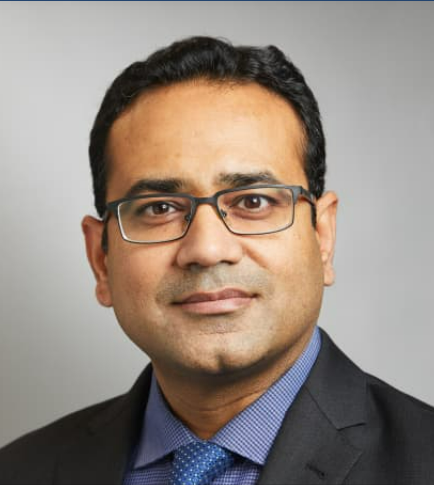 Prashanth Vallabhajosyula合作论文数Yale Department of Surgery, Yale School of Medicine, Yale University19
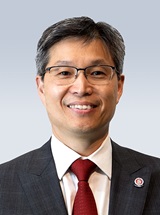 Wilson Y. Szeto合作论文数Department of Surgery, Perelman School of Medicine, University of Pennsylvania15
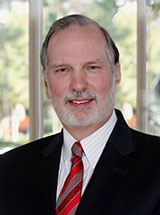 Joseph Edward Bavaria合作论文数Perelman School of Medicine, University of Pennsylvania;Division of Cardiothoracic Surgery, Hospital of the University of Pennsylvania14
 George J. Arnaoutakis合作论文数From the Division of Cardiac Surgery, Research Institute at Kennedy-Krieger Baltimore9
 Nimesh D. Desai合作论文数Division of Cardiovascular Surgery, Hospital of the University of Pennsylvania;Perelman School of Medicine, University of Pennsylvania;Leonard Davis Institute of Health Economics, University of Pennsylvania8
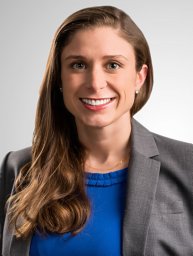 Komlo Caroline M合作论文数Department of Surgery, University of Pennsylvania7
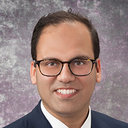 Ibrahim Sultan合作论文数6
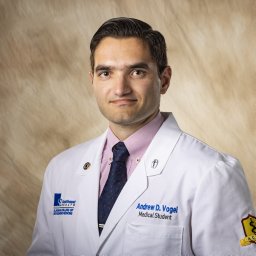 Andrew D. Vogel合作论文数5
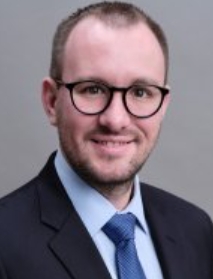 Habertheuer Andreas合作论文数Vienna General Hospital, Medical University of Vienna5
 Mary Siki合作论文数4Zachary Brennan合作论文数4
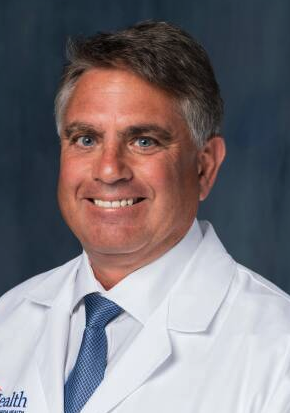 Jeffrey P Jacobs合作论文数Department of Surgery, College of Medicine, University of Florida Health;Congenital Heart Center, College of Medicine, University of Florida Health;Shands Children's Hospital, University of Florida Health4Thomas M. Beaver合作论文数Division of Thoracic and Cardiovascular Surgery, University of Florida College of Medicine4Tomas D. Martin合作论文数4Caleb L Hamilton合作论文数3Megan C. Richards, MS合作论文数3Kirsten Freeman合作论文数Division of Thoracic and Cardiovascular Surgery, University of Florida3
 Michael A. Acker合作论文数Surgery Faculty, Perelman School of Medicine, University of Pennsylvania3Neal Dan合作论文数3
 Badhwar Vinay合作论文数Department of Cardiovascular and Thoracic Surgery, West Virginia University3Austin Wynn合作论文数2Aaron Pulsipher合作论文数2Randa Blenden合作论文数2Kristen L Walker合作论文数2
 Andres Pelaez合作论文数2
 Maxwell Jabaay合作论文数2S. Chandrashekaran合作论文数Division of Pulmonary, Critical Care, and Sleep Medicine, University of Florida2
 Walter Clark Hargrove合作论文数2
 J. Hunter Mehaffey合作论文数2Rodrigo Soto合作论文数2Alberto Pochettino合作论文数2
 Tariq Ahmad合作论文数Cardiovascular Medicine, Internal Medicine, Yale School of Medicine, Yale University2
 Emil Pitkin合作论文数Statistics Department, The Wharton School, University of Pennsylvania2
 Ranjit John合作论文数Division of Cardiothoracic Surgery, Department of Surgery, Medical School, University of Minnesota2Solometo Lauren P合作论文数2
 Hobbs Reilly合作论文数Department of Surgery, Hospital of the University of Pennsylvania2
 Marci Fults合作论文数2
 Tiago Machuca合作论文数Rede D'Or São Luiz2
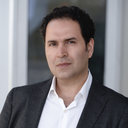 Amir Emtiazjoo合作论文数2
 Yury Zasimovich合作论文数2
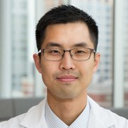 Jason Han合作论文数2Yerokun Babatunde合作论文数2Milewski Karianna合作论文数2Martin R. Back合作论文数2
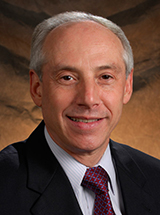 Howard C. Herrmann合作论文数Perelman School of Medicine, University of Pennsylvania;Interventional Cardiology, Cardiovascular Division, Hospital of the University of Pennsylvania;Medtronic;Johnson & Johnson MedTech;Various Medical Device Companies2
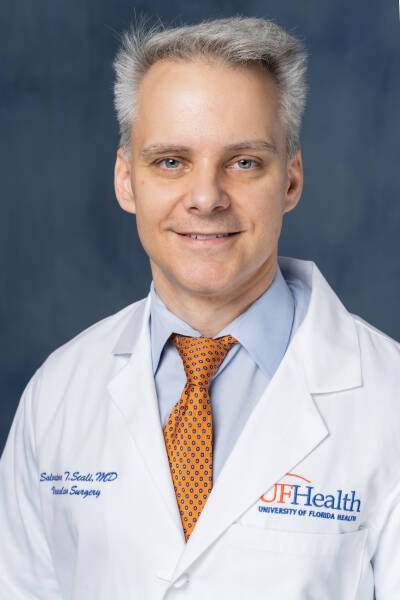 Salvatore T Scali合作论文数Department of Surgery, University of Florida Health;Non-invasive Vascular Ultrasound Laboratory, Univeristy of Florida;University of Florida Division of Vascular Surgery and Endovascular Therapy2Jeanne Fox合作论文数2John R Spratt合作论文数NIH2
 Matthew James Williams合作论文数Gilead Sciences Inc.2




