We report the draft genome of the black cottonwood tree, Populus trichocarpa. Integration of shotgun sequence assembly with genetic mapping enabled chromosome-scale reconstruction of the genome. More than 45,000 putative protein-coding genes were identified. Analysis of the assembled genome revealed a whole-genome duplication event; about 8000 pairs of duplicated genes from that event survived in the Populus genome. A second, older duplication event is indistinguishably coincident with the divergence of the Populus and Arabidopsis lineages. Nucleotide substitution, tandem gene duplication, and gross chromosomal rearrangement appear to proceed substantially more slowly in Populus than in Arabidopsis. Populus has more protein-coding genes than Arabidopsis, ranging on average from 1.4 to 1.6 putative Populus homologs for each Arabidopsis gene. However, the relative frequency of protein domains in the two genomes is similar. Overrepresented exceptions in Populus include genes associated with lignocellulosic wall biosynthesis, meristem development, disease resistance, and metabolite transport.
Diatoms are unicellular algae with plastids acquired by secondary endosymbiosis. They are responsible for ∼20% of global carbon fixation. We report the 34 million–base pair draft nuclear genome of the marine diatom Thalassiosira pseudonana and its 129 thousand–base pair plastid and 44 thousand–base pair mitochondrial genomes. Sequence and optical restriction mapping revealed 24 diploid nuclear chromosomes. We identified novel genes for silicic acid transport and formation of silica-based cell walls, high-affinity iron uptake, biosynthetic enzymes for several types of polyunsaturated fatty acids, use of a range of nitrogenous compounds, and a complete urea cycle, all attributes that allow diatoms to prosper in aquatic environments.
 Daniel Rokhsar合作论文数Department of Molecular & Cell Biology, University of California, Berkeley;Okinawa Institute of Science and Technology Graduate University;Department of Physics, University of California6
 Jane Grimwood合作论文数Genome Sequencing Center, HudsonAlpha Institute for Biotechnology5
 David Goodstein合作论文数California Institute of Technology5
 Jeremy Schmutz合作论文数HudsonAlpha Institute for Biotechnology;Department of Energy, Joint Genome Institute4
 Igor Grigoriev合作论文数Joint Genome Institute, Lawrence Berkeley National Laboratory4S. Lucas合作论文数4P Richardson合作论文数3andrea aerts合作论文数3
 DiFazio Stephen P合作论文数Dept Biol, W Virginia Univ3Larimer Frank W合作论文数Oak Ridge Natl Lab, Biosci Div, Oak Ridge, TN 37831 USA3
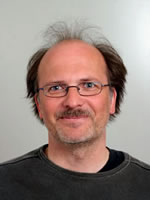 Stefan Jansson合作论文数Umea Plant Science Centre, Department of Plant Physiology, Umea University3Astrid Terry合作论文数Joint Genome Institute3
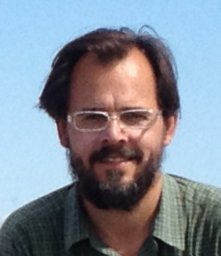 Nicholas H. Putnam合作论文数Department of Energy;Joint Genome Institute;Department of Energy|Joint Genome Institute3
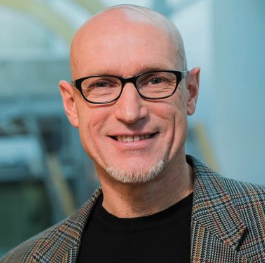 Jörg Bohlmann合作论文数Michael Smith Laboratories, The University of British Columbia3
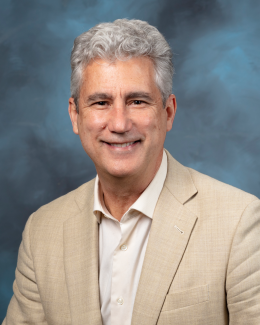 Gerald A. Tuskan合作论文数Center for Bioenergy Innovation, Biological Sciences Division, Oak Ridge National Laboratory3
 Asaf Salamov合作论文数DOE Joint Genome Institute, Lawrence Berkeley National Laboratory3J. Detter合作论文数2B Segerman合作论文数2J. Vahala合作论文数2G Pilate合作论文数2
 Dermot Cooper合作论文数2Jan Karlsson合作论文数2L Chen合作论文数2n islamfaridi合作论文数2Y. Lou合作论文数2E Uberbacher合作论文数2T. Yin合作论文数2J. Carlson合作论文数2P Rouze合作论文数2S. Ralph合作论文数2
 Asim Siddiqui合作论文数2
 Diego A. Martinez合作论文数Broad Inst MIT & Harvard, Cambridge, MA 02142 USA2
 Jeremy Couturier合作论文数Inst Univ France2
 Berthold Heinze合作论文数Federal Research and Training Centre for Forests, Natural Hazards and Landscape2
 Kermit Ritland合作论文数Department of Forest & Conservation Sciences, Faculty of Forestry, The University of British Columbia2
 Malcolm Campbell合作论文数Department of Molecular and Cellular Biology, University of Guelph2
 Sébastien Duplessis合作论文数南锡洛林研究中心2
 Yrjö Helariutta合作论文数Organismal and Evolutionary Biology Research Programme,;Faculty of Biological and Environmental Sciences, University of Helsinki2
 David R. Nelson合作论文数Department of Microbiology, Immunology & Biochemistry, College of Medicine, The University of Tennessee Health Science Center2
 Gary Peter合作论文数School of Forest, Fisheries, & Geomatics Sciences, University of Florida2
 Richard Jorgensen合作论文数The School of Plant Sciences, College of Agriculture, Life & Environmental Sciences, University of Arizona2Leebens-Mack James合作论文数2Nieminen Kaisa合作论文数Institute of Biotechnology, University of Helsinki;Finnish Forest Research Institute2
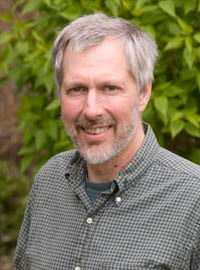 Carl Douglas合作论文数Department of Botany, Faculty of Science, The University of British Columbia2
 Chandrashekhar P. Joshi合作论文数Department of Biological Sciences, College of Sciences and Arts, Michigan Technological University2Napoli C.合作论文数2W. Huang合作论文数2
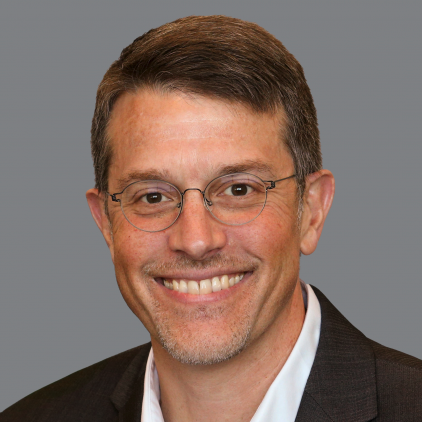 Marco Marra合作论文数Canada’s Michael Smith Genome Sciences Centre, BC Cancer Research Institute;Department of Medical Genetics, Faculty of Medicine, University of British Columbia;Michael Smith Laboratories, University of British Columbia2
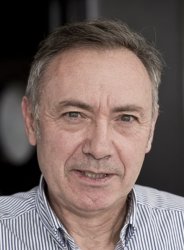 Bernard Henrissat合作论文数Federative Research Institute, CNRS, Aix-Marseille Universities;Architecture et Fonction des Macromolécules Biologiques;Technical University of Denmark;Department of Biological Sciences, King Abdulaziz University2




