BACKGROUND:Cleft lip repair (CLR) is one of the most common reconstructive surgeries performed for congenital conditions. Although perioperative surgical antibiotic prophylaxis (SAP) is commonly used, evidence supporting its benefit in CLR is limited. METHODS:We performed a retrospective cohort study using the 2021-2024 American College of Surgeons Pediatric SAP Data Files. Infants ≤12 months who underwent primary CLR were categorized into three groups: no SAP, SAP without postoperative continuation, and SAP with continued postoperative IV antibiotics. Primary outcomes were 30-day SSI and readmission, which was evaluated using Firth penalized logistic regression. A prespecified subanalysis was performed in patients who underwent bilateral CLR (BCLR). RESULTS:A total of 4,966 patients met the inclusion criteria: 475 (9.6%) received no SAP, 3,250 (65.4%) received SAP without continuation, and 1,241 (25.0%) received SAP with postoperative continuation. SAP was administered to 90.4% of the patients, the most commonly used SAP was cefazolin (87.2%). The overall SSI rate was 0.7%. On multivariable analysis, neither SAP without continuation (OR 0.69, 95% CI 0.27-2.19, p=0.49) nor SAP with continuation (OR 0.61, 95% CI 0.20-2.12, p=0.41) were associated with decreased SSI. SAP was also not associated with reduced readmissions or composite complications. In the BCLR subanalysis, both SAP groups were significantly associated with decreased odds of SSI (OR 0.19 and 0.17, respectively; both p<0.05). CONCLUSIONS:In this multicenter cohort, SAP was not associated with reduced complications in the overall CLR population. However, patients who underwent BCLR and received SAP had significantly lower odds of SSI, indicating that this higher-risk subgroup may benefit from prophylaxis.
The prevalence of postoperative opioid prescribing following palatoplasty is largely unknown. We queried the National Surgical Quality Improvement Program-Pediatric (NSQIP-P) 2023 database to evaluate opioid prescribing at discharge and perioperative factors associated with opioid use in children aged 0-36 months undergoing palatoplasty. A total of 2026 patients (mean age 13.5 ± 4.6 months) were included. Approximately half of the patients (52.6%) received an opioid prescription at discharge, most commonly oxycodone (73.7%). Multivariable analysis demonstrated that longer anesthesia duration (OR: 1.03 per 10 min, 95% CI: 1.01-1.04, P < 0.001) and higher ASA classification (OR: 1.26, 95% CI: 1.09-1.46, P = 0.002) were independently associated with increased odds of opioid prescription at discharge, whereas Black or African American race (OR: 0.42, 95% CI: 0.30-0.60, P < 0.001) and longer time to discharge (OR: 0.93, 95% CI: 0.86-0.996, P = 0.04) were associated with decreased odds. Opioid prescribing rates following palatoplasty are high; however, variation exists across demographic and perioperative factors. Black or African American patients had lower odds of receiving a prescription, consistent with previously documented disparities in pediatric pain management. Indicators of procedural complexity, including anesthesia duration and ASA class, were associated with higher odds of prescribing. These findings highlight opportunities to refine postoperative analgesia following cleft palate repair and underscore the need for standardized, opioid-sparing strategies to optimize pain control and reduce practice variability and overprescription.
Fibrous dysplasia (FD) is a benign bone neoplasm often considered a disease of childhood, with existing literature suggesting lesions typically become quiescent by young adulthood. Consequently, the presentations and surgical outcomes of adult patients remain poorly characterized. This retrospective review analyzed 50 adult patients treated surgically for craniofacial FD at a single institution between 1988 and 2024 to evaluate patterns of presentation, operative indications, and long-term outcomes. The cohort (54.0% male) had a mean follow-up of 15.8 years. Polyostotic involvement was present in 60.0% of patients, and the frontal bone was most affected (51.2%). The median age at presentation was 31 years, and the median age at initial surgery was 34.5 years. The most common surgical indications were visible growth (30.5%) and pain or headache (27.1%). Of the 59 surgeries performed to directly treat FD, bone contouring only was the most common initial operative approach (n=42), followed by en bloc resection and reconstruction (n=7). However, 12% of patients undergoing initial contouring required additional operations for continued growth. All secondary deformities requiring corrective surgery were ocular. In addition, several patients demonstrated delayed recurrence or progression decades after primary surgical intervention. These findings suggest that craniofacial FD may remain symptomatic or continue to progress into adulthood, challenging the traditional paradigm that these lesions necessarily become quiescent after skeletal maturity and highlighting the importance of long-term surveillance in the adult population.
Introduction: Congenital preauricular lesions, including skin tags, accessory tragi, and pits, have long been associated with renal anomalies due to their shared embryologic origin. Despite the common practice of recommending routine renal ultrasound screening for these patients, the necessity of this protocol has not been conclusively validated. Methods: A retrospective review was conducted at a single institution from 1996 to 2025. A total of 109 patients presenting with congenital preauricular lesions were identified. Data extracted included demographics, comorbidities, syndromic status, hearing assessments, external ear abnormalities, and renal imaging findings. Statistical analyses (chi-square, Fisher's exact test, and one-sample proportion z-tests) were employed to evaluate the prevalence of renal anomalies compared to the general population and explore associations with other clinical factors. Results: Of the 109 patients with congenital preauricular lesions, 69 underwent renal imaging, and 34.8% (24/69) were found to have abnormal findings, significantly higher (P = .0011) than the estimated 1.5% prevalence among the general US population. Hydronephrosis was the most frequent abnormality, while no significant differences emerged across syndromic versus nonsyndromic patients, external ear anomalies, or documented hearing loss. Conclusion: These findings indicate a higher-than-expected rate of renal pathology in patients with congenital preauricular lesions and support a low threshold for imaging regardless of syndromic status or other risk factors. Prospective research is needed to further refine screening recommendations.
Background Reduction mammaplasty is a common procedure to relieve symptoms of macromastia. Amid the ongoing opioid crisis, improving postoperative pain control with judicious opioid prescribing practices has become a clinical priority. Liposomal bupivacaine (LB; Exparel) is a long-acting local anesthetic that may reduce opioid requirements, though evidence supporting its use in breast reduction is limited. This study evaluated the efficacy of LB in reducing postoperative pain following reduction mammaplasty. Methods In this prospective, single-blind, breast-split controlled trial, 32 adult female patients undergoing bilateral reduction mammaplasty were enrolled at a single academic center after IRB approval. Each breast received standard bupivacaine (SB; 0.25% bupivacaine hydrochloride); one side was randomly assigned to receive additional LB. Pain scores were recorded using the Numerical Pain Rating Scale (0-10) twice daily on postoperative days (POD) 1 through 3. Pain scores between sides were analyzed using paired t-tests and Wilcoxon signed-rank tests. Results The average patient age was 45.4 years (SD 14.4), with a mean BMI of 29.5 kg/m² (SD 4.3). No patients were lost to follow-up. Pain scores were lower on the LB side during POD1 and POD2. The greatest difference was noted on POD1 AM, with a mean reduction of -0.8 and median difference of -1 (p=0.012). By POD3, pain scores equalized between sides. No adverse events or complications were observed. Conclusion LB provided a modest reduction in pain scores during the first two postoperative days compared to standard bupivacaine. A more robust, adequately powered study is necessary to confirm the findings.
Craniofacial fibrous dysplasia (CFD) is a benign bone condition that presents unique challenges due to its proximity to vital organs, esthetic significance, and variability in each case. Consequently, a meticulous and personalized surgical approach becomes imperative. Diverse techniques and technologies have been employed sporadically to tackle various aspects of CFD. Our approach includes a comprehensive integration of emerging methods and technologies, encompassing presurgical strategizing, three-dimensional computer-aided manufacturing (3D-CAM), intraoperative navigation systems, and a prefabricated drilling guide in a fronto-orbito-sphenoidal CFD case. This combined strategy is aimed at effectively addressing the complexities of this demanding ailment. Moreover, a collaborative team consisting of plastic surgeons, neurosurgeons, and oculoplastic surgeons cooperates to orchestrate the procedure. Embracing a multidisciplinary team and a holistic technological strategy appears to be the key to addressing the multifaceted challenges posed by intricate conditions like CFD.
BACKGROUND:Controversy exists around the optimal timing of resection of nevus sebaceous (NS). The authors aim to determine optimal timing of NS resection and identify predictors of surgical outcomes and secondary intralesional neoplasms. METHODS:Retrospective chart review of all patients with biopsy-proven NS diagnosis treated at the authors' institution between 1987 and 2024. RESULTS:A total of 632 patients (317 females) underwent biopsy at a median age of 17 (interquartile range 11.7-36.9) years. Benign secondary intralesional neoplasms were found in 67 (10.6%) patients, with syringocystadenoma papilliferum being the most common. Malignant secondary intralesional neoplasms were diagnosed in 62 (9.8%) patients, with basal cell carcinoma being the most common. The incidence of secondary intralesional neoplasms was 3.9%, 24.4%, 36.05%, and 54%, in patients aged 0 to 20, 20 to 40, 40 to 60, and 60 to 80 years, respectively ( P <0.001). Age and NS area were associated with an increased risk of developing benign and malignant intralesional neoplasms ( P =0.01). Younger patients were more likely to need general anesthesia for excision (median age 10.42 versus 17 years, P <0.001). Surgical complications occurred in 10 cases, and 6 patients required unanticipated revision surgery. The risk of developing secondary intralesional neoplasms was similar across different NS anatomic regions (log-rank, P =0.09). CONCLUSION:Surgical excision of NS is safe and has an acceptable risk profile. The findings of this study support our historic practice of NS excision before puberty (before the accelerated growth phase) to reduce the risk of developing secondary intralesional neoplasms.
Surgical treatment and outcomes of fibrous dysplasia (FD) in pediatric patients are areas that have not been fully studied. The authors completed a retrospective review of 20 patients who had at least one surgery for craniofacial fibrous dysplasia before 18 years of age. Surgeries were categorized into 3 groups: bone contouring only; removal of the involved bone, contouring, and replacement of the contoured bone; or en bloc resection of the involved bone and reconstruction with an alloplastic material, bone allograft, or bone autograft obtained from non-involved sites. A total of 36 distinct surgical procedures were performed in 20 patients, with a mean number of 1.9 surgeries/patient (range 1-5). The maxilla was both the bone that was most commonly affected and most commonly operated on. The most common surgical indication was visible or palpable growth in 63.9% of cases. Bone contouring only was the initial surgery in 15 patients, of whom 9 patients (55.6%) had continued bone growth requiring subsequent surgeries. Removal, contouring, and replacement wasthe initial surgery in 1 patient, who required a secondary surgery. Four patients, all with monostotic calvarial disease, initially had an en bloc resection and reconstruction; none had recurrence. Patients with subsequent surgeries had a mean time to operation of 3.7 years (range 0.24-9.8). The recurrence rate and need for secondary surgical procedures were relatively high in patients who had bone contouring only. These patients tended to be patients with facial bone involvement more than calvarial involvement.
BACKGROUND:The differences in outcomes between dorsal preservation (DP) and dorsal reduction (DR) techniques in rhinoplasty remain unclear. This meta-analysis evaluates the DP and DR in terms of functional and aesthetic outcomes, revisions surgeries, dorsal irregularities, and residual and recurrent hump. METHODS:We searched PubMed, Cochrane, and Embase up to January 20th, 2025, for studies comparing DP versus DR. Primary outcome was standardized functional scores in the long-term postoperative period. Secondary outcomes were: short-term standardized functional outcomes, subjective aesthetic outcomes (sort-term and long-term), long-term standardized aesthetic outcome and total SCHNOS, revisions surgeries needed, dorsal irregularities, and residual and recurrent hump. Subgroup analyses were performed to evaluate different scales (SCHNOS, NOSE, VAS and UQ). RESULTS:Ten studies (1339 patients) were included. DP showed a significantly higher satisfaction in the UQ subgroup for short-term subjective aesthetic outcome (MD 1.13 points [95% CI: 0.74-1.52]; p < 0.001; I² = 0%), a significant reduction in dorsal irregularities (RR 0.28 [95% CI: 0.10-0.78]; p = 0.01; I² = 0%), and a significantly higher rate of residual and recurrent hump (RR 2.94 [95% CI: 1.23-7.03]; p = 0.02; I² = 0%), compared to the DR group. No significant differences were found in standardized functional outcomes, subjective aesthetic outcomes, standardized aesthetic outcomes, total SCHNOS, or revision surgeries. CONCLUSION:DP was associated with greater short-term aesthetic satisfaction (UQ), fewer dorsal irregularities, and a higher risk of residual and recurrent hump compared to DR. There were no significant differences between the groups in the other outcomes.
ObjectiveWe sought to characterize the frequency of postoperative opioid prescriptions in patients undergoing cleft lip repair (CLR).DesignThe NSQIP-P 2023 database was queried to identify patients undergoing CLR using CPT codes. Univariable analysis was conducted to identify factors associated with postoperative opioid prescription.SettingA multicenter sample from 157 participating sites.Patients/participantsA total of 1497 cases (1215 unilateral CLR and 282 bilateral CLR) were identified.Main outcomes/measuresThe postoperative outcomes of interest were whether an opioid was prescribed to a patient at discharge and what factors were independently associated with opioid prescribing at discharge.ResultsA total of 44.6% of patients with a mean age of 5.1 ± 1.9 months were prescribed opioids at discharge, most commonly oxycodone (76.3%). Univariable analysis identified an increase in weight (kg) (OR: 1.09, 95% CI: 1.02-1.17, P = .03), American Society of Anesthesiologists (ASA) classification (ordinal) (OR: 1.25, 95% CI: 1.06-1.47, P = .01), anesthesia time (10 min) (OR: 1.02, 95% CI: 1.01-1.04, P = .03), and age (months) (OR: 1.06, 95% CI: 1.00-1.12, P = .04) as being associated with opioid prescription at discharge. Bilateral versus unilateral CLR (P = .49) and outpatient versus inpatient operation (P = .38) were not associated with opioid prescribing.ConclusionOpioid stewardship is important in pediatric care, with our results showing age, weight, anesthesia time, and ASA classifications are predictors of opioid prescription. Further research examining contributors to patient pain following CLR is necessary to optimize opioid prescribing without negatively impacting the patient.
BACKGROUND:The management and use of antibiotics in pediatric ear lacerations lacks standardization. This study sought to provide a comprehensive review of these injuries and assess the impact of administering perioperative antibiotics on the incidence of infections after repair. METHODS:Retrospective review of all pediatric ear lacerations treated at our institution's emergency department (ED) between 1998 and 2024. RESULTS:A total of 246 patients (177 boys) were included. Patients aged 0-6 years were most affected (n = 117, 47.6%), with the peak between 2-5 years old (n = 78, 31.7%). Most lacerations were superficial (n = 145, 58.9%), followed by intermediate (n = 62, 25.2%), full thickness (n = 34, 13.9%), and split earlobe defects (n = 5, 2%). Most of the patients (n = 110, 54.7%) were managed by emergency medicine providers. Plastic and reconstructive surgery (n = 34, 16.9%) and otorhinolaryngology (n = 32, 15.9%) consultations were obtained when the lacerations affected cartilage (P < 0.001). Surgical repair included primary closure in 203 (82.5%), with 179 (88.2%) performed under local/topical anesthesia in the ED. Of patients with cartilage lacerations (n = 61), 48 had cartilage repair. Eight patients had preoperative intravenous antibiotics, while 105 (42.7%) received postoperative prophylactic oral antibiotics. Among those with intermediate and full-thickness injuries (n = 96), 67.7% were discharged on prophylactic oral antibiotics. Only 1 case of surgical site infection occurred in a patient with a superficial laceration. CONCLUSIONS:Pediatric ear lacerations mostly affect boys aged 2-5 years and are usually repaired under local anesthesia in the ED. The incidence of infection is low, and the routine prescription of prophylactic oral antibiotics appears to have a limited impact on the overall incidence of surgical site infection. Further studies are needed to validate these findings.
INTRODUCTION:Conjoined twin abdominal separation is a rare operation that requires complex closure techniques to ensure abdominal wall stability, visceral protection, and adequate skin closure. This study evaluates outcomes after the use of tissue expanders in abdominal wall reconstruction in omphalopagus twin pairs separation. METHODS:A retrospective study of all conjoined twin separations was analyzed between 1991-2020 at a tertiary medical center with two-staged tissue expander-based abdominal wall reconstruction performed by the senior surgeon (U.B). The operative technique is outlined. Demographic, operative, and postoperative outcomes were abstracted from the medical records. RESULTS:A total of 4 pairs (3 females, 1 male) were included in the study and all achieved successful separation. The average age at expander placement was 207 days old (range:11-670) and 265 days old (53-732) for separation. Expanders averaged 57 cc in volume with 44 days of expansion. There was one early explantation due to port exposure, 3 post-separation delayed wound healings, and one abdominal compartment syndrome. The median long-term follow-up was 14.5 years. In the long term, 3 patients developed minor abdominal hernias requiring no intervention. DISCUSSION:Expansive abdominal wall defects after omphalopagus twin separation present a challenging situation with a deficiency in donor site availability that precludes traditional local or flap reconstruction. This study demonstrated our tissue expansion technique in the reconstruction and surgical closure of vast abdominal wall defects after conjoined twin separation. LEVEL OF EVIDENCE:IV.
Cleft lip is a common craniofacial anomaly, yet standard practices for cleft lip repair (CLR), particularly regarding inpatient versus outpatient care, remain variable across clinical practice. To determine whether outpatient CLR is associated with increased 30-day readmission or reoperation rates, the National Surgery Quality Improvement Program-Pediatric (NSQIP-P) database was queried from 2014 to 2023. Cases of unilateral (UCLR) and bilateral (BCLR) cleft lip repair were identified and filtered to exclude patients with comorbidities, multiple procedures under the same anesthesia, or inpatient stays longer than one day. Postoperative unplanned readmissions, unplanned reoperations, and the reasons for unplanned admissions and reoperations were evaluated using multivariable analysis. A total of 4257 patients without comorbidities were included (3695 patients underwent UCLR and 562 patients underwent BCLR). Outpatient procedures accounted for 54.5% of UCLR and 55.2% of BCLR. The 30-day unplanned readmission rate was 0.78%, with 54.5% related to the CLR. The unplanned reoperation rate was 0.28%, with 75.0% related to the CLR. Bilateral cleft lip repair was significantly associated with higher odds of unplanned reoperation (OR: 6.61, 95% CI: 2.06-21.10, p = 0.001). Outpatient CLR was not associated with increased risk of unplanned readmission (OR: 0.51, 95% CI: 0.22-1.10, p = 0.09) or reoperation (OR: 2.51, 95% CI: 0.75-11.30, p = 0.17). These findings suggest that outpatient CLR is safe and not associated with increased 30-day complications in healthy patients, supporting the use of outpatient care when appropriate.
BACKGROUND AND PURPOSE:Use of autogenous cartilage for ear reconstruction is the gold standard; however, its harvest is associated with morbidity and limited availability in children. This study systematically reviews literature on the safety and efficacy of ear reconstruction with cartilage allograft. DESIGN:A systematic review per the PRISMA guidelines. PATIENTS:Patients with a history of acquired or congenital ear defects who underwent reconstruction with cartilage allografts. RESULTS:The search yielded in 178 articles and 10 studies were included. All were retrospective case series or reports. At least 156 ears (150 patients) were reconstructed with cartilage allograft at a mean age of 12.2 years with a median follow-up duration of 48 months. If specified, most auricular defects were total defects (38/40) and congenital (56/61). Non-radiated cadaveric cartilage allograft was the most used material. Among the 156 ears, 72 ears had complications including total resorption (32/72), followed by partial resorption (29/72), extrusion (3/72), infection (3/72), and skin necrosis (2/72). Notably, resorption requiring surgical management was less frequent (18/61). Unplanned reoperation was performed in 23/156 cases. Improvements in function, that is ability to wear glasses and improvement in hearing, were mentioned by 2 patients. CONCLUSIONS:Ear reconstruction with cartilage allograft provides the benefits of avoiding donor site morbidity and decreasing operative time. More rigorous and high quality studies are needed to reliably assess its safety as an alternative to autogenous or alloplastic material.
ObjectiveWe aimed to understand the impact of Cranial Remolding Orthotic therapy (CRO) on the quality of life of both infants with positional deformational head shape abnormalities (PDHSAs), including plagiocephaly and brachycephaly, and their caregivers.DesignSurvey study.SettingA single, tertiary academic center.Patients, ParticipantsFamilies of infants with PDHSAs who underwent CRO between 2007 and 2022.InterventionsCRO.Main Outcome Measure(s)Subjective assessment of caregiver perspectives.ResultsWe obtained 242 responses (72% male) from 1013 patients contacted (response rate 23.9%). CRO was initiated at a median age of 6 months (IQR 5-7 months), with a median treatment duration of 4 months (IQR 3-5 months). Insurance covered costs fully for 9.8% of respondents and partially for 47.0%; 43.2% paid completely out-of-pocket. Most were "very satisfied" or "satisfied" with head shape (89.2%) and ear position (93.3%). CRO did not impact children's sleep (75.2%), "never" or "rarely" impacted children's play (90.5%), and never impacted most families' attendance of social events (91.3%). Hair loss was temporary in 29.9% and permanent in 0.8%. Most families did not find CRO burdensome (73.1%) and "never" or "rarely" felt fatigued (68.5%).ConclusionsThe study sheds light on the mental and social effects of CRO on patients and caregivers, as well as physical adverse effects associated with treatment. Overall, patients' families expressed satisfaction with results and felt that administering CRO had minimal negative impacts on themselves and their children.
Objective Recalcitrant palatal fistulas in patients with cleft palate history sometimes require free flap reconstruction. This study reviews the literature on described flaps and outcomes.Design A systematic review was conducted per the Preferred Reporting Items for Systematic Reviews and Meta-analyses guidelines.Setting All study designs were included. Non-English articles were excluded.Patients and Participants Patients with a history of cleft palate who underwent free flap reconstruction for a oronasal fistula.Interventions Free tissue transfer for a palatal fistula repair.Main outcomee measures Information regarding defect and flap characteristics were reviewed. Surgical outcomes such as flap loss rates, rates of recurrent fistula formation, and speech outcomes were also obtained.Results Our search returned 894 articles, of which 23 were included. All studies were retrospective case series and reports. A total of 65 patients were described with an average age of 19.3 (range 3-55) years and a median fistula size of 8.00 cm2 (range 2.54 cm2 - 24 cm2). The most common flap was the radial forearm flap (n = 37). Nine patients (13.8%) had recurrent fistula formation with surgical revision successful in all cases in which the patient returned to the operating room. There were two partial flap losses and no total flap losses. Speech outcomes showed improvement in 27 patients across 10 studies.Conclusions Palatal fistula repair with free tissue transfer is safe with an acceptable risk profile and low flap loss rate. Early recurrence due to partial flap necrosis and dehiscence are successfully managed with flap readvancement.
 Samir Mardini合作论文数18Waleed Gibreel合作论文数15
 Sharaf Basel合作论文数Department of Surgery, Mayo Clinic12Thanapoom Boonipat合作论文数11
 Doga Kuruoglu合作论文数Department of Surgery, Mayo Clinic7
 Nho V Tran合作论文数6
 Steven L. Moran合作论文数Department of Orthopedic Surgery, Mayo Medical College6
 Ricky P Clay合作论文数6Nathan Hebel合作论文数5Agnes Zhu合作论文数4Sai Cherukuri合作论文数4Bakri Karim合作论文数4Martinez-Jorge Jorys合作论文数4Paul M. Petty合作论文数4Johnson Craig合作论文数3
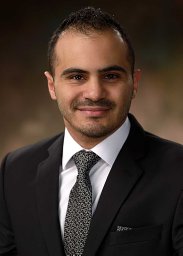 Amjed Abu-Ghname合作论文数Div Plast Surg, Texas Childrens Hosp3Lilly H Wagner合作论文数3
 Shelagh A Cofer合作论文数3
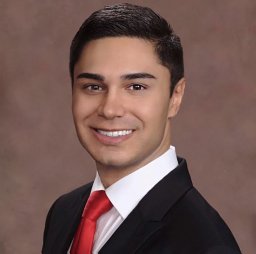 Vyas Krishna S合作论文数From the College of Medicine, University of Kentucky, Lexington3Mitchell A. Stotland合作论文数Craniofacial Anomalies Clinic, Dartmouth-Hitchcock Medical Center3Elizabeth A. Bradley合作论文数3
 Lucas Kreutz-Rodrigues合作论文数2Cristina A Salinas合作论文数2Liset Falcon Rodriguez合作论文数2Sunni A Barnes合作论文数2
 Dawn M Davis合作论文数2Jason M Weissler合作论文数Div Plast Surg, Mayo Clin2Jason Lin合作论文数2
 Minh-Doan T. Nguyen合作论文数2
 Anita Mohan合作论文数2
 Robin Patel合作论文数Division of Clinical Microbiology, Department of Laboratory Medicine and Pathology, Mayo Clinic;Division of Infectious Diseases, Department of Internal Medicine, Mayo Clinic2
 Jonathan Morris合作论文数2Harless Christin A合作论文数2
 Franklin H. Sim合作论文数Mayo Medical School;Mayo Clinic2
 Jay Mandrekar合作论文数Mayo Clinic2Steven R. Jacobson合作论文数2
 Alex Senchenkov合作论文数Division of Plastic & Reconstructive Surgery, Mayo Clinic2
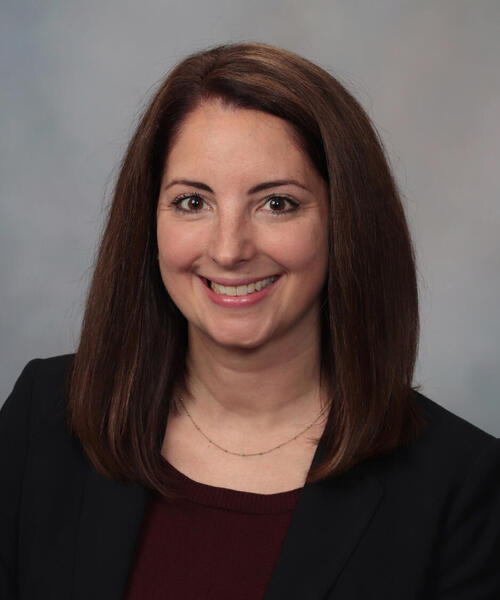 Liz B. Habermann合作论文数Division of Health Care Delivery Research, Mayo Clinic2James Knoetgen合作论文数2
 Julia S Lehman合作论文数Department of Dermatology, Mayo Clinic2
 Edward S Ahn合作论文数Angstrom Medica, Inc.2David G. Stoddard合作论文数2
 Jerry D Brewer合作论文数2
 M. Hassan Murad合作论文数Division of Health Care Policy & Research, Department of Quantitative Health Sciences, Mayo Clinic2
 Dawit Haile合作论文数2Hsu-Tang Cheng合作论文数1




