Mitochondrial translation machinery exhibits similarities with the bacterial translation apparatus. Of the three bacterial translation initiation factors (IF1, IF2 and IF3), two (IF2 and IF3) have homologues in mitochondria (mtIF2 and mtIF3). A high conservation of decoding nucleotides in the ribosomal A-site suggests relevance of IF1-like proteins in mitochondria. The mitochondrial translation machineries have evolved with different solutions for the IF1 function. However, in Saccharomyces cerevisiae, the identity of such a protein remains unknown. Here, based on sequence alignment with human mtIF2, we deduced that Rmd9p may contribute to an IF1-like function in S. cerevisiae. Our genetic analyses show that Rmd9p is required for mitochondrial translation. In addition, we show that a sequence from Rmd9p, pivotal for its mitochondrial function, when inserted into mtIF2, substitutes for both the IF2 and IF1 functions in an established model of Escherichia coli. Interestingly, while the mutations at the critical residues in the Rmd9p peptide compromise the IF1 function, the mutant peptide is still able to support E. coli growth, suggesting that the structure (rather than the precise sequence) of the IF1-like insert domain in mitochondrial IF2 plays a major role in the recognition of the decoding nucleotides in the ribosomal A-site.
Uracil arises in DNA either by spontaneous deamination of cytosine or misincorporation of dUMP by DNA polymerases. Cytosine deamination (to uracil), if unrepaired, may lead to GC to AT mutation. Uracil DNA glycosylases (UDGs) initiate the base excision repair (BER) pathway by excising uracil from DNA. Here, we report a novel uracil DNA glycosylase, CC2084, UdgC, from Caulobacter crescentus, an α-proteobacterium. Despite lacking significant overall sequence similarity with the known UDGs, CC2084 contains motif A (GQAPG) resembling to that of the family I UDGs (Ung), and motif B (HPSWRNT) similar to that of the family V UDGs (UdgB). In addition to uracil, CC2084 removes hypoxanthine and xanthine from single-, and double-, stranded DNAs; and ethenoadenine from double stranded DNA. Also, we notice that CC2084 activity is inhibited by the reaction products, uracil and AP site containing DNA, as well as by the phage-encoded Ugi, which was known to target only the family I UDGs. CC2084 rescues the mutator phenotype of E. coli ∆ung, an effect that is attenuated when co-expressed with Ugi. Phylogenetically, CC2084 forms a separate group of UDGs. The presence of CC2084 in the highly GC-rich genome of Caulobacter may compensate for the absence of the highly efficient Ung protein.
The intestinal milieu is largely characterized by the complex array of chemical compounds produced through the metabolic activity of resident microbiota. Enteric pathogens like Salmonella, which have evolved refined mechanisms to persist within this environment, utilize these microbial metabolites and self-produce quorum molecules as molecular cues to identify ecological niches and modulate their survival and virulence strategies. Salmonella quorum sensing involves producing and detecting universal Autoinducer-2 (AI-2) signaling molecules. Our research reveals that Salmonella Typhimurium enhances AI-2 biosynthesis and transport under acidic conditions, aiding environmental adaptation and facilitating pathogenesis in macrophages. AI-2 signaling regulates the pH-sensing two-component system genes, phoP/phoQ, ensuring cytosolic pH homeostasis, survival, and acid tolerance. It also involves regulating the lysine/cadaverine-mediated acid tolerance response and maintaining bacterial cytosolic pH. Furthermore, we investigated the mechanism of AI-2-mediated gene regulation and demonstrated that, in addition to the lsr promoter, the repressor LsrR binds the phoP promoter via its Y25 and R43 residues, thereby negatively regulating phoP expression. Additionally, this signaling ameliorates the intracellular survival by modulating Salmonella Pathogenicity Island-2 (SPI-2) regulators (ssrA/ssrB) and SPI-2 effector expression via PhoP. Mouse models demonstrate that AI-2 signaling is essential for colonizing the primary and secondary infection sites. Therefore, quorum sensing facilitates survival in hostile host environments by modulating multiple genetic targets through the AI-2/LsrR-mediated feedback loop in pathogenic bacteria.
The tRNAs are non-coding RNAs (ncRNAs) known for their classical role in decoding mRNAs. Analysis of tRNA sequences from Escherichia coli revealed pairwise similarities for different combinations of tRNAs, as well as complementarities between some tRNA pairs. To explore the physiological significance of the complementarities between the tRNAs, we investigated the pair of tRNAs encoded by lysT (encoding an abundant tRNA, tRNALysT), and argU (encoding a rare tRNA, tRNAArgU). We show that tRNALysT and tRNAArgU anneal to form a heterodimer in vitro. The heterodimerisation is prevented by the presence of DNA oligomers complementary to the interacting sequences, in a dose dependent manner. Consistent with the notion of sequestration of tRNAArgU by tRNALysT, while the overexpression of tRNAArgU did not impact the culture growth, that of tRNALysT did. The tRNALysT mediated inhibition of the culture growth was enhanced at a lower temperature. The AGA minigene (decoded by tRNAArgU) mediated toxicity and hybrid phage (λimm-P22) growth on ssrA (tmRNA) strains was also consistent with the sequestration of tRNAArgU by tRNALysT. Also, we observed tRNA-derived fragments (tRFs) from tRNALysT and tRNAArgU, which too might facilitate tRNAArgU sequestration. Taken together, these observations support a novel regulatory role of the evolutionary conserved complementarities between tRNAs.
Bacterial pathogens such as Mycobacterium tuberculosis majorly rely on two-component signaling (TCS) systems to sense and generate adaptive responses to the dynamic and stressful host environment. TCS comprises a sensor histidine kinase (SHK) that perceives the environmental signal and a response regulator (RR) that modulates the target gene expression. TCS occurs via a phosphotransfer event from SHK to RR. However, the mechanisms that regulate phosphotransfer events are not well understood. We explored the role of MutT1, originally characterized to hydrolyze oxidized GTP (8-oxo-GTP) and dGTP (8-oxo-dGTP), in TCS regulation. Unlike other MutT proteins, mycobacterial MutT1 comprises two domains (N-terminal domain, NTD; and C-terminal domain, CTD). Structurally, MutT1 NTD is like MutT proteins in other organisms. However, the MutT1 CTD is similar to Escherichia coli SixA, a histidine phosphatase with an Arg-His-Gly (RHG) motif. We show that MutT1 CTD dephosphorylates many SHKs and impacts expression of their target genes, highlighting the role of MutT1 in regulating TCS. These novel findings are of special significance because they provide us with an extrinsic phosphatase mechanism to reset TCS signaling. The study reveals an intricate interplay between an enzyme that sanitizes the cellular nucleotide pool and bacterial signaling pathways, offering insights into the adaptation mechanisms.
MutT proteins are Nudix hydrolases characterized by the presence of a Nudix box, GX5EX7REUXEEXGU, where U is a bulky hydrophobic residue and X is any residue. Major MutT proteins hydrolyze 8-oxo-(d)GTP (8-oxo-GTP or 8-oxo-dGTP) to the corresponding 8-oxo-(d)GMP, preventing their incorporation into nucleic acids. Mycobacterial MutT1 comprises an N-terminal domain (NTD) harboring the Nudix box motif, and a C-terminal domain (CTD) harboring the RHG histidine phosphatase motif. Interestingly, unlike other MutTs, the MutT1 hydrolyses the mutagenic 8-oxo-(d)GTP to the corresponding 8-oxo-(d)GDP. Nucleoside diphosphate kinase (NDK), a conserved protein, carries out reversible conversion of (d)NDPs to (d)NTPs through phospho-NDK (NDK-Pi) intermediate. Recently, we showed that NDK-Pi converts 8-oxo-dGDP to 8-oxo-dGTP and escalates A to C mutations in a MutT-deficient Escherichia coli. We now show that both Mycobacterium tuberculosis MutT1 and Mycobacterium smegmatis MutT1, through their NTD (Nudix hydrolase motifs) function as protein phosphatase to regulate the levels of NDK-Pi and prevent it from catalyzing conversion of (d)NDPs to (d)NTPs (including conversion of 8-oxo-dGDP to 8-oxo-dGTP). To corroborate this function, we show that MsmMutT1 decreases A to C mutations in E. coli under the conditions of EcoNDK overexpression. IMPORTANCE MutT proteins, having a Nudix box domain, hydrolyze the mutagenic 8-oxo-dGTP to 8-oxo-dGMP. However, mycobacterial MutT (MutT1) comprises an N-terminal domain (NTD) harboring a Nudix box, and a C-terminal domain (CTD) harboring an RHG histidine phosphatase. Unlike other MutTs, mycobacterial MutT1 hydrolyses 8-oxo-dGTP to 8-oxo-dGDP. Nucleoside diphosphate kinase (NDK), a conserved protein, converts 8-oxo-dGDP to 8-oxo-dGTP through phospho-NDK (NDK-Pi) intermediate and escalates A to C mutations. Here, we show that the mycobacterial MutT1 is unprecedented in that its NTD (Nudix box), functions as protein phosphatase to regulate NDK-Pi levels and prevents it from converting dNDPs to dNTPs (including 8-oxo-dGDP to 8-oxo-dGTP conversion). In addition, mycobacterial MutT1 decreases A to C mutations in Escherichia coli under the conditions of NDK overexpression.
Initiation factors play critical roles in fine-tuning translation initiation, which is the first and the rate-limiting step in protein synthesis. In bacteria, initiation factors, IF1, IF2 and IF3 work in concert to accurately position the initiator tRNA (i-tRNA) in its formyl-aminoacyl form, and the mRNA start codon at the ribosomal P-site, setting the stage for accommodation of the aminoacyl-tRNA in response to the second codon, and formation of the first peptide bond. Among these, IF3 is particularly crucial in ensuring the fidelity of translation initiation as it is involved in the accuracy of the selection of i-tRNA and the start codon. The two-domains (N- and C-terminal) dumbbell shaped structure and dynamics of IF3 significantly influence its fidelity function. This review explores how the N- and C-terminal domains of IF3 communicate with each other and how their interaction with i-tRNA helps to maintain the fidelity of translation initiation.
Salmonella quorum sensing involves producing and detecting Autoinducer-2 (AI-2) signaling molecules. Our research reveals that Salmonella Typhimurium enhances AI-2 biosynthesis and transport under acidic conditions, aiding in environmental adaptation and facilitating pathogenesis in macrophages. AI-2 signaling regulates the pH-sensing two-component system genes, phoP/phoQ , ensuring cytosolic pH homeostasis, survival, and acid tolerance. It also involves regulating the Lysine/Cadaverine-mediated acid tolerance response and maintaining bacterial cytosolic pH. In this study, we show that LsrR protein, via its Y25 and R43 amino acids, apart from the lsr promoter, binds to the phoP promoter to negatively modulate the expression of phoP . This signaling ameliorates intracellular survival by modulating Salmonella Pathogenicity Island-2 (SPI-2) regulators ( ssrA/ssrB ) and SPI-2 effector expression via PhoP. Mouse models demonstrate that AI-2 signaling is essential for colonizing primary and secondary infection sites, showcasing its critical role in pathogenesis and low pH survival mechanisms in Salmonella . ### Competing Interest Statement The authors have declared no competing interest.
Escherichia coli possesses four initiator tRNA (i-tRNA) genes, three of which are present together as metZWV and the fourth one as metY. In E. coli B, all four genes (metZWV and metY) encode i-tRNA(fMet1), in which the G at position 46 is modified to m(7)G46 by TrmB (m(7)G methyltransferase). However, in E. coli K, because of a single-nucleotide polymorphism, metY encodes a variant, i-tRNA(fMet2), having an A in place of m(7)G46. We generated E. coli strains to explore the importance of this polymorphism in i-tRNAs. The strains were sustained either on metY(A46) (metY of E. coli K origin encoding i-tRNA(fMet2)) or its derivative metY(G46) (encoding i-tRNA(fMet1)) in single (chromosomal) or plasmid-borne copies. We show that the strains sustained on i-tRNA(fMet1) have a growth fitness advantage over those sustained on i-tRNA(fMet2). The growth fitness advantages are more pronounced for the strains sustained on i-tRNA(fMet1) in nutrient-rich media than in nutrient-poor media. The growth fitness of the strains correlates well with the relative stabilities of the i-tRNAs in vivo. Furthermore, the atomistic molecular dynamics simulations support the higher stability of i-tRNA(fMet1) than that of i-tRNA(fMet2). The stability of i-tRNA(fMet1) remains unaffected upon the deletion of TrmB. These studies highlight how metY(G46) and metY(A46) alleles might influence the growth fitness of E. coli under certain nutrient-limiting conditions. IMPORTANCE Escherichia coli harbors four initiator tRNA (i-tRNA) genes: three of these at metZWV and the fourth one at metY loci. In E. coli B, all four genes encode i-tRNA(fMet1). In E. coli K, because of a single-nucleotide polymorphism, metY encodes a variant, i-tRNA(fMet2), having an A in place of G at position 46 of i-tRNA sequence in metY. We show that G46 confers stability to i-tRNA(fMet1). The strains sustained on i-tRNA(fMet1) have a growth fitness advantage over those sustained on i-tRNA(fMet2). Strains harboring metY(G46) (B mimic) or metY(A46) (K mimic) show that while in the nutrient-rich media, the K mimic is outcompeted rapidly; in the nutrient-poor medium, the K mimic is outcompeted less rapidly.
Translation of messenger RNA (mRNA) in bacteria occurs in the steps of initiation, elongation, termination and ribosome recycling. The initiation step comprises multiple stages and uses a special transfer RNA (tRNA) called initiator tRNA (i-tRNA), which is first aminoacylated and then formylated using methionine and N -formyl-tetrahydrofolate (N -fTHF), respectively. Both methionine and N -fTHF are produced via one-carbon metabolism, linking translation initiation with active cellular metabolism. The fidelity of i-tRNA binding to the ribosomal peptidyl-site (P-site) is attributed to the structural features in its acceptor stem, and the highly conserved three consecutive G-C base pairs (3GC pairs) in the anticodon stem. While the acceptor stem region is important in formylation of the amino acid attached to i-tRNA and its initial binding to the P-site, the 3GC pairs are crucial in transiting i-tRNA through various stages of initiation. We utilized the feature of 3GC pairs to investigate the nuanced layers of scrutiny that ensure fidelity of translation initiation through i-tRNA abundance and its interactions with the components of the translation apparatus. We discuss the importance of i-tRNA in the final stages of ribosome maturation, as also the roles of the Shine-Dalgarno sequence, ribosome heterogeneity, initiation factors, ribosome recycling factor and coevolution of the translation apparatus in orchestrating a delicate balance between the fidelity of initiation and/or its leakiness to generate proteome plasticity in cells to confer growth fitness advantages in response to the dynamic nutritional states.
RsgA (small ribosomal subunit, 30S, GTPase), a late-stage biogenesis factor, releases RbfA from 30S-RbfA complex. Escherichia coli Delta rsgA (deleted for rsgA) shows a slow growth phenotype and an increased accumulation of 17S rRNA (precursor of 16S rRNA) and the ribosomal subunits. Here, we show that the rescue of the Delta rsgA strain by multicopy infB (IF2) is enhanced by simultaneous overexpression of initiator tRNA (i-tRNA), suggesting a role of initiation complex formation in growth rescue. The synergistic effect of IF2/i-tRNA is accompanied by increased processing of 17S rRNA (to 16S), and protection of the 16S rRNA 3 '-minor domain. Importantly, we show that an IF2-binding anticonvulsant drug, lamotrigine (Ltg), also rescues the Delta rsgA strain growth. The rescue is accompanied by increased processing of 17S rRNA, protection of the 3 '-minor domain of 16S rRNA, and increased 70S ribosomes in polysome profiles. However, Ltg becomes inhibitory to the Delta rsgA strain whose growth was already rescued by an L83R mutation in rbfA. Interestingly, like wild-type infB, overproduction of LtgRinfB alleles (having indel mutations in their domain II) also rescues the Delta rsgA strain (independent of Ltg). Our observations suggest the dual role of IF2 in rescuing the Delta rsgA strain. First, together with i-tRNA, IF2 facilitates the final steps of processing of 17S rRNA. Second, a conformer of IF2 functionally compensates for RsgA, albeit poorly, during 30S biogenesis. IMPORTANCERsgA is a late-stage ribosome biogenesis factor. Earlier, infB (IF2) was isolated as a multicopy suppressor of the Escherichia coli Delta rsgA strain. How IF2 rescued the strain growth remained unclear. This study reveals that (i) the multicopy infB-mediated growth rescue of E. coli Delta rsgA and the processing of 17S precursor to 16S rRNA in the strain are enhanced upon simultaneous overexpression of initiator tRNA and (ii) a conformer of IF2, whose occurrence increases when IF2 is overproduced or when E. coli Delta rsgA is treated with Ltg (an anticonvulsant drug that binds to domain II of IF2), compensates for the function of RsgA. Thus, this study reveals yet another role of IF2 in ribosome biogenesis.
Ribosome biogenesis, involving processing/assembly of rRNAs and r-proteins is a vital process. In Saccharomyces cerevisiae mitochondria, ribosomal small subunit comprises 15S rRNA (15S). While the 15S 5'-end processing uses Ccm1p and Pet127p, the mechanisms of the 3'-end processing remain unclear. We reveal involvement of Rmd9p in safeguarding/processing 15S 3'-end. Rmd9p deficiency results in a cleavage at a position 183 nucleotides upstream of 15S 3'-end, and in the loss of the 3'-minor domain. Rmd9p binds to the sequences in the 3'-end region of 15S, and a genetic interaction between rmd9 and dss1 indicates that Rmd9p regulates/limits mtEXO activity during the 3'-end spacer processing.
Translation of messenger RNA (mRNA) in bacteria occurs in the steps of initiation, elongation, termination, and ribosome recycling. The initiation step comprises multiple stages and uses a special transfer RNA (tRNA) called initiator tRNA (i-tRNA), which is first aminoacylated and then formylated using methionine and N10-formyl-tetrahydrofolate (N10-fTHF), respectively. Both methionine and N10-fTHF are produced via one-carbon metabolism, linking translation initiation with active cellular metabolism. The fidelity of i-tRNA binding to the ribosomal peptidyl-site (P-site) is attributed to the structural features in its acceptor stem, and the highly conserved three consecutive G-C base pairs (3GC pairs) in the anticodon stem. The acceptor stem region is important in formylation of the amino acid attached to i-tRNA and in its initial binding to the P-site. And, the 3GC pairs are crucial in transiting the i-tRNA through various stages of initiation. We utilized the feature of 3GC pairs to investigate the nuanced layers of scrutiny that ensure fidelity of translation initiation through i-tRNA abundance and its interactions with the components of the translation apparatus. We discuss the importance of i-tRNA in the final stages of ribosome maturation, as also the roles of the Shine-Dalgarno sequence, ribosome heterogeneity, initiation factors, ribosome recycling factor, and coevolution of the translation apparatus in orchestrating a delicate balance between the fidelity of initiation and/or its leakiness to generate proteome plasticity in cells to confer growth fitness advantages in response to the dynamic nutritional states.
MutT proteins belong to the Nudix hydrolase superfamily that includes a diverse group of Mg2+ requiring enzymes. These proteins use a generalized substrate, nucleoside diphosphate linked to a chemical group X (NDP-X), to produce nucleoside monophosphate (NMP) and the moiety X linked with phosphate (XP). E. coli MutT (EcoMutT) and mycobacterial MutT1 (MsmMutT1) belong to the Nudix hydrolase superfamily that utilize 8-oxo-(d)GTP (referring to both 8-oxo-GTP or 8-oxo-dGTP). However, predominant products of their activities are different. While EcoMutT produces 8-oxo-(d)GMP, MsmMutT1 gives rise to 8-oxo-(d)GDP. Here, we show that the altered cleavage specificities of the two proteins are largely a consequence of the variation at the equivalent of Gly37 (G37) in EcoMutT to Lys (K65) in the MsmMutT1. Remarkably, mutations of G37K (EcoMutT) and K65G (MsmMutT1) switch their cleavage specificities to produce 8-oxo-(d)GDP, and 8-oxo-(d)GMP, respectively. Further, a time course analysis using 8-oxo-GTP suggests that MsmMutT1(K65G) hydrolyses 8-oxo-(d)GTP to 8-oxo-(d)GMP in a two-step reaction via 8-oxo-(d)GDP intermediate. Expectedly, unlike EcoMutT (G37K) and MsmMutT1, EcoMutT and MsmMutT1 (K65G) rescue an E. coli ΔmutT strain, better by decreasing A to C mutations.
Background:Over time, COVID-19 testing has significantly declined across the world. However, it is critical to monitor the virus through surveillance. In late 2020, WHO released interim guidance advising the use of the existing Global Influenza Surveillance and Response System (GISRS) for the integrated surveillance of influenza and SARS-CoV-2.Methods:In July 2021, we initiated a pan-India integrated surveillance for influenza and SARS-CoV-2 through the geographically representative network of Virus Research and Diagnostic Laboratories (VRDLs) across 26 hospital and laboratory sites and 70 community sites. A total of 34,260 cases of influenza-like illness (ILI) and Severe acute respiratory infection (SARI) were enrolled from 4 July 2021 to 31 October 2022.Findings:Influenza A(H3) and B/Victoria dominated during 2021 monsoon season while A(H1N1)pdm09 dominated during 2022 monsoon season. The SARS-CoV-2 "variants of concern" (VoC) Delta and Omicron predominated in 2021 and 2022, respectively. Increased proportion of SARI was seen in extremes of age: 90% cases in < 1 year; 68% in 1 to 5 years and 61% in ≥ 8 years age group. Approximately 40.7% of enrolled cases only partially fulfilled WHO ILI and SARI case definitions. Influenza- and SARS-CoV-2-infected comorbid patients had higher risks of hospitalization, ICU admission, and oxygen requirement.Interpretation:The results depicted the varying strains and transmission dynamics of influenza and SARS-CoV-2 viruses over time, thus emphasizing the need to continue and expand surveillance across countries for improved decision making. The study also describes important information related to clinical outcomes of ILI and SARI patients and highlights the need to review existing WHO ILI and SARI case definitions.
Lamotrigine (Ltg), an anticonvulsant drug, targets initiation factor 2 (IF2), compromises ribosome biogenesis and causes toxicity to Escherichia coli. However, our understanding of Ltg toxicity in E. coli remains unclear. While our in vitro assays reveal no effects of Ltg on the ribosome-dependent GTPase activity of IF2 or its role in initiation as measured by dipeptide formation in a fast kinetics assay, the in vivo experiments show that Ltg causes accumulation of the 17S precursor of 16S rRNA and leads to a decrease in polysome levels in E. coli. IF2 overexpression in E. coli increases Ltg toxicity. However, the overexpression of initiator tRNA (i-tRNA) protects it from the Ltg toxicity. The depletion of i-tRNA or overexpression of its 3GC mutant (lacking the characteristic 3GC base pairs in anticodon stem) enhances Ltg toxicity, and this enhancement in toxicity is synthetic with IF2 overexpression. The Ltg treatment itself causes a detectable increase in IF2 levels in E. coli and allows initiation with an elongator tRNA, suggesting compromise in the fidelity/specificity of IF2 function. Also, Ltg causes increased accumulation of ribosome-binding factor A (RbfA) on 30S ribosomal subunit. Based on our genetic and biochemical investigations, we show that Ltg compromises the function of i-tRNA/IF2 complex in ribosome maturation.
UdgX excises uracil from uracil-containing DNA to concurrently form a covalent bond with the resulting AP-DNA. Structurally, UdgX is highly similar to family-4 UDGs (F4-UDGs). However, UdgX is unique in possessing a flexible R-loop (105KRRIH109). Among the class-defining motifs, while its motif A ((51)GEQPG(55)) diverged to possess Q53 in place of A53/G53 in F4-UDGs, motif B [178HPS(S/A)(L/V)(L/V)R-184] has remained unchanged. Previously, we proposed an S(N)1 mechanism resulting in a covalent bond between H109 and AP-DNA. In this study, we investigated several single/double mutants of UdgX. The H109A, H109S, H109G, H109Q, H109C and H109K mutants gain conventional UDG activity to varying levels. The crystal structures of UdgX mutants show topological changes in their active sites, rationalizing their UDG activities. The E52Q, E52N and E52A mutants reveal that E52 forms a catalytic dyad with H109 to enhance its nucleophilicity. The Q53A mutant supports that UdgX specific evolution of Q53 occurred essentially to stabilize the R-loop conformation. The R184A mutation (motif B) supports the role of R184 in substrate-binding. Taken together, the structural, bioinformatics, and mutational studies suggest that UdgX diverged from F4-UDGs, and the emergence of the characteristic R-loop in UdgX is functionally assisted by A53/G53 to Q53 changes in motif A.
The emergence of drug resistance in Mycobacterium tuberculosis (Mtb) is alarming and demands in-depth knowledge for timely diagnosis. We performed genome-wide association analysis using 2237 clinical strains of Mtb to identify novel genetic factors that evoke drug resistance. In addition to the known direct targets, we identified for the first time, a strong association between mutations in DNA repair genes and the multidrug-resistant phenotype. To evaluate the impact of variants identified in the clinical samples in the evolution of drug resistance, we utilized knockouts and complemented strains in Mycobacterium smegmatis and Mtb. Results show that variant mutations compromised the functions of MutY and UvrB. MutY variant showed enhanced survival compared with wild-type (Rv) when the Mtb strains were subjected to multiple rounds of ex vivo antibiotic stress. In an in vivo guinea pig infection model, the MutY variant outcompeted the wild-type strain. We show that novel variant mutations in the DNA repair genes collectively compromise their functions and contribute to better survival under antibiotic/host stress conditions.
Uracil DNA glycosylase (UDG or Ung) is a key enzyme involved in uracil excision from the DNA as a repair mechanism. Designing Ung inhibitors is thus a promising strategy to treat different cancers and infectious diseases. The uracil ring and its derivatives have been shown to inhibit Mycobacterium tuberculosis Ung (MtUng), resulting from specific and strong binding with the uracil-binding pocket (UBP). To design novel MtUng inhibitors, we screened several non-uracil ring fragments hypothesised to occupy MtUng UBP due to their high similarity to the uracil structural motif. These efforts have resulted in the discovery of novel MtUng ring inhibitors. Here we report the co-crystallised poses of these fragments, confirming their binding within the UBP, thus providing a robust structural framework for the design of novel lead compounds. We selected the barbituric acid (BA) ring as a case study for further derivatisation and SAR analysis. The modelling studies predicted the BA ring of the designed analogues to interact with the MtUng UBP much like the uracil ring. The synthesised compounds were screened in vitro using radioactivity and a fluorescence-based assay. These studies led to a novel BA-based MtUng inhibitor 18a (IC50 = 300 μM) displaying ∼24-fold potency over the uracil ring.
Methionyl-tRNA formyltransferase (Fmt)-mediated formylation of Met-tRNAfMet to fMet-tRNAfMet is crucial for efficient initiation of translation in bacteria and the eukaryotic organelles. Folate dehydrogenase-cyclohydrolase (FolD), a bifunctional enzyme, carries out conversion of 5,10-methylene tetrahydrofolate (5,10-CH2-THF) to 10-formyl-THF (10-CHO-THF), a metabolite utilized by Fmt as a formyl group donor. In this study, using in vivo and in vitro approaches, we show that 10-CHO-DHF may also be utilized by Fmt as an alternative substrate (formyl group donor) to formylate Met-tRNAfMet. Dihydrofolate (DHF) formed as a by-product in the in vitro assay was verified by LC-MS/MS analysis. FolD-deficient mutants and Fmt over-expressing strains were more sensitive to trimethoprim (TMP) than the ∆fmt strain, suggesting that the domino effect of TMP leads to inhibition of protein synthesis and strain growth. Antifolate treatment to Escherichia coli showed a decrease in the reduced folate species (THF, 5,10-CH2-THF, 5-CH3-THF, 5,10-CH+-THF and 5-CHO-THF) and increase in the oxidized folate species (folic acid and DHF). In cells, 10-CHO-DHF and 10-CHO-folic acid were enriched in the stationary phase. This suggests that 10-CHO-DHF is a bioactive metabolite in the folate pathway for generating other folate intermediates and fMet-tRNAfMet.
 M. Vijayan合作论文数Molecular Biophysics Unit, Indian Institute of Science51
 Sheikh Arif合作论文数20
 Pau Biak Sang合作论文数16
 Shivjee Sah合作论文数Department of Microbiology and Cell Biology, Indian Institute of Science15
 Kedar Purnapatre合作论文数15
 Uttam RajBhandary合作论文数Department of Biology, MIT14
 Nandicoori Vinay Kumar合作论文数Natl Inst Immunol13Kayarat Saikrishnan合作论文数Department of Microbiology and Cell Biology;Biophysics Unit;Indian Institute of Science12
 Narottam Acharya合作论文数Department of Microbiology and Cell Biology, Indian Institute of Science12P Handa合作论文数11Muniyandi Selvaraj合作论文数11
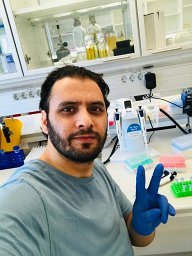 Riyaz Ahmad Shah合作论文数Department of Microbiology and Cell Biology, Indian Institute of Science11Govindan Ashwin合作论文数11Krishna Kurthkoti合作论文数Department of Microbiology and Cell Biology, Indian Institute of Science11L Gedamu合作论文数10Pradeep Kumar合作论文数10
 Kuldeep Lahry合作论文数Department of Microbiology and Cell Biology, Indian Institute of Science10
 Sunil Shetty合作论文数Department of Microbiology and Cell Biology, Indian Institute of Science9
 Kervin Rex合作论文数8
 Nongmaithem Sadananda Singh合作论文数Department of Microbiology and Cell Biology, Indian Institute of Science8A. Seshadri合作论文数7
 Shreya Ahana Ayyub合作论文数Max Planck Inst Multidisciplinary Sci, D-37077 Gottingen, Germany7Laasya Samhita合作论文数Department of Microbiology and Cell Biology, Indian Institute of Science, Bangalore, 560 012 India7
 Badri N Dubey合作论文数Biozentrum, University of Basel7Talawar Ramappa K合作论文数7
 Sudipta Roy合作论文数Department of Pharmacology and Neuroscience Program, Tulane University Medical School7
 Anand G Patil合作论文数Center for Stock Assessment Research;Department of Applied Mathematics and Statistics;University of California , Santa Cruz;Center for Stock Assessment Research, University of California , Santa Cruz7JH VANDESANDE合作论文数6
 Madhurima Datta合作论文数6
 Jitendra Singh合作论文数6
 Elhassan Ali Fathi Emam合作论文数Department of Microbiology and Cell Biology, Indian Institute of Science6Rao A R合作论文数6
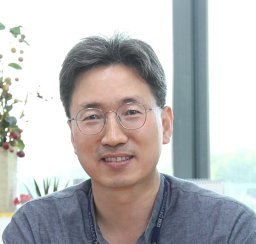 Woo Eui-Jeon合作论文数Medical Proteomics Research Center, Korea Research Institute of Bioscience &amp;Biotechnology, Daejeon 305-806, Korea. ejwoo@kribb.re.kr.;Medical Proteomics Research Center, Korea Research Institute of Bioscience &amp; Biotechnology6
 Aluri Srinivas合作论文数Department of Microbiology and Cell Biology, Indian Institute of Science6
 Singh Sudhir合作论文数School of Biotechnology, Banaras Hindu University6
 Avadhesha Surolia合作论文数Jawaharlal Nehru Centre for Advanced Scientific Research6
 Dipshikha Chakravortty合作论文数Department of Microbiology and Cell Biology, Indian Institute of Science;School of Biology, Indian Institute of Science6Rahul Gaur合作论文数Department of Microbiology and Cell Biology, Indian Institute of Science6C P Lee合作论文数5Koyel Roy合作论文数5Indu Kapoor合作论文数5
 Rajagopal Varada合作论文数Dept Microbiol & Cell Biol, Indian Inst Sci5
 Amandeep Singh合作论文数5
 Balasubramanian Gopal合作论文数Molecular Biophysics Unit, Indian Institute of Science5Swapna Thanedar合作论文数Department of Microbiology and Cell Biology;Indian Institute of Science;Department of Microbiology and Cell Biology, Indian Institute of Science5
 Thiruneelakantan Srinath合作论文数Environmental Microbiology Section and Photobiology Division, Industrial Toxicology Research Centre5T. K. Dineshkumar合作论文数5
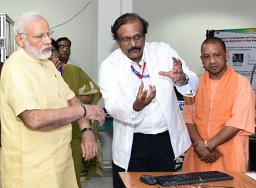 Ravishankar Ramachandran合作论文数Molecular and Structural Biology Division, Central Drug Research Institute5
 Sanjay Kumar Bharti合作论文数Department of Microbiology and Cell Biology, Indian Institute of Science5




