Colored light exposure (CLE) is a common occurrence in everyday life. In today's modern society, we are increasingly exposed to various sources of colored light, including advertisements, computer and smartphone displays, energy-saving light bulbs, private settings, and street lighting with LEDs. Therefore, the effects of colored light on human physiology are becoming a subject of growing interest to both the research community and society. To gain a deeper understanding of the complex effects of long-term CLE on the human body, we have conducted a series of pioneering studies (with results published in 16 papers) over the past 8 years using the systemic physiology augmented functional near-infrared spectroscopy (SPA-fNIRS) approach. This approach facilitates concurrent brain activity measurement using fNIRS alongside multiple systemic physiological parameters. Our studies yielded a number of new findings: (i) We discovered the need for both group-level and individual-level analyses to fully understand the effects of CLE on human physiology. (ii) We found that CLE has relatively long-lasting effects on cerebrovascular and systemic physiology in humans. (iii) Yellow and short-wavelength light (i.e., blue and violet) were found to induce higher brain activation in the prefrontal cortex and visual cortex, respectively, compared to other colored lights (e.g., red, orange, and green). (iv) We observed that healthy adults exhibited a range of different types of physiological responses. Machine learning enabled us to classify the response patterns and provide new insights into the common response patterns between subjects. Given the rapid exposure of our society to new and increasing lighting levels, this research's findings are of interest and relevance to the scientific community, medical professionals, and society.
BACKGROUND:For several years, our research group has been systematically investigating how changes in cerebral hemodynamics as well as systemic physiology can be induced by colored light exposure (CLE). We have observed that these physiological changes can differ between subjects for exactly the same CLE stimulus. In the present case series, we report specific physiological reactivity patterns from four subjects. METHODS:A total of 36 subjects participated in the study. These subjects were exposed to blue and red light while performing a 2-back task. For the present analysis, we selected four subjects as representative examples of distinct response patterns. We simultaneously measured changes in cerebral and systemic physiological parameters using the systemic physiology augmented functional near-infrared spectroscopy (SPA-fNIRS) method. The SPA-fNIRS method included oxygenated hemoglobin ([O2Hb]) and deoxygenated hemoglobin ([HHb]) in the prefrontal cortex, mean arterial pressure (MAP), end-tidal carbon dioxide (PETCO2), skin conductance level (SCL), and respiration rate (RR). RESULTS:We identified four distinct patterns of physiological responses. Pattern 1: For all parameters except MAP, the subject's response to blue and red light remained consistent. Pattern 2: Similar to the previous case, there was no significant contrast between red and blue with respect to changes in cerebral hemodynamics. Similar patterns were also detected for PETCO2 and MAP, whereas completely different patterns were found for SCL. Surprisingly, an inverse correlation was found for RR. Pattern 3: Changes in most parameters exhibited mirrored effects. Consistent trends were observed for SCL and RR. Pattern 4: Mirrored patterns were observed for [O2Hb] and [HHb], the same patterns for PETCO2 and RR, and divergent trends for MAP and SCL. CONCLUSIONS:In our analysis of SPA-fNIRS measurements, we identified four subjects with specific physiological reactivity patterns to a combined CLE and cognitive task. Individual physiological reactivity or physiological constitution should be taken into account when analyzing physiological data on CLE to enable a more adequate interpretation of the results.
Abstract Background Patients admitted to intensive care (IC) settings are exposed to a set of inevitable environmental stressors, such as high noise levels, inadequate lighting conditions, long-term immobilization, and prolonged administration of psychopharmaceuticals, the combination of which is known to be associated with clinical challenges, including poor sleep quality, dysregulation of circadian rhythms, agitation, anxiety, disorientation, or delirium. Due to the great complexity of the IC setting, these conditions are difficult to address with conventional means. The goal of the current study was to assess from the perspective of IC nurses the implementation of an integrative medicine approach based on topically applied herbal medicine substances to attend to some of these challenges. External applications of for instance Rosmarinus officinalis , Oxalis acetosella , and other herbal substances can have beneficial effects on peripheral circulation, sleep cycles, and digestion; they are considered safe with little drug interactions, hence presenting a valid candidate for the IC context. Methods Employing a qualitative research approach, we used a series of focus groups with a sample of N = 49 specialized IC nurses working at the IC department of the University Hospital Bern, Switzerland. The qualitative data was analyzed using computer-assisted thematic analysis. Results Four main theme clusters, each consisting of various sub-clusters, emerged from the analysis. Overall, participants considered the integrative medicine methods a valuable expansion to their therapeutic toolkit, as they offer additional, readily available, non-invasive, and low risk care options they could apply at their own discretion for their often greatly challenged patients. They described favorable experiences, but also reported barriers, like time constraints, or ineffective operational procedures and offered concrete suggestions on how to improve these. Conclusions Taken together, while not assessing clinical effects, this work suggests tailored topical herbal medicines were perceived by IC nurses as feasible and acceptable complementary care options in selected situations. Clinical trial number Not applicable.
Introduction Clinical research on homeopathy spans diverse conditions and interventions. The HOMIS (HOMeopathic Intervention Studies) database, previously published in 2023, included 636 studies, providing a comprehensive bibliography for use in systematic reviews and future research. This study updates the HOMIS database. Methods Following the methodology of the original bibliography, seven online databases (Medline, Embase, Cochrane Central Register of Controlled Trials, SCOPUS, Science Citation Index, CINAHL, and LILACS, as well as the AYUSH portal) were scanned for homeopathy and related terms for the years 2021 (date of the previous searches) to May 2025. We included studies that compared a homeopathic product or intervention with a control, assessing impact in either the treatment or prevention of a disease in humans (classified according to the International Classification of Diseases-11). Randomised controlled trials (RCTs) as well as non-randomised studies (NRSs) were included. The data were extracted independently by two reviewers, analysed, and integrated into the existing HOMIS database. Results This update identified 70 new studies. Most of the added references were peer reviewed (68; 97%), written in English (68; 97%), RCTs (62; 89%), compared against placebo (45; 64%), investigated individualised homeopathy (39; 56%), and were conducted primarily in India (54; 77%). The newly included studies explored the effect of homeopathy in a total of 50 medical conditions. Overall trends in the updated bibliography show 15-20 publications per year in the field, with a tendency towards peer-reviewed publications in English of RCTs trialling against placebo. The trend towards trials of homeopathic complex remedies over the period 1990-2018 gives way to more individualised homeopathy trials from about 2015 onwards. The data also indicate a slow increase in the size of trials, with the median size of RCT trials increasing from ∼50 participants to ∼100 participants since 2010. Conclusions This updated bibliography comprehensively maps the literature in clinical research on homeopathy in terms of randomised and non-randomised studies over nearly 45 years (1980 to May 2025). The information it provides will enable future reviews to identify the most researched conditions for indication-specific systematic reviews and meta-analyses in this field.
Background:Classical homeopathy is a medical system with individualised treatment of patients. An ascending paper chromatography test, known as the Kaelin blood test, was adapted to investigate the effects of homeopathic preparations on human blood in vitro with an emphasis on possible inter-individual differences in response rate. Methods:Thirteen patients to whom homeopathic remedies had been prescribed were enrolled in the study; EDTA blood samples were collected from each of them prior to remedy intake. Portions of each sample were treated in vitro with the patients' individually prescribed remedy, Pulsatilla, Natrium muriaticum at either 30c or 200c potency, or placebo. All samples were analysed using the Kaelin blood test. To assess the stability of the experimental set-up, 13 analogous systematic negative control (SNC) experiments were performed. Additionally, 16 untreated blood samples were analysed to correlate the chromatographic pattern features with blood parameters. Chromatograms from both experimental series were scanned and evaluated using computerised image analysis. Results:Two-way analysis of variance with patient and treatment as independent factors revealed statistically significant interactions (p < 0.05) in 10 out of 10 pattern evaluation parameters; only three parameters showed significant main effects (p < 0.05). The SNC experiments did not show any statistically significant effects, being indicative of a robust and stable experimental set-up. These findings suggest that the response of the blood samples to the homeopathic treatments was contingent upon the individual patient, indicating patient-specific effects. Strong correlations were found between pattern features and blood parameters related to haemoglobin and liver function. Conclusion:The Kaelin blood test may be considered a potentially useful ex vivo, in vitro model for investigating individualised responses of human blood samples to homeopathic treatments.
While the primary function of red blood cells (RBCs) in the human body is the transport of gases (oxygen and carbon dioxide) in the vascular system, research conducted over the past few decades has demonstrated that RBCs also play a role in the active regulation of blood flow by releasing vasoactive substances (adenosine triphosphate, ATP, and nitric oxide, NO). This chapter provides an overview of the process involved in this ATP- and NO-mediated vasodilation of RBCs, and its relevance to human physiology and pathophysiology.
Breast cancer is the most common malignancy among women worldwide, and endocrine therapy (ET) is crucial for reducing recurrence and mortality in hormone receptor-positive cases. However, ET is often associated with adverse effects, especially musculoskeletal symptoms (MSS) such as arthralgia and myalgia, which impair daily functioning, decrease quality of life, and lead to early therapy discontinuation. Although some pharmacological and non-pharmacological options are available for managing ET-induced MSS, their effectiveness is limited, and so far, no general recommendations exist. In the context of integrative oncology, which combines conventional and complementary approaches, anthroposophic medicine has been proposed as a supportive strategy to address these challenges. This case series investigated the potential of the anthroposophic medicinal product Arnica/Levisticum 6x comp. for alleviating ET-induced MSS. Three patients with hormone receptor-positive breast cancer, all undergoing ET and experiencing significant MSS unresponsive to conventional management, were included. Clinical data were collected over at least three years of follow-up. The severity of musculoskeletal pain was evaluated using patient reporting and a visual analogue scale (VAS). All three patients reported marked and rapid improvement in ET-associated MSS after beginning treatment with Arnica/Levisticum 6x comp. Symptom relief was typically achieved within weeks, with an average reduction of 2-4 points on the VAS. Notably, symptom recurrence was observed during periods of medication interruption, and symptoms consistently resolved upon reintroduction of Arnica/Levisticum 6x comp., suggesting a beneficial therapeutic effect. Throughout the observation period, the medication was well tolerated, with no adverse effects reported. Patients experienced improvements in daily functioning and overall quality of life, which facilitated continued adherence to ET. This case series provides preliminary evidence for the effectiveness and safety of Arnica/Levisticum 6x comp. as a therapeutic option for managing ET-induced MSS in breast cancer patients. The sustained symptom relief, favorable tolerability, and long-term safety suggest that this anthroposophic medication may serve as a useful adjunct in supportive care, improving quality of life and promoting continued adherence to ET.
BACKGROUND:Cancer-related fatigue is among the most taxing symptoms of breast cancer patients, but there is currently no established treatment standard. This study assessed the effect of eurythmy therapy (ERYT), a tailored mindful movement therapy, compared to slow-paced physical exercises (CoordiFit) on fatigue in metastatic breast cancer patients. METHODS:We used a randomized controlled, open-label, multi-center, two-arm design. Ten certified oncology centers across Switzerland participated in the trial. Women with metastatic breast cancer who agreed to participate in the study were randomly allocated to one of the two study arms in a 1:1 ratio. The intervention sessions in both groups followed the same schedule in terms of frequency and duration over a period of 20 weeks. Outcomes were assessed using standard clinical assessment scales at baseline, weeks 8, 14, and 20, as well as at 6- and 12-months follow-up. The primary endpoint was the change in cancer-related fatigue (baseline to end of intervention), whereas secondary endpoints included quality of life, pain, sleep quality, depression, anxiety, distress, and arm mobility. Data was analyzed using two-way mixed ANOVA. RESULTS:The study was terminated before its completion due to insufficient enrollment. Prior to its closure, a total of 19 patients (median age: 59.5, range 51-82) agreed to participate in the study, of whom 10 completed the full intervention (n = 5 per group). Although the small sample size limits the possibility of statistical inference, tentative analyses pointed to significant improvements in fatigue in response to both experimental and control interventions (F(1,8)=14.176, P = .006), with no difference between groups. Among secondary endpoints we found a main group effect in quality of life, which was significantly higher in the ERYT group (F(1,8)=7.179, P = .028), as well as an interaction effect in pain interference, the latter significantly improving in the ERYT group but not the CoordiFit group (F(1,8)=7.977, P = .022). CONCLUSION:While the results show a promising decrease in cancer-related fatigue in response to ERYT, this held true also for the movement-based control intervention, suggesting ERYT to be valuable, but not superior to other movement-based approaches for cancer-related fatigue. However, the small sample size limits the conclusions that can be drawn. CLINICALTRIALS.GOV IDENTIFIER:#NCT04024267.
BACKGROUND:Bronchial asthma is a highly prevalent health condition associated with low quality of life and high economic costs. Treatments from traditional, complementary and integrative medicine (TCIM) are commonly used by individuals with bronchial asthma. However, a synthesis of the evidence on plant-derived medications is lacking. OBJECTIVE:This review aims to systematically summarize the evidence on the efficacy, effectiveness and safety of European/Western phytotherapy (PT) and medications from anthroposophic medicine (AM) in individuals with bronchial asthma. METHODS:Four electronic databases and additional references were screened for clinical trials published between 1990 and 2023. The findings of the included studies were qualitatively synthesized and study quality was assessed. RESULTS:Of 23 included studies, 19 examined European/Western PT and four investigated AM medications. Nine studies of sufficient quality reported beneficial effects of various plants (e.g., Nigella sativa) on asthma symptoms, pulmonary function and immunological parameters. The medications were considered safe in studies that reported on safety. CONCLUSION:This systematic review suggests several medications from European/Western PT and AM that may be beneficial and appear to be safe in the treatment of bronchial asthma. However, further rigorous studies are needed to provide evidence-based guidance on add-on treatment options for individuals with bronchial asthma.
INTRODUCTION:Complementary and Integrative Medicine (CIM) are an important component of healthcare worldwide according to the WHO Traditional Medicine Strategy. The Licensing Regulation for Physicians in Germany and the Medical Professions Act in Switzerland stipulate that CIM must be taught as an integral part of the human (DE, CH) or veterinary (CH) degree programme. The aim of this study was to evaluate the status of CIM in veterinary practice in Austria in context with an overview on practice, research and teaching at the universities of human and veterinary medicine in German speaking countries. MATERIALS AND METHODS:Using a cross-sectional study design, an anonymous questionnaire on the use of CIM in veterinary practice was sent out via the Austrian Veterinary Chamber. Chairs, professorships and institutes, and courses on CIM at universities of human and veterinary medicine were researched online. RESULTS:Of the 246 voluntary participants, 58.9% reported a positive, 22.4% a negative and 15.4% a neutral attitude towards CIM. Of the livestock veterinarians, 68.9% were familiar with the requirement of the EU Organic Regulation, as were 54.1% of all veterinarians. The integration of CIM into the Vetmeduni Vienna curriculum was rated as very important by 35.8% of participants with at least partial approval by 68.7%. The demand for CIM by patient owners amounted to 83.7% and the use of CIM in animals to 65.9%. At Austrian, German, and Swiss universities, 39 professorships of CIM in human medicine (AT: 2; DE: 32; CH: 5) were identified while in veterinary medicine, seven professorships for animal nutrition and dietetics (AT: 2; DE: 5) were identified. CONCLUSION:Based on the results of the CIMUVET study, integrating CIM as in university curricula and hospitals in Switzerland and Germany is a promising future development for Austria. These approaches should follow the WHO Traditional Medicine Strategy 2025-2034.
BackgroundAn increasing recognition of traditional, complementary and integrative medicines' (TCIM) contributions for public health has driven the development of international policy recommendations for its inclusion into national healthcare systems. While many countries have made advances in the incorporation of TCIM in academic medicine, there are globally only a handful that have a constitutional mandate in this context. The present cross-sectional study focused on one of these, namely Switzerland, some fifteen years after TCIM was included into the country's Federal Constitution.Aims & methodsThis research aimed to examine attitudes of the future medical workforce in regard to TCIM within the only European country in which TCIM is mandated by the constitution. More specifically, using an online survey tailored to the country's socio-political context, this study assessed attitudes, knowledge, and expectancies regarding TCIM among medical students across all Swiss universities that offer degrees in human medicine.ResultsEven though Swiss medical schools have consolidated and expanded their TCIM-related curricula compared to earlier assessments, with all of them now offering mandatory TCIM classes, most participants were unaware of this. Nonetheless, two-thirds of the N = 695 participants considered TCIM a valuable extension of conventional medicine that should have a place in medical education. Views diverged greatly between TCIM modalities. Further, we found significant differences as a function of gender and linguistic regions, although in the latter case effect sizes were modest.ConclusionsKnowing the views of medical students as the future generation of physicians, clinical scientists, and often also decision-makers in the context of policy-driven integration is crucial in understanding the future trajectory of TCIM into mainstream healthcare. Based on Switzerland's unique experience and history in this context this work contributes to the broader discourse on the role of TCIM in national healthcare systems.
INTRODUCTION:In Switzerland, a wide range of integrative oncology (IO) treatments is offered by various medical disciplines. A certificate of competence (SIWF: Swiss Institute for Medical Education, allows to bill from basic incurance) can be obtained for five disciplines: anthroposophic medicine (VAOAS), classical homeopathy (SVHA), phytotherapy (SMGP), TCM/acupuncture (ASA), and clinical hypnosis (SMSH). For Mind Body Medicine a CAS can be obtained (SFMBM). Integrative Nursing is an important therapeutic partner in many medical disciplines, with own established education programmes. These seven core disciplines of IO are based on different concepts and traditions, but they also have, at least in part, commonalities such as a multidimensional view of humanity, a focus on salutogenesis, the strengthening of self-efficacy, and the importance of lifestyle factors and individualised therapy. These core disciplines are offered with varying availability at the centres of the Swiss Network for Integrative Oncology (SNIO: www.integrative-oncology.ch), generally accompanying conventional oncological therapies and close, transparent communication with oncology specialists. The SNIO aims to develop quality criteria, coordinating treatment offers, promote network research, and encourage further training in order to enable coordinated and quality-assured care.
Peru is among Latin American countries with the largest Indigenous population, yet ethnical health disparities persist, particularly in the Amazon region which comprises 60% of the national territory. Healthcare models that include Indigenous medicine and traditional healers present an important avenue for addressing such inequalities, as they increase cultural adequacy of services, healthcare access, and acknowledge Indigenous Rights for their perspectives to be represented in public healthcare. Understanding the underlying epistemologies of Indigenous medicine is a prerequisite for this purpose. Thus, in order to support Indigenous Organizations and governmental initiatives to develop more inclusive healthcare approaches, the current study investigated key epistemic concepts in Indigenous-Amazonian medicine from the perspective of traditional healers. We conducted systematic in-depth interviews (semi-structured) with a sample of 13 healers of three Peruvian-Amazonian regions (Loreto, Ucayali, San Martín). Data was analysed using manifest qualitative content analysis. Our findings point to an intricate medical system based on a sophisticated understanding of health, illness, and treatment. Indigenous healers described multifactorial aetiology concepts, complex interactions between material and spirit-related aspects of body and nature, diagnosis, and treatment. These often involved carefully designed applications of ‘teacher plants’, a concept at the heart of this medical system. Furthermore, while the healers considered traditional and biomedicine as complementary systems, they identified the lack of recognition of traditional healers as a primary barrier for collaboration. Indeed, preconceptions and stigma on Indigenous medicine along with a paucity of research, still represent an impediment to countries’ ability to respond to Indigenous peoples’ health-related expectations and needs, thus maintaining existing inequalities. This work offers a significant contribution to the understanding of Indigenous-Amazonian medicine and perspectives of traditional healers, relevant for Peru and adjacent countries sharing Amazonian territory and cultures. Our findings also highlight Amazonian healers’ unique expertise around the therapeutic applications of psychoactives, from which the current revival of clinical scientific interest in psychedelic-assisted therapies may have a great deal to learn.
Introduction: Seasonal allergic rhinitis (SAR) is a common health condition that is associated with an increased risk for bronchial asthma. Besides conventional medicine, treatments from traditional, complementary and integrative medicine are widely used by individuals with SAR. This review aims to systematically summarize evidence on the efficacy, effectiveness, and safety of European/Western phytotherapy (PT) and medications from anthroposophic medicine (AM) in individuals with SAR. Methods: Four electronic databases were screened for clinical studies published between January 1990 and March 2023. The results were qualitatively synthesized and the study quality was assessed. Results: In total, 14 studies were included, 11 from European/Western PT and three from AM. About half of the studies were rated as being of sufficient quality. The most frequently studied plant was Petasites hybridus (butterbur), showing beneficial effects on immunological parameters, subjective symptoms, and nasal airflow. Beneficial immunological and clinical effects were also shown for an herbal preparation combining Citrus limonis (lemon) and Cydonia oblonga (quince). The medications examined by studies of sufficient quality were judged to be safe. Conclusion: In summary, this systematic review highlights two herbal preparations, one from European/Western PT and one from AM, that appear to be promising options in the treatment of SAR.
Background: In our previous studies, we investigated the right-left asymmetry (RLA) of cerebral tissue oxygenation (StO2) at rest in humans and the influence of the individual chronotype (i.e. individual chronobiological disposition) on StO2. The aim of the current study was to investigate (i) whether the RLA exists during a cognitive task and coloured light exposure (CLE), and (ii) how changes in StO2 induced by CLE and cognitive performance during a 2-back task are related to the subject’s chronotype. Methods: 36 healthy subjects (22 female, 14 male, age 26.3 ± 5.7 years) were studied twice on two different days. They were exposed to a sequence of blue followed by red light or vice versa in a randomised crossover study design. During CLE, subjects were asked to perform a 2-back task. We measured StO2 of the right and left prefrontal cortex (PFC) as well as the right and left visual cortex with functional near-infrared spectroscopy (fNIRS). At the behavioural level, we recorded the number of correct and incorrect answers given by the subjects. The chronotype was determined with the Horne and Östberg morningness-eveningness questionnaire. Results: (i) We found that the blue and red light caused a RLA in the PFC. For red light exposure, the 2-back performance was negatively correlated with StO2 in the right PFC (r = −0.283, p = 0.016), and for blue light, exposure in the left PFC (r = −0.326, p = 0.005). (ii) 83
Background and objectiveMindfulness has emerged as key construct in mental health over past decades. While current mindfulness-based interventions (MBIs) are usually rooted in Asian contemplative traditions, mindfulness practices can equally be found in other knowledge systems, including integrative medicine systems such as anthroposophic medicine (AM). The Activity-Based Stress Release (ABSR) program incorporates the latter as part of an 8-week-long online intervention combining mindfulness exercises, behavioral self-observation, and mindful movement practices derived from this integrative medicine frame. The program could offer additional means for cultivating mindfulness, thereby addressing the necessity for diverse approaches in conjunction with individual differences, diverse clinical demands, or restricted capacities to perform certain mindfulness practices. Using an observational repeated-measures design, the current study aimed to assess a large-scale online implementation of this program in terms of its feasibility, assessing perceived stress and mindfulness.MethodIndividuals who enrolled in any of the 37 ABSR program iterations carried out during 2023 and agreed to participate in the study completed online surveys including validated stress and mindfulness scales at the beginning, middle, end, and follow up of the intervention. Linear-mixed models were used for data analysis.ResultsA total of 830 individuals took part in the study, of which 53.5% filled in at least 2 surveys. In line with our expectation, mindfulness scores increased significantly over the course of the intervention, while stress scores decreased significantly in this timeframe. We further found differential effects of self-practice frequency and duration on the outcomes.ConclusionThis study provides a first indication of stress reduction in conjunction with the online implementation of this novel MBI. The work further suggests that this AM-based intervention indeed targets mindfulness, as do other MBIs, and that it is adaptable to an online format. However, given the observational single-arm design, controlled studies will be necessary to confirm these results. Nonetheless, the study adds a novel contribution to existent MBIs, which is significant in view of the need for diverse approaches to meet the heterogeneity of individual predispositions and clinical requirements. It remains to established by forthcoming research for which groups of individuals or clinical features this approach could be especially beneficial or less suitable.
Although the tobacco plant has been employed as a medicinal and sacred herb by Indigenous cultures across the Americas, its usage drastically changed after the 15th-century colonial arrival; its large-scale commodification and global marketing once brought to Europe lead to hedonic and addictive uses harmful to health. As a consequence, tobacco smoking is now one of the largest public health problems worldwide. However, in the Peruvian Amazon, a region of origin of tobacco species, Indigenous healers still know how to use the plant for therapeutic purposes. Due to a general disregard of Indigenous knowledge and stigma, these uses have however not so far been clinically investigated. We hence conducted for the first time a clinical field study assessing a sample of patients treated by a traditional healer specialized in tobacco in the Peruvian Amazon (observational design, pilot study, N = 27). The study was conducted within a transdisciplinary and multi-epistemic medical frame, in close partnership with an Amazonian healer. We used validated self-report scales to quantitatively assess mental health variables before and after the weeklong treatment, and mixed-methods to report experienced effects. Paired-samples t-tests comparing pre- and post-treatment scores revealed significant reductions in anxiety, depression, perceived stress, and general symptom indicators. Experienced effects included initial physical discomfort, followed by psychologically or existentially/spiritually significant insights. Our findings point to a sophisticated therapeutic approach based on Indigenous knowledge of tobacco applications, which should be further investigated. The study also contributes to the burgeoning scientific field on therapeutic uses of contentious psychoactive plants.
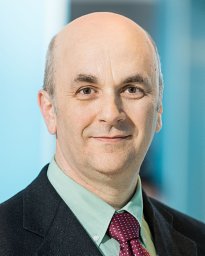 Martin Wolf合作论文数Clin & Polyclin Internal Med, Univ Hosp Zurich70
 Felix Scholkmann合作论文数Biomedical Optics Research Laboratory, University Hospital Zurich;University of Bern;University of Zurich51
 Sabine D Klein合作论文数49
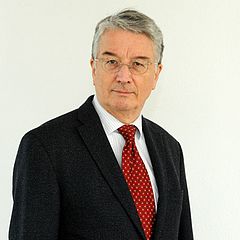 Peter Heusser合作论文数Herdecke;Department fur Humanmedizin, Fakultat fur Gesundheit, Universitat Witten47
 Stephan Baumgartner合作论文数42
 Enrico Gratton合作论文数Laboratory for Fluorescence Dynamics, Department of Biomedical Engineering, Samueli School of Engineering, University of California, Irvine;Department of Physics, University of Illinois, Urbana-Champaign27
 Antonios Michalos合作论文数23
 Hamoon Zohdi合作论文数Materials Engineering Department, Tarbiat Modares University21
 Jee Hyun Choi合作论文数Korea Institute of Science &Department of Neuroscience, University of Science &Technology, Daejon 305-333 Korea. jeechoi@kist.re.kr;Korea Institute of Science & Technology, University of Science & Technology20
 Maxim Terekhov合作论文数17
 Vladislav Vladislav Toronov合作论文数Ryerson University14
 Stefanie Maxion-Bergemann合作论文数13Thomas Cernyc合作论文数13
 Martin Frei-Erb合作论文数13Marc R. Schläppi合作论文数13Gudrun Bornhöft合作论文数13Rainer Brenke合作论文数11Jürgen Rohde合作论文数11
 Laura M. Schreiber合作论文数Section of Medical Physics, Johannes Gutenberg-University Mainz11
 Andreas Michalsen合作论文数Institute of Social Medicine, Epidemiology and Health Economics, Charité – Universitätsmedizin Berlin10Lucietta Betti合作论文数10
 L.A. Paunescu合作论文数9
 Rajarsi Gupta合作论文数Department of Biomedical Informatics, School of Medicine, College of Engineering and Applied Sciences, Stony Brook University;Department of Pathology, Stony Brook University Medical Center9Peter F. Matthiessen合作论文数9Lp Safonova合作论文数8Jana Ertl合作论文数7
 Evelyne Kloter合作论文数7Ilana Berlowitz合作论文数7Kuck Angela合作论文数7
 Alexander Tournier合作论文数7Klaus Von Ammon合作论文数7Klaus Kurt Gast合作论文数7
 Harald Walach合作论文数Viadrina European University Frankfurt (Oder)7Wolfgang Gunter Schreiber合作论文数7Claudia Scherr合作论文数7Sabine B. Klein合作论文数6Eliane Timm合作论文数6
 Henrik Szoke合作论文数6
 Tim Jager合作论文数6
 Sergei Karpuk合作论文数6M Gueldner合作论文数5j rivoire合作论文数5Monika Siegemund Rong合作论文数5Winfried Suske合作论文数5Sarah Monz合作论文数5Franziska Roemer合作论文数5Julien Rivoire合作论文数5Dietmar Pusch合作论文数5Tarcisi Cantieni合作论文数5




