The aim of our study was to investigate an association between E23K KCNJ11 gene polymorphism with anthropometric, biochemical, beta-cell secretion and insulin sensitivity parameters among adult ADPKD patients with normal kidney function and no diagnosis of diabetes. The comparison of genotype-phenotype associations between ADPKD and non-ADPKD subjects could reveal a hypothetical mechanism of genetic determination of diabetes speciic for ADPKD patients.
PURPOSE:To analyze the reliability and the effectiveness of chemotherapy and prognostic factors for survival in patients with HER2 (human epidermal growth receptor 2) negative early-stage breast cancer treated with adjuvant sequential anthracycline-based chemotherapy and paclitaxel.METHODS:This analysis retrospectively evaluated the medical records of 756 HER2 negative early-stage breast cancer patients who received adjuvant sequential anthracycline-based chemotherapy and weekly paclitaxel in 15 medical oncology centers in Turkey between 2008-2015. Estrogen receptor (ER), progesterone receptor (PR),HER2,age,tumor size and grade,nodal status,perineural and lymphatic invasion,disease-free survival (DFS) and overall survival (OS) were analyzed.RESULTS:The median patient age was 50 years (22-82). Median follow up period was 46 months (13-82). The rates of recurrence and death detected in this period were 14.8% and 7.4%, respectively. Median OS and PFS were not reached in this period. Five-year DFS and OS rates were 87% and 89%, respectively. Age (OR:0.35,95%Cl 0.12-0.96, p=0.04), PR status (OR:0.44,95%Cl 0.18-1, p=0.05), lymphatic invasion (OR:2.6,95%Cl 0.97-7.4, p=0.05) were independent prognostic factors. Most common grade 3-4 toxicities were fatigue (6.7%), neutropenia (1.7%) and nausea (1.3%). Neutropenic fever developed in 1.8% of the patients and peripheral neuropathy in 16.9%. Dose reduction was necessary for 10% of the patients due to grade 3-4 toxicity, whereas postponement of chemotherapy was necessary for 7% of the patients.CONCLUSIONS:This multicentric retrospective study confirmed that sequential adjuvant therapy with anthracycline-based chemotherapy and paclitaxel for HER2 negative breast cancer is an effective and reliable regimen.
Background: There are insufficient predictive markers for renal cell carcinoma (RCC). Methods: A total of 308 metastatic RCC patients were analyzed retrospectively. Results: The increased hemoglobin (Hb) group had significantly higher progression-free survival and overall survival (OS) compared with the decreased Hb group at 11.5 versus 6.35months (p < .001) and 21.0 versus 11.36months (p < .001) respectively. The 1- and 3-year OS rates were higher in the Hb increased group, i.e., 84% versus 64% and 52% versus 35% respectively. Conclusions: The present study showed that increased Hb levels after tyrosine kinase inhibitor therapy could be a predictive marker of RCC.
BACKGROUND:Small bowel adenocarcinoma (SBA) is a rare tumor of the gastrointestinal system with poor prognosis. Because these are rarely encountered tumors, the aim of this multicenter study was evaluation of prognostic factors and adjuvant chemotherapy in patients with curatively resected SBA. MATERIALS AND METHODS:A total of 78 patients diagnosed with curatively resected SBA were involved in the retrospective study. Forty-eight patients received 1 of 3 different chemotherapy regimens, whereas 30 patients did not receive any adjuvant treatment. No adjuvant and adjuvant chemotherapy cohorts were matched (1:1) by propensity scores based on the likelihood of receiving chemotherapy or the survival hazard from Cox modeling. Overall survival (OS) was compared with Kaplan-Meier estimates. RESULTS:Median age of 78 patients with curatively resected SBA was 58, and 59% of these were men. According to TNM classification, 8 (10%) of the patients were at stage I, 26 (34%) were at stage II, and 44 (56%) were at stage III. Median follow-up duration was 29 months. Three-year median disease-free survival (DFS) and OS were 62.5% and 67.0%, respectively. In univariate analysis, presence of vascular invasion, perineural invasion, lymph node involvement, and presence of positive surgical margin were significant predictors of poor survival. Multivariate analysis showed that the only adverse prognostic factor independently related with OS was the presence of positive surgical margin (hazard ratio, 0.37; 95% confidence interval, 0.11-1.26; P = .01). Neither DFS nor OS was found to be significantly improved by the adjuvant chemotherapy in both matched and unmatched cohorts. CONCLUSIONS:Only status of surgical margin was determined to be an independent prognostic factor in patients with SBA who underwent curative resection.
Thyroid sarcoma is a very rare entity, accounting for less than 1% of all malignant thyroid tumours.Rhabdomyosarcoma (RMS) is a sarcoma subtype, which is more common in children and adolescents.In this case, a 68-year old man, presented with hoarseness and diagnosed with pleomorphic RMS, was explored.No study of primary thyroid pure RMS has been reported in the literature, with the exception of the case reports of differentiated RMS.
e15646 Background: To demonstrate the degree of concordance between TNM staging used in the determination of the prognosis ofgastroenteropancreatic neuroendocrine tumor(GEP-NET) patients and Ki-67 proliferation index value used in the grading of these tumors and investigate the most reliable prognostic parameter among them. Methods: The medical files of the patients with GEP-NET were retrospectively examined and demographic characteristics, survival times, grade of these tumors and histopathologically detected Ki-67 values, microscopic and macroscopic histopathological characteristics were recorded and evaluated statistically. Results: Patient population consisted of 72 (51.1%) female and 69 (48.9%) male. The most frequently seen primary sites were stomach (33.3%), then in decreasing number of frequency pancreas (27%), colon-rectum (15.6%), small intestine (12.8%) and appendix (11.3%). The GEP-NET of the patients was in Grade 1 (G1) (n:103; 73%), Grade 2 (G2) (n:24; 17%) and Grade 3 (G3) (n:14; 10%). The GEP-NET of the patients was of Stage 1 (n:66; 46.8%), Stage 2 (n:14; 9.9%), Stage 3 (n:12; 8.5%) and Stage 4 (n:49; 34.8%). In statistical analysis performed, Ki-67 increased in parallel with the stage of the disease (p < 0.001). Statistically significant differences were detected between Stages 1 and 4 and also Stages 2 and 4 in terms of Ki-67 values (p < 0001). Five-year survival rates of the patients were 88% in G1, 44% in G2 and 24% in G3. Survival rates of Stage 4 patients were 5.6 times lower relative to Stages 1 and 2 patients, respectively (p < 0.001). Median 5-year survival rates of the patients were 90% in Stage 1, 100% in Stage 2, 47% in Stage 3 and 46% in Stage 4. In univariate analysis, age of the patients, grade, stage of the tumor and lymph node metastases were found to be parametres effective on overall survival. Conclusions: Decrease in average survival rate in parallel with an increase in the grade of the tumor was more prominent when compared with decrease in survival rates in accordance with increase in stage of the tumor. This phenomenon shows us that in the prediction of prognosis in patients with GEP-NET, Ki-67 value can be more important evaluation factor relative to staging.
PURPOSE:Increasing evidence supports an association between systemic inflammation and cancer development and progression. The neutrophil to lymphocyte ratio (NLR) is used as a basic parameter of systemic inflammation in some tumors. The aim of this study was to examine the association between the pretreatment NLR, disease-free survival (DFS), and overall survival (OS) in patients with early triple-negative breast cancer (TNBC).METHODS:We retrospectively studied patients diagnosed with stage I-III TNBC who had completed all phases of primary treatment from 2002 to 2013. The association between the pretreatment NLR and survival was analyzed. The difference among variables was calculated by chi-square test. OS and DFS were assessed using the Kaplan-Meier method. Multivariate Cox proportional hazards models were used to analyze the prognostic impact of clinical parameters.RESULTS:Eighty-five patients were eligible for study inclusion. There were no statistically significant differences among the pretreatment NLR and clinicopathological variables. Patients with an NLR of > 2 had significantly lower DFS (p=0.002) and OS (p=0.03) than patients with an NLR of ≤ 2. Multivariate Cox proportional hazards models showed that a higher pretreatment NLR was independently correlated with poor DFS and OS, with a hazard ratio 5.46 (95% confidence interval [CI] 1.61-18.85, p=0.006) and 2.86 (95% CI 1.04-7.86, p=0.04), respectively.CONCLUSION:Patients with early TNBC and with elevated pretreatment NLR showed poorer DFS and OS than patients without elevated NLR. However, this finding needs to be confirmed in a large prospective study.
Gastric cancer is an important public health problem which comprises 10% of all cancers and 12% of all cancer related deaths all over the world. Because of the differences in patient populations and treatment schemes in various studies, standard practice for advanced stage gastric cancer has not been fully established. The aim of this study was to assess the use of cisplatin and capecitabine combination regimen in real-world clinical practice. Medical records of 76 male and 37 female metastatic gastric cancer patients treated with first-line cisplatin and capecitabine combination between February 2006 and December 2009 were retrospectively analyzed in 11 centers of the Anatolian Society of Medical Oncology. Patients previously treated with chemotherapy were excluded from the analysis. The median age of the patients was 64 years (range, 28-83). Seventy-six (67.2%) patients were males and 37 (32.7%) females. Most of the patients were metastatic (n= 85, 75.2%) at the time of initial diagnosis. The most common sites for metastasis were liver (65.9%), lung (11.3%), peritoneum (23.8%) and local recurrence (15.9%) with multiple metastases in 9.7% of the patients. The mean follow-up period of all patients was 41 months (range 12-61). Overall response rates was 33.6%, while disease control rate (DCR) was 72.6 %. Median Progression-free survival was 4.7 months (95% CI 3.75-6.49) and median overall survival was 11.1 months (95% CI 5.58-10.98). The most common grade 3-4 adverse events were anemia (8.3%), nausea-vomiting (3.8%) and diarrhea (1.8%). In terms of efficacy, toxicity and convenience, cisplatin and capecitabine combination is effective and well tolerated in Turkish patients with advanced gastric cancer, and could be one of the standard regimens for the first-line treatment in this cohort.
PURPOSE: The aim of the study was to determine whether LNR have additional contribution on pathologic lymph node staging. METHODS: To examine the prognostic value of LNR examined the original histopathological reports of 2049 node-positive breast cancer patients treated in the references centers of the Turkey. The LNR was defined as the number of positive lymph nodes (LNs) over the total number of LNs removed. The LNR cutoffs were defined as low-risk, 0.01-0.20; intermediate-risk, 0.21- 0.65; and high-risk, LNR >0.65. RESULTS: The median follow-up was 11.8 years. Median Disease free survival (DFS) was 191.8, 110.6 and 78.2 months in patients with pN1, pN2 and pN3 tumor, respectively (p CONCLUSIONS: LNR is an important prognostic parameter for DFS and might provide potentially more information than pN-stage in patients with pN1/LNR high risk and pN2/LNR low risk. Citation Format: Kaplan MA, Odabasi H, Ozdemir N, Harputluoglu H, Aliustaoglu M, Berk V, Gunaydin Y, Uncu D, Elkiran T, Aydin D, Isikdogan A. Is lymph node ratio (LNR) having additional contribution for predict prognosis on pathologic lymph node staging in node-positive breast cancer patients?. [abstract]. In: Proceedings of the Thirty-Eighth Annual CTRC-AACR San Antonio Breast Cancer Symposium: 2015 Dec 8-12; San Antonio, TX. Philadelphia (PA): AACR; Cancer Res 2016;76(4 Suppl):Abstract nr P3-01-21.
Colorectal cancer (CRC) is the third most common cancer worldwide and the fourth most common cause of death (1). The therapeutic options available for the treatment of metastatic CRC have significantly increased over the past years. Together with the advances in surgical techniques, the introduction of irinotecan and oxaliplatin first and drugs targeting vascular endothelial growth factor (VEGF) or epidermal growth factor receptor (EGFR) later, have led to a median overall survival (OS) now approaching 30 months (2).
Background Studies investigated different side effects of TKIs such as hypertension, dermatologic side effects and hormonal changes. Thyroid hormones change is take an interest for last decade and phase 2 and 3 trial result had been analyzed retrospectively for this reason. Method A totally 246 metastatic renal cell carcinoma patients who were treated with TKI included in the study and they recruited from over 10 different oncology clinics. Results In the study 246 mRCC patients included and mean age was 60 (±8), and 183 (74%) of them were male, 63 (24%) of them were female. Following TKI therapy 15 patients (6%) became as a hyperthyroidic, 83 patients (34%) became hypothyroidic and remaining 148 patients had in normal range for TSH levels. When we subgroup the patients according to the TSH change, in 38 patients (15.4%) had THS decreasing at least 50% from baseline and 128 patients (52%) has elevated THS levels as described previous range. In survival analyses, became hyperthyroidic patients had significantly longer OS than became hypothyrodic patients (25.4 vs 14 months, P=0.036) but no significantly differ than remained normothyroidic patients (25.4 vs 18 months, P=0.16). Conclusion patients who had decreasing TSH levels under the treatment of TKI should have significantly higher overall survival but, hypothyroid patients don’t.
Purpose: Small bowel adenocarcinoma (SBA) is a rare tumor of the gastrointestinal system with poor prognosis. Since these are rarely encountered tumors, there are limited numbers of studies investigating systemic treatment in advanced SBA. The purpose of this study was to evaluate the prognostic factors and systemic treatments in patients with advance SBA.Methods: Seventy-one patients from 18 Centers with advanced SBA were included in the study. Fifty-six patients received one of the four different chemotherapy regimens as first-line therapy and 15 patients were treated with best supportive care (BSC).Results: Of the 71 patients, 42 (59%) were male and 29 (41%) female with a median age of 56 years. Median follow-up duration was 14.3 months. The median progression free survival (PFS) and overall survival (OS) were 7 and 13 months, respectively (N=71). In patients treated with FOLFOX (N=18), FOLFIRI (N=11), cisplatin-5-fluoroura-cil/5-FU (N=17) and gemcitabine alone (N=10), median PFS was 7, 8, 8 and 5 months, respectively, while median OS was 15, 16, 15 and 11 months, respectively. No significant differences between chemotherapy groups were noticed in terms of PFS and OS. Univariate analysis revealed that chemotherapy administration, de novo metastatic disease, ECOG PS 0 and 1, and overall response to therapy were significantly related to improved outcome. Only overall response to treatment was found to be significantly prognostic in multivariate analysis (p = 0.001).Conclusions: In this study, overall response to chemotherapy emerged as the single significant prognostic factor for advanced SBAs. Platin and irinotecan based regimens achieved similar survival outcomes in advanced SBA patients.
PURPOSE: The aim of the study was to determine whether LNR have additional contribution on pathologic lymph node staging. METHODS: To examine the prognostic value of LNR examined the original histopathological reports of 2049 node-positive breast cancer patients treated in the references centers of the Turkey. The LNR was defined as the number of positive lymph nodes (LNs) over the total number of LNs removed. The LNR cutoffs were defined as low-risk, 0.01-0.20; intermediate-risk, 0.21- 0.65; and high-risk, LNR u003e0.65. RESULTS: The median follow-up was 11.8 years. Median Disease free survival (DFS) was 191.8, 110.6 and 78.2 months in patients with pN1, pN2 and pN3 tumor, respectively (p CONCLUSIONS: LNR is an important prognostic parameter for DFS and might provide potentially more information than pN-stage in patients with pN1/LNR high risk and pN2/LNR low risk. Citation Format: Kaplan MA, Odabasi H, Ozdemir N, Harputluoglu H, Aliustaoglu M, Berk V, Gunaydin Y, Uncu D, Elkiran T, Aydin D, Isikdogan A. Is lymph node ratio (LNR) having additional contribution for predict prognosis on pathologic lymph node staging in node-positive breast cancer patients?. [abstract]. In: Proceedings of the Thirty-Eighth Annual CTRC-AACR San Antonio Breast Cancer Symposium: 2015 Dec 8-12; San Antonio, TX. Philadelphia (PA): AACR; Cancer Res 2016;76(4 Suppl):Abstract nr P3-01-21.
BACKGROUND:Colorectal cancer (CRC) is a major cause of mortality in developed countries, and it is the third most frequent malignancy in Turkey. There are many biological, genetic, molecular, and tissue-derived prognostic factors for CRCs. In this study, we evaluated prognostic factors in patients who were metastatic at diagnosis or progressed to metastatic disease during follow-up.PATIENTS AND METHODS:This study included 116 patients with malignancies either in the colon or rectum. Of these, 65 had metastatic disease at diagnosis, and 51 progressed to metastatic disease during the course of the disease. The parameters evaluated were age, gender, comorbidity, performance status and stage of the disease at the beginning, localization, history of surgery, chemotherapy regimen, response to first-line treatment, K-RAS status, site and number of metastases, expression of tumor predictors (CEA, CA19-9), and survival times. A multivariate analysis conducted with factors that considered statistically significant in the univariate analysis.FINDINGS:Median age was 56 (32-82) years and the male/ female ratio was 80/36. Eleven patients were at stage II, 40 at stage III, and 65 at stage IV at diagnosis. Twenty three patients had tumor in the right colon, 48 in the left colon, and 45 in the rectum. Ninety seven patients were operated, and 27 had surgical metastasectomy. Ninety three patients received targeted therapy. At the end of follow-up, 61 patients had died, and 55 survived. Metastatic period survival times were longer in the adjuvant group, but the difference did not reach the level of statistical significance (adjuvant group: median 29 months, metastatic group: median 22 months; p=0.285). In the adjuvant group before the metastatic first-line therapy, CEA and CA 19-9 levels were significiantly lower compared to the metastatic group (p<0.005). We also found that patients with elevated tumor predictor (CEA, CA 19-9) levels before the first-line therapy had significiantly poorer prognosis and shorter survival time. Survival was significiantly better with the patients who were younger than 65 years of age, had better initial performance status, a history of primary surgery and metastatectomy, and single site of metastasis. Those who benefitted from the first-line therapy were K-RAS wild type and whose tumor markers (CEA, CA 19-9) were not elevated before the first line therapy.CONCLUSIONS:Among the patients with metastatic CRC, those who benefited from first-line therapy, had history of metastasectomy, were K-RAS wild type and had low CA 19-9 levels before the first-line therapy, showed better prognosis independent of other factors.
Patients with GISTs most commonly have KIT and PDGFRA mutations. The therapeutic agents are determined based on these sites of mutation. Imatinib and sunitinib are proven to be effective against GIST, and these agents are now the standard treatment options for GISTs. Moreover, several novel molecular-targeted agents are under development, particularly regorafenib and nilotinib which have phase III trials. In these trials, it has been shown to contribute of survival with regorafenib but longer survival has not obtained with nilotinib. We have two cases who were responder with regorafenib and nilotinib in the fifth-line therapy. First case, a 45-year-old male patient who had GIST in small intestine with multipl liver metastases. C-KIT gene mutation analysis was performed on the pathology preparation which has indicated an exon 11 deletion. In the immunohistochemical evaluations, it was found that there was positive staining for CD34 and SMA. Imatinib 400 mg/day had been initiated and it had been used for 7 years. After progression imatinib dose was increased to 800 mg/day, then the patient was shifted to treatment with sunitinib, then treated with sorafenib for 14 months, 2 months, 1 month, respectively. An ileus had occured after a month of sorafenib treatment. This was considered as clinical progression and then the patient was shifted to treatment of regorafenib (160 mg/day). The ileus symptoms markedly regressed on the 7th day of regorafenib treatment and completely resolved on the 14th day (Figure 1). The patient died at the 10th month of treatment with regorafenib due to liver failure. Second case, a 40-year-old female patient who had GIST in stomach with multipl liver metastases. C-KIT and PDGRFA gene mutation analysis was performed on the pathology preparation which has indicated no mutation LETTER to the EDITOR
Background: The main goal of this study was to examine whether the occurrence of hypothyroidism during sunitinib therapy in patients with metastatic renal cell carcinoma (mRCC) is associated with a better outcome.Methods: The study enrolled 81 patients with pathologically proven mRCC who were treated with sunitinib between March 2008 and June 2013. Thyroid function evaluation comprised (free-thyroxine) FT4 and thyroid-stimulating hormone (TSH) before treatment and at day 1 of each 6-week cycle. Survival analysis was performed using the Kaplan-Meier method, and the differences among the groups were determined using the log-rank test.Results: Hypothyroidism occurred in 30 (37%) of 81 patients within a median 3 months (range 1-18) of treatment initiation. There was a statistically significant correlation between the occurrence of hypothyroidism during treatment and the rate of objective remission (ORR) (hypothyroid patients vs euthyroid patients: 46.7 vs 13.7%, respectively; P = 0.001). Median progression-free survival (PFS) was 10 (95% CI 6.13-13.8) months in the euthyroid patients, and 17 (95% CI 9.33-24.6) months in the hypothyroid patients (P = 0.001). The median overall survival (OS) was 39 (95% CI 25.4-52.5) months in the hypothyroid patients and 20 (95% CI 14.7-25.2) months in the euthyroid patients (P = 0.019).Conclusions: The occurrence of hypothyroidism during treatment in patients was significantly associated with longer PFS, OS and better ORR in the current study.
BACKGROUND:We investigated the clinicopathological features in patients with recurrent renal cell carcinoma (RCC) within 5 years or more than 5 years after nephrectomy and determined predictors of overall survival (OS) and progression-free survival (PFS) after disease recurrence in the administration of first-line sunitinib in the treatment of metastatic RCC (mRCC). PATIENTS AND METHODS:In this study we enrolled 86 Turkish patients with mRCC who received sunitinib. Univariate analyses were performed using the log rank test. RESULTS:Fifty-six patients (65%) were diagnosed with disease recurrence within 5 years after radical nephrectomy (early recurrence) and 30 patients (35%) were diagnosed with recurrence more than 5 years after radical nephrectomy (late recurrence). Fuhrman grade was statistically significantly different between the 2 groups (P = .013). The late recurrence patients were significantly associated with the Memorial Sloan Kettering Cancer Center favorable risk group compared with patients with early recurrence (P = .001). There was a statistically significant correlation between recurrence time and the rate of objective remission (ORR) (the late recurrence group vs. the early recurrence group: 43.3% vs. 14.3%, respectively; P = .004). From the time of disease recurrence, the median OS was 42.0 (95% confidence interval [CI], 24.4-59.5) months in the late recurrence group, and 16 (95% CI, 11.5-20.4) months in the early recurrence group (P = .001). Median PFS was 8 (95% CI, 4.05-11.9) months in the early recurrence group, and 20 (95% CI, 14.8-25.1) months in the late recurrence group (P ≤ .001). CONCLUSION:The study demonstrated a potential prognostic value of late recurrence in terms of PFS, OS, and ORR.
AimsThe protective effect of beta‐blockers, ACE inhibitors, and ARBs on anthracycline cardiotoxicity has already been demonstrated, but the effect of aldosterone antagonism, which inhibits the last step of the renin–angiotensin–aldosterone system (RAAS), was questioned. This study sought to investigate whether spironolactone protects the heart against anthracycline‐induced cardiotoxicity.Methods and resultsEighty‐three female patients who were diagnosed with breast cancer were included in the study. The study population was randomized into spironolactone and control groups. A dose of 25 mg/day spironolactone was administered to the patients in the spironolactone group. There were 43 patients (mean age 50 ± 11 years) in the spironolactone group and 40 patients (mean age 51 ± 10 years) in the control group. LVEF decreased from 67.0 ± 6.1 to 65.7 ± 7.4 (P = 0.094) in the spironolactone group, and from 67.7 ± 6.3 to 53.6 ± 6.8 in the control group (P < 0.001). When the general linear model was applied, the interaction of LVEF decrease between groups was significantly lower in the spironolactone group than in the control group (P < 0.001). The diastolic functional grade of subjects in the spironolactone group was protected (P = 0.096), whereas it deteriorated in the control group (P < 0.001).ConclusionWe showed that spironolactone administration used simultaneously with anthracycline group chemotherapeutics protects both myocardial systolic and diastolic functions. Spironolactone can be used to protect against anthracycline‐induced cardiotoxicity.Trial registration: NCT02053974.
 Metin Ozkan合作论文数Department of Pulmonary Medicine, Gulhane Medical Academy, Turkey57
 Halit Karaca合作论文数Department of Medical Oncology, Erciyes University Medical School43
 Mustafa Benekli合作论文数Department of Medical Oncology, Gazi University Faculty of Medicine32Mevlude Inanc合作论文数Medical Oncology Department, Erciyes University31Suleyman Buyukberber合作论文数School of Medicine, Gazi University31U Coskun合作论文数22Isikdogan Abdurrahman合作论文数20Bozkurt Oktay合作论文数Department of Medical Oncology, Erciyes University Faculty of Medicine20
 Alper Sevinc合作论文数19Duran Ayse Ocak合作论文数19
 Nuriye Yıldırım Ozdemir合作论文数Medical Oncology, Gazi University School of Medicine18
 Doğan Uncu合作论文数Dahi̇li̇ Tip Bi̇li̇mleri̇ Bölümü, Ankara şehi̇r Sağlik Uygulama Ve Araştirma Merkezi̇, Sağlik Bi̇li̇mleri̇ üni̇versi̇tesi̇18
 Ozaslan Ersin合作论文数Erciyes University17Faysal Dane合作论文数Department of Oncology, Marmara University School of Medicine17Bulent Cetin合作论文数16Berna Oksuzoglu合作论文数15Ulas Arife合作论文数Department of Medical Oncology, Ankara Ataturk Training and Research Hospital14
 Mahmut Gumus合作论文数13Koca Dogan合作论文数Medical Faculty, Dokuz Eylül University13
 Olcun Umit Unal合作论文数Department of Medical Oncology, Dokuz Eylul University13Umut Demirci合作论文数13Kaplan Mehmet Ali合作论文数11
 Mahmut ucar合作论文数11
 Ibrahim Turker合作论文数Department of Medical Oncology, Dr. Abdurrahman Yurtaslan Ankara Oncology Education and Research Hospital11
 Hakan Harputluoglu合作论文数9
 Ali Firat Inal合作论文数Medical Oncology, Mersin City Hospital9
 Ramazan Yildiz合作论文数Department of Medical Oncology, Gazi University Faculty of Medicine9
 Burcak Yilmaz合作论文数University of Health Sciences Turkey, Başakşehir Çam and Sakura City Hospital8
 Necati Alkis合作论文数Ankara Oncology Teaching and Research Hospital8
 Koral Lokman合作论文数Medical Faculty, Celal Bayar University8Oztop Ilhan合作论文数8
 Mehmet Kucukoner合作论文数Division of Medical Oncology, Dicle University;George Mason University8Cem Boruban合作论文数8Mustafa Dikilitas合作论文数8
 Sercan Aksoy合作论文数7
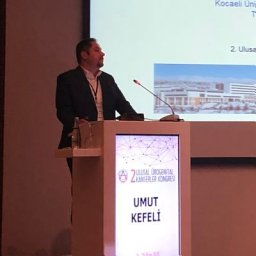 Kefeli Umut合作论文数Department of Medical Oncology, Dr. Lutfi Kirdar Kartal Education and Research Hospital7
 Muhammet Ali Kaplan合作论文数Division of Medical Oncology, Dicle University7Tonyali Onder合作论文数7
 Uysal Mükremin合作论文数Department of Medical Oncology, Kocatepe University School of Medicine7Durnali Ayse合作论文数7
 Aydin Ciltas合作论文数7
 Uğur Coşkun合作论文数Department of Cardiology, Dr. Suat Gunsel Hospital, University of Kyrenia Medical School7
 Suleyman Alici合作论文数Division of Medical Oncology, Yüzüncü Yil University7
 Kemal Deniz合作论文数Faculty of Medicine, University of Erciyes7
 Bala Başak Öven合作论文数Yeditepe University Kosuyolu Hospital;Cerrahpaşa Faculty of Medicine, İstanbul University7
 Ahmet Bilici合作论文数Department of Medical Oncology, Dr. Lutfi Kirdar Kartal Education and Research Hospital7Naoki Takashima合作论文数6Jesús Murillo合作论文数6Shinya Katsuno合作论文数6




