ObjectivesTo report the long-term safety and efficacy of BAY 81-8973 in the LEOPOLD Kids extension phase.MethodsPatients received BAY 81-8973 (25-50 IU/kg) at least twice weekly. The primary endpoint was safety, assessed in all patients who entered the extension phase (n = 82). Efficacy endpoints were assessed in patients without high-titre inhibitors/immune tolerance induction (n = 67).ResultsChildren (n = 82) received BAY 81-8973 for a median of 3.1 years per patient and a median of 405 exposure days per patient. Long-term BAY 81-8973 treatment was well tolerated, with no cases of de novo inhibitor development in the extension phase. Annualised bleeding rates (ABRs) within 48 h of prophylaxis were low for all bleeds (median [IQR], 0.7 [0-1.9]; mean, 1.4 [SD, 2.1]) and for joint bleeds (median [IQR], 0 [0-0.7]; mean, 0.5 [SD, 1.1]) (n = 67). Twenty-one of 67 patients (31.3%) had zero bleeds within 48 h of prophylaxis; the treatment response was 'good'/'excellent' in 87.9% of bleeds, and most bleeds resolved with <= 2 BAY 81-8973 infusions (83.5%).ConclusionLong-term BAY 81-8973 treatment is well tolerated and maintains low ABRs for all bleeds and joint bleeds in children with severe haemophilia A. Trial Registration: identifier: NCT01311648ConclusionLong-term BAY 81-8973 treatment is well tolerated and maintains low ABRs for all bleeds and joint bleeds in children with severe haemophilia A. Trial Registration: identifier: NCT01311648
Background: Constitutive inflammation and hemostatic activation have been identified as key contributors to the pathophysiology of sickle cell disease (SCD), leading to clinical consequences such as vaso-occlusive crises and stroke. Patients with hemoglobin SS (HbSS) and hemoglobin SC (HbSC) genotypes are reported to have different symptoms, as do patients in steady-state and crisis situations. Differences among these groups remain unclear in pediatric patients. Objectives: To compare hemostatic activity in HbSS and HbSC pediatric patients during steady state, in crisis, and in clinical follow-up and compare HbSS and HbSC patients with normal healthy children. Methods: Whole-blood coagulation assay thromboelastography (TEG) was used to assess hemostatic activity. In parallel, flow cytometry was used to assess procoagulant surface expression of platelets and red blood cells. Results: TEG results indicated no significant differences in clotting onset (R time), clot maximum amplitude, or maximum rate of thrombus generation among steady-state, crisis, and follow-up subgroups of HbSS and HbSC patients. TEG parameters did not differ significantly between HbSC patients and healthy children, while HbSS patients showed significantly shorter R time and greater maximum amplitude and maximum rate of thrombus generation, all indicative of a constitutive hypercoagulable state. Flow cytometry results did not detect increased platelet integrin alpha IIb beta 3 activation or red blood cell procoagulant surface expression in SCD patients compared with unaffected children. Conclusion: Our results indicate that pediatric SCD patients with the HbSS genotype have constitutively activated hemostasis relative to HbSC patients and healthy children. It remains to be determined how treatments that improve clinical outcomes in SCD patients affect this constitutively hypercoagulable state.
Background: A child's hemophilia diagnosis has an impact on the caregiver. Caregivers often need to administer routine prophylactic therapy to prevent bleeds. Historically, in patients with severe hemophilia A (PWH-A), this consisted of giving intravenous (IV) clotting factor concentrate (CFC) multiple times per week. With the advent of novel non-factor therapies (e.g., emicizumab), there is an option to deliver prophylaxis subcutaneously (SC) less frequently. The Hemophilia Family Impact Tool (H-FITv1.1) is a caregiver-reported questionnaire that measures the burden of caring for a child with hemophilia. This validated tool can be used to evaluate how the burden of care changes when switching from IV to SC therapy. Aim: To evaluate the impact of emicizumab, as compared to IV clotting factor, on caregiver burden of care for PWH-A. Methods: Caregivers of PWH-A (0-18 years) on routine prophylaxis completed the H-FIT at four time points: baseline (day of switch to emicizumab), and at 3, 6, and 12-months post-switch to emicizumab. Institutional research ethics board approval and informed consent from all participants were obtained. The H-FIT is scored from 0 to 100, with 100 representing the lowest family burden. Results: Caregivers (N=35) of PWH-A (Mage=12.43 years, SD=4.15, 100% male, 97% infusing prophylaxis >twice/week pre-switch) completed the H-FIT. There was a non-statistically significant trend of improved burden of care following a switch to emicizumab (t11=-.81, CI=-14.86-6.86). Age stratification revealed this trend was consistent in children over the age of seven; however, the trend of improvement was not seen in the <7 years of age cohort. Conclusion: There was a trend of improved burden of caring for PWH-A in caregivers following the child's switch from IV to SC therapy. This trend was not seen in the under 7 cohort, however sample size was limited, and further studies are needed to elucidate age-related differences in care.
The Kids' ITP Tools (KIT) is a questionnaire to assess quality of life of children with immune thrombocytopenia (ITP). The aim of this study was to update this previously validated tool to align with changes in clinical practice, specifically, treatment with thrombopoietin receptor agonists (TPO-RAs). Children aged 1-18 with ITP and/or their families were recruited to participate in interviews to review the KIT. Twenty-six interviews were conducted. Based on interview data from children and families, current guidelines, and expert opinion, five changes were made to the KIT in order to improve its face validity.
Background. In Canada, ‘standard of care’ for persons with hemophilia A (PWH-A) has been regular intravenous infusions of factor VIII (FVIII) concentrates started early in life. Recently, novel non FVIII therapies that do not require intravenous infusion, and are administered infrequently and subcutaneously, have become clinically available. These therapies may impact health-related quality of life (HR-QoL) of PWH-A. This patient-reported outcome can be assessed using the Canadian Hemophilia Outcomes-Kids Life Assessment Tool (CHO-KLATv3.0). Aim. To compare the long-term HR-QoL of PWH-A pre-/post-switch to emicizumab. Methods. PWH-A on FVIII prophylaxis, and their caregivers, completed questionnaires at baseline (day of switch to emicizumab), 3-, 6-, and 12-months post-switch. This study was approved by the institutional research ethics board. Informed consent was obtained from participants. PWH-A aged 7-18 years completed the self-report CHO-KLAT, and caregivers of PWH-A aged 0-18 years completed the caregiver-report CHO-KLAT. The CHO-KLAT is scored 0- 100, with 100 representing best HR-QoL. The CHO-KLAT is also scored within 7 domains: activities, autonomy, bleeding, emotional health, hemophilia knowledge, social functioning, and treatment. Results. PWH-A (N=26; Mage=12.4 years, SD=4.2; 100% male; 97% infusing prophylaxis >twice/week pre-switch) and their caregivers (N=34) completed the questionnaires. Mean CHO KLAT scores increased at 3-months and plateaued by 12-months. Child and caregiver CHO-KLAT scores were significantly correlated at baseline (ρ=.53**, CI=.16-.77) and 12-months (ρ=.92**, CI=.66-.98), indicating similar caregiver versus child-perceived HR-QoL longitudinally. There was a significant improvement in caregiver-reported CHO-KLAT scores from baseline to 3- months, by an average of 8.65 (t18=-3.36, CI=-14.05–3.25). There was a significant improvement in caregiver-reported autonomy from baseline to 12-months (Z=-3.26, p<.001). Conclusion. PWH-A and their caregivers reported greatest HR-QoL at 3- and 6-months post switch. The HR-QoL findings align with the literature on other chronic conditions, where the greatest changes are observed immediately following a treatment switch, followed by a plateau over time.
In 2013, the SickKids-Caribbean Initiative (SCI) was formalised among The Hospital for Sick Children in Toronto, Canada, the University of the West Indies, and Ministries of Health in six Caribbean countries (Barbados, The Bahamas, Jamaica, St. Lucia, St. Vincent and the Grenadines, and Trinidad and Tobago). The aim was to improve the outcomes and quality of life of children (<18 years) with cancer and blood disorders in the partner countries. Core activities included filling a human resource gap by training paediatric haematologists/oncologists and specialised registered nurses; improving capacity to diagnose and treat diverse haematology/oncology cases; developing and maintaining paediatric oncology databases; creating ongoing advocacy activities with international agencies, decision makers, and civil society; and establishing an integrated administration, management, and funding structure. We describe core program components, successes, and challenges to inform others seeking to improve health service delivery in a multidisciplinary and complex partnership.
Background: Recurrent joint bleeds are a major cause of morbidity in severe hemophilia. Prophylaxis with efmoroctocog alfa (a recombinant factor VIII Fc fusion protein, [rFVIIIFc]) has demonstrated benefits beyond bleed control, including joint health maintenance. Objectives: To assess long-term efficacy and safety of rFVIIIFc prophylaxis in severe hemophilia A in phase 3 pivotal (A-LONG/Kids A-LONG) and extension (ASPIRE) studies.Methods: Longitudinal analysis included pooled data from A-LONG/Kids A-LONG and ASPIRE. Subgroup analyses investigated outcomes in modified Hemophilia Joint Health Score or Hemophilia Joint Health Score and target joints in subjects with 4 to 5 years follow-up on individualized prophylaxis (IP), and those with the highest annualized bleeding rate (ABR) quartile during Year 1 of IP. Results: Overall, rFVIIIFc consumption remained stable and low ABRs were maintained, with a median treatment duration of 4.2/3.4 years in subjects from A-LONG/Kids A-LONG, respectively. Median overall ABR also remained low (1.0-2.0) in subjects on IP for 4 to 5 years. Sustained improvements in modified Hemophilia Joint Health Score or Hemophilia Joint Health Score were demonstrated over a median follow-up of 3.7 years. In subjects from A-LONG/Kids A-LONG, 99.6% (n = 234)/100% (n = 9) of evaluable baseline target joints were resolved, with no recurrence in 95%/100% of target joints. In IP subjects within the highest ABR quartile in Year 1, continued improvements were observed over a median follow-up of 4.3 years in ABR and joint health, without increased factor consumption. No inhibitors or treatment-related serious adverse events were reported. Conclusion: Previously treated subjects of all ages receiving long-term prophylaxis with rFVIIIFc had sustained clinical benefits, including improved joint health and low ABR.
INTRODUCTION:The genetic variant responsible for haemophilia A (HA) significantly impacts endogenous coagulant factor VIII (FVIII:C) level, thus impacting DDAVP responsiveness. Blood group (BG) also impacts FVIII:C levels, but this is difficult to evaluate in a genetically heterogeneous population. Canada has a large cohort of mild-moderate HA due to a single point variant: c.6104T>C, p.Val2035Ala-the Twillingate variant.AIM:To evaluate the impact of BG on endogenous FVIII:C levels and DDAVP responsiveness in a single genotype of mild-moderate HA.METHODS:This was a retrospective, single-centre study. BG and FVIII:C levels were obtained for males with the Twillingate variant. One-hour absolute and fold increases in FVIII:C post-DDAVP were calculated. T-tests and Mann-Whitney U tests were used to compare FVIII:C levels and DDAVP challenge variables between individuals according to BGs (O vs. non-O).RESULTS:Twenty males were included. There were significant differences between BGs (O vs. non-O) in their lowest FVIII:C level at age <12 years (medians: 0.05 vs. 0.08 IU/mL; P = .05). Fifteen subjects underwent DDAVP challenges. Mean 1-h FVIII:C were 0.29 (O BG) versus 0.41 IU/mL (non-O BG); P = .04. There were no significant differences between BGs (O vs. non-O) in mean absolute FVIII:C increase (0.20 vs. 0.27 IU/mL; P = .10) and FVIII:C fold increase (3.3-fold vs. 3.8-fold; P = .51).CONCLUSION:In HA subjects with an identical genotype, BG significantly impacts baseline FVIII:C levels and FVIII:C levels post-DDAVP, but does not impact absolute and fold increases in FVIII:C with DDAVP.
Background: In hemophilia, recurrent hemarthrosis may lead to irreversible arthropathy. T2 mapping MRI may reflect cartilage changes at an earlier reversible stage of arthropathy as opposed to structural MRI.Objectives: To evaluate interval changes of T2 mapping compared with the International Prophylaxis Study Group (IPSG) structural MRI scores of ankle cartilage in boys with hemophilia receiving prophylaxis.Methods: Eight boys with hemophilia A (median age, 13; range, 9-17 years), 7 age- and sex-matched healthy boys (controls, median age, 15; range, 7-16 years). A multiecho spin-echo T2-weighted MRI sequence at 3.0T was used to obtain T2 maps of cartilage of boys with hemophilia and controls. Structural joint status was evaluated using the IPSG MRI score.Results: T2 relaxation times of ankle cartilage increased significantly over time in both persons with hemophilia and controls (P = .002 and P = .00009, respectively). Changes in T2 relaxation time strongly correlated with changes in IPSG cartilage scores (r(s) = 0.93 to r(s) = 0.78 [P = .0007 to P = .023]), but not with changes in age (P = .304 to P = .840). Responsiveness of T2 relaxation times were higher than that of IPSG cartilage scores, with standardized response means >1.4 for T2 mapping in all regions-of-interest compared with 0.84 for IPSG cartilage scores. Baseline T2 relaxation time strongly correlated with timepoint 2 IPSG cartilage score (r(s) = 0.93 to r(s) = 0.82 [P = .001 to P = .012]) and T2 relaxation time (r(s) = 0.98 to r(s) = 0.88 [P = .00003 to P = .004]) changes in most regions-of-interest.Conclusion: T2 mapping shows sensitivity to biochemical changes in cartilage prior to detectable damage using conventional MRI, offering potential for early detection of bleed-related cartilage damage in boys with hemophilia.
Introduction To personalize long-term prophylaxis in boys with hemophilia A with a severe bleeding phenotype, the individual's pharmacokinetic (PK) profile must be established. Traditional FVIII PK assessment has required a 2-3-day washout, which can place boys at risk of bleeding, and up to 11 post-infusion blood samples collected over a 48h period (Lee et al., ISTH guidelines, 2001). Population PK models with Bayesian forecasting are currently available that permit the use of a no-washout PK protocol with sparse sampling, which is clinically practical and less demanding for patients and their families. Our previous experience with a no-washout, single-clinic visit, reverse 2-sampling time point (24 and 3h) PK protocol established that this practical, patient-friendly PK protocol was sufficiently accurate for generating clinically useful individual PK profiles in patients receiving a standard half-life (SHL) FVIII concentrate [antihemophilic factor (recombinant) plasma/albumin-free method (Advate®)] for long-term prophylaxis (Blanchette et al., Thromb Haemost, 2021). Aim To determine the accuracy of a clinically practical single-clinic visit, reverse 2-sampling time point population PK protocol for generating individual PK profiles [clearance (Cl) and terminal half-life (t1/2)] in boys with severe hemophilia A without inhibitors receiving either an SHL [antihemophilic factor (recombinant) BAY 81-8973 (Kovaltry®)] or an extended half-life (EHL) FVIII concentrate [antihemophilic factor (recombinant) PEGylated BAY 94-9027 (Jivi®)] for long-term prophylaxis. Methods In this multicenter observational study, participants had their first infusion given at home. Of a total of 14 boys with hemophilia A without inhibitors receiving long-term prophylaxis, 5 receiving a SHL completed a single clinic visit, reverse 2-point (24 and 3h) and a multiple clinic visit 6-point (baseline, 1, 3, 8, 24 and 48h) PK sampling protocol; and 4 boys completed a SHL single clinic visit reverse 2-point (48 and 3h) and a 2 clinic visit reverse 3-point (48, 3 and 24h) PK sampling protocol. 5 boys receiving EHL completed single clinic visit, reverse 2-point (72 and 3h) and 2-clinic visit 3-point (72, 3 and 48h) PK sampling protocols and they had multiple spot samplings (n=12) at various post-infusion times to evaluate the precision of their predicted PK profiles based on their 2-point PK sampling protocol. One-stage (OS) and chromogenic (CHR) FVIII:C and von Willebrand factor antigen (VWF:Ag) assays were performed in a central reference coagulation laboratory in Kingston, Ontario. PK parameters (Cl and t1/2) were estimated using the WAPPS-Hemo population PK program. The median of the % difference between the 2-sampling time point PK protocol compared to the 6- and 3- sampling time point PK protocols is reported. Results 14 boys with hemophilia A (FVIII:C <2%; median age: 14.5 yrs, range: 5-19 yrs) participated in the study. The 2-point PK protocol for both SHL and EHL showed a higher Cl and lower t1/2 when compared to either a 6-sampling time point (for SHL) or a 3-sampling time point (for either SHL or EHL) PK assessment (Table 1). The difference was greatest for the 2-point (24 and 3h) vs the 6-point (Table 1). In the case of the 2-point (48 and 3h for SHL and 72 and 3h for EHL) vs 3-point (an additional 24h time point for SHL and 48h for EHL) PK parameter estimates, the 2-point protocol gave values that were all within 6% of those obtained with the 3-sampling time point PK (Table 1). The OS and CHR assays gave similar estimations for Cl and t1/2 with the exception of t1/2 when comparing the 6-point to the 2-point PK protocol (Table 1). Evaluation of the 2-sampling time point PK protocol through spot sampling showed approximately 66% and 81% of FVIII:C values falling within the 95% prediction limits for the OS and CHR assays, respectively (n=12 for EHL OS; n=11 for EHL CHR). There was a strong association between the observed FVIII:C levels from the spot sampling and their predicted values from the 2-point PK for EHL (R2=94% and 71% for the OS and CHR assays, respectively) (Fig. 1). Conclusion The reverse 2-point, single clinic visit, PK protocol (24/48 or 72h and 3h) is a practical approach to generate PK parameters that provide clinically useful information for guiding personalized prophylaxis regimens for boys receiving SHL or EHL for long-term prophylaxis. Funding Supported by Bayer (Investigator-Initiated Research grant) Figure 1View largeDownload PPTFigure 1View largeDownload PPT Close modal
Introduction: Hemophilia A (HA) occurs secondary to >1000 variants in the F8 gene resulting in decreased/absent production of factor (F) VIII. FVIII:C (coagulant) levels in persons with mild/moderate HA are most impacted by their genotype. ABO blood type (BT) may also impact endogenous FVIII:C levels, but this impact is difficult to assess in a genetically heterogenous group of HA subjects. Canada has a population of mild-moderate HA secondary to a unique large single genotype: c.6104T>C, p.Val2035Ala. This variant arose from a founder effect that occurred about 200 years ago in Twillingate, Newfoundland. We hypothesized that subjects with the Twillingate genotype (despite having the same genotype and thus producing similar amounts of FVIII) would show different endogenous FVIII:C levels related to their BT, as BT impacts FVIII (and VWF) clearance. Our study objectives were to understand the impact of BT on endogenous FVIII:C levels whilst controlling for genotype, and to explore the impact of BT on DDAVP responsiveness. Methods: This was a retrospective, single-center cohort study. Males with a confirmed Twillingate genotype treated at our center between 1980-01-01 to 2022-03-01 were eligible. For each subject, ABO BT, VWF antigen (Ag) and activity, and FVIII:C levels were determined by chart review. We recorded the lowest FVIII:C baseline level; for subjects who had >1 FVIII:C level (done in a non-bleeding state) we also determined their mean baseline FVIII:C level. For DDAVP challenges, the age at the challenge, dose, and route of administration were recorded, as well as pre and 1-hr post FVIII:C levels. Based on 1-hr post-DDAVP FVIII:C levels (IU/mL), subjects were classified on their DDAVP response as responders (≥0.50), partial responders (0.30 to 0.49), or non-responders (<0.30). Median, IQR, mean, and SD were calculated for baseline FVIII:C and VWF:Ag levels, stratified by age (<12; ≥12 y) and by BT (O; non-O). T-tests and Mann-Whitney U (MWU) tests were used to compare normally and non-normally distributed data, respectively. The Fisher-Freeman-Halton Exact Test was used to compare responses to DDAVP between O and non-O subjects. Statistical significance was considered as p≤0.05. All analyses were performed using IBM SPSS Statistics Version 28. Results: 20 males were included: 9 were O BT and 11 were non-O BT (10 were A, 1 was B). There were statistically significant differences between the 2 ABO groups in their median lowest FVIII:C levels: 0.05 IU/mL (O BT) vs. 0.08 IU/mL (non-O BT); p=0.05 (MWU) and in mean FVIII:C levels: medians: 0.08 IU/mL (O BT) vs. 0.12 IU/mL (non-O BT); p=0.02 (t-test). Too few subjects had FVIII:C levels reported at ≥12 y of age to perform statistical analyses. Fifteen subjects (8 O BT: 7 non-O BT) underwent a DDAVP challenge; 13 performed at our center and 2 elsewhere. Median 1-hr post-DDAVP FVIII:C levels were 0.32 IU/mL (O BT) and 0.43 IU/mL (non-O BT); p=0.04 (t-test). The absolute FVIII:C increase with DDAVP was not statistically different between the 2 groups: median increase of 0.22 IU/mL (O BT) vs. 0.28 IU/mL (non-O BT); p=0.10 (t-test) nor was the FVIII:C fold increase: median increase 3.3-fold (O BT) vs. 3.3-fold (non-O BT); p=0.51 (t-test). Among O BT subjects, none were responders, 5 were partial responders and 3 were non-responders. In the non-O BT subjects, 2 were responders and 5 were partial responders. The variation in response between the 2 groups failed to achieve statistical significance (p=0.14). Given uncertainties in DDAVP challenges (e.g. dose, route of administration) done elsewhere, we also analyzed the DDAVP challenge results just for the 13 subjects from our center. The median 1-hr post-DDAVP FVIII:C levels were 0.30 IU/mL in 7 O BT subjects and 0.45 IU/mL in 6 non-O BT subjects; p=0.02 (t-test). Conclusions: This study shows that in HA subjects with an identical genotype, BT significantly impacts FVIII:C levels. Although only 1 unique genotype was studied, we believe that other hemophilic variants leading to mild HA will behave similarly. This may explain why in subjects with mild HA, there is an overrepresentation of O BT. Persons with non-O BT and HA variants that only slightly reduce FVIII production may have FVIII:C levels that are not as reduced and thus may never present with bleeding and be diagnosed with HA. In contrast, if such persons have O BT, they are likely to show much lower FVIII:C levels and thus more likely to bleed and be diagnosed with HA. Figure 1View largeDownload PPTFigure 1View largeDownload PPT Close modal
The effect of chronic estrogen treatment on the stimulation and dopamine inhibition of anterior pituitary (AP) adenylate cyclase (AC) activity was examined. Treatment of ovariectomized female rats with estradiol for 21 days resulted in a 450% increase in AP weight compared to ovariectomized controls. Stimulation of AC by guanine nucleotides (GN) (1 nM-0.1 mM) and vasoactive intestinal peptide (1 microM) was reduced by 50%. Stimulation of AC by fluoride ions was unchanged by estradiol treatment. Stimulation above basal by forskolin was reduced by variable amounts (23-50%), and depended on the concentration of forskolin used. Inhibition of AC mediated by D2-dopamine receptors was decreased by 45%. Estrogen treatment had no effect on the toxin-catalyzed incorporation of [32P]ADP into stimulatory and inhibitory GN regulatory proteins. These results indicate that the effect of estrogen on the anterior pituitary include modulation of stimulated, dopamine-inhibited and basal AC activity.
Background Severe hemophilia A (SHA) patients vary in severity of bleeding, arthropathy, and requirements for replacement factor VIII (FVIII). Baseline hemostatic activity assays using calibrated automated thrombography (CAT) and thromboelastography (TEG) may offer insights into the physiological basis of clinical heterogeneity. Objectives Use CAT and TEG to measure baseline hemostatic activity in a cohort of 30 pediatric SHA patients with available clinical data. Determine effect of contact activation inhibition with corn trypsin inhibitor (CTI). Assess heterogeneity among patients for baseline hemostatic activity and examine correlations between assay results and clinical parameters including FVIII dosing regimen, von Willebrand factor level, and Pettersson arthropathy score. Methods SHA blood after FVIII washout was subjected to TEG, and platelet-rich (PRP) and platelet-poor plasma was used for CAT assays. Varying concentrations of tissue factor (TF) were used. Statistical analysis examined relationships between assay results, and clinical parameters. Results CTI treatment was required to obtain TEG and CAT results representative of baseline hemostatic activity. Weak activity was observed in assays with low TF concentrations (0.5-2 pM), and most but not all samples approached normal activity levels at high TF concentrations (10-20 pM). A significant positive correlation was observed between results of TEG and CAT-PRP assays. Correlations were not detected between hemostatic assay results and clinical parameters. Conclusions In vitro hemostatic assay results of samples containing platelets showed concordance. Assay results were not predictive of FVIII requirements or correlated with other clinical parameters. SHA patient heterogeneity is influenced by factors other than baseline hemostatic activity.
Background This study examined the structural outcomes for joints of boys with severe hemophilia A receiving frequency/dose-escalated primary prophylaxis using magnetic resonance imaging (MRI), and the importance of interval MRI changes. Methods Forty-six subjects (27 with interval studies) were evaluated by radiographs (X-rays) and mid- and end-of-study MRIs (using the International Prophylaxis Study Group scale), as part of the Canadian Hemophilia Prophylaxis Study. The primary outcome was the presence of MRI osteochondral findings. Results The median (range) time on study at the end-of-study MRI examination was 9.6 (4.8-16.0) years, during which 18 of 46 subjects (39%) had osteochondral changes in at least one joint. An interval change in MRI score of at least 1 point was observed in 44% of joints (43 ankles, 21 elbows, 4 knees); at least one joint showed this change in all 27 subjects. Self-reported interval hemarthrosis was associated with a higher likelihood of interval osteochondral change (odds ratio [OR], 1.49; 95% confidence interval [CI] = 1.08-2.06). Presence of synovial hypertrophy or hemosiderin on interval MRIs was associated with an OR of 4.71 (95% CI, 1.92-11.57) and 5.25 (95% CI, 2.05-13.40) of later osteochondral changes on MRI. Discussion MRI changes were seen in 39% of subjects. Interval index joint bleeding was associated with an increased risk of later MRI changes, and earlier soft-tissue changes were associated with subsequent osteochondral changes. [GRAPHICS]
Introduction: In countries with restricted access to clotting factor concentrates, early implementation of low-dose prophylaxis is recommended over episodic treatment. Objective: The objective of this 1-year prospective secondary prophylaxis study was to evaluate the efficacy of a dose/frequency escalating protocol in young boys with hemophilia A in China. Methods: Boys were started on a low-dose protocol (minimum 10-15 IU/kg of factor VIII [FVIII] twice weekly). Escalation was based on index joint bleeding, swelling/persistent joint swelling, and serial ultrasound (gray scale and color Doppler) examinations of index joints. Results: Thirty-three boys, median age 4.8 years (interquartile range, 3.8-6.1) were enrolled in a 3-month observation period that preceded a 1-year prophylaxis phase. A significant reduction in total bleeding events (43.0%, P = .001), index joint bleeds (53.2%, P = .002), and target index joint bleeds (70.0%, P = 0.02) was observed during the prophylaxis phase. During the prophylaxis period, 40% of target joints resolved. The percentage of boys with zero index joint bleeds increased significantly (P = .004) from 51.5% during the observation phase to 81.8% in last quarter of the prophylaxis phase (months 10-12). There was no progression of arthropathy based on physical examination (Hemophilia Joint Health Score), X-ray, and ultrasound obtained at entry into the prophylaxis phase and at study exit. The median FVIII consumption over the prophylaxis phase was 1786 IU/kg/y. Conclusion: A low-dose, individualized prophylaxis protocol, guided by individual bleeding profiles and serial assessment of joint status, enables escalation of treatment intensity in boys with severe hemophilia A, leading to a significant reduction in bleeding events and reduction in target joint bleeding.
Introduction Recombinant factors VIII and IX Fc (rFVIIIFc/rFIXFc) became available in Canada in 2016 and were the only extended half-life (EHL) factor concentrates available in Canada until 2018. Objectives We aim to describe the change in product utilization in Canadians who switched to rFVIIIFc/rFIXFc. Methods This prospective and retrospective cohort study enrolled males aged >= 6 years with moderate or severe haemophilia who switched to rFVIIIFc/rFIXFc and those who remained on standard half-life (SHL) between 2016 and 2018. Factor utilization and annualized bleeding rates (ABR) were collected at baseline, 1-year and 2-years. Due to low prospective enrolment (n = 25 switchers), prospective and retrospective data were pooled. Results 125 switchers (93 rFVIIIFc, 32 rFIXFc) and 33 non-switchers were included. The median age was 17 (rFVIIIFc) and 38 years (rFIXFc). Prior to switch, over 80% were on prophylaxis. There was a statistically significant reduction in the prescribed weekly prophylactic dose after the switch to rFVIIIFc/rFIXFc for all age groups, with a corresponding reduction (15-16%) in actual annualized FIX utilization in switchers (combined adults and children) to rFIXFc, and a smaller non-significant reduction in actual annualized FVIIII utilization (7%) in children who switched to rFVIIIFc. A significant reduction in the median ABR was only observed in children who switched to rFVIIIFc, but not in adults who switched to rFVIIIFc or rFIXFc. Conclusion Switching from SHL to EHL products led to a small reduction in factor utilization, while preserving a low ABR in children and adults with haemophilia. Further patient-reported outcomes data will further elucidate the role of EHL in the haemophilia landscape.
The purpose of this study was to review and update the content of the Canadian Hemophilia Outcomes–Kids’ Life Assessment Tool version 2.0 (CHO‐KLAT), in the context of extended half‐life (EHL) factor concentrates (FCs) and to establish the validity and reliability of the updated CHO‐KLAT.
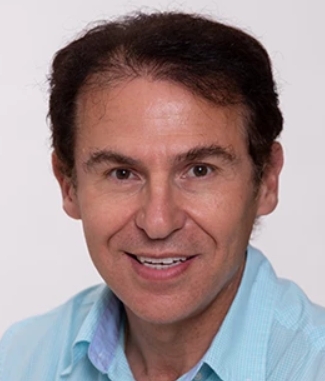 Manuel Carcao合作论文数Institute of Medical Science, Temerty Faculty of Medicine, University of Toronto;Department of Paediatrics, University of Toronto;Hospital for Sick Children74
 Margaret L. Rand合作论文数Department of Biochemistry, Temerty Faculty of Medicine, University of Toronto64
 Young Nancy L合作论文数61
 John Freedman合作论文数Department of Laboratory Medicine and Pathobiology, Temerty Faculty of Medicine, University of Toronto51Feldman Brian M合作论文数50Kathelijn Fischer合作论文数48
 Robert Klaassen合作论文数Research Institute, Children's Hospital of Eastern Ontario40
 Lillicrap David合作论文数Department of Pathology and Molecular Medicine.Queen’s University32
 Peter Collins合作论文数School of Medicine, Cardiff University31Audrey Abad合作论文数27
 Andrea Doria合作论文数Department of Medical Imaging, University of Toronto;Department of Diagnostic Imaging, The Hospital for Sick Children26
 Paula James合作论文数Department of Medicine, School of Medicine, Faculty of Health Sciences, Queen's University;Department of Pathology and Molecular Medicine, School of Medicine, Faculty of Health Sciences, Queen's University26Bruce M. Ewenstein合作论文数25
 John Semple合作论文数Division of Hematology and Transfusion Medicine, Lund University;Department of Pharmacology and Toxicology, Temerty Faculty of Medicine, University of Toronto;Keenan Research Centre for Biomedical Sciences, St. Michael’s Hospital24Cindy Wakefield合作论文数23Spotts G合作论文数23
 Sara Israels合作论文数Department of Pediatrics and Child Health, Rady Faculty of Health Sciences21
 Pamela E Hilliard合作论文数21
 James B. Bussel合作论文数Department of Pediatrics, Weill Cornell Medical College, Cornell University20Victoria E. Price合作论文数20Am Stain合作论文数19Dewi Clark合作论文数19
 Walter H.A. Kahr合作论文数The Hospital for Sick Children;Department of Biochemistry, University of Toronto18
 Alok Srivastava合作论文数Department of Haematology, Christian Medical College;Centre for Stem Cell Research, Christian Medical College;Tamil Nadu Dr. MGR Medical University18Phillip Schroth合作论文数Institut für Schicht- und Ionentechnik, Forschungszentrum Jülich GmbH18
 Massimo Morfini合作论文数17
 Erik Berntorp合作论文数Department of Translational Medicine, Faculty of Medicine, Lund University17Koon Hung Luke合作论文数Children's Hospital of Eastern Ontario17Sandor Fritsch合作论文数17M.C. Poon合作论文数16Jerome M. Teitel合作论文数15George R Buchanan合作论文数14Vanessa Bouskill合作论文数14
 John Wu合作论文数BC Children's Hospital;Division of Hematology and Oncology, Department of Pediatrics, Faculty of Medicine, University of British Columbia14Pamela Hilliard合作论文数13Danial M Ignas合作论文数13
 Runhui Wu (吴润晖)合作论文数Beijing Children's Hospital, Capital Medical University13Ellis J. Neufeld合作论文数13
 Bruce Ritchie合作论文数Departments of Medicine and Medical Oncology, University of Alberta13
 Marilyn Manco-Johnson合作论文数School of Medicine, University of Colorado Anschutz Medical Campus13
 Alfonso Iorio合作论文数Department of Health Research Methods, Evidence, and Impact, Faculty of Health Sciences, McMaster University;McMaster Centre for Transfusion Research, Faculty of Health Sciences, McMaster University;University of Perugia13McLimont M合作论文数12Macgregor Steele合作论文数12
 Georges-Étienne Rivard合作论文数Département De Pédiatrie, Faculté De Médecine, Université De Montréal12G. Rivard合作论文数11St-Louis J合作论文数11
 Shoshana Revel-Vilk合作论文数Department of Pediatric Hematology, Shaare Zedek Medical Center, Hebrew University Medical School11Leonard A. Valentino合作论文数11Chris Barnes合作论文数Dry Branch, Georgia Forestry Commiss10




