We report laser related polarized spectroscopy and continuous-wave (CW) laser operation of Yb3+:Gd2-xYxSiO5 (& khcy; = 0.385) (Yb:GYSO) crystal under a single-mode fiber-coupled laser diode pumping at the wavelength of about 976 nm. The absorption and stimulated emission cross-section spectra were determined for light polarized to the principal optical axes ( N p , Nm, Ng) of the crystal. The radiative lifetime of the upper manifold 2F5/2 of Yb3+ ions was estimated to be 885 mu s. In CW mode of laser operation the maximal output power reached up to 382 mW and maximal optical-to-optical efficiency was about 71 %. The widest tunability range of 116 nm was obtained for the E//Np polarization.
Optical glass ceramics based on oxyfluoride glasses activated by rare earth ions have attractive properties for development of lasers and near-infrared amplifiers, since they combine properties of fluoride crystals with low phonon frequencies and chemical and mechanical properties of oxide matrices. Spectroscopic properties of activator ions in crystalline and glass phases of glass-ceramics can differ significantly. Thus, it is possible to determine impurity ions’ distribution between these phases by means of absorption or luminescence spectra analysis. The main goal of this work was to develop a method for determining the concentration of Tm3+ and Ho3+ ions in the crystalline, PbF2 and glassy phases of glass ceramics after secondary thermal treatment of thulium-doped and thulium-holmium co-doped oxyfluoride glasses. Spectroscopic characteristics of oxyfluoride glasses activated by Tm3+ ions and co-activated by Tm3+ and Ho3+ ions, as well as glass ceramics obtained from the original glasses as a result of secondary heat treatment were studied. It was established by X-ray phase analysis method that under certain heat treatment conditions crystalline β-PbF2 phase is formed in those glasses. Absorption and luminescence spectra of Tm3+ and Ho3+ impurity ions in the original glass and in β-PbF2 crystals were compared with their ones in glass ceramics. A method for determining the concentration of ions in the crystalline and glass phases of glass ceramics was proposed on the basis of this comparison. Dependence of Tm3+ and Ho3+ ions distribution between the glass and crystalline phases on different regime of glasses' secondary heat treatment was studied.
A mathematical model of a rare-earth doped double-clad fiber laser based on rate equations with spatially averaged parameters laser has been developed. Analytical expressions for the threshold absorbed pump power, slope efficiency and laser output power have been obtained for the CW regime. It has been shown that the results of output power calculations using the analytical model for CW double-clad ytterbium and neodymium doped lasers are in a good agreement with the results obtained using numerical models described in literature. A quantitative criterion for the applicability of the presented analytical model for calculating the parameters of double-clad fiber lasers has been proposed. The applicability of the proposed model to describe the transient stage of the operation of a fiber laser under continuous pumping has been demonstrated.
Epitaxial layers of YAl3(BO3)4 co-doped with Er3+ and Yb3+ are grown from K2Mo3O10-(Y/Yb/Er)2O3-B2O3 complex flux melt by means of liquid phase epitaxy (LPE) technique. The morphology, structure and composition of the layers are investigated. Epitaxial layers with a thickness of 110 mu m were obtained on laser-quality substrates, corresponding to a growth rate of 4.6 mu m per hour. The segregation coefficients for Er3+ and Yb3+ cations are close to unity. The layers exhibit hexagonal huntite-type structure (sp. gr. R32) and small unite cell misfit with respect to the substrate. Absorption and emission spectra as well as fluorescence lifetime were measured.
Phase relationships in the Er x Yb y Y 1− x − y Ga 3 (BO 3 ) 4 –Bi 2 O 3 –B 2 O 3 –(Y,Er,Yb) 2 O 3 –Ga 2 O 3 and Er x Yb y Gd 1– x − y Ga 3 (BO 3 ) 4 –Bi 2 O 3 –B 2 O 3 –(Gd,Er,Yb) 2 O 3 –Ga 2 O 3 ( x = 0.02, y = 0.11 at%) systems were studied in the temperature range from 1000 to 900 °C.
A new iterative numerical model of continuous wave fiber lasers doped with rare-earth ions is proposed. The main advantage of this model is its stability to the choice of initial values of the generated power at the fiber boundaries. The algorithm for solving the system of rate equations is discussed in detail. Simulation results of double-clad fiber lasers obtained using the proposed model are compared with those reported in the literature. The output characteristics of single-mode fiber lasers were modeled and compared with experimentally obtained data.
We demonstrate continuous wave and passively Q-switched Er,Yb:GdMgB5O10 microchip lasers emitting in the spectral range of 1.5-1.6 mu m. A maximal output power of 220 mW was obtained at 1568 nm at an absorbed pump power of 2.3 W with a slope efficiency of 18%. By using an MBE-grown Cr:ZnS thin layer as a saturable absorber laser pulse with a duration of 24 ns and an energy of 3 mu J at a repetition rate of 50 kHz were obtained at a wavelength of 1568 nm.
A transparent Er3+,Yb3+:GdMgB5O10 single crystal with dimensions up to 24 × 15 × 12 mm was grown successfully by the high-temperature solution growth on dipped seeds technique from K2Mo3O10-based solvent. The grown crystal was characterized using PXRD, DSC and ATR techniques. Differential scanning calorimetry measurements and SEM analysis of the heat-treated solids revealed Er,Yb:GdMgB5O10 to be an incongruent melting compound with an onset point of 1087 °C. The absorption edge of the Er,Yb:GMBO sample is located in the region of 245 nm, which approximates a value of 4.8 eV. Absorption and emission spectra, and luminescence kinetics, were studied. The energy transfer efficiency from ytterbium to erbium ions was determined. The laser operation in continuous-wave mode was realized and output characteristics were measured. The maximal output power of 0.15 W with a slope efficiency of 11% was obtained at 1568 nm.
Методом Бриджмена выращены монокристаллы YAlO3-Er (YAP:Er) из расплавов с разным соотношением Y/Al. Сравниваются структурные дефекты и центры окраски при Y/Al = 1 и Y/Al > 1, а также образующиеся в кристаллах в результате гамма-облучения и термообработки. На основе полученных данных определены условия выращивания кристаллов YAP:Er, свободных от центров окраски и двойников. Исследованы спектрально-люминесцентные свойства кристаллов: зарегистрированы спектры поглощения и люминесценции в поляризованном свете, исследована кинетика люминесценции и определено время жизни уровня 4I13/2 иона Er3+. YAlO3-Er (YAP:Er) միաբյուրեղները աճեցվել են Բրիջմենի եղանակով հալույթներից տարբեր Y/Al հարաբերակցությամբ: Համեմատվել է բյուրեղներում կառուցվածքային արատների և գունավորման կենտրոնների ձևավորումը Y/Al = 1 և Y/Al > 1 համար, ինչպես նաև գամմա- ճառագայթման և ջերմային մշակման դեպքում: Ստացված արդյունքների հիման վրա որոշվել են գունավորման կենտրոններից և կրկնակներից զերծ YAP:Er բյուրեղների աճեցման պայմանները: Հետազոտվել են բյուրեղների սպեկտրալ-լյումինեսցենտային հատկությունները՝ գրանցվել են բևեռացած լույսում կլանման և լյումինեսցենցիայի սպեկտրերը, հետազոտվել է լյումինեսցենցիայի կինետիկան և որոշվել է Er3+ իոնի 4I13/2 մակարդակի կյանքի տևողությունը: Single crystals of YAlO3-Er (YAP:Er) are grown by the Bridgman method from melts with different Y/Al ratio. The structural defects and color centers are compared for Y/Al = 1 и Y/Al > 1, as well as formed in the processes of gamma-irradiation and thermal treatment. Based on the obtained data, growth conditions of YAP:Er crystals free of color centers and twins are determined. Spectral-luminescent properties of crystals are investigated, i.e., the polarized absorption and luminescent spectra are registered, the luminescence kinetics is investigated and the lifetime of the 4I13/2 level of Er3+ ion is determined.
A prototype of a pulsed diode-pumped laser based on Neodymium-doped Yttrium Aluminum Garnet (Nd:YAG) crystal emitting at 1064 nm is presented for use in airborne rangefinders and atmospheric LIDARs without use of expensive production technologies and components.Actively Q-Switched laser pulse energy was estimated. Spatial characteristics of laser beam and dependence of pulse energy on the pump pulse energy were obtained at room temperature. Results of diodepumped laser pulse energy measurements are provided within 2 min for pulse repetition rates of 1, 4, 12.5, 22 Hz at ambient temperature range from -40 to +60 °C. Laser diode arrays temperature stabilization was achieved by the use of Peltier module with cooling capacity of 30 W.Pulse energy values not less than 80 mJ were achieved in the studied ranges of ambient temperature and pulse repetition rate. Laser beam divergence at room temperature does not exceed 1.9 mrad.
Single crystals of YAlO 3 -Er (YAP:Er) are grown by the Bridgman method from melts with different Y/Al ratio. The structural defects and color centers are compared for Y/Al = 1 and Y/Al > 1, as well as formed in the processes of gamma-irradiation and thermal treatment. Based on the obtained data, the growth conditions of YAP:Er crystals free of color centers and twins are determined. Spectral-luminescent properties of crystals are investigated: the absorption and luminescent spectra are registered in the polarized light, the luminescence kinetics is investigated and the lifetime of the 4 I 13/2 level of Er 3+ ion is determined.
In this conribution we describe the technological process of transparent Er 3+ :Y 2 O 3 ceramic synthesis, a prospective medium for future laser applications. Hot isostatic pressing (HIP) was used to improve the optical quality of the final product. As the results of our efforts the material with an optical transmission of 0.78-0.80 was obtained, that is close to the theoretical maximum value of 0.83. The main spectral and luminescent properties of the created Er 3+ :Y 2 O 3 optical ceramics in the spectral range of 1.4-1.65 microns was determined and is reported in this work.
In this paper, Er:Y2O3 optical ceramics were fabricated and details of the synthesis were presented. The spectral–luminescent properties of Er3+:Y2O3 optical ceramics were investigated. The absorption and emission cross-section spectra were determined. The luminescence kinetics at near 1.6 µm was single exponential and the lifetime of erbium 4I13/2 energy level was determined. In the frame of the conventional Judd–Ofelt theory, the emission properties of the energy levels of erbium 4I13/2 and 4I11/2 involved in laser operation at near 1.6 µm were calculated. The gain coefficient curves for typical values of the relative population of the upper laser level 4I13/2 were presented. The composition and structure were studied using the SEM, XRD, FTIR spectroscopy, and X-ray computer tomography techniques.
This work is devoted to the problem of improving the spectral and luminescent properties of optical ceramics based on Y 2 O 3 sesquioxide doped with $\text{Er}^{3+}$ ions. A technology for processing ceramics by hot isostatic pressing has been proposed. SEM-images of Er: Y 2 O 3 samples subjected to the HIP treatment are shown.
Solid-state erbium lasers, emitting in the spectral range of 1.5–1.6 µm, are of great interest for several industrial applications. Nowadays the Er:glass is the most widespread laser material for obtaining laser radiation at the wavelength near 1.5 µm. However, the maximal output powers of such lasers are restricted by hundreds of milliwatts because low thermal characteristics of the glass host. By this reason the search for new crystalline hosts doped with erbium ions is the actual task.In this article the investigation results of spectroscopic properties of Er3+,Yb3+:YGdSiO5 (YGSO) crystals are reported. Polarized absorption and luminescence spectra were measured. The lifetimes of energy levels were determined. The excited state absorption spectra were measured. It was shown that excited state absorption band does not overlap with gain band in the range 1.5–1.6 µm. The energy transfer efficiency from ytterbium to erbium ions was estimated. The stimulated emission and gain cross-section spectra for Er3+ ions in YGSO were calculated.
A transparent Yb:YMgB5O10 single crystal with dimensions up to 25 × 23 × 25 mm and weight 10.337 g was grown using a high-temperature solution growth on dipped seeds technique with a K2Mo3O10 solvent. The Yb3+ concentration was calculated to be 4.7 at.% (NYb = 3.71 × 10²⁰ atoms/cm3) with a distribution coefficient Kd of 0.59. The grown crystal was characterized by means of PXRD, TGA-DSC and ATR-FTIR techniques. The spectroscopic characteristics of the Yb:YMgB5O10 crystal were demonstrated. Absorption cross-section spectra were produced. The luminescence spectra of the Yb:YMgB5O10 crystal were measured in the spectral range of 950–1100 nm. The luminescence kinetics of the 2F5/2 energy level were investigated and the lifetime was determined.
A Pr3+ : YAl3(BO3)4 crystal with sizes of 20 × 10 × 10 mm was grown from high-temperature solution and its structural and spectroscopic properties were investigated. The distribution coefficient of praseodymium ranged from 0.6 to 0.8, that yield to the Pr3+ ion concentration of 1.1 ⋅1020 cm–3. Visible and infrared groundstate absorption (3H4) was measurement in dependence on the polarisation. The absorption spectra of the Pr3+ : YAl3(BO3)4 exhibit pronounced polarisation anisotropy. The modified Judd – Offelt theory was applied to evaluate the transitions intensities in absorption and emission, branching ratios and radiative lifetimes of the metastable levels 3P0 and 1D2.
Results are presented from a comprehensive investigation of optical ceramics based on erbium-activated Y 2 O 3 that included their synthesis and spectroscopic characterization. A regime is established for producing bulk material with an optical transmission of 0.78–0.80, which is close to the theoretical value of 0.83. The main spectral-luminescent properties of Er:Y 2 O 3 optical ceramics are determined in the spectral range of 1.5–1.6 µm.
Diode-pumped thulium lasers emitting in the spectral range near 2 μm are attractive for applications in different areas: surgery, rangefinding, and environmental atmosphere monitoring. In this article the latest results of Tm:KYW laser performance with a polycrystalline Cr:ZnSe as the most available saturable absorber for 2 μm spectral region are presented. A maximum continuous-wave output power of ≈ 0.65 W with a slope efficiency of 55 % was obtained at the wavelength of 1940 nm. Laser pulses with energy of 26 μJ and repetiotion rate of 6 kHz coresponding to 156 mW of average output power at 1910 nm were obtained at 2.2 W of incident puwp power for the Cr:ZnSe saturable absorber with initial transmission of 95 %. By using of saturable absorber with lower initial transmission of 90 % laser pulses with energy of 40 μJ and duration as short as 10 ns were realized. The maximal pulse repetition rate was 2.8 kHz at incident pump power of 2.2 W. Based on the obtained results, it can be concluded that Tm:KYW crystals are promising active media for the compact passively Q -switched lasers emitting in the spectral range near 2 μm for the usage in surgery and rangefinding. Also, described laser is planned to be used as a laser source in laser-induced damage threshold measurements setup for investigation of damage threshold of saturable absorbers as well as nonlinear crystals at the wavelength near 2 μm.
Unique spectroscopic properties of trivalent ytterbium ions in aluminium perovskite crystals (YAlO 3 , LuAlO 3 ) make these crystals good candidates for picosecond and femtosecond lasers active media. The features of soliton and non-soliton mode-locking of Yb:LuAP laser were studied. Maximum average output power of 7W with pulse duration of 130fs and 28.1 % optical efficiency were obtained in soliton mode-locking regime. Average output power up to 12W with 2ps pulse duration and 38% optical efficiency obtained in nonsoliton mode-locking regime. Chirped pulse regenerative amplifier based on Yb:LuAP crystal was investigated. Pulse duration as short as 165fs with output power of 4.5W at 200kHz pulse repetition frequency were demonstrated.
 Nikolay Kuleshov合作论文数Center for Optical Materials and Technologies, Belarusian National Technical University226
 Anatoly Yasukevich合作论文数91
 Konstantin Gorbachenya合作论文数Center for Optical Materials and Technologies, Belarusian National Technical University61
 Sergey V. Kurilchik合作论文数Institute for Optical Materials and Technologies, Belarus National Technical University43
 Victor V. Maltsev合作论文数37N. I. Leonyuk合作论文数36A. A. Pavlyuk合作论文数35
 Alexander Rudenkov合作论文数Gomel State University, Gomel State University32A. E. Troshin合作论文数30Nikolai Tolstik合作论文数30VG Shcherbitsky合作论文数29
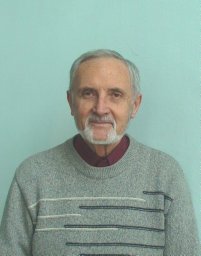 V. I. Levchenko合作论文数National Academy of Sciences of Belarus Institute of Solid-State and Semiconductor Physics Minsk22
 V. N. Matrosov合作论文数Solix Ltd.20
 Alexander Lagatsky合作论文数International Laser Center, Belarus State Polytechnical Academy17
 Wilson Sibbett合作论文数University of St Andrews16E. V. Koporulina合作论文数16Maxim Demesh合作论文数15A. G. Petrosyan合作论文数Academy of Sciences of Armenia Institute for Physical Research15M. I. Kupchenko合作论文数13N. V. Gusakova合作论文数13
 Valery V. Preobrazhenskii合作论文数13
 Nataliya Rubtsova合作论文数13T. A. Matrosova合作论文数11
 B. I. Denker合作论文数A.M Prokhorov General Physics Institute, Russian Academy of Sciences11
 Günter Huber合作论文数Institute for Quantum Physics, University of Hamburg;University Council, Hamburg University11
 Mikhail A. Putyato合作论文数11К. Н. Горбаченя合作论文数10А. С. Ясюкевич合作论文数10Karine Hovhannesyan合作论文数10BI Galagan合作论文数10A. A. Kovalyov合作论文数10
 C. T. A. Brown合作论文数Physics and Astronomy;University of St;Physics and Astronomy, University of St10
 Vadim V. Semashko合作论文数9
 Konstantin V. Yumashev合作论文数Faculty of Instrumentation Engineering, Belarusian National Technical University9M. Mond合作论文数9
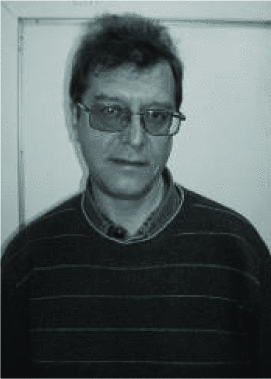 Boris R. Semyagin合作论文数9
 Rüdiger Paschotta合作论文数RP Photonics Consulting9
 Alexey A. Kornienko合作论文数Vitebsk State Technology University9VN Yakimovich合作论文数8
 Ursula Keller合作论文数Department of Information Technology and Electrical Engineering, ETH Zurich;JENOPTIK8
 Elena Volkova合作论文数8V G Shcherbitskii合作论文数8Sergey Sverchkov合作论文数8
 Stella Korableva合作论文数Kazan State University Kazan8
 E. A. Volkova合作论文数8A. M. Ivashko合作论文数7O. P. Dernovich合作论文数7Nizamutdinov Alexey S合作论文数Institute of Physics, Kazan Federal University7
 Irina T. Sorokina合作论文数Institutt for Fysikk, Norges Teknisk-Naturvitenskapelige Universitet7




