Background Antenatal pelvic floor muscle exercises are effective in reducing postnatal urinary incontinence. Midwives, however, lack training and confidence to promote these exercises and often do not provide information or support to women to do the exercises. Objectives Objectives were to: (1) investigate current antenatal care in relation to pelvic floor muscle exercise support from midwives for women; (2) develop an intervention to increase the likelihood of midwives supporting women to do pelvic floor muscle exercises during pregnancy; and (3) test the intervention in a feasibility and pilot cluster randomised controlled trial with numerous trial and process evaluation outcomes. Design Study designs included critical interpretive synthesis, ethnography and other methods (interviews, focus groups, behaviour change theory mapping, stakeholder and patient/public involvement activities) and piloting questionnaires to develop an intervention to test in a feasibility and pilot cluster randomised controlled trial. Clusters were community midwife teams. Setting Main setting: two National Health Service hospital trusts providing maternity care in Birmingham. Participants Participants included pregnant women and midwives. Pilot trial participants included women who gave birth during a prespecified month in study maternity units. Midwives participated in trial process evaluation. Interventions Midwives in teams randomised to the intervention were trained how to teach pelvic floor muscle exercises to women and support them in undertaking these exercises throughout pregnancy. Midwife teams allocated to control provided standard antenatal care. Main outcome measures Early-phase outcomes were whether current antenatal midwife care supported women to undertake pelvic floor muscle exercises, and a midwife pelvic floor muscle exercise training intervention. Main feasibility and pilot trial outcomes included return rates and associated intraclass correlation coefficient; whether midwives provided pelvic floor muscle exercise support to women during antenatal care; women’s adherence to undertaking pelvic floor muscle exercises antenatally; and prevalence estimates of urinary incontinence at 10–12 weeks post partum. Other process outcomes included intervention midwives’ confidence in pelvic floor muscle exercise knowledge and views on intervention delivery; women’s views on pelvic floor muscle exercise support received; and control midwives’ views on pelvic floor muscle exercises in standard care. Results The critical interpretive literature synthesis showed that current antenatal pelvic floor muscle support was constrained by numerous factors including women’s and healthcare professionals’ capacity to implement pelvic floor muscle exercises. Reform of healthcare policy and service delivery was recommended to provide opportunity to genuinely support women and healthcare professionals. Main findings of early-phase qualitative research showed that women and midwives ‘know’ that pelvic floor muscle exercises are important, but that midwives infrequently communicate to women the large ‘gains’ available from undertaking these exercises. There was lack of confidence among women and midwives on when and how to initiate discussion on pelvic floor muscle exercises and urinary incontinence. A systematic review of diagnostic tests for midwives to use to support women’s practice of pelvic floor muscle exercises identified no available studies. Qualitative research with women and midwives, mapping to behaviour change theory, and stakeholder and patient/public involvement activities followed by a practice training event showed that the intervention should consist of five steps: raising the topic of incontinence and pelvic floor muscle exercises; screening for symptoms; teaching the exercises; reminding and supporting women to do the exercises; and knowing when and how to refer. Midwife training evaluation findings showed median positive change following training of 1 point (0–5 scale) for each of eight questions related to confidence about pelvic floor muscle exercise knowledge and teaching the exercises. In the cluster trial, 17 clusters were randomised and 95 midwives in intervention clusters were trained. Of 998 women included in the trial, 175 returned a questionnaire: 15.8% in intervention and 16.4% in control clusters. Based on women’s responses to the post-partum postal questionnaire, 65% of those in intervention clusters said their midwife explained how to do pelvic floor muscle exercises compared to 38% of those in control clusters. Among women in intervention clusters, 50% undertook the exercises in a manner likely to improve symptoms compared to 38% of women in control clusters, and 44% of women in intervention clusters reported urinary incontinence compared to 54% in control clusters. Interviews with midwives and women generally supported trial findings and emphasised the importance of service change for ensuring time to implement the Antenatal Preventative Pelvic floor Exercises And Localisation intervention into antenatal appointments. Limitations There was a low questionnaire return rate. A definitive trial, which would have provided evidence of effectiveness not possible from a pilot trial, could not be undertaken because of changes to standard midwife antenatal care due to National Health Service England’s new perinatal pelvic health service. Conclusions Training midwives to appropriately support women to undertake pelvic floor muscle exercises in pregnancy is feasible, acceptable and could improve exercise adherence and reduce post-partum urinary incontinence. Future work Implementation work with National Health Service England has begun. Study registration This study is registered as ISRCTN10833250. Funding This award was funded by the National Institute for Health and Care Research (NIHR) Programme Grants for Applied Research Programme (NIHR award ref: RP-PG-0514-20002) and is published in full in Programme Grants for Applied Research; Vol. 12, No. 9. See the NIHR Funding and Awards website for further award information. Plain language summary After having a baby, it is very common to leak urine. We know that pelvic floor muscle exercises, when done correctly during pregnancy, can help. The problem is that midwives lack confidence to teach, or do not always explain how to do pelvic floor muscle exercises very well. Even when they do, women may not do them as it is unclear why they should. By talking to many women, midwives and researchers, we developed a way of training midwives to teach and support women during pregnancy to do these exercises. After their training, we found that midwives knew more about pelvic floor muscle exercises and were more confident to teach and support women. To test how well the training worked, we did a pilot trial where midwife teams were randomly selected to be given this training or continue with usual antenatal care. We sent a questionnaire to women when their baby was 3 months old. This asked what advice and support their midwife had given them about pelvic floor muscle exercises during pregnancy, whether they did the exercises, and whether they leaked urine over the last 4 weeks. We found that more women who had antenatal care from a midwife who had been trained were told why and how to do pelvic floor muscle exercises, more of these women did these exercises, and not as many leaked urine. These consistent outcomes are promising, but it was only a pilot trial and not many women returned their questionnaire, so we cannot be certain of these results. We interviewed some women: most were pleased about getting help with pelvic floor muscle exercises and all wanted this help. We interviewed some of the trained midwives. They were keen to help women but said lack of time meant it could be difficult to fit teaching these exercises into antenatal appointments. We could not progress to doing a definitive trial because a new National Health Service perinatal pelvic health service is being set up. However, we have provided the training developed in this programme to many of the lead staff who are setting up the new services. Scientific summary Background A Cochrane Review published when planning this programme showed that antenatal pelvic floor muscle exercises (PFME) in women without urinary incontinence (UI) were effective in reducing postnatal UI. Most interventions in the trials were undertaken by specialist healthcare professionals (HCPs), specifically physiotherapists. It is important to consider whether midwives who provide antenatal care for women could incorporate a suitable PFME intervention into their routine antenatal care since in the UK all women are seen throughout pregnancy by a midwife. Work by the team prior to starting the programme showed that many midwives do not advise women on how to undertake PFME, often due to lack of confidence in how to support women to perform PFME. We also found that women often do not do these exercises in a manner likely to improve their UI symptoms. Objectives To improve the implementation of antenatal PFME and thus reduce the likelihood of UI following childbirth. This was addressed by the following research questions and work packages (WPs): WP1 Particular context awareness: identifying barriers and enablers Why, in the context of organisational practices and cultural norms, do HCPs and women behave the way they do in relation to PFME? WP2 Performance measurement: determining relevant and acceptable measures What is the most accurate and acceptable objective test for pelvic floor muscle (PFM) localisation in pregnancy, and the most appropriate way to capture health economic impact of an intervention? WP3 Plans for change: developing constituents and means of delivery of the intervention What are the suitable means for delivering PFME training to midwives so they can teach and support women during routine antenatal contacts to undertake PFME? What are the most appropriate constituents of a training intervention to enhance PFME implementation, and how should training delivery be optimised? WP4 Piloting the intervention What is the return rate for women’s questionnaires and what is the intraclass correlation coefficient (ICC)? Is it feasible to undertake a full cluster randomised controlled trial (RCT) to assess antenatal midwife PFME implementation, women’s PFME adherence and prevalence of postnatal UI? What do process outcomes show us about intervention implementation and effects? Methods Design WP1.1 Systematic review using critical interpretive synthesis of individual, professional and organisational issues that enable or hinder implementation of PFME training during childbearing years. WP1.2 Qualitative research using ethnographic methods including interviews with pregnant women, some followed postnatally; interviews with midwives and other HCPs and observations of midwives and HCPs in antenatal care. WP2.1 Systematic review of diagnostic accuracy tests to assess PFM localisation. WP2.2 Preliminary decision-analytic model to compare alternative diagnostic and treatment pathways for antenatal prevention of UI. WP3 Intervention development using a range of qualitative methods including focus groups, mapping data to behaviour change theory, and stakeholder and patient and public involvement and engagement (PPIE) activities. WP4.1 Pilot study to test women’s post-partum questionnaires, including individual RCT of long versus short questionnaire. WP4.2 Feasibility and pilot cluster RCT to test the intervention on midwives’ and women’s behaviour in relation to PFME. WP4.3 Process evaluation of RCT using qualitative and quantitative methods. Data sources, study selection, data extraction and data synthesis WP1.1 Sources for review inclusion were identified through databases and purposive searches. Titles and abstracts were screened and appraised using a mixed-methods appraisal tool by two independent reviewers. Findings of included studies were coded using a framework based on initial research questions; patterns and themes were identified; and new constructs were linked to theory developed to explain overall findings. WP1.2 Interview data from pregnant and post-partum women, midwives and HCPs and antenatal care observations were obtained. Analysis included reflexivity, with initial coding to develop a coding framework and to identify emerging themes to guide theme development. The analysis was inductive and deductive in addressing the Antenatal Preventative Pelvic floor Exercises and Localisation (APPEAL) programme objectives. WP2.1 A search strategy was developed in consultation with an international PFME expert and databases, ongoing trials registers and abstracts/conference proceedings were searched from inception to October 2016. All study designs were considered for inclusion except diagnostic case–control studies which are known to overestimate test accuracy. Titles, abstracts and full articles were screened by two independent reviewers, with disagreements resolved by a third. A data extraction proforma and quality assessment tool, based on the QUAlity of Diagnostic Accuracy Studies tool, were prepared. WP2.2 To identify model parameters, a search strategy was developed. Databases were searched to identify formal economic evaluation and cost analysis studies which were screened for inclusion using a two-stage categorisation process. Data on resource use and costs were extracted from included studies. To identify effectiveness and health-related quality-of-life data, targeted literature searches were conducted. Collated evidence informed the preliminary decision-analytic model used. WP3 This comprised four iterative phases: Phase 1 Separate focus groups with pregnant/postnatal women and midwives were conducted in various sites. Data were analysed using thematic analysis. Phase 2 Intervention development used data from WP1 and WP3 phase 1. Comprehensive mapping used the behaviour change wheel (BCW), the theoretical domains framework and the behaviour change technique (BCT) taxonomy. PPIE activity included advisory group meetings and ‘citizens’ jury’ assessment of relevant mobile phone apps; and a national stakeholder event was held which considered midwifery training needs and antenatal service provision. Phase 3 A practice training event was held with midwives in a different region to the future trial. A questionnaire designed to assess midwives’ confidence was completed before and after training. Focus groups after training obtained feedback on intervention format, content, and delivery methods. Researchers facilitated these and recorded discussions and recommendations. Phase 4 Intervention refinement used phase 3 findings and PPIE events to refine the format and content of the package. Additional refinements were subsequently made in response to COVID-19. WP4.1 Piloting of the data collection postal questionnaire was completed by women at 10–12 weeks post partum, comparing return rates from long versus short questionnaires. WP4.2. A feasibility and pilot cluster RCT randomised community midwife teams to intervention and control; intervention teams received PFME training, which was evaluated, and then gave advice and support to all women in their care. Women who gave birth during a predefined 1-month period, chosen so that all their antenatal care occurred during the trial, were sent postal questionnaires (refined from WP4.1) at 10–12 weeks post partum. These were linked to baseline data obtained (with consent) from their hospital records. WP4.3 Process measures included questionnaires (Likert scale response options and free-text space) and audio-recorded interviews with midwives and women, observations of training (using checklists) and meeting notes. Some process outcomes were collected in the 10–12-week women’s questionnaires. Quantitative data were summarised, and qualitative data were analysed with content analysis (free-text data) or thematic analysis (transcribed interview data). Results WP1.1 Fifty quantitative and qualitative sources were found. The concept of agency (ability to effect change through interaction with other people, processes, and systems) provided an overarching explanation of how PFME can be implemented during childbearing years. Women and HCPs, maternity services, and policy-makers all have agency, although their capacity to implement PFME is enhanced or diminished by the professional, organisational, and policy environment. Numerous factors constrained women’s and HCPs’ capacity to implement PFME. The implementation of evidence-based PFME requires policy-makers, organisations, HCPs, and women to value prevention of UI by using low-risk, low-cost and proven strategies. WP1.2 From three maternity units in different parts of England, 23 midwives and 15 pregnant women were interviewed; 12 of the women were followed up postnatally. Interviews were carried out with physiotherapists (n = 4), a link worker/translator (n = 1) and obstetricians (n = 2). Seventeen antenatal clinic observations took place. Key findings were that women and midwives knew that PFME training is important, but often midwives did not communicate to women the gains available from PFME. There was a widespread lack of confidence among women and midwives to initiate conversation about PFME and UI, exacerbated by misunderstandings and assumptions and lack of clear guidelines and policy. WP2.1 A total of 9678 unique titles and abstracts were screened, and 1429 full-text articles were retrieved. No studies met the review inclusion criteria due to an absence of an index test in parallel with the reference standard of digital vaginal palpation. In studies where an index test was conducted in parallel with the reference test, the paper did not provide information from which to derive an estimate of accuracy. WP2.2 Initial results from pre-trial economic analysis suggested some potentially helpful information for trial design and proposed data collection. An example was that the time spent by midwives providing the intervention was not likely to be a key driver in the results and allowed the trial team to be non-prescriptive about midwives recording the time spent with women, an initial concern. The planned health economic analysis was discontinued when the decision was made to change from full to feasibility and pilot cluster trial. WP3 In phase 1, four themes emerged from six focus groups (12 women, 14 midwives) regarding designing the intervention: ‘knowing’, ‘doing’, ‘remembering’ and ‘supporting’ antenatal PFME. Suggestions for maximising implementation included: ‘train the trainer’ model; having a midwife PFME champion within each team; and including knowledge about local referral pathways. Phase 2 mapped findings onto the BCW; elements were coded using the BCT taxonomy. Mapping incorporated comments from PPIE advisers (nine meetings with six mothers) and national stakeholders (20 delegates from 18 relevant maternity service organisations). This resulted in the first iteration of the intervention materials: a five-step midwife training programme and resources for midwives to support PFME implementation, and a resource package for women given by midwives during the antenatal booking appointment. The five steps were: (1) raise the topic of PFME; (2) screen for UI; (3) teach PFME; (4) remind women about how to perform PFME and (5) refresh women’s understanding about PFME and refer to specialist services if required. PPIE advisers helped co-develop resources for women. The phase 3 practice training event showed positive evaluation for content and delivery which participating midwives (n = 18) had found useful. Free-text responses acknowledged the importance of midwives leading regarding PFME, but lack of time, confidence, and skills to raise the issue presented challenges for PFME implementation. Midwives showed increased total PFME confidence from 2.70 (range 1.18–3.50 on a 0–4 scale) before training to 3.68 (range 3.37–4.00) after training. Phase 4 resulted in final modifications to the intervention materials, for example: refresher on muscle exercise physiology training principles; resources for women in a cloth bag the size of a clean nappy. Extensive speaker notes were included to facilitate ‘train the trainer’ plans for future implementation, the training session was shortened from a half-day to 2 hours, and extra resources were developed to support PFME champions. Further modifications, due to COVID-19, enabled remote training delivery by trial staff and enabled midwives to deliver intervention elements to women via telephone appointments. The final WP output was the logic model for the feasibility and pilot trial. WP4.1 In piloting the data collection instruments, 777 women were randomised to being sent a long or short questionnaire. Overall response rate was 31.3% (243/777), with 30.8% (119/387) and 31.8% (124/390) responding in the long and short questionnaire arms, respectively [absolute difference in return rate −1.05%, 95% confidence interval (CI) −7.6% to 5.5%]. While not statistically significant, these results rule out any large differences according to questionnaire length. The ICC of response rate was 0.007 (95% CI 0.0005 to 0.094). Of the total responders, 49% (119/243) reported UI and 64.2% (156/243) reported receiving some advice to perform PFME in pregnancy from their midwife. There were 42.4% (103/243) of women who reported doing PFME often enough (a few times a week or more) to possibly reduce post-partum UI. All responses were similar between the long and short questionnaire trial arms. It was realised that a question about explanation of how to do PFME was important for inclusion in the WP4.2 questionnaire. WP4.2 There were 17 midwifery team clusters randomised, comprising 186 midwives and 1304 women. After exclusions, 998 women were sent a post-partum postal questionnaire and 175 (17.5%) were returned from 88/531 (16.6%) women in intervention clusters and 87/467 (18.6%) in control clusters. Baseline characteristics of the women, including maternal, obstetric and infant characteristics, were similar across trial arms. There was some suggestion of differences between those who did and did not return questionnaires in the proportions of women from ethnic minority groups and having second or subsequent babies, but other baseline characteristics were similar. Based on women’s responses to the questionnaire, 65% (95% CI 56.9% to 72.4%) of those in intervention clusters said their midwife explained how to do PFME, compared to 38% (95% CI 24.6% to 51.2%) in control clusters; 50% (95% CI 24.1% to 77.1%) of women in intervention clusters compared to 38% (95% CI 12.4% to 67.1%) in control clusters undertook PFME in a manner likely to reduce symptoms; 44% (95% CI 32.0% to 56.1%) of women in intervention clusters reported UI compared to 54% (95% CI 42.2% to 65.8%) in control clusters; and 18% (95% CI 6.6% to 28.9%) of women reported faecal incontinence in the intervention clusters compared to 13% (95% CI 4.8% to 21.2%) in control clusters. WP4.3 Training was delivered as intended with acceptable fidelity compared to the training protocol checklist (mean score 86.4%, standard deviation 9.2%), with successful training uptake: all 95 intervention cluster midwives received training. Each team appointed a midwife champion. Most midwives reported acceptability for most training aspects although some would have preferred in-person training. Midwives’ confidence about PFME increased following training (median increase at least 1 point on 0–4 scale for each of eight questions). Implementation questionnaire respondents (n = 59) reported raising the topic (89%), giving the resource bag (68%), teaching a PFME contraction (68%), and practising a contraction in antenatal clinic (45%) with most or all of the women. The most frequently reported barriers were lack of time (26%); forgetting (19%); language (17%); other priorities (15%) and not on the maternity records system (12%) to act as prompt. Intervention midwife interviews (n = 13) indicated positive responses (‘I’m enthusiastic about it’), but there was some ambivalence about the burden of implementation mainly due to workload, limited appointment time, remembering everything and opportunity costs (‘so many other priorities’). Minimal evidence of between-group contamination was found in post-trial interviews with midwives (n = 12 control, n = 6 intervention) and women (n = 16 control, n = 13 intervention). Opportunities for improving implementation included: longer appointments; prompts on records; training update; greater women’s resources accessibility (e.g. online leaflets); and more understanding of referral processes and physiotherapy consultations’ content to aid communication. Conclusions This programme has produced consistent data to demonstrate that training and resourcing antenatal care midwives appropriately to teach and support women to undertake PFME in pregnancy is feasible, could improve women’s PFME adherence and might reduce post-partum UI. A definitive trial would have provided best effectiveness evidence, but this was not possible because of changes to standard antenatal midwife care as a result of NHS England’s new perinatal pelvic health service. So, although there were limitations in this programme of research, it probably represents the best available evidence on whether it is feasible to embed a PFME intervention in standard antenatal care in England and how this can be done. Study registration This study is registered as ISRCTN10833250. Funding This award was funded by the National Institute for Health and Care Research (NIHR) Programme Grants for Applied Research Programme (NIHR award ref: RP-PG-0514-20002) and is published in full in Programme Grants for Applied Research; Vol. 12, No. 9. See the NIHR Funding and Awards website for further award information.
IntroductionUsing tele-rehabilitation methods to deliver exercise, physical activity (PA) and behaviour change interventions for people with multiple sclerosis (pwMS) has increased in recent years, especially since the SARS-CoV-2 pandemic. This scoping review aims to provide an overview of the literature regarding adherence to therapeutic exercise and PA delivered via tele-rehabilitation for pwMS.Methods and analysisFrameworks described by Arksey and O'Malley and Levac et al underpin the methods. The following databases will be searched from 1998 to the present: Medline (Ovid), Embase (Ovid), CINAHL (EBSCOhost), Health Management Information Consortium Database, ProQuest Dissertations and Theses Global, Pedro, Cochrane Central Register of Controlled Trials, US National Library of Medicine Registry of Clinical Trials, WHO International Clinical Trials Registry Platform portal and The Cochrane Database of Systematic Reviews. To identify papers not included in databases, relevant websites will be searched. Searches are planned for 2023. With the exception of study protocols, papers on any study design will be included. Papers reporting information regarding adherence in the context of prescribed therapeutic exercise and PA delivered via tele-rehabilitation for pwMS will be included. Information relating to adherence may comprise; methods of reporting adherence, adherence levels (eg, exercise diaries, pedometers), investigation of pwMS' and therapists' experiences of adherence or a discussion of adherence. Eligibility criteria and a custom data extraction form will be piloted on a sample of papers. Quality assessment of included studies will use Critical Appraisal Skills Programme checklists. Data analysis will involve categorisation, enabling findings relating to study characteristics and research questions to be presented in narrative and tabular format.Ethics and disseminationEthical approval was not required for this protocol. Findings will be submitted to a peer-reviewed journal and presented at conferences. Consultation with pwMS and clinicians will help to identify other dissemination methods.
Objectives To assess the feasibility of an intervention of midwifery support for antenatal pelvic floor muscle exercises (PFME) to prevent postnatal urinary incontinence (UI).Design Feasibility and pilot cluster randomised controlled trial. Clusters were community midwifery teams.Setting Community maternity antenatal care.Participants One hundred seventy-five women; 186 midwives.Intervention Midwifery training and resources for midwives and women to support antenatal PFME. Control clusters continued standard care.Outcomes Women reporting: that their midwife explained how to do PFME, PFME adherence and postpartum UI. Midwives reporting: pre-post-training PFME confidence, intervention acceptability. Fidelity of training delivery and implementation.Results Ninety-five midwives in intervention clusters; 91 midwives in control clusters. Of 998 women sent questionnaires, 175 responded: 15.8% in intervention, 16.4% in control clusters. Women’s characteristics in both trial arms were similar and characteristics of respondents and non-respondents were similar. Sixty-five percent (95% CI 56.9% to 72.4%) of women in intervention clusters reported their midwife explained how to do PFME vs 38% (95% CI 24.6% to 51.2%) in control clusters. Fifty percent (95% CI 24.1% to 77.1%) of women in intervention clusters vs 38% (95% CI 12.4% to 67.1%) in control clusters reported doing enough PFME to potentially prevent UI. Fourty-four percent (95% CI 32.0% to 56.1%) of women in intervention clusters reported UI vs 54% (95% CI 42.2% to 65.8%) in control clusters.Intervention training was delivered with fidelity and received positively. Midwives reported improvements in PFME confidence/knowledge (median increase of at least 1 point on a 0–4 scale for each of eight questions). Midwives (26%) most frequently reported insufficient time as an implementation barrier.Conclusions This pilot trial produced consistent new findings that training and resourcing midwives to teach and support pregnant women to undertake PFME is acceptable and feasible for women and midwives. It increased the number of women who are informed about PFME, with potential to improve PFME adherence and reduce postpartum UI. Recent changes to the National Health Service perinatal pelvic healthcare means a full trial is not possible.Trial registration number ISRCTN10833250.
Information received by women regarding physical activity during and after pregnancy often lacks clarity and may be conflicting and confusing. Without clear, engaging, accessible guidance centred on the experiences of pregnancy and parenting, the benefits of physical activity can be lost. We describe a collaborative process to inform the design of evidence-based, user-centred physical activity resources which reflect diverse experiences of pregnancy and early parenthood. Two iterative, collaborative phases involving patient and public involvement (PPI) workshops, a scoping survey (n = 553) and stakeholder events engaged women and maternity, policy and physical activity stakeholders to inform pilot resource development. These activities shaped understanding of challenges experienced by maternity and physical activity service providers, pregnant women and new mothers in relation to supporting physical activity. Working collaboratively with women and stakeholders, we co-designed pilot resources and identified important considerations for future resource development. Outcomes and lessons learned from this process will inform further work to support physical activity during pregnancy and beyond, but also wider health research where such collaborative approaches are important. We hope that drawing on our experiences and sharing outcomes from this work provide useful information for researchers, healthcare professionals, policy makers and those involved in supporting physical activity behaviour.
Aims Antenatal pelvic floor muscle training (PFMT) may be effective for the prevention and treatment of urinary and fecal incontinence both in pregnancy and postnatally, but it is not routinely implemented in practice despite guideline recommendations. This review synthesizes evidence that exposes challenges, opportunities, and concerns regarding the implementation of PFMT during the childbearing years, from the perspective of individuals, healthcare professionals (HCPs), and organizations. Methods Critical interpretive synthesis of systematically identified primary quantitative or qualitative studies or research syntheses of women's and HCPs attitudes, beliefs, or experiences of implementing PFMT. Results Fifty sources were included. These focused on experiences of postnatal urinary incontinence (UI) and perspectives of individual postnatal women, with limited evidence exploring the views of antenatal women and HCP or wider organizational and environmental issues. The concept of agency (people's ability to effect change through their interaction with other people, processes, and systems) provides an over-arching explanation of how PFMT can be implemented during childbearing years. This requires both individual and collective action of women, HCPs, maternity services and organizations, funders and policymakers. Conclusion Numerous factors constrain women's and HCPs capacity to implement PFMT. It is unrealistic to expect women and HCPs to implement PFMT without reforming policy and service delivery. The implementation of PFMT during pregnancy, as recommended by antenatal care and UI management guidelines, requires policymakers, organizations, HCPs, and women to value the prevention of incontinence throughout women's lives by using low-risk, low-cost, and proven strategies as part of women's reproductive health.
Objective: Many women experience urinary incontinence (UI) during and after pregnancy. Pelvic floor muscle exercises (PFME) can prevent and reduce the symptoms of UI. The objective of the study was to explore challenges, opportunities and concerns for women and health care professionals (HCPs), related to the implementation of PFME training for women in current antenatal care. Design: An ethnographic study design was used. Researchers also formed and collaborated with a public advisory group, consisting of seven women with recent experiences of pregnancy, throughout the study. Participants: Seventeen midwife-woman interactions were observed in antenatal clinics. In addition, 23 midwives and 15 pregnant women were interviewed. Repeat interviews were carried out with 12 of the women postnatally. Interviews were also carried out with other HCPs; four physiotherapists, a linkworker/translator and two consultant obstetricians. Additional data sources included field notes, photographs, leaflets, policy and other relevant documents. Setting: Data were collected in three geographical areas of the UK spanning rural, urban and suburban areas. Data collection took place in antenatal clinics, in primary and secondary care settings, and the majority of women were interviewed in their homes. Findings: Three broad and inter-related themes of "ideological commitment", "confidence" and "assumptions, stigma and normalisation" were identified. The challenges, opportunities and concerns regarding PFME implementation were explored within these themes. Conclusions and implications for practice: Although HCPs and some women knew that PFME were important, they were not prioritised and the significant benefits of doing PFME may not have been communicated by midwives or recognised by women. There was a lack of confidence amongst midwives to teach PFME and manage UI within the antenatal care pathway and amongst women to ask about PFME or UI. A perceived lack of consistent guidelines and policy at local and national levels may have impeded clear communication and prioritisation of PFME. Furthermore, assumptions made by both women and midwives, for example, women regarding UI as a normal outcome of pregnancy, or midwives' perception that certain women were more likely to do PFME, may have exacerbated this situation. Training for midwives to help women in the antenatal period to engage in PFME could address challenges and concerns and to help prevent opportunities for women to learn about PFME from being missed. (C) 2020 Elsevier Ltd. All rights reserved.
College of Medicine and Health, University of Exeter, Exeter, UK Department of Women's and Children's Health, Dunedin School of Medicine, University of Otago, Dunedin, New Zealand Department of Physiotherapy, School of Primary and Allied Health Care, Monash University, Melbourne, Australia Warwick Business School, University of Warwick, Coventry, UK Institute of Applied Health Research, University of Birmingham, Birmingham, UK Warwick Clinical Trials Unit, University of Warwick, Coventry, UK Wolfson Palliative Care Research Centre, Institute for Clinical & Applied Health Research, Hull York Medical School, University of Hull, Heslington, UK
BackgroundFatigue is a major symptom of rheumatoid arthritis (RA). There is some evidence that physical activity (PA) may be effective in reducing RA fatigue. However, few PA interventions have been designed to manage fatigue and there is limited evidence of end-user input into intervention development. The aim of this research was to co-design an intervention to support self-management of RA fatigue through modifying PA.MethodsA series of studies used mixed methodological approaches to co-design a fatigue management intervention focused on modifying PA based on UK Medical Research Council guidance, and informed by the Behaviour Change Wheel theoretical framework. Development was based on existing evidence, preferences of RA patients and rheumatology healthcare professionals, and practical issues regarding intervention format, content and implementation.ResultsThe resulting group-based intervention consists of seven sessions delivered by a physiotherapist over 12weeks. Each session includes an education and discussion session followed by supervised PA chosen by the participant. The intervention is designed to support modification and maintenance of PA as a means of managing fatigue. This is underpinned by evidence-based behaviour change techniques that might support changes in PA behaviour. Intervention delivery is interactive and aims to enhance capability, opportunity and motivation for PA.ConclusionThis study outlines stages in the systematic development of a theory-based intervention designed through consultation with RA patients and healthcare professionals to reduce the impact of RA fatigue. The feasibility of future evaluation of the intervention should now be determined.
Background Guidelines for managing inflammatory arthritis (IA) indicate that patients should be encouraged to be physically active. Patient perceptions of physical activity (PA) communication during routine rheumatology consultations, or whether they recall or understand PA information, are not known. Objectives 1. To explore patients9 short-term recollection and interpretation of communication relating to PA during consultation with a rheumatology doctor or nurse 2. To explore patients9 needs for effective PA communication Methods Adults with IA took part in semi-structured telephone interviews 2 to 3 days after their consultation with a rheumatology doctor or nurse. Transcripts were analysed using thematic analysis. Results 26 patients took part (18 female; age 35–83 years; disease duration 0.25–40 years). Preliminary analysis suggests five themes: Patients recall little communication about PA: Few patients recalled PA communication during their appointment, although some discussed general lifestyle and some recalled discussions about PA or exercise in previous consultations. Appointments focus on medical management: Patients mainly recalled discussing medical management of IA. Some were asked about general health and support needs, but assumed health professionals were interested in disease status and medication rather than lifestyle and wellbeing. Patients are uncertain as to what constitutes PA: Some patients seemed confused by what constituted discussion about PA. Different interpretations were reported, with many participants referring to condition specific exercises rather than lifestyle PA. Few patients described PA as general movement or everyday activity. Patients would like to discuss PA: Few patients initiated conversation about PA, but many would welcome PA communication from any health professional with appropriate knowledge. Several patients felt most comfortable discussing PA with a member of their rheumatology team rather than a non-specialist. A small number felt the rheumatologist9s role related to medical management rather than lifestyle advice. Preferences for communication style included a direct, honest approach using lay language. It was felt that health professionals could do more to ask about and encourage PA, reassure about PA safety, and offer individualized support to enable appropriate PA. Perceived barriers to undertaking PA must be considered: Some patients perceived barriers to PA, such as lack of knowledge and skills for PA, lack of time, work commitments and IA flares. It was felt important to acknowledge that it can be difficult to apply lifestyle changes in practice. Conclusions IA patients recalled little discussion about PA in routine rheumatology consultations. Patients may interpret questions about general health and exercise as relating to their disease status and joint function rather than to lifestyle or PA. Health professionals should ask direct questions about lifestyle PA and offer non-didactic, individualized advice and support. Further research is needed to understand PA communication from the perspective of rheumatology health professionals, including identification of opportunities and challenges for implementing effective communication. Disclosure of Interest None declared
Background: Fatigue is a major symptom of rheumatoid arthritis (RA) and the need for effective interventions is evident. Programmes based upon physical activity (PA) have been shown to improve patient-reported fatigue in other long-term conditions. Objectives: To investigate the effectiveness of PA interventions for reducing fatigue in adults with RA and to identify key components of effective PA interventions. Methods: Methods were based on a previous Cochrane systematic review for non-pharmacological interventions for fatigue in RA. The following electronic databases were searched up to October 2016: Cochrane Central Register of Controlled Trials (CENTRAL); MEDLINE; EMBASE; AMED; CINAHL; PsycINFO; Social Science Citation Index; Web of Science; Dissertation Abstracts International; Current Controlled Trials Register; The National Research Register Archive; The UKCRN Portfolio Database. Randomised controlled trials evaluating PA interventions in people with RA with self-reported fatigue as an outcome measure were included. Results: Eight studies met the inclusion criteria. Results indicated a small beneficial effect of PA on RA fatigue. The type, frequency, duration, and intensity of PA varied between studies. Delivery methods included supervised group programmes and unsupervised home exercise. Information regarding overall adherence to PA interventions was limited. Conclusions: There is some evidence of the potential for PA to be effective in reducing symptoms of RA fatigue. However, few interventions in the included studies were designed to manage RA fatigue. These findings suggest that further work is needed to identify the optimal PA intervention for fatigue management that meets the needs of people with RA.
Background: Fatigue is a major symptom of rheumatoid arthritis (RA) and the need for effective interventions is evident. Programmes based upon physical activity (PA) have been shown to improve patient-reported fatigue in other long-term conditions.Objectives: To investigate the effectiveness of PA interventions for reducing fatigue in adults with RA and to identify key components of effective PA interventions.Methods: Methods were based on a previous Cochrane systematic review for non-pharmacological interventions for fatigue in RA. The following electronic databases were searched up to October 2016: Cochrane Central Register of Controlled Trials (CENTRAL); MEDLINE; EMBASE; AMED; CINAHL; PsycINFO; Social Science Citation Index; Web of Science; Dissertation Abstracts International; Current Controlled Trials Register; The National Research Register Archive; The UKCRN Portfolio Database. Randomised controlled trials evaluating PA interventions in people with RA with self-reported fatigue as an outcome measure were included.Results: Eight studies met the inclusion criteria. Results indicated a small beneficial effect of PA on RA fatigue. The type, frequency, duration, and intensity of PA varied between studies. Delivery methods included supervised group programmes and unsupervised home exercise. Information regarding overall adherence to PA interventions was limited.Conclusions: There is some evidence of the potential for PA to be effective in reducing symptoms of RA fatigue. However, few interventions in the included studies were designed to manage RA fatigue. These findings suggest that further work is needed to identify the optimal PA intervention for fatigue management that meets the needs of people with RA.
BACKGROUND:Pregnancy and childbirth are important risk factors for urinary incontinence (UI) in women. Pelvic floor muscle exercises (PFME) are effective for prevention of UI. Guidelines for the management of UI recommend offering pelvic floor muscle training (PFMT) to women during their first pregnancy as a preventive strategy. The objective of this review is to understand the relationships between individual, professional, inter-professional and organisational opportunities, challenges and concerns that could be essential to maximise the impact of PFMT during childbearing years and to effect the required behaviour change. METHODS:Following systematic searches to identify sources for inclusion, we shall use a critical interpretive synthesis (CIS) approach to produce a conceptual model, mapping the relationships between individual, professional, inter-professional and organisational factors and the implementation, acceptability and uptake of PFME education, assessment and training during the childbearing years. Purposive sampling will be used to identify potentially relevant material relating to topics or areas of interest which emerge as the review progresses. A wide range of empirical and non-empirical sources will be eligible for inclusion to encompass the breadth of relevant individual, professional, inter-professional and organisational issues relating to PFME during childbearing years. Data analysis and synthesis will identify key themes, concepts, connections and relationships between these themes. Findings will be interpreted in relation to existing frameworks of implementation, attitudes and beliefs of individuals and behaviour change. We will collate examples to illustrate relationships expressed in the conceptual model and identify potential links between the model and drivers for change. DISCUSSION:The CIS review findings and resulting conceptual model will illustrate relationships between factors that might affect the implementation, acceptability and uptake of PFME education, assessment and training during the childbearing years. The model will inform the development and evaluation of a training package to support midwives with implementation and delivery of effective PFME during the antenatal period. The review forms part of the first phase of the United Kingdom National Institute for Health Research funded 'Antenatal Preventative Pelvic floor Exercises And Localisation (APPEAL)' programme (grant number: RP-PG-0514-20002) to prevent poor health linked to pregnancy and childbirth-related UI. SYSTEMATIC REVIEW REGISTRATION:PROSPERO: CRD42016042792.
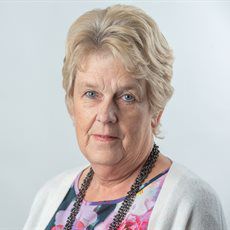 Christine Macarthur合作论文数Institute of Applied Health Research, University of Birmingham12
 Debra Bick合作论文数9
 Rachel J Jarvie合作论文数8
 Mark Pearson合作论文数8
 Helena Frawley合作论文数Department of Physiotherapy, School of Primary and Allied Health Care, Monash University8
 Sarah Dean合作论文数7Rohini Terry合作论文数7
 Nicola Walsh合作论文数Glenside Campus, University of the West of England7S. Dean合作论文数6
 Eivor Oborn合作论文数Cambridge Judge Business School, University of Cambridge6
 Fiona Cramp合作论文数Faculty of Health and Life Sciences, University of the West of England6
 John Richard Kirwan合作论文数5Hewlett Sarah合作论文数5Jones E合作论文数4Urban Marie合作论文数4Bayliss Susan合作论文数4
 Clare Davenport合作论文数Institute of Applied Health Research, College of Medical and Dental Sciences, University of Birmingham4Webb S合作论文数3m morris合作论文数3
 Elizabeth Edwards合作论文数Birmingham Women’s & Children’s NHS Foundation Trust3
 Emma Cockcroft合作论文数College of Life and Environmental Sciences, University of Exeter3
 Kate Boddy合作论文数3Jean Hay‐Smith合作论文数2Eleni Gkini合作论文数2
 Christina Weis合作论文数2
 Richard M Pulsford合作论文数2E. J. C. Hay-Smith合作论文数2
 Khaled M Ismail合作论文数Keele University School of Medicine, University Hospital of North Staffordshire2
 Karla Hemming合作论文数Institute of Applied Health Research, College of Medical and Dental Sciences, University of Birmingham2Peter C. Rouse合作论文数2Ciara Thomas合作论文数1Luana De Giorgio合作论文数1Rosie Davies合作论文数1Obioha C Ukoumunne合作论文数1Geraldine Goldsmith合作论文数1S. Hagen合作论文数1
 Oli Williams合作论文数Jonkoping Acad Improvement Hlth & Welf, Jonkoping Univ1Lauren Rodgers合作论文数1Dures Emma合作论文数Bristol Royal Infirmary, University of the West of England1Jennifer Freeman合作论文数1
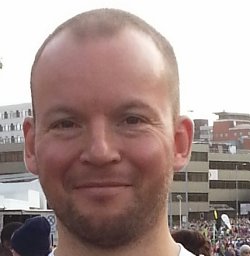 Jon Bishop合作论文数1
 Foster Charlie合作论文数British Heart Foundation Centre on Population Approaches for Non-Communicable Disease Prevention, University of Oxford1
 Tim Coleman合作论文数Division of General Practice, School of Medicine, University of Nottingham1Morgan Kelly合作论文数College of Medicine, Swansea University1Jessica Bollen合作论文数1
 Andrew Elders合作论文数1Pearson Jennifer合作论文数1
 Emma Pitchforth合作论文数Department of Health Sciences, University of Leicester1Carol Smith合作论文数1




