Recurrent urinary tract infections (rUTIs) are a major clinical challenge, and their increasing prevalence underscores the need to define host-microbiome interactions underlying susceptibility. How the urinary microbiota engages with the biochemical environment of the urogenital tract is yet to be fully defined. Here, we leverage paired metagenomic and quantitative metabolomic data to establish a microbe-metabolite association network of the female urinary microbiome and define metabolic signatures of rUTI. We observe unique metabolic networks of uropathogens and uroprotective species, highlighting potential metabolite-driven ecological shifts influencing rUTI susceptibility. We find distinct metabolites associated with urinary microbiome diversity and identify a lipid signature of active rUTI that accurately distinguishes our cases from controls. Finally, we identify deoxycholic acid as a prognostic indicator for UTI recurrence. Together, these findings provide insight into microbiome-metabolite interactions within the female urinary tract and highlight potential biomarkers for the development of new diagnostic tools to improve patient outcomes.
Infusions of the leaves of Ribes magellanicum (Grossulariaceae) are used as a digestive in southernmost South America. This work aimed to assess the composition and activity of infusions and MeOH:H2O 7:3 extracts of R. magellanicum leaves on enzymes related to metabolic syndrome (α-glucosidase, α-amylase, and pancreatic lipase), as well as their antioxidant capacity. Samples from a longitudinal gradient from central southern Chile to the islands in the Beagle Channel were investigated. Lyophilized infusions and extracts were used for all determinations, including inhibition of the selected enzymes, total phenolic (TP), total flavonoid (TF), total procyanidins (TPC), and antioxidant capacity (DPPH, FRAP, TEAC, and ORAC). The composition of the samples was assessed by HPLC-DAD. Some 99 compounds were tentatively identified by HPLC-MSn. The main phenolics were quantified using calibration curves with reference compounds. Relevant differences exist in the ratio of constituents in infusions compared to hydroalcoholic extracts. The samples were inactive towards α-amylase and pancreatic lipase at 100 and 50 µg/mL, respectively. Assay-guided isolation of α-glucosidase inhibitors led to fractions with high activity (IC50: 0.02–0.05 µg/mL). The strong inhibition of α-glucosidase and antioxidant capacity of the infusion and extracts of R. magellanicum leaves support its traditional use in southern Patagonia.
The small fruits from Empetrum rubrum were consumed by Native Americans in southern Patagonia. Two samples collected close to the Magellan Street and the Beagle channel in Tierra del Fuego were investigated. Three different extracts from the berries were analyzed, namely: methanol, phenolic-enriched (PEE) and ethyl acetate (EtOAc). The total phenolic, flavonoid, procyanidin and anthocyanin content of the extracts was determined. The effect of the extracts towards the metabolic syndrome-associated enzymes alpha-glucosidase, alpha-amylase and pancreatic lipase was assessed. In addition, the antioxidant capacity was measured using DPPH, FRAP, TEAC and ORAC assays. The composition of the extracts was determined by HPLC-MS/MS. Seventy-one compounds were identified for the first time in the berries, including 10 anthocyanins, 35 flavonoids, 11 phenylpropanoids and 13 procyanidins. The main compounds were quantified by HPLC-DAD. The extracts displayed strong activity as alpha-glucosidase inhibitors, with IC50 values ranging from 0.10 to 0.19 mu g/mL for the PEE and 0.82-1.95 mu g/mL for the EtOAc extracts, respectively. The results show high chemical diversity and differences with the boreal species E. nigrum.
You have accessJournal of UrologyInfections/Inflammation/Cystic Disease of the Genitourinary Tract: Kidney & Bladder I (MP69)1 May 2024MP69-02 THE IMPACT OF RECURRENT URINARY TRACT INFECTION AND UROBIOME ECOLOGY ON THE URINARY METABOLOME Michael L. Neugent, Neha V. Hulyalkar, Kevin C. Lutz, Qiwei Li, Philippe E. Zimmern, Vladimir Shulaev, and Nicole J. De Nisco Michael L. NeugentMichael L. Neugent , Neha V. HulyalkarNeha V. Hulyalkar , Kevin C. LutzKevin C. Lutz , Qiwei LiQiwei Li , Philippe E. ZimmernPhilippe E. Zimmern , Vladimir ShulaevVladimir Shulaev , and Nicole J. De NiscoNicole J. De Nisco View All Author Informationhttps://doi.org/10.1097/01.JU.0001008892.86171.de.02AboutPDF ToolsAdd to favoritesDownload CitationsTrack CitationsPermissionsReprints ShareFacebookLinked InTwitterEmail Abstract INTRODUCTION AND OBJECTIVE: Host and microbial factors underlying recurrent urinary tract infection (rUTI) susceptibility remain unclear. The female urinary tract hosts a resident microbiome (urobiome) that is thought to protect against uropathogen colonization; however, it is unknown how urobiome composition is affected by the chemical environment of the urinary tract. Here, we use urine metabolomics and metagenomic sequencing of a controlled, cross-sectional cohort of postmenopausal women to identify urinary metabolites associated with rUTI susceptibility and urobiome taxonomic composition. METHODS: Clean catch midstream urine was collected from a cross-sectional cohort of postmenopausal women (n=75) divided into three groups based on rUTI history and current UTI status. We previously performed whole genome metagenomic sequencing (WGMS) of urine to yield urobiome taxonomic profiles. In matched samples, we performed targeted liquid chromatography mass spectrometry (LC-MS/MS) to profile urinary metabolites using the Biocrates Quant 500 assay on a Xevo TQ-S tandem quadrupole LC-MS/MS system (Waters). The Biocrates assay was performed per manufacturer's standard operating procedures using validated MRM transitions for the quantification of >600 analytes. The Wilcoxon rank sum test was used to screen differential metabolites between cohort groups. RESULTS: Significant differences in the urinary metabolome composition between women with no lifetime history of UTI and those presenting with an active, culture-confirmed rUTI were observed. Discriminating metabolites included a strong enrichment of putrescine and several ceramide and dihydroceramide species, including Cer(d18:2/16:0), Cer(d18:1/16:0), and Dh-Cer(d18:0/16:0), in active rUTI patients, while women with no history of UTI were enriched for dicarboxylic acids DiCA 14:0 and 12:0. We further identified discriminatory metabolic features enriched in urobiomes dominated by protective Lactobacillus species (>20% urobiome relative abundance), including 3 ceramides (d18:1/20:0, d18:2/20:0, and d18:1/20:0), cholesterol ester 14:0, 2 acylcarnitines (C16 and C14:1-OH), and Taurine. CONCLUSIONS: Here we present novel associations between the postmenopausal urobiome and urinary metabolites utilizing WGMS and targeted LC-MS/MS of >600 analytes. These metabolic associations may provide critical insight into metabolic interactions between the urinary environment and the resident microbiota as well as serve as biomarkers of urologic disease to be used in the development of new diagnostic platforms. Source of Funding: This work was supported by the Welch Foundation (AT- 2030-20200401) and the National Institutes of Health (1R01DK131267-01) to N.J.D. and (1F32DK128975-01A1) to M.L.N. This work was also supported by The Felicia and John Cain Distinguished Chair in Women's Health to P.E.Z © 2024 by American Urological Association Education and Research, Inc.FiguresReferencesRelatedDetails Volume 211Issue 5SMay 2024Page: e1118 Advertisement Copyright & Permissions© 2024 by American Urological Association Education and Research, Inc.Metrics Author Information Michael L. Neugent More articles by this author Neha V. Hulyalkar More articles by this author Kevin C. Lutz More articles by this author Qiwei Li More articles by this author Philippe E. Zimmern More articles by this author Vladimir Shulaev More articles by this author Nicole J. De Nisco More articles by this author Expand All Advertisement PDF downloadLoading ...
This Perspective covers discovery and mechanistic aspects as well as initial applications of novel ionization processes for use in mass spectrometry that guided us in a series of subsequent discoveries, instrument developments, and commercialization. Vacuum matrix-assisted ionization on an intermediate pressure matrix-assisted laser desorption/ionization source without the use of a laser, high voltages, or any other added energy was simply unbelievable, at first. Individually and as a whole, the various discoveries and inventions started to paint, inter alia, an exciting new picture and outlook in mass spectrometry from which key developments grew that were at the time unimaginable, and continue to surprise us in its simplistic preeminence. We, and others, have demonstrated exceptional analytical utility. Our current research is focused on how best to understand, improve, and use these novel ionization processes through dedicated platforms and source developments. These ionization processes convert volatile and nonvolatile compounds from solid or liquid matrixes into gas-phase ions for analysis by mass spectrometry using, e.g., mass-selected fragmentation and ion mobility spectrometry to provide accurate, and sometimes improved, mass and drift time resolution. The combination of research and discoveries demonstrated multiple advantages of the new ionization processes and established the basis of the successes that lead to the Biemann Medal and this Perspective. How the new ionization processes relate to traditional ionization is also presented, as well as how these technologies can be utilized in tandem through instrument modification and implementation to increase coverage of complex materials through complementary strengths.
Eight Ribes magellanicum collections from three different places in southern Patagonia were compared for content of different groups of phenolics, antioxidant capacity and inhibition of enzymes related to metabolic syndrome (α-amylase, α-glucosidase and pancreatic lipase). The sample with the highest antioxidant capacity was assessed for glutathione (GSH) synthesis stimulation in human gastric adenocarcinoma (AGS) cells. The chemical profile was determined by high performance liquid chromatography with tandem mass spectrometry detection (HPLC-MS/MS) and the main phenolics were quantified. The samples from Navarino Island and Reserva Nacional Magallanes showed higher content of anthocyanins and caffeoylquinic acid, with better activity towards α-glucosidase and antioxidant capacity. A sample from Omora (Navarino Island), significantly increased intracellular GSH content in AGS cells. Some 70 compounds were identified in the fruit extracts by HPLC-MS/MS. The glucoside and rutinoside from delphinidin and cyanidin and 3-caffeoylquinic acid were the main compounds. Different chemical profiles were found according to the collection places.
This paper covers direct sub-atmospheric pressure ionization mass spectrometry (MS). The discovery, applications, and mechanistic aspects of novel ionization processes for use in MS that are not based on the high-energy input from voltage, laser, and/or high temperature but on sublimation/evaporation within a region linking a higher to lower pressure and modulated by heat and collisions, are discussed, including how this new reality has guided a series of discoveries, instrument developments, and commercialization. A research focus, inter alia, is on how best to understand, improve, and use these novel ionization processes, which convert volatile and nonvolatile compounds from solids (sublimation) or liquids (evaporation) into gas-phase ions for analysis by MS providing reproducible, accurate, sensitive, and prompt results. Our perception on how these unprecedented versus traditional ionization processes/methods relate to each other, how they can be made to coexist on the same mass spectrometer, and an outlook on new and expanded applications (e.g., clinical, portable, fast, safe, and autonomous) is presented, and is based on ST's Opening lecture presentation at the Nordic Mass spectrometry Conference, Geilo, Norway, January 2023. Focus will be on matrix-assisted ionization (MAI) and solvent-assisted ionization (SAI) MS covering the period from 2010 to 2023; a potential paradigm shift in the making.
Glycosaminoglycans (GAGs) are linear, negatively charged polysaccharides composed of repeating disaccharide units of uronic acid and amino sugars. The luminal surface of the bladder epithelium is coated with a GAG layer. These urothelial GAGs are thought to provide a protective barrier and serve as a potential interaction site with the urinary microbiome (urobiome). Previous studies have profiled urinary GAG composition in mixed cohorts, but the urinary GAG composition in postmenopausal women remains undefined. To investigate the relationship between GAGs and recurrent UTI (rUTI), we profiled urinary GAGs in a controlled cohort of postmenopausal women. We found that chondroitin sulfate (CS) is the major urinary GAG in postmenopausal women and that urinary CS was elevated in women with active rUTI. We also associated urinary GAGs with urobiome composition and identified bacterial species that significantly associated with urinary GAG concentration. Corynebacterium amycolatum, Porphyromonas somerae, and Staphylococcus pasteuri were positively associated with heparin sulfate or hyaluronic acid and bacterial species associated with vaginal dysbiosis were negatively correlated to urinary CS. Altogether, this work defines changes in urinary GAG composition associated with rUTI and identifies new associations between urinary GAGs and the urobiome that may play a role in rUTI pathobiology.
Analysis of volatile compounds in fruits and plants can be a challenging task as they present in a large amount with structural diversity and high aroma threshold, the information on molecular ion can be very useful for compound identification. Electron ionization gas-chromatography-mass spectrometry (EI-GC-MS) which is widely used for the analysis of plant volatiles has a certain limitation providing the limited capability to characterize novel metabolites in a complex biological matrix due to hard fragmentation level. Atmospheric pressure ionization using APGC source in combination with high-resolution time-of-flight mass spectrometry (TOF-MS) provides an excellent combination of GC with high-resolution mass spectrometry. The APGC-MS approach provides several advantages over the conventional EI and CI based GC-MS techniques in metabolomics studies due to highly reduced fragmentation, which preserves molecular ion, and accurate mass measurement by HRMS allows to deduce the elemental composition of the volatile compounds. Moreover, the use of MSE mode provides spectral similarity to EI in high-energy mode which can be used for the further confirmation of metabolite identity. We describe an APGC-MS-based untargeted metabolomics approach with a case study of grape volatile compounds and the development of a spectral library for metabolite identification.
Liquid chromatography-mass spectrometry (LC-MS) provides one of the most popular platforms for untargeted plant lipidomics analysis (Shulaev and Chapman, Biochim Biophys Acta 1862(8):786-791, 2017; Rupasinghe and Roessner, Methods Mol Biol 1778:125-135, 2018; Welti et al., Front Biosci 12:2494-506, 2007; Shiva et al., Plant Methods 14:14, 2018). We have developed SimLipid software in order to streamline the analysis of large-volume datasets generated by LC-MS-based untargeted lipidomics methods. SimLipid contains a customizable library of lipid species; graphical user interfaces (GUIs) for visualization of raw data; the identified lipid molecules and their associated mass spectra annotated with fragment ions and parent ions; and detailed information of each identified lipid species all in a single workbench enabling users to rapidly review the results by examining the data for confident identifications of lipid molecular species. In this chapter, we present the functionality of the software and workflow for automating large-scale LC-MS-based untargeted lipidomics profiling.
Gas chromatography coupled to electron ionization (EI) quadrupole mass spectrometry (GC-MS) is currently one of the most developed and robust metabolomics technologies. This approach allows for simultaneous measurements of large number of chemically diverse compounds including organic acids, amino acids, sugars, sugar alcohols, aromatic amines, and fatty acids. Untargeted GC-MS profiling based on full scan data acquisition requires complicated raw data processing and sometime provides ambiguous metabolite identifications. Targeted analysis using GC-MS/MS can provide better specificity, increase sensitivity, and simplify data processing and compound identification but wider application of targeted GC-MS/MS approach in metabolomics is hampered by the lack of extensive databases of MRM transitions for non-derivatized and derivatized endogenous metabolites. The focus of this chapter is the automation of GC-MS/MS method development which makes it feasible to develop quantitative methods for several hundred metabolites and use this strategy for plant metabolomics applications.
Discovery-driven comparative proteomics employing the bottom-up strategy with label-free quantification on high-resolution mass analyzers like an Orbitrap in a hybrid instrument has the capacity to reveal unique biological processes in the context of plant metabolic engineering. However, proteins are very heterogeneous in nature with a wide range of expression levels, and overall coverage may be suboptimal regarding both the number of protein identifications and sequence coverage of the identified proteins using conventional data-dependent acquisitions without sample fractionation before online nanoflow liquid chromatography-mass spectrometry (LC-MS) and tandem mass spectrometry (MS/MS). In this chapter, we detail a simple and robust method employing high-pH reversed-phase (HRP) peptide fractionation using solid-phase extraction cartridges for label-free proteomic analyses. Albeit HRP fractionation separates peptides according to their hydrophobicity like the subsequent nanoflow gradient reversed-phased LC relying on low pH mobile phase, the two methods are orthogonal. Presented here as a protocol with yeast (Saccharomyces cerevisiae) as a frequently used model organism and hydrogen peroxide to exert cellular stress and survey its impact compared to unstressed control as an example, the described workflow can be adapted to a wide range of proteome samples for applications to plant metabolic engineering research.
Lipids play an important role in the energy storage, cellular signaling, and pathophysiology of diseases such as cancer, neurodegenerative diseases, infections, and diabetes. Due to high importance of diverse lipid classes in human health and disease, manipulating lipid abundance and composition is an important target for metabolic engineering. The extreme structural diversity of lipids in real biological samples is challenging for analytical techniques due to large difference in physicochemical properties of individual lipid species. This chapter describes lipidomic analysis of large sample sets requiring reliable and robust methodology. Rapid and robust methods facilitate the support of longitudinal studies allowing the transfer of methodology between laboratories. We describe a high-throughput reversed-phase LC-MS methodology using Ultra Performance Liquid Chromatography (UPLC®) with charged surface hybrid technology and accurate mass detection for high-throughput non-targeted lipidomics. The methodology showed excellent specificity, robustness, and reproducibility for over 100 LC-MS injections.
You have accessJournal of UrologyCME1 May 2022MP38-05 TARGETED LIQUID CHROMATOGRAPHY MASS SPECTROMETRY QUANTIFICATION OF EXCRETED URINARY ESTROGENS AMONG POSTMENOPAUSAL WOMEN USING DIFFERENT ESTROGEN HORMONE THERAPY MODALITIES Michael L. Neugent, Neha Hulyalkar, Vladimir Shulaev, Philippe E. Zimmern, and Nicole J. De Nisco Michael L. NeugentMichael L. Neugent More articles by this author , Neha HulyalkarNeha Hulyalkar More articles by this author , Vladimir ShulaevVladimir Shulaev More articles by this author , Philippe E. ZimmernPhilippe E. Zimmern More articles by this author , and Nicole J. De NiscoNicole J. De Nisco More articles by this author View All Author Informationhttps://doi.org/10.1097/JU.0000000000002592.05AboutPDF ToolsAdd to favoritesDownload CitationsTrack CitationsPermissionsReprints ShareFacebookLinked InTwitterEmail Abstract INTRODUCTION AND OBJECTIVE: Estrogen hormone therapy (EHT) is commonly used among postmenopausal women to treat symptoms of menopause. EHT can be administered via multiple modalities including oral (oEHT), transdermal patch (pEHT), and vaginal (vEHT). To date, there is little quantitative literature comparing the modalities of EHT and their respective excreted metabolites. Quantifying excreted estrogens to assess EHT dosage, compliance, or metabolism can be challenging due to the chemical nature of estrogens and their metabolites. The goal of this work was to develop and implement a robust, sensitive liquid chromatography mass spectrometry (LC-MS)-based targeted assay for the detection of excreted urinary estrogen conjugates at the picomolar range using a minimal volume of urine. METHODS: We used a strictly curated, controlled cohort of postmenopausal women (n=50) who passed a set of exclusion criteria for an ongoing study of recurrent UTI (rUTI) but were not currently experiencing infection at the time of urine donation. Clean-catch mid-stream urine was collected, estrogens were extracted from urine via solid phase extraction, and analyzed by a sensitive, targeted LC-MS. RESULTS: In this study we generated a sensitive, targeted LC-MS assay for the quantification of urinary estrogen conjugates, included the sulfates and glucuronides of Estrone (E1) and 17β-Estradiol (E2). Implementation of this assay on urine samples from a clinical cohort of postmenopausal women found that oEHT and pEHT modalities exhibited the highest levels of excreted urinary estrogen conjugates. Interestingly, we found that women using vEHT exhibited urinary estrogen concentrations that were not distinguishable from women who were not using EHT. CONCLUSIONS: These data suggest that oEHT and pEHT modalities exhibit higher concentrations of excreted urinary estrogen conjugates, which may be a proxy biomarker for systemic estrogen concentration during EHT. Source of Funding: The Welch Foundation, The Foundation for Women’s Wellness, NIH grant 1R01DK131267-01, and The University of Texas at Dallas Startup funds to NJD, The Felicia and John Cain Distinguished Chair in Women’s Health to PZ © 2022 by American Urological Association Education and Research, Inc.FiguresReferencesRelatedDetails Volume 207Issue Supplement 5May 2022Page: e619 Advertisement Copyright & Permissions© 2022 by American Urological Association Education and Research, Inc.MetricsAuthor Information Michael L. Neugent More articles by this author Neha Hulyalkar More articles by this author Vladimir Shulaev More articles by this author Philippe E. Zimmern More articles by this author Nicole J. De Nisco More articles by this author Expand All Advertisement PDF DownloadLoading ...
Postmenopausal women are severely affected by recurrent urinary tract infection (rUTI). The urogenital microbiome is a key component of the urinary environment. However, changes in the urogenital microbiome underlying rUTI susceptibility are unknown. Here, we perform shotgun metagenomics and advanced culture on urine from a controlled cohort of postmenopausal women to identify urogenital microbiome compositional and function changes linked to rUTI susceptibility. We identify candidate taxonomic biomarkers of rUTI susceptibility in postmenopausal women and an enrichment of lactobacilli in postmenopausal women taking estrogen hormone therapy. We find robust correlations between Bifidobacterium and Lactobacillus and urinary estrogens in women without urinary tract infection (UTI) history. Functional analyses reveal distinct metabolic and antimicrobial resistance gene (ARG) signatures associated with rUTI. Importantly, we find that ARGs are enriched in the urogenital microbiomes of women with rUTI history independent of current UTI status. Our data suggest that rUTI and estrogen shape the urogenital microbiome in postmenopausal women.
The early signaling events involved in oxidant recognition and triggering of oxidant-specific defense mechanisms to counteract oxidative stress still remain largely elusive. Our discovery driven comparative proteomics analysis revealed unique early signaling response of the yeast Saccharomyces cerevisiae on the proteome level to oxidants with a different mechanism of action as early as 3 min after treatment with four oxidants, namely H2O2, cumene hydroperoxide (CHP), and menadione and diamide, when protein abundances were compared using label-free quantification relying on a high-resolution mass analyzer (Orbitrap). We identified significant regulation of 196 proteins in response to H2O2, 569 proteins in response to CHP, 369 proteins in response to menadione and 207 proteins in response to diamide. Only 17 proteins were common across all treatments, but several more proteins were shared between two or three oxidants. Pathway analyses revealed that each oxidant triggered a unique signaling mechanism associated with cell survival and repair. Signaling pathways mostly regulated by oxidants were Ran, TOR, Rho, and eIF2. Furthermore, each oxidant regulated these pathways in a unique way indicating specificity of response to oxidants having different modes of action. We hypothesize that interplay of these signaling pathways may be important in recognizing different oxidants to trigger different downstream MAPK signaling cascades and to induce specific responses.
Squamous cell carcinoma (SCC), a malignancy arising across multiple anatomical sites, is responsible for significant cancer mortality due to insufficient therapeutic options. Here, we identify exceptional glucose reliance among SCCs dictated by hyperactive GLUT1-mediated glucose influx. Mechanistically, squamous lineage transcription factors p63 and SOX2 transactivate the intronic enhancer cluster of SLC2A1. Elevated glucose influx fuels generation of NADPH and GSH, thereby heightening the anti-oxidative capacity in SCC tumors. Systemic glucose restriction by ketogenic diet and inhibiting renal glucose reabsorption with SGLT2 inhibitor precipitate intratumoral oxidative stress and tumor growth inhibition. Furthermore, reduction of blood glucose lowers blood insulin levels, which suppresses PI3K/AKT signaling in SCC cells. Clinically, we demonstrate a robust correlation between blood glucose concentration and worse survival among SCC patients. Collectively, this study identifies the exceptional glucose reliance of SCC and suggests its candidacy as a highly vulnerable cancer type to be targeted by systemic glucose restriction.
Amino acid analysis is a powerful tool in life sciences. Current analytical methods used for the detection and quantitation of low abundance amino acids in complex samples face intrinsic challenges such as insufficient sensitivity, selectivity, and throughput. This chapter describes a protocol that makes use of AccQ•Tag chemical derivatization combined with the exceptional chromatographic resolution of ultra-performance liquid chromatography (UPLC) and the sensitivity and selectivity of tandem mass spectrometry (MS/MS). The method has been fully implemented and validated using different tandem quadrupole detectors and thoroughly tested for a variety of samples such as P. falciparum, human red blood cells, and Arabidopsis thaliana extracts. Compared to currently available methods for amino acid analysis, the AccQ•Tag UPLC-MS/MS method presented here provides enhanced sensitivity and reproducibility and offers excellent performance within a short analysis time and a broad dynamic range of analyte concentration. The focus of this chapter is the application of this improved protocol for the compositional amino acid analysis in Arabidopsis thaliana leaf extracts using the Xevo TQ for mass spectrometric detection.
Hypoxia has long been implicated in the pathogenesis of fibrotic diseases. Aberrantly activated myofibroblasts are the primary pathological driver of fibrotic progression, yet how various microenvironmental influences, such as hypoxia, contribute to their sustained activation and differentiation is poorly understood. As a defining feature of hypoxia is its impact on cellular metabolism, we sought to investigate how hypoxia-induced metabolic reprogramming affects myofibroblast differentiation and fibrotic progression, and to test the preclinical efficacy of targeting glycolytic metabolism for the treatment of pulmonary fibrosis. Bleomycin-induced pulmonary fibrotic progression was evaluated in two independent, fibroblast-specific, promoter-driven, hypoxia-inducible factor (Hif) 1A knockout mouse models and in glycolytic inhibitor, dichloroacetate-treated mice. Genetic and pharmacological approaches were used to explicate the role of metabolic reprogramming in myofibroblast differentiation. Hypoxia significantly enhanced transforming growth factor-beta-induced myofibroblast differentiation through HIF-1 alpha, whereas overexpression of the critical HIF-1 alpha-mediated glycolytic switch, pyruvate dehydrogenase kinase 1 (PDK1) was sufficient to activate glycolysis and potentiate myofibroblast differentiation, even in the absence of HIF-1 alpha. Inhibition of the HIF-1 alpha/PDK1 axis by genomic deletion of Hif1A or pharmacological inhibition of PDK1 significantly attenuated bleomycin-induced pulmonary fibrosis. Our findings suggest that HIF-1 alpha/PDK1-mediated glycolytic reprogramming is a critical metabolic alteration that acts to promote myofibroblast differentiation and fibrotic progression, and demonstrate that targeting glycolytic metabolism may prove to be a potential therapeutic strategy for the treatment of pulmonary fibrosis.
Metabolomics as a global analysis of a large number of cellular metabolites relies heavily on the new developments in separation science and technology. None of the existing analytical techniques can simultaneously separate and measure all the cellular metabolites due to complexity of cellular metabolome and, therefore, a combination of analytical techniques must be used. Currently NMR, GC–MS and LC-MS are most often used in metabolomics. Novel separation methods such as supercritical fluid chromatography (SFC), which can increase metabolome coverage while decreasing cost and analysis time, can provide alternative to other analytical techniques. As a result of major improvements in instrumentation and development of a new diverse column chemistries SFC-MS is increasingly used in a variety of biomedical applications and is becoming an attractive compliment to other major analytical platforms in metabolomics. Despite its potential and advantages, SFC-MS application in metabolomics is limited. Here we provide a brief overview of the latest developments of SFC-MS for metabolomics applications.
 Ron Mittler合作论文数Division of Plant Science and Technology, College of Agriculture, Food and Natural Resources, University of Missouri;Christopher S. Bond Life Sciences Center, University of Missouri37
 Diego F. Cortes合作论文数16
 Joel Shuman合作论文数12
 Gad Miller合作论文数Faculty of Life Sciences, Bar-Ilan University11
 Ilya Raskin合作论文数Nutrasorb LLC;Department of Plant Biology, School of Environmental and Biological Sciences, Rutgers, The State University of New Jersey;Global Institute for Bioexploration11Carolina Salazar合作论文数10
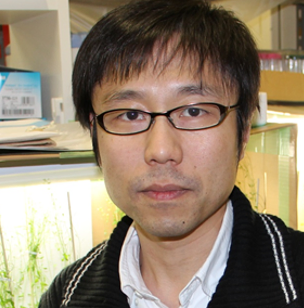 Nobuhiro Suzuki (鈴木伸洋)合作论文数Plant Molecular Biology Lab, Sophia University10Richard E. Veilleux合作论文数10
 Khadiza Zaman合作论文数Department of Biological Sciences, University of North Texas9Wei Sha合作论文数Bioinformatics Services Division, UNC-Charlotte9
 Giorgis Isaac合作论文数‡Pharmaceutical Discovery and Life Sciences, Waters Corporations8
 Kent Chapman合作论文数Department of Biological Sciences, College of Science, University of North Texas;BannerBioDiscovery Institute, University of North Texas7
 Manoj Ghaste合作论文数National Research Centre for Grapes7
 Michael Neugent合作论文数Department of Biological Sciences, The University of Texas at Dallas6
 Fulvio Mattivi合作论文数Department of Cellular, Computational and Integrative Biology, University of Trento/Centre Agriculture Food Environment, University of Trento6
 Neha Hulyalkar合作论文数Dept Biol Sci, Univ Texas Dallas5
 Giuseppe Astarita合作论文数Dept Biochem & Mol & Cellular Biol, Georgetown Univ5
 David J. Sullivan合作论文数Department of Molecular Microbiology and Immunology, School of Public Health, Johns Hopkins Bloomberg;Malaria Research Institute, School of Public Health, Johns Hopkins Bloomberg5Armenta Jenny M合作论文数5
 Patrick J Horn合作论文数Center for Plant Lipid Research, University of North Texas;Center for Plant Lipid Research, University of North Texas5
 Nicole De Nisco合作论文数Department of Biology, Massachusetts Institute of Technology5
 Eduardo Blumwald合作论文数Department of Plant Sciences, University of California, Davis5
 Laszlo Prokai合作论文数Department of Pharmacology and Neuroscience, University of North Texas Health Science Center5
 Reinhard Laubenbacher合作论文数Laboratory for Systems Medicine, Division of Pulmonary, Critical Care, and Sleep Medicine, Department of Medicine, College of Medicine, University of Florida;Department of Cancer Biology, School of Medicine, Wake Forest University;Virginia Polytechnic Institute and State University5
 Eric Lam合作论文数Department of Plant Biology & Pathology, Rutgers, The State University of New Jersey5Rajeev K. Azad合作论文数Department of Biological Sciences;University of Pittsburgh;Department of Biological Sciences, University of Pittsburgh5
 John M. Pisciotta合作论文数Bloomberg School of Public Health, Johns Hopkins University5Karen Schlauch合作论文数University of Nevada, Reno5
 Philippe E Zimmern合作论文数5Sarah H. Holt合作论文数4L Rizhsky合作论文数4
 Mirjana Seskar合作论文数4Volodymyr V. Nesterov合作论文数4Aaron J. Baxter合作论文数4Michael D. Jones合作论文数4Preeti Bais合作论文数4
 Eran Pichersky合作论文数Department of Molecular, Cellular, and Developmental Biology, College of Literature, Science, and the Arts, University of Michigan4Oosumi Teruko合作论文数4
 Prateek Tripathi合作论文数Dept Mol Med, Scripps Res Inst4
 Lloyd W. Sumner合作论文数Department of Biochemistry, College of Agriculture, Food and Natural Resources, University of Missouri4
 Philip Dixon合作论文数Department of Statistics, College of Liberal Arts and Sciences, Iowa State University4
 Ruth Welti合作论文数Division of Biology, Kansas State University;Kansas Lipidomics Research Center, Kansas State University;Department of Biochemistry and Molecular Biophysics, Kansas State University4
 Choudhury Feroza K合作论文数Centre for Vaccine Sciences, International Centre for Diarrhoeal Disease Research, Bangladesh (icddr,b),4
 Drew Sturtevant合作论文数4
 Daniel James Sargent合作论文数Westfalia Fruit4
 Oliver Fiehn合作论文数Department of Molecular and Cellular Biology, University of California, Davis;West Coast Metabolomics Center, University of California, Davis;Genome Center, University of California, Davis4L. Barkan合作论文数4
 Eve Syrkin Wurtele合作论文数Department of Genetics, Development and Cell Biology, College of Agriculture and Life Sciences, Iowa State University;Substrate Games;Meta!Blast4Sunil Bajad合作论文数4




