Fibroblast growth factor 23 (FGF23) is a phosphate-regulating hormone produced by osteocytes. In iron deficiency anemia (IDA) and in chronic kidney disease (CKD), FGF23 is also produced by erythroid cells. Recent studies have suggested that rising circulating FGF23 is negatively associated with erythropoiesis in IDA and CKD. However, the distinct contributions of bone- and erythroid-produced FGF23 to anemia in IDA remain unclear. Using the conditional deletion of Fgf23 in osteocytes (Fgf23Dmp1-cKO) and in erythroid cells (Fgf23HbB-cKO) in mice fed a control (Ctr) or an iron deficient (ID) diet, we first determined that in ID, osteocytes and erythroid cells are distinct sources of circulating intact FGF23 (iFGF23) and FGF23 cleaved peptides, respectively. We further show that erythroid-specific deletion of Fgf23 corrected anemia in ID mice, and overexpression induced anemia in Ctr mice unlike osteocyte-specific deletion or overexpression of Fgf23. Importantly, erythroid-specific deletion of Furin (FurinHbB-cKO), the enzyme responsible for FGF23 cleavage, led to increased production of iFGF23 from erythroid cells and aggravated ID-induced anemia. iFGF23 also dose-dependently blocked the differentiation of erythroid progenitors in culture triggering mitochondrial dysfunction leading to impaired erythropoiesis. These effects were fully suppressed by co-treatment with an FGFR1 inhibitor. Finally, erythroid-specific deletion of Fgf23 in an animal model of progressive CKD prevented the development of anemia of CKD. In aggregate, our results show that erythroid-expressed FGF23 is a negative regulator of erythropoiesis that contributes to anemia via direct paracrine FGFR1 activation in erythroid precursors.
Introduction Fibroblast growth factor 23 (FGF23) contributes to left ventricular hypertrophy (LVH) and mortality in chronic kidney disease (CKD). Males have a higher risk of cardiovascular events than females. The protective effects of estrogen on the heart are well established, but it remains unclear if cardiac FGF23 signaling is modified in females with CKD. Methods We studied mineral metabolism, kidney and heart phenotypes of age-matched wild-type (WT) and Col4a3 knockout (Col4a3KO) mice during CKD progression and used transcriptomics to identify proximal targets of FGF23 involved in CKD-associated LVH. Additionally, we tested the effects of FGF23 and estradiol (E2) in vivo and on cultured neonatal mouse cardiomyocytes (NMCMs). All results were separated by sex. Results Compared to WT, CKD males showed progressive increases in blood urea nitrogen (BUN) and FGF23 levels, overt LVH at 20 weeks, and premature death at 22 weeks. In contrast, CKD females showed earlier increases in BUN and FGF23 levels but did not develop LVH and lived longer than males. RNA sequencing analyses revealed that the proximal targets of FGF23 identified in males with CKD are established downstream targets of estrogen signaling. In vitro, FGF23 induced the hypertrophic growth of NMCMs isolated from male and female mice and E2 co-treatment prevented this effect. Finally, E2 prevented FGF23-induced calcineurin activity in the heart of male mice, whereas ovariectomy triggered the development of LVH in female mice with CKD. Conclusions We identified common molecular targets of FGF23 and E2 signaling in the heart and show that estrogen antagonizes the hypertrophic effects of FGF23, supporting female-specific cardioprotective mechanisms in CKD.
INTRODUCTION:Chronic kidney disease (CKD)-associated osteoporosis is highly prevalent and increases the risk of fractures. Current therapy aims to preserve normal bone turnover, by maintaining parathyroid hormone (PTH) at relatively adequate levels. However, these patients continue to experience fractures. METHODS:To assess potential adverse effects of PTH on bone, we examined bone histology and osteocytic gene and protein expression in 76 patients receiving hemodialysis compared to that of 33 control individuals. RESULTS:Using bulk bone tissue RNAseq, we observed that CKD is associated with enhanced inflammatory signaling, increased cell death, impaired osteoblastic differentiation, and reduced bone mass, consistent with low osteocyte count and increased apoptosis. Patients with elevated PTH levels showed an attenuation of these alterations, but exhibited increased expression of genes related to fibrosis, matrix apposition, and bone remodeling, leading to increased cortical porosity. CONCLUSIONS:CKD induces inflammation and cell death in bone. However, elevated PTH levels exhibited dual effects that were both protective and detrimental to bone tissue quality and strength. Our findings suggest that combining anabolic agents with relatively low PTH levels may be a potential approach to improve bone quality in CKD. This hypothesis warrants further investigation in future studies.
Ischemic acute kidney injury (AKI) is common in hospitalized patients and increases the risk for chronic kidney disease (CKD). Impaired endothelial cell (EC) functions are thought to contribute in AKI to CKD transition, but the underlying mechanisms remain unclear. Here, we identify a critical role for endothelial oxygen sensing prolyl hydroxylase domain (PHD) enzymes 1-3 in regulating postischemic kidney repair. In renal endothelium, we observed compartment-specific differences in the expression of the 3 PHD isoforms in both mice and humans. Postischemic concurrent inactivation of endothelial PHD1, PHD2, and PHD3 but not PHD2 alone promoted maladaptive kidney repair characterized by exacerbated tissue injury, fibrosis, and inflammation. scRNA-Seq analysis of the postischemic endothelial PHD1, PHD2, and PHD3-deficient (PHDTiEC) kidney revealed an endothelial hypoxia and glycolysis-related gene signature, also observed in human kidneys with severe AKI. This metabolic program was coupled to upregulation of the SLC16A3 gene encoding the lactate exporter monocarboxylate transporter 4 (MCT4). Strikingly, treatment with the MCT4 inhibitor syrosingopine restored adaptive kidney repair in PHDTiEC mice. Mechanistically, MCT4 inhibition suppressed proinflammatory EC activation, reducing monocyte-EC interaction. Our findings suggest avenues for halting AKI to CKD transition based on selectively targeting the endothelial hypoxia-driven glycolysis/MCT4 axis.
Purpose of review Iron deficiency regulates the production of the bone-derived phosphaturic hormone fibroblast growth factor 23 (FGF23) but also its cleavage, to generate both intact (iFGF23) and C-terminal (Cter)-FGF23 peptides. Novel studies demonstrate that independently of the phosphaturic effects of iFGF23, Cter-FGF23 peptides play an important role in the regulation of systemic iron homeostasis. This review describes the complex interplay between iron metabolism and FGF23 biology. Recent findings C-terminal (Cter) FGF23 peptides antagonize inflammation-induced hypoferremia to maintain a pool of bioavailable iron in the circulation. A key mechanism proposed is the down-regulation of the iron-regulating hormone hepcidin by Cter-FGF23. Summary In this manuscript, we discuss how FGF23 is produced and cleaved in response to iron deficiency, and the principal functions of cleaved C-terminal FGF23 peptides. We also review possible implications anemia of chronic kidney disease (CKD).
BACKGROUND:Lymphangiogenesis is believed to be a protective response in the setting of multiple forms of kidney injury and mitigates the progression of interstitial fibrosis. To augment this protective response, promoting kidney lymphangiogenesis is being investigated as a potential treatment to slow the progression of kidney disease. As injury-related lymphangiogenesis is driven by signaling from the receptor VEGFR3 (vascular endothelial growth factor receptor 3) in response to the cognate growth factor VEGF (vascular endothelial growth factor)-C released by tubular epithelial cells, this signaling pathway is a candidate for future kidney therapeutics. However, the consequences to kidney development and function to targeting this signaling pathway remain poorly defined. METHODS:We generated a new mouse model expressing Vegfc under regulation of the nephron progenitor Six2Cre driver strain (Six2Vegfc). Mice underwent a detailed phenotypic evaluation. Whole kidneys were processed for histology and 3-dimensional imaging. RESULTS:Six2Vegfc mice had reduced body weight and kidney function compared with littermate controls. Six2Vegfc kidneys demonstrated large peripelvic fluid-filled lesions with distortion of the pelvicalcyceal system which progressed in severity with age. Three-dimensional imaging showed a 3-fold increase in total cortical vascular density. Histology confirmed a substantial increase in LYVE1+ (lymphatic vessel endothelial hyaluronan receptor-1)/PDPN+ (podoplanin)/VEGFR3+ lymphatic capillaries extending alongside EMCN+ (endomucin) peritubular capillaries. There was no change in EMCN+ peritubular capillary density. CONCLUSIONS:Kidney lymphatic density was robustly increased in the Six2Vegfc mice. There were no changes in peritubular blood capillary density despite these endothelial cells also expressing VEGFR3. The model resulted in malformation of the lymphatic hilar plexus, resulting in severe hydronephrosis that resembled a human condition termed renal lymphangiectasia. This study defines the vascular consequences of augmenting VEGFC signaling during kidney development and provides new insight into human renal lymphatic malformations.
Purpose of review Renal osteodystrophy (ROD) is a complex disorder of bone metabolism that affects virtually all adults and children with chronic kidney disease (CKD). ROD is associated with adverse clinical outcomes including bone loss, mineralization and turnover abnormalities, skeletal deformities, fractures, cardiovascular events, and death. Despite current therapies, fracture incidence is 2-fold to 100-fold higher in adults and 2-fold to 3-fold higher in children when compared to without CKD. Limited knowledge of ROD pathogenesis, due to the lack of patient-derived large-scale multimodal datasets, impedes development of therapeutics aimed at reducing morbidity and mortality of CKD patients. The purpose of the review is to define the much needed infrastructure for the advancement of RDO treatment. Recent findings Recently, we created a large-scale data and tissue biorepository integrating clinical, bone quality, transcriptomic, and epigenomic data along with stored urine, blood, and bone samples. This database will provide the underpinnings for future research endeavors leading to the elucidation and characterization of the pathogenesis of ROD in CKD patients with and without dialysis. Summary The availability of an open-access NIH-funded resource that shares bone-tissue-based information obtained from patients with ROD with the broad scientific community represents a critical step in the process of discovering new information regarding unrecognized bone changes that have severe clinical complications. This will facilitate future high-impact hypothesis-driven research to redefine our understanding of ROD pathogenesis and pathophysiology and inform the development of disease-modifying and prevention strategies
 Aline Martin合作论文数Nephrology and Hypertension, Department of Medicine, Feinberg School of Medicine, Northwestern University74
 Guillaume Courbon合作论文数40
 Xueyan Wang合作论文数38Jadeah Spindler合作论文数23
 Marta Martinez Calle合作论文数Faculty of Biology, Complutense University19
 Myles Selig Wolf合作论文数Division of Nephrology, Department of Medicine, School of Medicine, Duke University16Bridget Hunt-Tobey合作论文数15
 Leigh Darryl Quarles合作论文数Division of Med Nephrology, Department of Medicine, College of Medicine, University of Tennessee Health Science Center15Connor Francis合作论文数14
 Tamara Isakova合作论文数Nephrology and Hypertension, Department of Medicine, Feinberg School of Medicine, Northwestern University14
 Laurence Vico合作论文数Institut National de la Sante et de la Recherche Medicale13Claire Gerber合作论文数12Samantha Neuburg合作论文数9
 Jane Joy Thomas合作论文数Biomedical Technology Wing, Sree Chitra Tirunal Institute for Medical Sciences & Technology9
 Corey Dussold合作论文数8Lixin Qi合作论文数8
 Dominik R Kentrup合作论文数Feinberg School of Medicine, Northwestern University8
 Jian Q. (Jerry) Feng合作论文数Texas A&M University8Emily Lynch合作论文数7
 Wenhan Chang合作论文数School of Medicine, University of California San Francisco7
 Luc Malaval合作论文数7Maralee Capella合作论文数6Hao-Hsuan Tsai合作论文数6
 Susan E Quaggin合作论文数Department of Medicine, Feinberg School of Medicine, Northwestern University;Feinberg Cardiovascular and Renal Research Institute, Northwestern University6
 Hartmut H. Malluche合作论文数College of Medicine, University of Kentucky6
 Rupal C Mehta合作论文数Nephrology and Hypertension, Department of Medicine, Feinberg School of Medicine, Northwestern University5
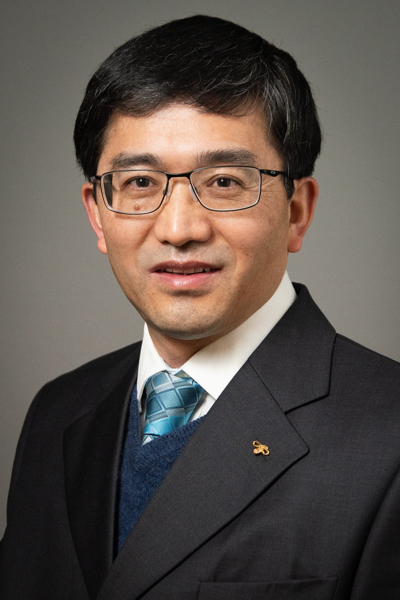 Zhousheng Xiao合作论文数Division of Med Nephrology, Department of Medicine, College of Medicine, The University of Tennessee Health Science Center5John C. Von Drasek合作论文数4John Von Drasek合作论文数4Ni Qiu合作论文数4Li Cao合作论文数4Babitt Jodie L合作论文数Massachusetts Gen Hosp, Harvard Univ4Luciene M. Dos Reis合作论文数4
 Marie-Helene Lafage-Proust合作论文数Institut National de la Santeet de la Recherche Medicale;University Hospital;Institut National de la Santeet de la Recherche Medicale, University Hospital4Thierry Thomas合作论文数4
 Rosa Maria Affonso Moyses合作论文数UNINOVE;Universidade de São Paulo4
 Alain Guignandon合作论文数Université de Lyon4
 Thomas Nickolas合作论文数Division of Bone and Mineral Diseases, John T. Milliken Department of Medicine, Washington University in St. Louis4christian alexandre合作论文数3Samantha White合作论文数3
 Jinsong Huang合作论文数Univ Tennessee, Hlth Sci Ctr, Memphis, TN USA3
 Arif Showkat合作论文数3
 Jungwha Lee合作论文数Department of Preventive Medicine, Feinberg School of Medicine, Northwestern University3Cai Xuan合作论文数3Gyamlani Geeta合作论文数3Lima Florence合作论文数3Isidro B. Salusky合作论文数3
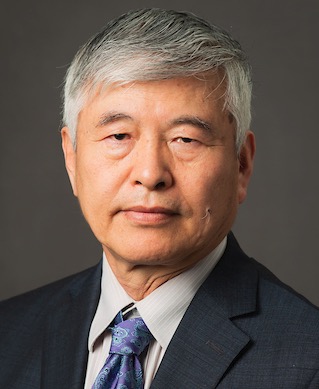 Weikuan Gu合作论文数Department of Orthopaedic Surgery-Campbell-Clinic, The University of Tennessee Health Science Center;Department of Orthopaedic Surgery and Biomedical Engineering, College of Medicine, University of Tennessee;College of Graduate Health Science, University of Tennessee Health Science Center3




