Background/Objectives: In light of the concerning research data on students’ mental health, it is essential to provide high-quality programs that support children and young people in strengthening their psychological well-being. To address this need, the three-year Erasmus+ KA3 international project PROMEHS: Promoting Mental Health at Schools was developed. The project involved universities and education policy representatives from seven European countries, Italy (project leader), Greece, Croatia, Latvia, Malta, Portugal, and Romania. Its core activities included the development of the PROMEHS curriculum, grounded in three key components: social and emotional learning, resilience, and the prevention of behavioral problems, alongside a rigorous evaluation of its implementation. The main research aim was to test the effect of PROMEHS on students’ and teachers’ mental health. Methods: In Croatia, the curriculum was introduced following the training of teachers (N = 76). It was implemented in kindergartens, and primary and secondary schools (N = 32), involving a total of 790 children. Using a quasi-experimental design, data were collected at two measurement points in both experimental and control groups by teachers, parents, and students. Results: The findings revealed significant improvements in children’s social and emotional competencies and resilience, accompanied by reductions in behavioural difficulties. These effects were most evident in teachers’ assessments, compared to parents’ ratings and student self-reports. Furthermore, teachers reported a significantly higher level of psychological well-being following implementation. Conclusions: Bearing in mind some study limitations, it can be concluded that this study provides evidence of the positive effects of PROMEHS in Croatian educational settings. Building on these outcomes and PROMEHS as an evidence-based program, a micro-qualification education was created to ensure the sustainability and systematic integration of the PROMEHS curriculum into Croatian kindergartens and schools.
The effectiveness of the PROMEHS program – designed to enhance students’ social and emotional learning (SEL) – has thus far been evaluated in preschool settings only through indirect measures. In contrast, this study assessed the effectiveness of the SEL component of the PROMEHS program by using direct measures with preschool children. Participants were 139 preschoolers (mean age in months: 4 years and 10 months; 63 girls, 48.6
IntroductionTeaching is a profession characterized by high emotional demands and exposure to multiple stressors, often leading to elevated levels of perceived stress. Self-efficacy and socio-emotional competence have been identified as key protective resources that enable teachers to cope more effectively with professional challenges. The present quasi-experimental study evaluated the effectiveness of an Online Wellbeing Course (OWC) in enhancing teachers’ socio-emotional competence and self-efficacy and reducing perceived stress.MethodsA total of 151 in-service Italian teachers took part in the study, with schools randomly assigned to an experimental group (OWC; n = 72) or a control group (n = 79). Participants completed validated measures of perceived stress, socio-emotional competence, and self-efficacy at pre- and post-test.ResultsTeachers in the OWC group reported significant improvements in socio-emotional competence and self-efficacy, as well as a reduction in perceived stress compared to the control group. Moreover, pre- to post-test gains in self-efficacy - but not socio-emotional competence - significantly mediated the relationship between participation in the OWC and reductions in perceived stress.DiscussionThese findings provide empirical evidence for the effectiveness of online wellbeing interventions in supporting teachers’ psychological resources and reducing stress. Implications for teacher professional development are discussed.
Within the growing emphasis on school well-being, which impacts both teaching and learning in multiple ways, the psychological resources required by teachers to deal with the challenges of their everyday work have also come under increased scrutiny. Scholars have particularly focused on socio-emotional competences (SECs) and its relationship with stress and burnout. However, few studies have analyzed the extent to which SECs protects against these negative outcomes over time and whether length of teaching experience influences such effects. In the current study, the longitudinal effects of teachers' SECs on their self-perceived stress and risk of burnout were examined, controlling for the effect of the variable "years of work experience". A sample of 276 teachers (mean age = 46.6 years +/- 9.9 years) completed questionnaires about SECs, self-perceived stress and burnout, and their own socio-demographic profiles, at two time points (the beginning and end of the same academic year). A cross-lagged model showed that SECs were associated with the teachers' levels of stress at Time 1 and their risk of burnout at Time 2. Furthermore, length of teaching experience was related to both SECs and burnout at Time 1. These findings and their potential implications are discussed.
Background/Objectives. Social and Emotional Education (SEE) interventions during early childhood have shown considerable promise in enhancing children’s emotion understanding, social competence, and behavioural adjustments. However, few studies have examined their long-term impact, especially across the preschool-to-primary school transition. This study evaluated the effectiveness of a manualized SEE program, Timmy’s Trip to Planet Earth, in promoting emotional, behavioural, and social functioning over time. Methods. A quasi-experimental longitudinal design was adopted with pre- and post-test assessments conducted approximately 18 months apart. Participants were 89 typically developing children (aged 59–71 months), assigned to an experimental group (n = 45) or a waiting-list group (n = 44). The program combined teacher training, classroom-based lessons, home activities, and teachers’ ongoing implementation support. The effectiveness of the program was measured via the Test of Emotion Comprehension (TEC), the Strengths and Difficulties Questionnaire (SDQ), and the Social Competence and Behavior Evaluation (SCBE-30). Results. Significant Time × Group interactions were observed for the TEC External and Mental components, indicating greater improvements in emotion recognition and mental state understanding in the intervention group. The SDQ revealed significant reductions in conduct problems and increased prosocial behaviours. In the SCBE-30, a significant interaction effect was found for social competence, with the intervention group showing greater improvement over time compared to the control group. Conclusions. The findings suggest that SEE programs can produce meaningful and lasting improvements in children’s emotional and social skills across key educational transitions. Teacher training and family involvement likely played a critical role in supporting the program’s sustained impact.
Teacher mental health is a critical yet under-addressed dimension of educational quality and sustainability. While educators are widely recognised as key agents of student well- being, their own mental health remains relatively marginalised in research, institutional practices, and policy. This discussion paper highlights the urgent need to rethink how teacher mental health is conceptualised and addressed within education systems. Rather than viewing it as a private concern to be managed individually, it needs to be understood as a collective responsibility that requires institutional commitment and structural support. Adopting a narrative and integrative approach, the present paper draws on peer- reviewed studies selected from major scientific databases, alongside international evidence-based programmes and policy frameworks, to explore the key structural, relational, and organisational factors that shape educators’ mental health. Particular attention is paid to the emotional costs of teaching and the clinical consequences of chronic stress. The paper calls for policy reforms that embed teachers’ mental health into professional standards, quality assurance frameworks, and leadership training.
In contrast to previous studies focused on the negative impact of teacher stress and burnout, recently there has been a shift towards processes which help to support teachers’ wellbeing and mental health. The objective of the present study is to examine the status of the job satisfaction, wellbeing, and mental health of schoolteachers in Maltese schools and examine the interrelations between these key variables. A total of 351 primary and secondary school teachers completed an anonymous online survey on their mental health, wellbeing, and job satisfaction. The findings portray a mixed profile of teachers experiencing a moderate level of distress, but feeling connected and efficacious, and having mixed feelings about different aspects of their profession. Job satisfaction, particularly relationships with colleagues and nature of work, and sense of wellbeing, particularly connectedness, foster teachers’ mental health and help to protect them against burnout and mental health issues. School connectedness appears to be one of the strongest health promoting and protective factors. On the other hand, young teachers with limited experience are the least satisfied and have lower levels of mental health and wellbeing, making them more at risk of burnout and attrition. Various recommendations are made on how to enhance the wellbeing and mental health of practicing teachers and make the profession more rewarding for early career teachers.
Background: Engaging in physical activity (PA) is especially significant for adolescents, as this is a key developmental stage for establishing lifelong habits. While the physical, mental, and cognitive health benefits of PA are well-documented, less is known about its relationship with adolescents’ life satisfaction (LS). Most existing evidence often involves small sample sizes, focusing particularly on developed regions, and few studies use large-scale comparative data. Methods: This study examines the association between adolescents’ LS and PA using data from the 2022 Programme for International Student Assessment (PISA), the world’s largest comparative education survey of adolescents. Our analysis included 399,794 adolescents from 64 high- and middle-income countries and economies. We used three-level multilevel regressions. Results: We found that, after controlling for individual, family, and school factors, PA is positively and significantly associated with LS. This finding holds for the pooled sample and across the 64 countries analysed. For most countries, we did not find a significant gender moderator effect, suggesting that the positive association between PA and LS did not vary by gender. Conclusions: The findings suggest a global health promotion strategy to promote PA amongst adolescents as a normative developmental process necessary for their well-being and mental health.
Teaching is a mentally and physically demanding profession that can be a source of stress and burnout. The COVID-19 pandemic put further pressure on teachers who had to face sudden challenges, such as online teaching and difficulties in holding students’ attention in virtual environments. Research has demonstrated that the negative effects of stress factors on teachers’ wellbeing can be modulated by coping strategies. This work explores the main sources of stress that jeopardized Italian teachers’ wellbeing after the COVID-19 pandemic and the coping strategies that they adopted. Eighty-six teachers, belonging to five school institutes located in Northern Italy, took part in three semi-structured group interviews, where their perceptions about wellbeing at school and occupational stress experiences were explored. Furthermore, they completed a survey with questions about recent stressful life events and the coping strategies that they had adopted in the last month. A thematic analysis revealed stressors related to four themes: adverse work conditions, a lack of support (from both school administrators and families), precariousness, and a demanding school system. A total of 22% of teachers experienced stressful events in the last month (e.g., health problems and loss), and 30% reported that they had adopted coping strategies, especially emotion-focused ones. The findings may drive educational policies to enhance protective factors for teachers’ professional wellbeing at school by reinforcing their individual resources and coping strategies, which can help them deal with challenging situations.
The importance of enhancing social and emotional skills in educational settings has gained prominence, with many countries and organizations embracing the Social and Emotional Learning (SEL) framework to equip individuals with the tools needed for shaping a self-identity, emotional regulation, goal achievement, empathy, nurturing relationships, and responsible decision-making and overall well-being. In this paper, we aim to connect the globally acknowledged Collaborative for Academic, Social, and Emotional Learning SEL framework with international policies that underscore the importance of social and emotional skills in the school context. To accomplish this goal, we first provide a brief overview of the key components of the SEL framework. Subsequently, we explore two significant educational policies within the European context. The first policy is the World Health Organization Health Promoting Schools initiative. We present its objectives, a WHO-affiliated program example, the promoted and assessed competencies of students, and its results, connecting its framework with the CASEL SEL approach. The second focus is the Organisation for Economic Co-operation and Development Study on Social and Emotional Skills, describing its developmental process and the assessment framework. Finally, we describe the alignment of SEL with these European educational policies and illustrate their role in advancing and improving the evaluation of SEL initiatives in educational environments.
This systematic review aims to investigate the role and impact of new technological tools in supporting inclusive teaching practices. It explores the reflections, best practices, and experiences related to innovative teaching methods. Inclusive teaching practices have gained significant attention in education since the increasing use of technology, providing opportunities to cater to the different needs of learners. A systematic search was conducted in Scopus, Emerald Insight, ERIC, and Google Scholar for articles published from 2013 to July 2023. The reference lists of the included studies were also searched to retrieve possible additional studies. A total of 32 studies were included in the systematic review. The review highlights several technological instruments employed to support inclusive teaching practices. It reveals the positive impact of Assistive Technology (AT) on students with disabilities, the effectiveness of Augmented Reality (AR) and Virtual Reality (VR) in creating immersive learning experiences, the potential of Artificial Intelligence (AI) and machine learning in personalizing learning, the benefits of Universal Design for Learning (UDL) in promoting inclusive content delivery, and the success of gamification in enhancing student engagement. The findings underscore the potential of new technological instrumentation to foster inclusive teaching practices. By personalizing learning experiences, ensuring inclusive content delivery, providing faculty training, and strategically incorporating technological instruments, educators can create equitable and engaging learning environments. These insights pave the way for advancing inclusive teaching and promoting positive student outcomes in diverse educational settings.
Although children use social and emotional learning skills (SEL) across the world, the expression of these skills may vary across cultures and developmental levels. Such variability complicates the process of assessing SEL competencies with consequences for understanding differences in SEL skills and developing interventions. To address these challenges, the current study examined the measurement invariance of translated versions of a brief, multi-informant (Teacher, Parent, Student) measure of SEL skills developed in the US with data from six European countries (Croatia, Greece, Italy, Latvia, Portugal, and Romania; n = 10,602; 8,520; 6,611, for the SSIS SELb - Teacher, Parent, and Student versions, respectively). In addition to cross-country invariance testing, we conducted measurement invariance testing across ages (Primary and Secondary students) for the Teacher and Student forms of the measure. Results revealed a high degree of measurement invariance across countries (Scalar for the Teacher form and Partial Scalar for the Parent and Student form) and developmental levels (Scalar for the Teacher form and Partial Scalar for the Student form), supporting the use of translated versions of the SSIS SELb for international research across these countries and developmental levels. Implications are discussed for assessment and promoting children's SEL competencies globally.
Despite growing interest in evaluating the social and emotional learning of students and the development of standardized assessment tools for this purpose, there remains a dearth of validated instruments for evaluating teachers’ social and emotional skills. We set out to address this knowledge gap by investigating the psychometric characteristics of the Social-Emotional Competence Teacher Rating Scale (SECTRS) questionnaire, an instrument originally developed and validated in North America. Participants were 572 teachers from Italy (n=324), Latvia (n=139), and Portugal (n=109) ranging from 40 to 59 years of age. We performed confirmatory factor analysis procedures to validate a four-factor model measuring Teacher-student relationships, Emotion regulation, Social awareness, and Interpersonal relationships. The data supported this factorial structure, with a total of 14 items included in the final model. The outcomes of a multi-group comparison indicated that the model exhibited partial invariance, up to and including metric invariance, across the three cultural settings. We discuss these findings in relation to selecting appropriate instruments for assessing the social and emotional skills of teachers in different cultural contexts.
Although there is increased interest in social and emotional competence and mental health in Croatia, there are currently limited measurement options available for early childhood settings. Thus, the SSIS SEL Brief Scales (SSIS SELb), an efficient measure of social and emotional learning competencies developed in the United States, was translated to Croatian and used by 49 early childhood educators to rate a sample of 685 children (average age 4.3 years) from several counties in Croatia. Regarding measurement invariance, the final model cohered substantially with a CASEL-inspired framework. Overall reliability was also high especially for the SEL Composite (α = .94), with notably lower reliability for subscales. Regarding cross-group concurrent validity, concurrent coefficients were largely similar across age and gender, but there were regional differences in validity. Likewise, validity correlations were in line with expectations, with moderate relationships observed between the SSIS SEL Composite and Child and Youth Resilience Measure scores. In sum, the high level of reliability provided a foundation for applied and research usage of the Croatian SSIS SELb, although further validation research will continue to be necessary before widescale implementation. Limitations to the study are discussed and also point to needed additional research before utilizing the Croatian translated SSIS SELb for applied decisions with young children.
Adolescence is a critical stage marked by identity formation and social challenges, especially for adolescents with migratory backgrounds who must reconcile their ethnic identities with the dominant culture. This study explores the mental health, life satisfaction, student–teacher relationship, and academic achievement of Italian-born, second-generation, and first-generation immigrants. The sample of 680 adolescents (M = 382; F = 280; Prefer not to say = 18; Mean age = 16.77 years) includes native-born Italians (n = 244), second-generation immigrants (n = 210), and first-generation immigrants (n = 226). Data were collected using self-report measures for mental health, life satisfaction, student–teacher relationship, and school achievement. A Multivariate Analysis of Variance identified significant group differences, followed by post-hoc tests to further explore differences between the groups. Second-generation immigrants reported significantly lower emotional well-being compared to their Italian-born peers. Both first- and second-generation immigrants exhibited lower life satisfaction, particularly in peer relationships. In terms of student–teacher relationship, second-generation immigrants perceived higher levels of school danger compared to Italian-born adolescents, possibly driven by discrimination. Academic outcomes revealed significant disparities, with Italian-born students outperforming second-generation immigrants, highlighting the impact of acculturative and bicultural stress. The findings highlight the unique challenges second-generation immigrants face in Italy in balancing cultural integration with preserving their heritage.
IntroductionTeachers' wellbeing plays a critical role in their overall job satisfaction, motivation, and effectiveness in building supporting learning environments. In today's dynamic educational settings, where teachers often face numerous challenges and stressors, their wellbeing becomes increasingly vital. Consequently, there is an urgent need to innovate and develop targeted training interventions that can support specifically the wellbeing of educators.MethodsThis study sought to provide an overview of the “Online Wellbeing Course - OWC,” a serious game developed to enhance teachers' wellbeing, and to investigate the participants' feedback after being engaged in the OWC, utilizing a qualitative approach through focus group discussions. A total of 189 in-service teachers took part in the study. To qualitatively explore their experiences with the OWC, participants were involved in focus groups and asked to provide feedback about how and to what extent the course was beneficial for their wellbeing.ResultsTeachers reported enhancements in areas such as emotional competence, self-care strategies, social awareness, relationship skills, decision-making, and school climate.DiscussionThese outcomes suggested the potential of serious games as an innovative training approach for supporting teachers' wellbeing, offering valuable insights for researchers, policymakers, and educators.
Although the COVID-19 Pandemic began in 2020, it continues to exert a negative impact on the social, emotional, behavioral, and academic wellbeing of many children and youth across the globe (e.g., Bell et al., 2023; Panchal et al., 2023) and throughout Europe (European Education and Culture Executive Agency, 2022). To address these significant needs, researchers, educators, and policymakers have continued to stress the importance of developing instructional and intervention programs that target children’s social and emotional learning (SEL) and emotional behavior concerns (EBC). Many examples of such programs exist in countries throughout Europe (e.g., Cefai, et al., 2018). A particularly notable example is the Promoting Mental Health at Schools (PROMEHS) program (Cefai et al., 2022). Such developments are promising as children and youth continue to need enhanced supports and schools represent an excellent setting to provide it to them.
In the last two years, a growing number of studies have focused on the promotion of students’ mental health to address the negative effects of the COVID-19 pandemic. However, less studies have been conducted on sustaining teachers’ mental health which has been affected by the sudden changes in online teaching and the difficulties in keeping and building relationship with students. Even before the pandemic, teaching has long been recognised as one of the most challenging occupations characterized by high levels of stress. Although the research highlighted the key role of mental health promotion among teachers, there is still a lack of programs enhancing teachers’ wellbeing. This study examined the impact of the PROMEHS program, a school-based curriculum, on teachers’ mental health. A total of 687 teachers participated in the study. Applying a pre- and post-training study design with experimental and waiting list groups, teachers were evaluated in social and emotional learning, resilience, and self-efficacy. The results showed that there was a significant improvement in all competences of the teachers in the experimental group compared to those in the waiting list group. The paper discusses the implications of the findings with recommendations for further studies in the area. Keywords: PROMEHS, teachers’ mental health, social and emotional learning, resilience, self-efficacy
There is compelling evidence that early school intervention programs enhance children's development of life skills, with a positive knock-on effect on their behaviors and academic outcomes. To date, most universal interventions have displayed gains in children's social-emotional competencies with a limited reduction in problem behaviors. This may depend on programs' curricula focused to a greater extent on preschoolers' social-emotional competencies rather than problem behaviors. Promoting Mental Health at Schools (PROMEHS) is a European, school-based, universal mental health program explicitly focused on both promoting students' mental health and preventing negative conduct by adopting a whole-school approach. In this study, we set out to evaluate the effectiveness of the program for Italian and Portuguese preschoolers. We recruited 784 children (age range = 4-5 years), assigning them to either an experimental group (six months' participation in the PROMEHS program under the guidance of their teachers, who had received ad hoc training) or a waiting list group (no intervention). We found that PROMEHS improved preschoolers' social-emotional learning (SEL) competencies, prosocial behavior, and academic outcomes. The more practical activities were carried out at school, the more children's SEL competencies increased, and the more their internalizing and externalizing behaviors decreased. Furthermore, marginalized and disadvantaged children were those who benefited most from the program, displaying both greater improvements in SEL and more marked decreases in internalizing problems compared to the rest of the sample.
The well-being of teachers is a critical concern with significant implications for teaching effectiveness and student outcomes. However, there exists a notable gap in the literature concerning the well-being of pre-service teachers. Moreover, there is a scarcity of research focusing on the unique challenges faced by prospective special education teachers. This study addresses this dual gap by exploring the well-being of pre-service special education teachers and its relationship with self-efficacy and work commitment. Data was collected from a sample of 133 preservice teachers (mean age = 38,14; sd = 8.25 years) enrolled in a professional course for high school special education teachers. Employing cluster analysis, three distinct profiles based on mental health, perceived stress, and resilience z-scores were identified. We further explored how the identified well-being profiles related to self-efficacy and work engagement. The findings provide valuable insights on improving educational policies, personalized teacher training programs, and early support structures to nurture educators’ well-being and equip them with the skills necessary to navigate the complex landscape of special education. Keywords: teachers’ well-being, mental health, self-efficacy, work engagement, cluster analysis
 Carmel Cefai合作论文数43
 Ornaghi Veronica合作论文数Department of Human Sciences, University of Milano-Bicocca31
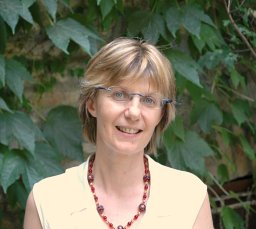 Maria Assunta Zanetti合作论文数27
 Ilaria Grazzani合作论文数Department of Human Sciences, University of Milano-Bicocca25
 Elisabetta Conte合作论文数23
 Celeste Simoes合作论文数19Paul A. Bartolo合作论文数17
 Roberta Renati合作论文数15
 Paula Lebre合作论文数13
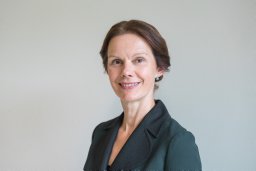 Baiba Martinsone合作论文数Dept Psychol, Univ Latvia11
 Alessia Agliati合作论文数11
 Alessandro Pepe合作论文数Department of Psychology, University of Milano-Bicocca.10
 Liberato Camilleri合作论文数Department of Statistics and Operations Research, University of Malta10
 Sanja Tatalovic Vorkapic合作论文数9Mariza Gavogiannaki合作论文数8Sabina Gandellini合作论文数8Tea Pavin Ivanec合作论文数Fac Teacher Educ, Univ Zagreb8
 Colomeischi Aurora Adina合作论文数Fac Sci Educ, Stefan Cel Mare Univ8Maria Poulou合作论文数8
 Charli Eriksson合作论文数School of Health and Medical Sciences, Örebro University8
 Birgitta Kimber合作论文数8
 Katya Galea合作论文数7
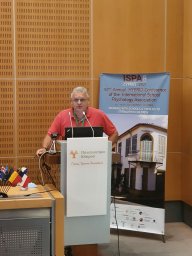 Matsopoulos Anastassios合作论文数7
 Mara Lupica合作论文数6
 Anabela Caetano Santos合作论文数Aventura Social Project, Univ Lisbon6Inga Supe合作论文数5
 Margarida Santos合作论文数5
 Petruta Rusu合作论文数Univ Suceava5
 renata miljevicriđicki合作论文数Uciteljski Fak, Sveucilista Zagrebu5
 Ieva Stokenberga合作论文数5
 Christopher J. Anthony合作论文数The Pennsylvania State University5
 Stephen N. Elliott合作论文数Sanford School of Social & Family Dynamics, Arizona State University5
 Ilze Damberga合作论文数4
 Margarida Gaspar de Matos合作论文数4Mollie Rose O'Riordan合作论文数4
 Diana Sinziana Duca合作论文数Univ Suceava4M. Saric合作论文数Fac Teacher Educ, Zagreb, Croatia4
 Lidija Vujicic合作论文数Ctr Childhood Res, Univ Rijeka4
 Lúcia Canha合作论文数Universidade de Lisboa4Francesca Rossi合作论文数Department of Neurological and Visual Sciences, University of Verona4Korana Lisjak合作论文数3Luisa Broli合作论文数3
 Camelia Murgo合作论文数3
 Akvilina Camber Tambolas合作论文数Ctr Childhood Res, Univ Rijeka3
 Eleonora Farina合作论文数3Fotis Papathanassopoulos合作论文数3Chiara Bonfigliuoli合作论文数2Veronica Aloisio合作论文数2
 Giusi Antonia Toto合作论文数Department of Human Studies, University of Foggia2




