Although autism is a childhood-onset neurodevelopmental disorder, its features change across the life course due to a combination of individual and contextual influences. However, the influence of contextual factors on development during childhood and beyond is less frequently studied than individual factors such as genetic variants that increase autism risk, IQ, language, and autistic features. Potentially important contexts include the family environment and socioeconomic status, social networks, school, work, services, neighborhood characteristics, environmental events, and sociocultural factors. Here, we articulate the benefit of studying contextual factors, and we offer selected examples of published longitudinal autism studies that have focused on how individuals develop within context. Expanding the autism research agenda to include the broader context in which autism emerges and changes across the life course can enhance understanding of how contexts influence the heterogeneity of autism, support strengths and resilience, or amplify disabilities. We describe challenges and opportunities for future research on contextual influences and provide a list of digital resources that can be integrated into autism data sets. It is important to conceptualize contextual influences on autism development as main exposures, not only as descriptive variables or factors needing statistical control.
While existing literature has demonstrated that Daily Living Skills (DLS) performance of autistic individuals is lower than what is expected of their age and cognitive abilities, limited studies have examined DLS in autistic adults. This study aimed to understand the influence of intellectual function (IQ) and contextual factors (i.e., provision of opportunities) on autistic individuals’ DLS performance. Participants included 33 autistic individuals ranging in age from 16 to 35 years. Their caregivers were administered the Vineland Adaptive Behavior Scales, 3rd edition’s (Vineland-3) caregiver interview form. A novel coding system was developed to capture the frequency of reasons for participants’ non-performance of DLS tasks, based on caregiver’s report. “Target” scores reflecting expected possible score if reasons for nonperformance could be addressed were computed. Qualitative analysis of parental responses indicated that, for adults with average or higher IQ, lack of opportunity to learn and/or implement the skill was the most frequent reason for not performing DLS. Lack of opportunity was also the second most common reason provided for adults with NVIQ below 85, following cognitive ability. Taking into account reasons for nonperformance, “Target” scores were, on average, 7.65 points higher for the NVIQ ≥ 85 group. These findings highlight a need for multi-dimensional assessment to go beyond individual strengths and difficulties to also include contextual factors that may influence adults’ skill acquisition and performance. It is essential that clinicians ensure that adequate opportunities for learning and performance are available to promote acquisition of important DLS.
Background: A gap exists in measures available to assess levels of motivation, desire, and value associated with connecting with others. Moreover, few social connection scales have been developed with a goal of including autistic individuals in the sample to create a measure that has utility across neurodiverse populations. This study aims to develop a measure to assess different facets of social connection that is valid among both autistic and non-autistic adults. Methods: The sample consisted of 200 participants recruited online. Participants completed an initial set of 35 items. Exploratory factor analyses and confirmatory factor analyses were performed. Four-factor models were produced by the EFAs. Results: Item reduction resulted in the development of two 8-item scales: the Connections with Others Scale (CWOS) intended for the general population and the CWOS–Autistic Version (CWOS-AV) intended for autistic populations (CWOS-AV). Autistic participants had significantly greater motivation/desire to connect with others compared to non-autistic participants (t(195) = 3.39; p < 0.001). Conclusions: These measures will allow for greater ability to assess the motivation to connect with others, resulting in improved ability to produce research that clarifies theories and describes psychological phenomena.
Autism screening questionnaires are sometimes used as a measure of "autism-associated traits" in samples drawn from the general population, even though such tools are primarily developed and designed for use in samples of children diagnosed with or being assessed for autism. Here, we explore the psychometric properties of the Social Communication Questionnaire (SCQ) current version reported at age 8 in a large population-based sample. Using data from the Norwegian Mother, Father and Child Cohort study (MoBa), we perform exploratory (N = 21,775) and confirmatory (N = 21,674) factor analyses on items and compare our results with previously suggested factor structure models of the SCQ. Furthermore, we test for measurement invariance across sex and registry-ascertained autism diagnostic status (Ndiagnosed = 636). A 5-factor model provided best fit to the data in both children with and without autism diagnoses, though with some qualitative differences in what the factors represent across these groups. This model performed largely consistently across boys and girls in the general population. Taken together, the SCQ's measurement properties must be carefully considered when it is used in population-based samples and measurement invariance testing of other autism screening tools used in similar contexts is warranted. Lay abstractUsing questionnaires in research relies on the expectation that they measure the same things across different groups of individuals. If this is not true, then interpretations of results can be misleading when researchers compare responses across different groups of individuals or use in it a group that differs from that in which the questionnaire was developed. For the questionnaire we investigated, the Social Communication Questionnaire (SCQ), we found that parents of boys and girls responded to questionnaire items in largely the same way but that the SCQ measured traits and behaviors slightly differently depending on whether the children had autism. Based on these results, we concluded that researchers using this questionnaire should carefully consider these differences when deciding how to interpret findings. SCQ scores as a reflection of "autism-associated traits" in samples that are mostly or entirely made up of individuals without an autism diagnosis may be misleading and we encourage a more precise interpretation of scores as a broader indication of social-communicative and behavioral traits.
The commonly used Vineland Adaptive Behavior Scales (VABS-3) divides adaptive behavior into three domains comprising three subdomains. The validity of this three-factor structure has not been explored in autistic samples, which are often heterogeneous with respect to language and IQ. Furthermore, although there are two comparable forms, Comprehensive Interview Form and Comprehensive Parent/Caregiver Form (a questionnaire), the original validation was based on interview data. Considering the widespread use of the VABS-3 in autism research, and the increased feasibility of online-administered questionnaires, it is necessary to establish the validity of the Parent/Caregiver form in autistic individuals across a range of abilities. This study aimed to investigate the measurement invariance of the VABS-3 Parent/Caregiver form between a minimally verbal group and verbal group of autistic people; however, poor overall fit of the three-factor structure precluded invariance analyses. Subsequent analyses suggested poor fit in both language and age groups, as well as a unidimensional model. The results of the current study suggest that neither the three-factor or unidimensional model fit the VABS-3 Parent/Caregiver Form, thereby cautioning against interpretation of domain or overall adaptive behavior composite scores in autistic individuals and further encouraging careful consideration of administration format. Lay Abstract Adaptive behavior is a broad set of skills needed to function in everyday life. The Vineland Adaptive Behavior Scales (VABS-3) is commonly used to measure adaptive behavior. It divides adaptive behavior into three domains, Communication, Daily Living Skills, and Socialization, each of which are split into subdomains. Analyses of this three-part structure of the first version of VABS used the instrument as an interview, but now it is done as a questionnaire as well. The structure has not been well supported in samples of autistic people, who often have different strengths and challenges in adaptive behavior compared with non-autistic people. Because adaptive behavior is an important concept in autism research and online-administered questionnaires are increasingly common, it is important to ensure the structure of the VABS-3 Comprehensive Parent/Caregiver Form (VABS-3:CPCF; a questionnaire) works well for autistic individuals across a range of abilities. This study aimed to investigate whether VABS-3:CPCF measures adaptive behavior similarly in verbal and minimally verbal autistic people. However, the data didn't fit the structure in the first step of the analysis, so this could not be investigated. The next analyses also found the three-domain structure didn't fit in different age and language groups. In addition, the data didn't fit a structure combining all the domains into 1 (unidimensional). These results suggest that neither the three-factor or unidimensional structure fit the VABS-3:CPCF, cautioning against interpretation of domain or overall adaptive behavior composite scores in autistic individuals and further encouraging careful consideration of administration format.
Several validated adult autism symptom screening tools exist; however, there are concerns about the validity of instruments in adults who self-identify and those who have an autism diagnosis. This study evaluated the psychometric properties of the RAADS-R and RAADS-14 across gender, autism diagnosis and autistic identity, and age among a sample of 839 adults. Participants included individuals who reported a prior diagnosis of autism, self-identified as autistic without a diagnosis, were exploring a diagnosis of autism, or neurotypical. Psychometric evaluation included confirmation of scale factor structure, and examination of item performance, including bias and discrimination, across the target sociodemographic characteristics. The RAADS-R and RAADS-14 were found to be psychometrically sound, unidimensional instruments in the present sample without systematic bias by age, diagnosis/identity, or gender. The use of dichotomous response options would improve measure parsimony. Close examination of extant item-level bias is also recommended in the development of new measures. Notably, few psychometric differences between diagnosed and self-identifying individuals were identified. There was a distinction, however, between diagnosed individuals and those exploring autistic identification. Four items representing the consequences of adverse sensory experiences and the hidden rulebook of social interaction were most informative for differentiating autistic individuals from neurotypical.Lay abstract Surveys used to screen for autism are being used much more by adults. Adults and clinicians want to be confident that the results from their surveys are accurate. If scores are not accurate, it is not possible to compare the scores of different groups of individuals. There are also concerns that these surveys do not accurately identify autistic individuals. This study explored the accuracy of two commonly used autism screening surveys for adults: the RAADS-R and the RAADS-14. The accuracy of these two screening tools was measured using a sample of 839 adults. Adults in the study were in one of the following categories: (1) diagnosed with autism, (2) adults who considered themselves to be autistic but had not been diagnosed, (3) adults who were unsure whether they were autistic, and (4) adults who did not consider themselves to be autistic and had not been diagnosed. The study found that the RAADS-R and the RAADS-14 are accurate. The study also found that a person's age, gender, autism diagnosis, or whether an individual considered themselves to be autistic did not impact how they understood the survey. Survey accuracy could be improved by changing the number of question responses from four to two. Importantly, individuals with a clinical diagnosis of autism and those who considered themselves to be autistic responded to survey items in a very similar way. Individuals with autism diagnoses and those who were unsure whether they were autistic were more different in their responses. Four specific survey items related to sensory experiences and social interaction identified key differences between autistic and non-autistic adults.
Initial studies of the emotional safety plan (ESP), a new, brief telehealth and mobile intervention to support autistic adults to cope with periods of distress, have reported feasibility and acceptability (Bal et al., 2023, Autism, 1-13). Herein we report the preliminary clinical outcomes of thirty-six autistic adults who developed a personalized ESP, with a specific interest in comparing "outcomes" demonstrated by different instruments and assessment frequencies in order to inform outcome measurement in future clinical trials. Comparison of pre-intervention baseline to post-monitoring outcome (pre-post) anxiety symptoms (Generalized Anxiety Disorder-7 [GAD-7]) and depressive symptoms (Patient Health Questionnaire-9 [PHQ-9]) revealed medium effect sizes for reduction in symptoms, though, low effect sizes were observed for pre-post Adult Self-report Anxiety and Depressive Problems scales and the Emotion Dysregulation Inventory Reactivity and Dysphoria scales. Weekly assessments showed an initial decrease in GAD-7 anxiety symptoms but no effect on weekly PHQ-9 depressive ratings. Ecological momentary assessment (EMA) data suggested that, when participants reported feeling sad or agitated and used the ESP, reduced negative feelings and increased positive states were reported in subsequent EMA. Perhaps not surprisingly, preliminary outcomes of these feasibility trials differed depending on measure chosen. Implications for the design of clinical trials are discussed.
Assessment of restricted, repetitive behaviors (RRB) in autism evaluations often assumes that these behaviors negatively impact the individual. Qualitative studies of first-person accounts indicate the negative impact of the stigma associated with RRBs but also provide insights into the positive aspects. The current study explores how framing response options as negative (i.e., level of problem associated with occurrence) or positive (i.e., level of benefit associated with occurrence) affects RRB self-reports in autistic adults. Sixty-six autistic adults aged 18-59 filled out the Repetitive Behavior Scale-Revised (RBS-R) and a modified RBS-R+, assessing problems and benefits of reported behaviors, respectively. There was a moderate to strong correlation between the forms, each assessing problems and benefits in terms of the number of behaviors endorsed (r = 0.746) and the levels of benefits and problems (r = 0.637). Autistic adults reported a higher number of RRBs in the form that assessed problems, but the number of behaviors was comparable between the forms when counting in the response option of the occurrence of behavior without having a benefit. Despite some variability in the level of problems and the benefits across the subdomains of RRB, autistic adults largely rated comparable levels of associated benefits and problems, highlighting the complexity of RRBs as having both positive and negative impacts. Future screening and diagnostic tools for adults should aim to assess both positive and negative aspects of autistic features to afford a more nuanced understanding of individual experiences while still yielding diagnostically relevant information. Qualitative studies are needed to better understand the complex experiences associated with these behaviors; however, it may be important to ensure that options for endorsement of behaviors without a specific benefit are also needed to ensure some behaviors (e.g., self-injurious behaviors) are not missed.
Autistic adults are a high-risk population for suicidal thoughts and behaviors (STBs). Accordingly, this systematic review aims to review the prevalence of STBs among autistic adults, review the risk and protective factors for STBs in autistic adults, and formulate a disorder-specific conceptualization of risk in this population. We sys-tematically searched PsycINFO and Google Scholar for all studies published prior to March 28th, 2022. We included empirical articles focused on autistic adults, ages 18 years and older, reporting on suicide-related outcomes. In total, 45 peer-reviewed empirical articles were included in the current systematic review. The most frequently studied factors in relation to suicide risk among autistic adults were interpersonal constructs (42.4% of total studies looking at risk/protective factors) and depressive symptoms (36.4% of total studies looking at risk/protective factors). We conclude by summarize two key content areas: exploring social and interpersonal constructs and better understanding the role of depressive symptoms in autism. As researchers continue to explore STBs among autistic adults, it will be necessary to addressing the overreliance on autistic symptoms instead of autism diagnoses, measurement issues of STBs, and a need for treatment adaptations.
OBJECTIVEThis study sought to examine concordance between two commonly used measures of suicidal thoughts and behaviors: the Ask Suicide-Screening Questions (ASQ) and the Self-Injurious Thoughts and Behaviors Interview-Self Report (SITBI-SR). Agreement was operationalized as the presence past month suicidal ideation and lifetime suicide attempts. To explore the utilization of these tools among neurodiverse samples, we also examined the concordance across autistic and non-autistic adults.METHODSThe sample consisted of 200 individuals recruited online. Half of the sample self-reported a diagnosis of autism. A series of Cohen's kappas and confidence intervals were computed to assess agreement between the ASQ and SITBI-SR. Cohen's kappa was computed separately for each set of comparisons for the autistic and non-autistic samples.RESULTSPast month suicidal ideation had a kappa of 0.61 (95%CI = 0.48-0.73). The kappa for lifetime suicide attempts was 0.86 (95%CI = 0.78-0.94). There were no significant differences in agreement between the two measures for autistic versus non-autistic individuals.CONCLUSIONSCurrent findings suggest that the ASQ and SITBI-SR have high concordance with one another. Given that the ASQ and the SITBI-SR are both validated in the general population and that concordance was high and not significantly different based on autism status, the current study provides preliminary evidence that the ASQ and the SITBI-SR function similarly for autistic individuals.HIGHLIGHTSPeople do not always respond consistently to different STB assessment methods.Findings suggest that the ASQ and SITBI-SR have high concordance with one another.Evidence provided that these measures function similarly for autistic individuals.
Autism spectrum disorder (ASD), Tourette syndrome (TS), and attention-deficit/hyperactivity disorder (ADHD) display strong male sex bias, due to a combination of genetic and biological factors, as well as selective ascertainment. While the hemizygous nature of chromosome X (Chr X) in males has long been postulated as a key point of "male vulnerability", rare genetic variation on this chromosome has not been systematically characterized in large-scale whole exome sequencing studies of "idiopathic" ASD, TS, and ADHD. Here, we take advantage of informative recombinations in simplex ASD families to pinpoint risk-enriched regions on Chr X, within which rare maternally-inherited damaging variants carry substantial risk in males with ASD. We then apply a modified transmission disequilibrium test to 13,052 ASD probands and identify a novel high confidence ASD risk gene at exome-wide significance (MAGEC3). Finally, we observe that rare damaging variants within these risk regions carry similar effect sizes in males with TS or ADHD, further clarifying genetic mechanisms underlying male vulnerability in multiple neurodevelopmental disorders that can be exploited for systematic gene discovery.
LAY ABSTRACT:Autistic adults may have difficulty coping during stressful periods, which could make them more vulnerable to depression and anxiety. We designed the emotional support plan (ESP) to help autistic people find ways to cope in stressful situations. Thirty-six autistic adults created an ESP and answered questions about their opinions of the ESP. Most autistic adults found the ESP to have a positive impact on them and many would recommend the ESP to another person. Feedback from autistic adults suggested ways that we might test the ESP in future studies. Overall, autistic adults in this study found the ESP to be useful and a worthwhile intervention to study more in the future. While more research is clearly needed, we hope that the brief nature of the ESP will make it helpful for autistic people who are trying to handle negative feelings during stressful life events.
Background Physical and psychiatric health conditions affect the lives of many autistic adults. However, relatively little is known about individual trajectories in autistic individuals' physical and mental health from adolescence to adulthood. Methods This study uses a well-characterized longitudinal sample (n = 253) to investigate rates of seizures, medication use, and obesity, from early adolescence (age 10 years) into adulthood (age 30 years). Within this sample, 196 participants were diagnosed with autism spectrum disorder (ASD), whereas the remaining 57 participants never received an ASD diagnosis, but, rather, were diagnosed with other neurodevelopmental conditions. Data were collected through parent report questionnaires and in-person interviews and assessments. Results Seizure onset continued well into adulthood, with two individuals experiencing their first seizure at the age of 25 years. Seizures and neuropsychiatric medication use were both higher for those with lower intelligence quotient (IQs). In addition, medication use increased over time for these individuals, whereas those with higher IQs saw a reduction in medication use with age. Between the ages of 15 to 30 years, the predicted probability of medication use increased from 82% to 88% for those with lower IQs and decreased from 37% to 13% for those with higher IQs. Collectively, almost 70% of all participants in this study were classified as either overweight or obese. Body mass index (BMI) increased throughout adulthood, especially for those with higher IQs. The steepest increase in BMI over time occurred for those with higher IQs who also took antipsychotic medications. Conclusion Overall, continued risk for developing seizures, high rates of neuropsychiatric medication use, and significant and increasing rates of obesity from adolescence to adulthood underscore the importance of monitoring health issues in autistic individuals and those diagnosed with other neurodevelopmental conditions throughout the lifespan.
Individuals on the autism spectrum often have trouble with social and figurative language. As social language is often figurative, it can be challenging to disentangle the cognitive and neural sources of these difficulties. Neural systems for social cognition and language comprehension overlap in areas involved in retrieving linguistic meaning (semantics), such as the anterior temporal lobe (ATL), ventro-medial prefrontal cortex (vmPFC), posterior cingulate cortex (PCC), and posterior middle temporal gyrus (pMTG). Using adjective-noun phrases, we manipulated social/nonsocial and figurative/literal dimensions, which we expected to activate distinct but overlapping regions. We hypothesized that activation differences in the group with autism (AUT) would be greater for more social and figurative stimuli. During fMRI, participants in the AUT group (N = 19) and those in the non-autistic comparison (NAC) group (N = 22) made familiarity judgments to 192 phrases in a balanced 2 × 2 (social/nonsocial x figurative/literal) design. Social phrases activated the PCC in all participants, but only the NAC group activated the vmPFC. Figurative phrases were rated as more literal by the AUT group, with the figurative-literal phrase contrast showing no activation in the AUT group, but activating the PCC and right pMTG in the NAC group. The one significant group-level neural difference was for the social-figurative condition predicted to be most different between groups: greater activation for the AUT group in the right ATL. Differences in the right ATL and pMTG in the AUT group suggest altered engagement of right homologues of the canonical semantic network being recruited for processing combined social and figurative language.
Despite high rates of co-occurring depression, few studies have developed or adapted treatments targeting depressive symptoms for autistic adults. Behavioral activation is widely accepted as an empirically supported approach for treating depression in other populations. Careful attention to the mechanisms targeted by behavioral activation is an essential step toward adapting behavioral activation protocols for use with autistic adults. We consider the mechanisms targeted by behavioral activation and provide a framework for research to explore facilitators and barriers to the use of behavioral activation to treat depression in autistic adults. Drawing upon clinical experience and extant literature, the suggestions presented are aimed at highlighting considerations for clinicians wanting to use behavioral activation programs in their clinical practices with autistic adults and to promote the research needed to establish behavioral activation as an evidence-based practice for treating depression in adults on the autism spectrum.
Despite increasing attention to understanding strengths in those on the autism spectrum, few studies have explored this in older individuals. The present study provides a qualitative analysis of parent-reported strengths and positive qualities of 68 15-30-year-olds with autism and/or intellectual disability (ID). Most parents (97%) reported at least one positive quality. Themes were consistent with previous studies; Personality characteristics (82%) and Sociability (53%) were reported most frequently. A Work Ethic/Motivation category not previously reported emerged. Autistic individuals (with/without ID) were more likely than those with ID-only to have a Specific Skill. Findings highlight the importance of recognizing strengths of autistic adults. Research is needed to understand how to best leverage positive qualities to promote goal achievement and quality of life.
Abstract Objectives Higher prevalence of suicidality has been reported in individuals with ASD. This study aimed to (1) Estimate the prevalence of suicidal ideation (SI) in epidemiologically-ascertained, population-based, samples of children with ASD or Autism Spectrum Screening Questionnaire (ASSQ) Screen Positivity (ASP); (2) Determine whether ASD/ASP is an independent risk factor for SI, controlling for known SI risk factors; and, (3) Develop an explanatory model for SI in children with ASD/ASP. Methods Participants came from three epidemiologically-ascertained samples of school-aged Korean children (n = 14,423; 3,702; 4,837). ASSQ ≥ 14 was the cutoff for ASP. A subsample (n = 86) was confirmed to have ASD. SI was based on parents’ endorsement of items on the Behavioral Assessment System for Children-2-Parent Report Scale-Children. Logistic regressions were used to assess associations between SI and ASD/ASP, controlling for demographics, peer victimization, behavior problems, and depression. To develop an explanatory model for SI within ASD/ASP, the associations between SI and child characteristics (comorbid conditions, ASD symptoms, IQ, adaptive function) were tested. Results SI was higher in children with ASD (14%) and ASP (16.6–27.4%) than ASSQ Screen Negative (ASN) peers (3.4–6.9%). ASD/ASP was strongly predictive of SI (ORs: 2.87–5.67), after controlling for known SI risk factors compared to ASN. Within the ASD and ASP groups, anxiety was the strongest predictor of SI. Conclusions SI prevalence was higher in non-clinical samples of children with ASD and ASP, relative to ASN peers. These results underscore the need for routine screening for SI in children with ASD and social difficulties, particularly those with high anxiety. Highlights Population-based, epidemiologically-ascertained, school-aged children ASD and ASP are independent risk factors for SI in school-aged children Anxiety is an independent risk factor for SI in children with ASD or ASP
It is essential to recognize the strengths and talents of autistic individuals. Previous studies of extraordinary talents (i.e. skills that stand out relative to the general population) have combined individuals with different skills (e.g. calendrical calculation, drawing) into one group. There has been limited investigation of talents in specific areas and even less consideration of personal strengths (i.e. skills that stand out relative to that person’s other abilities, but not the general population). We extend this literature by examining the relationship between parent-reported talents and strengths and performance on standardized cognitive tests in 1470 children (4–18 years) from the Simons Simplex Collection with autism and IQ above 70. Almost half (46%) had at least one parent-reported talent and an additional 23% without extraordinary talents had at least one personal strength. Children with parent-reported talents and strengths had different cognitive profiles than children with no reported skill in visuospatial, drawing, computation, or music. Those highlighted for their memory abilities had somewhat more even verbal and nonverbal abilities, relative to children whose memory was not emphasized as a special skill. These results emphasize the importance of exploring strengths separately by domain and a need for more research in this area. Lay abstract Previous research has suggested that focusing on impairments can be detrimental to the well-being of autistic individuals, yet little research has focused on strengths and positive qualities in autism. Some studies explored “savant skills” (herein referred to as “extraordinary talents”), that is, skills that stand out compared to the general population. These often group everyone who has a specific talent, rather than exploring subgroups with strengths in specific areas. There has been even less research focused on personal strengths (i.e. skills that stand out relative to the individual’s other abilities, but not the general population). To expand this research, we use a sample of 1470 children (ages 4–18 years) from the Simons Simplex Collection without cognitive impairment to examine the relationship between having a parent-reported skill in a specific area and performance on a standardized cognitive test. Almost half (46%) had at least one parent-reported talent and an additional 23% without extraordinary talents had at least one personal strength. Children with these parent-reported skills had different patterns of performance on these standardized tests than children without skills in that area (i.e. visuospatial, drawing, computation, reading, and memory). Specific skills in computation or reading were associated with higher overall performance on the standardized tests. These results emphasize the importance of considering strengths separately by area, rather than combining individuals with different types of strengths. The high number of children with skills in this study underscores the need for more research in this area, particularly using instruments focused on understanding the nuances of these strengths. It is important for future studies to consider these skills in children with cognitive impairment.
Adult autism studies are increasingly comprised of later-diagnosed adults, yet little is known about how these adults compare to those diagnosed earlier in life. The present study examines medical and psychiatric conditions endorsed by autistic adults and documents differences between those diagnosed with ASD in childhood versus adulthood, as well as across age groups and sex at birth. 4657 legally independent adults (ages 18-85, M = 33.4 years) with professional ASD diagnoses who completed a medical questionnaire were drawn from the Simons Powering Autism Research Knowledge (SPARK) study. Chi square analyses, t-tests, and logistic regressions were used to compare medical and psychiatric conditions between age groups, sex at birth and adults diagnosed in childhood (before age 21) versus adulthood (at or after 21 years). Overall number of conditions endorsed as being diagnosed by a professional was high, with an average of 1.69 (SD = 2.01) medical or developmental and 2.98 (SD = 2.29) psychiatric conditions reported across the sample. Females were more likely to endorse psychiatric conditions (OR = 1.68). Adult-diagnosed adults were more likely to endorse psychiatric conditions (OR = 2.71) and reported more lifetime psychiatric diagnoses (M = 3.15, SD = 2.23) than their childhood-diagnosed counterparts (M = 2.81, SD = 2.33). These findings underscore the need for research to better understand and treat co-occurring psychiatric conditions in autistic adults and report and consider the age of diagnosis in adult autism samples. Moreover, results suggest it is imperative that mental health professionals receive autism training to promote accurate differential diagnosis and equitable access to mental health care for autistic adults with co-occurring psychiatric conditions.
ABSTRACT Autism spectrum disorders (ASD), Tourette syndrome (TS), and attention-deficit/hyperactivity disorder (ADHD) display strong male sex bias, due to a combination of genetic and biological factors, as well as selective ascertainment. While the hemizygous nature of chromosome X (Chr X) in males has long been postulated as a key point of “male vulnerability”, rare genetic variation on this chromosome has not been systematically characterized in large-scale whole exome sequencing studies of “idiopathic” ASD, TS, and ADHD. Here, we take advantage of informative recombinations in simplex ASD families to pinpoint risk-enriched regions on Chr X, within which rare maternally-inherited damaging variants carry substantial risk in males with ASD. We then apply a modified transmission disequilibrium test to 13,052 ASD probands and identify a novel high confidence ASD risk gene at exome-wide significance ( MAGEC3 ). Finally, we observe that rare damaging variants within these risk regions carry similar effect sizes in TS and ADHD, further clarifying genetic mechanisms underlying male vulnerability in multiple neurodevelopmental disorders that can be exploited for systematic gene discovery.
 Catherine Lord合作论文数Jane & Terry Semel Institute for Neuroscience & Human Behavior, University of California, Los Angeles;Department of Psychiatry and Biobehavioral Sciences, David Geffen School of Medicine, University of California, Los Angeles;Division of Human Development and Psychology, Graduate School of Education & Information Studies, University of California, Los Angeles44
 Bishop Somer L合作论文数Dept Psychiat, Univ Calif San Francisco20
 Edwin H. Cook Jr.合作论文数Institute for Juvenile Research, University of Illinois at Chicago;Department of Psychiatry, College of Medicine, University of Illinois at Chicago;Division of Child and Adolescent Psychiatry, University of Illinois Hospital & Health Sciences System18
 James S. Sutcliffe合作论文数Vanderbilt Kennedy Center, Vanderbilt University Medical Center;Vanderbilt Genetics Institute, Vanderbilt University Medical Center15
 Eric Fombonne合作论文数Department of Psychiatry, Oregon Health & Science University15
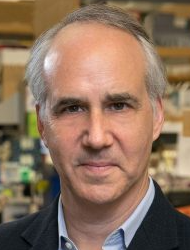 Daniel H. Geschwind合作论文数Center for Autism Research and Treatment, University of California, Los Angeles;Institute of Precision Health, University of California, Los Angeles;David Geffen School of Medicine, University of California, Los Angeles14
 Andrew Pickles合作论文数Institute of Psychiatry, Psychology & Neuroscience, King's College London;Department of Biostatistics, King's College London13
 Bernie Devlin合作论文数Department of Psychiatry, School of Medicine, University of Pittsburgh13
 Lambertus Klei合作论文数Department of Psychiatry, University of Pittsburgh School of Medicine13
 Stephan Sanders合作论文数Department of Psychiatry and Behavioral Sciences, Weill Institute for Neurosciences, University of California San Francisco;School of Medicine, University of California San Francisco;University of Oxford13
 Matthew W. State合作论文数Weill Institute for Neurosciences, University of California, San Francisco;Langley Porter Psychiatric Institute, Department of Psychiatry and Behavioral Sciences, University of California, San Francisco12
 Jeremy Willsey合作论文数Calico Life Sciences;University of California, San Francisco11
 David H Ledbetter合作论文数Department of Psychiatry, College of Medicine, Florida State University10
 Donna Martin合作论文数The Martin Lab, Department of Pediatrics, University of Michigan Medical School;Department of Human Genetics, University of Michigan Medical School9Dorothy E. Grice合作论文数New Jersey Medical School, University of Medicine and Dentistry of New Jersey9Marisela Huerta合作论文数9
 Eric M. Morrow (Eric Morrow)合作论文数Department of Molecular Pharmacology, Physiology, and Biotechnology, Brown University9
 Katherine Gotham合作论文数University of Michigan Autism and Communication Disorders Center9Jennifer K. Lowe合作论文数9
 Christa Lese Martin合作论文数College of Health Sciences, Geisinger9Michael T. Murtha合作论文数9sabata c lund合作论文数8
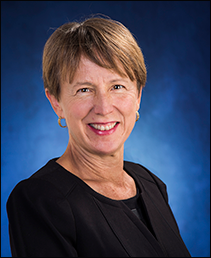 Kathryn Roeder合作论文数Department of Statistics&Data Science, Dietrich College of Humanities and Social Sciences, Carnegie Mellon University8
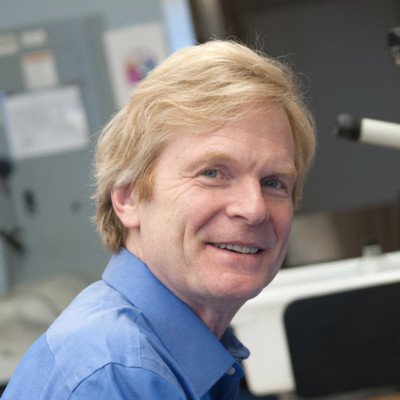 Christopher A Walsh合作论文数The Paul G. Allen Frontiers Group Discovery Center for Human Brain Evolution;Howard Hughes Medical Institute;Division of Genetics & Genomics, Boston Children's Hospital;Harvard Medical School8
 Timothy W Yu合作论文数Division of Genetics and genomics, Boston Children’s Hospital;Harvard Medical School;Broad Institute of MIT;Claritas Genomics8
 Daniel Moreno合作论文数Department of Human Genetics, Emory University School of Medicine8Shrikant M. Mane合作论文数8
 Ellen Wilkinson合作论文数7
 Cristan Farmer合作论文数National Institute of Mental Health7
 Joseph D Buxbaum合作论文数Department of Psychiatry, Icahn School of Medicine at Mount Sinai;Seaver Autism Center, Icahn School of Medicine at Mount Sinai7
 Rita Cantor合作论文数David Geffen School of Medicine, University of California, Los Angeles7
 Lonnie Zwaigenbaum合作论文数Autism Research Centre, Department of Pediatrics, Faculty of Medicine and Dentistry, University of Alberta7Bennett L. Leventhal合作论文数7
 Peter Szatmari合作论文数Department of Psychiatry, Temerty Faculty of Medicine, University of Toronto;Centre for Addiction and Mental Health7Christina Corsello合作论文数6
 Susanne Thomson合作论文数6
 Alexandra Havdahl合作论文数Department of Psychology, University of Oslo6
 Thomas H Wassink合作论文数Univ Iowa, Dept Psychiat, Iowa City, IA 52242 USA6
 Sohyun Kim合作论文数School of Psychology, Korea University6
 Marion Leboyer合作论文数Institut Montaigne;Pôle De Psychiatrie, Hôpitaux Universitaires Henri Mondor;Department of Psychiatry, Université Paris Est Créteil6
 Evan Kleiman合作论文数Department of Psychology, School of Arts and Sciences, Rutgers, The State University of New Jersey6
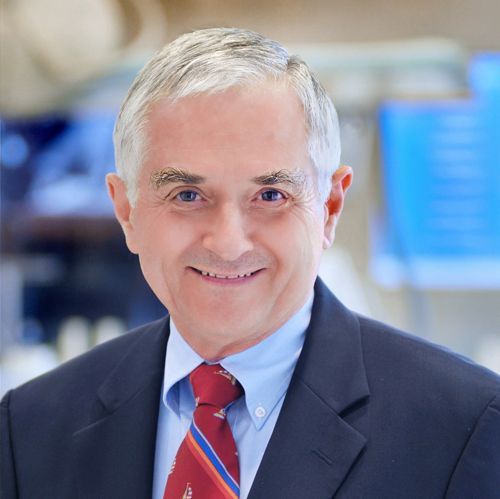 Arthur L Beaudet合作论文数Department of Molecular and Human Genetics, Baylor College of Medicine6Catalina Betancur合作论文数6
 Hilary Coon合作论文数Department of Psychiatry, School of Medicine, University of Utah;University of Utah Hospitals and Clinics6
 Annette Estes合作论文数Department of Speech & Hearing Sciences, University of Washington6
 Christine M. Freitag合作论文数Department of Child and Adolescent Psychiatry, Psychosomatics, and Psychotherapy, University Hospital Frankfurt, Goethe University6
 Joseph Piven合作论文数Department of Psychiatry, School of Medicine, The University of North Carolina at Chapel Hill6
 Jonathan Haines合作论文数Department of Population and Quantitative Health Sciences, School of Medicine, Case Western Reserve University;Cleveland Institute for Computational Biology, School of Medicine, Case Western Reserve University6
 Geraldine Dawson合作论文数Center for Autism and Brain Development, Duke University School of Medicine;Duke Global Health Institute, Duke University;University of Washington6




