We present an autonomous large language model (LLM) agent for end-to-end, data-driven materials theory development. The agent can choose an equation form, generate and run its own code, and test how well the theory matches the data without human intervention. The framework combines step-by-step reasoning with expert-supplied tools, allowing the agent to adjust its approach as needed while keeping a clear record of its decisions. For well-established materials relationships such as the Hall-Petch equation and Paris law, the agent correctly identifies the governing equation and makes reliable predictions on new datasets. For more specialized relationships, such as Kuhn's equation for the HOMO-LUMO gap of conjugated molecules as a function of length, performance depends more strongly on the underlying model, with GPT-5 showing better recovery of the correct equation. Beyond known theories, the agent can also suggest new predictive relationships, illustrated here by a strain-dependent law for changes in the HOMO-LUMO gap. At the same time, the results show that careful validation remains essential, because the agent can still return incorrect, incomplete, or inconsistent equations even when the numerical fit appears strong. Overall, these results highlight both the promise and the current limitations of autonomous LLM agents for AI-assisted scientific modeling and discovery.
Twisted and coiled polymer actuators (TCPAs) offer the advantages of large stroke and large specific work compared to other actuators. Despite extensive experimental investigations aimed at understanding their actuation response, a computational model with a full material description has not been utilized to probe the underlying mechanisms responsible for their large actuation. In this work, we develop a three-dimensional finite element model that includes the physics of the fabrication process to simulate the actuation of TCPAs under various loading and boundary conditions. We implemented a novel approach to estimate the temperature-dependent anisotropic elasticity tensor based on experimental observations. The model is validated against the experimental data and used to explore the factors responsible for actuation under free and isobaric conditions. The model captures the physics of the angle of twist in the fiber, and the distinct response of the homochiral and heterochiral nature of TCPAs. The results show that there exists an optimal angle of twist at which the actuation peaks, and it can be determined through these simulations for any novel TCPA concept. The simulations reveal that the anisotropy in the thermal expansion coefficient (CTE) matrix plays a major role in large actuation irrespective of the anisotropy or isotropy in the elasticity tensor. For the first time, the studies on the extent of anisotropy in thermal expansion show that the key for TCPA actuation is the absolute value of mismatch in thermal expansion irrespective of the sign of CTE in axial and transverse directions of the fiber. Furthermore, to demonstrate the application of this model on a non-homogeneous cross-section, we propose a new shell-core composite-based TCPA concept by combining the epoxy and hollow Nylon tubes to suppress the creep in TCPAs. The results show that the volume fraction of epoxy-core can be tuned to attain a desired actuation while offering a stiffer and creep-resistant response. Therefore, this work sets forth a framework for probing various kinds of TCPAs and opens opportunities to enhance their actuation performance under complex loading conditions as an element of a device or a robotic system.
Predicting fatigue life with quantified uncertainties is essential for the qualification of critical components produced by laser-based powder bed fusion additive manufacturing. We present a framework that propagates microstructure and defect uncertainties directly to a fatigue initiation life distribution for a specific part. In particular, microstructure and defect characterizations are obtained from electron backscatter diffraction and micro-computed tomography scan data, which in turn inform three physics-based simulations yielding the fatigue-affecting quantities: the elastic energy release rate, the surface energy along the crack path, and the fatigue indicator parameter. Accounting for the uncertainties in these quantities and the high correlations among them due to the shared underlying microstructure, we derive a closed-form probability density function for the fatigue initiation life. This provides an analytical distribution instead of conservative deterministic predictions and enables more informed decision making for the qualification and deployment of additively manufactured components. Applying the framework to 316L stainless steel parts produced by an EOS M290 laser powder bed fusion machine, we find that both grain sizes and void distributions influence the fatigue initiation life distribution. Specifically, for a fixed total void volume fraction, larger grain sizes cause a marginal reduction in fatigue initiation life, and a population of many small voids is more favorable for fatigue life than fewer, larger voids of equivalent total volume.
This work develops a multi-fidelity crystal plasticity framework for predicting defect-driven low-cycle fatigue of laser powder bed fused (LPBF) 316L stainless steel, with explicit treatment of pore-microstructure interactions across optimized (EOS), lack-of-fusion (LOF), and keyholing (KH) process windows. LPBF specimens are characterized by high-resolution X-ray computed tomography (XCT) and electron backscatter diffraction (EBSD) to quantify three-dimensional pore populations, grain morphology, and crystallographic texture, and are tested under strain-controlled cyclic loading with post-mortem fractography to identify crack-initiation sites. At the specimen scale, a voxel-based crystal elasticity solver is extended to treat pore voxels as mechanically inactive and to perform critical-distance-inspired stress averaging in pore-surface bands, enabling efficient identification and ranking of fatigue hotspots in the XCT-derived defect field. Around the top-ranked hotspots, three-dimensional crystal plasticity finite element (CPFEM) representative volume elements are constructed by embedding XCT-resolved pores into synthetic grain structures that reproduce upper-tail grain-size, aspect-ratio, and texture statistics inferred from EBSD. A rate-dependent finite-strain crystal plasticity model with Ohno-Wang kinematic hardening is calibrated separately for each process condition using stabilized hysteresis loops, and stabilized local strain amplitudes near pores are mapped to fatigue life via a Coffin-Manson-Basquin relation. The framework reproduces the observed crack-initiation locations and cyclic responses across EOS, LOF, and KH specimens and quantifies the sensitivity of predicted life to pore morphology and microstructural texture. The results demonstrate how hierarchical crystal plasticity modeling, combining large-scale elastic screening with defect- and microstructure-resolved CPFEM, can provide process-aware fatigue assessment in additively manufactured alloys.
Recrystallization is a phenomenon in which a plastically deformed polycrystalline microstructure with a high dislocation density transforms into another that has low dislocation density. This evolution is driven by the stored energy in dislocations, rather than grain growth driven by grain boundary energy alone. One difficulty in quantitative modeling of recrystallization is the uncertainty in material parameters, which can be addressed by integration of experimental data into simulations. In this work, we compare simulated static recrystallization dynamics of a Mg-3Zn-0.1Ca wt% alloy to experiments involving thermomechanical processing followed by measurements of the recrystallization fraction over time. The simulations are performed by combining PRISMS software for crystal plasticity and phase-field models (PRISMS-Plasticity and PRISMS-PF, respectively) in an integrated computational materials engineering framework. At 20% strain and annealing at 350 degrees C, the model accurately describes recrystallization dynamics up to a mobility-dependent time scale factor. While the average grain boundary mobility and the fraction of plastic work converted into stored energy are not precisely known, by fitting simulations to experimental data, we show that the average grain boundary mobility can be determined if the fraction of plastic work converted to stored energy is known, or vice versa. For low annealing temperatures, we observe a discrepancy between the model and experiments in the late stages of recrystallization, where a slowdown in recrystallization kinetics occurs in the experiments. We discuss possible sources of this slowdown and propose additional physical mechanisms that need to be accounted for in the model to improve its predictions.
In crystal plasticity finite element (CPFE) simulations, accurately quantifying geometrically necessary dislocations (GNDs) is critical for capturing strain gradients in polycrystals. We compare different methods for quantifying GNDs, all of which originate from the Nye tensor, which is computed as the curl of the plastic deformation gradient. The projection technique directly decomposes the Nye tensor onto individual screw and edge dislocation components to compute GNDs. This approach requires converting a nine-component Nye tensor into densities for a larger number of dislocation systems, a fundamentally underdetermined (non-unique) process, which is resolved using L2 minimization. In contrast, when employing CPFE analysis, one could directly compute dislocation densities on each slip system using shear gradients. Projection and slip gradient methods are compared with respect to their prediction of GNDs with changing grain size, strain, and grain neighborhoods, including multigrain junctions. Although these techniques match analytical GND densities for single slip, single crystal deformation, and are consistent with anticipated overall GND trends, we find that the GND densities from projection techniques are significantly lower than those predicted from CPFE-based slip gradients in polycrystals. A suggested improvement of only using the active dislocation systems in the projection technique almost entirely resolved this mismatch.
This paper introduces ELAS3D-Xtal, a high-performance Fortran/OpenMP upgrade of the NIST ELAS3D voxel-based finite element solver for computing 3D elastic fields in polycrystals with defects. The code supports crystal anisotropy by precomputing rotated stiffness tensors from user-specified orientations and solves the equilibrium problem with a matrix-free, OpenMP-parallel preconditioned conjugate-gradient (PCG) method using a point-block Jacobi preconditioner. On a single shared-memory multicore PC, OpenMP threading accelerates the baseline CG solver by similar to 10 & times;, while the block-preconditioned CG solver achieves 53-61 & times; speedup relative to the serial CG baseline for meshes from 1003 to 5003 voxels (scaling to domains up to 8003 voxels). Accuracy is validated against the analytical Eshelby inclusion solution. ELAS3D-Xtal also integrates microstructure construction, including statistically calibrated polycrystal generation via spatial filtering and parallel voxel-to-grain assignment, direct pore insertion from XCT centroid/radius data, and texture assignment. Full-field phase, orientation, and stress outputs are written in HDF5 to enable scalable post-processing and defect-mechanics workflows. Applications are demonstrated for (i) anisotropy-controlled defect-scale stress fields and (ii) LPBF SS316L microstructures with gas, lack-of-fusion, and keyhole pore morphologies.
Results are presented for the effects of mixed boundary conditions when a cylindrical shell is subjected to axial compressive loading. The effects of the boundary conditions are analyzed using a variational formulation in association with the Donnell-Mushtari-Vlasov (DMV) thin shell equations, including geometric non-linearity. By adopting spring boundary conditions, a variety of boundary conditions are studied. The governing equations and the corresponding boundary conditions for the pre-buckling and buckling problem are derived for both load-controlled and displacement-controlled edge loading. Buckling loads are computed, including the effects of pre-buckling shell-wall bending and with different mixed boundary conditions. The results show that buckling loads can be reduced by as much as 50% of the classical shell buckling load due to certain mixed boundary conditions. The results presented are closer to what is encountered in laboratory testing of axially compressed thin-walled cylindrical shells.
Twinning is a primary deformation mechanism in Mg alloys. This study focuses on tension twins during uniaxial compression of Mg-Y alloys, with three key aspects: the orientation specificity of twin grains, the relative evolution of CRSS with increasing Y content, and the local stress and strain evolution at twin sites. Experimental characterization and crystal plasticity modeling were performed. In Mg-7wt.
Under the rapid solidification conditions of laser powder bed fusion (LPBF), solute trapping manifests in an element-specific manner, altering nonequilibrium partitioning, constitutional undercooling, and grain selection behavior in multicomponent alloys. Here, we elucidate the mechanisms by which element-specific solute trapping governs nucleation behavior and grain structure evolution during LPBF demonstrated on a SS316L. This requires quantitative description of nonequilibrium multicomponent thermodynamics and grain evolution across broad LPBF solidification conditions, which is achieved through a CALPHAD-informed Gaussian Process Regression (GPR)-assisted Phase-Field (PF) approach. The predicted transitions in grain morphology and grain size are validated against EBSD measurements under multiple LPBF processing conditions. Results demonstrate that increasing solidification rate drives a composition-dependent transition from solute diffusion-controlled nucleation to solute trapping-controlled grain growth, where nonequilibrium solute redistribution intensified by solute trapping suppresses equiaxed grain formation despite high cooling rates. Quantitative decomposition of multicomponent undercooling further reveals distinct element-specific sensitivities to solute trapping, where C, Cr, and Mo remain dominant contributors to the overall undercooling, while the undercooling contribution of low-partitioning elements such as S and P are strongly suppressed relative to their equilibrium values under rapid solidification conditions. These results reveal how element-specific solute trapping governs grain selection in multicomponent alloys, providing a mechanistic basis for alloy design under nonequilibrium solidification conditions.
A compact constitutive framework for modeling the nonlinear response of vitrimer materials, with primary emphasis on identifying and characterizing the in-situ matrix behavior within a vitrimer composite, is presented. The final model consists of a linear spring in parallel with a Perzyna-type viscoplastic element, with a constant effective unloading backstress activated only during unloading. For the present study, the formulation is treated as a five-parameter model with a single effective unloading backstress parameter. This choice preserves a compact structure while capturing the main loading–unloading asymmetry observed in the experiments.Starting from axial stress–strain measurements of ±45° carbon fiber-reinforced vitrimer laminates, the corresponding composite shear response is obtained and then used in a secant-modulus-based micromechanics relation to recover the in-situ matrix secant shear modulus at each data point. This, in turn, gives the matrix shear stress–strain curve, allowing the underlying vitrimer matrix behavior inside the composite architecture to be identified. The extracted matrix response is then fitted with the proposed constitutive model, showing that the framework captures the key nonlinear features of the matrix-dominated response. The same model is also shown to represent the overall composite response with good agreement. Overall, the work establishes a practical mechanics-based framework for recovering the in-situ matrix behavior from experimentally measured laminate responses, and it also lays a foundation for the future development of a temperature- and strain rate-dependent vitrimer model.
Graph and network theory play a fundamental role in quantum computer sciences, including quantum information and computation. Random graphs and complex network theory are pivotal in predicting novel quantum phenomena, where entangled links are represented by edges. Quantum algorithms have been developed to enhance solutions for various network problems, giving rise to quantum graph computing and quantum graph learning (QGL). In this review, we explore graph theory and graph learning methods as powerful tools for quantum computers to generate efficient solutions to problems beyond the reach of classical systems. We delve into the development of quantum complex network theory and its applications in quantum computation, materials discovery, and research. We also discuss quantum machine learning (QML) methodologies for effective image classification using qubits, quantum gates, and quantum circuits. Additionally, the paper addresses the challenges of QGL and algorithms, emphasizing the steps needed to develop flexible QGL solvers. This review presents a comprehensive overview of the fields of QGL and QML, highlights recent advancements, and identifies opportunities for future research.
Understanding the large deformation behavior of materials under external forces is crucial for reliable engineering applications. The mechanical properties of materials depend on their underlying microstructures, which change over time during deformation. Experimental observation of these processes is time-consuming and influenced by various conditions. Therefore, we developed MicroProcSim, a physics-based simulation tool to replicate the deformation process of cubic microstructures. MicroProcSim can predict the evolution of texture, represented by the orientation distribution function (ODF), over time under various loads and strain rates. This software package can be run on both Windows and Linux operating systems. Unlike conventional crystal plasticity finite element software, MicroProcSim offers a distinct advantage by rapidly generating deformed textures, as it bypasses incorporating grain morphology. Furthermore, comparisons with existing experimental and computational studies on texture evolution have demonstrated that this software seamlessly replicates real-world material processing conditions through a simple modification of a single input matrix.
At two-thirds the weight of aluminum, magnesium alloys have the potential to reduce the fuel consumption of transportation vehicles. These advancements depend on our ability to optimize the desirable versus undesirable effects of deformation twins, which are three-dimensional (3D) microstructural domains that form under mechanical stresses. Previously only characterized through surface or thin-film measurements, we present 3D in situ characterization of deformation twinning inside an embedded grain over mesoscopic fields of view using dark-field x-ray microscopy supported by crystal plasticity finite element analysis. The results revealed the role of triple junctions on twin nucleation and the sequence and irregularity of twin growth and showed that twin-grain junctions, twin-twin junctions, and twin boundaries were the sites of localized dislocation accumulation.
An open-source parallel 3D crystal plasticity finite elementCrystal Plasticity Finite Element (CPFE) software package, PRISMS-PlasticityPRISMS-Plasticity, is presented here as a part of the overarching PRISMS Center integrated framework. A new PRISMS-Plasticity indentation module is integrated into the framework which can efficiently model indentation of large microstructuresMicrostructure of Mg alloysMagnesium alloys (Mg alloys). A new rate-dependent twinningTwinning-detwinning model is incorporated into the framework based on an integration point sensitive scheme to model Mg alloys. The model includes both kinematic and isotropic hardening in order to handle cyclic response of structural metals. PRISMS-PlasticityPRISMS-Plasticity TM is incorporated to rapidly simulate the effects of alloying on textureTexture development in Mg-Zn-Ca alloys. Finally, the PRISMS-Plasticity software has been integrated with the PRISMS-PF phase-field framework to model twinningTwinning within Mg alloysMagnesium alloys (Mg alloys).
A three-dimensional computational framework has been developed combining a crystal plasticity (CP) and a phase-field (PF) approach that can efficiently simulate static recrystallization (SRX) and grain growth during the hot-forming in Ti-alloys. In the framework, the CP slip system parameters have been accurately calibrated by solving an inverse optimization problem from available experimental tension and compression stress–strain data through CP simulations performed via an orientation distribution function (ODF)-based computational model. Using the CP model, the evolution of inhomogeneous local deformation, deformed texture, and grain dislocation density have been simulated in the plastically deformed polycrystalline Ti-alloys. The PF model then predicts microstructure evolution and kinetics of SRX from CP-informed dislocation density during the annealing phase. Experimental information on microstructural heterogeneity in terms of the initial arrangement of nuclei distribution has been used to guide the development of the framework that can provide deeper insights into unique morphological evolution for various types of grain impingement as well as experimental validation of SRX kinetics. Finally, when the proposed model has been quantitatively validated through experimentally measured texture evolution and SRX path kinetics, excellent agreement is achieved. The current study highlights a systematic modeling framework that is capable of predicting crystallographic texture, microstructural evolution, and kinetics in the course of SRX for a clear understanding of the relationship between the mechanical properties, various microstructural descriptors, and thermo-mechanical process in the regime of material design.
In the world of computational materials science, the knowledge of microstructure is vital in understanding the process-microstructure-property linkage across various length-scales. To circumvent costly experimental characterizations, typically, analyses on ensembles of 3D microstructures within a numerical framework are preferred. Utilizing a moment invariants-based physical descriptor, the current work quantifies the variations in the microstructural topology of 3D synthetic data of polycrystalline materials. For the first time, the validation of synthetic microstructures based on two unique AI-based reconstruction approaches was compared, providing valuable insights into the diverse characteristics of each methodology. Virtual 3D microstructure volumes of forged Ti-7Al and additively manufactured 316L stainless steel alloys were generated from 2D experimental data using two methods - Markov Random Field (MRF) and deep learning-based volumetric texture synthesis. Quantitative evaluation and validation of the reconstructed volumes were carried out with the aid of moment invariants by comparing local features associated with grain-level properties, such as grain size and shape. The normalized central moments previously employed to compare 2D grain topology were expanded to 3D. With the advent of various reconstruction algorithms, especially AI-based, the validation methodology outlined in this work can be adopted to evaluate the robustness of various 3D reconstruction frameworks as well as ensure spatial equivalency of the target microstructures.
In the present work, a physics-informed deep learning-based constitutive modeling approach has been introduced, for the first time, to solve non-associative Drucker–Prager elastoplastic solid governed by a linear isotropic hardening rule. A purely data-driven surrogate modeling approach for representing complex and highly non-linear elastoplastic constitutive response prevents accurate predictions due to the absence of prior physical information. To mitigate this, we design an efficient physics-constrained training approach leveraging prior physics-driven optimization procedures. It has been achieved by formulating a highly physics-augmented multi-objective loss function that includes elastoplastic constitutive relations, Drucker–Prager yield criterion, non-associative flow rule, Kuhn–Tucker consistency conditions, and various boundary conditions. Utilizing multiple densely connected independent feed-forward deep neural networks fed with high-fidelity numerical solutions in a data-driven loss function, the model obtains the accurate elastoplastic solution by minimizing the proposed loss function. The strength and robustness of the approach have been demonstrated by accurately solving the benchmark problem where a plastically deformed isotropic shallow stratum has been subjected to compressive pressure under plane strain Drucker–Prager yield condition. To optimize the performance and trainability of the model, extensive experiments on network architecture and various degrees of data-driven estimate shed light on significant improvement in terms of the accuracy of the elastoplastic solution, particularly, that exhibits sharp, or very localized features. Moreover, we propose a transfer learning-based PINNs modeling approach that elucidates the possibility of predicting solutions for different sets of applied stress and material parameters. Requiring significantly less training data, the framework can simultaneously enhance the accuracy of the solution and adaptability of training by demonstrating rapid convergence in critical loss components. The current study highlights a systematic development of a novel physics-informed deep learning approach which is quite generic in nature, yet robust and highly physics-augmented for transferability of known knowledge for vastly accelerated convergence with improved accuracy of predicting an accurate description of non-associative elastoplastic solution in the regime of continuum mechanics.
The PRISMS Center is utilizing both experimental studies and simulations to better understand the effect of alloying on static recrystallizationRecrystallization in alloys in the Mg–Zn–Ca system. The kinetics and mechanisms of recrystallization are characterized using electron backscatter diffractionElectron Backscatter Diffraction (EBSD) on annealed Gleeble plane-strain compression samples. This data is used to inform the computational models. In order to simulate alloying effects on static recrystallization, a sequentially integrated PRISMS-PF/PRISMS-PlasticityPRISMS-Plasticity framework is employed. PRISMS-Plasticity calculates the dislocationDislocation density distribution within a microstructureMicrostructure after deformation. PRISMS-PF reads both the microstructure and the average dislocationDislocation density per grain as inputs and then computes the evolution of recrystallized grains by taking into account the differences in stored energy between grains. This capability can be used to predict the volume fraction and distribution of recrystallized grains as a function of time which will be compared to an experimentally determined Johnson–Mehl–Avrami–Kolmogorov (JMAK) relationship.
 Pinar Acar合作论文数23
 John Allison合作论文数Department of Materials Science and Engineering, College of Engineering, University of Michigan;Center for Predictive Integrated Structural Materials Science, U.S. Department of Energy22
 Mohammadreza Yaghoobi合作论文数Department of Civil Engineering, Sharif University of Technology18
 Aaditya Lakshmanan合作论文数Department of Aerospace Engineering, University of Michigan12
 Andani Mohsen Taheri合作论文数Department of Mechanical Industrial and Manufacturing Engineering, University of Toledo12
 Siddhartha Srivastava合作论文数Dept Mech Engn, Univ Michigan11
 Amit Misra合作论文数Michigan Materials Research Institute, University of Michigan10
 Nicholas Zabaras合作论文数Department of Aerospace and Mechanical Engineering, College of Engineering, University of Notre Dame10
 Anthony Waas合作论文数School for Engineering of Matter, Transport and Energy, Arizona State University10
 Abhishek Kumar合作论文数9
 Sriram Ganesan合作论文数Aerospace Engineering, University of Michigan8
 Iman Javaheri合作论文数NASA Langley Research Center, Hampton, VA, 23681, USA8
 Ankit Agrawal合作论文数Department of Electrical and Computer Engineering, McCormick School of Engineering and Applied Science, Northwestern University;Center for Ultra-scale Computing and Information Security, McCormick School of Engineering and Applied Science, Northwestern University7
 Alok Choudhary合作论文数McCormick School of Engineering and Applied Science, Northwestern University;Center for Ultra-Scale Computing and Information Security, Northwestern University7
 Ali Ramazani合作论文数Department of Chemistry, University of Zanjan7nicholas fasanella合作论文数6
 Jiangyi Luo合作论文数6
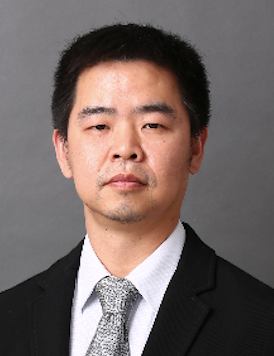 Zhe Chen (陈哲)合作论文数School of Materials Science and Engineering, Shanghai Jiao Tong University6
 Samantha Daly合作论文数Department of Mechanical Engineering, University of California at Santa Barbara6
 Shang Sun合作论文数School of ArchitectureUnited States, University of Southern California5
 Roy Arunabha合作论文数5
 Raymundo Arroyave合作论文数Department of Materials Science & Engineering, College of Engineering, Texas A&M University5Adam V. Duran合作论文数4
 Shardul Panwar合作论文数Toyota Research Institute North America4
 Rosanne Liu合作论文数Google Brain4
 Shiva Rudraraju合作论文数Department of Mechanical Engineering, College of Engineering, University of Wisconsin-Madison3Sundar Srihari合作论文数3
 Arulmurugan Senthilnathan合作论文数Virginia Polytechnic Institute, State University3G. Moeini合作论文数Inst Mech Engn, Westphalian Univ Appl Sci3Sangmin Lee合作论文数3
 Duncan A. Greeley合作论文数Materials Science and Technology Division, Oak Ridge National Laboratory3Gurmeet Singh合作论文数3
 Wei-keng Liao合作论文数Department of Electrical Engineering and Computer Science, McCormick School of Engineering, Northwestern University;Center for Ultra-scale Computing and Information Security, McCormick School of Engineering, Northwestern University3
 Marc De Graef合作论文数Department of Materials Science and Engineering, College of Engineering, Carnegie Mellon University3
 Carsten Könke合作论文数Institute of Structural Mechanics, Bauhaus-University Weimar3
 David Montiel合作论文数3
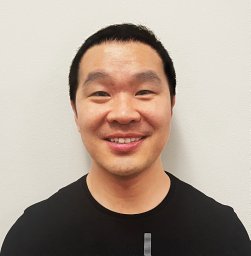 Zhengzhang (Zach) Chen合作论文数Data Science & System Security Department, NEC Laboratories America, Inc.;Northwestern University3
 Jeff P. Simmons合作论文数Air Force Research Laboratory, AFRL/MLLM3Megna Shah合作论文数3
 Avinkrishnan Vijayachandran合作论文数Composites Struct Lab, Univ Michigan2Niloufar Habibi合作论文数Rhein Westfal TH Aachen, Steel Inst2Tracy D. Berman合作论文数2
 Qianying Shi (石倩颖)合作论文数Dept Mat Sci & Engn, Univ Michigan2
 Amin Reihani合作论文数Univ Michigan, Dept Mech Engn, Ann Arbor, MI 48109 USA2Alireza Soleimani合作论文数Inst Theoret Phys, Georg August Univ Gottingen2
 Krzysztof S Stopka合作论文数Corresponding author.2
 Anirudh Raju Natarajan合作论文数Materials Department, University of California, Santa Barbara2
 Katsuyo Thornton合作论文数Department of Materials Science and Engineering, College of Ehgineering, University of Michigan2
 Emmanuelle Marquis合作论文数Materials Science and Engineering Department, University of Michigan2




