Upregulation of TGFβ and Cox2 in the tumor microenvironment results in blockade of T-cell penetration into the tumor. Without access to tumor antigens, the T-cell response will not benefit from administration of the immune checkpoint antibodies. We created an intravenous polypeptide nanoparticle that can deliver two siRNAs (silencing TGFβ and Cox2). Systemic administration in mice, bearing a syngeneic orthotopic hepatocellular carcinoma (HCC), delivers the siRNAs to various cells in the liver, and significantly reduces the tumor. At 2 mg/kg (BIW) the nanoparticle demonstrated a single agent action and induced tumor growth inhibition to undetectable levels after five doses. Reducing the siRNAs to 1mg/kg BIW demonstrated greater inhibition in the presence of PD-L1 mAbs. After only three doses BIW, we could still recover a smaller tumor and, in tumor sections, showed an increase in penetration of CD4+ and CD8+ T-cells deeper into the remaining tumor that was not evident in animals treated with non-silencing siRNA. The combination of TGFβ and Cox2 siRNA co-administered in a polypeptide nanoparticle can act as a novel therapeutic alone against HCC and may augment the activity of the immune checkpoint antibodies. Silencing TGFβ and Cox2 converts an immune excluded (cold) tumor into a T-cell inflamed (hot) tumor.
The non-nucleoside analog gemcitabine has been the standard of care for treating pancreatic cancer. The drug shows good potency in pancreatic cancer cells in vitro but, due to poor bioavailability, requires administration in large doses by infusion and this systemic exposure results in significant toxicity for the patient. Genes have been identified that, when silenced by siRNA, synergize with gemcitabine treatment and offer a means of reducing the gemcitabine dosage required for efficacy. However, benefiting from the synergism between the two agents requires that the gemcitabine and siRNA penetrate the same cells. To ensure co-delivery, we incorporated gemcitabine covalently within siRNAs against targets synergistic with gemcitabine (CHK1 or RAD17). We demonstrated that specific bases within an siRNA can be replaced with gemcitabine to increase efficacy. The result is a single drug molecule that simultaneously co-delivers gemcitabine and a synergistic siRNA. The siRNA-gemcitabine constructs demonstrate a 5-30-fold improvement in potency compared with gemcitabine alone. Co-delivering a CHK1 siRNA-gemcitabine construct together with a WEE1 siRNA resulted in a 10-fold improvement in IC50 compared with gemcitabine alone. These constructs demonstrate efficacy across a wide array of pancreatic tumor cells and may represent a novel therapeutic approach for treating pancreatic cancer.
Excessive skin scars due to elective operations or trauma represent a challenging clinical problem. Pathophysiology of hypertrophic scars entails a prolonged inflammatory and proliferative phase of wound healing. Over expression of TGF-β1 and COX-2 play key regulatory roles of the aberrant fibrogenic responses and proinflammatory mediators. When we silenced TGF-β1 and COX-2 expression simultaneously in primary human fibroblasts, a marked increase in the apoptotic cell population occurred in contrast to those only treated with either TGF-β1 or COX-2 siRNA alone. Furthermore, using human hypertrophic scar and skin graft implant models in mice, we observed significant size reductions of the implanted tissues following intra-scar administration of TGF-β1/COX-2 specific siRNA combination packaged with Histidine Lysine Polymer (HKP). Gene expression analyses of those treated tissues revealed silencing of the target gene along with down regulations of pro-fibrotic factors such as α-SMA, hydroxyproline acid, Collagen 1 and Collagen 3. Using TUNEL assay detection, we found that the human fibroblasts in the implanted tissues treated with the TGF-β1/COX-2siRNAs combination exhibited significant apoptotic activity. Therefore we conclude that a synergistic effect of the TGF-β1/COX-2siRNAs combination contributed to the size reductions of the hypertrophic scar implants, through activation of fibroblast apoptosis and re-balancing between scar tissue deposition and degradation.
 Patrick Lu合作论文数5John J Xu合作论文数3alan y lu合作论文数2Jau-Hau Horng合作论文数1Chang-Ru Wu合作论文数1
 Yixuan Zhao合作论文数1Patterson-Orazem Athéna C合作论文数1Daniel Mutisya合作论文数Binghamton University, The State University of New York1
 Yangbai Sun (孙仰白)合作论文数Fudan University Cancer Hospital1Xiaoyong Lu合作论文数1
 Kai Liu (刘凯)合作论文数Ninth People’s Hospital, School of Medicine, Shanghai Jiaotong University1
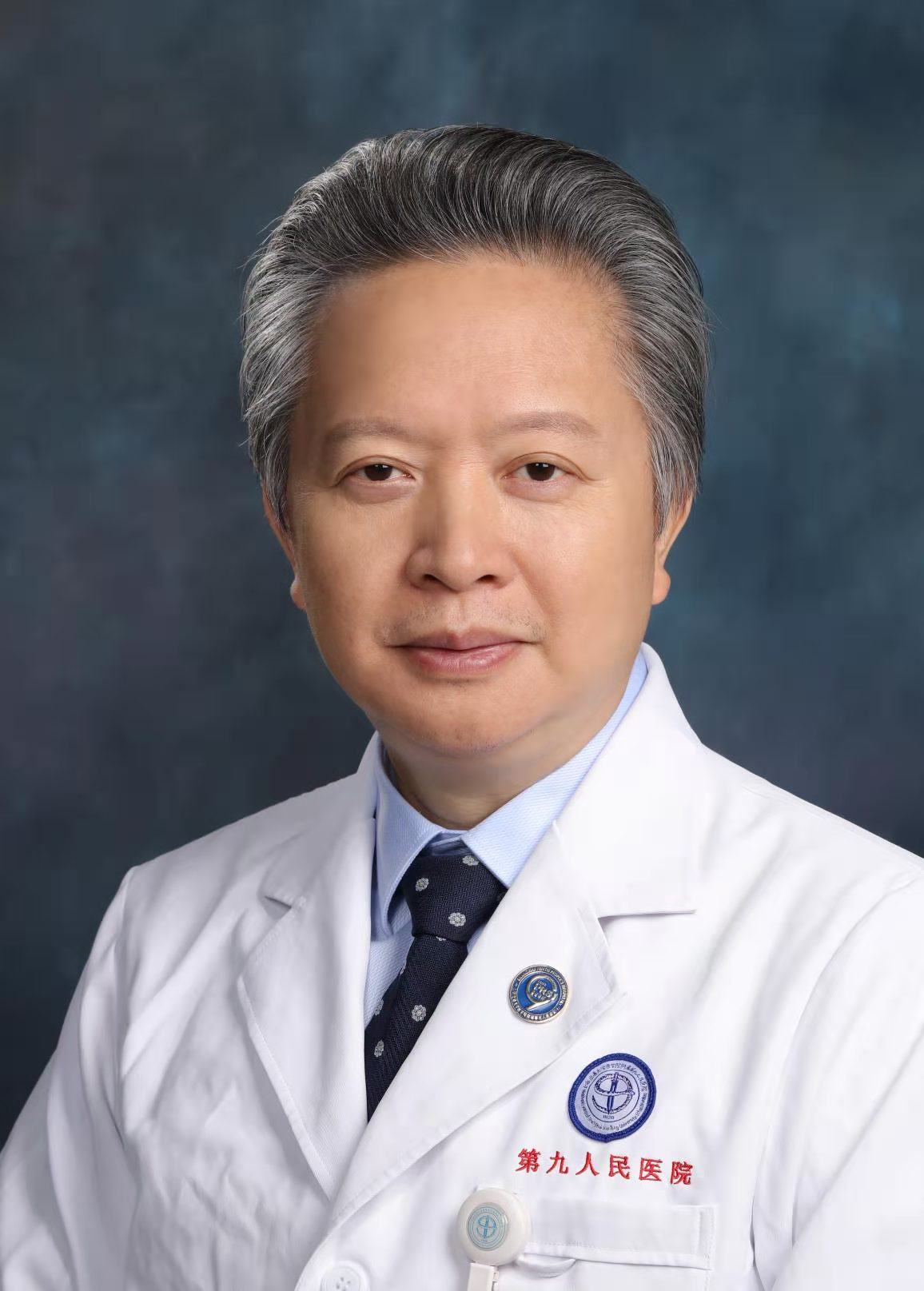 Qingfeng Li (李青峰)合作论文数Shanghai Ninth People's Hospital, School of Medicine, Shanghai Jiao Tong University1
 David M. Evans合作论文数Carrog Consulting;Department of Earth Sciences, The Natural History Museum1
 Chunbo Shao合作论文数1Aranganathan Shanmuganathan合作论文数Department of Chemistry, National Chung Hsing University;Department of Chemistry, National Tsing Hua University1
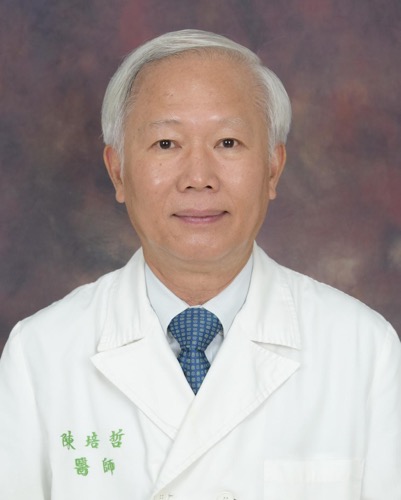 Pei-Jer Chen (陳培哲)合作论文数Graduate Institute of Clinical Medicine, College of Medicine, National Taiwan University;National Taiwan University Hospital1
 Steven Long合作论文数1
 Archibald James Mixson合作论文数Metabolism Branch, National Cancer Institute National Institutes of Health1




