The term Hadley flow is used in a general sense to describe buoyant flows driven by an externally-imposed temperature gradient inclined to the vertical. The thermal instability of the Hadley flow in a fluid-saturated horizontal porous layer has been widely studied in the literature during the past three decades. Recently, further results have been obtained on this subject, by investigating the effects of the boundary conditions, the heterogeneity of the porous medium, and the inclination of the layer to the horizontal. The main numerical and analytical results obtained will be surveyed and discussed.
Starting from experimental results and first-principle simulations we have developed a transport model for amorphous chalcogenides based upon a hopping process among traps. The conduction mechanism is suitably modeled by means of a generalization of the variable-range hopping, and studied stochastically through Monte Carlo simulations. The transition rates available in the literature have been modified by incorporating the effects of the local electric field. The improved model is able to reproduce the S-shaped current-voltage characteristics of these materials. Simulations have shown that the snap-back effect in the J(V) curve can be ascribed to the formation of domains of opposite charges within the material close to the contact region, acting as a positive feedback for carriers. A microscopic particle description is also used to detect the formation of filaments inside the chalcogenide material.
Aim of this study is the development of a system for the measurement of frequency values of some physical variables such as the damping factor, the thickness of a structural element, the structural reverberation time and the longitudinal wave speed propagation in light brick walls. Such variables are required by the UNI EN 12354-1 normative for the analytical estimation of the sound reduction index R of monolithic elements in the laboratory. The results of the calculation, as a function of frequency, will be shown and compared with the measured values of the sound reduction index R.
 Massimo Garai合作论文数University of Bologna;DIENCA Viale Risorgimento;DIENCA Viale Risorgimento, University of Bologna7
 Roberto Gaddi合作论文数5
 Antonio Gnudi合作论文数Universita di Bologna4
 Benno Margesin合作论文数3
 Flavio Giacomozzi合作论文数3
 ibm corp合作论文数2M. Bellei合作论文数2Robert Damiano合作论文数2roberto suaya合作论文数2hans kosina合作论文数2viale pepoli合作论文数2e de castro合作论文数2grant martin合作论文数2
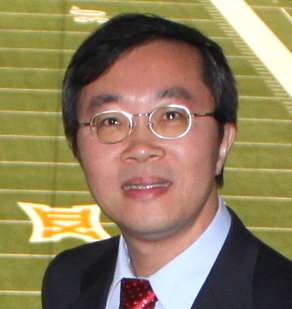 David Z. Pan合作论文数Department of Electrical and Computer Engineering, Cockrell School of Engineering, University of Texas at Austin;Computer Science Department, The University of Texas at Austin2
 Simona De Cesaris合作论文数Department of Industrial Engineering, University of BolognaViale Risorgimento2wolfgang kunz合作论文数2
 Naehyuck Chang合作论文数Samsung SDI America Inc.2
 Massimo Poncino合作论文数Department of Control and Computer Engineering, Politecnico di Torino;Dipartimento di Automatica e Informatica, Politecnico di Torino2
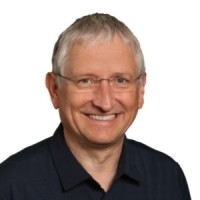 Andreas Kuehlmann合作论文数Cycuity2
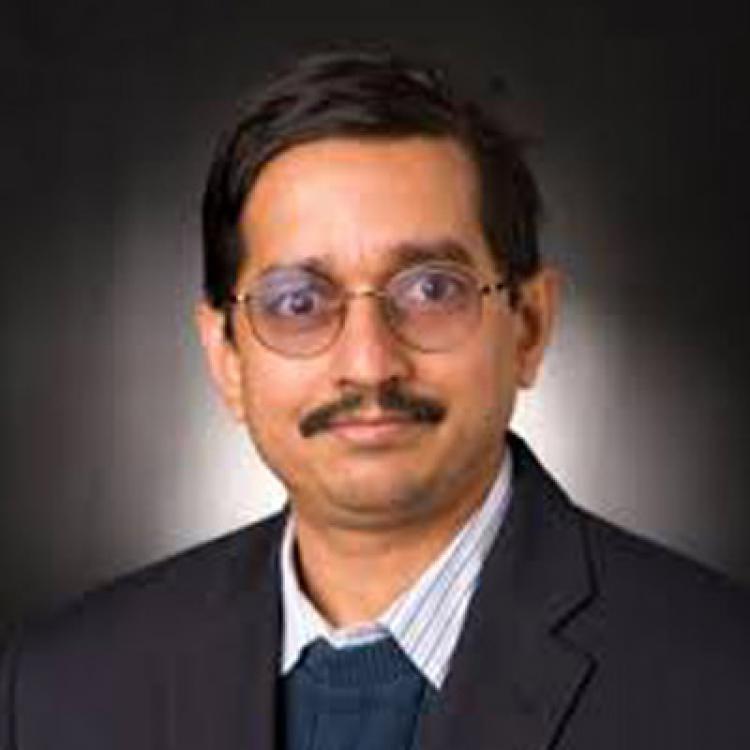 Vijaykrishnan Narayanan合作论文数School of Electrical Engineering and Computer Science, College of Engineering, Pennsylvania State University2
 Petru Eles合作论文数Department of Computer and Information Science, Linkoping University2
 Enrico Macii合作论文数Interuniversity Department of Regional and Urban Studies and Planning, Politecnico di Torino2
 Carlo Jacoboni合作论文数Dipartimento Di Scienze Fisiche, Informatiche E Matematiche, Universita degli Studi Di Modena E Reggio Emilia2
 Stephen A. Edwards合作论文数Department of Computer Science, Columbia University2
 R. Iris Bahar合作论文数Department of Computer Science, School of Engineering, Brown University;Department of Computer Science, Colorado School of Mines2
 Matteo Fischetti合作论文数Dipartimento di Ingegneria dell’Informazione, University of Padova2
 Vittorio Rizzoli合作论文数University of Bologna2
 Luís Miguel Silveira合作论文数Departamento de Engenharia Electrotecnica e de Computadores, Instituto Superior Técnico, Universidade de Lisboa2John Lach合作论文数2
 Steven M. Nowick合作论文数Department of Computer Science, Columbia University2
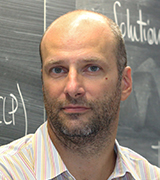 Andrea Lodi合作论文数Jacobs Technion-Cornell Institute, Cornell Tech2
 Fabrizio Buscemi合作论文数Department of Electronics;Computer Science and Systems;University of Bologna;Department of Electronics, University of Bologna2
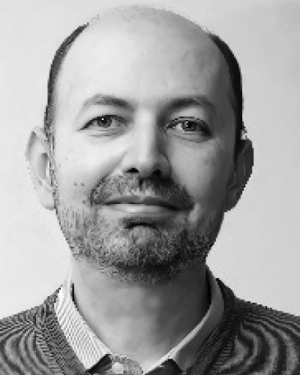 Paolo Guidorzi合作论文数University of Bologna;DIENCA Viale Risorgimento;DIENCA Viale Risorgimento, University of Bologna2
 Rossella Brunetti合作论文数2
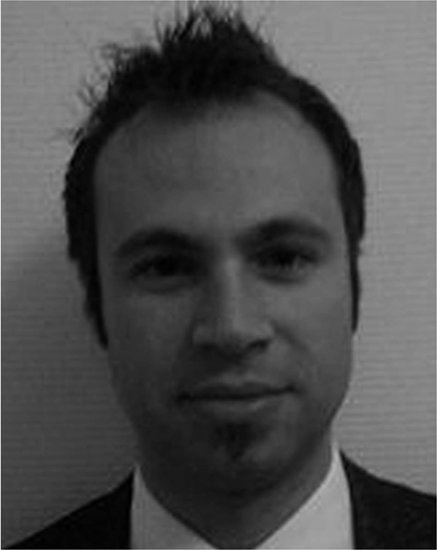 Claudio Palestini合作论文数2
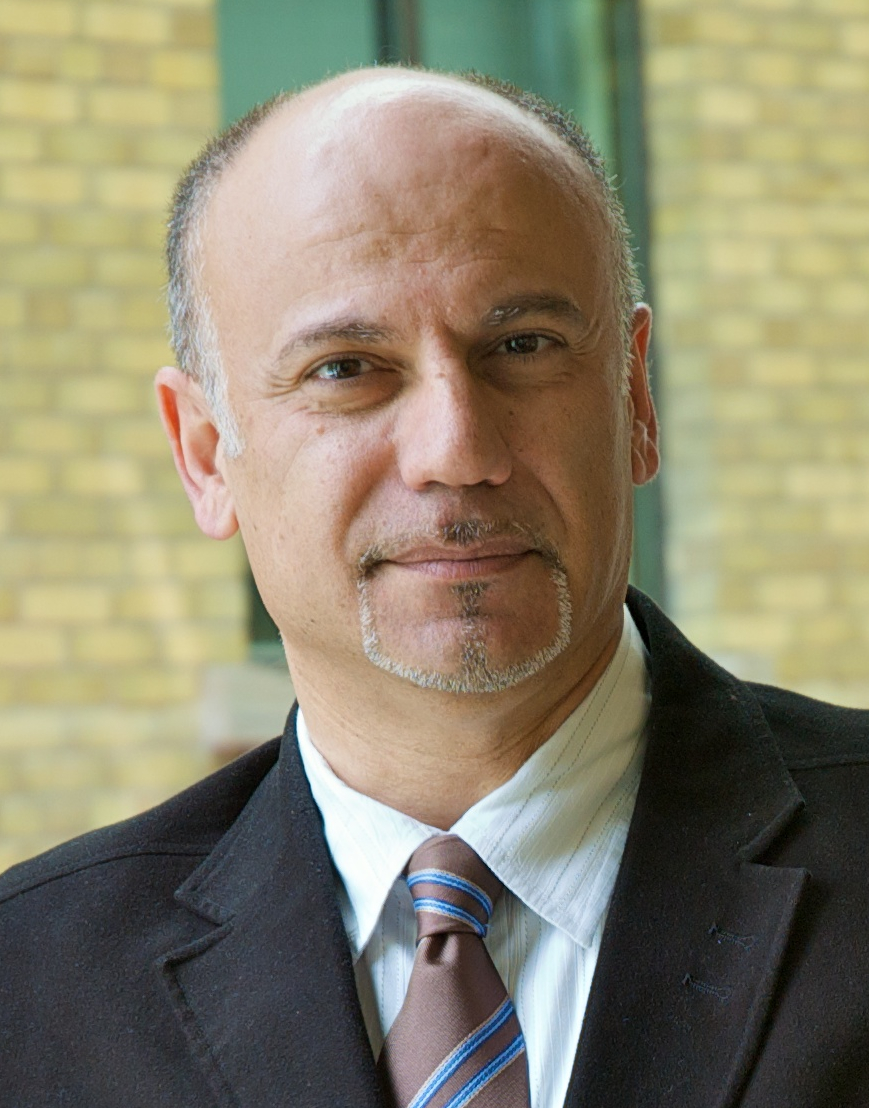 Farid N. Najm合作论文数The Edward S. Rogers Sr. Department of Electrical and Computer Engineering, Faculty of Applied Science & Engineering, University of Toronto2
 Bruno Riccó合作论文数University of Bologna2Reggio Emilia合作论文数2
 Raffaella Pedone合作论文数2
 Sachin Sapatnekar合作论文数Department of Electrical and Computer Engineering, College of Science and Engineering, University of Minnesota2Lou Scheffer合作论文数Allen Telescope Array2Raul Camposano合作论文数Silicon Engineering Group2
 Valeria Bertacco合作论文数Department of Electrical Engineering and Computer Science, College of Engineering, University of Michigan;Addis Ababa University;Agita Labs2S. Danesi合作论文数1M. Milano合作论文数1Pitti, L.合作论文数1e limiti合作论文数1robert rumeau合作论文数1M. Rudan合作论文数1




