Using a panel of human/rodent somatic cell hybrids and human lymphoblast lines segregating 18 different human X-chromosome rearrangements and deletions, we have assigned 60 DNA markers to the physical map of the X chromosome from Xp21.1 to Xq21.3. Data from Southern blot hybridization and polymerase chain reaction (PCR) amplification assign these markers to 15 primary map intervals. This provides a basis for further long-range cloning and mapping of the pericentromeric region of the X chromosome.
We have created somatic cell hybrids between the temperature-sensitive mouse cell line tsA1S9 and human cell lines in order to localize the human gene (A1S9T) complementing the cell cycle defect of the murine line. Segregation of the human X chromosome is completely concordant with growth at the nonpermissive temperature. Hybrids retaining the X chromosome are temperature-resistant, whereas those without a human X are temperature-sensitive. Further hybrids made using human cell lines with X-autosome translocations indicate that the A1S9T gene is located on the short arm of the human X chromosome.
The fast-twitch and slow-twitch/cardiac Ca2+ ATPase genes have been assigned to human chromosomes 16 and 12, respectively, using rodent-human somatic cell hybrids and filter hybridization analysis of cell hybrid DNA. A rabbit cDNA for the fast-twitch ATPase hybridizes to a prominent single fragment in human genomic DNA digested with the restriction enzyme BamHI. By correlating the presence of this fragment in somatic cell hybrid DNA with the human chromosome content of the hybrids, the fast-twitch ATPase gene can be assigned to human chromosome 16. A slow-twitch/cardiac ATPase cDNA clone was isolated from a human muscle cDNA library and used to detect human fragments in EcoRI-digested somatic cell hybrid DNA. By correlating the presence of these fragments with the human chromosome content of the hybrids, the slow-twitch/cardiac ATPase gene can be assigned to human chromosome 12. Thus, the two ATPase genes, which are probably related to each other by an ancient duplication event, are not syntenic in the human genome.
The alpha satellite DNA subset located at the centromere of human chromosome 17 has been shown to be tightly linked genetically to the gene for von Recklinghausen neurofibromatosis (NF1). The centromeric DNA polymorphisms used for linkage analyses in NF1 are complex and involve a "locus" (D17Z1) that spans over one million base pairs of satellite DNA. To understand more completely the basis for these polymorphisms and how they might be best scored and used in the analysis of NF1, we have examined the molecular composition of the alpha satellite array on individual copies of chromosome 17 by two complementary approaches. First, we have analyzed segregation of chromosome 17 alpha satellite haplotypes in large, three-generation families that provide information on the different types of alpha satellite segregating in a block fashion. Second, we have analyzed directly the extent of variation in different D17Z1 arrays by genomic blotting analysis of haploid copies of chromosome 17 isolated in rodent/human somatic cell hybrids. The data indicate the existence of a wide range of different alpha satellite variants on individual copies of chromosome 17, each haplotype differing in the size, restriction map, and relative proportion of particular polymorphic repeat forms. Despite this complexity, the D17Z1 markers provide a potentially useful and genetically close starting point for the molecular and clinical analysis of NF1.
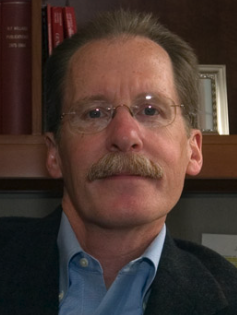 Huntington F. Willard合作论文数Howard Hughes Medical Institute4
 Paul Holland合作论文数1Laura Carrel合作论文数1
 Carolyn J.Brown合作论文数Department of Medical Genetics, Faculty of Medicine, The University of British Columbia1
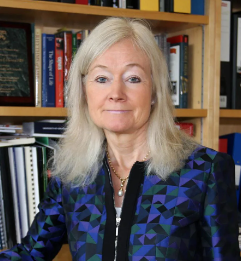 Kay Davies合作论文数Department of Physiology, Anatomy and Genetics, University of Oxford1
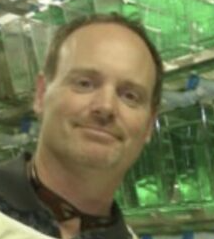 Pierre Drapeau合作论文数Département de Neurosciences, Faculté de Médecine, Université de Montréal;Centre de Recherche, CHUM1
 Carolyn Brown合作论文数Department of Medical Genetics, Faculty of Medicine, University of British Columbia;Life Sciences Institute, The University of British Columbia1John Waye合作论文数Department of Pathology & Molecular Medicine, Faculty of Health Sciences, McMaster University1
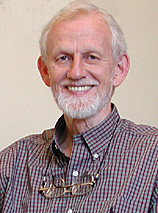 David H. MacLennan合作论文数Banting and Best Department of Medical Research, University of Toronto1
 David Barker合作论文数School of Chemical Sciences, School of Biological Sciences, Faculty of Science, The University of Auckland1Gillian M. Greig合作论文数1Shashikant Champaneria合作论文数1Christopher J. Brandl合作论文数Schulich School of Medicine and Dentistry, University of Western Ontario1Rose Sheinin合作论文数1




