Background: Healthy lifestyle behaviours established during adolescence and early adulthood strongly shape later non-communicable disease risk. In rural settings, young people often face constraints that go beyond awareness such as academic pressure, limited opportunities for structured physical activity, and practical challenges related to diet. Objectives: To estimate the prevalence of perceived barriers across key lifestyle domains and to examine their association with selected sociodemographic characteristics among rural youth. Methods: An analytical study was conducted among 15–24 years students. Participants were selected using multistage sampling from educational institutions. Perceived barriers were assessed using a validated “Barriers to a Healthy Lifestyle” questionnaire covering nutrition, physical activity, and psychosocial stress domains, with responses recorded on a five-point Likert scale. Determinants were examined using multivariable logistic regression, and adjusted odds ratios (aOR) with 95% confidence intervals (CI) were reported. Results: High perceived barriers were reported by 49.0% of participants in the psychosocial stress domain, 47.0% in nutrition, and 45.3% in physical activity. Examination-related stress (68.0%) and lack of healthy food availability within institutions (55.0%) were the most frequently endorsed barriers. Male students had significantly higher odds of reporting lower perceived barriers across nutrition (aOR 2.15; 95% CI 1.25–3.67), physical activity (aOR 2.41; 95% CI 1.40–4.14), and psychosocial stress (aOR 2.53; 95% CI 1.47–4.36). Students in 12th grade and college demonstrated significantly higher perceived stress barriers compared to those in 10th–11th grade. Conclusion: Nearly half of rural, school-going youth reported high perceived barriers to healthy lifestyle practices, particularly related to psychosocial stress, diet, and physical activity.
INTRODUCTION:Adolescents today are undergoing physical, emotional, and social changes to grow up as healthy and productive individuals. They have very specific needs that must be met, chief among which is sexual reproductive health information. However, even when information is supplied to adolescents, much of the information can be incorrect or even be used to encourage adolescents to practice sexual health adversely. It is thus the aim of this study to assess the level of knowledge, attitudes, and perceptions that adolescents have with regard to sex education and to assess the impact of a specific sex education program in the rural and urban settings of Varanasi, India. MATERIALS AND METHODS:The study was conducted using a single-group, pre-post interventional approach. A total of 370 adolescents (11-18 years) studying in schools and colleges of rural and urban areas of Varanasi, Uttar Pradesh, were selected as the study population. The present study assessed adolescents' baseline sexual health knowledge and their attitudes and perceptions regarding sex education and examined the immediate changes in these outcomes following a structured sex education session. A single session of sex education was conducted for the study participants after 60 minutes of baseline questionnaire, and the same questionnaire was administered to them immediately after the intervention. Paired comparisons were made using appropriate statistical tests. RESULTS:The findings were further summarized to reveal that 70.0% of the adolescents studied had low knowledge of sex education, 41.4% had a low attitude towards sex education, and 61.1% had a low perception of sex education. However, all these scores indicated significant improvement in the knowledge, attitude, and perception (KAP) of the adolescents towards sex education following the intervention. The mean knowledge scores on sex education increased from 1.75±1.20 at the baseline to 4.53±0.85 at the end line. Similarly, the mean scores for attitude towards sex education increased from 3.59±1.60 at the baseline to 5.11±0.90 at the end line. The mean scores for perception on sex education increased from 1.38±1.01 at the baseline to 2.20±0.86 at the end line. The overall mean KAP scores increased from 6.72±2.61 at the baseline to 11.84±1.85 at the end line, with a mean gain of 5.11 points (95% CI: 4.79-5.44; p<0.001). The awareness of the adolescents regarding issues such as awareness of the lesbian, gay, bisexual, and transgender (LGBT) community increased from 9.2% at the baseline to 84.1% at the end line. CONCLUSION:Thus, there was a significant change in KAP of adolescents with regard to sex education through the said intervention. The findings of the study would help in promoting and integrating into the school and college curriculum of the country, in general, and the state of Uttar Pradesh, in particular, sex education programs that are culturally appropriate to equip adolescents to make informed decisions regarding their sexual and reproductive health.
Background: Digitalization in the form of increased Internet use through screen media has also shown its ramification like cyberbullying. They are aggressive acts with the intention or motivation to harm another person through technology. The aim is to study the prevalence of cyberbullying and its association with mental illness in the adolescent age group (15–19 years). Methods: This community-based cross-sectional study was rolled out among adolescents aged 15–19 years. A total of 387 were given a semistructured interviewer-administered questionnaire consisting of general details, cyberbullying victimization, and offending questions, PHQ-9 and GAD-7. Results: The mean (SD) age was 16.8 (1.3) years. More than half (53.2%) were males, and nearly three-fourths (74.4%) were school-going. Around 28.2% reported being cyberbullied at least once in their lifetime. About 7.0% of adolescents were cyberbullied more than once, and 0.8% more than five times in the past 30 days. The most common ways were posting a mean or hurtful picture (31.9%) and the concerned person’s comments (24.2%) online. Multivariable logistic regression analysis found that adolescents attending colleges (AOR 1.9, 95% CI 1.1 to 3.4), using tobacco (AOR 2.5, 95% CI 1.4 to 4.5), and depressed (of any severity, AOR 2.0, 95% CI 1.1 to 4.3) were at significantly increased risk of being cyberbullied (P < 0.05). Conclusion: The prevalence of cyberbullying among adolescents aged 15–19 is notable, with significant associations found between cyberbullying and attending college, tobacco use, and depression. Understanding the correlates of cyberbullying can inform targeted interventions to support mental health and well-being among adolescents.
Book Name : Own Your Body - A Doctor's Life-saving Tips Authors : Dr. Shiv Sarin Publisher : Bloomsbury Publishing India Pvt. Ltd Number of Pages : 347 Year of Publication : 2024 ISBN : 9789356400306 Volume : Not applicable Our constant quest of advancement in today's linked and fast-paced globe frequently has a negative impact on our health, particularly our liver. We frequently forget how our fast-paced lifestyle affects our bodies, especially our livers. The comforts we take for granted, including eating processed fast food and being inactive, can seriously jeopardise our general health. Days full with never-ending chores, rushed lunches and many hours spent squinting over computers at desks. Our liver, an essential organ for our general health, can be greatly impacted by the hectic pace of contemporary living. An extraordinarily adaptable organ, the liver is in charge of vital processes such as metabolism, cleansing and nutrition storing. Still, this strong organ is continually exposed to poisons, bad fats and too much sugar, especially in this day of sedentary behaviour and easy access to fast food temptations. We must confront the results of our lifestyle choices and give our key organs' health first attention. We can take control of our well-being and our liver health by making wise decisions and adopting sustainable lifestyles. The writers are interested in the new book 'Own Your Body', written by Dr. Shiv Sarin. It seeks to empower the people as well as medical professionals. No hurry to title it as a remarkable and timely book, Own Your Body: A Doctor's Life-saving Tips offers a wealth of scientific information to assist readers in understanding their genetic background and improving their general health. Through perceptive stories and useful guidance, the book emphasises the value of lifestyle decisions in preventing diseases and fostering good health. Giving insightful information on common health problems including obesity, diabetes, hypertension and fatty liver, this website acts as a warning and a manual for attaining the best possible health. To preserve well-being, the author stresses the need for individual responsibility and encourages adopting preventative measures to safeguard the health of the next generations. Own Your Body has the potential to become a reference for individuals everywhere who desire to enhance their well-being because of its straightforward and understandable language. Readers are enabled by it to make wise decisions and lead better lives. This review extols the book's great influence and exhorts readers to follow its life-saving advice. The five chapters in the form of stories address typical health issues that many people face, some of whom might not be aware of the effects on their liver, which is essential to our body's metabolism. Serving a broad readership that may identify with these anecdotes, this part addresses the prevalence of fatty liver diseases independent of a person's weight. Although overweight people are more at danger from liver fat build-up, even those who are deemed healthy or thin may not be safe. Remarkably, about 20% of individuals afflicted have normal weight but are predisposed genetically. This weakness draws attention to the increased possibility of major diseases such as liver cancer and drug-related liver damage. It highlights the need of increasing knowledge and doing early screening. These narratives offer priceless information for preserving general health and liver wellness. Their useful advice and first-hand accounts inspire people to take charge of their health. Stories in Section 1 explore the mysterious realm of liver-related problems. Every story begs the poignant question, 'Why me?' from the 26-year-old culinary adventurer dealing with liver problems to the thin 21-year-old who finds herself ensnared in the web of fatty liver riddles. Moving on in Section 2, the scope of health issues expands to cover many bodily parts. This chapter deftly examines the relationship between hereditary legacies and medical disorders, illuminating how skin tags and moles can function as indicators of common genes and examining the intricate interactions between genes and lifestyle choices in the development of diabetes and high blood pressure. Finding a breast nodule makes us look into several facets of our health and our general wellness. But in Section 3, individual anxieties hang over the whole of life. From battling the serious consequences of weight gain linked to thyroid disease to the mystery of how a fat liver may subtly disrupt the heart's rhythm, every concern in this well-written story whispers of mortality's quiet warning. The stories in Section 4 make clear the fragile fragilities of childhood health. Understanding complicated medical diseases may be tough for parents, from the challenging path of pancreatitis in young girls to hormonal shifts in their teenage boys. Generations have been affected by the gallstones' story, which is one of the common struggles and group resilience. Section 5's narrative arc explores family life and highlights the significant effects of health swings. The anecdotes in this anthology skilfully convey the interdependence of our lives and the potential for far-reaching effects of our deeds. The author deftly tackles the subject of acceptance in Section 6, providing some optimism in the face of challenging medical conditions. The statements motivate us to face our flaws head-on and boldly go forward. Section 7 offers insightful information on how to get long-lasting health and well-being outside of conventional medical procedures and is a potent illustration of the human spirit unwavering. Together, let us explore the marvels of human health and welcome the complexities of life. This book gives a complete and in-depth look at how knowing your genetic heritage and lifestyle choices may help you live a healthier life. By means of realistic stories and useful guidance, the book emphasises the need for self-awareness and proactive health management. Whether by preventative measures or necessary medical treatment, this book provides important information on identifying and resolving any health difficulties. To ensure the welfare of the next generations, the book also stresses the need of encouraging good practices inside families. It is advised of the readers to take charge of their health and make wise decisions. Furthermore, the book provides a considered viewpoint on handling hereditary health issues and exhorts readers to refrain from placing blame on their families or themselves for hereditary tendencies. It urges taking the initiative to improve health results and break the cycle of bad habits. Writing with a focus on scientific insights and evidence-based advice, 'Own Your Body' gives readers the information and resources they need to successfully manage their health journey. Ultimately, 'Own Your Body' encourages self-care and personal responsibility for preserving good health as opposed to depending just on medical procedures. The book urges readers to pursue general well-being, stresses the need for preventative measures, and advocates the adoption of a healthy lifestyle. The book inspires readers to accept their own responsibility and authority, therefore enabling them to control their own health results and positively impact the welfare of mankind. Financial support and sponsorship Nil. Conflicts of interest There are no conflicts of interest.
Background: A significant portion of India's 1.2 billion population consists of elderly individuals, accounting for approximately 8.6%, who incur substantial out-of-pocket (OOP) healthcare expenses. Any policy for the elderly should encompass financial protection from illness-related expenditures. However, the lack of comprehensive information on OOP expenditure and its determinants precludes such action. Methods: We conducted a cross-sectional study of 400 elderly persons residing in the rural town of Ballabgarh. The participants were randomly selected using the health demographic surveillance system. We utilized questionnaires and tools to assess the costs associated with outpatient and inpatient services in the previous year, as well as gather information on socio-demographics (individual characteristics), morbidity (motivation for seeking care), and social engagement (health-seeking). Results: A total of 396 elderly persons participated, with a mean (SD) age of 69.4 (6.7), and 59.4% females. Nearly 96% and 50% of the elderly availed of outpatient and inpatient services, respectively, in the preceding year. The mean (IQR) annual OOP expenditure, as per the consumer price index 2021, was INR 12,543 (IQR, INR 8,288-16,787), with a median of INR 2,860 (IQR, INR 1,458-7,233), explained significantly by sex, morbidity status, social engagement, and mental health. Conclusion: In low-middle-income countries like India, policymakers may consider pre-payment mechanisms like health insurance for the elderly, using such prediction scores.
Evidence suggests that individuals with gender dysphoria/gender incongruence often experience a disproportionately high burden of disease, including in the domains of mental, sexual and reproductive health. Very few of the Lesbian, gay, bisexual, transgender, queer or questioning (LGBTQ) population seek medical or surgical treatments, others do not speak up for their condition because of the societal taboo and suffer from illnesses which fully impact the potential and well-being of the individual. We present a case of a 24-year old boy who never got treated for gender dysphoria and was ignored by the family, was made fun of by the society and ended up having Paranoid disorder secondary to gender dysphoria. This clearly indicates the need specialist health care professionals who can identify the individual for proper treatment and connect him to support groups, who can guide and educate the family and the society on the need to accept the individual in a way in which he wants to be accepted.
The National Health Family Survey (NFHS) is one of the largest cross-sectional surveys in the world and plays a very important role in seeing the health sector's growth in India. Its comprehensiveness in data points serves as a baseline for policymakers to amend or continue the health policy at the national and state levels. It is also imperative to look up the survey's major findings and compare the same with the previous survey finding to obtain a trend (positive/negative) of the placed data indicators. In writing this information, we aim to provide a researched paper to undergraduates and postgraduates in medical education to identify the trends or gap pockets in NFHS-4 and NFHS-5. These findings might help them as an educational piece of work and further research evidence in their local community. Also, the present work is the compilation of demographic characteristics and major health indicators.
Health care workers (HCWs) are the frontline workers working tirelessly during the pandemic of coronavirus disease-2019 (COVID-19). The same HCW, after duty, is exposed to his/ her community which again increases the risk of infection. Hence, with an increased risk of exposure, we cannot afford to lose our frontline workers due to sickness or more. In the absence of any definitive antiviral treatment, unclear modes of transmission, burnout working hours, fatigue, societal stigma related to disease etc., a HCW is exposed to psychological distress and many a time develops an anxiety/panic condition which can increase the chances of work-place error and thus can increase the likelihood of infection. In this article, we have shared our experience with contact tracing among HCWs, what we have learned in the past two years, and proposed a way forward.
Childhood injuries are a major public health challenge in India and globally. This systematic review was conducted to understand the burden and spectrum of childhood injuries, with a focus on unintentional injuries, among children 5–14 years of age and to suggest approaches to prevention that can be adopted in the Indian context. This systematic review was conducted with the standard approach and use of keywords. A total of 33 studies which were found to be relevant were analyzed. Road traffic accidents (RTAs) contribute to nearly 85% of all unintentional injuries and related deaths and 90% of disability-adjusted life years (DALYs) lost in developing countries. Poor traffic regulation, heavy traffic load, and poor skill of identifying the dangerous road crossing sites make the children's age group vulnerable and prone to RTA. Children with poor skill of identification and response to dangerous road crossing sites, along with heavy unregulated traffic were found to be the major reasons for such accidents and make this age group more vulnerable. Public health-based prevention approaches need to be based upon legislation, regulation, and enforcement, as well as environmental modification, education and skill development, emergency medical care using levels of prevention, and principles of targeted prevention to effectively address child health challenges. Addressing child injuries should be a key component of all endeavors aimed at enhancing child mortality and morbidity rates, as well as the overall welfare of children, both at the national and global levels. It is imperative to prioritize policies focused on preventing unintentional injuries across all age groups, with particular attention to children.
Coronavirus disease 2019 (COVID-19) is here to stay. Nonpharmacological interventions such as hand hygiene, social distancing, and respiratory hygiene have remained the mainstay to curb the spread of the virus, and these are sustainable. To understand the information, education, and communication (IEC) efforts undertaken during previous pandemics and successful behavior change strategies that may be applicable to ongoing COVID-19 pandemic, we conducted a narrative review of articles using PubMed search on September 11, 2022. The results highlighted that reinforced IEC is the need of the hour in efforts against COVID-19 pandemic. The communication strategy during a pandemic should be of three stages aligned to the objectives of building a basic understanding and knowledge in the target population: building an awareness of the threat; personal actions to minimize the impact; and reinforcing the need for appropriate actions to minimize disease transmission, in that order. An innovative strategy of displaying IEC on the daily essential products can result in a sustainable solution that might result in a “felt need” in the community to follow COVID-19 appropriate behavior. A broad base of stakeholders' engagement with civil bodies, nongovernmental organizations, private sectors with well-defined responsibilities and accountability would offer an enabling environment for these efforts in ultimately curbing the COVID-19 pandemic.
Use of energy drinks has dramatically increased in recent times. Athletes, teenagers and students being the most common population who consume it. Users believe that they are a source of instant energy but are unaware of its high Caffeine content resulting in severe adverse effects on health. We reported the case of a young boy who presented with palpitations and high blood pressure after a recent start of energy drink consumption. He had been consuming ‘monster’ energy drink on regular basis as his annual sports meet was round the corner and he had to practise for hours for an upcoming football match. His medical examination revealed Sinus tachycardia and high blood pressure on more than 3 occasions. Rest of the physical examination and lab workup was within normal limits. His pulse and blood pressure returned to normal range after discontinuing ‘monster’ energy drink usage and he was counselled on adverse effects of such products. Several studies have reported numerous health hazards including cardiac effects associated with energy drinks. Labels should be made on these drinks and Caffeine content should be mentioned along with adverse effects on health. Caution for use in children and pregnant or expecting patients should also be mentioned.
Introduction: Undiagnosed hypertension (HTN) increases the risk of severe consequences such as chronic kidney disease (CKD), hypertensive retinopathy, heart failure, and stroke. Population-based screening can be used to expose the hidden diseased mass with active disease. Thus, a screening survey was conducted to estimate the proportion of people with HTN among apparently healthy adults of age ≥30 years residing at the urban field practice area (UHTC) of AIIMS, Raipur, and also determine the predictors of undiagnosed HTN among the study participants. Methodology: This was a community-based cross-sectional study conducted over 2 months duration in the Ramnagar area, which comes under the urban field practice area of AIIMS Raipur using the STEPS tool is an acronym of study tool provided by WHO i.e. STEPwise approach to NCD risk factor surveillance consisting of three steps viz. questionnaire for behavioural risk factors, physical measurements and biochemical measurements. Results: In this study, 24.2% (95%, confidence interval [CI]: 20.1–28.2) of participants screened positive for HTN. The proportion of males who screened positive for HTN was 28.8% (95% CI: 22.6–35), whereas the proportion of females who screened positive for HTN was 19.6% (95% CI: 14.3–25). In this study, elderly (>60 years), male gender, daily tobacco use, greater waist circumference (male >90 cm and female >80 cm), and daily salt intake of more than 5 g were found to have higher odds of having HTN. Conclusion: The prevalence of undiagnosed HTN in the UHTC of AIIMS Raipur was quite high.
The black fungus, mucormycosis, is on the list of lethal complications reported in recent times in COVID patients. This cross-sectional study included all cases of post-COVID-19 mucormycosis. Patients’ demographics, clinical presentations, and general health information were collected using a pre-designed form. The study included 171 participants with the mean (SD) age as 49 (10) years with the sex distribution as 71
Viral hepatitis is one of the emerging public health problems, which urgently needs special attention. The disease has a varied presentation at the time of diagnosis, and it can progress from an accidental finding to life-threatening conditions like liver cirrhosis. It belongs to the rare group of diseases that can cause chronic inflammation inside the body, and it can have a delayed presentation. It contributes substantially to the global burden on healthcare. In terms of mortality, the burden due to viral hepatitis is similar to that of HIV and tuberculosis. It is among the major global public health challenges along with other communicable diseases, such as HIV, malaria, and tuberculosis; the major difference is that there are very limited preventive models in place for viral hepatitis, especially in developing countries like India. With limited resources for diagnosis and treatment, varied levels of presentation, and a rapidly increasing burden, it can become the next silent pandemic. In the current review, the authors aimed to compile the available global strategies for combating hepatitis, protocols available for disease surveillance, and the salient points from the national program for hepatitis control in India [National Viral Hepatitis Control Program (NVHCP)], and propose some recommendations. Ensuring a health facility equipped with a rapid diagnostic kit for screening, proper lab for the confirmation, robust Health Management Information System (HMIS) portal for the data management, and organizing regular workshops for physicians and lab technicians are some of the recommendations that we put forward.
A proportion of individuals affected with severe acute respiratory syndrome coronavirus 2 continue to have COVID-19 symptoms even after recovering from illness. These are termed as post-COVID condition (PCC)/long-COVID. Evidence suggests that symptoms of COVID-19 along with other generalised sequelae may persist in some patients with severe and very severe disease, as well as in patients who had mild or no symptoms. The management of PCC is a challenge as there is limited understanding about the issue even in healthcare professionals. Then, there is not enough documentation of post-COVID and long-COVID in India. From public health perspective, the health services and facilities have not been re-designed to tackle the situation. This review article aims to explore PCC and compilation of current international and national public health response along with recommendations to identify and manage the PCC at the primary. The article concludes the urgent need to document the burden of PCCs in India, develop standard case definition and equip primary healthcare facilities and providers with the requisite skills to manage the PCC. The governments, health care providers and facilities and public health bodies should also encourage and foster continuing country specific data, analysis and research into the determinants, duration and probable treatment modalities of PCC. The post and long-COVID conditions would require sustained policy and programmatic attention in all countries with special focus in low and middle income country settings.
Background:Diabetes mellitus (DM) is one of the common causes of morbidity and mortality globally. It has also been associated with erectile dysfunction (ED) adding to poor quality of life. The present study aimed to determine the prevalence of ED and its predictors among diabetic men. Material and Methods:A hospital-based cross-sectional observational study was conducted at a tertiary care centre including 357 diabetic men recruited over one and half years. ED was identified using International Index of Erectile Function score and independent predictors were identified using multiple logistic regression analysis. Results:ED was found in 212 (59.38%) diabetic males. A strong negative correlation was found between potency score and age (r = -0.647), and a moderate negative correlation with duration of DM (r = -0.324), systolic blood pressure (SBP), and diastolic blood pressure. BMI, fasting blood sugar, serum cholesterol, and serum creatinine showed a weak negative correlation with potency score. Serum testosterone level showed a strong positive correlation with potency score. Age, SBP, duration of diabetes, fasting blood sugar, and serum-free testosterone (P < 0.05) were independent predictors of ED. Conclusion:Prevalence of ED is high in diabetic males. Better blood sugar control and blood pressure control could reduce sexual dysfunction in diabetic men and improve quality of life.
Disease prevention and health promotion is now looking forward to newer innovative platforms to bring social change. Social marketing is a process that applies marketing principles and techniques to create, communicate, and deliver value in order to influence target audience behaviours that benefit society (public health, safety, the environment and communities) as well as the target audience. There are many challenges of marketing approach in India like financial cost, non-availability of audience data, difficulty in measuring marketing efforts, negative demand benefit to third party etc. These challenges can be dealt with 8 benchmark of social marketing which includes exchange, self-interest, behaviour change, competition, audience segmentation, consumer orientation, formative research and marketing mix (4 ‘P’s). Currently in India, condoms are social marketed under NACP-IV which can be extended to OCPs, Injectable contraceptives, ORS, Mosquito nets etc. For success of social marketing incorporation of consumers as partners into the planning process is must along with training of health professionals to enable them to imbue public health organizations with a marketing mind-set. Grantees should be given sufficient time and resources to conduct formative research, develop evidence-based marketing strategies, pretest program interventions, and monitor program activities.
Viral hepatitis is still considered a major cause of the burden of disease in India. It is the most common cause of cirrhosis and liver cancer. Prisoners are one of the groups at most risk for hepatitis. This study aimed to estimate the pooled estimates of the prevalence of hepatitis B and C among prisoners in India. The study followed the Preferred Reporting Items for Systematic Reviews and Meta-Analyses (PRISMA) guidelines for study selection. The extensive search was done through databases of PubMed, Embase, and Google Scholar. All cross-sectional studies conducted to find the prevalence of hepatitis B and C among prison inmates in India published till June 2020 were screened and included in this meta-analysis. The analysis was conducted using the random-effects model. The heterogeneity was estimated using the I2 indicator. After extracting the required data, the meta-analysis was performed using the software Stata, version 12 (StataCorp LLC, College Station, Texas). The study is registered in the International Prospective Register of Systematic Reviews (PROSPERO; registration no: CRD42020185137). Out of a total of 970 articles searched through the database of PubMed, Embase, and Google Scholar, five studies that met the inclusion criteria were included and analyzed. Hepatitis B and C prevalence were given in four studies each. The results showed that the overall prevalence of hepatitis B and C in prisoners was 8% (95% CI: 4-12) and 7% (95% CI: 1-13). The studies show high heterogeneity with no evidence of publication bias. The prevalence of hepatitis B and C among male prisoners was 4.48% (95% CI: 3.64%-5.32%) and 6.35% (95% CI: 5.48%-7.23%), respectively, while the prevalence among female prisoners was 1.53% (95% CI: 0.31-2.75) and 2.10% (95% CI: 0.28-3.93), respectively. The study findings show a high prevalence of hepatitis B and C in prisoners, which is of particular concern. Appropriate and effective interventions to reduce the transmission of hepatitis B and C in prisons are essential.
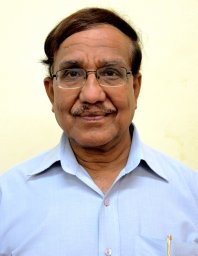 Mohan Kumar合作论文数Department of Civil Engineering, Indian Institute of Science10
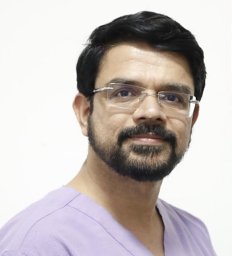 Ajeet Singh Bhadoria合作论文数Department of Clinical Research, Institute of Liver and Biliary Sciences6
 Saparya Tripathi合作论文数5
 Sunil Kumar Panigrahi合作论文数Dept Community Med, Dr VasantraoPawar Med Coll5
 Sanjeev Gupta合作论文数4P Karpaga Priya合作论文数4
 Utsav Raj合作论文数Dept Community & Family Med, All India Inst Med Sci4
 Kant Shashi合作论文数Centre for Community Medicine, All India Institute of Medical Sciences4
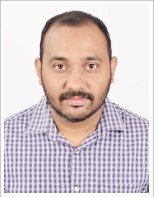 Rath Rama S合作论文数Center for Community Medicine, All India Institute of Medical Sciences4
 Bhabani Acharya合作论文数3
 Ekta Krishna合作论文数3Raghavan Parthasarathy合作论文数3
 Vignesh Dwarakanathan合作论文数All India Institute of Medical Sciences, Institute of Medical Sciences3
 Ramadass Sathiyamoorthy合作论文数Centre for Community Medicine, All India Institute of Medical Sciences3
 Abhishek Jaiswal合作论文数All India Institute of Medical Sciences3
 Farhad Ahamed合作论文数All India Institute of Medical Sciences3
 Sumit Malhotra合作论文数3
 Chandrakant Lahariya合作论文数Department of Community Medicine, G.R. Medical College3
 Mani Kalaivani合作论文数All India Institute of Medical Sciences3Stuti Verma合作论文数2Anita Upadhyay合作论文数2Pragya Pandey合作论文数2Hannah Jose合作论文数2Gupta Rohit合作论文数2
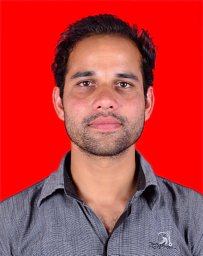 Sunil Chamola合作论文数FMHS, SGT University2
 Anjan K. Giri合作论文数Physics Department;Technion-Israel Institute of Technology;Physics Department, Technion-Israel Institute of Technology2Anubhuti Kujur合作论文数1Kanuja Sood合作论文数1Vivek V. Singh合作论文数1
 Dr surabhi Somkuwar合作论文数1Kanchan Gawande合作论文数1Bharat B Rewari合作论文数1
 Vijayabharathi Paramasivam合作论文数1Giten Khwairakpam合作论文数1
 Rajath Rao合作论文数Department of Community and Family medicine, All India Institute of Medical Sciences1
 Pragyan Paramita Parija合作论文数Ctr Community Med, All India Inst Med Sci1
 Ayush Lohiya合作论文数Dept Publ Hlth, Kalyan Singh Super Specialty Canc Inst & Hosp1M Mohan合作论文数1Jitendra Majhi合作论文数1
 Bijaya Nanda Naik合作论文数Community and Family Medicine, All India Institute of Medical Sciences1Madhusudan Singh合作论文数1Manisha Ruikar合作论文数1
 Krishnan Anand合作论文数Centre for Community Medicine, All India Institute of Medical Sciences1
 Shukla Arvind合作论文数1
 Galhotra Virat合作论文数Postgraduate Department of Pedodontics and Preventative Dentistry, Dayanand Anglo Vedic Centenary Dental College and Hospital1
 Mohapatra Archisman合作论文数1
 Haldar Partha合作论文数Public Health Specialist, New Delhi, India.1
 Goel Akhil D合作论文数Centre for Community Medicine, All India Institute of Medical Sciences1




