Abstract SAR445088 is an anti‐C1s humanized monoclonal antibody that inhibits activated C1s in the proximal portion of the classical complement system and has the potential to provide clinical benefit in the treatment of complement‐mediated diseases. A phase I, first‐in‐human, double‐blind, randomized, placebo‐controlled, dose‐escalation trial of single and multiple doses of SAR445088 was conducted in 93 healthy participants to evaluate the safety, tolerability, and pharmacokinetic (PK) and pharmacodynamic (PD) profiles. Single (intravenous [i.v.] and subcutaneous [s.c.]) ascending doses (SAD) and multiple (s.c.) ascending doses (MAD) of SAR445088 were well‐tolerated. The PK of SAR445088 was characterized by slow absorption after the s.c. dose and a long half‐life (mean terminal half‐life [t1/2] 8–15 weeks). Two PD assays were used to measure inhibition of the classical complement pathway (CP): Wieslab CP and complement mediated hemolytic capacity (CH50). The estimated half‐maximal inhibitory concentration (IC50) and 90% inhibitory concentration (IC90) for the Wieslab CP assay were 96.4 and 458 μg/ml, respectively, and 16.6 and 57.0 μg/ml, respectively, for the CH50 assay. In summary, SAR445088 was well‐tolerated and had favorable PK and PD profiles after SAD (i.v. or s.c.) and MAD (s.c.) in humans. These findings warrant further clinical investigations in patients with classical complement‐mediated disorders.
At least a third of tuberculosis (TB) cases remain undiagnosed, disproportionately so in children and ado-lescents, which is hampering global elimination goals. Prolonged symptom duration presents a high-risk scenario for childhood TB in endemic areas, but the prolonged period of symptoms and its impact on educational attainment are rarely documented. Using a mixed method approach, we aimed to quantify the duration of respiratory symptoms and describe their impact on education among children from a rural area of Tanzania. We used data from a prospectively enrolled cohort of children and adolescents aged 4-17 years in rural Tanzania at the start of active TB treatment. We report on the cohort's baseline characteristics and explore the correlation between duration of symptoms and other vari-ables. In-depth qualitative interviews were designed on the basis of a grounded theory approach to explore the impact of TB on educational attainment among school-aged children. In this cohort, children and adolescents diagnosed with TB experienced symptoms for a median of 85 days (interquartile range: 30,231 days) prior to treatment initiation. In addition, 56 participants (65%) had a TB exposure in the household. Of the 16 families with school-aged children who were inter-viewed, 15 (94%) reported a significant negative impact of TB on the schooling of their children. Children in this cohort experienced a long duration of TB symptoms; the extent of illness impacted absenteeism at school. Screening initiatives for households affected by TB may lead to a shortened duration of symptoms and may minimize the impact on school attendance.
Distinct from quantifying the economic sequelae of tuberculosis (TB) in adults, data are scarce regarding lived experiences of youth and their caregivers seeking and sustaining TB treatment in low income communities. Children ages 4–17 diagnosed with TB and their caregivers were recruited from rural and semi-urban northern Tanzania. Using a grounded theory approach, a qualitative interview guide was developed, informed by exploratory research. Twenty-four interviews were conducted in Kiswahili, audio-recorded and analyzed for emerging and consistent themes. Dominant themes found were socioemotional impacts of TB on households, including adverse effects on work productivity, and facilitators and obstacles to TB care, including general financial hardship and transportation challenges. The median percentage of household monthly income spent to attend a TB clinic visit was 34% (minimum: 1%, maximum: 220%). The most common solutions identified by caregivers to mitigate adverse impacts were transportation assistance and nutrition supplementation. To end TB, healthcare systems must acknowledge the total financial burden shouldered by low wealth families seeking pediatric TB care, provide consultations and medications locally, and increase access to TB-specific communal funds to mitigate burdens such as inadequate nutrition. Trial registration: planned sub-study of the registered prospective study, NCT05283967. Trial registration: ClinicalTrials.gov identifier: NCT05283967.
Variable pharmacokinetics of rifampin in tuberculosis (TB) treatment can lead to poor outcomes. Urine spectrophotometry is simpler and more accessible than recommended serum-based drug monitoring, but its optimal efficacy in predicting serum rifampin underexposure in adults with TB remains uncertain. Adult TB patients in New Jersey and Virginia receiving rifampin-containing regimens were enrolled. Serum and urine samples were collected over 24 h. Rifampin serum concentrations were measured using validated liquid chromatography-tandem mass spectrometry, and total exposure (area under the concentration-time curve) over 24 h (AUC(0-24)) was determined through noncompartmental analysis. The Sunahara method was used to extract total rifamycins, and rifampin urine excretion was measured by spectrophotometry. An analysis of 58 eligible participants, including 15 (26%) with type 2 diabetes mellitus, demonstrated that urine spectrophotometry accurately identified subtarget rifampin AUC(0-24) at 0-4, 0-8, and 0-24 h. The area under the receiver operator characteristic curve (AUC ROC) values were 0.80 (95% CI 0.67-0.90), 0.84 (95% CI 0.72-0.94), and 0.83 (95% CI 0.72-0.93), respectively. These values were comparable to the AUC ROC of 2 h serum concentrations commonly used for therapeutic monitoring (0.82 [95% CI 0.71-0.92], P = 0.6). Diabetes status did not significantly affect the AUC ROCs for urine in predicting subtarget rifampin serum exposure (P = 0.67-0.92). Spectrophotometric measurement of urine rifampin excretion within the first 4 or 8 h after dosing is a simple and cost-effective test that accurately predicts rifampin underexposure. This test provides critical information for optimizing tuberculosis treatment outcomes by facilitating appropriate dose adjustments.
ObjectivePharmacokinetic variability drives tuberculosis (TB) treatment outcomes but measurement of serum drug concentrations for personalised dosing is inaccessible for children in TB-endemic settings. We compared rifampin urine excretion for prediction of a serum target associated with treatment outcome.DesignProspective diagnostic accuracy study.SettingInpatient wards and outpatient clinics, northern Tanzania.PatientsChildren aged 4–17 years were consecutively recruited on initiation of WHO-approved treatment regimens.InterventionsSamples were collected after directly observed therapy at least 2 weeks after initiation in the intensive phase: serum at pre-dose and 1, 2 and 6 hours post-dose, later analysed by liquid chromatography-tandem mass spectrometry for calculation of rifampin total exposure or area under the concentration time curve (AUC0-24); urine at post-dose intervals of 0–4, 4–8 and 8–24 hours, with rifampin excretion amount measured onsite by spectrophotometry.Main outcome measuresReceiver operating characteristic (ROC) curve for percentage of rifampin dose excreted in urine measured by spectrophotometry to predict serum rifampin AUC0–24target of 31.7 mg*hour/L.Results89 children, 52 (58%) female, with median age of 9.1 years, had both serum and urine collection. Only 59 (66%) reached the serum AUC0–24target, reflected by a range of urine excretion patterns. Area under the ROC curve for percentage of rifampin dose excreted in urine over 24 hours predicting serum AUC0–24target was 69.3% (95% CI 56.7% to 81.8%), p=0.007.ConclusionsUrine spectrophotometry correlated with a clinically relevant serum target for rifampin, representing a step toward personalised dosing for children in TB-endemic settings.
The emergence of drug-resistant tuberculosis is a significant global health issue. The presence of heteroresistant Mycobacterium tuberculosis is critical to developing fully drug-resistant tuberculosis cases. The currently available molecular techniques may detect one copy of mutant bacterial genomic DNA in the presence of about 1-1000 copies of wild-type M. tuberculosis DNA. To improve the limit of heteroresistance detection, we developed SuperSelective primer-based real-time PCR assays, which, by their unique assay design, enable selective and exponential amplification of selected point mutations in the presence of abundant wild-type DNA. We designed SuperSelective primers to detect genetic mutations associated with M. tuberculosis resistance to the anti-tuberculosis drugs isoniazid and rifampin. We evaluated the efficiency of our assay in detecting heteroresistant M. tuberculosis strains using genomic DNA isolated from laboratory strains and clinical isolates from the sputum of tuberculosis patients. Results show that our assays detected heteroresistant mutations with a specificity of 100% in a background of up to 10(4) copies of wild-type M. tuberculosis genomic DNA, corresponding to a detection limit of 0.01%. Therefore, the SuperSelective primer-based RT-PCR assay is an ultrasensitive tool that can efficiently diagnose heteroresistant tuberculosis in clinical specimens and contributes to understanding the drug resistance mechanisms. This approach can improve the management of antimicrobial resistance in tuberculosis and other infectious diseases.
OBJECTIVE AND METHODS:Our objective was to investigate the role of patient pharmacogenetic variability in determining site of action target attainment during tuberculous meningitis (TBM) treatment. Rifampin and isoniazid PBPK model that included SLCO1B1 and NAT2 effects on exposures respectively were obtained from literature, modified, and validated using available cerebrospinal-fluid (CSF) concentrations. Population simulations of isoniazid and rifampin concentrations in brain interstitial fluid and probability of target attainment according to genotypes and M. tuberculosis MIC levels, under standard and intensified dosing, were conducted.RESULTS:The rifampin and isoniazid model predicted steady-state drug concentration within brain interstitial fluid matched with the observed CSF concentrations. At MIC level of 0.25 mg/L, 57% and 23% of the patients with wild type and heterozygous SLCO1B1 genotype respectively attained the target in CNS with rifampin standard dosing, improving to 98% and 91% respectively with 35 mg/kg dosing. At MIC level of 0.25 mg/L, 33% of fast acetylators attained the target in CNS with isoniazid standard dosing, improving to 90% with 7.5 mg/kg dosing.CONCLUSION:In this study, the combined effects of pharmacogenetic and M. tuberculosis MIC variability were potent determinants of target attainment in CNS. The potential for genotype-guided dosing during TBM treatment should be further explored in prospective clinical studies.
Patients with tuberculosis (TB) coinfected with HIV are more likely to have low blood concentrations of the first-line anti-TB drugs (associated with poor outcomes). Therapeutic drug monitoring (TDM) is recommended for certain patient populations with TB at increased risk for a poor outcome. Our objective was to estimate the diagnostic accuracy of a 2-hour TDM serum sample for the first-line anti-TB drugs among patients with HIV/TB and evaluate the information gained by an additional 6-hour sample. We created a virtual (n = 1000) HIV/TB patient population and performed pharmacokinetic simulations using published population models for isoniazid, rifampin, pyrazinamide, and ethambutol. We performed receiver operating characteristic analysis to compare the diagnostic performance of a single 2-hour serum sample with samples obtained at 2 and 6 hours after dosing. The sensitivity of a single 2-hour serum concentration to identify patients with HIV/TB with adequate serum exposures was lowest for rifampin (54.9%; 95%CI, 50.79%-59.41%) and highest for ethambutol (70.8%; 95%CI, 66.06%-72.61%) for maximum concentration (Cmax ) targets. Diagnostic accuracy of a single 2-hour serum sample for the area under the concentration-time curve (AUC) from time 0 to 24 hours target was highest for isoniazid (93%; 95%CI, 90.9%-94.1%) and lowest for pyrazinamide (66.3%; 95%CI, 62.6%-70.0%). In summary, the diagnostic performance of TDM for Cmax and AUC from time 0 to 24 hours targets demonstrated variability across the first-line anti-TB drugs. The addition of a 6-hour serum sample led to the highest statistically significant improvement (P < .001) and highest increase in diagnostic accuracy (area under the receiver operating characteristic curve) for rifampin for Cmax and AUC. The other first-line drugs had modest/negligible increases in diagnostic accuracy.
Household plumbing biofilms can harbor and transmit bacterial pathogens. Pulmonary infections by nontuberculous mycobacteria (NTM) can occur from this transmission route. NTM infections are increasing around the world and in New Jersey (NJ), where this field study was performed. Plumbing biofilm samples were collected from sinks and showerheads in homes using private wells (n = 19) and in homes of NTM patients (n = 5). DNA extracts were analyzed by quantitative polymerase chain reaction (qPCR) to quantify mycobacterial marker genes and by amplicon sequencing to describe the microbiomes where NTM were observed. Water samples were analyzed for basic water quality parameters and fecal indicator organisms. Participants completed surveys about their wells and home water systems to enable testing of potential relationships between these environmental factors and the microbial communities. NTM were observed in more than half of private well biofilm samples using qPCR and in all of the selected samples analyzed by amplicon sequencing (n = 29/70), even when below detection by qPCR. Samples from patient homes, most of whom used public water supply, had similar abundances of NTM as samples from private wells. Physiography and within-home location (e.g., kitchen sink) explained some variation in concentrations of mycobacteria genes. One microbial family with no known human pathogens, Rikenellaceae, was identified as a potential antagonist to mycobacteria using linear discriminant analysis effect size (LEfSe). This study illuminates the widespread nature of NTM in private well water systems without disinfection selection pressures, and works toward understanding ecological interactions that may aid or slow the growth of NTM toward ecological engineering of healthy plumbing microbiomes.
BACKGROUND Individual pharmacokinetic variability is a driver of poor tuberculosis (TB) treatment outcomes. We developed a method for measurement of rifampin concentrations by urine colorimetry and a mobile phone photographic application to predict clinically important serum rifampin pharmacokinetic measurements in children treated for TB. METHODS Among spiked urine samples, colorimetric assay performance was tested with conventional spectrophotometric and the mobile phone/light box methods under various environmental and biologic conditions. Urine rifampin absorbance (Abs) was then determined from timed specimens from children treated for TB in Tanzania, and compared to serum pharmacokinetic measurements collected throughout the dosing interval. RESULTS Both the mobile phone/light box and spectrophotometry demonstrated excellent correlation across a wide range of urine rifampin concentrations (7.8-1000 mg/L) in intra- and interday trials, 24-hour exposure to ambient light or darkness, and varying urinalysis profiles (all r ≥ 0.98). In 12 Tanzanian children, the urine mobile phone/light box measurement and serum peak concentration (Cmax) were significantly correlated (P = .004). Using a Cmax target of 8 mg/L, the area under the receiver operating characteristic curve was 80.1% (range, 47.2%-100%). A urine mobile phone/light box threshold of 50 Abs correctly classified all patients (n = 6) with serum measurements below target. CONCLUSIONS The urine colorimetry with mobile phone/light box assay accurately measured rifampin absorbance in varying environmental and biological conditions that may be observed clinically. Among children treated for TB, the assay was sensitive for detection of low rifampin serum concentrations. Future work will identify the optimal timing for urine collection, and operationalize use in TB-endemic settings.
Background The potential for hepatotoxicity during isoniazid-based tuberculosis (TB) treatment presents a major challenge for TB control programs worldwide. We sought to determine whether pharmacokinetic exposures of isoniazid and its metabolites were related to cellular oxidation/reduction status and downstream markers of oxidative DNA damage. Methods We performed intensive pharmacokinetic sampling among isoniazid-treated patients to determine the relative plasma exposures of isoniazid, acetylisoniazid, hydrazine, and acetylhydrazine. Physiologically-based pharmacokinetic modeling was used to estimate liver tissue exposures during a 24-h dosing interval for each compound. We experimentally treated HepG2 cells with isoniazid and metabolites at equimolar concentrations corresponding to these exposures for 7, 14, and 28-day periods, and performed assays related to redox imbalance and oxidative DNA damage at each timepoint. We related a urine marker of oxidative DNA damage to serum isoniazid pharmacokinetic exposures and pharmacogenetics in a clinical study. Results Among isoniazid-treated patients, serum concentrations of hydrazine and isoniazid concentrations were highly correlated. At equimolar concentrations that approximated hepatic tissue exposures during a 24-h dosing interval, hydrazine demonstrated the highest levels of redox imbalance, mitochondrial injury, and oxidative DNA damage over a 28-day treatment period. In a clinical validation study of isoniazid-treated TB patients, peak isoniazid serum concentrations were positively associated with a urine biomarker of oxidative DNA damage. Conclusions Isoniazid and its metabolites share the potential for oxidative cellular damage, with the greatest effects observed for hydrazine. Future studies should investigate the clinical consequences of oxidative stress with regards to clinical episodes of drug induced liver injury during isoniazid treatment.
Tuberculous meningitis (TBM) is the most devastating form of extrapulmonary Mycobacterium tuberculosis infection in humans. Severe inflammation and extensive tissue damage drive the morbidity and mortality of this manifestation of tuberculosis (TB). Antibiotic treatment is ineffective at curing TBM due to variable and incomplete drug penetration across the blood-brain barrier (BBB) and blood-cerebrospinal fluid (CSF) barriers. Adjunctive corticosteroid therapy, used to dampen the inflammation, and the pathologic manifestation of TBM, improves overall survival but does not entirely prevent the morbidity of the disease and has significant toxicities, including immune-suppression. The rabbit has served as a fit for purpose experimental model of human TBM since the early 1900s due to the similarity in the developmental processes of the brain, including neuronal development, myelination, and microglial functions between humans and rabbits. Consistent with the observations made in humans, proinflammatory cytokines, including TNF-α, play a critical role in the pathogenesis of TBM in rabbits focusing the attention on the utility of TNF-α inhibitors in treating the disease. Thalidomide, an inhibitor of monocyte-derived TNF-α, was evaluated in the rabbit model of TBM and shown to improve survival and reduce inflammation of the brain and the meninges. Clinical studies in humans have also shown a beneficial response to thalidomide. However, the teratogenicity and T-cell activation function of the drug limit the use of thalidomide in the clinic. Thus, new drugs with more selective anti-inflammatory properties and a better safety profile are being developed. Some of these candidate drugs, such as phosphodiesterase-4 inhibitors, have been shown to reduce the morbidity and increase the survival of rabbits with TBM. Future studies are needed to assess the beneficial effects of these drugs for their potential to improve the current treatment strategy for TBM in humans.
Tuberculous meningitis (TBM), caused by Mycobacterium tuberculosis (Mtb), is the deadliest form of tuberculosis in humans, particularly in children and the geriatric population. However, the host-pathogen interactions underlying TBM is not well understood. Rabbits are a valuable model system to study TB in humans. The rabbit model of TB recapitulates several pathophysiological characteristics, including heterogeneity, architecture, and development of granulomas at the site of infection as observed in Mtb-infected human organs. Previously, our group has established a rabbit model of TBM that has been used to understand the host immune response to Mtb infection and to evaluate novel intervention therapies for TBM. In this model, rabbits infected intracisternally with Mtb showed histopathologic manifestations in the brain and meninges that are hallmarks of TBM in humans, including inflammatory cell accumulation and thickening of the leptomeninges. However, in this model, a helmet made of dental acrylic was attached to rabbit's skull with screws under anesthesia. At 24 h post-procedure, the animals were injected intracisternally with Mtb using a spinal needle. The rabbits were necropsied at various experimental time points up to 2 weeks post-infection. Although this method has been successful in establishing TBM, placement of the dental acrylic helmet on rabbit skull with screws that stays until the experimental endpoint poses stress to the animals and increases the chances of secondary infection. To alleviate these issues, we have developed an improved protocol, in which sedated rabbits are placed on specialised stereotaxic equipment and injected with Mtb intracisternally. This method is less cumbersome, faster, and more efficient in delivering the bacteria. Besides, the animals are not stressed by this method, compared to the previous one.
BACKGROUND Reduced ethambutol serum concentrations are commonly observed among TB patients co-infected with HIV and may lead to treatment failure. OBJECTIVES To perform a population pharmacokinetic study of ethambutol in HIV/TB patients, and to evaluate an intensified ethambutol weight-based dosing strategy to support pharmacokinetic target attainment. METHODS We conducted a prospective study of ethambutol pharmacokinetics among HIV/TB patients administered first-line TB treatment in Botswana, with study visits before and after initiation of ART. Clinical and disease status markers, including HIV-associated systemic immune activation and gut dysfunction biomarkers, were evaluated as covariates of ethambutol pharmacokinetic parameters in non-linear mixed effects analysis. Monte Carlo simulations were performed to compare pharmacokinetic target attainment under standard and intensified weight-based ethambutol dosing strategies. RESULTS We studied 40 HIV/TB patients prior to initiation of ART, of whom 24 returned for a second visit a median of 33 days following ART initiation. Ethambutol serum concentrations were best explained by a two-compartment model with first-order elimination, with a significant improvement in oral bioavailability following ART initiation. In Monte Carlo simulations, a supplementary ethambutol dose of 400 mg daily led to >2-fold improvements in pharmacokinetic target attainment probabilities in lung tissue, both before and after ART initiation. CONCLUSIONS Low serum ethambutol concentrations were commonly observed among HIV/TB patients in Botswana, and the oral bioavailability of ethambutol increased following ART initiation. Supplementary ethambutol dosing among HIV/TB patients may provide a strategy to optimize anti-TB treatment regimens in this high-risk population.
Background: The prevalence of nontuberculous mycobacterial lung disease (NTMLD) in the US has increased; however, data characterizing the associated healthcare utilization and expenditure at the national level are limited. Objective: To examine associations between economic outcomes and the use of anti-Mycobacterium avium complex (MAC) guidelines-based treatment (GBT) for newly-diagnosed NTMLD in a US national managed care claims database (Optum Clinformatics Data Mart). Methods: NTMLD was defined as having >= 2 claims for NTMLD (ICD-9 031.0; ICD-10 A31.0) on separate occasions >= 30 days apart (between 2007 and 2016). The cohort included patients insured continuously over a period of at least 36 months (12 months before initial NTMLD diagnostic claim and for the subsequent 24 months). Treatment was classified as GBT (consistent with American Thoracic Society/Infectious Diseases Society of America guidelines), non-GBT, or untreated. All-cause hospitalization rates and total healthcare expenditures at Year 2 were assessed as outcomes of the treatment prescribed in Year 1 after NTMLD diagnosis. Results: A total of 1,039 patients met study criteria for NTMLD (GBT, n = 294; non-GBT, n = 298; untreated, n = 447). After adjustment for baseline characteristics, GBT was associated with a significantly lower all-cause hospitalization risk vs non-GBT (odds ratio [OR] = 0.53; 95% CI = 0.33-0.85, p = 0.008), and vs being untreated (OR = 0.57; 95% CI = 0.35-0.91, p = 0.020). Adjusted total healthcare expenditure in Year 2 with GBT ($69,691) was lower than that with non-GBT ($77,624) with a difference of -$7,933 (95% CI = -$14,968 to -$899; p = 0.03). Conclusions: Patients with NTMLD in a US managed care claims database who were prescribed GBT had lower hospitalization risk than those who were prescribed non-GBT or were untreated. GBT was associated with lower total healthcare expenditure compared with non-GBT.
Objective: There is considerable uncertainty regarding the optimal use of rifampicin for the treatment of tuberculous (TB) meningitis. A pharmacokinetic modeling and simulation study of rifampicin concentrations in cerebrospinal fluid (CSF) during TB meningitis treatment was performed in this study. Methods: Parameters for rifampicin pharmacokinetics in CSF were estimated using individual-level rifampicin pharmacokinetic data, and the model was externally validated in three separate patient cohorts. Monte Carlo simulations of rifampicin serum and CSF concentrations were performed. The area under the rifampicin CSF concentration-versus-time curve during 24 h (AUC0-24) relative to the minimum inhibitory concentration (MIC) served as the pharmacodynamic target. Results: Across all simulated patients on the first treatment day, 85% attained the target AUC0-24/MIC ratio of 30 under a weight-based dosing scheme approximating 10 mg/kg. At the rifampicin MIC of 0.5 mg/l, the probability of AUC0-24/MIC target attainment was 26%. With an intensified dosing strategy corresponding to 20 mg/kg, target attainment increased to 99%, including 93% with a MIC of 0.5 mg/l. Conclusions: Under standard dosing guidelines, few TB meningitis patients would be expected to attain therapeutic rifampicin exposures in CSF when the MIC is >= 0.5 mg/l. Either downward adjustment of the rifampicin MIC breakpoint in the context of TB meningitis, or intensified rifampicin dosing upwards of 20 mg/kg/day, would reflect the likelihood of pharmacodynamic target attainment in CSF. (C) 2019 The Authors. Published by Elsevier Ltd on behalf of International Society for Infectious Diseases.
Nontuberculous mycobacteria (NTM) are ubiquitous components of the soil and surface water microbiome. Disparities by sex, age, and geography demonstrate that both host and environmental factors are key determinants of NTM disease in populations, which predominates in the form of chronic pulmonary disease. As the incidence of NTM pulmonary disease rises across the United States, it becomes increasingly evident that addressing this emerging human health issue requires a bold, multi-disciplinary research framework that incorporates host risk factors for NTM pulmonary disease alongside the determinants of NTM residence in the environment. Such a framework should include the assessment of environmental characteristics promoting NTM growth in soil and surface water, detailed evaluations of water distribution systems, direct sampling of water sources for NTM contamination and species diversity, and studies of host and bacterial factors involved in NTM pathogenesis. This comprehensive approach can identify intervention points to interrupt the transmission of pathogenic NTM species from the environment to the susceptible host and to reduce NTM pulmonary disease incidence.
Background. Rapidly growing mycobacteria (RGM) have high rates of intrinsic antibiotic resistance and require prolonged antibiotic therapies associated with considerable toxicity. Less toxic and more effective therapies are needed. One promising agent is clofazimine (CFZ), an antibiotic with favorable in vitro data but limited clinical data in RGM. Methods. We performed a retrospective cohort study of all patients treated for RGM infection with a CFZ-containing regimen in the University of Pennsylvania Health System between January 1, 2010, and December 31, 2016. The primary outcome was clinical cure, defined as no evidence of clinical or microbiologic infection recurrence 1 year after the completion of treatment. Secondary outcomes included clinical, radiologic, and microbiologic response; all-cause mortality; infection-specific mortality; and treatment-related adverse events. Descriptive and unadjusted analyses were performed to elucidate associations between pertinent demographic and comorbidity data, clinical presentation, treatment history, and treatment outcomes. Results. We treated 55 patients with CFZ for RGM infection during the study period, in combination with a median of 5 other antibiotic agents during each treatment course. Clinical cure with initial treatment regimen was achieved in 43% of patients with pulmonary infection and 71% of patients with nonpulmonary infection. CFZ was well tolerated in our cohort and was discontinued prematurely in 20% of patients, but only in the context of discontinuing all antibiotic agents. Conclusions. As part of multidrug therapy, CFZ is well tolerated and may be effective in patients with RGM infection, especially nonpulmonary and non-Mycobacterium abscessus complex infections.
Tuberculosis (TB), caused by Mycobacterium tuberculosis infection, remains a major cause of mortality and morbidity worldwide. One-third of the world population is infected with M. tuberculosis, and about 15 million people with latent tuberculosis infection (LTBI) reside in the United States. An estimated 10% of individuals with LTBI are at risk of progressing to active disease. Loss of body mass, or wasting, accompanied by a significant reduction of body fat is often associated with active TB disease and is considered to be immunosuppressive and a major determinant of severity and outcome of disease. While the lungs are the primary site of M. tuberculosis infection and TB manifestation, recent reports have shown that adipose tissue serves as an important reservoir for M. tuberculosis In this article, we investigated the association between M. tuberculosis infection, adipose tissue, and TB disease progression using a transgenic inducible "fatless" model system, the FAT-ATTAC (fat apoptosis through targeted activation of caspase 8) mouse. By selectively ablating fat tissue during M. tuberculosis infection, we directly tested the role of fat cell loss and adipose tissue physiology in regulating pulmonary pathology, bacterial burden, and immune status. Our results confirm the presence of M. tuberculosis in fat tissue after aerosol infection of mice and show that loss of fat cells is associated with an increase in pulmonary M. tuberculosis burden and pathology. We conclude that acute loss of adipose tissue during LTBI may predispose the host to active TB disease.IMPORTANCE Although the lungs are the port of entry and the predominant site of TB disease manifestation, we and others have demonstrated that M. tuberculosis also persists in adipose tissue of aerosol-infected animals and directly or indirectly alters adipose tissue physiology, which in turn alters whole-body immuno-metabolic homeostasis. Our present report demonstrates a direct effect of loss of adipocytes (fat cells) on promoting the severity of pulmonary pathogenesis during TB, advancing our understanding of the pathogenic interactions between wasting and TB activation/reactivation.
 Gregory P. Bisson合作论文数Department of Biostatistics, Epidemiology and Informatics, Perelman School of Medicine, University of Pennsylvania14
 Darren R. Linkin合作论文数Division of Infectious Diseases, Department of Medicine, Perelman School of Medicine, University of Pennsylvania9
 Pasipanodya Jotam G合作论文数Baylor Res Inst, Baylor Univ9
 Subbian Selvakumar合作论文数New Jersey Med Sch, Rutgers State Univ9
 Tawanda Gumbo合作论文数Praedicare Inc.8
 Emily A. Blumberg合作论文数Division of Infectious Diseases, Department of Medicine, Perelman School of Medicine, University of Pennsylvania7
 Scott K Heysell合作论文数Div Infect Dis & Int Hlth, Univ Virginia7
 Shashikant Srivastava合作论文数Department of Microbiology, Sanjay Gandhi Postgraduate Institute of Medical Sciences7
 Carla A Winston合作论文数6
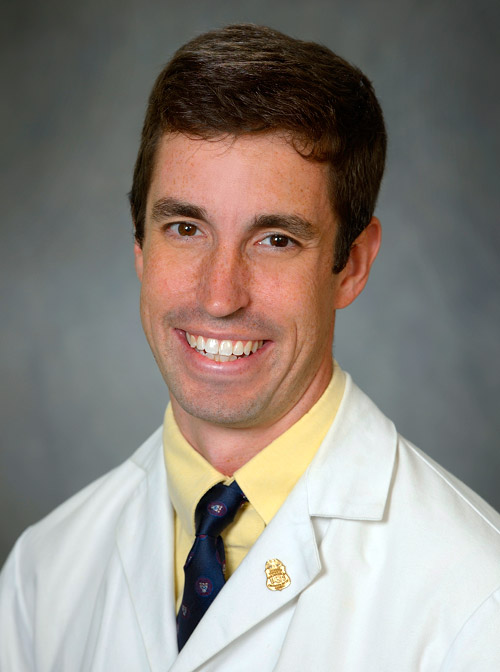 Keith W. Hamilton合作论文数Division of Infectious Diseases, Department of Medicine, Perelman School of Medicine, University of Pennsylvania6
 Isaac Zentner合作论文数6
 Chawangwa Modongo合作论文数6
 Nicola Zetola Burneo合作论文数Department of Medicine, Medical College of Georgia, Augusta University6
 Vijay Ivaturi合作论文数Pumas AI, Inc.5
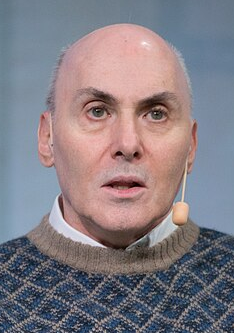 Drew Weissman (德鲁·韦斯曼)合作论文数Infectious Diseases Division, Department of Medicine, Perelman School of Medicine, University of Pennsylvania5
 Barry Kreiswirth合作论文数Center for Discovery and Innovation5Ravimohan Shruthi合作论文数Perelman School of Medicine, the University of Pennsylvania;Botswana-UPenn Partnership5Thomas Tania A合作论文数5Mezochow Alyssa合作论文数5Prakruti Rao合作论文数4Neo Tamuhla合作论文数4Kristen Petros de Guex合作论文数4
 Theodore (Ted) Marras合作论文数Krembil Research Institute, University Health Network4E. Paul Wileyto合作论文数Department of Biostatistics, Epidemiology and Informatics, Perelman School of Medicine, University of Pennsylvania4
 Estomih Mduma合作论文数4
 Charles Arthur Peloquin合作论文数College of Medicine, University of Florida;Infectious Disease Pharmacokinetics Laboratory, Department of Pharmacotherapy and Translational Research, College of Pharmacy, University of Florida4Rob Roy Macgregor合作论文数4Leonid Kagan合作论文数Department of Pharmaceutics, The Hebrew University of Jerusalem4
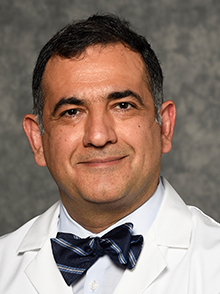 Mehdi S. Mirsaeidi合作论文数Department of Medicine, College of Medicine – Jacksonville, University of Florida;Division of Pulmonary, Critical Care and Sleep Medicine, University of Florida4Paulo Mejan合作论文数3Domitila Augustino合作论文数3Saning'o Lukumay合作论文数3Gina Eagle合作论文数3Herman Pfaeffle合作论文数3
 Yingda Xie合作论文数3Quanwu Zhang合作论文数3Raymond Zhang合作论文数3Jyothi F Nagajyothi合作论文数3
 Joella W Adams合作论文数RTI Int3
 Kiran Thakur合作论文数Department of Neurology (K.T.T.),, Johns Hopkins Hospital;the Department of Internal Medicine (K.M., L.H., V.K., M.A., O.K.S.),, University of Zambia School of Medicine;the Department of Internal Medicine (L.H.),, University of Maryland School of Medicine;College of Medicine (M.M.),, Queen Elizabeth Central Hospital;Department of Internal Medicine (E.O.N.),, Federal Medical Center Owerri;Department of Internal Medicine, Lagos University Teaching Hospital;Department of Internal Medicine (C.B.M.),, Jos University Teaching Hospital;the Division of Infectious Diseases &Department of Medicine (D.R.B.),, University of Minnesota;Department of Neurology (G.L.B.),, University of Rochester;the Chikankata Epilepsy Care Team (G.L.B.),;Center for Virology and Vaccine Research, Beth Israel Deaconess Medical Center;University of Maryland School of Medicine, University of Zambia School of Medicine3Patrawalla Amee合作论文数3
 Jennifer Zipser Adjemian合作论文数3S. A. Longworth合作论文数3Robert Reiss合作论文数2Ginger Anderson合作论文数2Museveni Justine合作论文数2Anna Headly合作论文数2Engels Chou合作论文数2Deborah Handler合作论文数2




