Germline POT1 mutations are found in a spectrum of cancers and confer increased risk. Recently, we identified a series of novel germline POT1 mutations that predispose carrier families to the development of glioma. Despite these strong associations, how these glioma-associated POT1 mutations contribute to glioma tumorigenesis remains undefined. Here we show that POT1-G95C increases proliferation in glioma-initiating cells in vitro and in progenitor populations in the developing brain. In a native mouse model of glioma, loss of Pot1a/b resulted in decreased survival in females compared with males. These findings were corroborated in human glioma, where low POT1 expression correlated with decreased survival in females. Transcriptomic and IHC profiling of Pot1a/b-deficient glioma revealed that tumors in females exhibited decreased expression of immune markers and increased expression of cell-cycle signatures. Similar sex-dependent trends were observed in human gliomas that had low expression of POT1. Together, our studies demonstrate context-dependent functions for POT1 mutation or loss in driving progenitor proliferation in the developing brain and sexual dimorphism in glioma. SIGNIFICANCE: This study shows that manipulation of POT1 expression in glioma has sex-specific effects on tumorigenesis and associated immune signatures.
Haemophilus influenzae typically causes illness and infection in the paediatric population. We report a case of a 53-year-old man who developed invasive non-typeable H. influenzae infection associated with purpura fulminans and multiorgan failure. On review of the literature, this is the first reported case of non-typeable H. influenzae causing purpura fulminans. The patient was treated with intravenous ceftriaxone 2g/day and was eventually discharged from the hospital almost 2months after admission. We discuss the role that infection/sepsis plays in disturbances to the coagulation cascade leading to purpura fulminans and the virulence factors that make non-typeable H. influenzae unique. Finally, we review other cases of H. influenzae associated with purpura fulminans and discuss the similarities with our case.
Glioblastoma is a universally lethal form of brain cancer that exhibits an array of pathophysiological phenotypes, many of which are mediated by interactions with the neuronal microenvironment1,2. Recent studies have shown that increases in neuronal activity have an important role in the proliferation and progression of glioblastoma3,4. Whether there is reciprocal crosstalk between glioblastoma and neurons remains poorly defined, as the mechanisms that underlie how these tumours remodel the neuronal milieu towards increased activity are unknown. Here, using a native mouse model of glioblastoma, we develop a high-throughput in vivo screening platform and discover several driver variants of PIK3CA. We show that tumours driven by these variants have divergent molecular properties that manifest in selective initiation of brain hyperexcitability and remodelling of the synaptic constituency. Furthermore, secreted members of the glypican (GPC) family are selectively expressed in these tumours, and GPC3 drives gliomagenesis and hyperexcitability. Together, our studies illustrate the importance of functionally interrogating diverse tumour phenotypes driven by individual, yet related, variants and reveal how glioblastoma alters the neuronal microenvironment.
Germline POT1 mutations are associated with risk of several cancers including glioma. In The Cancer Genome Atlas, we found that the level of POT1 gene expression in tumors is associated with overall survival in IDH wild-type glioma independent of age and tumor grade (P=0.036). To assess if POT1 expression in a native mouse model of IDH wild-type glioma (referred to as C3 tumors) affects survival, we targeted both mouse POT1 orthologs (Pot1a/Pot1b) in C3 tumors using CRISPR/Cas9, generating C5 tumors. Interestingly, we noted a sexual divergence of survival, with female C5 mice dying faster than males (P=0.0034), whereas C3 mice show no sexual divergence in survival. To assess the genes and pathways underlying this divergence, we performed RNAseq profiling on C3 and C5 tumors and normalized the sex differences in the C5 profile for baseline sex differences in the C3 profile. Compared to males, female C5 tumors had lower enrichment of numerous gene sets related to immune surveillance. To specifically assess the effects of glioma-associated human POT1 variants, we expressed these variants in a mouse tumor sphere culture. We noted that expression of POT1-G95C variant increased the rate of sphere formation in vitro. In vivo expression of this variant in embryonic mouse brain during the gliogenic period increased the proliferative rate as assessed by BrdU uptake (P=0.008). These findings suggest a potential role for human POT1 variants in growth and proliferation of glial progenitor cells as well as glioma tumor cells. Additionally, the sexual divergence of survival in C5 tumors points to a differential interaction between POT1 loss and sex in regulation of immune response to these tumors.
BACKGROUND Laser Interstitial Thermal Therapy (LITT) has been used to treat recurrent brain metastasis after stereotactic radiosurgery (SRS). Little is known about how best to assess the efficacy of treatment, specifically the ability of LITT to control local tumor progression post-SRS. OBJECTIVE To evaluate the predictive factors associated with local recurrence after LITT. METHODS Retrospective study with consecutive patients with brain metastases treated with LITT. Based on radiological aspects, lesions were divided into progressive disease after SRS (recurrence or radiation necrosis) and new lesions. Primary endpoint was time to local recurrence. RESULTS A total of 61 consecutive patients with 82 lesions (5 newly diagnosed, 46 recurrence, and 31 radiation necrosis). Freedom from local recurrence at 6 mo was 69.6%, 59.4% at 12, and 54.7% at 18 and 24 mo. Incompletely ablated lesions had a shorter median time for local recurrence (P < .001). Larger lesions (>6 cc) had shorter time for local recurrence (P = .03). Dural-based lesions showed a shorter time to local recurrence (P = .01). Tumor recurrence/newly diagnosed had shorter time to local recurrence when compared to RN lesions (P = .01). Patients receiving systemic therapy after LITT had longer time to local recurrence (P = .01). In multivariate Cox-regression model, the HR for incomplete ablated lesions was 4.88 (P < .001), 3.12 (P = .03) for recurrent tumors, and 2.56 (P = .02) for patients not receiving systemic therapy after LITT. Complication rate was 26.2%. CONCLUSION Incompletely ablated and recurrent tumoral lesions were associated with higher risk of treatment failure and were the major predicting factors for local recurrence. Systemic therapy after LITT was a protective factor regarding local recurrence.
The original article was published with an incorrect protocol number. The correct protocol number is DR07-0585.
Spinal epidermoid tumors are rare, benign tumors that are either acquired from trauma, surgery, or lumbar puncture or arise as congenital lesions, particularly spinal dysraphisms. We report a case of a massive spinal epidermoid tumor and review the literature with a focus on the surgical outcomes. A 71-year-old female patient presented after a fall with subsequent symptoms of severe back and hip pain, as well as loss of motor strength in the left leg. Her magnetic resonance imaging demonstrated a T2/short tau inversion recovery hyperintense mass extending from the level of the T10–11 disc caudally through S2. A biopsy was recommended to determine whether the tumor was radio- or chemo-sensitive. The patient underwent a L4 laminectomy and a pearly-white tumor was encountered, with a subsequent biopsy confirming it to be an epidermoid tumor. The following conclusions can be drawn from a review of the literature. Spinal epidermoid tumors are more common in women and tend to present in younger patients (median age of 23). The majority of patients had acquired lesions (46%). In terms of surgical outcomes for adherent tumors, gross total resection was found to provide optimal outcomes, with 90% of patients improving clinically after surgery.
BACKGROUND:Intraventricular cavernous malformations are relatively rare benign vascular malformations. Patients may be asymptomatic or present with headache, seizure, hemorrhage, or neurologic deficits. We report 2 cases of patients with cavernomas in the third ventricle and at the foramen of Monro. We also performed a systematic review of the literature to examine the clinical features and efficacy of the current standard of care for these lesions.METHODS:We performed the systematic review according to Preferred Reporting Items for Systematic Reviews and Meta-Analyses guidelines. Multiple databases were queried; the title/abstract and MeSH keywords used included "cavernous malformation," "cavernoma," "cavernous hemangioma," "cavernous angioma," "foramen of Monro," "third ventricle," and "intraventricular," along with "AND" and "OR" operators. Patient demographic and clinical data were collected for qualitative synthesis.RESULTS:Patients presented at a median age of 38 years; the most common symptom was headaches. Gross total resection was performed in 84.6% of patients, and 81.8% had clinical improvement with intervention. The incidence of intraventricular hemorrhage and hydrocephalus was 15.4% and 59%, respectively.CONCLUSIONS:The specific location of the cavernoma determines clinical features seen and approach used in surgical resection. Ventriculoperitoneal shunting was not required in most cases, as hydrocephalus improved with removal of the obstruction at the foramen of Monro. Gross total resection appears to be the optimal management strategy in symptomatic patients and leads to a good outcome in most cases.
 Kwanha Yu合作论文数Baylor Coll Med, Ctr Cell & Gene Therapy, Houston, TX 77030 USA3Brittney Lozzi合作论文数3
 Benjamin Deneen合作论文数Howard Hughes Medical Institute, California Institute of Technology3
 Ganesh Rao合作论文数Department of Neurosurgery, M.D. Anderson Cancer Center3Kent A Heck合作论文数2
 Deepika Mehra合作论文数2Ali Jalali合作论文数Department of Neurosurgery, Baylor College of Medicine2Kong Kathleen合作论文数2Fuentes David合作论文数2
 Melissa L. Bondy合作论文数Department of Epidemiology and Population Health, Stanford University School of Medicine;Stanford Center for Population Health Sciences, Stanford University;Stanford Cancer Institute;Department of Epidemiology, School of Public Health, The University of Texas2
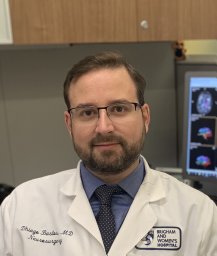 Bastos Dhiego合作论文数2
 Jeffrey S. Weinberg合作论文数Department of Neurosurgery, Division of Surgery, The University of Texas MD Anderson Cancer Center2
 Akash J. Patel合作论文数Department of Molecular and Human Genetics, Baylor College of Medicine2Kenneth L. Scott合作论文数2Sujit S. Prabhu合作论文数2Alexander E. Ropper合作论文数Department of Neurosurgery, Brigham & Women’s Hospital2Anthony Grichuk合作论文数1
 Asante Hatcher合作论文数1Carrie Mohila合作论文数1Navish Bosquez合作论文数1
 Chia-Ching John Lin合作论文数Denali Therapeutics, Inc.1Yiqun Zhang合作论文数Baylor Coll Med, Dan L Duncan Canc Ctr, Houston, TX 77030 USA1Yi-Ting Cheng合作论文数1
 Richard Medford合作论文数1
 Kenneth R. Hess合作论文数Department of Biostatistics, University of Texas MD Anderson Cancer Center1Sen Anish N合作论文数1
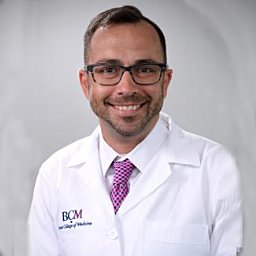 Tiemo Jürgen Klisch合作论文数Baylor College of Medicine1de la Flor Carolina合作论文数1
 Komal Bankim Shah合作论文数1
 Visish M Srinivasan合作论文数Department of Neurosurgery, Baylor College of Medicine1
 Zhu Wenyi合作论文数1
 Jason Stafford合作论文数School of Engineering, College of Engineering and Physical Sciences, University of Birmingham1
 Jacob J Mandel合作论文数1Chen Fengju合作论文数1
 Huang-Hobbs Emmet合作论文数The University of Texas MD Anderson Cancer Center, The University of Texas MD Anderson Cancer Center1
 Isabella C. Glitza合作论文数Division of Cancer Medicine, Department of Melanoma Medical Oncology, The University of Texas MD Anderson Cancer Center1
 Vinodh Kumar合作论文数1
 Chad Creighton合作论文数Dan L Duncan Comprehensive Cancer Center, Baylor College of Medicine;Human Genome Sequencing Center, Baylor College of Medicine1
 Gordon Mills合作论文数School of Medicine, Oregon Health Sciences University1
 Gregory Fuller合作论文数Department of Pathology, Graduate School of Biomedical Sciences, The University of Texas MD Anderson Cancer Center1Matthew N. Bainbridge合作论文数1
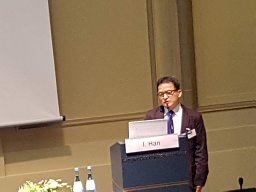 Inbo Han合作论文数Department of Neurosurgery, CHA University1
 Jeffrey L Noebels合作论文数Department of Neurology, Baylor College of Medicine;Blue Bird Circle Developmental Neurogenetics Laboratory, Baylor College of Medicine1R. Jason Stafford合作论文数Department of Imaging Physics, The University of Texas M.D. Anderson Cancer Center1
 Pascal O. Zinn合作论文数Beth Israel Deaconess Medical Center, Harvard Medical School;Department of Radiation Oncology, Dana Farber Cancer Institute;Harvard Medical School, Dana Farber Cancer Institute1
 Jonathan Michael Loree合作论文数Department of Biological Sciences, University of Lethbridge1




