Manifestation of a flexible and environmentally compatible multifunctional energy harvester (MEH) is achieved through the use of a noncentrosymmetric metallosupramolecular crystal (MSC). Here, we report the design and synthesis of non-covalent interactions-mediated synthetic strategy of a MSC system using Cu(II) salt, allylmalonic acid, and 2,2ʹdipyridylamine system. Single-crystal X-ray diffraction and Hirshfeld surface analysis reveal a distorted square pyramidal geometry organized into an oscillatory 1D hydrogen-bonded chain, which ultimately perform the acentric polar nature of MSC crystals. This unique structural anisotropy enables high-efficiency multimodal energy harvesting. A flexible MEH was fabricated by employing MSC-system for the exploration of autonomous energy transduction. The MEH demonstrates superior piezoelectric performance, yielding a peak-to-peak short-circuit current (ISC) of ~ 1.2 µA and an opencircuit voltage (VOC) exceeding ~3.6 V under periodic mechanical excitation. The device exhibits a remarkable dual-sensitivity profile in low-pressure regimes and a peak power density of ~0.15 µW/cm
New dithiophosphate ligand {4-(C6H5)C6H4O}2PS2HNEt3 (1) and its rare earth metal complexes corresponding to formulas CeIII[S2P{OC6H4(4-C6H5)}2]3 (3) and SmIII[S2P{OC6H4(4-C6H5)}2]3 (4), are reported herein. A comparative spectroscopic analysis involving FT-IR, and multinuclear NMR (1H, 13C and 31P) provides seminal evidences of the formation of ligand and complexes in which cerium(III) and samarium(III) exhibit six-coordination with the sulfur atoms of phosphorodithioates. The impact of the polarity in different solvents of the complexes was also evaluated by applying UV–vis spectroscopy. Thermograms predict the thermal stability of the molecules by analyzing weight loss as a function of temperature. Density functional theory (DFT) calculations have supported the electronic structures and distorted octahedral (Oh) geometries around CeIII and SmIII centers. The HOMO-LUMO analysis plays a vital role in evaluating the kinetic stability of the complexes. Also, the presence of blue rings in non-covalent interaction (NCI) plot shows the formation of M-S bonding.
In this study, we successfully synthesized pristine polyaniline (PANI) and polyaniline/multi-walled carbon nanotubes (MWCNTs) nanocomposites with varying MWCNTs loading concentrations of 2, 4, 6, and 8 wt% using the chemical oxidative polymerization technique. An increase in the area under the bipolaronic to polaronic band (A(B)/A(P)) ratio from 1.25 to 3.63 was observed with higher loading concentrations, correlating with enhanced electrical conductivity. The room temperature conductivity of pristine polyaniline was measured at 7.54 S/cm, which significantly rose to 63.19 S/cm with an 8 wt% MWCNTs loading in the PANI matrix. Mott's variable range hopping (VRH) analysis indicated that all synthesized samples exhibited one-dimensional hopping at low temperatures, transitioning to two-dimensional and three-dimensional hopping in the mid and high-temperature ranges, respectively. The calculated Mott's VRH parameters for all three dimensions confirmed adherence to Mott's conditions, specifically alpha R > 1 and W > > k(B)T. The proposed charge transport mechanism leads to fabrication of various types electrical application devices which can be utilized for next generation technologies.
A streamlined and novel route to tetrahydrospiro[[1,3]dioxane-5,8 '-pyrazolo[3,4-f]quinoline]-4,6-dione derivatives has been established through a multiple bond-forming cascade reaction employing Meldrum's acid, various aldehydes, and 6-aminoindazole. Using sulphanilic acid as an organocatalytic promoter in ethanol enabled the smooth formation of spiroheterocycles under mild and environmentally favourable conditions. The structures of the synthesized molecules were confirmed by spectroscopic analyses and single-crystal X-ray diffraction, which validated the characteristic spiroframework and provided insight into conformational features. The transformation proceeds through successive Knoevenagel condensation, nucleophilic addition, and intramolecular cyclization steps, with sulphanilic acid effectively promoting these transitions and improving overall efficiency. The energy gap variation in the DFT study indicates the relative reactivity. This strategy demonstrates the synthetic utility of cascade multicomponent reactions for constructing architecturally complex heterocycles.
A highly efficient synthetic protocol domino/Knoevenagel-Michael-dehydrative cyclization (DKMDC) has been developed, and synthesized new pyrazolyl-appended xanthene-diones in high yields, after combining 3-methyl-1(o-/m-Cl-phenyl)-5-hydroxy/2-(N)-alkyl/alkenyl)/- pyrazole-4-carbaldehydes 2a-c/4-6 with cyclic diones using chitosan N-ium acetate as a catalyst. The catalyst can be recovered and reused at least five times without losing its catalytic efficiency. Notably, the pyrazole unit in both the starting and final compounds undergoes alkylation regioselectively at its ring nitrogen and forming an antipyretic/analgesic Novalgin analogous skeleton to be used as a new conjugate of xanthene. The new structures were confirmed through single-crystal X-ray diffraction and supported by DFT calculations.
We present a novel, efficient, eco‐friendly sonochemical strategy for the synthesis of fused nitrogen heterocycles via Brønsted acid‐promoted, one‐pot multicomponent reactions (MCRs). This method involves the rapid assembly of 6‐aminoindazole, aryl aldehydes, and 1,3‐cyclodione derivatives (barbituric acid, dimedone, and 1,3‐dimethyl barbituric acid) under mild and identical reaction conditions. The approach delivers a diverse range of highly functionalized heterocyclic frameworks, including 11‐phenyl‐1,6,7,11‐tetrahydro‐8 H ‐pyrazolo[3,4‐ f ]pyrimido[4,5‐ b ]quinoline‐8,10(9 H )‐dione, 8,8‐dimethyl‐11‐phenyl‐1,6,7,8,9,11‐hexahydro‐10 H ‐pyrazolo[3,4‐ a ]acridin‐10‐one, and 7,9‐diphenyl‐1,6,7,9‐tetrahydro‐2′ H ‐spiro[pyrazolo[3,4‐ f ]quinoline‐8,5′‐pyrimidine]‐2′,4′,6′(1′ H ,3′ H )‐trione derivatives. The molecular structures of these compounds were unambiguously confirmed through 1H‐NMR, 13C‐NMR and single‐crystal X‐ray diffraction (SC‐XRD) analysis. Additionally, control experiments provided valuable mechanistic insights into the reaction pathway. This protocol stands out for its efficiency, high yields, and broad functional group tolerance, making it a versatile tool for diversity‐oriented synthesis in modern heterocyclic chemistry.
We present the first results from a new backend on the Australian Square Kilometre Array Pathfinder, the Commensal Realtime ASKAP Fast Transient COherent (CRACO) upgrade. CRACO records millisecond time resolution visibility data, and searches for dispersed fast transient signals including fast radio bursts (FRB), pulsars, and ultra-long period objects (ULPO). With the visibility data, CRACO can localise the transient events to arcsecond-level precision after the detection. Here, we describe the CRACO system and report the result from a sky survey carried out by CRACO at 110-ms resolution during its commissioning phase. During the survey, CRACO detected two FRBs (including one discovered solely with CRACO, FRB 20231027A), reported more precise localisations for four pulsars, discovered two new RRATs, and detected one known ULPO, GPM J1839 - 10, through its sub-pulse structure. We present a sensitivity calibration of CRACO, finding that it achieves the expected sensitivity of 11.6 Jy ms to bursts of 110 ms duration or less. CRACO is currently running at a 13.8 ms time resolution and aims at a 1.7 ms time resolution before the end of 2024. The planned CRACO has an expected sensitivity of 1.5 Jy ms to bursts of 1.7 ms duration or less and can detect 10x more FRBs than the current CRAFT incoherent sum system (i.e. 0.5 - 2 localised FRBs per day), enabling us to better constrain the models for FRBs and use them as cosmological probes.
A simple and practical method has been developed for the synthesis of Naryl/ heteroarylphthalimides, bisphthalimides, 1,8-naphthalimides, and related derivatives. This method involves the reaction of various primary amines with different anhydrides, such as phthalic anhydride and 1,8-naphthalic anhydride, in the presence of a catalytic amount of mandelic acid in aqueous ethanol under reflux conditions. The use of less toxic solvents, excellent yields, shorter reaction times, elimination of column chromatographic purifications, and low-cost and naturally occurring catalysts are some of the major advantages of this developed protocol.
Naphthofuran derivatives can reduce inflammation by inhibiting prostaglandins and cytokines. They also modulate immune cell activity and scavenge reactive oxygen species to alleviate oxidative stress-induced inflammation. In this study, we evaluated the anti-inflammatory potential of a naphthofuran-based derivative, 2-phenyl-1-(phenylthio)naphtho[2,1-b]furan (PTNF), to inhibit nitric oxide (NO) and its impact on the production of pro-inflammatory cytokines TNF-alpha and IL-6. In addition to 6-311++G(d,p) basis set, quantum mechanical calculations were carried out to explain the geometry and stability of the PTNF using DFT at the B3LYP level. Molecular docking investigations revealed that PTNF exhibited strong binding interactions with TNF-alpha and IL-6. These results emphasize the potential of naphthofuran derivatives in shaping future therapeutic approaches, specifically for addressing inflammatory diseases.
The powdered samples of pure and Sn-Zn co-doped Bi2Te3 were synthesized using the solvothermal method at 200 °C. XRD analysis provided information regarding hexagonal crystal structure and space group R-3 m. The lattice parameters were obtained from Rietveld refinement which shows a decrease after Sn-Zn co-doping. The variation in lattice strain, dislocation density and stacking faults provides information regarding the presence of defects in samples. FESEM confirms the hexagonal plate-like morphology of the synthesized samples. The length of synthesized hexagonal nanoplates was in the range of 70–270 nm and the thickness was in the range of 10–20 nm. EDS spectra provided the elemental composition for all samples. Raman spectroscopy confirms the presence of three vibrational modes A_1g^1 , E_g^2 and A_1g^2 in the samples. XPS was used to obtain the chemical states of the elements present in the samples. Hall measurement provided the carrier concentration in the range of 1.126 × 10¹⁸—7.168 × 1018 cm−3 and mobility in the range of 110–71 cm2/Vs at room temperature. The electrical conductivity of Sn-Zn co-doped samples was increased with increasing doping content and the highest electrical conductivity of 0.658 × 10² S/cm was obtained for Sn0.03Zn0.03Bi1.94Te3 sample at 473 K. The highest value of Seebeck coefficient was observed in the pure sample which is -148.746 μV/K at room temperature. The value of power factor was calculated from electrical conductivity and Seebeck coefficient which shows that the highly doped sample Sn0.03Zn0.03Bi1.94Te3 has the highest value of power factor which is 0.628 × 10⁻⁵ Wm−1 K−2 at room temperature which can enhance figure of merit.
Conformational space of methoxyacetone (MA) was studied at the MP2/6-311++G(d,p) and DFT(B3LYP)/ 6-311++G(d,p) levels of theory. Computations predict MA to adopt four conformations, resulting from internal rotations around the O=C-C-O (Trans, Cis) and C-C-O-C (trans, gauche) dihedral angles. The Tt (Transtrans) conformer is the most stable. The computed energies of two gauche (Tg and Cg) conformers fall in the 3-8 kJ mol(-1) range above Tt and should account for 1/3 of the room-temperature gas-phase equilibrium. The energy of Ct form is 11 kJ mol(- 1) above Tt, and its expected population is negligible (below 1 %). In our earlier work, MA monomers were isolated in cryogenic argon matrices and characterized by infrared spectroscopy. In the experiment, only the most stable Tt conformer was detected in the sample. Signatures of the other conformers were not detected, either in freshly deposited samples, or in samples subjected to different UV irradiations. We rationalize those observations in terms of computed barriers for intramolecular torsions, indicating occurrence of conformational cooling during deposition. The experimental infrared spectrum of the Tt form is now assigned with the aid of anharmonic DFT computations. Exposure of MA to UV irradiation in the 300-260 nm range led to photolysis, according to the Norrish type II mechanism, resulting in dimer between enol acetone and formaldehyde observed as a cage-confined intermediate photoproduct. The subsequent photolysis resulted in the formation of carbon monoxide as the dominating photoproduct, formed in the Norrish type I photoreaction. Mechanistic interpretation of this photo decarbonylation reaction is presented.
This work describes an efficient, concise, and green sonochemical synthesis of benzylidene derivatives of enolizable carbonyls featuring barbituric acid derivatives, pyrazole-5-one, and rhodanine in aqueous ethanol using an organocatalyst. This method enables the synthesis of various benzylidene derivatives via a direct sp3 C–H olefination reaction of enolizable carbonyls. We remarkably emphasize the synthetic utility of these derivatives and validate the molecular structures using 1H-NMR and 13C-NMR spectroscopy (APT) as well as SC-XRD investigation of representative compounds.
-Ca & Sb co-doped Bi2Te3 compounds have been prepared by hydrothermal method at 210 degrees C for 24 h and investigated their thermoelectric properties. Phase purity and crystallinity were analyzed by XRD. All the prepared samples have rhombohedral crystal structure with space group R-3m. The hexagonal nanoplate-like morphology was examined by FESEM. Elemental analysis was done with EDX. Band gap energy of prepared samples has values in the range of similar to 0.40-0.65 eV, obtained by Tauc plot. The Raman shift was obtained at a lower frequency with doping. Carrier concentration increased with doping from 3.18 x 1020 cm-1 to 9.34 x 1020 cm-1. The high value of power factor (PF) of similar to 10.8 x 10⁻⁴ Wm-1K-2 was obtained due to high carrier concentration. An ultralow lattice thermal conductivity of similar to 0.28 and similar to 0.63 W mK-1 at 420 K, was obtained for Ca0.06Bi1.88Sb0.06Te3 and pure Bi2Te3, respectively. A maximum ZT of similar to 0.78 at 386 K was obtained for Ca0.03Bi1.94Sb0.03Te3. The value of ZT thus obtained is about similar to 51% higher than the ZT of pure Bi2Te3 (similar to 0.39 at 386 K).
In the present work, the effects of Bi-Mg co-doping on the thermoelectric properties of SnTe materials are investigated. Pristine SnTe and Sn0.96Bi0.02Mg0.02Te materials are synthesized using a facile solvothermal technique. Calculated crystallite size and grain size decrease after Bi-Mg co-doping. In Sn0.96Bi0.02Mg0.02Te various lattice defects, lattice strain, stacking fault and dislocation densities are higher as compared to pristine SnTe. Minimum lattice thermal conductivity is 0.21 W/mK in Sn0.96Bi0.02Mg0.02Te and 1.13 W/mK in pristine SnTe at 584 K. Lower lattice thermal conductivity in Bi-Mg co-doped SnTe may be due to more phonon scattering at interfaces and lattice defects. A decrease in carrier concentration following doping may lead to a decrease in electrical conductivity in Sn0.96Bi0.02Mg0.02Te as compared to SnTe. Maximum S in Sn0.96Bi0.02Mg0.02Te is 72 μV/K and in pure SnTe is 66 μV/K at 584 K. The increase in S may be due to band engineering via Bi-Mg co-doping as (i) Bi generates resonant energy states at the Fermi level of SnTe (ii) Mg doping modifies the band structure of SnTe via converging valence bands and widening the band gap. Maximum ‘figure of merit’ zT = 0.21 in Sn0.96Bi0.02Mg0.02Te is 91
Introduction: A variation in vessel morphology determines flow dynamics and vascular disease pathogenesis. Definite information on the distinctive anatomical variations of the mesenteric vessels is extremely important for laparoscopic surgical procedures and interventional radiological procedures in the abdominal region. Three-dimensional-computed tomography angiography (3D-CTA) is a less invasive method to evaluate vascular anatomy using a visual tracking method on high-definition images, contrast-enhanced inferior mesenteric artery (IMA) can be traced to its terminal branches beside the colon wall. Subjects and Methods: Abdominal contrast-enhanced computed tomography scan data from 180 patients was retrospectively collected, reconstructed, and analyzed. The origin, length of IMA from origin to the first branch, branching patterns of IMA, and tracking patterns of the ascending branch of left colic artery (LCA), were examined, and their associations with clinical features were analyzed. Results: IMA displayed variations in the level of origin ranging from upper 1/3 of L3 to upper 1/3 of L4, mean length from origin to the first branch was 27.4 ± 7.8 mm. Observed branching patterns of IMA were grouped according to Yada classification: Type 1 (52.2%), Type 2 (15.5%), Type 3 (14.4%), and Type 4 (17.7%). Tracking of the ascending branch of LCA before anastomosis with marginal artery revealed four patterns: Type A LCA pattern in 43.9%; Type B LCA anatomy pattern was (19.4%); Type C LCA anatomy pattern was (20.0%); and Type D LCA anatomy pattern was observed (16.7%). Conclusion: Preoperative understanding of the vascular variations of IMA and LCA can be obtained by 3D-CTA. This may be helpful to surgeons in planning preoperative strategies to prevent iatrogenic injuries.
The crystal structure of the title compound, 6-amino-3-methyl-4-phenyl-2,4-dihydropyrano[2,3-c]pyrazole-5-carbonitrile, were determined by single crystal X-ray structure analysis. The compound C14H12N4O crystallizes in the triclinic crystal system with the P-1 space group (no. 2), having unit cell parameters a = 6.4788(7) Å, b = 8.8433(7) Å, c = 10.7377(9) Å, α = 103.456(7)°, β = 99.207(8)°, γ = 92.451(8)°, V = 588.55(9) Å3, Z = 2. The crystal structure was solved by direct methods using single-crystal X-ray diffraction data collected at room temperature and refined by full-matrix least-squares procedure with a final R-value of 0.0464 for 1432 observed reflections. The dihedral angle between the pyran ring and the pyrazole ring is 178.08(6)°, between the pyrazole ring and the benzene ring is 98.92(6)° and between the pyran ring and the benzene ring is 97.10(5)°. The molecules in the crystal are linked to an infinite two-dimensional network by N−H···N and C−H···π types of hydrogen bonds. Molecules are also reinforced by the π···π interaction between the pyrazole ring and the pyran ring, respectively.
In this study, low temperature electrical conductivity of pristine polyaniline and polyaniline/activated charcoal nanocomposites with four different loading concentrations of activated charcoal (2, 4, 6, and 8 wt
In present work, we investigated the effect of different solvents and concentration of PVP surfactant on morphological and electrical properties of Bi2Te3 nanostructures. As water has high dielectric constant and high surface tension, which will enhance the mobility of charge carriers, and electrical conductivity of the material. High concentration of PVP provide better dispersion stability and prevent agglomeration and produces defects like stacking fault and grain boundaries. The Bi2Te3 nanostructures were prepared with different solvent via solvothermal method. These have rhombohedral crystal structure with space group R 3 m as examined by XRD. Different morphology of nanoflakes, hexagonal nanoplates, and nanoparticles were observed by FESEM. The density measurement and FESEM confirmed the porous structure. The valance states and binding energy was determined by XPS study. The carrier concentration and mobility were obtained by Hall effect. Carrier concentration of 7 × 1019 cm−3 to 11.28 × 1019 cm−3 were obtained at room temperature. The band gap energy of 0.28 eV was calculated by Tauc plot. The maximum σ of 1.2 × 10⁵ S/m at 480 K is obtained for sample prepared with water as solvent.
Background: Primary implant stability is a crucial factor for the successful osseointegration and long-term success of dental implants. The contribution of trabecular and cortical bone to primary implant stability is not well understood. Materials and Methods: An in vitro model using synthetic bone blocks mimicking trabecular and cortical bone was used to simulate implant placement. The study involved 40 implants, divided into four groups based on bone type and density: Group A (low-density trabecular bone), Group B (high-density trabecular bone), Group C (low-density cortical bone), and Group D (high-density cortical bone). Primary stability was assessed using insertion torque values and resonance frequency analysis (RFA). Insertion torque was measured using a digital torque meter, and RFA was measured using an Osstell ISQ device. Results: Group D (high-density cortical bone) exhibited the highest insertion torque values (mean: 45 Ncm) and Implant Stability Quotient (ISQ) values (mean: 75), indicating superior primary stability. Group C (low-density cortical bone) showed moderate stability, with mean insertion torque values of 30 Ncm and ISQ values of 60. Group B (high-density trabecular bone) had lower stability, with mean insertion torque values of 25 Ncm and ISQ values of 55. Group A (low-density trabecular bone) demonstrated the least stability, with mean insertion torque values of 15 Ncm and ISQ values of 45. Conclusion: The study concludes that cortical bone, especially high-density cortical bone, significantly contributes to primary implant stability compared to trabecular bone. The findings suggest that bone quality should be a major consideration during implant placement to ensure optimal primary stability and long-term success.
 Rajni Kant合作论文数208
 Kamini Kapoor合作论文数77
 Goutam Brahmachari合作论文数Department of Chemistry, Visva-Bharati University51
 Banerjee Bubun合作论文数Laboratory of Natural Products &Department of Chemistry, Visva-Bharati University;Laboratory of Natural Products & Organic Synthesis, Visva-Bharati University38Anthal Sumati合作论文数Post-Graduate Department of Physics &Electronics, University of Jammu32
 Rajendrasinh Jadeja合作论文数32
 Chris Flynn合作论文数Centre for Astrophysics and Supercomputing, Swinburne University of Technology;School of Science, Computing and Engineering Technologies, Swinburne University of Technology26
 Madhukar Baburao Deshmukh合作论文数Department of Chemistry;Shivaji University;Department of Chemistry, Shivaji University24
 Narsidas J. Parmar合作论文数21
 Naresh Sharma合作论文数20
 W. Farah合作论文数SETI Inst18
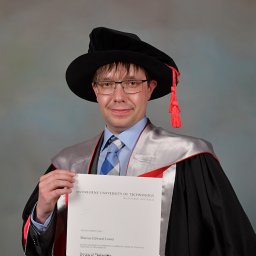 M. E. Lower合作论文数Ctr Astrophys & Supercomp, Swinburne Univ Technol18
 Adam Deller合作论文数Centre for Astrophysics and Supercomputing, Swinburne University of Technology18
 Abhijit Chandra合作论文数Department of Surgical Gastroenterology, King George's Medical University17
 Gurpreet S Wander合作论文数Dayanand Medical College & Hospital, Ludhiana17
 Matthew Bailes合作论文数Centre for Astrophysics and Supercomputing, Swinburne University of Technology;Fourier Space Pty Ltd;ARC Centre of Excellence for Gravitational Wave Discovery17
 Stefan Osłowski合作论文数Department of Physics;McGill University;Department of Physics, McGill University17
 V. Venkatraman Krishnan合作论文数Max Planck Inst Radioastron16T. Bateman合作论文数15ho kalinowski合作论文数15
 Varun Sharma合作论文数15
 Danny Price合作论文数Square Kilometre Array Observatory;Curtin University15Sachar Renu合作论文数15
 Badiadka Narayana合作论文数Department of Studies in Chemistry, Mangalore University15
 A. Parthasarathy合作论文数Max Planck Inst Radioastron14A. Jameson合作论文数14Gupta Vishal合作论文数14
 Shripanavar Chetan S合作论文数National Research Centre for Grapes14M. P. S. Ishar合作论文数Bio-Organic and Photochemistry Laboratory, Guru Nanak Dev University14Kuldeep Singh合作论文数13A. Sutherland合作论文数13J. A. Green合作论文数13
 Satya Paul合作论文数Department of Chemistry;University of Jammu;Department of Chemistry, University of Jammu13D. Campbell‐Wilson合作论文数12D R Patil合作论文数12
 Mukul Kumar合作论文数12Deepak jyoti Sharma合作论文数12
 Saket Kumar合作论文数12D. Temby合作论文数11Kn Goswami合作论文数11
 B. V. M. Mohan合作论文数11G. Torr合作论文数10G. Urquhart合作论文数10Sakshi Sharma合作论文数10Kumar Balbir合作论文数10
 Monika Gupta合作论文数Department of Chemistry;University of Jammu;Department of Chemistry, University of Jammu10D. Revannasiddaiah合作论文数10
 Ryan Shannon合作论文数Swinburne's Centre for Astrophysics and Supercomputing;ARC Centre of Excellence for Gravitaitonal Wave Discovery;School of Science, Computing and Engineering Technologies, Swinburne University of Technology10
 Kaushik Banerjee合作论文数National Research Centre for Grapes10




