Beta-thalassemia is among the most common monogenic disorders, posing a major global health challenge. Editing of genetic modifiers, such as BCL11A erythroid enhancer and HBG promoters, enhances fetal hemoglobin expression and confers major therapeutic potential. Double-strand-break (DSB)-independent genome editing tools, such as base editors (BE), are potentially safer and better suited for multiplexed application than DSB-dependent CRISPR/Cas technology. However, harmful on- and off-target events remain a concern and must be excluded before clinical application, including chromosomal rearrangements invisible to standard detection technologies. Using primary patient-derived CD34+ cells from three donors, we investigate simplex and duplex BE-based disruption of the BCL11A erythroid enhancer and the BCL11A binding site (-115 bp) on the HBG promoter for DNA-level and functional studies at the RNA, protein, and morphological level. Analyses include direct comparison to DSB-based editing, the current clinically applied standard, and CAST-seq to assess recombination events, allowing wider inferences on relative safety. RNA-seq analyses for clones of primary CD34+ cells across all treatments confirm peak HBG induction for duplex BE and comparable effects on apoptotic and immune response signatures. Overall, duplex BE produces robust γ-globin and fetal hemoglobin induction, improves functional correction over simplex editing and results in low incidence of genomic alterations in both target loci. Duplex BE targeting both BCL11A erythroid enhancer and HBG promoter enables functional correction and genome integrity. Our study highlights the efficacy, safety, and therapeutic potential of the present duplex BE approach.
Hemoglobinopathies are monogenic disorders that primarily affect erythrocyte biology but show high phenotypic diversity in the number of associated disease phenomena and overall disease severity [...]
Hemoglobinopathies, including sickle cell disease (SCD) and thalassemia, are the most common monogenic disorders and impose a substantial global health burden. Despite advances in personalized and curative therapies, translation of evidence-based interventions (EBIs) into routine care remains limited. A web-based cross-sectional survey was completed by 59 healthcare centers spanning 30 countries. Centers reported patient volumes, staffing, diagnostic and treatment availability, insurance coverage, guideline uptake, and application of the implementation science framework outcomes. Data were collected via REDCap and analyzed descriptively by geographic region and income level. Forty-four centers reported 51,835 patients with SCD and 6,548 with thalassemia. Sub-Saharan Africa (SSA) bore the largest SCD burden, whereas thalassemia predominated in Europe/North America and Northern Africa/Western Asia. SCD was more common in lower-income countries, and adult thalassemia in high-income settings. Healthcare capacity varied, with the highest patient-to-specialist ratios in SSA. Psychosocial and rehabilitative staffing was overall limited. Income-related disparities were observed in access to medications, insurance, diagnostics, and screening, with diagnostic capacity lowest in SSA. Hydroxyurea and transfusion services were widely available, whereas iron chelation and advanced curative therapies were largely confined to high-income countries. Only 19% of centers reported using implementation science frameworks. Geographic and income-related disparities in hemoglobinopathy care persist, reflecting systemic barriers to EBI implementation and the need for coordinated strategies to strengthen health systems and ensure equitable translation of genomic and therapeutic advances into clinical practice.
Genome editing (GE) has transformed medicine by allowing precise changes to DNA, offering potential treatments for a range of inherited and acquired disorders. Several technologies support these advances, including zinc-finger nucleases (ZFNs), transcription activator-like effector nucleases (TALENs), and clustered regularly interspaced short palindromic repeats (CRISPR)-based systems, of which the latter has emerged as the most accessible, versatile, and popular. While GE holds great promise, its clinical use requires careful attention to safety, ethics and regulatory standards. Inadvertent on- and off-target DNA alterations and unintended modification of non-target cells pose major technical challenges, while bioethical considerations and the need for harmonized safety standards create regulatory challenges. The Food and Drug Administration (FDA) and European Medicines Agency (EMA), as regulatory agencies for key advanced therapy markets, provide detailed guidance on these aspects, emphasizing rigorous preclinical testing, patient monitoring, ethical consent, and compliance with legal frameworks. This concise review summarizes what is currently published in the scientific literature and recommended by regulatory agencies, providing an overview of the responsible clinical application of GE, with emphasis on patient safety, adherence to regulatory guidance, and ethical practice.
Autosomal recessive spinocerebellar ataxia type 10 (SCAR10) is a rare, slowly progressive neurodegenerative disorder characterised by ataxia, cerebellar atrophy, and oculomotor abnormalities, caused by variants in the ANO10 (anoctamin 10) gene. While ANO10-mediated calcium dysregulation in Purkinje cells has been proposed to cause SCAR10, the precise pathogenic mechanism remains unclear. To investigate cellular responses to ANO10 deficiency, four ANO10-mutant neuronal cell lines - a knockout and three lines harbouring recurrent SCAR10-associated pathogenic variants - were engineered using CRISPR/Cas9 editing, expanded by clonal isolation, and characterised by flow cytometry. Mass spectrometry-based proteomics identified differentially expressed proteins between control and mutant lines, and bioinformatic analyses uncovered candidate pathways involved in disease pathogenesis. Comparative proteomic analysis revealed disruptions in synaptic function, cell cycle regulation, extracellular matrix remodelling, and immune homeostasis as candidate pathways potentially contributing to SCAR10 pathogenesis. All four processes are functionally linked to calcium signalling, aligning with previous reports implicating abnormal calcium homeostasis in spinocerebellar ataxias. This study provides, for the first time, insights into the proteomic profile of SCAR10 using cell-based models and highlights specific molecules and pathways that may contribute to disease pathogenesis. These findings offer a foundation for further investigation and experimental validation, with potential implications for the development of targeted therapeutic approaches.
Iron overload-driven liver fibrosis is a major concern in β-thalassaemia patients, but non-invasive or minimally invasive biomarkers for fibrosis staging remain limited. This study evaluated five plasma microRNAs (let-7a, miR-21, miR-29a, miR-34a, and miR-122) as potential markers for distinguishing liver fibrosis stages in β-thalassaemia. Plasma samples from 40 patients with fibrosis stages F0–F1 to F4 were analysed using RT-qPCR, normalised against the arithmetic mean of reference miRNAs miR-16 and miR-221. Expression levels of candidate miRNAs showed no statistically significant variation across stages, and logistic regression and ROC analyses revealed fair discriminatory performance for individual miRNAs and their combinations in selected stage comparisons. Notably, while for the discrimination of different fibrosis stages all five candidate miRNAs tested showed fair area-under-the-curve values between 0.7 and 0.8 individually and up to 0.917 in combination, none of these findings reached statistical significance. These results suggest that while the selected set of miRNAs reflects liver injury, its performance for precise fibrosis staging in β-thalassaemia is limited. A key cause for the low discriminatory power of these miRNAs may be the overall change of the blood miRNA transcriptome in haemoglobinopathies. The results indicate the need for validation in larger cohorts based on larger miRNA panels or the use of alternative source materials to improve diagnostic performance.
Background Hemoglobinopathies, including sickle cell disease (SCD) and thalassemia syndromes, represent the commonest monogenic diseases in the world, but their varying degree of clinical severity may be partly influenced by genetic modifiers. Despite the identification and characterization of several genetic modifiers by previous studies, these are, as yet, insufficient to guide treatment recommendations or stratify patients reliably. The International Hemoglobinopathy Research Network (INHERENT) will investigate the role of genetic modifiers in hemoglobinopathies, through a large, multi-ethnic genome-wide association study (GWAS), with the aim to identify and validate further disease modifiers that can be used for patient stratification and personalized treatment. Aims This pilot study aims to test the operational feasibility of the INHERENT study across different geographic and healthcare settings and, thus, identify and address challenges in performing the envisioned GWAS within INHERENT. Methods INHERENT members participating in the pilot study were selected based on their geographic location, disease group distribution (SCD/thalassemia) and hemoglobinopathy-specific healthcare policies. The following steps of study implementation were tested: (a) obtaining local bioethics approval (b) patient enrollment and data collection using a common case report form (CRF), (c) sample collection and shipment, (d) genotyping of globin genes, (e) centralized GWAS experiments, and (f) statistical analysis. The completeness of the collected dataset was also assessed. Informed consent was obtained prior to any research activities. Results The pilot study enrolled 772 subjects from 14 centers spanning 8 countries, namely Angola, Cyprus, Denmark, DR Congo, Greece (3), Malaysia (3), Nigeria (3), and the USA. An additional thirteen centers obtained bioethics approval but have not initiated participant enrollment yet. The distribution by disease group is 52.3% SCD and 40.9% thalassemia, while the median age is 22 (mean 25.3) years, with 53.9% adult and 28.5% children (<18 years), and the remaining records being incomplete for age and disease. Data completeness (affirming presence, absence, or not enough data) of key parameters related to medical complications is approximately 80%, while the range of completeness for laboratory parameters was wide, with a maximum at 70%. Pain is a common complication in SCD with approximately 60% of participants presenting with at least one presentation of acute or chronic pain. Surprisingly, a higher percentage of children (65%) versus adults (55%) had this complication. Acute anemia is observed in 30% of children with SCD, but in only 10% of adults with SCD and not commonly in any thalassemia participants, even those living in low-resource settings. While end organ damage is common in both conditions, this seems better captured within the adult thalassemia population. Notably, a higher rate of cardiac/pulmonary, kidney/liver, endocrinological and bone complications is observed in adult thalassemia participants. Biological material for 600 participants has been shared centrally and GWAS experiments have been performed using the Illumina GSA SNP array. Key challenges identified in the pilot study include: unavailability of key phenotypic data in routine clinical practice, particularly when the tests are not covered by insurance. This affects the completeness of the dataset as well as the cost associated with the conduct of a large-scale study like INHERENT.need for a more detailed standardization and simplification of the INHERENT CRF to ensure uniform and consistent collection of data across participating centers.unavailability, limited access, or high costs for molecular diagnostic services.storage, quality, and shipping of biological material. Summary/Conclusion The INHERENT pilot study tested common standards developed within INHERENT and enabled early identification of key challenges associated with the execution of a large, multi-ethnic study for hemoglobinopathies. The pilot is pivotal for scaling up the INHERENT GWAS across the entire network membership, enabling the study of a hemoglobinopathy population of unprecedented size and diversity which will facilitate novel discoveries and pave the way for advanced personalized treatments and diagnosis.
Sickle cell disease (SCD) is a group of recessive diseases caused by the βS sickling mutation of HBB in homozygosity or in compound heterozygosity with other pathogenic HBB mutations. Patients with severe SCD typically experience painful vaso-occlusive crises and other pain-related phenomena, including acute chest syndrome, priapism, dactylitis, avascular necrosis, and splenic sequestration and infarction. High variability of pain-related phenomena per SCD genotype indicates genetic disease modifiers (GDMs) as pathology determinants and, thus, as critical to prognosis, treatment choice, and therapy development. Articles likely holding genetic information for SCD pain phenomena were identified in PubMed and SCOPUS for article quality assessment and extraction of corresponding GDMs and observations indicative of development areas in our understanding of SCD GDMs. This process led to the initial selection of 183 articles matching the search terms, which, after two-step selection, resulted in the inclusion of 100 articles for content analysis and of significant findings for GDMs from 37 articles. Published data point to gender effects and to 51 GDM SNVs, deletions, and regions, including globin genes and significant overrepresentation of gene ontology pathways related, e.g., to oxidative stress, hypoxia, and regulation of blood pressure. Analyzed articles further pointed to additional candidate GDMs affecting SCD VOC and pain phenomena and to potential confounding factors for GWAS analyses. We found that despite the critical importance of VOC and pain phenomena for SCD pathology, corresponding clinically relevant genetic insights are held back by a shortage of large-scale, systematic multi-ethnic efforts, as undertaken by the INHERENT Network.
Non-invasive prenatal testing (NIPT) has been widely adopted for the screening of chromosomal abnormalities; however, its adoption for monogenic disorders, such as β-thalassaemia, has proven challenging. Haemoglobinopathies are the most common monogenic disorders globally, with β-thalassaemia being particularly prevalent in Cyprus. This study introduces a non-invasive prenatal haplotyping (NIPH) assay for β-thalassaemia, utilizing cell-free DNA (cfDNA) from maternal plasma. The assay determines paternal inheritance by analyzing highly heterozygous single-nucleotide variants (SNVs) in the β-globin gene cluster. To identify highly heterozygous SNVs in the population, 96 randomly selected samples were processed using Illumina DNA-prep NGS chemistry. A custom, high-density NGS genotyping panel, named HAPLONID, was designed with 169 SNVs, including 15 common pathogenic ones. The AmpliSeq for Illumina assay was then applied to cfDNA to evaluate the panel’s efficiency in performing NIPT for β-thalassaemia. Analysis revealed 219 highly polymorphic SNVs, and the sequencing of 17 families confirmed successful paternal allele determination. The NIPH assay demonstrated 100% success in diagnostic interpretation. This study achieved the advancement of an integrated NGS-NIPT assay for β-thalassaemia, bringing it one step closer to being a diagnostic assay and thereby enabling a reduction in the number of risky invasive prenatal sampling procedures in Cyprus and elsewhere.
beta-Thalassemia is brought about by defective b-globin (HBB [hemoglobin subunit b]) formation and, in severe cases, requires regular blood transfusion and iron chelation for survival. Genome editing of hematopoietic stem cells allows correction of underlying mutations as curative therapy. As potentially safer alternatives to double-strand-break-based editors, base editors (BEs) catalyze base transitions for precision editing of DNA target sites, prompting us to reclone and evaluate two recently published adenine BEs (ABEs; SpRY and SpG) with relaxed protospacer adjacent motif requirements for their ability to correct the common HBBIVSI-110(G>A) splice mutation. Nucleofection of ABE components as RNA into patient-derived CD34+ cells achieved up to 90% editing of upstream sequence elements critical for aberrant splicing, allowing full characterization of the on-target base-editing profile of each ABE and the detection of differences in on-target insertions and deletions. In addition, this study identifies opposing effects on splice correction for two neighboring context bases, establishes the frequency distribution of multiple BE editing events in the editing window, and shows high-efficiency functional correction of HBBIVSI-110(G>A) for our ABEs, including at the levels of RNA, protein, and erythroid differentiation.
Thalassemia is one of the most prevalent monogenic disorders in low- and middle-income countries (LMICs). There are an estimated 270 million carriers of hemoglobinopathies (abnormal hemoglobins and/or thalassemia) worldwide, necessitating global methods and solutions for effective and optimal therapy. LMICs are disproportionately impacted by thalassemia, and due to disparities in genomics awareness and diagnostic resources, certain LMICs lag behind high-income countries (HICs). This spurred the establishment of the Global Globin Network (GGN) in 2015 at UNESCO, Paris, as a project-wide endeavor within the Human Variome Project (HVP). Primarily aimed at enhancing thalassemia clinical services, research, and genomic diagnostic capabilities with a focus on LMIC needs, GGN aims to foster data collection in a shared database by all affected nations, thus improving data sharing and thalassemia management. In this paper, we propose a minimum requirement for establishing a genomic database in thalassemia based on the HVP database guidelines. We suggest using an existing platform recommended by HVP, the Leiden Open Variation Database (LOVD) (https://www.lovd.nl/). Adoption of our proposed criteria will assist in improving or supplementing the existing databases, allowing for better-quality services for individuals with thalassemia. Database URL: https://www.lovd.nl/.
Diamond-Blackfan anemia syndrome (DBAS) is a rare inherited bone marrow failure (BMF) syndrome characterized by erythroid aplasia, congenital malformations, and cancer predisposition. With its genetic heterogeneity, variable penetrance and expressivity, DBAS poses significant diagnostic challenges, necessitating advancements in genetic testing for improved accuracy. Here, we present the case of an 18-year-old male with a long-standing macrocytic anemia that remained undiagnosed despite standard whole exome sequencing (WES). Revisiting a family-trio WES analysis with clinical insight led to the identification of a likely pathogenic variant in the Ribosomal Protein S17 (RPS17) gene, previously masked due to analytical challenges and conservative filter settings. This variant, an initiation codon mutation, was confirmed in heterozygosity in both the proband and his mother through Sanger sequencing. Comprehensive imaging studies showed no malformations or organ anomalies in either individual, except for mild esophageal stenosis observed in both. RPS17 mutations, particularly those affecting the initiation codon, have previously been linked to the DBAS phenotype, but strong pathogenic association has not yet been firmly established. Our case warns of potential underdiagnosis of RPS17 variants in DBAS, highlighting the importance of clinical context and interdisciplinary collaboration in interpreting WES data to avoid false-negative results.
The European Cooperation in Science and Technology (COST) is an intergovernmental organization dedicated to funding and coordinating scientific and technological research in Europe, fostering collaboration among researchers and institutions across countries. Recently, COST Action funded the ''Genome Editing to treat Human Diseases'' (GenE-HumDi) network, uniting various stakeholders such as pharmaceutical companies, academic institutions, regulatory agencies, biotech firms, and patient advocacy groups. GenE-HumDi’s primary objective is to expedite the application of genome editing for therapeutic purposes in treating human diseases. To achieve this goal, GenE-HumDi is organized in several working groups, each focusing on specific aspects. These groups aim to enhance genome editing technologies, assess delivery systems, address safety concerns, promote clinical translation, and develop regulatory guidelines. The network seeks to establish standard procedures and guidelines for these areas to standardize scientific practices and facilitate knowledge sharing. Furthermore, GenE-HumDi aims to communicate its findings to the public in accessible yet rigorous language, emphasizing genome editing’s potential to revolutionize the treatment of many human diseases. The inaugural GenE-HumDi meeting, held in Granada, Spain, in March 2023, featured presentations from experts in the field, discussing recent breakthroughs in delivery methods, safety measures, clinical translation, and regulatory aspects related to gene editing.
Introduction: Genome editing tools, such as CRISPR/Cas, TALE nucleases and, more recently, double-strand-break-independent editors, have been successfully used for gene therapy and reverse genetics. Among various challenges in the field, tolerable and efficient delivery of editors to target cells and sites, as well as independence from commercially available tools for flexibility and fast adoption of new editing technology are the most pressing. For many hematopoietic research applications, primary CD34 + cells and the human umbilical cord-derived progenitor erythroid 2 (HUDEP-2) cell line are highly informative substrates and readily accessible for in vitro manipulation. Moreover, ex vivo editing of CD34 + cells has immediate therapeutic relevance. Both cell types are sensitive to standard transfection procedures and reagents, such as lipofection with plasmid DNA, calling for more suitable methodology in order to achieve high efficiency and tolerability of editing with editors of choice. These challenges can be addressed by RNA delivery, either as a mixture of guide RNA and mRNA for CRISRP/Cas-based systems or as a mixture of mRNAs for TALENs. Compared to ribonucleoproteins or proteins, RNA as vector creates flexibility by removing dependence on commercial availability or laborious in-house preparations of novel editor proteins. Compared to DNA, RNA is less toxic and by obviating nuclear transcription and export of mRNA offers faster kinetics and higher editing efficiencies. Methods: Here, we detail an in vitro transcription protocol based on plasmid DNA templates with the addition of Anti-Reverse Cap Analog (ARCA) using T7 RNA polymerase, and poly (A) tailing using poly (A) polymerase, combined with nucleofection of HUDEP-2 and patient-derived CD34 + cells. Our protocol for RNA-based delivery employs widely available reagents and equipment and can easily be adopted for universal in vitro delivery of genome editing tools. Results and Discussion: Drawing on a common use case, we employ the protocol to target a β-globin mutation and to reactivate γ-globin expression as two potential therapies for β-hemoglobinopathies, followed by erythroid differentiation and functional analyses. Our protocol allows high editing efficiencies and unimpaired cell viability and differentiation, with scalability, suitability for functional assessment of editing outcomes and high flexibility in the application to different editors.
Therapy via the gene addition of the anti-sickling βAS3-globin transgene is potentially curative for all β-hemoglobinopathies and therefore of particular clinical and commercial interest. This study investigates GLOBE-based lentiviral vectors (LVs) for βAS3-globin addition and evaluates strategies for an increased β-like globin expression without vector dose escalation. First, we report the development of a GLOBE-derived LV, GLV2-βAS3, which, compared to its parental vector, adds anti-sickling action and a transcription-enhancing 848-bp transcription terminator element, retains high vector titers and allows for superior β-like globin expression in primary patient-derived hematopoietic stem and progenitor cells (HSPCs). Second, prompted by our previous correction of HBBIVSI−110(G>A) thalassemia based on RNApol(III)-driven shRNAs in mono- and combination therapy, we analyzed a series of novel LVs for the RNApol(II)-driven constitutive or late-erythroid expression of HBBIVSI−110(G>A)-specific miRNA30-embedded shRNAs (shRNAmiR). This included bifunctional LVs, allowing for concurrent βAS3-globin expression. LVs were initially compared for their ability to achieve high β-like globin expression in HBBIVSI−110(G>A)-transgenic cells, before the evaluation of shortlisted candidate LVs in HBBIVSI−110(G>A)-homozygous HSPCs. The latter revealed that β-globin promoter-driven designs for monotherapy with HBBIVSI−110(G>A)-specific shRNAmiRs only marginally increased β-globin levels compared to untransduced cells, whereas bifunctional LVs combining miR30-shRNA with βAS3-globin expression showed disease correction similar to that achieved by the parental GLV2-βAS3 vector. Our results establish the feasibility of high titers for LVs containing the full HBB transcription terminator, emphasize the importance of the HBB terminator for the high-level expression of HBB-like transgenes, qualify the therapeutic utility of late-erythroid HBBIVSI−110(G>A)-specific miR30-shRNA expression and highlight the exceptional potential of GLV2-βAS3 for the treatment of severe β-hemoglobinopathies.
Background: Accurate and consistent interpretation of sequence variants is integral to the delivery of safe and reliable diagnostic genetic services. To standardize the interpretation process, in 2015, the American College of Medical Genetics and Genomics (ACMG) and the Association for Molecular Pathology (AMP) published a joint guideline based on different lines of evidence for the classification of sequence variants in Mendelian diseases. The generality of this guideline necessitates the application of expert judgment when evaluating and weighing evidence for variant interpretation. The Clinical Genome Resource (ClinGen) assembles Variant Curation Expert Panels (VCEPs) to perform gene- and disease-specific modifications of the ACMG/AMP framework. The ClinGen Hemoglobinopathy VCEP was created collaboratively between the ITHANET portal and the Global Globin Network of the Human Variome Project towards comprehensive annotation of all variants related to hemoglobinopathies. Aim: The adaptation of the ACMG/AMP variant interpretation guidelines of use in hemoglobinopathies. Methods: The Hemoglobinopathy VCEP focuses on the review and annotation of variants located in the globin gene clusters, namely α-globin locus (NG_000006), which includes genes HBA1, HBA2 and HBZ, and β-globin locus (NG_000007) which includes genes HBB, HBD, HBG1, HBG2 and HBE and the regulatory element LCRB. Using a consensus approach and guidance by the ClinGen Sequence Variant Interpretation Working Group, the Hemoglobinopathy VCEP has prepared a pre-final version of the specified ACMG/AMP criteria for hemoglobinopathies. Results: The Hemoglobinopathy VCEP developed disease-specific rules for sequence variant classification based on evidence criteria that assess variant frequency, variant types and disease causality, protein domains and mutational hotspots implicated in disease, clinical manifestations, segregation, in silico predictions and functional evidence. Conclusions: For the first time, the Hemoglobinopathy VCEP will provide a standardised classification of the pathogenicity of variants related to hemoglobinopathies. The Hemoglobinopathy VCEP specifications were approved by ClinGen in April 2021 (Step 2 approval), which initiated the process of further validation and adaptation with known globin gene variants in a pilot study (toward Step 3 approval). References 1. Kountouris P et al, Human Mutation 2021, doi: 10.1002/humu.24280
Background: The ITHANET Portal (www.ithanet.eu) is an expanding, publicly available biomedical resource dedicated to haemoglobinopathies. It provides a manually curated, literature-derived collection of published genetic and epidemiological data, also integrating the latest updates on news, events, publications, clinical trials, funding opportunities, and many more. Methods: A team of expert biocurators is involved in the collection, validation and annotation of information with weekly updates on scientific literature collected from PubMed, while the curation strategy also involves the incorporation of new and updated information from existing public databases. ITHANET also accepts contributions to its content with acknowledgement of unpublished data in a specifically designed section. Results: The ITHANET Portal offers a wide range of curated databases, as follows: IthaGenes is a database that organises genes and variations affecting haemoglobinopathies and integrates the NCBI sequence viewer for detailed graphical representation of each variation. IthaMaps is a database that stores epidemiological information as documented in published literature and illustrates this information on a dynamic global to regional map for a total of over 196 countries. IthaChrom provides digitised reports of standard diagnostic high-performance liquid chromatography analyses as a reference tool for haemoglobinopathy diagnosis, allowing database searches of key data. IthaPhen is a database that demonstrates the correlations between genotype and phenotype and is a unique and powerful tool for clinicians and molecular geneticists Conclusions: The ITHANET Portal has a high-profile international governance structure and is already the most comprehensive knowledgebase on haemoglobinopathies. As an official partner of the Human Variome Project’s Global Globin Network, ITHANET has been selected for data storing, curation and sharing within and between countries, as well as for the development of a thalassaemia-specific genotype-phenotype database. In addition, ITHANET is coordinating an Hemoglobinopathy Variant Curation Expert Panel for haemoglobinopathy-specific variant classification under the Clinical Genome Resource. References 1. Kountouris P et al. ITHANET: Information and database community portal for haemoglobinopathies bioRxiv, 2017. 2. Kountouris P et al. IthaGenes: An interactive database for haemoglobin variations and epidemiology PLoS ONE, 9(7): e103020, 2014. 3. Robinson HM. Increasing the involvement of diverse populations in genomics-based health care-lessons from haemoglobinopathies. Journal of Community Genetics, 43, 295–298, 2017.
 Marina Kleanthous合作论文数Molecular Genetics Thalassaemia Department, The Cyprus Institute of Neurology and Genetics65
 Petros Patsali合作论文数26
 Stephanou Coralea合作论文数BHF Laboratories, University College London (UCL),26
 Panayiota Papasavva合作论文数Cyprus Sch Mol Med20
 Petros Kountouris合作论文数School of Chemistry, University of Nottingham17
 Maria Sitarou合作论文数16Christou Soteroulla合作论文数15
 Jan-Henning Klusmann合作论文数Department of Pediatrics, Goethe University Frankfurt12
 Claudio Mussolino合作论文数11Niovi Santama合作论文数11Antoniou Michael N合作论文数10Soteroulla Christou合作论文数9Marios Phylactides合作论文数Molecular Genetics Thalassaemia Department, The Cyprus Institute of Neurology and Genetics8M. Sitarou合作论文数7
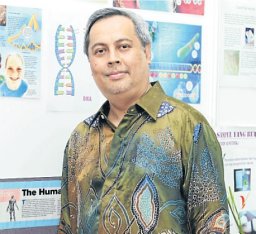 Bin Alwi Zilfalil合作论文数Ctr Human Genome, Univ Sains Malaysia7S. Christou合作论文数6
 Raj Ramesar合作论文数Department of Human Genetics, Medical School, University of Cape Town, Observatory 7925, South Africa6
 Jacques Elion合作论文数Medical School, Université Paris Diderot6
 Kolnagou Annita合作论文数Environment and Medicine, Postgraduate Research Institute of Science, Technology6Lola Koniali合作论文数5Halim-Fikri Hashim合作论文数School of Medical Sciences, Universiti Sains Malaysia5Anna Minaidou合作论文数5
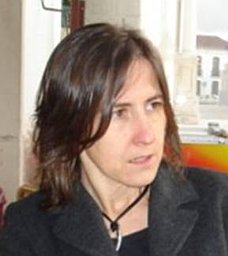 Celeste Bento合作论文数Unidade de Hematologia Molecular, Centro Hospitalar de Coimbra5Michael Antoniou合作论文数5Tatjana I. Cornu合作论文数5
 Michael Angastniotis合作论文数5
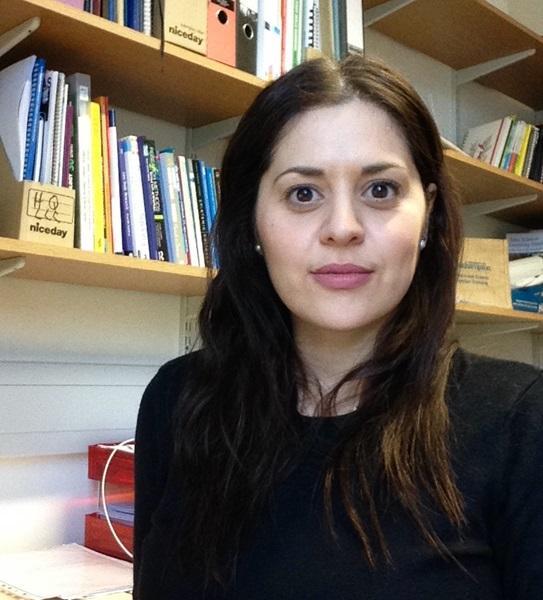 Andri Christodoulou合作论文数Southampton Education School, Faculty of Social Sciences, University of Southampton5Thessalia Papasavva合作论文数Cyprus Institute of Neurology and Genetics5Constantinos C Loucari合作论文数4Christiana Makariou合作论文数4
 Nikoletta Papaioannou合作论文数4Yukio Nakamura合作论文数RIKEN BioResource Ctr, Cell Engn Div, Tsukuba, Ibaraki, Japan4Kurita Ryo合作论文数4Fanis Pavlos合作论文数Molecular Genetics Thalassaemia, The Cyprus Institute of Neurology and Genetics4Xenophontos Maria合作论文数4
 Roberto Gambari合作论文数Dipartimento di Biochimica e Biologia Molecolare, Università degli Studi di Ferrara4
 George Stamatoyannopoulos合作论文数Division of Medical Genetics, University of Washington4Giuliana Ferrari合作论文数4
 Evangelia Yannaki合作论文数Department of Medicine, Division of Hematology, University of Washington;Gene and Cell Therapy Center, George Papanicolaou Hospital4G. Turchiano合作论文数3M. Romito合作论文数3Basma Naiisseh合作论文数3Helen M Robinson合作论文数3Charalambos Tsertos合作论文数3Eleni Pavlou合作论文数3
 Achilles Anagnostopoulos合作论文数3N. Y. Papaioannou合作论文数3Ezalia Esa合作论文数3
 Norafiza Mohd Yasin合作论文数3




