Although science can endeavour to do a great many things, unachievable thus far, these activities should be, but seldom are, tempered with the question, should we really do it? This is not necessarily implying a moral code to scientific activity, but at least suggests that we probably should consider the long-term consequences of certain scientific activities to human society and the environment. Indeed, scientists have struggled with the consequences of their discoveries, not least Nobel himself, who set up the Nobel prize as a reaction to being called "The father of death", due to his discovery and financial success with dynamite. Here, we set out the basis for a series of articles entitled, Frankenstein's Followers, Maintenance and propagation of human cells outside the body.
The Three Rs concept was welcomed in Austria, Germany and Switzerland, after the EEC had accepted Directive 86/609/EEC on the protection of animals used for experimental and other scientific purposes. However, it was implemented quite differently in each of the three countries. In 1985, Switzerland took the lead, because of generous funding by the Doerenkamp-Zbinden Foundation, by focusing on replacing the LD50 test, and in 2002, by establishing five chairs on alternatives in Germany, India, Switzerland, The Netherlands and the USA. In 1989, Germany established ZEBET at the Federal Health Institute (BGA) in Berlin, as the first national centre for alternatives, which significantly contributed to the international acceptance of the first in vitro OECD Test Guideline for local toxicity testing, for phototoxicity. Since 1992, the Austrian government has supported annual international Three Rs congresses in Linz, which are now organised by EUSAAT, the European Society for Alternatives to Animal Testing.
In The Netherlands, important contributions to the development of alternative methods have been made by TNO, the RIVM and the universities of Leiden, Utrecht, Wageningen, Groningen, Maastricht and Amsterdam. The Dutch Platform for Alternatives was founded in 1987, and the National Centre for Alternatives was created in 1994. In 2014, national activities were taken over by the National Committee on Alternatives.In Belgium, the Vrije Universiteit Brussel and the Université Catholique de Louvain were instrumental in establishing national activities aimed at the development and promotion of alternative methods across the Three Rs. Many of these activities were championed by HRH Prince Laurent. The Belgian Platform for Alternative Methods was established in 1999, and the Innovation Centre 3Rs in 2017.In France, academic researchers have made significant contributions to the development of cell culture techniques, and skin and liver cell models in particular, while French cosmetic companies, especially L’Oréal, have played a major role in the development and validation of alternatives for the evaluation of cosmetic ingredients and finished products. The French Society of Cellular Pharmaco-Toxicology has played a central role in organising meetings, while the French platform, Francopa, was established in 2007.In the mid-1980s, a number of European scientists, including individuals from The Netherlands, Belgium and France, created ERGATT (the European Research Group for Alternatives in Toxicity Testing), which made a number of important recommendations with regard to the validation and regulatory acceptance of alternative methods. In 1999, the national centres from Belgium, The Netherlands and Germany announced the creation of pan-European Consensus Platform (ecopa), which was subsequently joined by other European countries, leading to knowledge sharing activities and joint research projects.
The kidney is a major target organ for toxicity. Incidence of chronic kidney disease (CKD) is increasing at an alarming rate due to factors such as increasing population age and increased prevalence of heart disease and diabetes. There is a major effort ongoing to develop superior predictive models of renal injury and early renal biomarkers that can predict onset of CKD. In the EU FP7 funded project, Predict-IV, we investigated the human renal proximal tubule cells line, RPTEC/TERT1 for their applicability to long term nephrotoxic mechanistic studies. To this end, we used a tiered strategy to optimise dosing regimes for 9 nephrotoxins. Our final testing protocol utilised differentiated RPTEC/TERT1 cells cultured on filter inserts treated with compounds at both the apical and basolateral side, at concentrations not exceeding IC10, for 14 days in a 24 h repeat application. Transepithelial electrical resistance and supernatant lactate were measured over the duration of the experiments and genome wide transcriptomic profiles were assayed at day 1, 3 and 14. The effect of hypoxia was investigated for a subset of compounds. The transcriptomic data were analysed to investigate compound-specific effects, global responses and mechanistically informative signatures. In addition, several potential clinically useful renal injury biomarkers were identified.
This chapter reviews the chemistry, toxicokinetics, and biological activities of natural nephrotoxins found in certain herbs used for medicinal purposes and in fungi associated with various foodstuffs. Aristolochic acid, a human carcinogen, is notable for its selective toxicity to the proximal tubule. Ochratoxin, fumonisin B1, and citrinin are mycotoxins produced by molds that infest agricultural products, while orellanine is a proximal tubule nephrotoxin found in certain species of mushroom.
Background: Large scale transcript analysis of human glomerular microvascular endothelial cells (HGMEC) has never been accomplished. We designed this study to define the transcriptome of HGMEC and facilitate a better characterization of these endothelial cells with unique features. Serial analysis of gene expression (SAGE) was used for its unbiased approach to quantitative acquisition of transcripts.Results: We generated a HGMEC SAGE library consisting of 68,987 transcript tags. Then taking advantage of large public databases and advanced bioinformatics we compared the HGMEC SAGE library with a SAGE library of non-cultured ex vivo human glomeruli (44,334 tags) which contained endothelial cells. The 823 tags common to both which would have the potential to be expressed in vivo were subsequently checked against 822,008 tags from 16 non-glomerular endothelial SAGE libraries. This resulted in 268 transcript tags differentially overexpressed in HGMEC compared to non-glomerular endothelia. These tags were filtered using a set of criteria: never before shown in kidney or any type of endothelial cell, absent in all nephron regions except the glomerulus, more highly expressed than statistically expected in HGMEC. Neurogranin, a direct target of thyroid hormone action which had been thought to be brain specific and never shown in endothelial cells before, fulfilled these criteria. Its expression in glomerular endothelium in vitro and in vivo was then verified by real-time-PCR, sequencing and immunohistochemistry.Conclusions: Our results represent an extensive molecular characterization of HGMEC beyond a mere database, underline the endothelial heterogeneity, and propose neurogranin as a potential link in the kidney-thyroid axis.
Claudins are the major proteins of the tight junctions and the composition of claudin subtypes is decisive for the selective permeability of the paracellular route and thus tissue specific function. Their regulation is complex and subject to interference by several factors, including oxidative stress. Here we show that exposure of cultured human proximal tubule cells (RPTEC/TERT1) to the immunosuppressive drug cyclosporine A (CsA) induces an increase in transepithelial electrical resistance (TEER), a decrease in dome formation (on solid growth supports) and a decrease in water transport (on microporous growth supports). In addition, CsA induced a dramatic decrease in the mRNA for the pore forming claudins -2 and -10, and the main subunits of the Na+/K+ ATPase. Knock down of claudin 2 by shRNA had no discernable effect on TEER or dome formation but severely attenuated apical to basolateral water reabsorption when cultured on microporous filters. Generation of an osmotic gradient in the basolateral compartment rescued water transport in claudin 2 knock down cells. Inhibition of Na+/K+ ATPase with ouabain prevented dome formation in both cell types. Taken together these results provide strong evidence that dome formation is primarily due to transcellular water transport following a solute osmotic gradient. However, in RPTEC/TERT1 cells cultured on filters under iso-osmotic conditions, water transport is primarily paracellular, most likely due to local increases in osmolarity in the intercellular space. In conclusion, this study provides strong evidence that claudin 2 is involved in paracellular water transport and that claudin 2 expression is sensitive to compound induced cellular stress.
High content omic techniques in combination with stable human in vitro cell culture systems have the potential to improve on current pre-clinical safety regimes by providing detailed mechanistic information of altered cellular processes. Here we investigated the added benefit of integrating transcriptomics, proteomics and metabolomics together with pharmacokinetics for drug testing regimes.Cultured human renal epithelial cells (RPTEC/TERT1) were exposed to the nephrotoxin Cyclosporine A (CsA) at therapeutic and supratherapeutic concentrations for 14 days. CsA was quantified in supernatants and cellular lysates by LC-MS/MS for kinetic modeling. There was a rapid cellular uptake and accumulation of CsA, with a non-linear relationship between intracellular and applied concentrations. CsA at 15 mu M induced mitochondrial disturbances and activation of the Nrf2-oxidative-damage and the unfolded protein-response pathways. All three omic streams provided complementary information, especially pertaining to Nrf2 and ATF4 activation. No stress induction was detected with 5 mu M CsA; however, both concentrations resulted in a maximal secretion of cyclophilin B.The study demonstrates for the first time that CsA-induced stress is not directly linked to its primary pharmacology. In addition we demonstrate the power of integrated omics for the elucidation of signaling cascades brought about by compound induced cell stress. (C) 2012 Elsevier B.V. All rights reserved.
: Cefepime-induced neurotoxicity (CIN) is an increasingly reported adverse event; however, the toxicity threshold remains unclear. This study was conducted to provide a comprehensive examination of the most appropriate threshold for CIN, and evaluate the ability of current dosing regimens to attain therapeutic targets.: Data of the incidence of CIN and cefepime plasma concentrations were collected retrospectively from patients administered cefepime. Population pharmacokinetic modelling was used to determine daily cefepime trough concentration (Cmin), maximum serum concentration and area under the concentration–time curve. The ability of each pharmacokinetic parameter to predict CIN was evaluated using receiver operating characteristic (ROC) curves, from which optimal toxicity thresholds were determined. Pharmacokinetic simulation was used to evaluate the ability of cefepime dosing guidelines to meet established efficacy targets, whilst maintaining exposure below the determined CIN threshold.: In total, 102 cefepime courses were evaluated, with CIN reported in 10. ROC analyses showed that all cefepime pharmacokinetic parameters were strongly predictive of CIN. Cmin of 49 mg/L was identified as the optimal toxicity target, based on its predictive ability (0.88, 95% confidence interval 0.758–0.999, P<0.001) and ease of clinical use. Assessment of cefepime dosing regimens predicted that only 29% of simulated patients achieve therapeutic targets, with patients with impaired renal function more likely to exhibit subtherapeutic concentrations (89%), and patients with normal renal function likely to have potentially toxic exposure (64%).: The findings from this study provide evidence that cefepime exposure is highly predictive of CIN, with Cmin of 49 mg/L being the most appropriate toxicity threshold. Further research is required to optimize cefepime dosing in the context of this therapeutic target.
The formation, maintenance, and repair of epithelial barriers are of critical importance for whole-body homeostasis. However, the molecular events involved in epithelial tissue maturation are not fully established. To this end, we investigated the molecular processes involved in renal epithelial proximal-tubule monolayer maturation utilizing transcriptomic, metabolomic, and functional parameters. We uncovered profound dynamic alterations in transcriptional regulation, energy metabolism, and nutrient utilization over the maturation process. Proliferating cells exhibited high glycolytic rates and high transcript levels for fatty acid synthesis genes (FASN), whereas matured cells had low glycolytic rates, increased oxidative capacity, and preferentially expressed genes for beta oxidation. There were dynamic alterations in the expression and localization of several adherens (CDH1, -4, and -16) and tight junction (TJP3 and CLDN2 and -10) proteins. Genes involved in differentiated proximal-tubule function, cilium biogenesis (BBS1), and transport (ATP1A1 and ATP1B1) exhibited increased expression during epithelial maturation. Using TransAM transcription factor activity assays, we could demonstrate that p53 and FOXO1 were highly active in matured cells, whereas HIF1A and c-MYC were highly active in proliferating cells. The data presented here will be invaluable in the further delineation of the complex dynamic cellular processes involved in epithelial cell regulation.
Potassium bromate (KBrO3) is an oxidising agent that has been widely used in the food and cosmetic industries. It has shown to be both a nephrotoxin and a renal carcinogen in in vivo and in vitro models. Here, we investigated the effects of KBrO3 in the human and rat proximal tubular cell lines RPTEC/TERT1 and NRK-52E. A genome-wide transcriptomic screen was carried out from cells exposed to a sub-lethal concentration of KBrO3 for 6, 24 and 72 h. Pathway analysis identified “glutathione metabolism”, “Nrf2-mediated oxidative stress” and “tight junction (TJ) signalling” as the most enriched pathways. TJ signalling was less impacted in the rat model, and further studies revealed low transepithelial electrical resistance (TEER) and an absence of several TJ proteins in NRK-52E cells. In RPTEC/TERT1 cells, KBrO3 exposure caused a decrease in TEER and resulted in altered expression of several TJ proteins. N-Acetylcysteine co-incubation prevented these effects. These results demonstrate that oxidative stress has, in conjunction with the activation of the cytoprotective Nrf2 pathway, a dramatic effect on the expression of tight junction proteins. The further understanding of the cross-talk between these two pathways could have major implications for epithelial repair, carcinogenesis and metastasis.
The primary cilium is an immotile sensory and signaling organelle found on the majority of mammalian cell types. Of the multitude of roles that the primary cilium performs, perhaps some of the most important include maintenance of differentiation, quiescence, and cellular polarity. Given that the progression of cancer requires disruption of all of these processes, we have investigated the effects of several carcinogens on the primary cilium of the RPTEC/TERT1 human proximal tubular epithelial cell line. Using both scanning electron microscopy and immunofluorescent labeling of the ciliary markers acetylated tubulin and Arl13b, we confirmed that RPTEC/TERT1 cells express primary cilium upon reaching confluence. Treatment with the carcinogens ochratoxin A (OTA) and potassium bromate (KBrO(3)) caused a significant reduction in the number of ciliated cells, while exposure to nifedipine, a noncarcinogenic renal toxin, had no effect on primary cilium expression. Flow cytometric analysis of the effects of all three compounds on the cell cycle revealed that only KBrO(3) resulted in an increase in the proportion of cells entering the cell cycle. Microarray analysis revealed dysregulation of multiple pathways affecting ciliogenesis and ciliary maintenance following OTA and KBrO(3) exposure, which were unaffected by nifedipine exposure. The primary cilium represents a unique physical checkpoint with relevance to carcinogenesis. We have shown that the renal carcinogens OTA and KBrO(3) cause significant deciliation in a model of the proximal tubule. With KBrO(3), this was followed by reentry into the cell cycle; however, deciliation was not found to be associated with reentry into the cell cycle following OTA exposure. Transcriptomic analysis identified dysregulation of Wnt signaling and ciliary trafficking in response to OTA and KBrO(3) exposure.
The scope of the study was to investigate the potential of thiolated chitosan as scaffold material for tissue engineering. Porous scaffolds were fabricated by freeze-drying method and stailized via disulfide bond formation. Characterizations were focused on morphological structure and degree of disulfide cross-linking. Renal proximal tubule epithelial cells (RPTECs) were used as model cell line. Chitosan-thioglycolic acid conjugate (chitosan-TGA) displayed 624.8 ± 21.2 and 1195.9 ± 61.0 µmol thiol groups/g polymer (chitosan-TGA 625 and chitosan-TGA 1196, respectively). After 4 days of incubation, the attachment of cells on the chitosan-TGA 625 and chitosan-TGA 1196 scaffolds were 101 ± 6.36 and 157.5 ± 2.82 cells/mm2, respectively. However, RPTECs did not grow on the unmodified chitosan scaffolds. These results confirm the potential utility of chitosan-TGA as a novel candidate being used as scaffold material in tissue engineering.
The kidney is a major target organ for toxicity. Incidence of chronic kidney disease (CKD) is increasing at an alarming rate due to factors such as increasing population age and increased prevalence of heart disease and diabetes. There is a major effort ongoing to develop superior predictive models of renal injury and early renal biomarkers that can predict onset of CKD. In the EU FP7 funded project, Predict-IV, we investigated the human renal proximal tubule cells line, RPTEC/TERT1 for their applicability to long term nephrotoxic mechanistic studies. To this end, we used a tiered strategy to optimise dosing regimes for 9 nephrotoxins. Our final testing protocol utilised differentiated RPTEC/TERT1 cells cultured on filter inserts treated with compounds at both the apical and basolateral side, at concentrations not exceeding IC10, for 14 days in a 24 h repeat application. Transepithelial electrical resistance and supernatant lactate were measured over the duration of the experiments and genome wide transcriptomic profiles were assayed at day 1, 3 and 14. The effect of hypoxia was investigated for a subset of compounds. The transcriptomic data were analysed to investigate compound-specific effects, global responses and mechanistically informative signatures. In addition, several potential clinically useful renal injury biomarkers were identified.
Development of improved communication and education strategies is important to make alternatives to the use of animals, and the broad range of applications of the 3Rs concept better known and understood by different audiences. For this purpose, the Center for Alternatives to Animal Testing in Europe (CAAT-Europe) together with the Transatlantic Think Tank for Toxicology (t(4)) hosted a three-day workshop on "Teaching Alternative Methods to Animal Experimentation". A compilation of the recommendations by a group of international specialists in the field is summarized in this report. Initially, the workshop participants identified the different audience groups to be addressed and also the communication media that may be used. The main outcome of the workshop was a framework for a comprehensive educational program. The modular structure of the teaching program presented here allows adaptation to different audiences with their specific needs; different time schedules can be easily accommodated on this basis. The topics cover the 3Rs principle, basic research, toxicological applications, method development and validation, regulatory aspects, case studies and ethical aspects of 3Rs approaches. This expert consortium agreed to generating teaching materials covering all modules and providing them in an open access online repository.
Technological developments are driving in vitro methods towards integrated "omic" strategies. However, there is still an over reliance on classical viability assays for dose range finding. Such assays are not readily suited to the investigation of subtle alterations in cell function and most require termination of the experiment, which makes it difficult to monitor temporal alterations in repeat-dose long term exposure experiments. To this end, we investigated the use of lactate production as a marker of cell stress in long term repeat dose experiments. We conducted daily exposures to eight compounds at five concentrations for 14 days on human renal proximal tubular cells (RPTEC/TERT1), human hepatoma cells (HepaRG) and mouse fibroblasts (BALB-3T3) cells. Compounds were chosen from a training set used in the 7th EU Framework project Predict-IV and consisted of amiodarone, diclofenac, troglitazone, cadmium chloride, cephaloridine, cidofovir, cyclosporine A and buflomedil. At days 1, 3, 7 and 14, lactate was measured in the supernatant medium. At day 14, cells were assayed for resazurin reduction capability and subsequently lysed in methanol for ATP determination. Compound-induced loss of viability was comparable across all cell lines. For all cell types, when cell viability was compromised at day 14, lactate production was induced during the treatment period. In some situations, lactate also fell below control values, indicating cell death. Thus, temporal alterations in supernatant lactate provides information on the time and concentration of stress induction and the time and concentration where cell death becomes the dominant factor. Supernatant lactate production is a simple, cheap and non-invasive parameter. Since many molecular pathways converge on the glycolytic pathway, enhanced lactate production may be considered as a global marker of sub-lethal injury and thus an ideal marker for investigating temporal alterations in long term repeat dose testing in vitro regimes.
Cultured renal epithelia form monolayers of differentiated, polarized cells. On permeable supports, an apical and a basolateral compartment are separated by the cultured epithelium to study epithelial transport in vitro. However, culture conditions and culture media have a significant impact. In this respect, the quality of fetal bovine serum (FBS) seemed to be of major importance. The high lot‐to‐lot variablity of FBS was found to substantially influence the differentiation of epithelial cultures with regard to the generation of a transepithelial electrical resistance (TEER). Thus, batch‐testing of FBS was required. We recently reported on the use of human platelet lysates (PL) as a replacement for FBS. The growth promoting capacity of PL was tested on renal epithelial cell lines, for which differentiation end points are well established. PL support growth, proliferation and differentiation of LLC‐PK1, HK‐ 2 and MDCK cells. In addition, TEER was monitored in filter‐grown LLC‐PK1 and in MDCK II and MDCK I epithelia. Low‐resistance epithelia generated a TEER of 150–250 Ω•cm2 in PL‐media, as seen with FBS, and high‐resistance MDCK I retained their TEER of 8,000 Ω•cm2. PL are a valuable, animal‐derived component‐free substitute for FBS in renal epithelial cell culture with a proven high batch‐to batch uniformity.
Ochratoxin A (OTA) is a widely studied compound due to its role in renal toxicity and carcinogenicity. However, there is still no consensus on the exact mechanisms of toxicity or carcinogenicity. In the current study, we analysed the effect of OTA on three human renal proximal tubular models (human primary, RPTEC/TERT1 and HK-2 cells) and two rat renal proximal tubular models (rat primary and NRK-52E cells). Global transcriptomics analysis at two exposure times was performed to generate a set of 756 OTA sensitive genes. This gene set was then compared in more detail across all models and additionally to a rat in vivo renal cortex model. The results demonstrate a well-conserved response across all models. OTA resulted in deregulation of a number of pathways including cytoskeleton, nucleosome regulation, translation, transcription, ubiquitination and cell cycle pathways. Interestingly, the oxidative stress activated Nrf2 pathway was not enriched. These results point to an epigenetic action of OTA, perhaps initiated by actin binding as the actin remodelling gene, advillin was the highest up-regulated in all models. The largest model differences were observed between the human and the rat in vitro models. However, since the human in vitro models were more similar to the rat in vivo model, it is more likely that these differences are model-specific rather than species-specific per se. This study demonstrates the usefulness of in vitro cell culture models combined with transcriptomic analysis for the investigation of mechanisms of toxicity and carcinogenicity. In addition, these results provide further evidence supporting a non-genotoxic mechanism of OTA-induced carcinogenicity.
The search for alternatives to the use of fetal bovine serum (FBS) in cell and tissue culture media has become a major goal in terms of the 3R principles in order to reduce or to avoid harvesting of FBS from bovine fetuses, and, in terms of Good Manufacturing Practice (GMP), to ensure safe and animal product-free conditions for biomedical tissue engineering and (adult) stem cell therapy, respectively. In the present study, we investigated the feasibility of using platelet lysates (PL) as a substitute for FBS, based on the fact that most of the potent mitogenic factors present in serum are derived from activated thrombocytes. Platelet lysates were obtained from outdated human donor platelet concentrates. Methods were established to activate human donor platelets in order to achieve a maximum yield of platelet a-granule growth factors. Platelet lysates were successfully introduced to grow and maintain anchorage-dependent and -independent human and animal cell lines. For cell culture experiments, cells were either grown in culture media supplemented with 10% FBS, 5% PL, or under serum-free conditions. Growth experiments, viability assays, and platelet lysate-induced activation of ERK1/2 mitogen-activated protein kinase revealed platelet lysates as a valuable alternative to FBS in cell culture media.
 Paul Jennings合作论文数University of Warwick;International Manufacturing Centre;International Manufacturing Centre, University of Warwick59
 Peter Kotanko合作论文数26
 Gerhard Gstraunthaler合作论文数Department of Physiology and Medical Physics, Medizinische Universität Innsbruck18Michael Joannidis合作论文数17Herbert Schramek合作论文数17
 Christian Koppelstaetter合作论文数13
 Pilar Prieto合作论文数11
 Alice Limonciel合作论文数Dept Physiol & Med Phys, Med Univ Innsbruck11
 Thomas Hartung合作论文数Department of Environmental Health and Engineering, Johns Hopkins University Bloomberg School of Public Health11Gert Mayer合作论文数11Anja Wilmes合作论文数Centre for Biodiscovery, Victoria University of Wellington11
 Lydia Aschauer合作论文数11MICHAEL P. RYAN合作论文数10Hans Oberleithner合作论文数10
 Leonard Martin O合作论文数Centre for Radiation, Chemical and Environmental Hazards, Public Health England9
 Raimund Margreiter合作论文数Department of Surgery University Hospital Innsbruck9T. Seppi合作论文数8
 Bas Blaauboer合作论文数Department Population Health Sciences, Utrecht University;Institute for Risk Assessment Sciences, Utrecht University8Peter Deetjen合作论文数8U Kersting合作论文数8Sonia Aydin合作论文数7WM FISCHER合作论文数6S Silbernagl合作论文数6
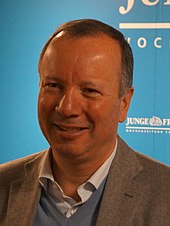 Markus Krall合作论文数Goetzpartners6Lechner Judith合作论文数6Franz Xaver Beck合作论文数6Christian C. Willinger合作论文数6
 Laura Gribaldo合作论文数6Paul Dietl合作论文数6W. Dekant合作论文数6Hewitt Philip合作论文数5Edward Alan Lock合作论文数5Peter H. Bach合作论文数Faculty of Science, University of East London5
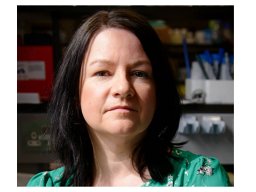 Tara Mcmorrow合作论文数National Diagnostics Centre/BioResearch Ireland Department of Microbiology, University College5Kristian Pfaller合作论文数5
 Leonhard Gruber合作论文数Department of Physiology and Medical Physics, Innsbruck Medical University5Annarita Meneguz合作论文数4Helmut Plattner合作论文数4Armin Wolf合作论文数4JP MORIN合作论文数4A Netzer合作论文数4Heimo Mairbäurl合作论文数4Claus Gattringer合作论文数4D Steinmassl合作论文数4Arno Lukas合作论文数4
 Cristina Bertocchi合作论文数Department of Physiology;Medical University of Innsbruck;Department of Physiology, Medical University of Innsbruck4




