BACKGROUND:Data on the safety profiles and clinical outcomes of patients with solid tumors and cardiac metastasis treated with immune checkpoint inhibitors (ICIs) are limited. METHODS:This is an international multicenter retrospective study of patients with cancer and cardiac metastasis at baseline. Patients who had received ≥1 dose of ICI were included. Treatment-related adverse events (trAEs) were graded per Common Terminology Criteria for Adverse Event V.5.0. Objective response rates (ORR) were evaluated by Response Evaluation Criteria in Solid Tumors V.1.1 when available. Overall survival (OS) and progression-free survival (PFS) were estimated by the Kaplan-Meier method. RESULTS:Among 110 pts, median age at ICI initiation was 65 (IQR: 59-75). Median follow-up time since ICI initiation was 36 (95% CI: 26 to 51) months. Melanoma (38%, n=42) and non-small cell lung cancer (24%, n=26) were the most common. 68 (62%) patients received ICIs as first-line, and 29 (26%) patients were treated with combination anti-programmed death-1 and anti-cytotoxic T-lymphocyte antigen 4. The most common location of cardiac metastasis was in the atria (37%, n=41) and ventricles (35%, n=39). 15 patients (13.6%) had bilateral cardiac/pericardial metastasis, 44 (40%) had left-sided, and 43 (39.8%) had right-sided. At ICI initiation, 21% (n=23) had a cardiac thrombus. Cardiology referrals and cardiac MRIs at the time of cancer diagnosis were completed on 58 (53%) and 52 (47%) patients, respectively. Cardiac events occurred in 40 (36%) patients, including arrhythmias (n=14, 13%), arterial/venous emboli (n=4, 3.6%), and cardiac tamponade (n=3, 2.7%). 53 (47%) patients developed trAEs; most common were colitis/diarrhea (n=16, 15%), dermatitis (n=13, 12%), and hepatitis (n=9, 8.2%). ICI-related major cardiac trAEs occurred in 2 (1.8%) patients. 22 patients (20%) developed grade ≥3 trAE. Patients with multiple cardiac metastases had significantly lower responses to ICI-based regimens compared with patients with single cardiac metastasis (11% vs 63%, p=0.02). For melanoma, ORR, median PFS, and median OS were 38%, 9.0 months, and 28.9 months, respectively. 83% of patients with melanoma had concordant responses in overall disease burden and cardiac disease. 91 patients discontinued ICIs, and the main reason was progression or death in 55 (49%) patients. CONCLUSIONS:Among patients with pre-existing cardiac metastasis, ICIs demonstrated meaningful clinical efficacy with no increase in safety signals. Most patients had concordant responses in the overall disease burden and cardiac mass. Multidisciplinary teams are crucial for the appropriate management of patients with cardiac metastasis.
Inotuzumab ozogamicin (InO) is an antibody-drug conjugate that delivers calicheamicin to CD22-expressing cells. In a retrospective cohort of InO-treated patients with B-cell acute lymphoblastic leukemia, we sought to understand the genomic determinants of response and resistance to InO. Pre- and post-InO patient samples were analyzed by whole genome, exome, and/or transcriptome sequencing. Acquired CD22 mutations were observed in 11% (3/27) of post-InO relapsed tumor samples, but not in refractory samples (0/16). There were multiple CD22 mutations per sample and the mechanisms of CD22 escape included epitope loss (protein truncation, protein destabilization) and epitope alteration. Two CD22 mutant cases were post-InO hypermutators resulting from error-prone DNA damage repair (non-homologous/alternative end joining, mismatch repair deficiency), suggesting hypermutation drove escape from CD22-directed therapy. CD22-mutant relapses occurred after InO and subsequent hematopoietic stem cell transplantation (HSCT), suggesting InO eliminated predominant clones, leaving subclones with acquired CD22 mutations that conferred resistance to InO and subsequently expanded. Acquired loss-of-function mutations in TP53, ATM and CDKN2A were observed, consistent with compromise of the G1/S DNA damage checkpoint as a mechanism of evading InO-induced apoptosis. Genome wide CRISPR/Cas9 screening in cell lines identified DNTT (TdT) loss as a marker of InO resistance. In conclusion, genetic alterations modulating CD22 expression and DNA damage response influence InO efficacy. Our findings highlight the importance of defining the basis of CD22 escape, and eradication of residual disease prior to HSCT. The identified mechanisms of escape from CD22-targeted therapy extend beyond antigen loss, and provide opportunities to improve therapeutic approaches and overcome resistance.
PURPOSE Azacitidine plus venetoclax is a standard of care for patients with newly diagnosed AML who are unfit for intensive chemotherapy. However, FLT3 mutations are a common mechanism of resistance to this regimen. The addition of gilteritinib, an oral FLT3 inhibitor, to azacitidine and venetoclax may improve outcomes in patients with FLT3-mutated AML. METHODS This phase I/II study evaluated azacitidine, venetoclax, and gilteritinib in two cohorts: patients with (1) newly diagnosed FLT3-mutated AML who were unfit for intensive chemotherapy or (2) relapsed/refractory FLT3-mutated AML (ClinicalTrials.gov identifier: NCT04140487 ). The primary end points were the maximum tolerated dose of gilteritinib (phase I) and the combined complete remission (CR)/CR with incomplete hematologic recovery (CRi) rate (phase II). RESULTS Fifty-two patients were enrolled (frontline [n = 30]; relapsed/refractory [n = 22]). The recommended phase II dose was gilteritinib 80 mg once daily in combination with azacitidine and venetoclax. In the frontline cohort, the median age was 71 years and 73% of patients had an FLT3-internal tandem duplication (ITD) mutation. The CR/CRi rate was 96% (CR, 90%; CRi, 6%). Sixty-five percent of evaluable patients achieved FLT3-ITD measurable residual disease <5 × 10 –5 within four cycles. With a median follow-up of 19.3 months, the median relapse-free survival (RFS) and overall survival (OS) have not been reached and the 18-month RFS and OS rates are 71% and 72%, respectively. In the relapsed/refractory cohort, the CR/CRi rate was 27%; nine additional patients (41%) achieved a morphologic leukemia–free state. The most common grade 3 or higher nonhematologic adverse events were infection (62%) and febrile neutropenia (38%), which were more frequent in the relapsed/refractory cohort. CONCLUSION The combination of azacitidine, venetoclax, and gilteritinib resulted in high rates of CR/CRi, deep FLT3 molecular responses, and encouraging survival in newly diagnosed FLT3-mutated AML. Myelosuppression was manageable with mitigative dosing strategies.
Background:Primary cardiac soft tissue sarcomas (CSTS) affect young adults, with dismal outcomes. Objectives:The aim of this study was to investigate the clinical outcomes of patients with CSTS receiving immune checkpoint inhibitors (ICIs). Methods:A retrospective, multi-institutional cohort study was conducted among patients with CSTS between 2015 and 2022. The patients were treated with ICI-based regimens. The Kaplan-Meier method was used to estimate overall survival (OS) and progression-free survival (PFS). Objective response rates were determined according to Response Evaluation Criteria in Solid Tumors version 1.1. Treatment-related adverse events were graded per the Common Terminology Criteria for Adverse Events version 5.0. Results:Among 24 patients with CSTS, 17 (70.8%) were White, and 13 (54.2%) were male. Eight patients (33.3%) had angiosarcoma. At the time of ICI treatment, 18 patients (75.0%) had metastatic CSTS, and 4 (16.7%) had locally advanced disease. ICIs were administered as the first-line therapy in 6 patients (25.0%) and as the second-line therapy or beyond in 18 patients (75.0%). For the 18 patients with available response data, objective response rate was 11.1% (n = 2 of 18). The median PFS and median OS in advanced and metastatic CSTS (n = 22) were 5.7 months (95% CI: 2.8-13.3 months) and 14.9 months (95% CI: 5.7-23.7 months), respectively. The median PFS and OS were significantly shorter in patients with cardiac angiosarcomas than in those with nonangiosarcoma CSTS: median PFS was 1.7 vs 11 months, respectively (P < 0.0001), and median OS was 3.0 vs 24.0 months, respectively (P = 0.008). Any grade treatment-related adverse events occurred exclusively in the 15 patients with nonangiosarcoma CSTS (n = 7 [46.7%]), of which 6 (40.0%) were grade ≥3. Conclusions:Although ICIs demonstrate modest activity in CSTS, durable benefit was observed in a subset of patients with nonangiosarcoma, albeit with higher toxicity.
Background: MRD is strongly prognostic in ALL. However, it is largely unknown whether achievement of MRD negativity below 1x10⁻⁶ using newer, highly sensitive assays can overcome the poor prognosis associated with high-risk (HR) cytogenetic or molecular features. Methods: This is a retrospective analysis of patients (pts) with B-cell ALL undergoing frontline therapy who underwent assessment of high-throughput next-generation sequencing (NGS)-based MRD for IG/TR (sensitivity 1x10⁻⁶) using clonoSEQ (Adaptive Biotechnologies). Pts who achieved CR/CRi with frontline therapy and had at least one NGS MRD assessment in the first 6 months of frontline therapy were included. “Early MRD response” was defined as NGS MRD negativity within 1.5 months from the start of frontline therapy. Results: 161 pts had at least 1 NGS MRD assessment in the first 6 months of frontline therapy for B-cell ALL. The median age of the cohort was 46 years (range, age 18-87 years). 80 pts (50%) were female. 51 pts (32%) had Ph+ ALL and 110 pts (68%) had Ph- ALL. Frontline therapy was hyper-CVAD-based ± immunotherapy (e.g. inotuzumab ozogamicin and/or blinatumomab) in 43% (n=69), mini-hyper-CVD-based ± immunotherapy in 28% (n=45), and chemotherapy-free in 29% (n=47, all of whom were Ph+). Among the 110 Ph- pts, 59 (54%) had at least 1 HR feature (i.e. low hypodiploidy/near triploidy or complex cytogenetics, KMT2Ar, Ph-like ALL, and/or TP53 mutation). The median duration of follow-up for the entire cohort was 22 months. In the entire cohort, the rates of MRD negativity increased with time. At 1.5 months, 3 months, and 6 months from the start of therapy, rates of MRD negativity were 35% (29/82), 68% (84/123), and 85% (79/93), respectively. Among pts with Ph- ALL, no differences in rates of MRD negativity were observed between HR and non-HR pts. “Early” MRD negativity was achieved in 9/25 (36%) of HR pts vs 8/29 (28%) of non-HR pts (P=0.71), and cumulative 6-month MRD negativity was 42/59 (72%) and 36/51 (71%), respectively. NGS MRD negativity was associated with superior outcomes at all times assessed (i.e. 1.5, 3, and 6 months from the start of frontline therapy). Among the 29 pts who achieved early MRD negativity, only 1 pt relapsed (3% relapse rate in early MRD responders), and the 2-year RFS for pts who were MRD-negative vs. MRD-positive at 1.5 months was 83% and 66% (P=0.06), at 3 months was 84% and 65% (P=0.04), and at 6 months was 82% and 62% (P=0.01), respectively. The impact of MRD negativity was most pronounced in Ph- ALL. Among 17 pts with Ph- ALL who achieved early MRD negativity, none relapsed. Comparing MRD negative and positive pts with Ph- ALL, the 2-year RFS at 1.5 months was 100% and 69% (P=0.03), at 3 months was 84% and 60% (P=0.03) and at 6 months was 88% and 50% (P<0.001), respectively. Among pts with non-HR Ph- ALL, outcomes were excellent regardless of early MRD response (2-year RFS for negative and positive pts: 100% vs. 94%, respectively; P=0.50). However, for HR Ph- ALL, a dramatic difference in survival was observed according to early MRD response (2-year RFS 100% vs. 38%, respectively; P=0.01). In HR pts, those who were MRD-positive at 1.5 months and converted to MRD-negative within 6 months (i.e. “late” MRD negativity) still had poor outcomes (2-year RFS 100% for early MRD response vs 34% for late MRD response; P=0.009), suggesting that only early MRD response was protective for relapse in HR pts. In a landmark analysis, there was no benefit with allogeneic stem cell transplant (SCT) consolidation in pts with HR Ph- ALL who achieved NGS MRD negativity within the first 3 months (2-year RFS 75% for SCT vs 77% for no SCT; P=0.80) or first 6 months of frontline therapy (2-year RFS 67% for SCT vs 74% for no SCT; P=0.72). However, SCT appeared to benefit HR pts with poor MRD response (2-year RFS 100% for transplanted pts who remained MRD positive at 6 months vs. 20% for non-transplanted pts; P=0.003). Conclusions: Early achievement of NGS MRD negativity identifies pts with excellent outcomes after frontline therapy. Importantly, no relapses were observed in pts with HR cytogenetic/molecular features who achieved early NGS MRD negativity, suggesting that early MRD dynamics should be included in ALL risk stratification systems. Pts with HR Ph- ALL who achieve deep MRD negativity within the first 6 months of frontline therapy do not appear to benefit from allogeneic SCT.
e19008 Background: INO is effective in relapsed/refractory B-ALL and may have utility in eradicating MRD in patients (pts) in MRD-positive (MRD+ve) remission. Methods: This is a phase II trial of pts with B-ALL in complete remission (CR) with persistent MRD+ve or with MRD+ve relapse. Eligible pts were required to be MRD+ve at ≥0.01%. MRD negativity (MRD-ve) was defined as undetectable MRD by flow cytometry (sensitivity 10 -4 ) for Philadelphia (Ph)-negative (Ph-) B-ALL and undetectable MRD by both flow and PCR for BCR:ABL1 for Ph-positive (Ph+) B-ALL. INO was given at a dose of 0.6 mg/m 2 on D1 and 0.3 mg/m 2 on D8 of cycle 1 and 0.3 mg/m 2 on D1 and 8 of subsequent cycles (up to 6 total cycles, given every 21-28 days) along with ursodiol prophylaxis. Pts with Ph+ ALL received concomitant TKI. Results: 27 pts with MRD+ve B-ALL were treated between 11/2018 and 6/2022 (Table). 17 pts (63%) had Ph+ B-ALL (15 received ponatinib and 2 dasatinib), and 10 pts had Ph- B-ALL. 20 pts (74%) were in CR1, and 7 pts (26%) were in CR2 or beyond. 14 pts (52%) had received prior blinatumomab and 5 pts (18%) had prior stem cell transplantation (SCT). 18 pts (67%) became MRD-ve (responders), 16 after the 1st cycle and 2 after the 2nd cycle of INO. In the Ph+ group, 10/17 pts (59%) responded; another 3 pts achieved major molecular response. 8/10 (80%) pts with Ph- B-ALL responded. The median number of cycles of INO were 3 (range, 1-6). Rates of MRD response were higher in pts without prior blinatumomab (11/13 pts [80%]), compared with those with prior blinatumomab exposure (7/14 [50%]) ( P=0.06). After a median follow-up of 21 months, 13/18 responding pts (72%) are in ongoing MRD-ve CR. Among the 18 responders, 6 pts underwent allogeneic stem cell transplant (ASCT) after a median of 3 cycles of INO (range, 1-4); all were in MRD-ve CR at the time of ASCT. 4/18 responders (22%) relapsed, 1 of whom relapsed after ASCT. Median RFS and OS for the whole group were not reached; estimated 2-year RFS and OS were 61% and 62%, respectively. 2-year OS for responders and non-responders were 76% and 50% (P=0.34), respectively. 2-year RFS for pts with or without prior blinatumomab was 23% and 91%, respectively; P=0.04. No grade 4 non-hematological toxicities were observed. 1 pt (who had a history of prior ASCT) had grade 3 sinusoidal obstruction syndrome. Conclusions: Low-dose, fractionated INO is effective at eradicating MRD in pts with B-ALL and can result in durable MRD-ve remissions. Clinical trial information: NCT03441061 . [Table: see text]
e19037 Background: Promising results were seen with low intensity chemotherapy mini-Hyper-CVD (mini-HCVD) in combination with InO in R/R ALL. Adding blina may further improve outcomes. Methods: Pts with R/R Philadelphia-negative B-ALL were treated with mini-HCVD (Cycles 1, 3, 5, 7) and methotrexate/cytarabine (Cycles 2, 4, 6, 8) for 8 cycles. Initially, InO was given on Day (D) 3 of the first 4 cycles at the dose of 1.8-1.3 mg/m 2 in Cycle (C) 1, followed by 1.3-1.0 mg/m 2 in subsequent cycles. POMP maintenance was for a total of 3 yrs. Protocol was amended after pt #67 to add 4 cycles of blina after 4 cycles of mini-HCVD+InO. InO was given on D2 and 8 at the dose of 0.6 and 0.3 mg/m 2 in C1, and then on D2 and 8 at the dose of 0.3 mg/m 2 in subsequent cycles; blina was given at standard dose in C5-8. Maintenance was reduced to 12 cycles of POMP with 1 cycle of blina after each 3 cycles of POMP for a total of 4 cycles. Rituximab was given for CD20+ disease. All pts received 8 doses of intrathecal chemotherapy. Results: Between 2/2013 and 7/2021, 110 pts were treated. Patient characteristics are shown in the table. 79 (72%) pts were treated in Salvage (S) 1, and 31 (28%) in S2+. 21 (19%) pts had received prior ASCT. 91 (83%) pts responded (complete remission, 63%). The overall response rate was 93% in S1, 59% in S2, and 57% in S3+. The rates of MRD negativity by flow were higher in S1 vs S2+ (89% vs 67%; P=0.047). 53 (48%) pts underwent ASCT. After a median follow-up of 48 months (mo) (range, 9-115), the median OS and RFS were 17 mo (4-yr, 36%) and 13 mo (4-yr, 37%), respectively. Pts in S1 had better OS compared with S2+ (4-yr OS, 43% vs 18%; P<0.001). The 4-yr RFS was 38% in S1 and 27% in S2+ ( P=0.14). In S1, 41 pts were treated before the amendment and 38 after the amendment; their 4-yr OS was 41% and 48% ( P=0.99), and their 4-yr RFS was 39% and 36%, respectively ( P=0.95). A landmark analysis of pts who achieved remission showed no survival difference between pts who did or did not undergo ASCT, with 4-yr OS of 49% and 48% ( P=0.98), and 4-yr RFS of 46% and 37% ( P=0.68), respectively. Sinusoidal obstruction syndrome (SOS) was noted in 10 (9%) pts, and its incidence decreased from 13% with single dose of InO to 2% with lower and fractionated doses of InO ( P=0.056). Conclusions: The combination of mini-HCVD and reduced-dose InO with sequential blina improved the outcomes of pts with R/R ALL. The new treatment schedule resulted in a lower rate of SOS compared to the original schedule. Clinical trial information: NCT01371630 . [Table: see text]
Background: The overall survival (OS) of patients with relapsed/refractory B-cell acute lymphoblastic leukemia (ALL) has significantly improved with the introduction of targeted therapies, inotuzumab ozogamicin and blinatumomab. Combining these agents with low-dose chemotherapy in the frontline setting might improve outcomes. Aims: The aim of this analysis is to evaluate the combination of low-intensity chemotherapy mini-Hyper-CVD and inotuzumab ozogamicin, with or without blinatumomab, in older patients with newly diagnosed Ph-negative B-cell ALL. Methods: Adults ≥60 years with newly diagnosed Ph-negative B-cell ALL received mini-Hyper-CVD (mini-HCVD) for up to 8 cycles. Initially, inotuzumab ozogamicin was given at 1.3-1.8mg/m2 on Day 3 of Cycle 1 and 0.8-1.3mg/m2 on Day 3 of Cycles 2-4. Rituximab (if CD20+) and prophylactic intrathecal chemotherapy were given for the first 4 cycles. Responders received POMP maintenance for up to 3 years. Beginning with patient #50, inotuzumab ozogamicin was given in fractionated doses each cycle (0.6 mg/m2 on Day 2 and 0.3 mg/m2 on Day 8 of Cycle 1; 0.3 mg/m2 on Day 2 and 8 of Cycle 2-4) and 4 cycles of blinatumomab were given following 4 cycles of mini-HCVD plus inotuzumab. Maintenance was with 12 cycles of POMP and 4 cycles of blinatumomab (1 cycle of blinatumomab after 3 cycles of POMP). Results: 83 patients were treated, of whom 6 were in complete remission (CR) at enrollment (Figure 1). Among 77 evaluable pts, 76 (99%) responded (CR, 90%). Among responders, the rates of MRD negativity by flow cytometry were 79% and 94% after Cycle 1 and overall, respectively. No early death was observed. Among 82 pts in remission, 11 (13%) relapsed, 4 (5%) underwent ASCT, 34 (41%) remain in ongoing continuous remission, 33 (41%) died in remission, of whom 9 died after developing MDS/AML. Three patients (4%) developed veno-occlusive disease (VOD), 2 after subsequent ASCT. After a median follow-up of 65 months (range, 6-126), the 5-year continuous remission duration and OS rates were 78% and 48%, respectively. Age ≥70 and adverse cytogenetics were associated with worse outcomes. The inferior outcome in pts ≥70 yrs was primarily attributed to higher rates of death in CR. The 5-year OS for patients age 60-69 years without adverse cytogenetics (n=40), age 60-69 with adverse cytogenetics (n=15), age ≥70 without adverse cytogenetics (n=24) and age ≥70 with adverse cytogenetics (n=4) were 72%, 27%, 38% and 0%, respectively. Summary/Conclusion: Favorable outcomes were observed in older patients with newly diagnosed Ph-negative ALL treated with mini-HCVD plus inotuzumab ozogamicin, with or without blinatumomab, with a 5-year OS of 48%. This regimen was well tolerated, with a low incidence of VOD and no early death observed.Keywords: Philadelphia chromosome, Phase II, Acute lymphoblastic leukemia
Background: Blinatumomab consolidation improves overall survival (OS) in adults with newly diagnosed B-cell ALL, regardless of measurable residual disease (MRD) status. We hypothesized that early incorporation of inotuzumab ozogamicin (INO) in patients (pts) with newly diagnosed Philadelphia chromosome (Ph)-negative B-cell ALL receiving frontline intensive chemotherapy plus blinatumomab would further deepen responses and improve outcome. Aims: We evaluated the efficacy and safety of hyper-CVAD with sequential blinatumomab, with or without INO, in pts with newly diagnosed Ph-negative B-cell ALL. Methods: Pts 14-59 years of age with newly diagnosed Ph-negative B-cell ALL, including pts who had received no more than 1 prior cycle of chemotherapy, were eligible. Pts were required to have a performance status of ≤3, total bilirubin ≤2 mg/dl, creatinine ≤2 mg/dl, and no significant CNS pathology (with the exception of CNS leukemia). Pts received hyper-CVAD alternating with high-dose methotrexate and cytarabine for up to 4 cycles, followed by 4 cycles of blinatumomab at standard doses. Pts with CD20+ disease (≥1% cells) received 8 doses of ofatumumab (2000 mg) or rituximab (375 mg/m2). Eight doses of prophylactic IT chemotherapy were given. Maintenance was with alternating blocks of POMP (given in maintenance cycles 1-3, 5-7, 9-11, and 13-15) and blinatumomab (given in maintenance cycles 4, 8, and 12). Those with high-risk disease features started blinatumomab after 2 cycles of hyper-CVAD. Beginning with pt #39, INO at a dose of 0.3 mg/m2 on day 1 and 8 was added to the 2 cycles of MTX/Ara-C and to 2 cycles of blinatumomab consolidation (4 total cycles with INO). Results: To date, 69 pts have been treated (38 without INO and 31 with INO). Baseline characteristics are summarized in Table 1. The median age was 34 years (range, 18-59). Among 53 pts with active disease at study entry, 100% achieved CR. MRD negativity by flow cytometry was achieved in 56/59 evaluable pts (95%). Two of the 3 pts who did not achieve MRD negativity were later found to have a NUP214::ABL1 fusion, and 1 had KMT2A rearrangement. The median follow-up of the entire cohort is 26 months (range, 4 to 73 months). Overall, 8 pts (12%) relapsed while on study, 22 (32%) underwent stem cell transplant (SCT) in first remission (2 of whom relapsed post-SCT), 2 (3%) died in CR, and 37 (54%) remain in continuous remission without SCT. For the entire cohort, the estimated 3-year OS was 87% and the 3-year continuous remission duration was 83%. With a median follow-up in the INO cohort of 15 months, 3 pts (10%) have relapsed, all with CNS-only relapses, and none has died. The 15-month OS in the cohorts with and without INO were 100% and 87%, respectively (P=0.06) (Figure 1). One patient discontinued blinatumomab due to recurrent grade 2 neurotoxicity. No pts have discontinued INO due to toxicity and no cases of SOS/VOD have been observed. Summary/Conclusion: In pts with newly diagnosed Ph-negative B-cell ALL receiving hyper-CVAD with sequential blinatumomab, the addition of INO is safe and may improve survival.Keywords: Acute lymphoblastic leukemia, Clinical trial, Phase II
Reverse transcription polymerase chain reaction (RT-PCR) for BCR::ABL1 is the most common and widely accepted method of measurable residual disease (MRD) assessment in Philadelphia chromosome-positive acute lymphoblastic leukemia (Ph+ ALL); however, RT-PCR may not be an optimal measure of MRD in many cases of Ph+ ALL. We evaluated the clinical impact of a highly sensitive next-generation sequencing (NGS) MRD assay (sensitivity of 10-6 ) and its correlation with RT-PCR for BCR::ABL1 in patients with Ph+ ALL. Overall, 32% of patients had a discordance between MRD assessment by RT-PCR and NGS, and 31% of patients who achieved NGS MRD negativity were PCR+ at the same timepoint. Among eight patients with long-term detectable BCR::ABL1 by PCR, six were PCR+/NGS-. These patients generally had stable PCR levels that persisted despite therapeutic interventions, and none subsequently relapsed; in contrast, patients who were PCR+/NGS+ had more variable PCR values that responded to therapeutic intervention. In a separate cohort of prospectively collected clinical samples, 11 of 65 patients (17%) with Ph+ ALL who achieved NGS MRD negativity had detectable BCR::ABL1 by PCR, and none of these patients relapsed. Relapse-free survival and overall survival were similar in patients who were PCR+/NGS- and PCR-/NGS-, suggesting that PCR for BCR::ABL1 did not provide additional prognostic information in patients who achieved NGS MRD negativity. NGS-based assessment of MRD is prognostic in Ph+ ALL and identifies patients with low-level detectable BCR::ABL1 who are unlikely to relapse nor to benefit from therapeutic interventions.
Background: In preclinical studies, Venetoclax (Ven), an orally active Bcl-2 antagonist, has shown promising clinical activity in patients (pts) with R/R ALL. The combination of Ven with low intensity mini-Hyper-CVD chemotherapy could improve outcomes in this setting. Aims: The aim of our study is to evaluate the efficacy and tolerability of Ven added to mini-Hyper-CVD chemotherapy in pts with R/R ALL. Methods: Pts ≥18 years with R/R Ph-negative B- or T-cell ALL were eligible. Pts were required to have a PS of ≤3, total bilirubin ≤1.5 mg/dl, AST/ALT ≤3 x ULN and creatinine ≤2 mg/dl. Pts received mini-Hyper-CVD alternating with methotrexate and cytarabine for up to 8 cycles (cyclophosphamide and dexamethasone at 50% dose reduction, no anthracycline, methotrexate at 75% dose reduction, cytarabine at 0.5 g/m2 x 4 doses). Ven was given at a dose of 400 mg/d on Days (D) 1-14 of Cycle (C) 1 and on D1-7 of C2-8. Rituximab (if CD20+ B-ALL) and prophylactic IT chemotherapy x8 doses were given for the first 4 cycles. Pts with T-ALL received additional 2 cycles of nelarabine and peg-asparaginase during consolidation without Ven, and 2 cycles of nelarabine plus peg asparaginase during maintenance. Responding pts received vincristine and prednisone maintenance with venetoclax daily on days 1-14 of each 28-day cycle for up to 2 years. Results: Between 6/2019 and 2/2021, 23 pts were treated, with a median age of 45 years (range, 20-70). 18 (78%) pts had B-ALL and 5 (22%) T-ALL, including 1 pt with ETP ALL. Among the 23 pts, the median number of prior therapies was 2 (range, 1-6) and 13 (57%) had undergone prior allogeneic stem cell transplant (ASCT). Among the 18 B-ALL pts, 16 (89%) had received prior blinatumomab and 7 (39%) prior inotuzumab. Among 23 pts, 1 was in CR at enrollment. Overall, 12 of 22 (55%) pts responded to therapy (complete response, n=9), of whom 9 achieved best response after C1 and 3 after C2. An additional pt achieved partial response. The overall response rate among the 18 pts who had at least a bone marrow assessment after C1 was 67%. The median duration of follow-up was 26 months (range, 2-35). Among the 13 responders (including the pt in CR at start), 6 (46%) relapsed, 5 (39%) underwent ASCT (4 subsequently relapsed), and 2 (15%) died in remission. The median RFS and OS were 6.4 and 8.1 months, respectively, and the 1-year RFS and OS rates were 15% and 37%, respectively. Survival was worse in pts with adverse cytogenetics versus others (median OS, 6 vs 12 months; 1-yr OS rate, 17% vs 44%; P=0.15). In C1, the median time to platelet recovery was 27 days (range, 0-81) and neutrophil recovery was 21 days (range, 0-36); in C2+, median times to recovery were 25 days (range, 0-76) and 15 days (range, 0-26), respectively. The 30-day and 60-day mortality rates were 0% and 13%, respectively. Summary/Conclusion: In pts with R/R Ph-negative ALL, the combination of low-intensity chemotherapy mini-Hyper-CVD with Ven demonstrated clinical efficacy with a response rate of 67% and a favorable safety profile. Further studies examining the role of Ven-based therapies in ALL are needed for newly diagnosed and R/R pts.Keywords: Acute lymphoblastic leukemia, Venetoclax, Phase II
e19028 Background: The combination of mini-HCVD and ponatinib followed by blina and ponatinib may improve outcomes compared with HCVAD/ponatinib in patients (pts) with Ph+ ALL while reducing toxicity and the need for ASCT. Methods: Pts with newly diagnosed (ND) or relapsed/refractory (R/R) Ph+ ALL, or chronic myeloid leukemia in lymphoid blast phase (CML-LBP) were eligible. Mini-HCVD alternating with methotrexate (MTX)/cytarabine were given on Cycles(C) 1-4, followed by blina/ponatinib on C5-8. Pts received ponatinib 30mg daily in C1, with dose reduction to 15mg daily once in complete molecular response (CMR). Rituximab was given for CD20+ disease. Maintenance was with ponatinib and vincristine/prednisone for 15 cycles alternating with blina/ponatinib every 3 cycles, followed by ponatinib for at least 5 years. All pts received 12 intrathecal chemotherapy injections. Results: 17 pts (11 ND, 3 R/R, 3 CML-LBP) were treated between 11/2019 and 7/2022 (Table). BCR:ABL1 transcripts were p190 in 7 (64%) pts in the ND cohort. In the ND cohort, 4 (36%) pts had BCR:ABL1 in myeloid cells by FISH and 1 (9%) had a small population of myeloid blasts, suggesting a myeloid component. None of the pts with CML-LBP had received prior therapy. All evaluable pts achieved CR. Among evaluable pts in the ND, R/R, and CML-LBP cohorts, CMR was achieved in 6/8 (75%), 2/2 (100%), and 2/3 (67%) pts, respectively. 2 of the 5 ND pts who had evidence of myeloid involvement did not achieve CMR (1 had negative MRD by NGS). With a median follow-up of 28 months (range, 6-37), the 2-year continuous remission duration and OS rates were 93% and 82% in the entire cohort, and 90% and 82% in the ND cohort, respectively. In the ND cohort, 1 (9%) pt had isolated CNS relapse, 3 (27%) pts died (2 in CR due to COVID-19 and 1 of ASCT complications), and 7 (64%) pts are in remission without ASCT. No pts relapsed in the R/R cohort, 1 pt underwent ASCT, 1 pt died in CR from MTX-associated disseminated necrotizing leukoencephalopathy, and 1 pt is in remission without ASCT. None of the CML-LBP relapsed; 1 pt underwent ASCT in CR. Ponatinib dose was reduced in 2 pts prior to obtaining CMR (1 pancreatitis, 1 cardiomyopathy). One pt switched from ponatinib to dasatinib due to pulmonary embolism in C2. No pts required dose modification of blina. The 60-day mortality rate was 0%. Conclusions: In Ph+ ALL, the sequential combination of mini-HCVD/ponatinib followed by blina/ponatinib resulted in high rates of CMR, encouraging survival, and had an acceptable safety profile. Clinical trial information: NCT03147612 . [Table: see text]
Ponatinib and blinatumomab are both active in Philadelphia chromosome-positive (Ph+) acute lymphoblastic leukemia (ALL). The combination of these two drugs could offer an effective chemotherapy-free strategy for patients (pts) with Ph+ ALL and reduce the need for allogeneic stem cell transplantation (SCT)
e19044 Background: CML-AP/MBP and Ph + AML are therapeutic challenges. Based on published pre-clinical data of synergism (Leonard et.al., Sci Transl Med 2016), we hypothesized that combining ponatinib with DAC and VEN might lead to high rates of response and facilitate allogeneic stem cell transplantation (SCT). Methods: The study (NCT04188405) enrolled pts ≥ 18 years of age with CML-AP, CML-MBP or Ph + AML with ECOG PS ≤ 3 and adequate liver/renal function. Pts with significant uncontrolled cardiovascular comorbidities were excluded. Therapy was with DAC (20 mg/m 2 /day) x 5 days, VEN (400 mg equivalent dose/day) x 21 days, and ponatinib (45mg/day) x 21 days in cycle 1 and then continuously in cycles 2-24. Each cycle was for 28 days. Ponatinib was reduced to 30mg/day for pts in CR/CRi and to 15 mg/day for pts in CMR. Intrathecal prophylaxis with 4 doses of cytarabine was recommended. The primary objective was to determine the overall response rate (ORR) with the regimen. Results: From Jul 2020 to Jan 2023, 15 pts were treated, 4 with CML-AP, 10 with CML-MBP and 1 with Ph + AML (Table). 11 pts (73%) had prior TKI exposure, including 4 pts with prior ponatinib. 5 of 13 tested pts (38%) had an ABL1 kinase domain mutation (T315I, Q252H, L384M in 1 pt each and E255K in 2 pts). The median number of cycles received was 3 (range, 1-7). 11 pts (73%) responded; 6 pts (40%) with CR/CRi and 5 (33%) with MLFS. Best response was achieved after cycle 1 in 9 of 11 (82%) responders. All 4 pts with CML-AP responded, and 9 of 11 pts (82%) with prior TKI exposure responded. Four pts underwent subsequent SCT. At a median follow-up of 9.8 months, the median overall survival (OS) was 11.0 months, and the estimated 10-month OS was 63%. The median relapse-free survival was 5.7 months. Among the 11 responders, 5 relapsed (one after SCT), and 6 are in ongoing response (3 after SCT). One pt had a related grade 3 mucositis. No grade 4-5 related non-hematological adverse events were observed. Of the 10 pts who received > 1 cycle of therapy, 5 pts had delay (>1 week) in initiation of subsequent cycles due to cytopenias. The 60-day mortality rate was 0%. Two pts died on study, one from leukemia and one from infection while in MLFS. Conclusions: A triplet combination of DAC, VEN and ponatinib was well-tolerated and resulted in an ORR of 73% in this poor-risk population of pts with advanced Ph + leukemias. Clinical trial information: NCT04188405 . [Table: see text]
Background:FLT3 mutations are associated with a poor prognosis in newly diagnosed AML. Treatment with a hypomethylating agent (HMA) plus venetoclax is standard of care for older/unfit patients (pts) with newly diagnosed FLT3-mutated AML; however, relapse of the FLT3-mutated clone is common and historical 1-year overall survival (OS) is 40-60% (Konopleva MY et al. Clin Cancer Res 2022). To improve these outcomes, we designed a phase II study to evaluate the triplet regimen of azacitidine, venetoclax and gilteritinib (a potent oral FLT3 inhibitor) in pts with newly diagnosed FLT3-mutated AML. Aims: We evaluated the efficacy and safety of azacitidine, venetoclax and gilteritinib in pts with newly diagnosed FLT3-mutated AML. The primary endpoint was the CR/CRi rate of the regimen. Methods: In this phase II study, pts with newly diagnosed FLT3-mutated AML (either ITD or TKD) who were unsuitable for intensive chemotherapy were eligible. Pts were required to have a performance status ≤3, total bilirubin ≤2.5 x ULN, ALT/AST ≤3 x ULN, and creatinine clearance ≥30 mL/min. In cycle 1, pts received azacitidine 75 mg/m2 SC/IV on days 1-7, venetoclax on days 1-28, and gilteritinib 80mg on days 1-28. Bone marrow was performed on day 14 and if blasts were <5% or the marrow was insufficient/aplastic, then both venetoclax and gilteritinib were held. For cycles 2 and beyond, azacitidine 75 mg/m2 SC/IV was given for 5 days, venetoclax was given for 7 days and gilteritinib was given continuously. Results: Between October 2020 and January 2023, 30 newly diagnosed pts were treated. Their baseline characteristics are shown in Table 1. The median age was 71 years (range, 18-86). One pt <60 years of age (age 18) was enrolled due to severe COVID-19 pneumonia at the time of AML diagnosis. 22 (73%) had a FLT3-ITD and 8 (27%) had a FLT3-TKD mutation. All pts responded, with 27 pts (90%) achieving CR and 2 pts (6%) achieving CRi (CR/CRi rate: 96%). One additional pt (4%) achieved MLFS as best response. On the day 14 bone marrow, 28 pts (96%) achieved either morphologic remission with <5% blasts (n=21) or had an insufficient/aplastic marrow (n=7). Twenty-six pts (87%) achieved flow MRD negativity and 27 pts (90%) cleared the FLT3 mutation using a PCR assay with sensitivity of 10-2. Twelve pts (40%) proceeded to allogeneic stem cell transplantation (alloSCT) in first remission, 4 (13%) relapsed, 1 (3%) died in CR, and 13 (43%) are in ongoing response without alloSCT. Among the 4 relapses, 1 pts was FLT3-positive at relapse, 2 were FLT3-negative, and 1 relapsed with extramedullary-only disease. Four pts have died (2 after relapse, 1 from post-HSCT complications, and 1 due to sepsis while in CR). With a median follow-up of 14.3 months, the estimated 1-year RFS is 78% and 1-year OS is 86% (Figure 1). In a landmark analysis, outcomes were similar regardless of whether or not alloSCT was performed (1-year OS 91% versus 90%, respectively). The 1-year OS for patients with a FLT3-ITD mutation or FLT3-TKD mutation were 80% and 100%, respectively, and 1-year OS for patients <75 years of age or ≥75 years of age were 81% and 100%, respectively. Summary/Conclusion: The combination of azacitidine, venetoclax and gilteritinib is safe and effective in pts with FLT3-mutated AML. The combination appears to improve response rates and OS compared to historical expectations of FLT3-mutated AML treated with HMA plus venetoclax without a FLT3 inhibitor.Keywords: flt3 inhibitor, Acute myeloid leukemia, FLT3, Clinical trial
e19013 Background: Ponatinib and blinatumomab are both active in Ph+ ALL. A combination of these agents may lead to durable remissions when given in the frontline setting and may eliminate the need for chemotherapy or stem cell transplant (SCT). Methods: In this phase II study, patients (pts) with newly diagnosed Ph+ ALL received up to 5 cycles of blinatumomab in combination with ponatinib, followed by ponatinib maintenance for at least 5 years. Ponatinib 30mg daily was given during cycle 1 and decreased to 15mg daily once a complete molecular response (CMR) was achieved. Pts also received 12 doses of prophylactic IT chemotherapy. Results: Between 2/2018 and 1/2023, 54 pts were with newly diagnosed Ph+ ALL were treated. Baseline characteristics are shown in the table. Among 35 pts evaluable for hematologic response, 23 (97%) achieved CR/CRi; 1 pt had early death. Among 48 pts evaluable for molecular response, 34 (71%) achieved CMR after 1 cycle, and 43 (90%) achieved CMR at any time. After 2 weeks of therapy, 18/35 tested pts (51%) achieved CMR in the peripheral blood. 34/38 tested pts (89%) achieved MRD negativity by next-generation sequencing at a level of 10 -6 . Four of these pts who were MRD-negative by NGS had detectable low-level BCR:ABL1 transcripts by PCR at the same time (ranging from 0.01% to 0.05%). The median follow-up is 16 months (range, 1-55 months). Three patients relapsed after a median of 9 months of remission (range, 8-23 months), 1 in bone marrow with new E225V mutation and 2 extramedullary-only. Three pts have died (1 from intracranial hemorrhage, 1 from post-procedural hemorrhage, and 1 from brain aneurysm). There have been no leukemia-related deaths, the estimated 2-year EFS and OS are both 90%. Only 1 pt underwent SCT in first remission; this pt was transplanted due to persistently low-level BCR:ABL1 positivity. Among the 47 pts in ongoing remission without SCT, the median duration of response is 15 months. Most side effects were grade 1-2 and were consistent with the known toxicity profile of the two agents. Ponatinib was discontinued in 2 patients due to possibly related adverse events (CVA and coronary stenosis in 1 pt each). Conclusions: The chemotherapy-free combination of ponatinib and blinatumomab is safe and effective in newly diagnosed Ph+ ALL, with high rates of MRD negativity. Encouraging duration of remission and OS has been observed without the need for SCT. Clinical trial information: NCT03263572 . [Table: see text]
e19038 Background: The chemotherapy-free combination of ponatinib and blinatumomab improved outcomes in patients (pts) with newly diagnosed Philadelphia chromosome-positive (Ph+) acute lymphoblastic leukemia (ALL). This regimen may also induce deeper responses and prolong remissions in patients (pts) with R/R Ph+ ALL and chronic myeloid leukemia in lymphoid blast phase (CML-LBP). Methods: In this phase II trial, pts with R/R Ph+ ALL or CML-LBP received up to 5 cycles of blinatumomab. Pts received ponatinib 30mg daily in Cycle 1, with dose reduction to 15mg daily once in complete molecular response (CMR). After completion of blinatumomab, ponatinib was continued for at least 5 years. 12 doses of prophylactic intrathecal chemotherapy were administered in all pts. Results: 21 pts were treated (14 R/R, 7 CML-LBP) between 2/2018 and 7/2022. The median age of the R/R Ph+ ALL and CML-LBP cohorts were 38 years (range, 24-61) and 67 years (range, 29-82), respectively. BCR:ABL1 transcripts were p190 in 93% of the R/R cohort. 43% of pts in the R/R Ph+ ALL cohort were in Salvage 2+. Among the CML-LBP pts, 4 were de novo and 3 were transformed from previously treated CML (1 of whom had received prior therapy for LBP). Among the 14 pts with R/R Ph+ ALL, the rate of CR/CRi was 92% (12 of 13 evaluable pts), with CR in 11 (85%) pts. MMR was achieved in 86% and CMR in 79%. Six of 7 (86%) pts with CML-LBP achieved CR/CRi. Rates of MMR and CMR were 57% and 43%, respectively. The median follow-up is 24 months (range, 19-57) in the R/R cohort, and 27 months (range, 7-46) in the CML-LBP cohort. Among the 14 pts in the R/R cohort, 1 did not respond, 6 proceeded to ASCT (1 of whom relapsed and died), 4 did not undergo ASCT and relapsed after a median of 6.4 months (range, 2.7-8.1), 1 died in CR, and 2 are in ongoing response without ASCT after a median CR duration of 34 months (range, 17-51). Of the 5 relapses, 2 were hematologic only, 2 were in the CNS with MRD positivity in the bone marrow, and 1 was CNS only. The estimated 2-year EFS and OS for the R/R cohort were 50% and 64%, respectively. Among the 6 responders in the CML-LBP cohort, 3 relapsed and 3 are in ongoing response without ASCT after a median CR duration of 34 months (range, 3-43). The 2-year EFS and OS for the CML-LBP cohort are 38% and 50%, respectively. Grade 3 adverse events were febrile neutropenia, cytokine release syndrome, elevation of lipase and alkaline phosphatase in 1 pt each. There were no Grade 4-5 events. 1 pt discontinued ponatinib due to grade 3 portal vein thrombosis. 1 pt discontinued blinatumomab due to persistent grade 2 tremor. Conclusions: The combination of ponatinib and blinatumomab is an effective and well-tolerated chemotherapy-free regimen for pts with R/R Ph+ ALL. The rate of deep molecular response was relatively low in CML-LBP, suggesting that chemotherapy might still be needed in these pts. Clinical trial information: NCT03263572 .
Background Pevonedistat is a first-in-class, small molecular inhibitor of NEDD8-activating enzyme that has clinical activity in acute myeloid leukemia (AML) and myelodysplastic syndromes (MDS). Preclinical data suggest synergy of pevonedistat with azacitidine and venetoclax. Methods This single-center, phase 1/2 study evaluated the combination of azacitidine, venetoclax and pevonedistat in older adults with newly diagnosed secondary AML or with MDS or chronic myelomonocytic leukemia (CMML) after failure of hypomethylating agents. Patients received azacitidine 75 mg/m 2 IV on days 1–7, venetoclax at maximum dose of 200-400 mg orally on days 1–21 (AML cohort) or days 1–14 (MDS/CMML cohort) and pevonedistat 20 mg/m 2 IV on days 1, 3 and 5 for up to 24 cycles. The primary endpoints for the phase 2 portion of the study were the CR/CRi rate in the AML cohort and the overall response rate (CR + mCR + PR + HI) in the MDS/CMML cohort. Findings Forty patients were enrolled (32 with AML and 8 with MDS/CMML). In the AML cohort, the median age was 74 years (range 61–86 years), and 27 patients (84%) had at least one adverse risk cyto-molecular feature, including 15 (47%) with a TP53 mutation or MECOM rearrangement; seventeen patients (53%) had received prior therapy for a preceding myeloid disorder. The CR/CRi rate was 66% (CR 50%; CRi 16%), and the median overall survival (OS) was 8.1 months. In the MDS/CMML cohort, 7 patients (87%) were high or very high risk by the IPSS-R. The overall response rate was 75% (CR 13%; mCR with or without HI 50%; HI 13%). The most common grade 3–4 adverse events were infection in 16 patients (35%), febrile neutropenia in 10 patients (25%) and hypophosphatemia in 9 patients (23%). In an exploratory analysis, early upregulation of NOXA expression was observed, with subsequent decrease in MCL-1 and FLIP, findings consistent with preclinical mechanistic studies of pevonedistat. Upregulation of CD36 was observed, which may have contributed to therapeutic resistance. Conclusions The triplet combination of azacitidine, venetoclax and pevonedistat shows encouraging activity in this very poor-risk population of patients with AML, MDS or CMML. Trial registration ClinicalTrials.gov (NCT03862157).
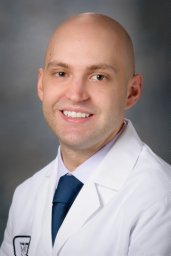 Nicholas Short合作论文数Department of Cellular and Structural Biology, University of Texas Health Science Center at San Antonio30
 Hagop M. Kantarjian合作论文数Department of Leukemia, Division of Cancer Medicine, The University of Texas MD Anderson Cancer Center28
 Elias Jabbour合作论文数Department of Leukemia, Division of Cancer Medicine, MD Anderson Cancer Center, University of Texas26
 Farhad Ravandi-Kashani合作论文数Section of Developmental Therapeutics, Department of Leukemia, The University of Texas MD Anderson Cancer Center;Division of Cancer Medicine, The University of Texas MD Anderson Cancer Center26
 Marina Konopleva合作论文数Department of Oncology, Albert Einstein College of Medicine;Department of Molecular Pharmacology, Albert Einstein College of Medicine21
 Garris Rebecca合作论文数20
 Nitin Jain合作论文数Qorvo, Inc.20
 Ghayas C Issa合作论文数17
 Naval G. Daver合作论文数Department of Leukemia, Division of Cancer Medicine, The University of Texas MD Anderson Cancer Center17
 Lewis Nasr合作论文数14
 Musa Yilmaz合作论文数Department of Leukemia, MD Anderson Cancer Center14
 Courtney DiNardo合作论文数Department of Leukemia, The University of Texas MD Anderson Cancer Center13Cedric Nasnas合作论文数12
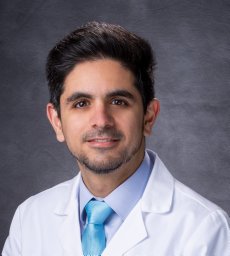 Fadi G Haddad合作论文数Dept Leukemia, Univ Texas MD Anderson Canc Ctr12Marianne Zoghbi合作论文数11
 Guillermo Garcia-Manero合作论文数Section of Myelodysplastic Syndromes, Department of Leukemia, Division of Cancer Medicine, The University of Texas MD Anderson Cancer Center;UTHealth Houston Graduate School of Biomedical Sciences11Guillermo Montalban Bravo合作论文数10
 Tapan M. Kadia合作论文数Department of Leukemia, Division of Cancer Medicine, M.D. Anderson Cancer Center10Yesid Alvarado合作论文数9
 Koji Sasaki合作论文数9Kelly S Chien合作论文数9Xuelin Huang合作论文数9
 Keyur P. Patel合作论文数Department of Hematopathology, Division of Pathology/Lab Medicine, The University of Texas MD Anderson Cancer Center;Department of Molecular Diagnostics Laboratory, Division of Pathology/Lab Medicine, The University of Texas MD Anderson Cancer Center8
 Gautam Borthakur合作论文数Department of Leukemia, Division of Cancer Medicine, The University of Texas MD Anderson Cancer Center8Jennifer Thankachan合作论文数7Christopher Loiselle合作论文数7
 Maiti Abhishek合作论文数Department of Critical Care Medicine, West Bank Hospital7Kebriaei Partow合作论文数6
 Rashmi Kanagal Shamanna合作论文数Molecular Diagnostic Laboratory, Department of Hematopathology, Division of Pathology and Laboratory Medicine, The University of Texas MD Anderson Cancer Center;Leukemia Planning Clinic, Department of Hematopathology, Division of Pathology and Laboratory Medicine, The University of Texas MD Anderson Cancer Center5Edward El-Am合作论文数4Ejiroghene Mayor合作论文数4Carmel Malvar合作论文数4Wuliamatu Deen合作论文数4Qiao Wei合作论文数4
 Talal El Zarif合作论文数Lank Ctr Genitourinary Oncol, Dana Farber Canc Inst4
 Sarah Abou Alaiwi合作论文数Dana-Farber Cancer Institute, Boston, MA;4
 Amin H. Nassar合作论文数Department of Hematology/Oncology, Yale New Haven Hospital4Sa Wang合作论文数4
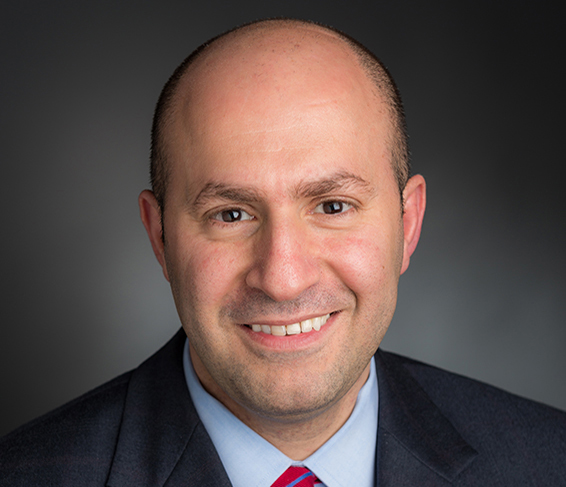 Toni Choueiri合作论文数Lank Center for Genitourinary (GU) Oncology, Dana-Farber Cancer Institute;Harvard Medical School;Brigham and Women's Hospital4Matthews Jairo合作论文数4
 Abdul Rafeh Naqash合作论文数Department of Medicine, Division of Hematology-Oncology, Vidant Cancer Center at East Carolina University, 600 Moye Blvd, 27834, Greenville, NC USA4
 Loghavi Sanam合作论文数Dept Hematopathol, Univ Texas MD Anderson Canc Ctr4
 Naveen Pemmaraju合作论文数Department of Leukemia, The University of Texas MD Anderson Cancer Center4
 Abbas Hussein A合作论文数Department of Molecular and Cellular Oncology, University of Texas M. D. Anderson Cancer Center4
 Ryan A Denu合作论文数4
 Jayastu Senapati合作论文数Department of Clinical Haematology, Christian Medical College and Hospital4Alessandra Ferrajoli合作论文数4
 Tomas Neilan合作论文数Mass General Heart Center, Massachusetts General Hospital;Mass General Research Institute, Massachusetts General Hospital;Harvard Medical School4Regina Abramova合作论文数3




