Conventional transcranial direct current stimulation (tDCS) protocols typically deliver 2 mA for 20-30 minutes. The most common administration uses a wet electrode approach which dries out in ~60 minutes at room temperature. This restricts its application to limited duration electrode-scalp contact use cases unless additional conductive media (saline, gel, or paste) is re-applied. This problem is further compounded by the subject's hair which not only presents administration challenges (interferes with electrode attachment and adhesion) but also acts as a conduit of current flow into the scalp resulting in current hotspots. This non-uniform current injection results in increased skin sensation. The aim of this study was to determine suitability of a commercially available hydrogel for DC delivery through hair. Experiments involved both non-clinical testing on an agar block and clinical testing on subjects’ forearms. Electrodes were positioned on the posterior side of the forearm that has hair for the clinical testing. Typical dose as used in tDCS was delivered and pain scores were collected. Results indicate suitable current delivery performance and all subjects tolerated delivery with pain scores ranging between 0-6. Our study paves the way for future testing on the scalp for tDCS application. Clinical Relevance—This study demonstrates the possibility of delivering tDCS through hair via dry electrodes. Specific use cases that cannot use a traditional wet electrode approach stand to benefit from the results of our work.
While operators performing tasks with high workload can increase task performance in response to limited increases in cognitive stress, chronic or rapidly accelerating stress can exceed the operator’s ability to compensate, generating acute cognitive strain (ACS). ACS represents a state wherein performance, situation awareness and cooperativity deteriorate markedly, leading to critical errors, mishaps or casualties. Nearly two decades of augmented cognition (AugCog) research has demonstrated the utility of psychophysiologic sensing and analysis for identification and tracking of changes in cognitive state and to modulate human machine interactions for improving system task performance. The proposed approach leveraged prior efforts to modulate cognitive stress using a multiagent approach to acquire and analyze multiple Psychophysiologic sensory channels, including changes in vocalizations, to create a reliable and non-intrusive Detector of Acute Cognitive Strain (DACS). The DACS system provides an integrated wearable multi-modal Research Sensor Suite (RSS) using the open-source Adaptive Multiagent Integration (AMI) architecture, that includes analysis agents for electroencephalograph (EEG), electromyography (EMG), video oculography (VOG), vocalization, and others to identify and correlate physiological signatures with cognitive stress and strain. An online AMI agent-based processing algorithm was developed and applied to audio communications to evaluate for changes in speaker vocalization fundamental frequency (F0) and cadence (utterances per minute). This paper describes initial phase results of aerospace mishap vocalization stress marker detection, a potential element of the proposed DACS system. DACS could use these markers to trigger adaptive automation agents that reduce task load and allow pilots to prevent or recover from ACS episodes.
Current learning technologies have no direct way to assess students' mental effort: are they in deep thought, struggling to overcome an impasse, or are they zoned out? To address this challenge, we propose the use of EEG-based cognitive load detectors during learning. Despite its potential, EEG has not yet been utilized as a way to optimize instructional strategies. We take an initial step towards this goal by assessing how experimentally manipulated (easy and difficult) sections of an intelligent tutoring system (ITS) influenced EEG-based estimates of students' cognitive load. We found a main effect of task difficulty on EEG-based cognitive load estimates, which were also correlated with learning performance. Our results show that EEG can be a viable source of data to model learners' mental states across a 90-minute session.
Purpose: Neonatal seizures are a common neurologic diagnosis in neonatal intensive care units, occurring in approximately 14,000 newborns annually in the United States. Although the only reliable means of detecting and treating neonatal seizures is with an electroencephalography (EEG) recording, many neonates do not receive an EEG or experience delays in getting them. Barriers to obtaining neonatal EEGs include (1) lack of skilled EEG technologists to apply conventional wet electrodes to delicate neonatal skin, (2) poor signal quality because of improper skin preparation and artifact, and (3) extensive time needed to apply electrodes. Dry sensors have the potential to overcome these obstacles but have not previously been evaluated on neonates. Methods: Sequential and simultaneous recordings with wet and dry sensors were performed for 1 hour on 27 neonates from 35 to 42.5 weeks postmenstrual age. Recordings were analyzed for correlation and amplitude and were reviewed by neurophysiologists. Performance of dry sensors on simulated vernix was examined. Results: Analysis of dry and wet signals showed good time-domain correlation (reaching >0.8), given the nonsuperimposed sensor positions and similar power spectral density curves. Neurophysiologist reviews showed no statistically significant difference between dry and wet data on most clinically relevant EEG background and seizure patterns. There was no skin injury after 1 hour of dry sensor recordings. In contrast to wet electrodes, impedance and electrical artifact of dry sensors were largely unaffected by simulated vernix. Conclusions: Dry sensors evaluated in this study have the potential to provide high-quality, timely EEG recordings on neonates with less risk of skin injury.
Metabolic syndrome (MetS) and Type 2 diabetes mellitus (T2DM) increase risk for Alzheimer’s disease (AD). The molecular mechanism for this association remains poorly defined. Here we report in human and rodent tissues that elevated glucose, as found in MetS/T2DM, and oligomeric β-amyloid (Aβ) peptide, thought to be a key mediator of AD, coordinately increase neuronal Ca 2+ and nitric oxide (NO) in an NMDA receptor-dependent manner. The increase in NO results in S -nitrosylation of insulin-degrading enzyme (IDE) and dynamin-related protein 1 (Drp1), thus inhibiting insulin and Aβ catabolism as well as hyperactivating mitochondrial fission machinery. Consequent elevation in Aβ levels and compromise in mitochondrial bioenergetics result in dysfunctional synaptic plasticity and synapse loss in cortical and hippocampal neurons. The NMDA receptor antagonist memantine attenuates these effects. Our studies show that redox-mediated posttranslational modification of brain proteins link Aβ and hyperglycaemia to cognitive dysfunction in MetS/T2DM and AD.
This paper describes a project whose goal was to establish the feasibility of using unobtrusive cognitive assessment methodologies in order to optimize efficiency and expediency of training. QUASAR, EyeTracking, Inc. (ETI), and Safe Passage International (SPI), teamed to demonstrate correlation between EEG and eye-tracking based cognitive workload, performance assessment and subject expertise on XRay screening tasks. Results indicate significant correlation between cognitive workload metrics based on EEG and eye-tracking measurements recorded during a simulated baggage screening task and subject expertise and error rates in that same task. These results suggest that cognitive monitoring could be useful in improving training efficiency by enabling training paradigms that adapts to increasing expertise.
This paper describes measurements made using an ECG system with QUASAR's capacitive bioelectrodes integrated into a pad system that is placed over a chair. QUASAR's capacitive bioelectrode has the property of measuring bioelectric potentials at a small separation from the body. This enables the measurement of ECG signals through fabric, without the removal of clothing or preparation of skin. The ECG was measured through the subject's clothing while the subject sat in the chair without any supporting action from the subject. The ECG pad system is an example of a high compliance system that places minimal requirements upon the subject and, consequently, can be used to generate a long-term record from ECG segments collected on a daily basis, providing valuable information on long-term trends in cardiac health.
After transplantation, individual stem cell-derived neurons can functionally integrate into the host CNS; however, evidence that neurons derived from transplanted human embryonic stem cells (hESCs) can drive endogenous neuronal network activity in CNS tissue is still lacking. Here, using multielectrode array recordings, we report activation of high-frequency oscillations in the β and γ ranges (10-100 Hz) in the host hippocampal network via targeted optogenetic stimulation of transplanted hESC-derived neurons.
The Cognitive State Assessment Competition 2011 was organized by the U.S. Air Force Research Laboratory (AFRL) to compare the performance of real-time cognitive state classification software. This paper presents results for QUASAR's data classification module, QStates, which is a software package for real-time (and off-line) analysis of physiologic data collected during cognitive-specific tasks. The classifier's methodology can be generalized to any particular cognitive state; QStates identifies the most salient features extracted from EEG signals recorded during different cognitive states or loads.
Electrical Mapping of Embryonic Mouse Hearts. Introduction: Understanding sinoatrial node (SAN) development could help in developing therapies for SAN dysfunction. However, electrophysiological investigation of SAN development remains difficult because mutant mice with SAN dysfunctions are frequently embryonically lethal. Most research on SAN development is therefore limited to immunocytochemical observations without comparable functional studies. Methods and Results: We applied a multielectrode array (MEA) recording system to study SAN development in mouse hearts acutely isolated at embryonic ages (E) 8.5–12.5 days. Physiological heart rates were routinely restored, enabling accurate functional assessment of SAN development. We found that dominant pacemaking activity originated from the left inflow tract (LIFT) region at E8.5, but switched to the right SAN by E12.5. Combining MEA recordings and pharmacological agents, we show that intracellular calcium (Ca2+)‐mediated automaticity develops early and is the major mechanism of pulse generation in the LIFT of E8.5 hearts. Later in development at E12.5, sarcolemmal ion channels develop in the SAN at a time when pacemaker channels are down‐regulated in the LIFT, leading to a switch in the dominant pacemaker location. Additionally, low micromolar concentrations of tetrodotoxin (TTX), a sodium channel blocker, minimally affect pacemaker rhythm at E8.5–E12.5, but suppress atrial activation and reveal a TTX‐resistant SAN‐atrioventricular node (internodal) pathway that mediates internodal conduction in E12.5 hearts. Conclusions : Using a physiological mapping method, we demonstrate that differential mechanistic development of automaticity between the left and right inflow tract regions confers the pacemaker location switch. Moreover, a TTX‐resistant pathway mediates preferential internodal conduction in E12.5 mouse hearts. (J Cardiovasc Electrophysiol, Vol. 23 p. 309‐318, March 2012.)
Brain-computer interface (BCI) research deals with establishing communication pathways between the brain and external devices where such pathways do not otherwise exist. Throughout the world, such research is surprisingly extensive and expanding. BCI research is rapidly approaching a level of first-generation medical practice for use by individuals whose neural pathways are damaged, and use of BCI technologies is accelerating rapidly in nonmedical arenas of commerce as well, particularly in the gaming, automotive, and robotics industries. The technologies used for BCI purposes are cutting-edge, enabling, and synergistic in many interrelated arenas, including signal processing, neural tissue engineering, multiscale modeling, systems integration, and robotics. This WTEC study gathered information on worldwide status and trends in BCI research to disseminate to government decisionmakers and the research community. The study reviewed and assessed the state of the art in sensor technology, the biotic-abiotic interface and biocompatibility, data analysis and modeling, hardware implementation, systems engineering, functional electrical stimulation, noninvasive communication systems, and cognitive and emotional neuroprostheses in academic research and industry. The study also compared the distinctly different foci, range, and investment levels of BCI research programs in the United States, Canada, China, Europe, and Japan.
PURPOSE:This study investigated whether the enzymatically inactive caspase mimetic IQACRG protects rat retinal ganglion cells (RGCs) from excitotoxic insults. Minimally invasive delivery of the peptide to the retina was explored, and the mechanisms of neuroprotection were elucidated.METHODS:IQACRG was linked to penetratin (P-IQACRG) to facilitate cellular uptake. RGC labeling by biotinylated-P-IQACRG delivered via intravitreal or subconjunctival injection was demonstrated by avidin-biotin chemistry. The authors used histologic and electrophysiological measures to evaluate the neuroprotective potential of P-IQACRG against RGC death induced by N-methyl-D-aspartate (NMDA) in vitro and in vivo. In addition, they monitored activity of an enzyme that is downstream of caspase-1, matrix metalloproteinase-9 (MMP-9), and protein levels of the caspase-3/7 substrate, myocyte enhancer factor 2C (MEF2C), to determine the effectiveness of IQACRG in blocking excessive caspase activity.RESULTS:IQACRG significantly reduced NMDA-induced RGC death in culture and in vivo. Ex vivo electrophysiological recording of the retina on multielectrode arrays demonstrated functional rescue of RGCs by IQACRG. The authors also found that delivery of IQACRG to the retina inhibited NMDA-triggered MMP-9 activity and prevented cleavage of MEF2C protein that would otherwise have been engendered by caspase activation preceding RGC death. Strikingly, subconjunctival injection of P-IQACRG was very effective in preventing NMDA-induced RGC death in vivo.CONCLUSIONS:These data demonstrate that IQACRG protects RGCs from excitotoxicity in vitro and in vivo. The positive results with subconjunctival administration of P-IQACRG suggest that in the future this treatment may be useful clinically in diseases such as glaucoma and retinal ischemia.
This paper present results of a multi-disciplinary project that is developing a microchip-based neural prosthesis for the hippocampus, a region of the brain responsible for the formation of long-term memories. Damage to the hippocampus is frequently associated with epilepsy, stroke, and dementia (Alzheimer's disease) and is considered to underlie the memory deficits related to these neurological conditions. The essential goals of the multi-laboratory effort include: (1) experimental study of neuron and neural network function--how does the hippocampus encode information? (2) formulation of biologically realistic models of neural system dynamics--can that encoding process be described mathematically to realize a predictive model of how the hippocampus responds to any event? (3) microchip implementation of neural system models--can the mathematical model be realized as a set of electronic circuits to achieve parallel processing, rapid computational speed, and miniaturization? and (4) creation of hybrid neuron-silicon interfaces-can structural and functional connections between electronic devices and neural tissue be achieved for long-term, bi-directional communication with the brain? By integrating solutions to these component problems, we are realizing a microchip-based model of hippocampal nonlinear dynamics that can perform the same function as part of the hippocampus. Through bi-directional communication with other neural tissue that normally provides the inputs and outputs to/from a damaged hippocampal area, the biomimetic model could serve as a neural prosthesis. A proof-of-concept will be presented in which the CA3 region of the hippocampal slice is surgically removed and is replaced by a microchip model of CA3 nonlinear dynamics--the "hybrid" hippocampal circuit displays normal physiological properties. How the work in brain slices is being extended to behaving animals also will be described.
Cell-based therapies require a reliable source of cells that can be easily grown, undergo directed differentiation, and remain viable after transplantation. Here, we generated stably transformed murine ES (embryonic stem) cells that express a constitutively active form of myocyte enhancer factor 2C (MEF2CA). MEF2C has been implicated as a calcium-dependent transcription factor that enhances survival and affects synapse formation of neurons as well as differentiation of cardiomyocytes. We now report that expression of MEF2CA, both in vitro and in vivo, under regulation of the nestin enhancer effectively produces "neuronal" progenitor cells that differentiate into a virtually pure population of neurons. Histological, electrophysiological, and behavioral analyses demonstrate that MEF2C-directed neuronal progenitor cells transplanted into a mouse model of cerebral ischemia can successfully differentiate into functioning neurons and ameliorate stroke- induced behavioral deficits.
Emerging evidence suggests that myocyte enhancer factor 2 (MEF2) transcription factors act as effectors of neurogenesis in the brain, with MEF2C the predominant isoform in developing cerebrocortex. Here, we show that conditional knockout of Mef2c in nestin-expressing neural stem/progenitor cells (NSCs) impaired neuronal differentiation in vivo, resulting in aberrant compaction and smaller somal size. NSC proliferation and survival were not affected. Conditional null mice surviving to adulthood manifested more immature electrophysiological network properties and severe behavioral deficits reminiscent of Rett syndrome, an autism-related disorder. Our data support a crucial role for MEF2C in programming early neuronal differentiation and proper distribution within the layers of the neocortex.
Abstract : Brain-computer interface (BCI) research deals with establishing communication pathways between the brain and external devices. BCI systems can be broadly classified depending on the placement of the electrodes used to detect and measure neurons firing in the brain: in invasive systems, electrodes are inserted directly into the cortex; in noninvasive systems, they are placed on the scalp and use electroencephalography or electrocorticography to detect neuron activity. This WTEC study was designed to gather information on worldwide status and trends in BCI research and to disseminate it to government decision makers and the research community. The study reviewed and assessed the state of the art in sensor technology, the biotic/abiotic interface and biocompatibility, data analysis and modeling, hardware implementation, systems engineering, functional electrical stimulation, noninvasive communication systems, and cognitive and emotional neuroprostheses in academic research and industry.
 Theodore W. Berger合作论文数Department of Biomedical Engineering, University of Southern California11
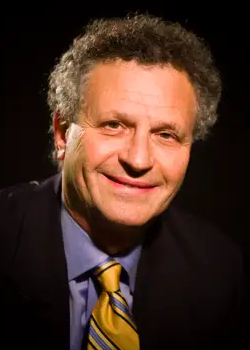 Stuart A. Lipton合作论文数Department of Molecular and Cellular Biology, The Scripps Research Institute;Skaggs Graduate School of Chemical and Biological Sciences, The Scripps Research Institute;Department of Neurosciences/Neurology, School of Medicine, University of California, San Diego7
 N J McDonald合作论文数5McKercher Scott R合作论文数5
 Greg A. Gerhardt合作论文数University of Kentucky5
 Ghassan Gholmieh合作论文数5
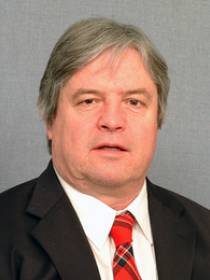 Dennis J. McFarland合作论文数Wadsworth Center for Laboratories and Research, New York State Department of Health4
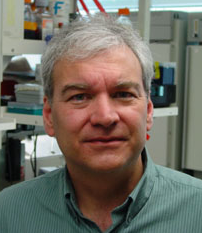 Patrick A. Tresco合作论文数Department of Biomedical Engineering, The University of Utah4
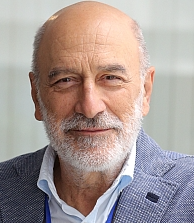 José Príncipe合作论文数Computational NeuroEngineering Laboratory, University of Florida;Department of Electrical & Computer Engineering, University of Florida4
 Dawn M. Taylor合作论文数4Maria Talantova合作论文数3
 Zaremba Jeffrey D合作论文数3Okamoto Shu-Ichi合作论文数3
 John K. Chapin合作论文数SUNY Downstate Health Sciences University3Armand R. Tanguay, Jr.合作论文数3
 Ashish K. Ahuja合作论文数University of Southern California3Zhiguo Nie合作论文数3
 Martin Han合作论文数3
 Jiankun Cui合作论文数University of Missouri3igor fridman合作论文数2Nima Dolatabadi合作论文数2Yeon-Joo Kang合作论文数2Brooke Roberts合作论文数2
 Dong Song合作论文数Univ So Calif, Dept Biomed Engn, Los Angeles, CA 90089 USA2
 Roberta Diaz Brinton合作论文数Department of Pharmacology, College of Medicine, The University of Arizona;Center for Innovation in Brain Science, The University of Arizona Health Sciences2
 Amanda J Roberts合作论文数The Scripps Research Institute2Hao Li合作论文数2
 Anupam Madhukar合作论文数The Mork Family Department of Chemical Engineering and Materials Science, School of Engineering, University of Southern California;Alfred E. Mann Department of Biomedical Engineering, School of Engineering, University of Southern California;Ming Hsieh Department of Electrical and Computer Engineering, School of Engineering, University of Southern California2
 Michel Baudry合作论文数Graduate College of Biomedical Sciences, Western University of Health Sciences2Theodore Berger合作论文数2Min-Chi Hsiao合作论文数2Nobuki Nakanishi合作论文数2Rajesh Ambasudhan合作论文数Kellogg Eye Center, University of Michigan2M Talantova合作论文数1Joan A. Conry合作论文数1Y.-J. Kang合作论文数1Khodayar Rais-Bahrami合作论文数1Melissa Poquette合作论文数1James Weatherhead合作论文数1
 James Parker合作论文数1Malaika Cordeiro合作论文数1Yishai Valter合作论文数1SR McKercher合作论文数1Johnson Wong合作论文数1Chris Thomas合作论文数Res & Dev, Soterix Med Inc1
 Vasilis Marmarelis合作论文数Alfred E. Mann Department of Biomedical Engineering, Viterbi School of Engineering, University of Southern California1Schwarz John J合作论文数1
 Juan C. Piña-Crespo合作论文数Center for Neurologic Diseases, Sanford Burnham Prebys Medical Discovery Institute1
 Theodore William Berger合作论文数Center for Neural Engineering, Viterbi School of Engineering, University of Southern California1




