AbstractPurpose: This multicenter, single-arm, phase II trial evaluated the safety and efficacy of cabazitaxel and carboplatin followed by abiraterone, plus androgen deprivation therapy (ADT), in patients with high-volume metastatic castration-sensitive prostate cancer (mCSPC). Patients and Methods: Eligible patients had high-volume mCSPC and ≤3 months of prior ADT. Patients received six 21-day cycles of cabazitaxel (20 mg/m2) and carboplatin (AUC 4) with continuous ADT, followed by maintenance abiraterone (1,000 mg daily) and prednisone (5 mg daily). The primary endpoint was the proportion of patients free of prostate-specific antigen (PSA) or radiographic progression at 12 months. Secondary endpoints included complete PSA response (≤0.2 ng/mL), objective response, progression-free survival (PFS), and safety. Overall survival (OS) was also reported. Results: Sixty-one participants were enrolled at eight sites. The median age was 64 years, median baseline PSA was 6.6 ng/mL (0.07–745.7 ng/mL), 73.3% had Gleason grade group 5, 69.5% had 10 or more metastases, and 19.6% had a homologous recombination repair (HRR) mutation. PSA PFS at 12 months was 84.6% [95% confidence interval (CI), 72.5%–91.7%], and OS at 12 months was 94.8% (84.7%–98.3%). Complete PSA response was 66.7%, and complete objective response was 30.7%. Contrary to our hypothesis, relative to HRR wild-type patients, HRR-mutated patients (19.6%) had numerically fewer complete PSA responses (33.3% vs. 70.3%) and inferior PFS (HR, 2.43; 95% CI, 0.93–6.39). Common side effects of this quadruplet regimen included fatigue, nausea, and diarrhea. Conclusions: Cabazitaxel and carboplatin followed by abiraterone, together with ADT, were feasible, safe, and efficacious in patients with high-volume mCSPC and warrant further study in larger randomized trials.
Background Immune checkpoint inhibitor-based combinations represent the standard of care for advanced renal cell carcinoma. The OMNIVORE trial investigated a response-adaptive strategy, including treatment discontinuation in early nivolumab responders (Arm A) and salvage ipilimumab addition in non-responders (Arm B). Here we report outcomes with extended follow-up.Methods OMNIVORE was a phase II response-adaptive trial in which patients received induction nivolumab monotherapy. Patients achieving a confirmed complete or partial response discontinued nivolumab and entered observation (Arm A), while patients with stable disease or progressive disease received two doses of ipilimumab added to ongoing nivolumab (Arm B). This analysis characterizes long-term overall survival across the full study cohort and durability of response among patients who discontinued nivolumab following an early objective response.Results Of 83 patients who initiated treatment, 12 (14%) were allocated to Arm A and 57 (69%) to Arm B, with a median follow-up among living patients of 59.4 months (range 29.1-85.4 months) in Arm A and 31.4 months (range 4.6-62.6 months) in Arm B. The 3-year overall survival rate from nivolumab initiation was 64% (95% CI 51% to 74%) in the overall cohort, 83% (95% CI 48% to 96%) in Arm A, and 63% (95% CI 47% to 76%) in Arm B. Of the 12 Arm A patients, 6 (50%) remained off nivolumab at 1 year following treatment discontinuation, of whom 5 maintained responses beyond 43 months off therapy, with all remaining alive at last known follow-up, with overall survival ranging from 48.8 to 85.4 months from nivolumab initiation. Of the six patients who resumed treatment, only one achieved a durable complete response remaining on treatment at 83.2 months from nivolumab initiation. All 57 Arm B patients discontinued treatment with a median treatment duration of 3.7 months (range 1-24.8 months) and a median progression-free survival from nivolumab plus ipilimumab initiation of 4.6 months (95% CI 2.7 to 6.5 months).Conclusions With extended follow-up, a meaningful subset of patients achieving an early objective response to nivolumab maintained prolonged treatment-free survival following a short course of treatment. Salvage ipilimumab in nivolumab non-responders demonstrated limited benefit, reinforcing that upfront concurrent dual checkpoint blockade remains the preferred approach.Trial registration number NCT03203473.
Purpose Multiple studies of bladder cancer noted worse outcomes in females compared to males. Few focused on prospective comparisons of sex regarding treatment response, survival, and toxicity. This phase 2 study compared outcomes of males and females with locally advanced and metastatic urothelial carcinoma treated with eribulin mesylate. Methods Patients were treated with eribulin on days 1 and 8 of a 21-day cycle. Primary endpoint was best observed response (ORR) per RECIST. Secondary endpoints included disease control (DCR), progression free survival (PFS), overall survival (OS), and toxicity. Pharmacokinetic (PK) parameters were assessed in a subset of patients. Results Females and males had similar ORR, DCR, PFS, OS, and toxicities. Thirty-one percent of females and 33% of males experienced a CR or PR (p=0.86); 57% females and 59% of males experienced disease control (p=0.86). There was a higher percentage of CRs amongst females (16% vs 4%). For females and males respectively, median PFS was 4.1 and 4.0 months, while median OS was 9.7 and 9.2 months. Forty-three percent of females and 35% of males experienced Grade 4+ hematologic toxicity (p=0.38). Females had more Grade 2+ nausea and vomiting than males. Females had lower AUCs (median: 913 vs. 1,129 µg/L·hr, p=0.023), but there was no difference in other PK parameters. There was a correlation of poorer baseline ECOG status with grade 3+ non-hematologic toxicity, but this was similar between sexes. Women with baseline grade 1+ anemia were more likely to develop grade 2+ anemia during therapy. Multivariate analysis of baseline characteristics relative to outcome measures did not demonstrate significant differences between females and males. Conclusion In patients with metastatic urothelial carcinoma treated with eribulin, there were no significant differences in toxicity, ORR, DCR, PFS, or OS between males and females. Females receiving eribulin therapy may warrant use of standard antiemetic prophylaxis more than males. Micro Abstract The study compared the outcomes of males and females with advanced urothelial carcinoma treated with eribulin mesylate. Male and females had similar observed response rates, disease control rates, progression free survival, overall survival (OS), and toxicity. There was a higher rate of complete responses (CR) observed amongst females compared to males, and this may warrant further study.
PURPOSE:The continuous development of new imaging approaches, molecular phenotyping, genetic subtypes, prognosis assessments, and effective therapies across a range of disease states has created a need to redefine terminology and best practices for clinical trial conduct in patients with advanced prostate cancer. METHODS:We convened an international expert committee of diverse working groups, the Prostate Cancer Working Group 4 (PCWG4), between 2016 and 2025. Our objective was to formulate updated criteria based on emerging evidence and clinical trial data in a biomarker context to provide guidance for clinical trial design, eligibility, and end point assessments for patients with advanced prostate cancer. RESULTS:PCWG4 redefines terminology around the disease state and previous therapies in a patient-centric context and terminology focused on androgen pathway modulation. We consider imaging, with a particular focus on positron emission tomography (PET)-defined disease. New recommendations are provided for disease state terminology, defining eligibility criteria, response and delay/prevent end points, intervals for reassessments including imaging, and patient-reported outcome determination. We provide recommendations in a biomarker-based context of use for the intended indication, reflective of patient benefit for specific interventions. We emphasize the need for development of validated PET imaging and molecular and phenotypic criteria as well as trial designs to appropriately risk stratify patients, predict and assess benefit, and measure post-treatment outcomes reliably in a trial framework. CONCLUSION:PCWG4 updates recommendations on patient and tumor characterization, therapy development, and imaging criteria and extends guidance into earlier androgen pathway modulator-naïve/sensitive disease states to reflect an evolving, heterogeneous, and diverse patient population to optimize treatment benefits for all patients.
Abstract Background In the randomized phase 3 LITESPARK-005 study (NCT04195750), belzutifan significantly improved progression-free survival (PFS) and objective response rate, but not overall survival (OS), when compared with everolimus in participants with advanced clear cell renal cell carcinoma (ccRCC) previously treated with an immune checkpoint inhibitor and antiangiogenic therapy. Patient-reported outcomes (PROs) assessed using the Functional Assessment of Cancer Therapy-Kidney Cancer Symptom Index–Disease Related Symptoms (FKSI-DRS) and the EORTC Quality of Life Questionnaire Core 30 (QLQ-C30) global health status/quality of life (GHS/QoL) favored belzutifan. We conducted a post hoc analysis to evaluate associations between health-related quality of life (HRQoL) and clinical outcomes after >2 years of minimum follow-up. Methods Adults with advanced ccRCC were randomly assigned 1:1 to oral belzutifan 120 mg or everolimus 10 mg once daily until progression or unacceptable adverse events. This post hoc analysis population included all treated participants with ≥1 PRO assessment using the FKSI-DRS and QLQ-C30 GHS/QoL. Associations between HRQoL (baseline, longitudinal time-dependent changes, and landmark time points at weeks 13, 25 and 53) and PFS and OS were evaluated using Cox proportional hazards models. Clinically meaningful improvement from baseline was defined as a ≥ 3‑point increase for FKSI‑DRS and a ≥ 10‑point increase for QLQ‑C30 GHS/QoL per established thresholds. Landmark analysis excluded participants with events prior to each time point. No adjustments were made for multiplicity, and no formal hypothesis testing was performed. Results A total of 720 participants were included (belzutifan, n = 366; everolimus, n = 354), with a median study follow-up of 35.8 months (range, 26.9-49.2). Higher baseline FKSI-DRS scores were associated with modest PFS (hazard ratio [HR], 0.91; 95% CI, 0.86-0.96) and OS (HR, 0.86; 95% CI, 0.81-0.91) benefit. Higher baseline QLQ‑C30 GHS/QoL scores were not associated with PFS benefit (HR, 0.98; 95% CI, 0.94-1.03) but were associated with a small OS benefit (HR, 0.92; 95% CI, 0.88-0.96). In longitudinal analyses, improvement in FKSI-DRS was associated with lower risk of progression or death (HR, 0.80; 95% CI, 0.74-0.85) and death (HR, 0.57; 95% CI, 0.53-0.62); similar associations were observed for QLQ-C30 GHS/QoL (PFS: HR, 0.80; 95% CI, 0.74-0.85; OS: HR, 0.64; 95% CI, 0.60-0.69). In landmark analyses, participants with stable or improved HRQoL at weeks 13, 25, and 53 had numerically longer PFS and OS compared with those with deterioration, although estimates were imprecise at later time points (Table). Conclusions In this exploratory post hoc analysis of LITESPARK-005, higher baseline HRQoL and improvements during treatment were associated with improved PFS and OS in advanced ccRCC. These hypothesis-generating findings support HRQoL as a potential prognostic marker; however, given the pooled treatment arms and potential for time-dependent confounding and reverse causation, results should be interpreted cautiously.
BACKGROUND & OBJECTIVES:Lifelong androgen deprivation therapy (ADT) is necessary for men with advanced prostate cancer (PCa). ADT via medical castration carries with it financial and physical toxicity. This feasibility trial evaluates the acceptance rate of surgical orchiectomy among men with metastatic PCa, assessing its viability as an alternative to ongoing medical castration. METHODS:We conducted a prospective trial of PCa patients from 3 academic medical centers, who had been on ADT for at least 1 year. The primary endpoint was the proportion of patients opting for surgical orchiectomy following an educational session regarding the procedure. Secondary endpoints included participation rates in the educational session, the correlation of orchiectomy acceptance with demographic factors, the impact on quality of life metrics (sexual satisfaction, body image perception) and decision regret scale. RESULTS:Of the 130 men approached, 101 (78%) consented to the educational session, and 58/101 (57%) consented for quality of life assessments. 27/101 (27%) consulted with a urologist about orchiectomy, and 14/101 (14%) ultimately underwent the procedure. Quality of life outcomes showed no difference between those who underwent orchiectomy and those who did not. Decision regret among orchiectomy patients was low with 93% indicating that orchiectomy was the right decision. Testicular atrophy was observed on pathology in 13 patients who underwent orchiectomy. CONCLUSION:We found a limited acceptance rate of 14% for surgical orchiectomy among men with PCa on ADT for at least 1 year, who were educated on the procedure.
440 Background: The phase 1/2 KEYMAKER-U03 Substudy 03B (NCT04626518) is being conducted to evaluate combination treatments for previously treated advanced ccRCC. We present results for targeted therapy–containing regimens from arm B4 (pembro + belzutifan [HIF-2α inhibitor]), arm B5 (lenvatinib [VEGF-TKI] + belzutifan), and the reference (ref) arm (pembro + lenvatinib). Methods: Adults with histologically confirmed locally advanced/metastatic ccRCC and disease progression on or after PD-(L)1 inhibitor and VEGF-TKI treatment were randomly assigned 1:1 to arms open for enrollment. Arms B4 and B5 had a safety lead-in phase where ~10 patients (pts) were initially enrolled before randomization. Treatment doses were pembro 400 mg IV Q6W + belzutifan 120 mg PO QD (arm B4), lenvatinib 20 mg PO QD + belzutifan 120 mg PO QD (arm B5), or pembro 400 mg IV Q6W + lenvatinib 20 mg PO QD (ref arm). Primary end points were safety and ORR per RECIST v1.1 by blinded independent central review (BICR). Secondary end points included DOR, clinical benefit rate (CBR; CR + PR + SD ≥6 months), and PFS per RECIST v1.1 by BICR, and OS. Efficacy was evaluated in all enrolled (allocated and randomized) pts; safety was evaluated in all pts who received ≥1 dose of treatment. No formal comparisons across arms occurred. Enrollment was planned for 50 pts in each arm, although enrollment would be stopped if the 6-mo PFS rate was ≤40%. Results: Overall, 62 pts were assigned to arm B4, 64 to arm B5, and 73 to the ref arm. Median (range) follow-up was 16.6 mo (6.5-38.7) in arm B4, 17.6 mo (6.5-35.9) in arm B5, and 19.4 mo (6.7-33.2) in the ref arm. Efficacy is reported in the table. Grade 3-5 treatment-related AEs (TRAEs) occurred in 26/62 pts (42%) in arm B4, 38/63 pts (60%) in arm B5, and 36/73 pts (49%) in the ref arm. TRAEs led to death in 2 pts in arm B5 (cerebral hemorrhage and intracranial hemorrhage) and 1 pt in the ref arm (esophageal perforation). Conclusions: Lenvatinib + belzutifan (arm B5) exhibited durable antitumor activity and a safety profile consistent with the individual profiles of the drugs. Results from Substudy-03B support further investigation of lenvatinib + belzutifan combination for pts with advanced RCC, as in LITESPARK-011. Clinical trial information: NCT04626518 . Arm B4Pembro + belzutifann = 62 Arm B5Lenvatinib + belzutifann = 64 Ref armPembro + lenvatinibn = 73 ORR (95% CI), % 19 (10-31) 47 (34-60) 40 (29-52) CR, n (%) 2 (3) 1 (2) 0 (0) PR, n (%) 10 (16) 29 (45) 29 (40) CBR (95% CI), % 32 (21-45) 59 (46-72) 58 (45-69) DOR, median (range), mo Not reached (1.4+-33.0+) 22.1 (1.4+-32.8+) 8.3 (2.6+-25.6+) PFS, median (95% CI), mo 5.4 (2.8-6.9) 12.5 (5.9-26.3) 9.4 (6.9-11.2) 6-mo PFS rate, % 42 63 67 OS, median (95% CI), mo 27.4 (12.6-not reached) 32.3 (22.4-not reached) Not reached (21.8-not reached) 12-mo OS rate, % 68 80 82
265 Background: Androgen deprivation, achieved through surgical or medical castration, is central to metastatic prostate cancer (PCa) treatment. Life-long castration is thought to be critical to the management of patients with metastatic disease. Orchiectomy offers an alternative, more convenient, and cheaper alternative for permanent castration, but is under-utilized, in part due to patient reluctance. We hypothesized that patients on long term medical castration therapy would be willing to accept surgical castration as an alternative to repeated LHRH agonist injections. Methods: Men ≥18 years with metastatic PCa, on LHRH agonists for ≥1 year and ≤2 prior systemic therapies, were eligible. Participants first provided consent for an educational session on orchiectomy, followed by the collection of demographic and disease characteristics. Those providing further consent completed the PROMIS sexual function and satisfaction measures v2.0 and the Hopwood body image surveys, with a urology consult offered. At 6 months, patients completed the same surveys, and those undergoing orchiectomy also completed the decision regret scale. 100 patients agreeing to the educational session were required to provide a 10% confidence interval on an estimated 30-50% of patients undergoing an orchiectomy. Results: Of the 130 patients approached, 101 signed the first consent form (education), 58 signed the second (surveys), and 27 agreed to meet with the urology team. Patients agreeing to the educational session had a median age of 71 years (IQR 65-75), 46% were Black and 48% White, 48% completed college or an advanced degree, 36% had annual income > $80K, 58% were married and 64% received systemic therapy other than LHRH agonists. Fourteen patients underwent bilateral orchiectomy (one subcapsular). No association was found between orchiectomy and race, education, annual income, or marital status. While ~75% of all patients were dissatisfied with their sexual life, the vast majority had no body image concerns. Decision regret was low, with 13/14 patients satisfied with their choice of orchiectomy. Pathology revealed testicular atrophy in all cases. Conclusions: Only 11% of patients approached, and 14% of patients who participated in an educational session on orchiectomy proceeded with the procedure, suggesting limited feasibility for surgical castration in patients on long-term LHRH agonists. Testicular atrophy suggests that discontinuing medical castration may be an alternative cost-effective strategy to maintain castration in prostate cancer patients with metastatic disease. Clinical trial information: NCT04705038 .
e17073 Background: The NCCN began recommending germline genetic testing for individuals with high-risk or advanced prostate cancer (PCa) in 2017. In 2019, our survey of physicians within the PCCTC showed that the adoption of germline testing was not widespread: 62% of physicians considered testing for all men with metastatic PCa (mPCa) and 12% considered testing for men with high risk localized PCa. In 2024 we conducted a follow up survey to evaluate changes in perception of germline testing uptake, clinic workflow and barriers. Methods: A 22-item survey was distributed via email to physicians associated with the PCCTC and was open for responses between 5/24/2024 and 7/11/2024. We collected data on physicians’ personal practices around germline testing in PCa, perceived barriers to testing and uptake of the testing. Results: 379 physicians received the germline genetic testing current practice survey, and 90 (24%) completed the survey. A total of 40% (36/90) of participating physicians reported that they refer eligible patients to a separate department for genetic testing and counseling, and more than half (70%) reported taking personal responsibility for some or all genetic education and testing of their eligible patients. 21% (19/90) reported obtaining genetic testing results through patient enrollment in a research study. When asked for a best estimate of all PCa patients who meet current NCCN criteria for germline testing who have completed testing, 28% (22/80) of physicians responded with a range of 51-75%. The remaining responses of participating physicians are split with 26% estimating >76%, 25% estimating 26-50%, and 21% estimating <26% of patients who qualify receive germline genetic testing. The majority of responders reported considering some mPCa patients for germline genetic testing: 81% reported considering all mPCa patients; 34% considered testing mPCa patients with a family history, and 38% considered testing only those for whom results would influence treatment (FDA-approved targeted therapy or trial candidates). More than half of the participating physicians (54%) considered germline genetic testing for some PCa patients with high-risk localized PCa. Based on participant responses and free text comments, cited barriers in streamlining genetic testing were: clinical workflow, time and space availability, access to genetic counselors, out of pocket cost, insurance coverage, access to resources for provider/patient education, among others. Conclusions: Physician uptake of germline genetic testing has increased since our initial survey in 2019. A greater percentage of participating physicians report ordering germline testing in their clinic and providing pre- and post-test counseling. Clinic flow and access to genetic counselors remain prominent barriers.
538 Background: At first interim analysis of the randomized, multicenter, open-label, phase 3 LITESPARK-005 study (NCT04195750), belzutifan was associated with a significant and clinically meaningful improvement in progression-free survival (PFS) and objective response rate (ORR) vs everolimus in participants (pts) with advanced clear cell renal cell carcinoma (ccRCC) after both anti–PD-(L)1 and VEGF-targeted therapy. PFS and ORR results remained consistent at final analysis (FA); significant improvement in overall survival (OS) in this heavily pretreated population was not observed. Efficacy outcomes by baseline disease characteristics and tumor burden at FA are presented here. Methods: Pts were aged ≥18 years, had advanced ccRCC, and 1–3 prior systemic regimens (including ≥1 prior PD-[L]1 inhibitor and VEGFR-TKI in combination or in sequence). Belzutifan 120 mg QD or everolimus 10 mg QD were administered to randomized (1:1) pts until disease progression or unacceptable toxicity. An exploratory analysis of PFS and ORR per RECIST 1.1 by central review and OS was conducted in subgroups by bone metastasis (present at baseline, yes vs no), liver metastasis (present at baseline, yes vs no), and baseline tumor burden (sum of diameters of target lesions, < median vs ≥ median). No formal statistical testing was performed. Results: A total of 374 pts were randomized to belzutifan, and 372 to everolimus. At FA (data cutoff: April 15, 2024), median follow-up was 35.8 mo (range 26.9–49.2) for the total population. PFS and ORR benefits with belzutifan vs everolimus were generally consistent with the total population across all analyzed subgroups (Table). In line with the total population at FA, improvement in OS was not observed across most subgroups. Conclusions: Belzutifan is a novel treatment option for patients with advanced ccRCC after prior anti–PD-(L)1 and VEGF-targeted therapies. Exploratory analysis suggests that PFS and ORR benefits with belzutifan vs everolimus are generally consistent across subgroups by baseline disease characteristics and tumor burden. Clinical trial information: NCT04195750 . Bone mets, yes Bone mets, no Liver mets, yes Liver mets, no Sum target lesion diameters,< median Sum target lesion diameters,≥ median Bel Eve Bel Eve Bel Eve Bel Eve Bel Eve Bel Eve N 187 181 187 191 89 103 285 269 174 193 198 171 PFS, median, mo 3.7 4.3 7.0 6.3 4.6 3.7 5.6 5.8 7.3 5.7 4.2 4.8 PFS HR(95% CI) 0.88(0.69–1.11) 0.65(0.51–0.82) 0.55(0.39–0.77) 0.84(0.69–1.02) 0.67(0.52–0.86) 0.80(0.63–1.01) OS, median, mo 15.0 15.1 26.5 23.7 19.1 12.9 21.7 21.8 26.4 26.5 17.3 12.3 OS HR(95% CI) 0.95(0.75–1.20) 0.89(0.69–1.15) 0.63(0.45–0.88) 1.06(0.86–1.30) 0.95(0.73–1.24) 0.76(0.61–0.96) ORR, % 17.6 2.8 27.8 4.2 24.7 3.9 22.1 3.3 28.7 4.1 17.7 2.9 Bel=belzutifan; eve=everolimus; mets=metastasis.
TPS436 Background: Despite definitive local treatment, high risk localized prostate cancer (PC) patients (pts) have a 36-46% risk of biochemical recurrence (1). Neoadjuvant (NAJ) treatment with androgen receptor signaling inhibition (ARSI) improves pathologic outcome at the time of prostatectomy (2), and 3-year biochemical recurrence-free survival (bRFS) was strongly tied to pathologic complete response (pCR) plus minimal residual disease (MRD). One way to improve on this strategy is to target potential mechanisms of resistance to ARSI. A study of localized high-risk prostate cancer treated with NAJ ARSI plus androgen deprivation therapy (ADT) showed enrichment of glucocorticoid receptor (GR) expression in residual tumors (3). Inhibiting GR signaling decreases resistance to the ARSI enzalutamide (4). We previously demonstrated the safety of the combination of the selective GR modulator (SGRM) relacorilant plus enzalutamide (5). We have thus designed a study evaluating the efficacy of this combination given neoadjuvantly. Methods: This phase 2 study is a placebo-controlled randomized trial of 6 months of NAJ ADT and enzalutamide plus relacorilant/placebo (2:1). The primary objective of this study is response, measured by pCR and MRD at radical prostatectomy (RP). Eligible patients include those with localized histologically confirmed prostatic adenocarcinoma classified as high risk or very high-risk per NCCN guidelines. Enlarged lymph nodes below the iliac bifurcation are allowed. Following randomization pts will be treated with LHRH agonist plus enzalutamide with or without relacoriliant and undergo RP 1 month later. The total sample size is 90 patients with an interim analysis for futility conducted after 45 pts undergo RP. A chi-square test will be used to compare the proportion of patients achieving pCR/MRD. Assuming a true CR/MRD rate of 15% in the control group, 90 patients total would yield a power of 80% with a hypothesized CR/MRD of 32% in the relacorilant group, based on a one-sided test at the alpha=0.15 significance level. As secondary endpoints, we will evaluate radiographic response within the prostate with multiparametric MRI (mpMRI) imaging and the 3-year bRFS and MFS rates in both arms. Exploratory endpoints include demonstrating correlation between enhanced mpMRI imaging and pathologic response, as well showing decreased nuclear hormone receptor-driven proliferative gene expression in viable PC due to combined NAJ GR antagonism and ARSI compared to ARSI alone. The study is currently open and is seeking additional sites. 1. Falgario U, JAMA Netw Open 2023. 2. McKay R, J Urol 2021. 3. Efstathiou E, Eur Urol 2019. 4. Isikbay M, Horm Cancer 2014. 5. Desai, CCR , 2024. Clinical trial information: NCT05726292 .
We conducted a multi-center, open-label, randomized phase II study to assess the efficacy of Nivolumab as maintenance therapy for patients with AML in first complete remission (CR) or CR with incomplete hematologic recovery (CRi) who were not candidates for SCT. Patients were stratified and randomized to Observation (Obs) or Nivolumab (Nivo, 3mg/kg IV every 2 weeks for 46 doses). The primary endpoint was progression-free survival (PFS) defined as time to disease relapse or death due to any reason. Secondary endpoints included overall survival (OS), and evaluation of adverse events following Nivolumab administration. Eighty patients were enrolled with median duration of follow-up of 24 months (33 months among survivors). PFS was 13.2 months in the Nivolumab arm (95% CI: 8.5-21.8) and 10.9 months in the Observation arm (5.4-14.9 months). Overall PFS curves were not statistically significantly different ((Nivo/Obs)= 0.92; 95% CI: 0.54, 1.56; one-sided p = 0.38). The median OS was 53.9 months in the Nivolumab arm and 30.9 months in the Observation arm. Cox regression model HR (Nivo/Obs)= 0.78; 95% CI: 0.40, 1.51; p=0.23 (one-sided). There were more adverse events (AEs) of any type (regardless of attribution) on the Nivolumab arm; 27 (71%) patients on the Nivolumab arm had a grade 3 or higher AE compared to 5 patients (12%) on the Observation arm (p<0.001). Nivolumab maintenance after AML chemotherapy failed to improve the PFS and OS in this randomized Phase II study. There were increased AEs and SAEs with nivolumab, but these AEs and SAEs were expected and manageable. ClinicalTrials.gov ID NCT02275533
Purpose Metastasis-directed therapy for oligometastatic renal cell carcinoma (RCC) with stereotactic body radiation therapy (SBRT) has been shown to improve progression-free survival (PFS) and delay time to systemic therapy. Here, we present long-term follow-up of a prospective trial. Methods and Materials Patients with oligometastatic or recurrent RCC (1-5 lesions, with no therapies in prior month) were enrolled on a pilot study (NCT02542202). SBRT was delivered to all sites (preferred regimen of 50 Gy in 5 fractions). The primary endpoint was the rate of grade 4+ adverse events, and secondary endpoints included local failure, distant progression, and PFS. Exploratory endpoints included time to subsequent systemic therapy and time to subsequent metastasis-directed therapy. Results Fifteen patients (all with resected primary tumors, 40% prior systemic therapy, 47% International Metastatic RCC (Renal Cell Carcinoma) Database Consortium intermediate risk) received SBRT to 23 lesions (median, 1; range, 1-4; median BED10 (Biologically Effective Dose, α/β=10) of 100 Gy; 43% lung, 35% abdomen, 17% bone, 4% head and neck). The trial was closed early due to slow accrual. At a median follow-up of 4.8 years, there were no grade 3+ adverse events (AEs) and no late grade 2+ AEs. Five (33%) patients experienced 7 acute grade 2 AEs. Two-year PFS was 46% (90% CI, 24%-65%). At 5 years, cumulative incidence of local failure was 6.7% (90% CI, 0.8%-22%), distant progression was 85% (90% CI, 60%-95%), subsequent systemic therapy was 54% (90% CI, 31%-73%), and subsequent metastasis-directed therapy was 52% (90% CI, 22%-76%). The median time to subsequent systemic therapy was 2.6 years. Conclusions Multisite SBRT in oligometastatic RCC offers excellent local control with a low risk of severe late toxicity. This study supports an approach to treat limited metastatic disease with SBRT to delay additional systemic therapy. A subset of patients may benefit from additional, repeated ablative local interventions.
Modern advances in systemic and localized therapies for patients with renal cell carcinoma (RCC) have significantly improved patients' outcomes. If disease progression occurs after initial treatment, clinicians often have multiple options for a first salvage therapy. Because salvage and initial treatments both may affect overall survival time, and they may interact in unanticipated ways, there is a growing need to determine sequences of initial therapy and first salvage therapy that maximize overall survival while maintaining quality of life. The complexity of this problem grows if a second salvage therapy must be chosen for patients with treatment-resistant disease or a second progression occurs following first salvage. On November 9, 2023, a think tank was convened during the International Kidney Cancer Symposium (IKCS) North America to discuss challenges in accounting for postprogression therapies when estimating overall survival (OS) time based on randomized controlled trial (RCT) data. The present manuscript summarizes the topics discussed, with the aim to encourage adoption of statistical methods that account for salvage therapy effects to obtain scientifically valid OS estimation. We highlight limitations of traditional methods for estimating OS that account for initial treatments while ignoring salvage therapy effects and discuss advantages of applying more sophisticated statistical methods for estimation and trial design. These include identifying multistage treatment strategies, correcting for confounding due to salvage therapy effects, and conducting Sequentially Multiple Assignment Randomized Trials (SMARTs) to obtain unbiased comparisons between multistage strategies. We emphasize the critical role of patient input in trial design, and the potential for information technology (IT) advances to support complex trial designs and real-time data analyses. By addressing these challenges, future RCTs can better inform clinical decision-making and improve patient outcomes in RCC.
 Nicholas J. Vogelzang合作论文数School of Medicine, University of Nevada67
 Theodore Karrison合作论文数Department of Public Health Sciences, University of Chicago61
 Mark J. Ratain合作论文数The University of Chicago Medical Center;The University of Chicago54
 Russell Szmulewitz合作论文数Department of Medicine, University of Chicago;Division of the Biological Sciences, University of Chicago45
 Everett Vokes合作论文数Department of Medicine, University of Chicago38
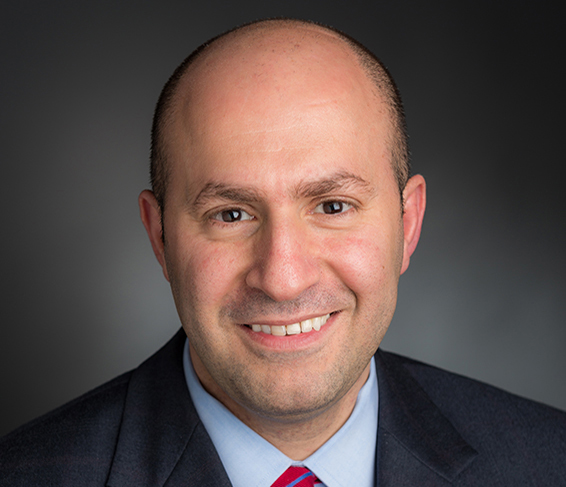 Toni Choueiri合作论文数Lank Center for Genitourinary (GU) Oncology, Dana-Farber Cancer Institute;Harvard Medical School;Brigham and Women's Hospital37
 Susan Halabi合作论文数Division of Biostatistics, Department of Biostatistics & Bioinformatics, Duke University School of Medicine36
 Peter H. O Donnell合作论文数Department of Medicine, The University of Chicago34
 Christopher W Ryan合作论文数Oregon Health and Science University Knight Cancer Institute31
 Bernard Escudier合作论文数French Group of Immunotherapy, Institute of Gustave Roussy30
 Eric Small合作论文数Department of Urology, University of California, San Francisco;Division of Hematology and Oncology, Department of Medicine, University of California, San Francisco29
 David F. McDermott合作论文数Beth Israel Deaconess Medical Center;Harvard Medical School29
 Brian Rini合作论文数Department of Medicine, Medical Center, Vanderbilt University;Vanderbilt-Ingram Cancer Center27
 Robert Figlin合作论文数Cedars-Sinai;David Geffen School of Medicine, University of California, Los Angeles26
 Ronald M. Bukowski合作论文数Bukowski Consulting, LLC;Taussig Cancer Center, Cleveland Clinic24
) Janice P. Dutcher合作论文数Cancer Research Foundation;New York Medical College24
Janice P. Dutcher合作论文数Cancer Research Foundation;New York Medical College24 Daniel James George合作论文数Duke Cancer Institute, Duke University;Center for Prostate & Urologic Cancers, Duke University;Divisions of Medical Oncology and Urology, Duke University School of Medicine23
 Maha H.A. Hussain合作论文数Feinberg School of Medicine, Northwestern University23
 Joel Picus合作论文数Department of Medicine, Division of Oncology, Washington University23
 David I Quinn合作论文数Department of Medicine, Keck School of Medicine, University of Southern California23
 Susan Groshen合作论文数University of Southern California22
 Gary D. Steinberg合作论文数Department of Urology, Medical College, Rush University;Rush University Medical Center22
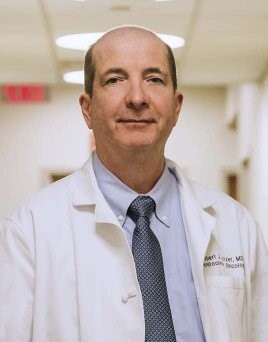 Robert J. Motzer合作论文数Memorial Sloan Kettering Cancer Center22
 Andrew John Armstrong合作论文数Department of Medicine, School of Medicine, Duke University21
 Leonard J Appleman合作论文数Division of Malignant Hematology and Medical Oncology, Department of Medicine, School of Medicine, University of Pittsburgh20
 Gregory Karczmar合作论文数Department of Radiology, University of Chicago20
 Thomas Powles合作论文数University of London;Barts Cancer Centre, St. Bartholomew's Hospital20
 Thomas F. Gajewski合作论文数Ben May Department of Cancer Research, The University of Chicago;Division of the Biological Sciences, The University of Chicago20
 Randy F. Sweis合作论文数20
 Ulka Vaishampayan合作论文数Rogel Cancer Center, University of Michigan19
 Laurence Albiges合作论文数Medical Oncology Department, Gustave Roussy19
 Cristina Suárez合作论文数Vall d'Hebron University Hospital Barcelona18
 Michael A. Carducci合作论文数School of Medicine, Johns Hopkins University;Johns Hopkins Kimmel Cancer Center;Skip Viragh Outpatient Cancer Center;Sibley Memorial Hospital18
 Thomas Hutson合作论文数16
 Michael Atkins合作论文数Department of Oncology, Georgetown University Medical School16
 David R. Gandara合作论文数Department of Internal Medicine, UC Davis Comprehensive Cancer Center16
 David C. Smith合作论文数Medical School, University of Michigan;Rogel Cancer Center, University of Michigan16
 Robert Dreicer合作论文数University of Virginia Cancer Center;Department of Medicine, Hematology and Oncology, School of Medicine, University of Virginia16
 Mn Fishman合作论文数15
 Srikala Sridhar合作论文数Department of Medicine, University of Toronto;Princess Margaret Cancer Center15
 Sumanta Kumar Pal合作论文数Department of Medical Oncology & Therapeutics Research, City of Hope;Bladder & Kidney Cancer15Kathryn Bylow合作论文数15
 Brendan D. Curti合作论文数Providence Health & Services;Earle A. Chiles Research Institute, Providence Cancer Institute15JD HAINSWORTH合作论文数14
 Daniel P. Petrylak合作论文数Section of Medical Oncology, Department of Internal Medicine, Yale School of Medicine;Department of Urology, Yale School of Medicine14
 Christian Kollmannsberger合作论文数BC Cancer Vancouver Center;Vancouver Prostate Centre;Department of Medicine, Faculty of Medicine, University of British Columbia14
 Dean F. Bajorin合作论文数Memorial Sloan Kettering Cancer Center14
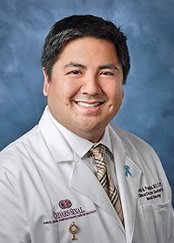 Edwin M. Posadas合作论文数Cedars-Sinai Medical Center, Samuel Oschin Comprehensive Cancer Institute;Cedars-Sinai Medical Center, Samuel Oschin Comprehensive Cancer Institute14
 Mark N. Stein合作论文数Herbert Irving Comprehensive Cancer Center, Columbia University Irving Medical Center14




