Parkinson's disease (PD) results primarily from the loss of midbrain dopaminergic neurons. Mitochondrial dysfunction may contribute to PD pathogenesis and depletion of vacuolar protein sorting 13 homolog C (VPS13C) leads to mitochondrial dysfunction. Traditional Chinese medicine (TCM) extracts Uncaria rhynchophylla, Gardenia jasminoides, and Scutellaria baicalensis were reported to have anti-PD effects. This study aimed to examine these three extracts for enhancing VPS13C expression and mechanisms of neuroprotection. Using FCCP-mediated oxidative phosphorylation uncoupling or RNA interference-directed VPS13C knockdown, reduced cell viability and mitochondrial membrane potential (MMP) accompanied with increased mitochondrial superoxide in human neuroblastoma SH-SY5Y cells were established. Treatment of cells with these extracts increased cell viability, MMP, and reduced the mitochondrial superoxide. In differentiated SH-SY5Y cells with VPS13C knockdown, these extracts reduced lactate dehydrogenase release, caspase-3 activity, reactive oxygen species production, and promoted neurite outgrowth. The extracts increased VPS13C, superoxide dismutase (SOD) 1 and 2, nuclear respiratory factor 2 (NRF2), PPARG coactivator 1 alpha (PGC-1α), and B-cell lymphoma 2 (BCL2) expression in these cells, accompanied by increases in MMP, mitochondrial mass, and reduction in mitochondrial superoxide. In conclusion, treatments with these three TCM compounds reduced mitochondrial dysfunction and oxidative stress in VPS13C-knockdown cells, making them potential drug candidates for PD.
Polyglutamine (polyQ)-mediated spinocerebellar ataxia (SCA), including SCA1, 2, 3, 6, 7, and 17, are caused by mutant genes with expanded CAG repeats, leading to the intracellular accumulation of aggregated proteins, the production of reactive oxygen species, and cell death. Among SCA, SCA3 is caused by a mutation in the ATXN3 (ataxin-3) gene. In a circumstance of polyQ aggregation, the autophagic pathway is induced to degrade the aggregated proteins, thereby suppressing downstream deleterious effects and promoting neuronal survival. In this study, we tested the effects of synthetic indole (NC009-1, -2, -3, -6) and coumarin (LM-022, -031) derivatives as chemical chaperones to assist mutant ATXN3-Q75 folding, as well as autophagy inducers to clear aggregated protein. Among the tested compounds, NC009-1, -2, and -6 and LM-031 interfered with Escherichia coli-derived ATXN3-Q75 aggregation in thioflavin T binding and filter trap assays. In SH-SY5Y cells expressing GFP-fused ATXN3-Q75, these compounds displayed aggregation-inhibitory and neurite growth-promoting potentials compared to untreated cells. Furthermore, these compounds activated autophagy by increasing the phosphatidylethanolamine-conjugated LC3 (microtubule associated protein 1 light chain 3)-II:cytosolic LC3-I ratio in these cells. A biochemical co-immunoprecipitation assay by using a mixture of HEK 293T cell lysates containing recombinant ATXN3-Q75-Venus-C-terminus (VC) or Venus-N-terminus (VN)-LC3 protein indicated that NC009-1 and -2 and LM-031 served as an autophagosome-tethering compound (ATTEC) to interact with ATXN3-Q75 and LC3, and the interaction was further confirmed by bimolecular fluorescence complementation analysis in cells co-expressing both ATXN3-Q75-VC and VN-LC3 proteins. The study results suggest the potential of NC009-1 and -2 and LM-031 as an ATTEC in treating SCA3 and, probably, other polyQ diseases.
Parkinson's disease (PD) is a common neurodegenerative disease with progressive loss of dopaminergic neurons in substantia nigra and the presence of alpha-synuclein-immunoreactive inclusions. Gaucher's disease is caused by homozygous mutations in beta-glucocerebrosidase gene (GBA). GBA mutation carriers have an increased risk of PD. Coptis chinensis (C. chinensis) rhizome extract is a major herb widely used to treat human diseases. This study examined the association of GBA L444P mutation with Taiwanese PD in 1016 cases and 539 controls. In addition, the protective effects of C. chinensis rhizome extract and its active constituents (berberine, coptisine, and palmatine) against PD were assayed using GBA reporter cells, LC3 reporter cells, and cells expressing mutated (A53T) alpha-synuclein. Case-control study revealed that GBA L444P carriers had a 3.93-fold increased risk of PD (95% confidence interval (CI): 1.37-11.24, p = 0.006) compared to normal controls. Both C. chinensis rhizome extract and its constituents exhibited chemical chaperone activity to reduce alpha-synuclein aggregation. Promoter reporter and endogenous GBA protein analyses revealed that C. chinensis rhizome extract and its constituents upregulated GBA expression in 293 cells. In addition, C. chinensis rhizome extract and its constituents induced autophagy in DsRed-LC3-expressing 293 cells. In SH-SY5Y cells expressing A53T alpha-synuclein, C. chinensis rhizome extract and its constituents reduced alpha-synuclein aggregation and associated neurotoxicity by upregulating GBA expression and activating autophagy. The results of reducing alpha-synuclein aggregation, enhancing GBA expression and autophagy, and protecting against alpha-synuclein neurotoxicity open up the therapeutic potentials of C. chinensis rhizome extract and constituents for PD.
At least seven dominantly inherited spinocerebellar ataxias (SCA) are caused by expansions of polyglutamine (polyQ)-encoding CAG repeat. The misfolded and aggregated polyQ-expanded proteins increase reactive oxygen species (ROS), cellular toxicity, and neuroinflammation in the disease pathogenesis. In this study, we evaluated the anti-inflammatory potentials of coumarin derivatives LM-021, LMDS-1, LMDS-2, and pharmacological chaperone tafamidis using mouse BV-2 microglia and SCA3 ataxin-3 (ATXN3)/Q75-GFP SH-SY5Y cells. The four tested compounds displayed anti-inflammatory activity by suppressing nitric oxide (NO), interleukin (IL)-1β, IL-6, and tumor necrosis factor (TNF)-α production, and CD68 antigen (CD68) and histocompatibility-2 (MHCII) expression in lipopolysaccharides (LPS)/interferon (IFN)-γ-stimulated BV-2 microglia. In retinoic acid-differentiated ATXN3/Q75-GFP-expressing SH-SY5Y cells inflamed with LPS/IFN-γ-primed BV-2 conditioned medium, treatment with test compounds mitigated the increased caspase 1 activity and lactate dehydrogenase release, reduced ROS and ATXN3/Q75 aggregation, and promoted neurite outgrowth. Examination of IL-1β and IL-6-mediated signaling pathways revealed that LM-021, LMDS-1, LMDS-2, and tafamidis decreased NLR family pyrin domain containing 1 (NLRP1), c-Jun N-terminal kinase/c-Jun proto-oncogene (JNK/JUN), inhibitor of kappa B (IκBα)/P65, mitogen-activated protein kinase 14/signal transducer and activator of transcription 1 (P38/STAT1), and/or Janus kinase 2/signal transducer and activator of transcription 3 (JAK2/STAT3) signaling. The study results suggest the potential of LM-021, LMDS-1, LMDS-2, and tafamidis in treating SCA3 and probable other polyQ diseases.
Parkinson's disease (PD) is featured mainly by the loss of dopaminergic neurons and the presence of α-synuclein-containing aggregates in the substantia nigra of brain. The α-synuclein fibrils and aggregates lead to increased oxidative stress and neural toxicity in PD. Chronic inflammation mediated by microglia is one of the hallmarks of PD pathophysiology. In this report, we showed that coumarin-chalcone hybrid LM-021 and indole derivative NC009-1 reduced the expression of major histocompatibility complex-II, NLR family pyrin domain containing (NLRP) 3, caspase-1, inducible nitric oxide synthase, interleukin (IL)-1β, IL-6, and tumor necrosis factor (TNF)-α in α-synuclein-activated mouse BV-2 microglia. Release of pro-inflammatory mediators including nitric oxide, IL-1β, IL-6 and TNF-α was also mitigated. In BE(2)-M17 cells expressing A53T α-synuclein aggregates, LM-021 and NC009-1 reduced α-synuclein aggregation, neuroinflammation, oxidative stress and apoptosis, and promoted neurite outgrowth. These protective effects were mediated by downregulating NLRP1, IL-1β and IL-6, and their downstream pathways including nuclear factor (NF)-κB inhibitor alpha (IκBα)/NF-κB P65 subunit (P65), c-Jun N-terminal kinase (JNK)/proto-oncogene c-Jun (JUN), mitogen-activated protein kinase 14 (P38)/signal transducer and activator of transcription (STAT) 1, and Janus kinase 2 (JAK2)/STAT3. The study results indicate LM-021 and NC009-1 as potential new drug candidates for PD.
Parkinson’s disease (PD) is a common neurodegenerative disorder characterized by the loss of dopaminergic (DAergic) neurons and the presence of α-synuclein-containing Lewy bodies. The unstructured α-synuclein forms insoluble fibrils and aggregates that result in increased reactive oxygen species (ROS) and cellular toxicity in PD. Neuroinflammation engaged by microglia actively contributes to the pathogenesis of PD. In this study, we showed that VB-037 (a quinoline compound), glycyrrhetic acid (a pentacyclic triterpenoid), Glycyrrhiza inflata (G. inflata, a Chinese herbal medicine), and Shaoyao Gancao Tang (SG-Tang, a formulated Chinese medicine) suppressed the nitric oxide (NO) production and interleukin (IL)-1β maturation in α-synuclein-stimulated BV-2 cells. Mouse inflammation antibody array further revealed increased IL-1α, IL-1β, tumor necrosis factor (TNF)-α, interferon (IFN)-γ, IL-6, granulocyte-macrophage colony-stimulating factor (GM-CSF) and granulocyte colony-stimulating factor (G-CSF) expression in α-synuclein-inflamed BV-2 cells and compound pretreatment effectively reduced the expression and release of these pro-inflammatory mediators. The test compounds and herbal medicines further reduced α-synuclein aggregation and associated oxidative stress, and protected cells against α-synuclein-induced neurotoxicity by downregulating NLR family pyrin domain containing 1 (NLRP1) and 3 (NLRP3), caspase 1, IL-1β, IL-6, and associated nuclear factor (NF)-κB inhibitor alpha (IκBα)/NF-κB P65 subunit (P65), c-Jun N-terminal kinase (JNK)/proto-oncogene c-Jun (JUN), mitogen-activated protein kinase 14 (P38)/signal transducer and activator of transcription 1 (STAT1) and Janus kinase 2 (JAK2)/signal transducer and activator of transcription 3 (STAT3) pathways in dopaminergic neurons derived from α-synuclein-expressing SH-SY5Y cells. Our findings indicate the potential of VB-037, glycyrrhetic acid, G. inflata, and SG-Tang through mitigating α-synuclein-stimulated neuroinflammation in PD, as new drug candidates for PD treatment.
Spinocerebellar ataxia type 17 (SCA17) is caused by a CAG/CAA expansion mutation encoding an expanded polyglutamine (polyQ) tract in TATA-box binding protein (TBP), a general transcription initiation factor. Suppression of cAMP-responsive element binding protein- (CREB-) dependent transcription, impaired nuclear factor erythroid 2-related factor 2 (NRF2) signaling, and interaction of AMP-activated protein kinase (AMPK) with increased oxidative stress have been implicated to be involved in pathogenic mechanisms of polyQ-mediated diseases. In this study, we demonstrated decreased pCREB and NRF2 and activated AMPK contributing to neurotoxicity in SCA17 SH-SY5Y cells. We also showed that licochalcone A and the related in-house derivative compound 3-benzoyl-5-hydroxy-2H-chromen-2-one (LM-031) exhibited antiaggregation, antioxidative, antiapoptosis, and neuroprotective effects in TBP/Q79-GFP-expressing cell models. LM-031 and licochalcone A exerted neuroprotective effects by upregulating pCREB and its downstream genes, BCL2 and GADD45B, and enhancing NRF2. Furthermore, LM-031, but not licochalcone A, reduced activated AMPKα. Knockdown of CREB and NRF2 and treatment of AICAR (5-aminoimidazole-4-carboxamide 1-β-D-ribofuranoside), an AMPK activator, attenuated the aggregation-inhibiting and neurite outgrowth promoting effects of LM-031 on TBP/Q79 SH-SY5Y cells. The study results suggest the LM-031 as potential therapeutics for SCA17 and probable other polyQ diseases.
The incidence of oral squamous cell carcinoma (OSCC), which is one of the most common cancers worldwide, has been increasing. Serum anti-p53 autoantibody is one of the most sensitive biomarkers for OSCC. Currently, the most commonly used method on clinical screening platforms is the enzyme-linked immunosorbent assay, owing to its high specificity and repeatability. However, conducting immunoassays on 96-well plates is typically time consuming, thereby limiting its clinical applications for fast diagnosis and immediate prognosis of rapidly progressive diseases. The present study performed immunoassays in glass capillaries of 1-mm internal diameter, which increases the surface to volume ratio of the reaction, to shorten the time needed for immunoassay. The immunoassay was automated while using linear motorized stages and a syringe pump. The results indicated that, when compared with the 96-well plate immunoassay, the glass capillary immunoassay decreased the reaction time from typical 120 min to 45 min, reduced the amount of reagent from typical 50 µL to 15 µL, and required only simple equipment setup. Moreover, the limit of detection for glass capillary anti-p53 autoantibody immunoassay was 0.46 ng mL−1, which is close to the 0.19 ng mL−1 value of the conventional 96-well plate assay, and the glass capillary method had a broader detection range. The apparatus was used to detect the serum anti-p53 autoantibody concentration in clinical patients and compare its results with the conventional 96-well plate method results, which suggested that both of the methods detect the same trend in the relative concentration of serum anti-p53 autoantibody in healthy individuals or patients with OSCC.
Parkinson’s disease (PD) is a neurodegenerative disease characterized by selective dopaminergic (DAergic) neuronal degeneration in the substantia nigra (SN) and proteinaceous α-synuclein-positive Lewy bodies and Lewy neuritis. As a chemical chaperone to promote protein stability and an autophagy inducer to clear aggregate-prone proteins, a disaccharide trehalose has been reported to alleviate neurodegeneration in PD cells and mouse models. Its trehalase-indigestible analogs, lactulose and melibiose, also demonstrated potentials to reduce abnormal protein aggregation in spinocerebellar ataxia cell models. In this study, we showed the potential of lactulose and melibiose to inhibit α-synuclein aggregation using biochemical thioflavin T fluorescence, cryogenic transmission electron microscopy (cryo-TEM) and prokaryotic split Venus complementation assays. Lactulose and melibiose further reduced α-synuclein aggregation and associated oxidative stress, as well as protected cells against α-synuclein-induced neurotoxicity by up-regulating autophagy and nuclear factor, erythroid 2 like 2 (NRF2) pathway in DAergic neurons derived from SH-SY5Y cells over-expressing α-synuclein. Our findings strongly indicate the potential of lactulose and melibiose for mitigating PD neurodegeneration, offering new drug candidates for PD treatment.
Polyglutamine (polyQ)-mediated spinocerebellar ataxias (SCA) are caused by mutant genes with expanded CAG repeats encoding polyQ tracts. The misfolding and aggregation of polyQ proteins result in increased reactive oxygen species (ROS) and cellular toxicity. Inflammation is a common manifestation of oxidative stress and inflammatory process further reduces cellular antioxidant capacity. Increase of activated microglia in the pons of SCA type 3 (SCA3) patients suggests the involvement of neuroinflammation in the disease pathogenesis. In this study, we evaluated the anti-inflammatory potentials of indole compound NC009-1, 4-aminophenol-arachidonic acid derivative AM404, quinoline compound VB-037 and chalcone-coumarin derivative LM-031 using human HMC3 microglia and SCA3 ATXN3/Q75-GFP SH-SY5Y cells. The four tested compounds displayed anti-inflammatory activity by suppressing NO, IL-1β, TNF-α and IL-6 production and CD68 expression of IFN-γ-activated HMC3 microglia. In retinoic acid-differentiated ATXN3/Q75-GFP SH-SY5Y cells inflamed with IFN-γ-primed HMC3 conditioned medium, treatment with the tested compounds mitigated the increased caspase 1 activity and lactate dehydrogenase release, reduced polyQ aggregation and ROS and/or promoted neurite outgrowth. Examination of IL-1β- and TNF-α-mediated signaling pathways revealed that the tested compounds decreased IκBα/P65, JNK/JUN and/or P38/STAT1 signaling. The study results suggest the potential of NC009-1, AM404, VB-037 and LM-031 in treating SCA3 and probable other polyQ diseases.
Nine autosomal dominant spinocerebellar ataxias (SCAs) are caused by an abnormal expansion of CAG trinucleotide repeats that encodes a polyglutamine (polyQ) tract within different genes. Accumulation of aggregated mutant proteins is a common feature of polyQ diseases, leading to progressive neuronal dysfunction and degeneration. SCA type 3 (SCA3), the most common form of SCA worldwide, is characterized by a CAG triplet expansion in chromosome 14q32.1 ATXN3 gene. As accumulation of the mutated polyQ protein is a possible initial event in the pathogenic cascade, clearance of aggregated protein by ubiquitin proteasome system (UPS) has been proposed to inhibit downstream detrimental events and suppress neuronal cell death. In this study, Chinese herbal medicine (CHM) extracts were studied for their proteasome-activating, polyQ aggregation-inhibitory and neuroprotective effects in GFPu and ATXN3/Q 75 -GFP 293/SH-SY5Y cells. Among the 14 tested extracts, 8 displayed increased proteasome activity, which was confirmed by 20S proteasome activity assay and analysis of ubiquitinated and fused GFP proteins in GFPu cells. All the eight extracts displayed good aggregation-inhibitory potential when tested in ATXN3/Q 75 -GFP 293 cells. Among them, neuroprotective effects of five selected extracts were shown by analyses of polyQ aggregation, neurite outgrowth, caspase 3 and proteasome activities, and ATXN3-GFP, ubiquitin, BCL2 and BAX protein levels in neuronal differentiated ATXN3/Q 75 -GFP SH-SY5Y cells. Finally, enhanced proteasome function, anti-oxidative activity and neuroprotection of catalpol, puerarin and daidzein (active constituents of Rehmannia glutinosa and Pueraria lobata) were demonstrated in GFPu and/or ATXN3/Q 75 -GFP 293/SH-SY5Y cells. This study may have therapeutic implication in polyQ-mediated disorders.
Spinocerebellar ataxia (SCA) type 17 is an autosomal dominant ataxia caused by expanded polyglutamine (polyQ) tract in the TATA-box binding protein (TBP). Substantial studies have shown involvement of compromised mitochondria biogenesis regulator peroxisome proliferator-activated receptor gamma-coactivator 1 alpha (PGC-1α), nuclear factor erythroid 2-related factor 2 (NRF2), nuclear factor-Y subunit A (NFYA), and their downstream target genes in the pathogenesis of polyQ-expansion diseases. The extracts of Paeonia lactiflora (P. lactiflora) and Glycyrrhiza uralensis (G. uralensis) have long been used as a Chinese herbal medicine (CHM). Shaoyao Gancao Tang (SG-Tang) is a formulated CHM made of P. lactiflora and G. uralensis at a 1:1 ratio. In the present study, we demonstrated the aggregate-inhibitory and anti-oxidative effect of SG-Tang in 293 TBP/Q79 cells. We then showed that SG-Tang reduced the aggregates and ameliorated the neurite outgrowth deficits in TBP/Q79 SH-SY5Y cells. SG-Tang upregulated expression levels of NFYA, PGC-1α, NRF2, and their downstream target genes in TBP/Q79 SH-SY5Y cells. Knock down of NFYA, PGC-1α, and NRF2 attenuated the neurite outgrowth promoting effect of SG-Tang on TBP/Q79 SH-SY5Y cells. Furthermore, SG-Tang inhibited aggregation and rescued motor-deficits in SCA17 mouse model. The study results suggest the potential of SG-Tang in treating SCA17 and probable other polyQ diseases.
Spinocerebellar ataxia type 17 (SCA17) is caused by the expansion of translated CAG repeat in the TATA box binding protein (TBP) gene encoding a long polyglutamine (polyQ) tract in the TBP protein, which leads to intracellular accumulation of aggregated TBP and cell death. The molecular chaperones act in preventing protein aggregation to ameliorate downstream harmful events. In this study, we used Tet-On cells with inducible SCA17 TBP/Q(79)-GFP expression to test five in-house NC009 indole compounds for neuroprotection. We found that both aggregation and polyQ-induced reactive oxygen species can be significantly prohibited by the tested NC009 compounds in Tet-On TBP/Q(79) 293 cells. Among the five indole compounds, NC009-1 up-regulated expression of heat shock protein family B (small) member 1 (HSPB1) chaperone to reduce polyQ aggregation and promote neurite outgrowth in neuronal differentiated TBP/Q(79) SH-SY5Y cells. The increased HSPB1 thus ameliorated the increased BH3 interacting domain death agonist (BID), cytochrome c (CYCS) release, and caspase 3 (CASP3) activation which result in apoptosis. Knock down of HSPB1 attenuated the effects of NC009-1 on TBP/Q(79) SHSY5Y cells, suggesting that HSPB1 might be one of the major pathways involved for NC009-1 effects. NC009-1 further reduced polyQ aggregation in Purkinje cells and ameliorated behavioral deficits in SCA17 TBP/Q(109) transgenic mice. Our results suggest that NC009-1 has a neuroprotective effect on SCA17 cell and mouse models to support its therapeutic potential in SCA17 treatment.
Background: Febrile non-hemolytic transfusion reaction (FNHTR) is the most common type of transfusion reactions, and it could be reduced by transfusing patients with leukocyte-poor blood products. However, FNHTR still occur in certain patients transfused with leukocyte-poor red blood cell (LPR) products. It is examined whether human platelet antigen (HPA) could be a potential membrane antigen that plays a role in FNHTR. Methods: A total of 120 inpatient subjects who transfused with LPR (60 in FNHTR group, 60 in control group) were typed for HPA-2, HPA-3, and HPA-15 using sequence specific primer-polymerase chain reaction (SSP-PCR) and electrophoresis. Results: HPA-2 unmatched rate between donors and patients in FNHTR group was 18%, and only 3% unmatched rate was observed in control group (p = 0.0082). FNHTR group was further classified according to the imputability. There was a significant difference (p = 0.0041) between FNHTR (probable imputability, infection) group and control group, and more significant difference (p = 0.0008) was seen between FNHTR (probable imputability, febrile neutropenia) group and control group. Conclusions: Those results indicated that HPA-2 might play roles on inducing FNHTR in patients suffering from infectious diseases and febrile neutropenia. HPA-2 genotyping between donors and recipients might be worth integrating in pre-transfusion testing to increase transfusion safety.
Background: Autosomal dominant spinocerebellar ataxias (SCA) are caused by the abnormal expansions of CAG trinucleotide repeats and associated polyglutamine (polyQ) tract. Accumulation of aggregated disease proteins is a common feature of polyQ diseases, leading to progressive neuronal dysfunction and degeneration. SCA type 3 (SCA3), the most common form of SCA worldwide, is characterized by a CAG triplet expansion in chromosome 14q32.1 ATXN3 gene, with 13-36 repeats in normal individuals and 68-79 repeats in clinically diagnosed patients.
Oxidative stress-induced lymphocyte apoptosis is linked to hypoxemic individuals suffering from cardiopulmonary disorders or exposed to hypoxic environments. What kind of the exercise strategy under hypoxic condition improves exercise performance and simultaneously minimizes lymphocyte dysfunction caused by oxidative stress has not yet been established. This study elucidates how various exercises regimens with/without hypoxia affect lymphocyte apoptosis induced by oxidative stress.
Background: The F-box protein 7 (FBX07) mutations have been identified in families with early-onset parkinsonism and pyramidal tract signs, and designated as PARK15. In addition, FBX07 mutations were found in typical and young onset Parkinson's disease (PD). Evidence has also shown that FBX07 plays an important role in the development of dopaminergic neurons and increased stability and overexpression of FBX07 may be beneficial to PD.Purpose: We screened extracts of medicinal herbs to enhance FBX07 expression for neuroprotection in MPP+-treated cells.Methods: Promoter reporter assay in HEK-293 cells was used to examine the cis/trans elements controlling FBX07 expression and to screen extracts of medicinal herbs enhancing FBX07 expression. MIT assay was performed to assess cell viability of MPP+-treated HEK-293/SH-SY5Y cells. In addition, proteasome activity, mitochondrial membrane potential-and FBX07/TRAF2/GATA2 protein expression were evaluated.Results: We demonstrated that -202--57 region of the FBX07 promoter is likely to contain sequences that are bound by positive trans protein factors to activate FBX07 expression and GATA2 is the main trans protein factor enhancing FBX07 expression. Extracts of medicinal herbs Oenanthe javanica (Blume) DC. (Umbelliferae), Casuarina equisetifolia L. (Casuarinaceae), and Sorghum bicolor (L) Moench (Gramineae) improved cell viability of both MPP+-treated HEK-293 and SH-SY5Y cells, rescued proteasome activity in MPP+-treated HEK-293 cells, and restored mitochondrial membrane potential in MPP+-treated SH-SY5Y cells. These protection effects of herbal extracts are acting through enhancing FBX07 and decreasing TRAF2 expression, which is probably mediated by GATA2 induction.Conclusion: Collectively, our study provides new targets, FBX07 and its regulator GATA2, for the development of potential treatments of PD. (C) 2016 Elsevier GmbH. All rights reserved.
Trehalose, a chemical chaperone and mTOR-independent autophagy enhancer, has shown promise in models of Huntington's disease, Parkinson's disease and tauopathies. In this study, two trehalase analogs, lactulose and melibiose, were examined for their potentials in spinocerebellar ataxia treatment. Using a SCA3 ATXN3/Q75-GFP cell model, we found that the ATXN3/Q75 aggregation was significantly prohibited by lactulose and melibiose because of their abilities to up-regulate autophagy. Meanwhile, lactulose and melibiose reduced reactive oxygen species production in ATXN3/Q75 cells. Both of them further inhibited the ATXN3/Q75 aggregation in neuronally differentiated SH-SY5Y cells. These findings suggest the therapeutic applications of novel trehalose analogs in polyglutamine aggregation-associated neurodegenerative diseases.
The unique property of trehalose encourages its pharmaceutical application in aggregation-mediated neurodegenerative disorders, including Alzheimer's, Parkinson's, and many polyglutamine (polyQ)-mediated diseases. However, trehalose is digested into glucose by trehalase and which reduced its efficacy in the disease target tissues. Therefore, searching trehalase-indigestible analogs of trehalose is a potential strategy to enhance therapeutic effect. In this study, two trehalase-indigestible trehalose analogs, lactulose and melibiose, were selected through compound topology and functional group analyses. Hydrogen-bonding network analyses suggest that the elimination of the hydrogen bond between the linker ether and aspartate 321 (D321) of human trehalase is the key for lactulose and melibiose to avoid the hydrolyzation. Using polyQ-mediated spinocerebellar ataxia type 17 (SCA17) cell and slice cultures, we found the aggregation was significantly prohibited by trehalose, lactulose, and melibiose, which may through up-regulating of autophagy. These findings suggest the therapeutic applications of trehalase-indigestible trehalose analogs in aggregation-associated neurodegenerative diseases.
 Guey-Jen Lee-Chen合作论文数22
 Chiung-Mei Chen (陳瓊美)合作论文数Department of Neurology, Chang Gung Memeorial Hospital20Chih-Hsin Lin合作论文数16Te-Hsien Lin合作论文数15
 K-H Chang合作论文数Dept Med Res, Taichung Vet Gen Hosp12Chao Chih-Ying合作论文数11I-Cheng Chen合作论文数Departments of Urology, Family Medicine, Obstetrics and Gynecology, China Medical University Hospital7
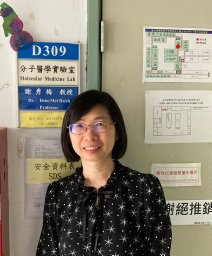 Hsiu-Mei Hsieh-Li合作论文数Graduate Institute of Medical Science, Taipei Medical University6Pin-Jui Kung合作论文数5
 Ching-Fa Yao合作论文数Department of Chemistry, College of Science, National Taiwan Normal University5
 Wenwei Lin合作论文数5Yih-Ru Wu合作论文数Veterans General Hospital-Kaohsiung Taiwan, Kaohsiung, Taiwan5
 Jung-Yaw Lin合作论文数4Chien-Yu Yen合作论文数3Yi-Chun Chen合作论文数3Chi-Mei Lee合作论文数3Kuo-Hsuan Chang合作论文数3Ming-Tsan Su合作论文数3Lee Wei Jun合作论文数2
 Jong-Shyan Wang合作论文数2Yi-Ci Wu合作论文数2Li-Ching Lee合作论文数2Chen-Ting Hung合作论文数2Tao Yu-Chen合作论文数2
 Chen Yi-Ru合作论文数2
 Jinn-Moon Yang (楊進木)合作论文数Department of Biology Science and Technology, Taiwan-Malaysia Oversea Science and Technology Innovation Center, National Yang Ming Chiao Tong University;College of Biological Science and Technology, National Yang Ming Chiao Tong University;Institute of Bioinformatics & Systems Biology, National Yang Ming Chiao Tung University2Guan-Chiun Lee合作论文数2
 Chung Yin Lin合作论文数2Hsuan-Yuan Lin合作论文数2Mei-Ling Cheng合作论文数2Mu-Chun Chiang合作论文数1Tzu-Pin Weng合作论文数1Cheng-Yu Lee合作论文数1Jang-Jih Lu合作论文数1Yi-Chung Chang合作论文数1Ching-Ping Tseng合作论文数1H-K Chang合作论文数1Pei-Ru Jiang合作论文数1Chin-Pu Lin合作论文数1Yu-Ting Huang合作论文数1
 Su-Wei Chang合作论文数Department of Laboratory Medicine, Chang Gung Memorial Hospital at Linkou;College of Medicine, Chang Gung University;College of Medicine, Chang Gung University1Kai-Cheng Hsu合作论文数1Yu-Ting Weng合作论文数Institute of Biomedical Sciences, Academia Sinica1Hao-Chun Wang合作论文数1Ya-Chin Hsiao合作论文数1Yi-Ching Chen合作论文数1Shu-Mei Yang合作论文数1




