The nonlinear modal evolution of confined bubbles was investigated by applying modulated acoustic pressure in capillaries. Within a modulation envelope of the pressure, the bubble undergoes a morphological evolution cycle, including spherical oscillation, unstable deformation, surface mode and recovery to breathing mode. This cyclic process depends on bubble size, acoustic pressure and frequency, as well as capillary shape, while also relating to the translational state of the bubble. However, acoustic condition and constrains should be the dominant factors. The time-resolved radius reveals the presence of subharmonic responses, and fundamental oscillations may be suppressed. The oscillations of a pair of bubbles are always out of phase. Bubbles with sub-resonant size have more complicated modal oscillation, accompanying a fast translational motion. Strong capillary confinement may suppress translational motion. At higher drive frequencies, bubbles may be more likely to evolving into chaotic states, and modal superposition becomes pronounced during unstable deformation. The energy distribution spectrum of the three motion components of bubbles indicates that energy conversion and transfer are occurring simultaneously. When the stable surface mode appears, the other two components may be suppressed. A method for estimating unstable deformation thresholds and modal thresholds is proposed, revealing only a slight difference between the two. Consequently, stable surface modes can only exist within a narrow range of acoustic pressure, offering new insights into elucidating the evolutionary mechanisms of bubble shape patterns.
This study introduces high-intensity focused ultrasound (HIFU) as a novel, non-contact, green extraction technology for efficient recovery of bioactive compounds from Ginkgo biloba leaves. The underlying mechanism was systematically elucidated through comparative analysis with conventional ultrasound-assisted extraction (UAE), integrated with real-time acoustic monitoring and microstructural characterization. Cavitation intensity under varying duty cycles (2%–40%) was quantified via broadband acoustic emission signals acquired through a LabVIEW-integrated hydrophone system. At 400 W, duty cycles ≤8% favored cavitation-dominant effects, whereas cycles ≥12% induced a synergistic cavitation–boiling regime, maintaining temperatures below 48°C to prevent degradation of thermolabile constituents. Scanning electron microscopy (SEM) results confirmed that high-intensity focused ultrasound (HIFU) induced pore formation on cell walls, validating the disruptive effects of inertial cavitation and micro-jets on cellular structures. Compared with conventional ultrasound-assisted extraction (UAE), HIFU significantly enhanced the extraction yields of shikimic acid and biflavonoids by 50% and 98.37%, respectively, while eliminating the risk of cross-contamination associated with probe immersion into the sample. Process optimization via orthogonal design and response surface methodology (RSM) revealed that solid-to-liquid ratio and acoustic power were the primary determinants of shikimic acid yield, whereas liquid-to-solid ratio and sonication duration were critical for biflavonoids extraction, with significant three-way interaction effects observed for P×T×D and R×P×T, respectively. Under optimized conditions, maximum yields of 109.95 ± 2.43 mg/g biflavonoids (400 W, 20% duty cycle, 1:15 solid-to-liquid ratio, 10 min) and 40.29 ± 3.83 mg/g shikimic acid (650 W, 40% duty cycle, 1:10 solid-to-liquid ratio, 6 min) were achieved. These findings demonstrate that HIFU offers superior extraction efficiency, mild thermal conditions, and non-contact operation, establishing it as a promising sustainable platform for the recovery of high-value phytochemicals.
The dynamic interaction of microbubbles in an ultrasonic field is a core issue for precisely manipulating acoustofluidics and the efficient application of ultrasonic cavitation. Existing microbubble generation technologies, such as ultrasonic cavitation and laser-induced nucleation, are generally limited by non-uniform bubble sizes, random spatial distribution, and the difficulty in balancing high-precision control with high-throughput repeatability. Furthermore, multi-bubble dynamics theory currently lacks systematic experimental support under multi-parameter coupling such as initial radius, spacing, and orientation angle. In this study, we propose an experimental method that uses low-intensity ultrasound, with a hydrophobic surface serving as a stable bubble source to release surface microbubbles. These microbubbles then migrate towards the acoustic pressure antinode. Using high-speed imaging technology, we systematically observe and analyze the mutual translational behaviors of coupled dual bubbles in the aggregation region, identifying four translational modes with distinct characteristics. The results indicate that the bubble aggregation region is precisely located at the acoustic pressure antinode, and the bubble area fraction within this region increases significantly as dimensionless power increases. The four identified translational modes, which are strongly coupled with radial oscillation, consist of a "velocity bouncing-collision" process. Modes I and III are characterized by accelerated collisions caused by velocity bouncing and radial contraction, whereas Modes II and IV are characterized by decelerated collisions resulting from velocity bouncing and radial expansion. Statistical analysis of the dual-bubble translational collision data demonstrates that as power increases, the amplitude of radial oscillation increases, the number of velocity bounces decreases, and the translational collision process accelerates significantly. Moreover, at higher power levels, Modes III and IV tend to degenerate towards Modes I and II. The initial radius ratio, initial spacing, and collision Reynolds number are key parameters that regulate the translational modes. Modes I and II dominate when the initial radius ratio deviates from 1 and the initial spacing exceeds 350 mu m, whereas Modes III and IV are more likely to occur when the initial radius ratio approaches 1 and the initial spacing is less than 200 mu m. The orientation angle has no significant effect on the modes. The predictions of the dual-bubble theoretical model show good agreement with the experimental data, which validates the precise regulatory mechanism of radial oscillation on bubble translational behavior. These insights into the translational motion laws of dual bubbles in low-intensity ultrasonic fields provide a crucial experimental basis for the dynamic modeling of multi-bubble systems, and they also hold significant implications for the optimal design of acoustofluidic devices, targeted microbubble delivery, and the optimization of ultrasonic cavitation applications.
Diabetic skeletal muscle atrophy is one of the most serious complications among diabetes-related complications. LIPUS enhances muscle regeneration and repair in skeletal muscle injuries. However, whether LIPUS can improve skeletal muscle atrophy in mice with T1DM has not been studied. This study involves forty male C57BL/6 mice randomly divided into four groups: normal control group (NC), streptozocin (STZ)-induced T1DM mice (T1D), T1DM mice treated with LIPUS (DL), and T1DM mice treated with insulin (DI). The DL group was treated on the quadriceps of mice with LIPUS (1 MHz, 80 mW/cm2, 20 min/day) for 6 weeks. The results demonstrated that LIPUS significantly improved muscle function by increasing the cross-sectional area, mass, and strength of skeletal muscles. In addition, LIPUS significantly effectively lowered the blood glucose levels of T1DM mice. The knockout of myostatin (MSTN) (MSTN−/−) and knockin of MSTN (MSTN+/+) mice were employed to verify the underlying mechanism. The results indicated that LIPUS reduces blood glucose levels in T1DM mice by improving their muscle atrophy. This study demonstrated that LIPUS will become a novel therapy for the treatment of skeletal muscle atrophy caused by T1DM.
Bubbles within an elastic shell,which undergo ultrasound-driven oscillation to treat tumors and soft tissues,are frequently treated as viscoelastic media.Therefore,studying the dynamic behavior of bubbles wrapped in a viscoelastic medium while considering an elastic shell can provide theoretical support for ultrasound biotherapy.Bubbles are always in the form of clusters.Therefore,a model of spherical bubble clusters in a liquid cavity wrapped by an elastic shell was constructed,the coupled oscillation equations of bubbles were obtained by taking into account the dynamic effects of the elastic shell and the viscoelastic media outside the cavity,and the oscillation behaviors of the bubbles were analyzed.Acoustic waves at 1.5 MHz could cause bubbles with a radius of 1 μm to resonate.Increasing the number of bubbles increased the suppressing effect of bubble oscillation caused by bubble interaction.The bubble cluster oscillation caused the elastic shell to oscillate and be stressed,and the stress trend was the inverse of the bubble oscillation trend with maximal tensile and compressive stresses.Bubbles with an equilibrium radius of 2 μm exhibited the lowest inertial cavitation threshold,making inertial cavitation more likely under high-frequency acoustic excitation.The inertial cavitation threshold of bubbles was heavily influenced by the acoustic wave frequency,bubble number density,and bubble cluster radius.The nonspherical oscillation stability of bubbles was primarily affected by the driving acoustic pressure amplitude and frequency,bubble initial radius,bubble number density,and bubble cluster radius.The acoustic frequency and amplitude exhibited a synergistic effect,with a minimum unstable driving acoustic pressure threshold of approximately 0.13 MPa.The initial radius within the elastic shell affected the minimum unstable driving acoustic pressure threshold.
A novel method is proposed to predict acoustic pressure threshold in cavitation fields by utilizing image processing techniques and parametric resampling technique. Cavitation structure within a water layer of depth λ/4 inside a transparent container was recorded by a high-speed camera, and it was found that a hemispherical bubble cloud attached to the container's solid bottom can affect the morphology of the branched bubble structure beneath the water surface. Due to bubble interactions, the two may bridge together. According to the sequence of binarized image, the structure evolution can be quantitatively predicted. As bubbles coalesce, some large bubbles exist within the bubble clouds. By applying the P-PRTF transform, cavitation noise can be separated from hydrophone detection signals, enabling prediction of the primary acoustic pressure thresholds during cavitation structure bridging: 96.3 kPa at 28 kHz and 110.1 kPa at 40 kHz. It should be noted that more potential factors, such as acoustic frequency, pressure, and liquid properties can influence the merge and separation of the two bubble clusters. The prediction thresholds were also verified through theoretical analysis of the coupled models of bubble oscillations. It reveals that the occurrence of such cavitation events depends on the chaotic threshold. Large hemispherical clusters exhibit a stronger attraction on the floating branched structures, thereby enhancing structural stability. However, increased spacing between the two clusters weakens the vertical component of their interaction force, leading to reduced stability, which closely matches experimental observations. The presented methodology and results will be helpful for further investigations of cavitation erosion prevention.
Piezoelectric composites, consisting of piezoceramic and polymer materials, can reduce the brittleness and strength of ceramics and offer an innovative approach to improving the performance of ultrasonic transducers. Recent advances in piezoelectric composites have proposed a variety of transducers with different connectivity types, while spherical transducers composed of 1-3-2 piezoelectric composites have not yet been investigated. Here, we propose a 1-3-2 piezoelectric composite spherical transducer (1-3-2-PCST) capable of achieving broadband and omnidirectional radiation in breathing mode. The proposed design is composed of six identical spherically curved square piezoelectric composites. A universal analysis method for the 1-3-2PCST based on the electromechanical equivalent circuit is derived. The effects of geometric dimensions and volume fraction of piezoceramic on the effective electromechanical coupling coefficient and resonance/anti-resonance frequency are investigated. Experiments and the finite element method validate the correctness of the universal analysis method. Our design bridges the gap between the spherical transducer and 1-3-2 piezoelectric composite and may have farreaching implications for hydrophones, medical diagnosis, and ocean exploration.
Spherical bubble clusters was observed at 28 kHz and 40 kHz, and the evolution of the clusters was investigated. It was found that the cluster was dense when it located at the antinode of standing waves, while it became sparse when it deviates from the antinode, and the bifurcation of period doubling was observed in this nonlinear bubble system. In clusters, there exists complex fragmentation and coalescence, implying a bubble transportation cycle inside the clusters, which may enhance the interaction between the cluster and surrounding tiny bubbles. With the decreasing of acoustic pressure, the cluster spreads out gradually. A theoretical model is developed to explore the attractive effects of the cluster on surrounding bubbles, where the high hydrostatic pressure environments was considered, with the aim of providing a mechanism for the manipulation of cavitation field. It is very different by comparing the equilibrium radii distribution of the repulsive zone at 28 kHz and 600 kHz. At high hydrostatic pressure, it is possible to obtain a much denser cluster, which attracts bubbles within 2 mm of the surrounding region. As a result, it was found the key factors to affect the interactions are the ratio of acoustic pressure to hydrostatic pressure, hydrostatic pressure, and acoustic frequency. Our theoretical predictions can provide support for optimizing the cavitation behavior of bubble populations at high hydrostatic pressures.
In this paper, the interaction between non-spherical bubbles is studied using a high-speed camera, and the effects of the interaction on the temperature within the bubble and the velocity of the surrounding fluid are theoretically investigated. It is found that the mean radius and the mean wall velocity of the middle bubble in three-bubble system are slightly greater than those in two-bubble system when the initial parameters are consistent. The acoustic response of the middle bubble presented a leftward shift of resonance peak and an increase of resonance peaks with increasing sound pressure. Two patterns of interactions were found in the three-bubble system: steady oscillations with slight non-spherical shape deformation, and a strong coupled state that tends to coalesce. In both patterns, the largest bubble should impose more constraints on the middle bubble, and the middle bubble was observed to be ejected towards the largest. The interacting pattern of bubbles depends on many factors, such as bubble spacing, initial radii of bubbles, acoustic frequency and intensity, which also affect the shape deformation of bubbles. Non-spherical shape deformation decreases the internal gas temperature and disturbs the flow field distribution, all of which are close to cavitation activities. Predictions of the three-bubble model are in good agreement with experimental observations, and can be used to explain bubble behaviors in chained multi-bubble systems in inertial cavitation field.
Sonodynamic therapy (SDT) is an innovative cancer treatment that uses ultrasound to activate sonosensitizers at tumor sites, producing toxic reactive oxygen species (ROS) to trigger apoptosis or necrosis of tumor cells. The efficacy of SDT heavily relies on the ability of sonosensitizers to efficiently convert ultrasound energy into chemical energy. SDT has notable benefits such as deep tissue penetration, high accuracy, and low toxicity, making it promising in cancer therapy. Traditional sonosensitizers are limited in clinical use due to issues such as poor solubility, instability in blood circulation, and inadequate tumor targeting. In recent years, nanomaterial-based sonosensitizers have overcome these limitations, showcasing unique advantages and significantly enhancing SDT efficacy. This paper extensively reviews SDT mechanisms such as ultrasound-induced cavitation, ROS production, and tumor microenvironment modulation, with an emphasis on the progress of polymeric, liposomal, and nanomaterials like metal-, silicon-, and carbon-based sonosensitizers. Finally, the prospects of SDT in cancer therapy are discussed, highlighting the need for further clarification of its mechanisms and the development of novel, efficient nanomaterial-based sonosensitizers to realize its clinical potential.
This study systematically investigates the statistical properties of topologically protected chiral edge states (TPESs) in straight and Z-shaped acoustic interface waveguides (IWs) composed of valley topological phononic crystals (TPCs) with random lattice disorders. The aim is to clarify how lattice disorders affect TPESs, compare their impacts with interface disorders, and reveal the chiral dependence of TPESs on lattice disorders. Two types of disorders in TPCs are introduced: rotation angle disorder and displacement disorder. Using finite element method simulations, we analyze the transmission coefficients of TPESs in IWs with different disorder distributions. The effective acoustic impedance method is employed to quantify the disorder effects, and valley state stability in supercell models is examined to explain chiral behavior. TPESs exhibit chiral sensitivity to lattice disorders: left-side disorders (relative to wave propagation) induce stronger backscattering than right-side disorders, due to the asymmetric stability of valley states in TPCs. Displacement disorders affect TPESs more drastically than rotation angle disorders, as they fully break lattice symmetry. TPESs are more robust against interface disorders compared to lattice disorders, while normal edge states show no chiral dependence and are more vulnerable to all disorders. The chiral dependence of TPESs on random lattice disorders originates from the topological properties of valley states. Lattice disorders impact TPESs more significantly than interface disorders, with displacement disorders being the most detrimental. These findings highlight the unique robustness of TPESs and provide insights for designing low-loss acoustic devices.
This study systematically investigates the bouncing behavior and dynamics of microbubbles under ultrasound excitation within a rigid capillary in order to offer quantitative insights into their oscillation characteristics,migration trajectories,and phase modulation mechanisms for applications in microfluidics,contrast-enhanced ultrasound imaging,and controlled drug delivery.A high-speed imaging system is employed to track the motion of single-,double-,and triple-bubble systems in a viscoelastic medium inside a capillary with a 0.5-mm inner diameter.Under a 28-kHz ultrasound field,bubble dynamics are captured at 100000 frames per second.Image processing techniques,including dynamic threshold segmentation and morphological operations,are employed to extract bubble contours and centroid trajectories.Spectral analysis via fast Fourier transform(FFT)is performed to identify oscillation frequencies and modulation characteristics.Experimental results show that a single bubble undergoes periodic lateral migration,with oscillation frequency slightly below the driving frequency,and that sideband distribution in its spectrum is asymmetric.In the two-bubble system,five different dynamic stages are identified:initial suppression,accelerated migration,interaction dominance,position exchange,and a secondary approach to the wall.The bubbles oscillate at a common dominant frequency of 27.32 kHz but maintain phase difference.Modulation sidebands of approximately 0.3 kHz are observed,indicating nonlinear coupling.The three-bubble system exhibits more complex spatiotemporal evolution,including sequential migration and transitions between triangular and mirror-symmetric configurations.A notable sideband at 0.1 kHz suggests that multi-bubble synergy enhances nonlinear behavior.The tube diameter and fluid viscosity are found to influence the bouncing period through added mass effects and viscous energy dissipation,respectively.The period increases significantly with tube diameter decreasing,and decreases with fluid viscosity lessening.Theoretical modeling incorporates the mirror bubble effect into the coupled Keller-Miksis equations to account for wall confinement,thus successfully simulating the oscillation and translation of confined microbubbles.Numerical analysis further indicates that inter-bubble distance,wall proximity,and medium viscosity modulate the dynamic behavior of the system.Specifically,the bubble resonance frequency is regulated by inter-bubble distance and wall confinement.The two-bubble system exhibits both in-phase and out-of-phase modes,with the latter being more sensitive to distance variation.Near the wall,the oscillation frequency decreases,and the phase difference attenuation accelerates.Increasing medium viscosity will weaken the phase coupling between bubbles,an effect which is particularly evident for smaller bubbles.This study not only enhances the understanding of multi-bubble synergistic effects in confined spaces but also provides a theoretical foundation and technical reference for optimizing ultrasound contrast agents,designing microfluidic devices,and developing targeted therapies in biomedicine.
A model with three-layer structure is introduced to explore the acoustic radiation force (ARF) on composite particles with an elastic thin shell. Combing acoustic scattering of cylinder and the thin-shell theorem, the ARF expression was derived, and the longitudinal and transverse components of the force and axial torque for an eccentric liquid-filled composite particle was obtained. It was found that many factors, such as medium properties, acoustic parameters, eccentricity, and radius ratio of the inner liquid column, affect the acoustic scattering field of the particle, which in turn changes the forces and torque. The acoustic response varies with the particle structures, so the resonance peaks of the force function and torque shift with the eccentricity and radii ratio of particle. The acoustic response of the particle is enhanced and exhibits higher force values due to the presence of the elastic thin shell and the coupling effect with the eccentricity of the internal liquid column. The decrease of the inner liquid density may suppress the high-order resonance peaks, and internal fluid column has less effects on the change in force on composite particle at ka > 3, while limited differences exist at ka < 3. The axial torque on particles due to geometric asymmetry is closely related to ka and the eccentricity. The distribution of positive and negative force and torque along the axis ka exhibits that composite particle can be manipulated or separated by ultrasound. Our theoretical analysis can provide support for the acoustic manipulation, sorting, and targeting of inhomogeneous particles.
The upwelling growth and evolution of spherical bubble clusters appearing at one-quarter wavelength from the water surface in ultrasonic cavitation fields at frequencies of 28 kHz and 40 kHz are studied by high-speed photography.Due to the interactions among bubbles,the stable bubble aggregation occurs throughout the rise of the bubble cluster,whose vertical pressure difference leads to a more significant spreading in the upper part of the cluster in the standing-wave field.At 28 kHz,the rising speed is about 0.6 m/s,controlled by the primary acoustic field.After a violent collapse of the bubble clusters,the aggregating structure begins to hover near the water surface.The size and stability of the structure are affected by the frequency and pressure of the primary acoustic field.If two clusters are close to each other,the clusters deviate from the spherical shape,even trailing off,and eventually merge into a single bubble cluster.By considering the influence of water-air boundary,based on the mirror principle,a spherical bubble cluster model is developed to explore the structure stability of the clusters,and the modified dynamics equations are obtained.The effects of driving acoustic pressure amplitude,bubble number density,water depth,and bubble equilibrium radius on the optimal stable radius of the spherical bubble cluster are numerically analyzed by using the equivalent potentials at 28 kHz and 40 kHz.The results show that the optimal stabilizing radius of spherical bubble cluster is in a range of 1-2 mm,and it tends to decrease slightly with the increase of the driving acoustic pressure and bubble number density.It is worth noting that the nonlinearity is enhanced by increasing acoustic pressure,which may promote the stability of the cluster structure.The smaller the unstable equilibrium radius,the easier it is to grow,and the stable size at 40 kHz is slightly smaller than that at 28 kHz.Generally,spherical clusters first appear in a high-pressure region and then move to a low-pressure region.If the acoustic pressure drops below a certain critical value,bubble clusters disappear.The theoretical analysis is in good agreement with the experimental observation.The analysis of the growth and structural stability of spherical bubble cluster is helpful in understanding the behavioral modulation of bubbles.
Developing innovative sonoreactors to enhance acoustic processing efficiency holds immense importance in the field of sonochemistry. Traditional immersed sonoreactors (TISs) mainly produce cavitation at the probe tip, with a relatively weak cavitation around the probe, resulting in posing challenges for high-efficiency cavitation treatment. Here we propose an acoustic black hole immersed sonoreactor (ABHIS) in longitudinal-flexural coupled vibration, enabling high-efficiency cavitation treatment by unleashing the cavitation potential of the probe. The symmetrical structure of the probe is altered to introduce a coupling of flexural vibration mode, and an acoustic black hole (ABH) profile is integrated to further enhance both flexural wave number and amplitude. In this paper, we present a systematic theoretical design method for ABHIS and compare its performance with TIS using finite element method (FEM). An ABHIS prototype is fabricated and subjected to experimental tests and cavitation observation. The results demonstrate that our theoretical analysis model accurately predicts the frequency characteristics of ABHIS. The proposed ABHIS exhibits satisfactory dynamic characteristics, with significantly increased vibration displacement and acoustic radiation ability compared to TIS. Importantly, the ABH design significantly expands ultrasonic cavitation regions and enhances acoustic radiation intensity of ABHIS, resulting in a substantial improvement in acoustic processing efficiency.
Considering the interactions between bubbles in a multi-bubble system in a liquid micro-cavity, a spherical bubble cluster in a liquid cavity is modeled in order to describe the dynamical effect of the viscoelastic medium outside the liquid cavity on the oscillation of bubbles, and the coupled equations of bubbles are obtained. Subsequently, the acoustic response characteristics of bubbles are investigated by analyzing the radial oscillation, the stability of the non-spherical shape of bubbles and the threshold of inertial cavitation. The results show that the confinement of the cavity and the bubble cluster facilitates the suppression of bubble oscillation, however, it might enhance the nonlinear properties of bubbles to a certain extent. From the acoustic response curve at 1 MHz, it is found that the main resonance peaks shift leftward with the increase of the bubble number, which means a minor resonant radius can be obtained. The nonlinear stability of bubbles in a confined environment is mainly determined by acoustic pressure amplitude and frequency, the initial bubble radius, and bubble number density, while the effect of the cavity radius is enhanced with the increase of the driving pressure. There is a minimum unstable driving acoustic pressure threshold, depending on the initial bubble radius, and the unstable regions are mainly located in a range of less than 4 μm. With the increase in bubble number density, the strip-type stable region scattered of the unstable region in the map is gradually transformed into a random patch-like distribution, which indicates that the bubble oscillation under high acoustic pressure is more sensitive to the parameters, and it is very susceptible to interference, produces unstable oscillation and then collapses. When the bubble equilibrium radius is in a range greater than 4 μm, the influences of frequency and bubble number density on the inertial thresholds are particularly significant.
In a multi-bubble system, the bubble behavior is modulated by the primary acoustic field and the secondary acoustic field. To explore the translational motion of bubbles in cavitation liquids containing high-concentration cavitation nuclei, evolutions of bubbles are recorded by a high-speed camera, and translational trajectories of several representative bubbles are traced. It is found that translational motion of bubbles is always accompanied by the fragmentation and coalescence of bubbles, and for bubbles smaller than 10 μm, the possibility of bubble coalescence is enhanced when the spacing of bubbles is less than 30 μm. The measured signals and their spectra show the presence of strong negative pressure, broadband noise, and various harmonics, which implies that multiple interactions of bubbles appear in the region of high-intensity cavitation. Due to the strong coupling effect, the interaction between bubbles is random. A simplified triple-bubble model is developed to explore the interaction patterns of bubbles affected by the surrounding bubbles. Patterns of bubble interaction, such as attraction, repulsion, stable spacing, and rebound of bubbles, can be predicted by the theoretical analysis, and the obtained results are in good agreement with experimental observations. Mass exchange between the liquid and bubbles as well as absorption in the cavitation nuclei also plays an important role in multi-bubble cavitation, which may account for the weakening of the radial oscillations of bubbles.
The acoustic Lichtenberg figure (ALF) in an ultrasonic cleaner with a frequency of 28 kHz at different power levels was observed using high-speed photography. The nonlinear response of the cavitation structure was analyzed by the entropy spectrum in the ALF images, which showed the modulation influence of the primary acoustic field, exhibiting the fluctuations of the bubble distribution with time. Typical Y-branches predict the paths by which surrounding bubbles are attracted and converge into the structure, the branches are curved due to bubble-bubble interactions, and the curvature increases as the bubbles are approaching the main chain. The average travelling speed of bubbles along the branches is about 1.1 m/s, almost independent of power level of the ultrasonic cleaner. A theoretical model consisting of free bubbles and a straight bubble chain of finite length was developed to explore the evolutionary mechanism of branching. It was found that the bubble trajectories showed a bending tendency similar to the experimentally observed Y-branches, and the stationary straight bubble chain parallel to the main chain could evolve into a curved chain and eventually become a branch of the main chain. The theoretical predictions agree well with the experimental results, verifying the evolutionary mechanism of Y-branches in ALF.
 Runyang Mo (莫润阳)合作论文数School of Physics & Information Technology, Shaanxi Normal University59
 Jing Hu (胡静)合作论文数School of Physics & Information Technology, Shaanxi Normal University34Shi Chen (陈时)合作论文数School of Physics & Information Technology, Shaanxi Normal University29
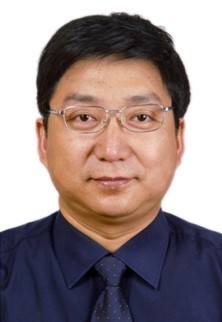 Shuyu Lin (林书玉)合作论文数School of Physics and Information Technology, Shaanxi Normal University29Jianzhong Guo (郭建中)合作论文数School of Physics & Information Technology, Shaanxi Normal University21
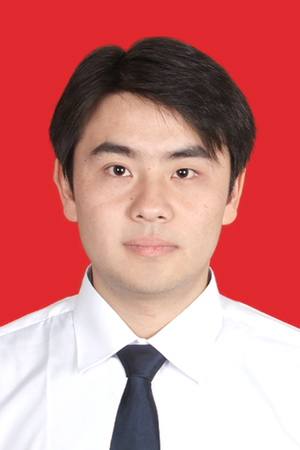 Fan Li (李凡)合作论文数School of Information and Communications Engineering, Faculty of Electronic and Information Engineering, Xi'an Jiaotong University15Yaorong Wu合作论文数13
 Gangqiang Zhu (朱刚强)合作论文数School of Physics & Information Technology, Shaanxi Normal University10Xianmei Zhang合作论文数8
 Jianzhi Gao (高健智)合作论文数School of Physics & Information Technology, Shaanxi Normal University8Chenyang Huang合作论文数7
 Jianchun Cheng (程建春)合作论文数School of Physics, Nanjing University7Hua Tian (田华)合作论文数School of Physics and Information Technology, Shaanxi Normal University6Zhuangzhi Shen (沈壮志)合作论文数School of Physics & Information Technology, Shaanxi Normal University6Lei Zhao-Kang (雷照康)合作论文数5
 Yinhong Zhang (张引红)合作论文数School of Physics and Information Technology, Shaanxi Normal University5
 Xiaobing Bian (边小兵)合作论文数School of Physics & Information Technology, Shaanxi Normal University5
 Peng Liu (刘鹏)合作论文数Shaanxi Normal University5
 Mirabbos Hojamberdiev合作论文数Shaanxi Key Laboratory of Nano-materials and Technology, Xi’an University of Architecture and Technology5Ruiqi Pan合作论文数4Zhiwei Du合作论文数4
 Changchun Hao (郝长春)合作论文数School of Physics & Information Technology, Shaanxi Normal University4
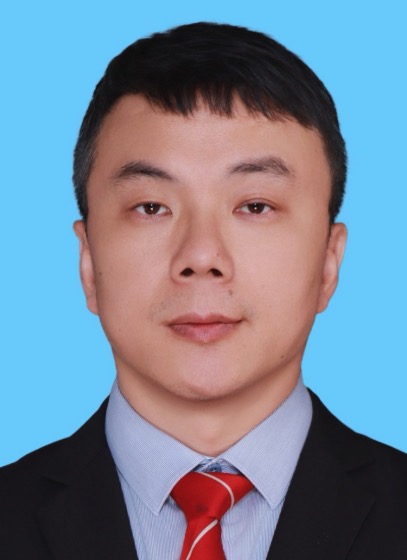 Runliang Zhu (朱润良)合作论文数Guangzhou Institute of Geochemistry, Chinese Academy of Sciences;University of Chinese Academy of Sciences4Wenxu Hu (胡文旭)合作论文数4Jie Chen (陈杰)合作论文数3
 Yongbao Liu合作论文数3She ZHANG (张舍)合作论文数3Xiumei Wei (魏秀梅)合作论文数School of Physics & Information Technology, Shaanxi Normal University3
 Zhiqiang Fu (付志强)合作论文数School of Engineering and Technology, China Univerity Geosciences, Beijing3Kangyi Feng合作论文数2Runrun Hu合作论文数2Zhongyu Guo合作论文数2Hui-Min Shi合作论文数2Cao Na合作论文数2Zhang Di合作论文数2Xu Zhen合作论文数2Tao-Ran Zhang (张陶然)合作论文数2xinyue zhou (周欣悦)合作论文数2Dong-dong DU (杜栋栋)合作论文数2Yannan Chen合作论文数2Cheng Chen合作论文数2
 Tang Yifan合作论文数2XiaoJun Xian (鲜晓军)合作论文数2
 Xiping He (贺西平)合作论文数School of Physics and Information Technology, Shaanxi Normal University2Hui Cao (曹辉)合作论文数School of Physics and Information Technology, Shaanxi Normal University2Jing Chen合作论文数1Jiaxin He合作论文数1Wang Shuaijun合作论文数1




