With the rapid expansion of sensor networks across domains such as environmental monitoring, industrial automation, and smart healthcare, ensuring secure and reliable data storage in resource-constrained environments has become a critical challenge. Traditional centralized storage systems struggle with data tampering, privacy leakage, and vulnerability to collusion among nodes. Blockchain technology, characterized by decentralization, immutability, and traceability, provides a promising foundation for trustworthy sensor data management. Among various consensus mechanisms, Delegated Proof of Stake (DPoS) has been recognized for its efficiency and low energy consumption, yet it faces two critical issues: limited incentives for ordinary sensor nodes to participate in voting and the risk of collusion that undermines fairness and stability. To overcome these limitations, this study proposes a blockchain-enabled sensor data storage framework incorporating a four-party evolutionary game model. The model explicitly captures the strategic interactions among cluster head nodes, ordinary sensor nodes, competing gateway nodes, and supervisory nodes, while integrating reputation evaluation, penalty enforcement, and supervisory oversight. Through evolutionary game analysis, the proposed framework reveals the stability conditions of node behaviors and identifies strategies that promote fair and secure consensus. Simulation results verify that the mechanism enhances node participation, suppresses collusion, accelerates consensus convergence, and achieves superior throughput and fault tolerance compared with existing schemes. This research provides theoretical insights and practical guidance for designing secure, efficient, and scalable blockchain-enabled sensor network data storage systems.
Scaling deep learning to industrial dimensions has made distributed training indispensable. However, its efficiency is often hindered by the long-tail distribution of parameter access, caused by extreme skew. Conventional approaches mainly rely on worker-side caches, but these static and rigid designs fail to adapt to dynamic traffic patterns, leading to persistent network congestion and underutilized GPUs. To address this challenge, we propose M-Cache, a switch-assisted, multi-tier caching framework that operates hierarchically and adapts in real time. By embedding a lightweight programmable cache directly in the datapath and coordinating it with adaptive worker buffers, M-Cache ensures that frequently accessed parameters are placed at the optimal layer where they are most needed. Experimental results demonstrate clear benefits: compared with state-of-the-art static methods, M-Cache reduces parameter pull traffic by up to 70 × , showing that incorporating caching into the network fabric effectively mitigates skew and enhances training efficiency.
With the rapid development of generative models, the visual quality of generated images has become almost indistinguishable from real images, which poses a huge challenge to content authenticity verification. A key limitation of existing detectors is their reliance on model-specific cues, resulting in poor generalization to unseen models. Based on the observation of local differences in the generated images, we found that the generated images lack device-specific sensor noise and unnatural pixel intensity variations caused by the oversimplified generation process. These discrepancies provide important forensic cues for distinguishing between real and generated images. We propose the Feature Aggregation for Localized Context and Noise Network (FALCON-Net), which leverages these discrepancies to enhance detection capabilities. FALCON-Net integrates two complementary modules to enhance detection capabilities: the Intrinsic Noise Pattern Isolation (INP) module isolates device-specific noise patterns by analyzing high-frequency features in the frequency domain, while the Local Variation Pattern (LVP) module models the complex relationships between local pixels to capture directional intensity variations and reveal unnatural regularities in generated images. By combining these sensor-level and local structural cues, FALCON-Net identifies fundamental generative inconsistencies, ensuring robustness to post-processing and strong generalization to unseen models. Extensive experimental results show that FALCON-Net achieves the state-of-the-art performance in detecting generated images and shows good generalization ability to unseen generative models. The code is available at https://github.com/humiaomiaohaha/FALCON-Net.
Driven by the carbon neutrality agenda, the collaborative development of the photovoltaic (PV) industry chain faces dual challenges: behavioral heterogeneity among multiple stakeholders and the absence of a decentralized trust mechanism. Existing research exhibits notable limitations in the completeness of participant modeling, the quantification of blockchain effects, and the dynamic adaptability of incentive mechanisms. To address these gaps, this paper constructs a blockchain-enabled cooperative governance framework encompassing four core actors: PV power generation enterprises, power grids, users, and government entities. A four-party evolutionary game model is developed, integrating blockchain-based trust mechanisms and cost constraints. The model innovatively endogenizes default penalties, trust enhancement, and behavioral preferences into the payoff structure, and designs a multi-dimensional incentive system including subsidies, rewards, and penalties. Numerical simulations demonstrate that the blockchain platform significantly enhances the stability of cooperation and accelerates strategic convergence. Furthermore, appropriately calibrated subsidies and dynamic performance-based rewards effectively incentivize collaboration, while user power supply preferences and default penalties are identified as key variables influencing system evolution. Compared with a traditional three-party model, the proposed four-party model exhibits superior performance in terms of convergence speed and system stability. This study provides theoretical support for building a trustworthy, efficient, and sustainable governance system for the PV industry, and offers actionable policy recommendations in areas such as cost regulation, tiered incentives, differentiated tariffs, and smart contract implementation.
Reconstructing high-fidelity surfaces from sparse point clouds remains a core challenge in 3D vision, especially in complex indoor environments where preserving fine geometric details is essential. The primary challenge lies in designing a network that can effectively capture global context while preserving detailed local features. To address this, we introduce PU-FHN, a novel framework centered on a Hybrid Feature Enhancement Unit (HFEU) that follows a two-stage hierarchical design. First, the Multi-Scale Residual Convolution Block (MSRC) captures broad spatial context. Then, the High-Frequency Aware Transformer (HFAT) leverages frequency-guided attention to recover and enhance high-frequency details that are often lost in early processing. This hybrid architecture is further strengthened by a Cross-Scale Feature Recalibration Fusion (CSFRF) module, which adaptively integrates features across multiple network scales. To accurately reconstruct local geometry, we introduce a Detail Restoration Block (DRB) with a Dual-Path Contextual Refinement (DPCR) mechanism. Extensive experiments on challenging indoor scene datasets demonstrate that PU-FHN outperforms existing state-of-the-art methods. Quantitatively, our method consistently achieves the lowest Chamfer Distance (CD) and Density-Aware Chamfer Distance (DCD) across all datasets and upsampling rates, surpassing recent diffusion and flow-based baselines. Furthermore, PU-FHN demonstrates exceptional efficiency, achieving inference speeds an order of magnitude faster than patch-based approaches while preserving intricate high-frequency geometric details.
Workloads in modern AI networks generate highly heterogeneous traffic, with conflicting demands for low latency and high throughput. Existing load balancing strategies often overlook the differing transmission requirements of heterogeneous traffic. To address this gap, this paper proposes a heterogeneous traffic-aware load balancing (HaLB). Specifically, HaLB integrates three key influencing factors by calculating a heuristic function to compute the transition probability for selecting the next hop, ultimately choosing the optimal routing path. NS-3 simulation experiments demonstrate that HaLB significantly outperforms existing advanced schemes. It not only achieves a 24
Remote Direct Memory Access (RDMA) over Converged Ethernet (RoCE) cooperating with Priority Flow Control (PFC) has been widely deployed in production datacenters to enable low latency, lossless transmission. At the same time, modern datacenters typically offer parallel transmission paths between any pair of end-hosts, underscoring the importance of load balancing. However, the well-studied load balancing mechanisms designed for lossy datacenter networks (DCNs) are ill-suited for such lossless environments. Through extensive experiments, we are among the first to comprehensively inspect the interactions between PFC and load balancing, and uncover that existing fine-grained rerouting schemes can be counterproductive to spread the congested flows among more paths, further aggravating PFC’s head-of-line (HoL) blocking. Motivated by this, we present FLB, a Fine-grained Load Balancing scheme for lossless DCNs. At its core, FLB employs threshold-free rerouting to effectively balance traffic load and improve link utilization during normal conditions and leverages timely congested flow isolation to eliminate HoL blocking on non-congested flows when congestion occurs. To handle complex multi-bottleneck scenarios, we further introduce FLB*, which incorporates an enhanced congestion-point-aware isolation mechanism using Congestion Point Identifiers (CPI) to eliminate HoL blocking among different congested flows.We have fully implemented a FLB prototype, and our evaluation results show that FLB reduces PFC PAUSE rate by up to 96% and avoids HoL blocking, translating to up to 45% improvement in goodput over CONGA+DCQCN and 40%, 36%, 29% and 18% reduction in average flow completion time (FCT) over LetFlow+Swift, MP-RDMA, Proteus+DCQCN and LetFlow+PCN, respectively.
Unmanned aerial vehicles (UAVs) are widely used in mobile edge computing (MEC) due to their mobility, portability, and reliable line of sight (LoS). However, data offloading to UAVs is susceptible to eavesdropping, and the computing capability of a single UAV is limited. Therefore, we proposed a secure transmission strategy for multi-UAV assisted MEC. Specifically, in the scenario with multi-UAV and multi-user equipment (UE), a UAV eavesdrops on data transmitted by UEs, and the ground jamming (GJ) interferes with this UAV's eavesdropping behavior. By considering connection scheduling, computing resource allocation on UAVs, trajectories of UAVs and related constraints, a mixed integer nonlinear programming (MINLP) problem is formulated with aim to minimize the secure completion cost of all UE's tasks. Subsequently, to solve this problem, we propose the algorithm named MASTCM (A Multi-Agent DRL based Secure Task Cost Minimization strategy). Specifically, we firstly proposed a secure offloading algorithm for solving connection scheduling, which is designed based on the coverage of the UAVs, secure transmission rate, and the size of UE's tasks offloaded to the UAVs. Then convex optimization technology is used to solve the computing resource allocation. Finally, a Deep Reinforcement Learning (DRL) method named Soft Actor-Critic (SAC) is employed to solve the flight trajectory of the UAVs. Simulation results demonstrate that our algorithm significantly reduces both delay and energy consumption, while also serving a larger number of UEs.
Automatic crack segmentation is crucial for ensuring the safe and stable operation of civil concrete buildings. However, due to the irregularity of cracks, low image quality, and complex background environment, automatic crack segmentation on concrete building surfaces still faces significant challenges. To address these issues, an automatic segmentation network (LKT-Net) based on a large kernel pooling Transformer is proposed, aiming to improve the comprehensiveness and accuracy of crack feature extraction while maintaining a lightweight design. First, the large kernel pooling Transformer (LKT) is proposed as the fundamental building block of LKT-Net, which combines large kernel convolution with pooling layers and attention mechanisms to effectively enhance global perception and capture local details at a lower computational cost. To extract edge information accurately, the Feedforward network is improved by integrating the Laplacian operator with multi-scale convolutions, thereby enhancing multiscale edge detection capabilities. Finally, to mitigate information loss during downsampling, we propose a feature enhancement module (FEM) to replace traditional skip-connections, thereby enhancing cross-level feature interactions. The experimental results showed that on three public datasets (DeepCrack537, CrackLS315, and CrackTree260), compared with eight advanced networks, LKT-Net achieved mean Intersection over Union (mIoU) scores of 86.23%, 70.82%, and 83.67%, respectively, demonstrating excellent segmentation performance. The codes are available at: https://github.com/wjxcsust2024/LKT-Net.
Remote direct memory access (RDMA) is widely deployed in production data centers to enable low-latency transmission. The current multipath RDMA transmission protocols effectively improve link utilization by allocating traffic to equal-cost parallel paths. To address packet reordering, they struggle to control the level of out-of-order packets by using bitmaps. However, under asymmetric path status and highly dynamic traffic scenarios, a large number of out-of-order packets easily cause bitmap overflow and frequent unnecessary retransmission, resulting in goodput far below throughput. Motivated by this, we present MPTR, an efficient multipath transport with robust reordering for RDMA networks. At its core, MPTR continuously monitors the multipath congestion status at the receiver and distributes the traffic in a congestion-aware manner to proactively reduce the degree of out-of-order and avoid triggering retransmission due to bitmap cache overflow. The NS-3 simulation results show that MPTR effectively reduces unnecessary retransmission and improves goodput under realistic workloads by up to 34%, 49%, and 51% compared to multi-path remote direct memory access (MP-RDMA), ConWeave, and data center quantized congestion notification (DCQCN), respectively.
With the widespread adoption of consumer electronic devices such as virtual reality (VR) headsets, panoramic cameras, and ultra-high-definition displays, omnidirectional (360 degrees) images have become increasingly important for providing immersive user experiences. However, the high resolution and data volume of these images pose significant challenges for bandwidth-limited and resource-constrained consumer electronics. To address these challenges, based on an advanced parallel dual-branch hybrid architecture (TCM) consisting of convolutional neural networks (CNNs) and Swin Transformer, we propose a dual-prompt learned variable bitrate omnidirectional image compression framework, termed DPVOC, which utilizes distortion maps (Dmaps) and quality maps (Qmaps) as dual prompts to enable region-adaptive bit allocation and achieve efficient variable bitrate compression. Specifically, during training, to alleviate the computational burden of processing entire ERP images, we randomly crop ERP images into patches as input to the network. Considering the varying degrees of distortion redundancy across different regions of ERP patches, we introduce corresponding Dmap patches to record the local distortion levels. In the CNN branch, the patch-wise uniform Qmaps are element-wise multiplied with the Dmaps to modulate the CNN features. In the Swin Transformer branch, the uniform Qmap patches are used as prompts in the attention mechanism to guide the feature embeddings for adaptability to bitrate variations. Additionally, Dmap patches are introduced into the feedforward network (FFN) of the Swin Transformer to suppress redundant information. By incorporating fine-grained and symmetric prompts from both Qmaps and Dmaps into the encoder and decoder through the dual-branch structure, our networks can effectively adapt to diverse bitrate requirements. During inference, entire Qmaps and Dmaps are used as inputs, and their bitrate overhead is negligible. Experimental results demonstrate that DPVOC achieves superior performance in omnidirectional image compression while maintaining low computational complexity.
With the increasing demand for reusing paper documents in educational and office settings, accurate segmentation of handwritten and printed text has become a crucial step in document digitization. Although numerous deep learning models have been developed for this task, their high computational cost limits deployment on resource-constrained edge devices. To address this challenge, we present a lightweight framework optimized for efficient performance on devices with severely limited computational capacity. Our approach begins with the Sentence-level Connected Component Segmentation algorithm, aimed at extracting coherent sentence-level segments from document images. We then design a novel Region-aware Handwriting Descriptor (RHD) to capture the intrinsic variability of human handwriting at the sentence level. A simple conventional classifier can then be seamlessly integrated with our designed descriptor, demonstrating strong classification performance for distinguishing handwritten and printed sentence-level text images, highlighting that the proposed descriptor is agnostic to the choice of classifier. Extensive experiments are performed on our self-constructed Multilingual High-Quality Annotated Dataset for Handwritten and Printed Text Segmentation (MAD-HPTS) and a public benchmark PHD-AS, and the experimental results demonstrate that the proposed framework outperforms current state-of-the-art methods in both accuracy and computational efficiency. On MAD-HPTS, our method sacrifices only 1.4
Recently, numerous image compression frameworks have adopted hyperprior-based contextual models to capture spatial and channel dependencies. However, the entropy modeling of the hyperprior itself remains largely underexplored. Although side information incurs a modest bitrate cost, its accuracy is crucial to guide the entropy coding of latent representations. Current hyperprior-based approaches typically rely on simplistic probabilistic models, failing to account for the severe spatial degeneration of quantized side information into constant values. This limitation results in suboptimal probability estimation. To address this, we introduce a Side Information Autoregressive (SIA) module for more flexible modeling. The SIA module provides stronger guidance for latent representations, thereby enabling more accurate and adaptive entropy coding. Experimental results on the Kodak dataset confirm that the savings in latent representation bits outweigh the marginal bitrate cost of side information. When applied to a baseline architecture, our method achieves a bitrate reduction of up to 7.75%.1
Deep unfolding networks (DUNs) have advanced image compressive sensing (CS) by embedding iterative optimization into learnable reconstruction models. However, many existing DUNs retain a single dominant reconstruction representation, while transform-domain information is used mainly as an auxiliary prior or fused feature. Moreover, conventional dual-domain fusion does not explicitly specify how cross-domain information should participate in individual solver steps, limiting the coordination of image-domain structures and wavelet-domain details. To address this limitation, we propose GDU-Net, a cross-gated dual-domain unfolding network that formulates image- and wavelet-domain representations as coupled reconstruction variables. Based on their dependencies and update order in the unfolded optimizer, three learnable gates perform wavelet-prior injection before image-domain descent, cross-domain conditioning during proximal denoising, and image-to-wavelet feedback after image-domain refinement. Furthermore, an adaptive tree-structured module is developed to replace fixed wavelet-tree shrinkage with learnable, content-adaptive threshold modulation. By explicitly modeling parent–child dependencies, it introduces structure-aware multi-scale wavelet priors into reconstruction. A cross-domain uncertainty-aware mechanism is further incorporated to predict spatial uncertainty maps and reduce the propagation of unreliable intermediate information. Extensive experiments demonstrate that GDU-Net achieves competitive reconstruction performance across benchmark datasets and shows improved robustness under challenging sampling and noise conditions.
Efficient point cloud compression is essential for applications such as autonomous driving and robotic vision navigation. Recently, point cloud data has received significant attention in machine vision tasks that rely on accurate geometric representations. However, most existing point cloud compression methods are designed for human visual perception rather than specifically for machine vision tasks, and their decoding processes are often computationally expensive, limiting applicability in fast-processing scenarios. To better support machine vision tasks that depend on global geometric structure, we propose a Fast Frequency-Aware Network (FFA-Net) for point cloud compression, with large-scale 3D object detection serving as a representative evaluation scenario. We observe that high-frequency components are less critical than low-frequency components for preserving global shape information in geometry-driven perception tasks, which typically rely on stable structural cues rather than fine-grained local details. Based on this observation, FFA-Net employs graph filtering to separate point clouds into high-frequency and low-frequency components. It then applies an adaptive quantization strategy, using a larger step size for high-frequency points and a finer step size for low-frequency points to preserve structural details. Furthermore, a lightweight adapter is introduced to adaptively adjust the high-to-low frequency ratio and enhance low-frequency representations. Experimental results demonstrate that the proposed method effectively preserves task-relevant geometric structures that are fundamental to geometry-driven machine vision tasks, while significantly improving processing speed.
The cloud-edge-end (CEE) collaborative computing environment offers mobile users uninterrupted computing, storage, and network transmission services. In this context, mobile devices often face the challenge of balancing performance and energy consumption. To reduce the energy consumption of mobile devices, tasks are often offloaded to remote servers. However, this may cause time-sensitive tasks to miss deadlines due to data transmission overhead. Therefore, exploring approaches to balance energy consumption and task schedulability is highly meaningful. In this paper, we investigate computation offloading for time-constrained tasks in the CEE environment to find an optimal scheme that jointly optimizes system energy consumption and task schedulability. To this end, we propose a computation offloading strategy based on an improved genetic algorithm (IGA). The IGA incorporates a neighborhood search operation governed by single-step transition rules. After each iteration of the genetic algorithm (GA), this operation refines the population by searching for local optimal solutions within the neighborhood of each chromosome, thereby preserving the global search capability of the GA while enhancing local exploration ability. The extensive simulations demonstrate that our IGA consistently outperforms advanced benchmark algorithms across all tested scales (20-200 tasks). It achieves substantial energy savings, exceeding 20% compared to memetic algorithms (MA-SA and MA-2OPT) and the NSGA-III-based method (COM). In terms of schedulability, IGA matches the performance of the greedy heuristic and outperforms other metaheuristics.
Vehicular Edge Computing (VEC) reduces latency by offloading vehicle generated tasks to Roadside Unit (RSU), unlocking vast opportunities for in vehicle electronics commercial services. Existing studies on task offloading in multi-RSU scenarios suffer from two major gaps. First, the similar sub-tasks across different tasks themselves have not been sufficiently investigated. This oversight leads to redundant computing, thereby undermining system efficiency. Second, and more critically, the load imbalance stemming from the uneven distribution of vehicles is further exacerbated by the neglect of similar sub-tasks. This paper focuses on redundant computation of similar sub-tasks in multi-RSU scenarios. We characterize similar sub-tasks of overlapping tasks, thereby capturing the redundancy that exists across these overlapping tasks. We then model the offloading of similar sub-tasks as a multi-objective Mixed Integer Nonlinear Program (MINLP) problem that simultaneously minimizes latency, energy consumption, and load imbalance. The original problem is approximated by a weighted-sum multi-objective problem, and we prove by contradiction that any optimal solution to this weighted-sum problem is a Pareto-optimal solution to the original multi-objective problem. To solve the constructed MINLP, we propose the Multi-RSU Distributed Shared Offloading (MRDSO) scheme. In this scheme, discrete variables are fixed based on Benders partitioning theorem, reducing the problem to a linear-programming sub-problem of the continuous variables. By proving the convexity of this sub-problem, we have demonstrated that a global optimum exists for the original MINLP problem. We then design two algorithms to solve it. Finally, experimental results confirm that this scheme reduces average system computing latency and energy consumption while maintaining multi-RSU load balance. Compared to the existing SSO, LAGO, RO, the proposed MRDSO has at least 54.8% improvement in the system cost.
In smart manufacturing, the efficiency of material handling (MH) is a critical factor, and autonomous mobile robots (AMRs) are pivotal for achieving production agility. However, existing multi-AMR (MAMR) path planning methods often fail to exploit heterogeneous production data or capture the multi-nary relations intrinsic to shopfloor logistics. This leads to a disconnect between knowledge-level task generation, global path optimization, and real-time operational adaptability. To address these challenges, this paper introduces a domain knowledge-driven framework for MAMR path planning that integrates semantic modeling, knowledge-guided task generation, and hybrid global-local optimization. We construct a Material Handling Domain Knowledge Hypergraph (MH-DKHG) by integrating multi-source shopfloor data into an ontology-based hypergraph model. This structure supports high-order semantic representation, similar-order retrieval, resource allocation, and transportation task sequence generation. Building on this knowledge foundation, an integrated path planning approach is developed by employing improved sand cat swarm optimization (ISCSO) for global path generation and the dynamic window approach (DWA) for real-time local obstacle avoidance. A priority-based coordination strategy is further implemented to mitigate multi-robot conflicts. A case study in a real-world machining shopfloor demonstrates the effectiveness of the framework. Compared with six DWA-integrated baseline algorithms, the proposed ISCSO-DWA method achieves a path length comparable to the best-performing baseline and reduces path length by up to 21.6% relative to the other methods. It also reduces path deviation by 1.6%–45.2%, shortens AMR execution time by 0.2%–24.5%, and improves path smoothness by 7.4%–50.8%. Scalability tests with five and eight AMRs further confirm that the proposed framework maintains stable path quality, coordination capability, and real-time performance under increased task density and interaction complexity. These findings provide practical insights into knowledge-driven production–logistics coordination in smart manufacturing environments.
Designing a tailored entropy model is crucial for achieving efficient point cloud geometry compression. However, most existing methods directly inherit or adapt entropy models from image compression, which inevitably leads to several short-comings. First, the spatial and channel correlations are not jointly exploited, resulting in statistical redundancy and unnecessary bit overhead. Second, these models rarely exploit information from other modalities, which constrains further improvements in compression efficiency. To address these issues, we propose a multi-view image guided spatio–channel mixed entropy model, termed MV-MEM. This model consists of a mixed spatio–channel context module and a image feature extractor. Specifically, by analyzing the geometric characteristics and latent feature distribution of point cloud data, we propose a Frequency-Aware Serialization (FAS) and Even Feature Channel Grouping (EFCG) strategy to jointly model spatial and channel dependencies in a targeted manner, thereby constructing the mixed context module. Meanwhile, a Zero-Overhead Image Guidance (ZOIG) strategy is introduced to extract image features from decoded coordinates to enrich the probability priors without introducing additional bits. In addition, to achieve redundancy reduction and high-quaility reconstruction, we propose a multi-receptive field feature modeling (MRFM) module. By integrating the state space models with sparse convolution networks, the proposed module dynamically fuses global structural information and local details without incurring high computational complexity. Together, the MRFM module and MV-MEM constitute our compression framework. Extensive experimental results demonstrate that our method achieves superior compression performance compared with standardized MPEG G-PCC, V-PCC, and other representative learning-based approaches across various datasets, while maintaining low complexity and acceptable encoding and decoding time.
Sketch is widely used in many traffic estimation tasks due to its good balance among accuracy, speed, and memory usage. In scenarios with priority flows, priority-aware sketch, as an emerging method, provides differentiated detection accuracy for flows of different priorities, optimizing resource allocation and improving the detection accuracy of high-priority flows. However, existing priority-aware sketches methods struggle to effectively handle the dynamic changes in flow priority distribution in real world detection environments, leading to wasted or insufficient storage space. To address this issue, this paper proposes a new priority-aware sketch with Dynamic Memory Allocation called DMA-Sketch. It dynamically adjusts the detection framework based on flow priority distribution information and adaptively allocates appropriate memory space to each storage region. The experimental results show that DMA-Sketch improves the overall priority accuracy, high-priority accuracy and throughput by up to 1.33x, 16.39x and 1.88x, respectively, under the scenarios with changing flow priority distribution over the state-of-the-art schemes.
 Kim Jeong-Uk合作论文数53
 Yunhui Shi (施云惠)合作论文数Faculty of Information Technology, Beijing University of Technology52
 Baocai Yin (尹宝才)合作论文数School of Information Science and Technology,Beijing University of Technology46
 Yongjun Ren (任勇军)合作论文数School of Cyber Science and Engineering, Nanjing University of Information Science & Technology44
 Chunyong Yin (尹春勇)合作论文数School of Computer Science, Nanjing University of Information Science & Technology43
 Yuhui Zheng (郑钰辉)合作论文数School of Computer, Qinghai Normal University38
 Arun Kumar合作论文数33
 Amr Tolba合作论文数Math & Computer Science Department, Faculty of Science, Menoufia University;Department of Computer Science, College of Computer and Information Sciences, King Saud University31
 Jian Shen (沈剑)合作论文数School of Information Science and Engineering, Zhejiang Sci-Tech University31
 Sai Ji (季赛)合作论文数School of Computer Science, Nanjing University of Information Science & Technology30Jinbin Hu合作论文数29
 Osama Alfarraj合作论文数Comp Sci Dept, King Saud Univ28
 Simon Sherratt合作论文数Department of Biomedical Engineering, School of Biological Sciences, University of Reading27
 Nam Ling合作论文数Multimedia Visual Processing Lab, Department of Computer Science and Engineering, School of Engineering, Santa Clara University26
 Pradip Kumar Sharma合作论文数Dongguk Univ, Dept Multimedia Engn, Seoul 04620, South Korea24
 Jin Liu (刘进)合作论文数School of Computer Science, Wuhan University22Dun Cao合作论文数Changsha University of Science and Technology21
 Sungyoung Lee合作论文数Ubiquitous Computing Laboratory, Department of Computer Science and Engineering, College of Software, Kyung Hee University21
 Qing Zhu (朱青)合作论文数Beijing Institute of Artificial Intelligence, Beijing University of Technology20
 Shiming He合作论文数16
 Hye-Jin Kim合作论文数16
 Zhichao Yin合作论文数Nanjing 1 Middle Sch, Nanjing 210001, Jiangsu, Peoples R China15
 Xingming Sun (孙星明)合作论文数College of Computer & Software, Nanjing University of Information Science and Technology15
 Qiang Tang合作论文数Departement d'Informatique, École Normale Supérieure15
 Yunjie Chen (陈允杰)合作论文数School of Mathematics and Statistics, Nanjing University of Information Science and Technology14
 Bin Li (李斌)合作论文数College of Information and Artificial Intelligence, Yangzhou University14
 Jingyu Zhang (张经宇)合作论文数School of Computer and Communication Engineering, Changsha University of Science & Technology13
 Min Zhu合作论文数13
 Z. Q. Zhang合作论文数12
 Zhuofan Liao (廖卓凡)合作论文数长沙理工大学信息科学与发动机学院助理教授,中国长沙。12Wencheng Chen合作论文数11
 Shan Ren合作论文数11
 Chuang Wang合作论文数University of North Carolina at Charlotte, Univ. of North Carolina at Charlotte11
 Xiaofeng Yu (于笑丰)合作论文数Business School, Nanjing University11
 Wei Liu (刘维)合作论文数10Neal N. Xiong合作论文数10
 Zhangjie Fu (付章杰)合作论文数School of Cyber Science and Engineering, Nanjing University of Information Science & Technology10
 Feng Ruan (阮峰)合作论文数School of Artificial Intelligence, Nanjing University of Information Science & Technology;Unique Technology10
 Liming Fang (方黎明)合作论文数College of Information Science and Technology, Nanjing University of Aeronautics and Astronautics10
 Yang Liu (刘阳)合作论文数Division for Environmental Technology and Management, Department of Management and Engineering, Linköping University;School of Intelligent Systems Science and Engineering, Jinan University10
 Gwang-Jun Kim合作论文数Chonnam Natl Univ, Dept Comp Engn, Gwangju 61186, South Korea9
 Fayez Hussain Alqahtani合作论文数College of Computer and Information Sciences, King Saud University9
 Longhua Sun合作论文数Beijing University of Technology, Chaoyang, Beijing, China9Xiaoqin Yang合作论文数9
 Yu Gao合作论文数9
 Jianming Zhang合作论文数Adobe Research9Shuying Rao合作论文数8
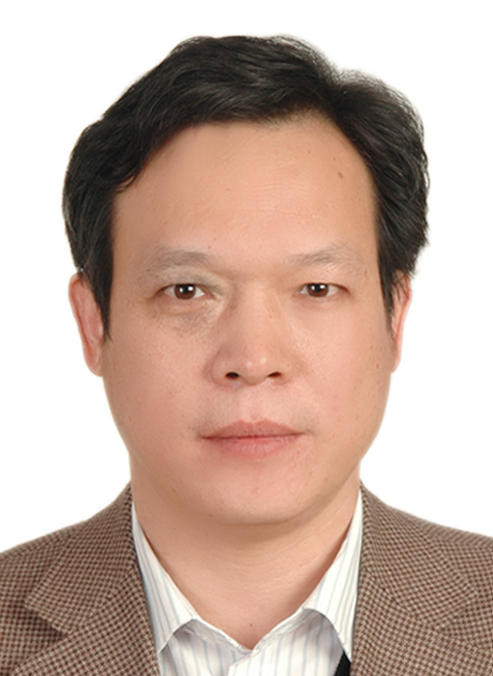 Jianwei Zhang (张建伟)合作论文数School of Mathematics and Statistics, Nanjing University of Information Science and Technology8




